Stonehenge's 'Prototype' Unearthed: Ancient Sun Worship Rewrites History!

Stonehenge's 'Prototype' Unearthed: Ancient Sun Worship Rewrites History!
Archaeologists have discovered a 5,000-year-old monument just miles from Stonehenge! This 'prototype' reveals sun worship rituals predating Stonehenge by centuries. Uncover ancient secrets!
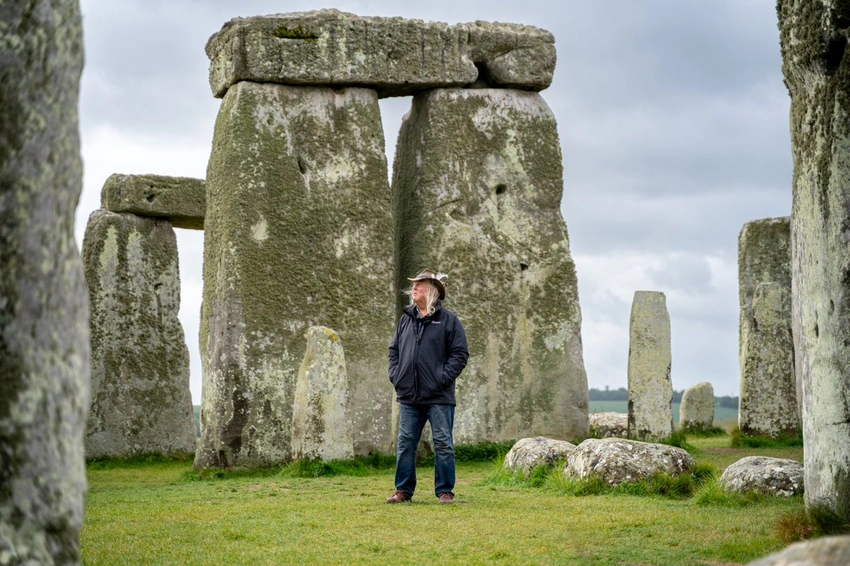
Archaeologists have made an astounding discovery just a few miles from the iconic Stonehenge, unearthing what they believe could be a "prototype" of the world-famous monument. This groundbreaking find at Bulford in Wiltshire is rewriting our understanding of prehistoric religion and sun worship in Britain.
For decades, the solar alignments of Stonehenge have been a subject of immense fascination. Now, excavations have revealed that similar practices of sun worship were deeply ingrained in the region's religious life at least 450 years before Stonehenge's main stone phase was even constructed. This means that by 3000 BC, ancient Britons were already celebrating the midsummer sunrise and midwinter sunset with complex rituals.
The site, meticulously excavated by a team led by Phil Harding of Wessex Archaeology, is a remarkable complex featuring 50 ritual pits. Even more significantly, researchers uncovered evidence of two timber monuments, precisely 120 metres apart, which were deliberately aligned with the summer and winter solstices. These impressive timber posts, likely around 3.5 metres tall and 50 centimetres in diameter, were erected some 5,000 years ago.
These ancient wooden structures directly prefigure the stone arrangements at Stonehenge itself, where key sarsens were later positioned to mark the solstitial alignments. The ritual pits were found filled with feasting debris, suggesting vibrant communal gatherings and ceremonies took place at this early religious site.
What’s more, this discovery offers new insights into the initial phase of Stonehenge. The site's circular earthen bank, which predates the famous stone circle but was built around the same time as the newly found Bulford site, measures roughly 115 metres in diameter. This has led archaeologists to theorize that early Stonehenge might have featured similar solstice-marking totem poles externally, mirroring the design at Bulford. This "once in a lifetime find" truly sheds new light on the long and mysterious history of Britain’s most celebrated ancient monument.
