'Software-as-a-service' Hardware are Reshaping Our Relationship with Products

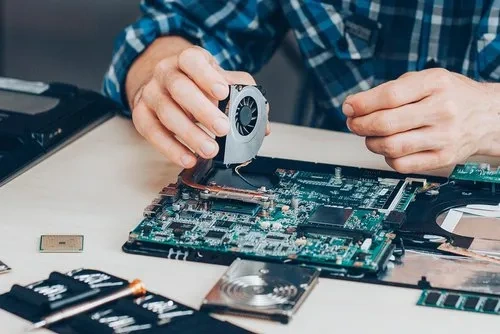
'Software-as-a-service' Hardware are Reshaping Our Relationship with Products
Are your smart gadgets designed to fail? Planned obsolescence is threatening our material legacy, and fueling the Right to Repair.
The modern economy often celebrates innovation, but beneath the glossy surface of new product launches, a quiet battle is being waged for the very essence of our material history. It's a conflict between corporate design philosophy and consumer rights, between perpetual upgrades and lasting value.
At its heart lies the tension between Planned Obsolescence and The Right to Repair , and its outcome will fundamentally alter what we pass down to future generations.
Built to Break: The Obsolescence Economy
For decades, businesses have embraced planned obsolescence, designing products with intentionally limited lifespans. It's about engineering a continuous revenue stream. Components become irreplaceable, firmware updates disable older models, or repair costs outweigh replacement.
From smartphones to washing machines, the message is clear: consume, discard, repeat. This model maximizes short-term profits, but at what cost to sustainability, consumer trust, and our collective material legacy?
 The Software-as-a-Service Hardware Trap
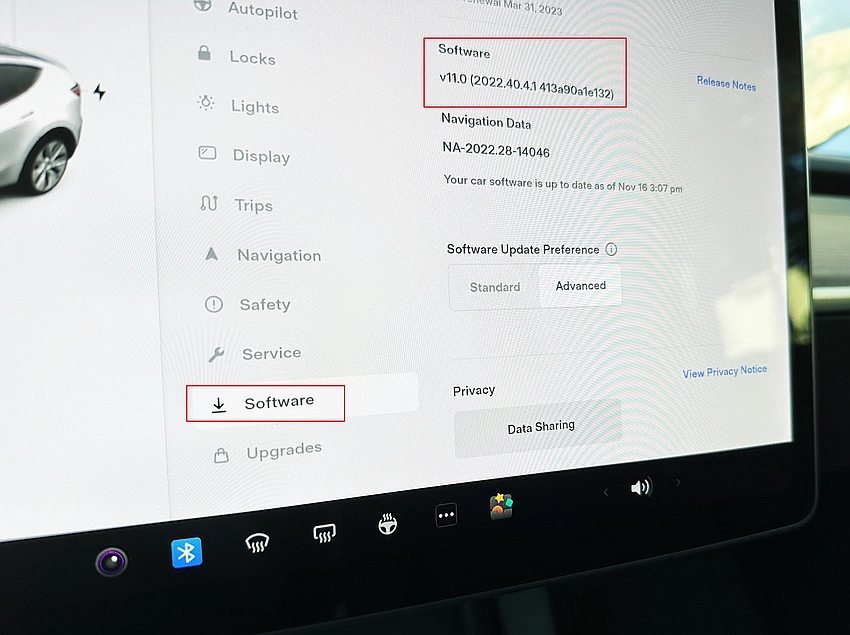
The plot thickens with the rise of 'software-as-a-service' (SaaS) hardware. Your car, once a tangible asset, now relies on subscription-locked features like heated seats or remote start. Your smart appliance, once a durable good, might 'brick' itself if its online service is discontinued or a proprietary software update fails.
This shift effectively transforms product ownership into a perpetual lease. When a product's functionality is dictated by an ongoing software license or server availability, its physical form becomes secondary, its potential for long-term use, and thus its legacy, severely compromised.
Imagine explaining to your grandchildren that their grandparent's treasured classic car is now just a metal shell because the automaker's servers that managed its essential functions were shut down. This isn't a dystopian fantasy; it's a very real threat to material culture.
 The Right to Repair: Reclaiming Ownership and Legacy
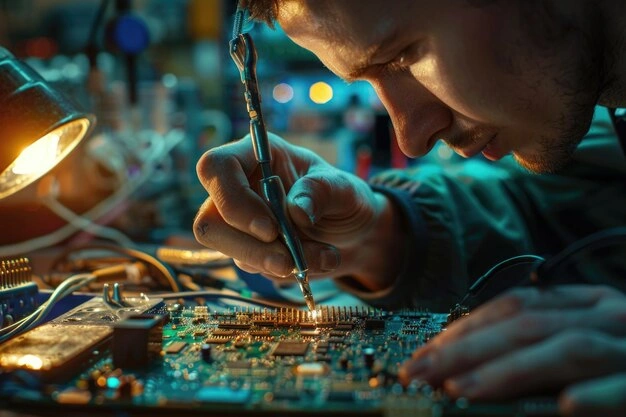
Against this backdrop, the Right to Repair movement gains traction. Advocates argue for the fundamental right of consumers and independent repair shops to fix products they own. This includes access to schematics, tools, and genuine parts, free from manufacturer restrictions.
It's about environmental sustainability, reducing e-waste, fostering local economies, and preserving the knowledge and skills associated with repair.
Crucially, it's also about empowering consumers to extend the life of their possessions, allowing them to become artifacts of personal and historical significance. When we can repair, we can preserve.
 A Battle for Material Culture
If our tools, cars, and appliances are designed to brick themselves after five years, what happens to the material culture and artifacts we pass down to future generations? The answer is stark: they vanish. We risk creating a 'great forgetting' of physical history, where the tangible objects that define an era are systematically erased, not by war or natural disaster, but by corporate design.
Businesses that perpetuate this model risk alienating a growing segment of consumers who value longevity and sustainability.
“The erosion of our ability to repair what we own isn't just an inconvenience; it's an existential threat to our material heritage and the very concept of durable ownership.”
Smart businesses should view the Right to Repair not as a threat, but as an opportunity. Embracing repairability, providing parts and documentation, and designing for longevity can become powerful differentiators. It aligns with growing consumer demand for sustainable products and contributes to a more circular economy, ultimately building greater brand loyalty and a more enduring legacy, both for the company and for the products it creates.
 The Path Forward: Business Responsibility and Consumer Choice
The trajectory of planned obsolescence and SaaS hardware demands a re-evaluation of business ethics and long-term vision. Companies have an opportunity to lead by designing products that respect consumer ownership and contribute to a sustainable future. For consumers, demanding repairable products and supporting companies that champion the Right to Repair is paramount.
The choice between a disposable present and a preserved past is ours to make, and businesses have a critical role to play in shaping that future.
