UK High Court Refuses to Reopen Nirav Modi Extradition Case

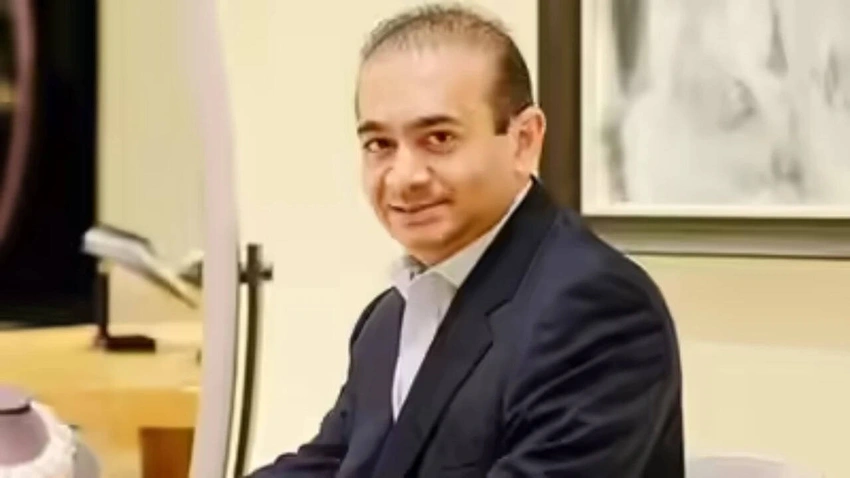
UK High Court Refuses to Reopen Nirav Modi Extradition Case
London's High Court rejects Nirav Modi's bid to reopen extradition, potentially paving his return to India after years in custody.
The High Court of Justice in London on Wednesday refused to reopen Nirav Modi’s extradition case, a decision that appears to exhaust his last legal avenue in the United Kingdom and may clear the way for his return to India after more than seven years in British custody. The Central Bureau of Investigation, which has pursued Modi’s extradition since 2018, said its investigating officers had travelled to London to follow up on the ruling. The judgment hinged on assurances from the Indian government — delivered in September 2025, December 2025, and through a note verbale from the Indian High Commission in London in February 2026 — that Modi would not be interrogated by any of the five investigating agencies handling his case. The court stressed that the assurances were “specific and not general and vague,” given by a competent official and binding on the government of India, the state of Maharashtra, and all five agencies. They had been provided “in good faith and with the intention that they should be binding,” but the judges noted they were not given with an eye to wriggling out of them. The bench, comprising Lord Justice Jeremy Stuart-Smith and Justice Robert Jay, also acknowledged a “worrying picture” raised by the Sanjay Bhandari case about the use of coercive interrogations to obtain confessions, a factor the court weighed against reopening Modi’s appeal in light of the assurances. Modi’s extradition has been pursued by the CBI since 2018 in connection with a multi-thousand-crore fraud case, and he has been in British custody since his 2019 arrest. The ruling potentially accelerates his transfer back to India, subject to the completion of procedural formalities by Indian authorities. Legal analysts say the decision narrows the path for Modi but leaves open the practical steps needed for him to be admitted to India, where authorities have long maintained their case against him. For Modi’s supporters and opponents alike, the decision ends one legal chapter while reigniting debates over cross-border extradition safeguards and their real-world implications.
