US Carrier Arrives in Middle East as Iran Warns of Retaliation

US Carrier Arrives in Middle East as Iran Warns of Retaliation
A carrier strike group led by USS Abraham Lincoln reaches Middle East waters as Iran warns of a comprehensive response, amid protests back home.
In a move that underscores mounting regional tensions, a U.S. carrier strike group led by the USS Abraham Lincoln has arrived in Middle East waters. U.S. Central Command said the carrier group arrived on Monday to promote regional security and stability, a clear show of force as Tehran delivers warnings of retaliation for any perceived aggression.
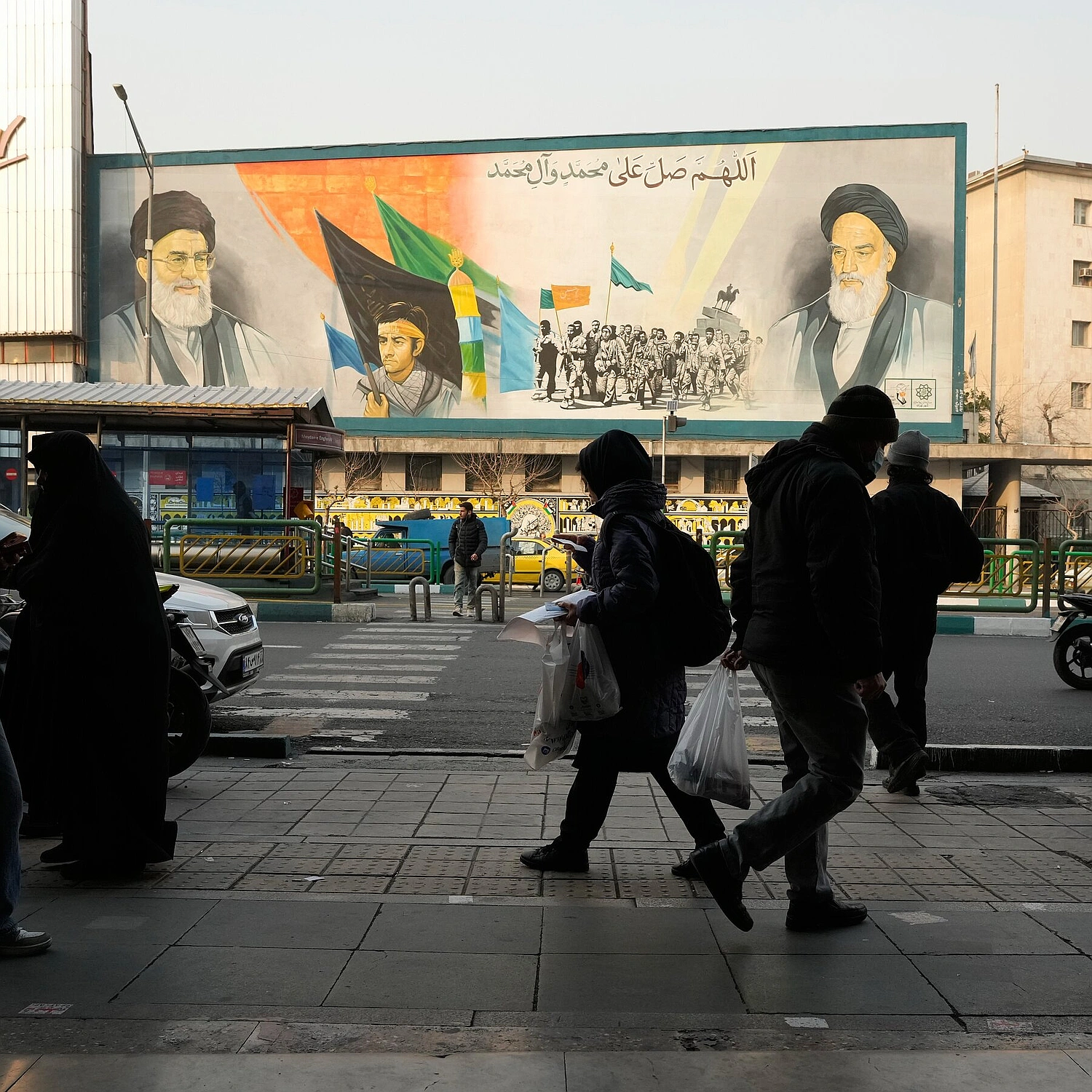
The deployment comes as Iran faces a swelling wave of domestic protests that began in late December and evolved into a broad movement against the government. Demonstrations have drawn massive turnout and, by some accounts, have been met with a harsh crackdown. Internet access across the country has been repeatedly restricted, the longest shutdown Iran has ever imposed, as authorities move to curb organization and messaging.
Rights groups say the crackdown has taken a heavy toll, with some estimates nearing 6,000 deaths, though observers caution the true toll could be higher. The unrest has dominated headlines for weeks, complicating any potential diplomatic openings. In Tehran, officials warned of a “comprehensive and regret-inducing” response to any aggression, signaling the risk of rapid retaliation if the United States or its allies act against Iran.
The political tone in Washington has been mixed. A U.S. official has floated the idea that America is “open for business” if Iran wishes to reach out, even as President Trump has at times warned of intervention and noted Washington was sending a “massive fleet” to the region “just in case.” The Pentagon stresses the carrier group’s mission is deterrence and regional stability, leaving room for diplomacy while increasing pressure to prevent a wider clash.
Analysts say the current stance blends deterrence with calculated openness to possible talks, but the risk of miscalculation remains high. With protests at home and tensions abroad, regional security hinges on whether cooler heads prevail or escalation outpaces diplomacy.
