Kent meningitis outbreak prompts widened vaccination drive in Canterbury

Kent meningitis outbreak prompts widened vaccination drive in Canterbury
Wider vaccination access is urged as 18 confirmed and 11 probable meningitis cases link to Kent, stressing containment via rapid immunization.
Health authorities confirm a meningitis cluster centered in the Kent region, with 18 confirmed cases and a further 11 probable cases linked to the same area. The cluster has triggered a public health response as officials map contacts and monitor potential spread. Meningitis in its meningococcal form can progress rapidly, and the disease remains serious even with treatment. The current pattern is being described as sporadic but containable, with authorities stressing that quick action and vaccination efforts are the best way to prevent wider transmission. All cases under review show ties to communities in Kent, prompting local health boards to widen outreach and ensure rapid access to vaccines and antibiotics for those most at risk.
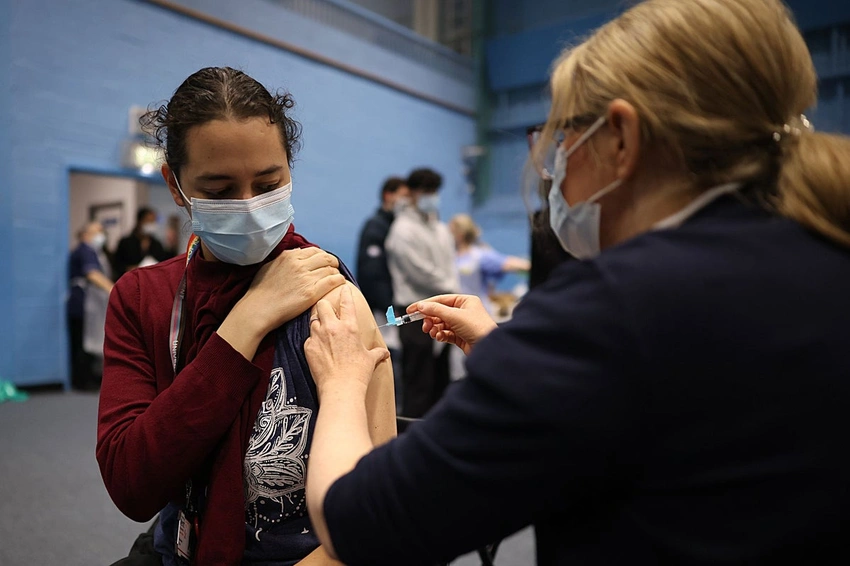
To blunt the spread, vaccination criteria have been widened in the area. Health teams say anyone who attended a club within a 10-day window, as well as sixth-form students at four local schools and Canterbury-based students who may have been exposed, are now being offered the meningitis B vaccine and related preventive measures. Local clinics have extended hours, and teams are working with schools, student unions, and community groups to reach those who might have missed earlier rounds. Officials emphasize that timely vaccination is essential to curb transmission in settings where young people gather and socialize.
Public health experts caution that even with vaccines, the risk of secondary infections remains until coverage improves. They advise families and students to watch for symptoms such as sudden fever, severe headache, neck stiffness, and the development of a purplish rash, and to seek urgent medical care if any warning signs appear. Vaccination is just one tool; close attention to hygiene, prompt antibiotic treatment for suspected cases, and swift contact tracing are all part of the containment strategy. Temporary changes in campus routines and communications with parents are also being rolled out to limit opportunities for further spread.
While the outbreak is centered in Kent and focused on Canterbury institutions, the situation has prompted nationwide attention to meningococcal disease and the public health systems in charge of vaccine delivery. Health authorities say containment is achievable if the response remains swift and coordinated, underscoring the importance of clear information for students and families. Some international observers have noted parallels with outbreaks in other countries, but experts stress that local action is the key to preventing a broader national scenario. The current measures aim to protect students, staff, and communities while scientists continue to study patterns in transmission.
Officials say the situation is not officially contained yet and that surveillance will guide the next steps. In the meantime, schools and clinics are urged to keep lines of communication open, encourage vaccination, and promptly report any new cases. The goal is to prevent a wider roll-out while ensuring those already exposed receive protection as quickly as possible, so Canterbury can return to normal as soon as feasible.
