Trump’s 10% Tariff Threat. Will BRICS Alignment Cost Countries Their U.S. Trade Lifeline?

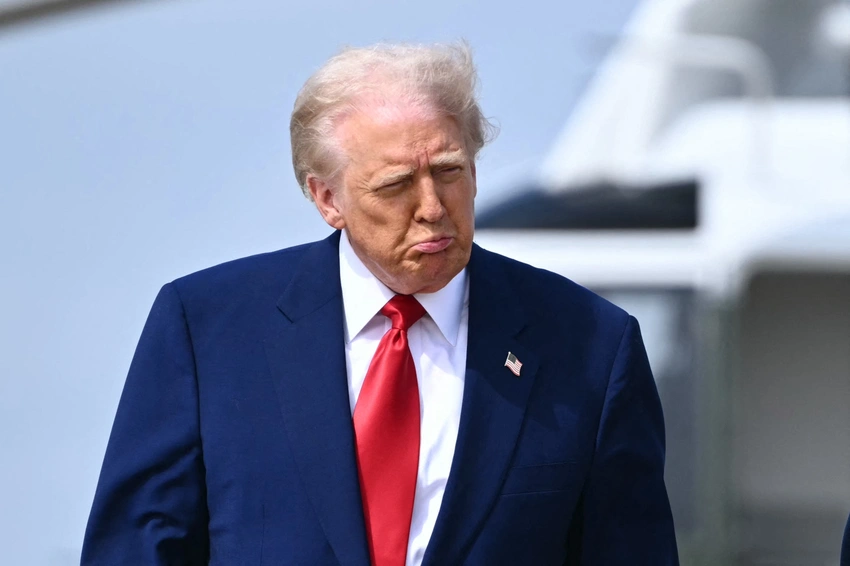
Trump’s 10% Tariff Threat. Will BRICS Alignment Cost Countries Their U.S. Trade Lifeline?
Trump warns that any nation siding with BRICS’ “anti-American” policies faces an extra 10% tariff, rattling global trade.
U.S. President Donald Trump has issued a stark warning, any country that aligns with what he calls the “anti-American policies” of the BRICS group will be hit with an additional 10% tariff on exports to the United States. The announcement, made late Sunday on Trump’s Truth Social account, comes as the BRICS summit in Brazil concluded with a joint condemnation of recent U.S. and Israeli military actions in Iran and strong criticism of rising unilateral tariffs worldwide.
“There will be no exceptions to this policy,” Trump declared, signaling a hardline approach as his administration prepares to dispatch official tariff letters to dozens of countries starting Monday.
Why Is Trump Targeting BRICS and Its Allies?
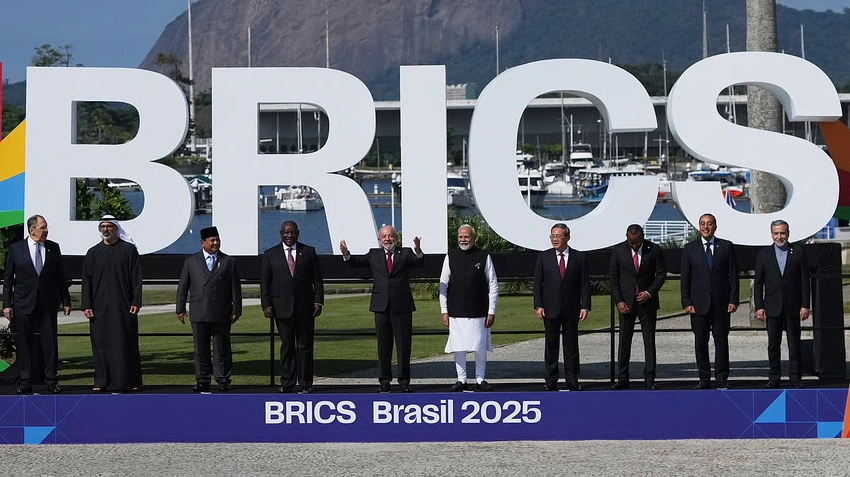
The move is a direct response to the BRICS bloc’s increasingly assertive stance against Western economic and military policies. At the Rio summit, the 10-member group—now including Brazil, Russia, India, China, South Africa, Egypt, Ethiopia, Indonesia, Iran, Saudi Arabia, and the UAE—issued a rare, unified statement condemning U.S.-led military strikes on Iran and calling for a more “democratic” global trade system.
BRICS leaders also criticized the “indiscriminate rising of tariffs,” a clear reference to U.S. trade practices, and called for reforms to the World Trade Organization (WTO) and United Nations Security Council. Trump’s tariff threat appears to be a counterpunch, aiming to deter countries from joining or supporting what he sees as a bloc hostile to American interests.
What’s Driving This Confrontation? Why now?
Trump’s warning comes as a 90-day pause on new U.S. tariffs expires this week. His administration is shifting from negotiation to unilateral action, sending final, non-negotiable tariff letters to trading partners worldwide.
The BRICS expansion and outspoken criticism of U.S. policy have made it a focal point for American concerns about losing influence in global trade and security. BRICS’ ongoing discussions about alternative payment systems and “de-dollarization” also threaten the dominance of the U.S. dollar in international commerce.
Why an extra 10%? Trump has used tariffs as leverage in past trade disputes, believing they force other nations to the bargaining table. This new blanket policy is intended to punish and deter alignment with BRICS’ positions, especially those seen as undermining U.S. economic or strategic interests.
China’s Response
China’s foreign ministry rejected Trump’s move, stating that “trade and tariff wars have no winners” and that BRICS is not seeking confrontation. Beijing warned that protectionism will only harm global supply chains and economic recovery.
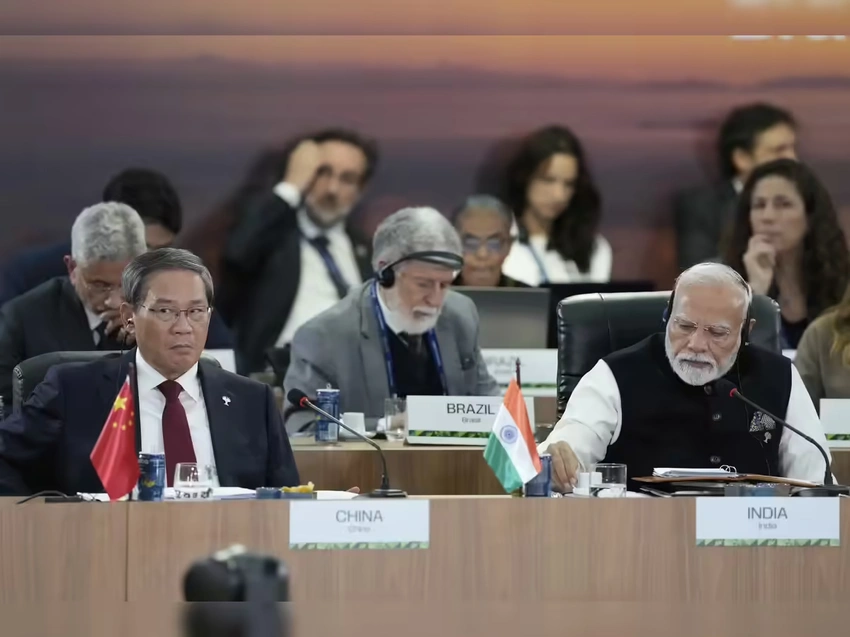
Impact on Trade Partners - The U.S. is sending tariff letters to about 100 countries, each with terms based on trade history. Only the UK and Vietnam have secured special deals so far. India and the European Union remain in tense negotiations, with the risk of higher tariffs looming if talks fail before the August 1 deadline.
Market Uncertainty - Economists warn that sweeping tariffs could disrupt global trade, raise consumer prices, and spark retaliatory measures from affected countries. There is also concern that the move may accelerate efforts by BRICS and others to bypass the U.S. in global finance and supply chains.
What Could Happen Next?
Trump’s tariff ultimatum marks a sharp escalation in the ongoing tug-of-war between the U.S. and the BRICS bloc. While intended to protect American interests, the policy may backfire by pushing more countries toward alternative trade systems and deepening global economic divides. If major economies like India or the EU refuse U.S. terms, the world could see a new wave of trade wars and fractured alliances.
The coming weeks will reveal whether Trump’s gamble strengthens U.S. leverage or further isolates it from a rapidly changing world order.
