Franz Kafka: an unlikely TikTok star

Franz Kafka: an unlikely TikTok star
Franz Kafka: an unlikely TikTok star
Kafka’s timeless parables meet TikTok’s fast-scrolling world as readers remix Metamorphosis and The Trial into bite-sized clips and memes. A playful, perceptive look at how culture reshapes classics.
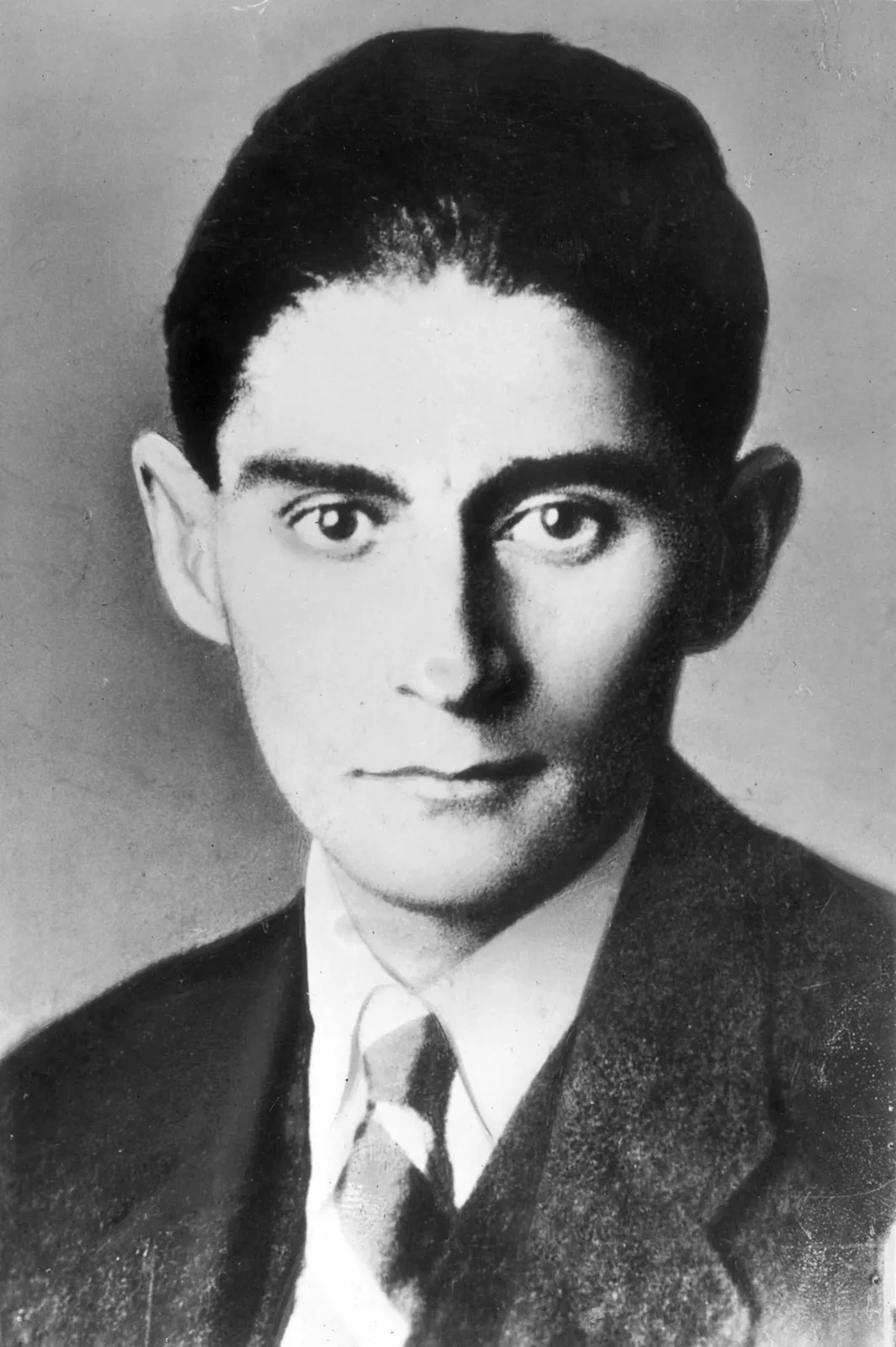
There is something deliciously ironic about a writer whose fiction meditates on alienation, paralysis and the absurdities of bureaucracy finding new life on a platform famed for its speed, bite-sized snacks and virality. Franz Kafka’s compact, uncanny parables from a man who wakes as an insect to a protagonist crushed by an indifferent legal machine have long occupied the literary imagination; now, snippets of his letters, aphorisms and synopses of The Metamorphosis and The Trial circulate in the same scroll as dance trends and baking tutorials. That collision is not mere novelty; it reveals how contemporary audiences discover and reframe the canonical through affect, humour and meme culture.
How Kafka landed on a dance floor
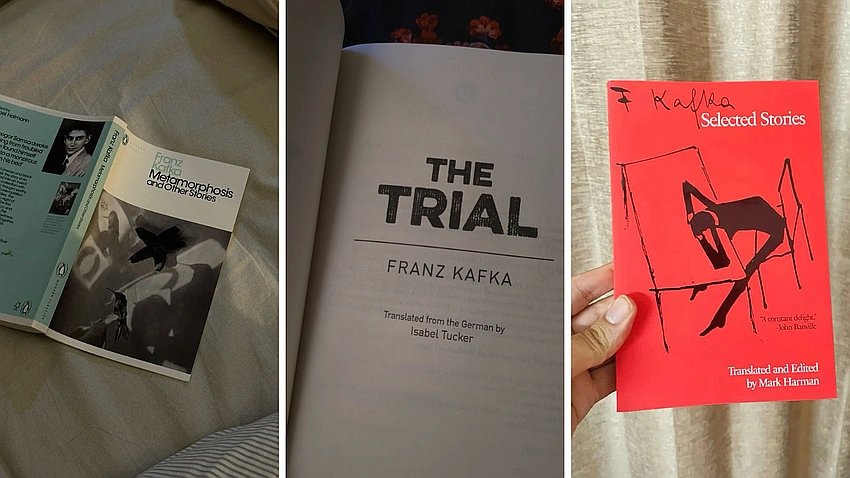
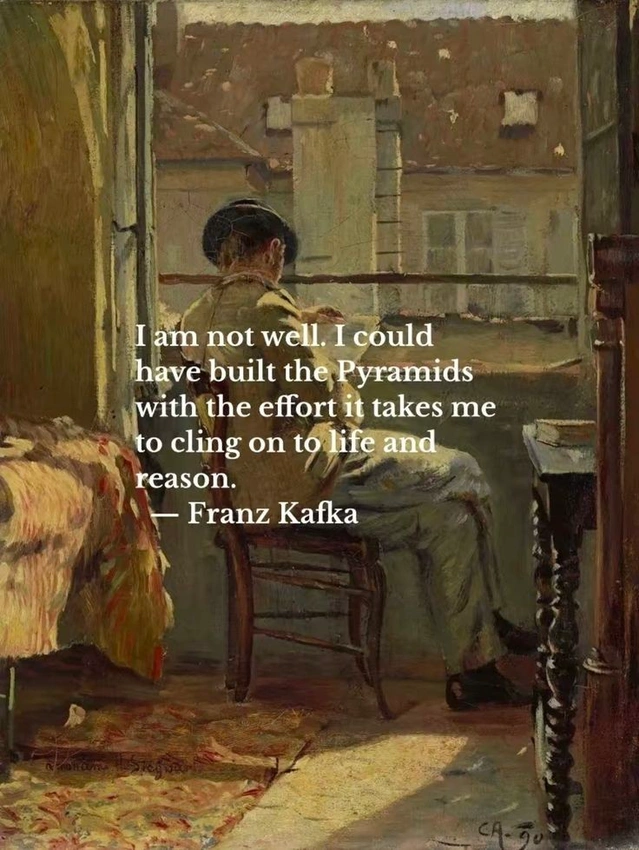
The phenomenon began haltingly: a handful of creators posted earnest readings of Kafka’s more resonant lines, or staged short, surreal mini-dramas that compressed an entire story into TikTok’s tight time frames. From there, the format did the rest. Explanatory clips, quick summaries of The Metamorphosis with expressive close-ups, or comedic takes on the helplessness of Josef K., spread through BookTok’s recommendation algorithm and generalist accounts looking for literary punchlines. The effect has been cumulative: young readers who might once have felt intimidated by early-20th-century German prose now encounter Kafka as a mood, a set of images, a tagable emotion.
Why the match feels right
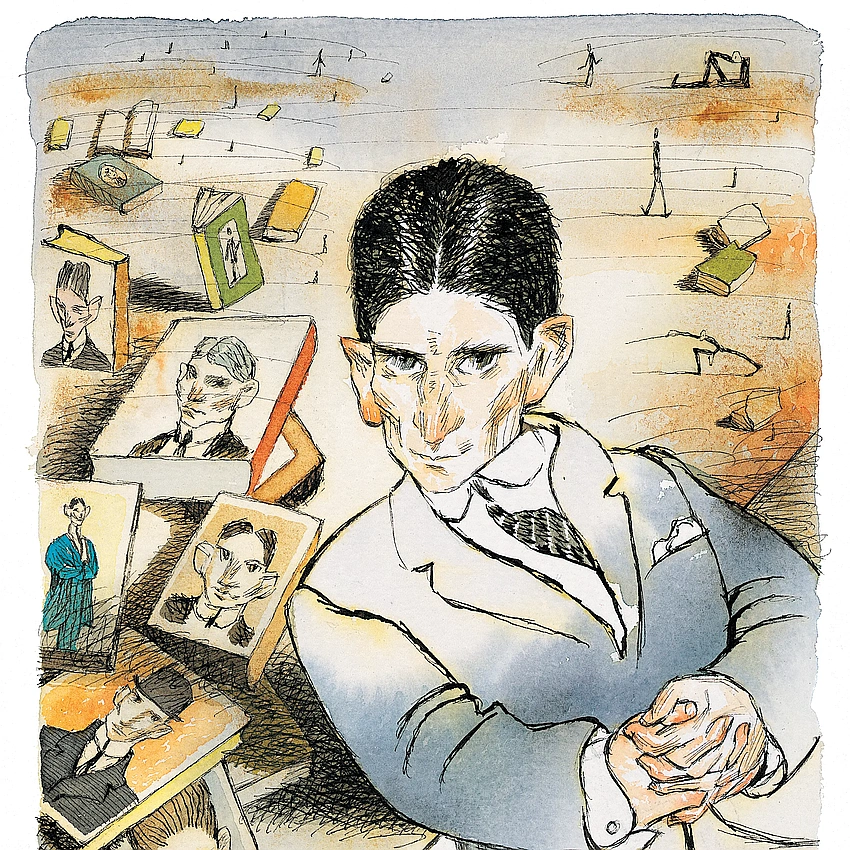
At first glance, the match between Kafka’s prose and short-form video feels unlikely; his sentences are dense, elliptical and often resistant to quick paraphrase. Yet the affective core of his work is a feeling of being trapped in systems that make no sense is easy to encode visually. A two-second cut to a close-up, a drained expression, the caption “when the system says no” can evoke an entire Kafkaesque logic. TikTok’s aesthetics of immediacy and affect turn existential dread into something communal and, crucially, laughable, which renders the dread more survivable. Critics have observed that when institutions feel opaque (bureaucracy, algorithmic moderation, the modern workplace), Kafka’s concerns feel unexpectedly prophetic to a generation fluent in interfaces and anxieties about surveillance.
What’s gained and what’s lost
There are clear gains. Short videos have introduced millions to Kafka’s key motifs, prompted readers to seek out translations and sparked conversations about interpretation and context. Publishers have noticed, repackaging editions and promoting letters and diaries that resonate with TikTok aesthetics.
Yet compression carries risks: nuance is flattened, historical context elided, and Kafka’s complex relationship to Jewish identity, modernity and his own ambivalent self-presentation can be sidelined when a clip reduces The Trial to “relatable bureaucracy content.” The danger is not that people misread Kafka but it’s that they stop there, satisfied with an affect instead of engaging with the prose’s formal strangeness.
Remixes, humour and interpretive labour
One of the most interesting things to emerge is the interpretive labour TikTok demands. Creators stitch clips, overlay Kafka quotes with original sound design, or stage micro-performances that act as exegetical gestures: they do not merely repeat lines, they perform possible readings. Humour plays a central role; by laughing at Kafkaesque situations, users both acknowledge the absurdity of contemporary life and inoculate themselves against its sting. This is cultural translation at speed. A vernacular hermeneutics where satire, sincerity and scholarship coexist awkwardly but often productively.
A digital afterlife
There is a bittersweetness to Kafka’s digital resurrection. His texts, many of them fragmentary and published posthumously, have always been about unfinished lives and unresolved systems. That these fragments now circulate as memes and study aids is fitting: they continue to refuse final interpretation even as they gain new uses. What matters is that readers return to the books themselves; that “Kafka” on TikTok becomes an invitation rather than a terminus. If the platform’s appetite for the canonical nudges a new cohort towards primary texts, the irony is stark but welcome for a writer whose work resists easy meaning helping a generation name its confusion.
To call Kafka an “unlikely TikTok star” is to understate both the odd congruity and the cultural work being performed. In an age of algorithmic governance and gig-economy precarity, Kafka’s scenes of bafflement and entrapment map uncannily well onto lived experience. The platform that seems designed for fleeting pleasures has, paradoxically, become a place where difficult literature finds a new, noisy life less solemn than the lecture hall, perhaps, but no less alive.
#KafkaOnTikTok #TikTokLiterature #Kafka #Metamorphosis #DigitalCulture
