Iran-US clash over Hormuz: Tehran vows no retreat as talks inch forward

Iran-US clash over Hormuz: Tehran vows no retreat as talks inch forward
Tensions rise as Tehran expands Hormuz revenues amid shipping disruptions, while Washington seeks to lock in a nuclear red line and regional players weigh their stance.
Tehran has signaled no place for retreat as the Strait of Hormuz remains a flashpoint in a widening Iran-US standoff, with Iran planning to boost revenue from the vital shipping route even as global oil and gas supplies stay upended.
An army spokesperson told ISNA that supervising the Hormuz could generate twice as much money as Iran’s oil income, underscoring how geopolitics and energy grids are tightly entwined as operations in the region intensify. The move comes as Iran has tightened its grip on the strait by cutting deals with Iraq and Pakistan to ship oil and liquefied natural gas from the area, according to sources familiar with the matter.
Foreign Minister Abbas Araghchi warned that the UAE’s alleged collusion with Israel was unforgivable and said those involved would be held to account. He added that countries engaging with Israel in hostilities toward Tehran are making a foolish gamble, highlighting the risk-reward calculus playing out across regional corridors and diplomatic channels.
On the American side, Vice President JD Vance said progress in negotiations is being made, stressing that the core requirement is to ensure Iran never acquires a nuclear weapon and that sufficient protections are in place to meet the President’s red line.
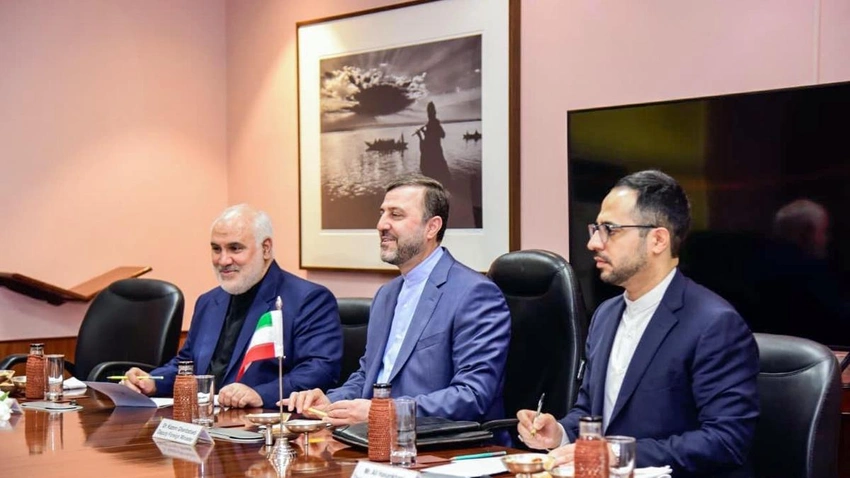
Deputy Foreign Minister Kazem Gharibabadi hinted at a neighbouring country that is also a BRICS member, suggesting it is trying to scuttle a joint statement by seeking condemnation of Iran. The dynamic reveals how blocs and alliances are shaping responses to the Hormuz crisis, even as the region’s energy routes remain under supervision that could reshape flows and revenue.
Overall, analysts say the Strait of Hormuz remains the fulcrum of global energy security, with tensions here reverberating through oil markets and the wider economy as talks continue and regional calculations evolve.
