Iran War One Month On: The toll, miscalculation, and oil price shock

Iran War One Month On: The toll, miscalculation, and oil price shock
A month into the US-Israel strikes on Iran, editors tally the toll—economic fallout, rising oil prices, and strategic miscalculations.
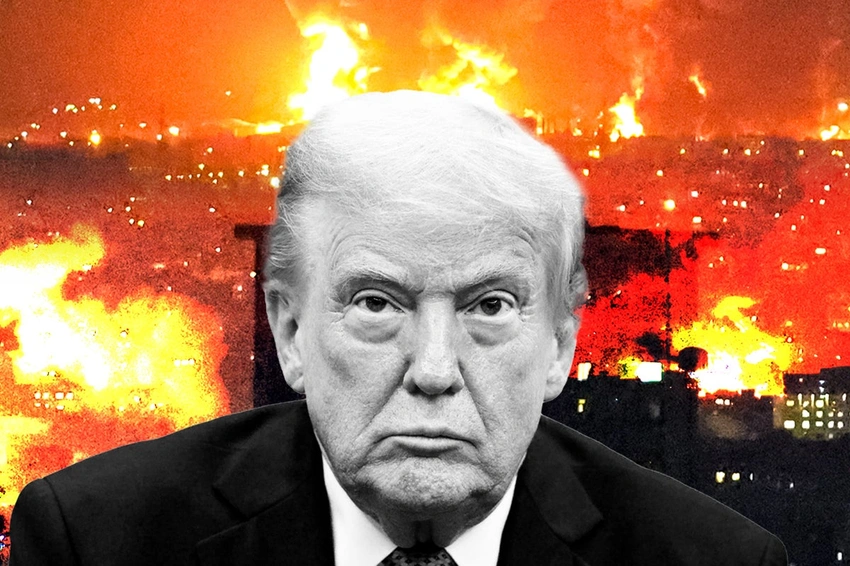
One month into the US-Israel strike on Iran, the hoped-for quick topple of the Islamic Revolutionary Guard Corps has not happened. The ayatollahs remain in power, Vladimir Putin seems strengthened, and the world economy edges toward a possible recession.
Numbers tell the story: a 10-day pause in American strikes on Iranian oilfields; 10,000 more US troops that could be sent to the region; oil prices above $110 a barrel; and President Trump’s disapproval rating in the United States at about 59 percent. Yet the most telling stat may be this: one-fifth of the world’s oil passed through the Strait of Hormuz until February 28; the strait is now closed, or nearly so, to many ships unless they pay astronomical sums in yuan.
If the oil supply is truly constrained by this disruption, prices will rise and demand will contract, while supply from outside the Gulf can only grow slowly. Nine days after military action began, the rhetoric about the war’s supposed inevitability revealed more about political vanity than practical exit strategies: a critique of leaders who insist on a finished victory before charting a real path forward. The result so far is a cycle of death and destruction in the region and hardship across the broader economy—hardship that geopolitical brinkmanship risks widening rather than resolving.
They started something without a clear plan to finish it; aims have not been achieved, and the human cost continues to mount, with consequences felt far beyond the battlefield.
