Champagne Problems: Your Diamond Tiara Too Sparkly?

Champagne Problems: Your Diamond Tiara Too Sparkly?
Champagne Problems: Your Diamond Tiara Too Sparkly?
Getting tired of hearing about nepo-babies crying over how hard their 'career' has been in their Pinterest-board homes while you live in a shoebox? Let's discuss
Alright, gorgeous, settle in, because we need to talk. Not about finding the perfect shade of nude lipstick (we’ll save that for next month), but about a phenomenon that’s sweeping our TikTok feeds, our group chats, and, let’s be real,occasionally our own lives: Champagne Problems.
You’ve heard the term, probably scrolled past a meme, maybe even belted out Taylor Swift’s heartbreakingly beautiful (and devastatingly relatable) anthem on your last solo car concert. But if you haven't heard of the term, let's discuss what are champagne problems, really? And why are we, a generation of empowered, smart, and (let’s face it) occasionally overthinking women, so utterly obsessed with them?
The Glimmering Origins: A Toast to Privilege (Kind Of)
The term 'champagne problems' is a shorthand for "problems that only arise because you’re already in a privileged position." Think about it: you can’t have a problem with your private jet having too many cup holders if you don’t have a private jet. It’s the ultimate humblebrag, the quintessential "boo-hoo, my life is so good it’s hard" sentiment. It’s the kind of thing that makes you want to roll your eyes and simultaneously ask for more details.
In essence, a champagne problem is a minor inconvenience that only exists because you’re swimming in a sea of good fortune. It's the first-world problem, but with a more opulent, bubbly, and slightly more self-aware twist. It acknowledges the privilege, often with a wry smile, but still allows for a moment of dramatic lament. Because, let’s be honest, even perfect lives have their tiny, shimmering cracks.
Taylor Swift and the Soundtrack to Our (Good) Woes
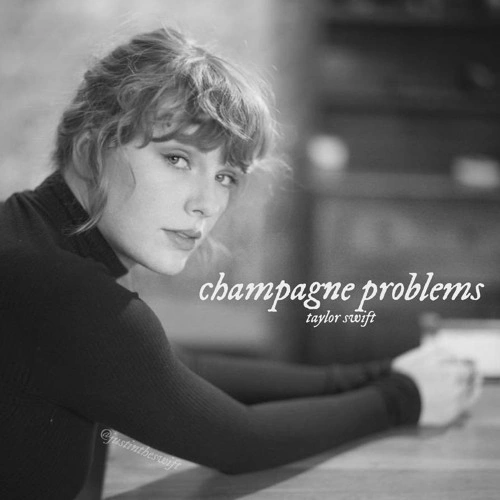
No discussion of champagne problems is complete without a genuflection at the altar of Ms. Swift. Her "champagne problems" track off evermore perfectly encapsulates the bittersweet irony. It’s a stunning ballad about a rejected proposal, yes, but the title itself immediately conjures images of luxurious heartbreak, of emotional turmoil unfolding against a backdrop of undeniable comfort. It’s not about struggling to pay rent; it’s about a relationship ending when, by all outward appearances, everything should have been perfect. It’s about the quiet anxieties that can fester even when your life looks like a Pinterest board.
And that, my friends, is why it resonates so deeply. It gives us permission to acknowledge that even when things are objectively good, we can still experience sadness, frustration, or even just mild annoyance. Because being grateful for your blessings doesn’t mean you’re immune to life’s little absurdities.
Real-Life Bubbles: My Friends, My Feed, My Faux Pas
Let’s be honest, we’ve all been there, or at least witnessed it. My friend Chloe, for instance, recently had a full-blown meltdown because her new apartment, with its stunning city views and walk-in closet the size of my entire living room,only had space for a single Peloton. "Like, where am I supposed to put my NordicTrack, Sarah?!" she wailed, truly distraught. My response? "Chloe, I live in a shoebox. You have a Peloton and a view. This is peak champagne." She begrudgingly agreed, but still looked mournful about the lack of dedicated cardio corners.
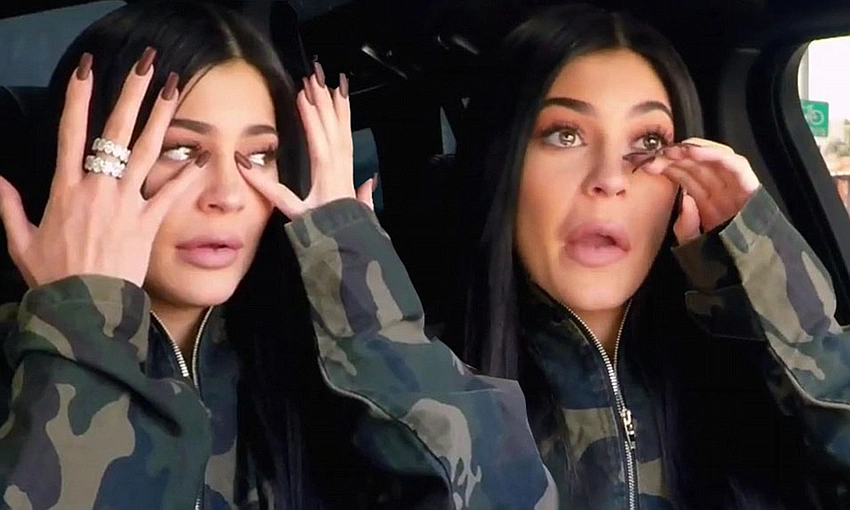
Then there’s the Instagram influencer/nepo-baby who posted a teary-eyed story because her private jet was delayed by thirty minutes, causing her to miss her scheduled facial in Cannes. "The horror!" she captioned it, presumably without a hint of irony. My feed was alight with comments ranging from genuine sympathy (bless their innocent hearts) to outright eye-rolls and sarcastic "thoughts and prayers."

And who could forget the recent Netflix rom-com where the protagonist, a seemingly successful whatever-ista, agonizes over choosing between being faithful to her unethical company and a dreamy, emotionally available man, who brings her artisan macarons every morning and who's the heir of a freakin' champagne winery? All against the backdrop of Christmas in Paris, chocolate crepes and the most snuggle-in-worthy bookstore. Meanwhile, I’m over here trying to find a Tinder match who can hold a conversation past "hey."
This, my dears, is the cinematic equivalent of champagne problems. The stakes are so low they’re practically subterranean, but the drama is played for maximum effect.
The Psychology of the Pop: Why We Love to Loathe Them (and Secretly Relate)
So, why are we so captivated by these seemingly trivial tribulations? I think it’s a multifaceted thing, honey.
Relatability (Even if it’s aspirational):
While we might not all be jet-setting to Cannes, the underlying emotion – minor frustration in the face of overall good fortune – is something we can all tap into. Who hasn’t felt annoyed by a slow internet connection when you’re trying to stream your favorite show, even though you have a device that can access virtually all human knowledge?
Validation for Our Own Tiny Woes:
Sometimes, when our lives are generally good, we feel guilty complaining about anything. Champagne problems give us permission to voice those minor annoyances without feeling like a total monster. "My new designer bag scratches easily!" is still a problem, even if it's a very, very pretty one.
Entertainment Value:
Let’s be real, watching someone agonize over which Michelin-starred restaurant to choose for dinner is inherently amusing. It’s like a comedic relief from the heavier, more substantial problems of the world.
Aspiration and Fantasy:
Secretly, a small part of us probably wishes our biggest problem was fitting all our luxury purchases into our designer closet. It’s a peek into a glittering world that, for many, remains just out of reach.
Navigating the Bubbles: A Cosmo Guide to Not Being That Person
While it’s fun to commiserate (or judge) champagne problems, there’s a fine line between relatable self-awareness and being completely tone-deaf. So, how do we navigate this effervescent landscape?
- Self-Awareness is Key: The best champagne problem complainers (or observers) are the ones who acknowledge the inherent privilege. A quick "I know, I know, this is such a champagne problem, but..." goes a long way.
- Empathy is Queen: While your friend might be genuinely stressed about coordinating her three exotic vacations,try to remember that not everyone has that luxury. A little empathy, even when rolling your eyes internally, is always a good look.
- Know Your Audience: Complaining about your first-class upgrade being to a slightly less spacious seat to your friend who’s struggling to make rent? Not cool. Venting to your equally privileged bestie who understands the struggle of "too many options"? Go for it.
- The Power of Perspective: Occasionally, take a deep breath and remember the actual, real-world problems many people face. It’s a good way to recalibrate your internal drama meter.
Ultimately, champagne problems are a quirky, often hilarious, and occasionally poignant reflection of our modern lives.They remind us that even in the most gilded cages, there can be tiny, sparkly annoyances.
So, next time you find yourself stressing over the perfect filter for your vacation selfie, or agonizing over which luxury car to lease, take a moment, acknowledge your blessings, maybe hum a little Taylor Swift, and then, by all means, pour yourself another glass of bubbly. Just try not to complain if the ice cubes melt too fast. Cheers, gorgeous!
