Genocide Hallmarks Identified in El Fasher Siege

Genocide Hallmarks Identified in El Fasher Siege
A fact-finding mission concludes the El Fasher siege shows hallmarks of genocide, citing killings, starvation and systematic abuses against civilians.
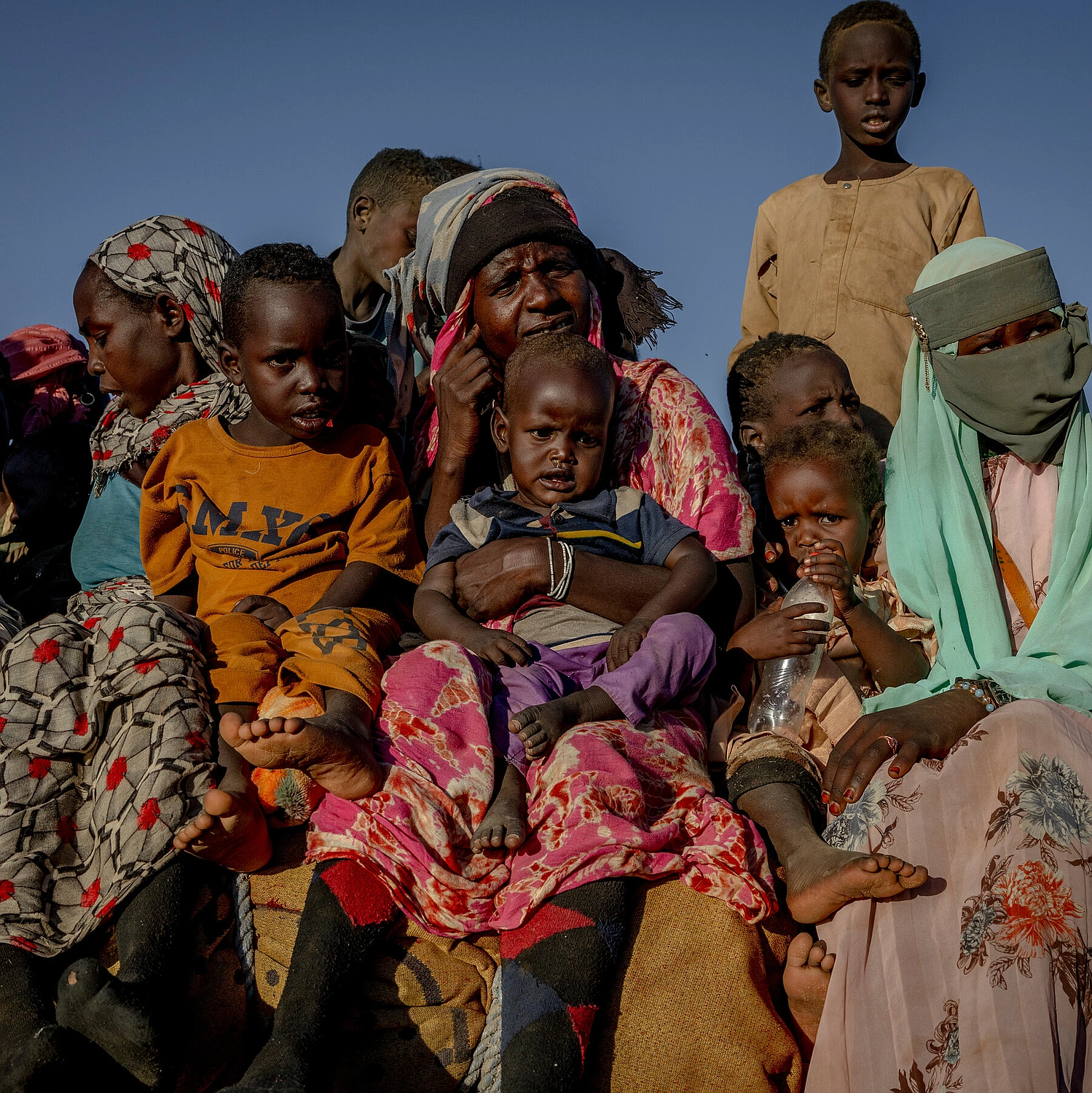
A fact-finding mission found that the siege and capture of El Fasher, in western Darfur, bear hallmarks of genocide, based on interviews with survivors, verified footage, and satellite images. The investigation paints a picture of a long blockade and brutal assault that left civilians cut off from aid and exposed to extreme violence. The language used in the assessment is stark, underscoring the severity of what happened to communities in El Fasher during the conflict.
The report identifies three underlying acts of genocide: killing members of a protected ethnic group, causing serious bodily and mental harm, and deliberately inflicting conditions of life calculated to destroy the group, in whole or in part. These acts are described as interconnected steps that created a pattern aimed at erasing a community from the landscape of Darfur. While the work stops short of declaring action completed, the framing points to intent and deliberate design behind the abuses witnessed during the siege.
Investigators could not visit El Fasher in person but pieced the story together from more than 320 interviews with survivors, statements from commanders, and verified videos and satellite imagery. The body of evidence is layered, showing how starvation, denial of humanitarian access, mass killings, rape, torture, forced disappearances, and deliberate humiliation formed a continuous arc of violence during the capture and blockade.
The findings arrive as the wider crisis in Sudan remains one of the most brutal chapters of the country’s civil war. International attention and calls for accountability have intensified, with diplomats and humanitarian groups urging action at the Security Council and insisting on unhindered aid access for civilians in need. The RSF has denied similar accusations in the past, but the new documentation adds pressure on all parties to confront what occurred in El Fasher and to commit to humanitarian protections and justice for survivors.
