AI Fears Slam US Software Stocks, Wiping Trillions in a Week

AI Fears Slam US Software Stocks, Wiping Trillions in a Week
AI disruption fears push US software shares down, erasing trillions in value as investors weigh near-term earnings against AI’s long-term promise.
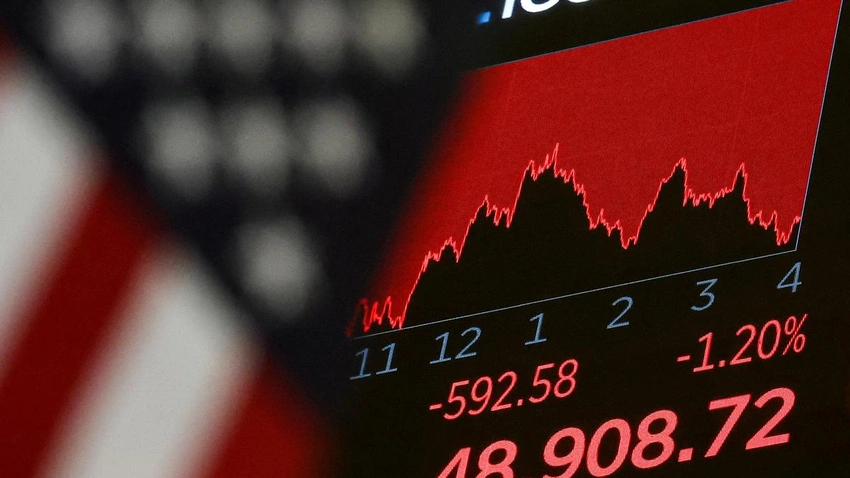
Fears that artificial intelligence could disrupt industry dynamics have sunk into stocks, as US software shares skid for a seventh straight session and wipe out about $1 trillion in market value since the start of February. The broad sell-off underscores investor concern that AI could upend near-term earnings even as long-term productivity gains remain a promise.
Champions of software names were hit hard: major players like ServiceNow lost around 7–8%, Salesforce slipped about 4–5%, and Microsoft fell roughly 5% as investors reevaluated growth assumptions. A parallel move in related tech bets continued as the price of Bitcoin moved lower amid renewed worries about the crypto cycle.
Even players typically insulated from macro cycles faced pressure. Thomson Reuters slid more than 5% after reports that an Anthropic Claude plugin could disrupt its core businesses, while the broader AI rally keeps fueling questions about how firms monetize AI advances. The S&P 500 software and services index fell about 4.6%, erasing roughly $1 trillion in market value since January 28, and the group traded around 21% below its 200-day moving average—the farthest below that key level since mid-2022.
One veteran investor described the tone as a “sell-everything” mindset, noting the software index’s deep pullback and the challenge of disentangling short-term earnings signals from longer-term AI potential. Analysts cautioned that the near-term weakness could give way to a more rational adjustment if earnings season clarifies how AI investments are translating into revenue.
Looking ahead, some say the decline could set the stage for a healthier retrenchment that clears leverage and weak hands, while others warn of a prolonged reevaluation until earnings confirm AI’s near-term impact. In the meantime, tech watchers will focus on which firms can translate AI investments into durable growth and whether dip buyers re-enter the market.
