Why Euripides Is Still a Favourite Of Readers After 2,000 Years


Why Euripides Is Still a Favourite Of Readers After 2,000 Years
Why Euripides Is Still a Favourite Of Readers After 2,000 Years
A close look at Euripides reveals a playwright who questions heroism, interrogates sacred myths, and gives voice to those the epic tradition tends to marginalize, creating a bridge between ancient drama and today's curio
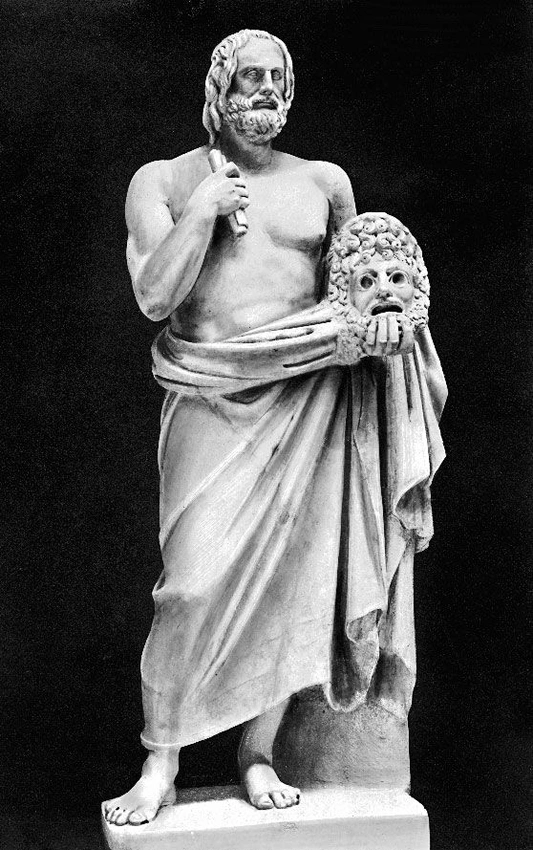
Among the tragedians of classical Athens, Euripides often appears as the dissenter: admired, criticised, parodied, and persistently debated. His reputation as a challenger of convention, both theatrical and moral, has travelled remarkably well across centuries. What keeps readers returning is not merely the historical prestige of Greek tragedy, but the sense that Euripides writes from a position of restless scepticism. He worries inherited stories, questions heroic ideals, and grants voice to those whom epic tradition typically marginalised. That contrarian energy is one of the clearest bridges between his fifth-century stage and contemporary readers.
The contrarian impulse
Greek tragedy frequently revisits myth, yet Euripides treats myth less as sacred inheritance and more as material for interrogation. Rather than reaffirming the moral clarity of heroic narratives, he probes their contradictions. Gods behave capriciously, heroes reveal pettiness, and virtue becomes unstable under pressure. This tendency earned him an ancient reputation for irreverence and innovation. For modern readers, however, such scepticism feels strikingly familiar: a literature that distrusts official versions of truth, that exposes ideology inside legend, and that turns reverence into inquiry.
Inversions of the tragic norm
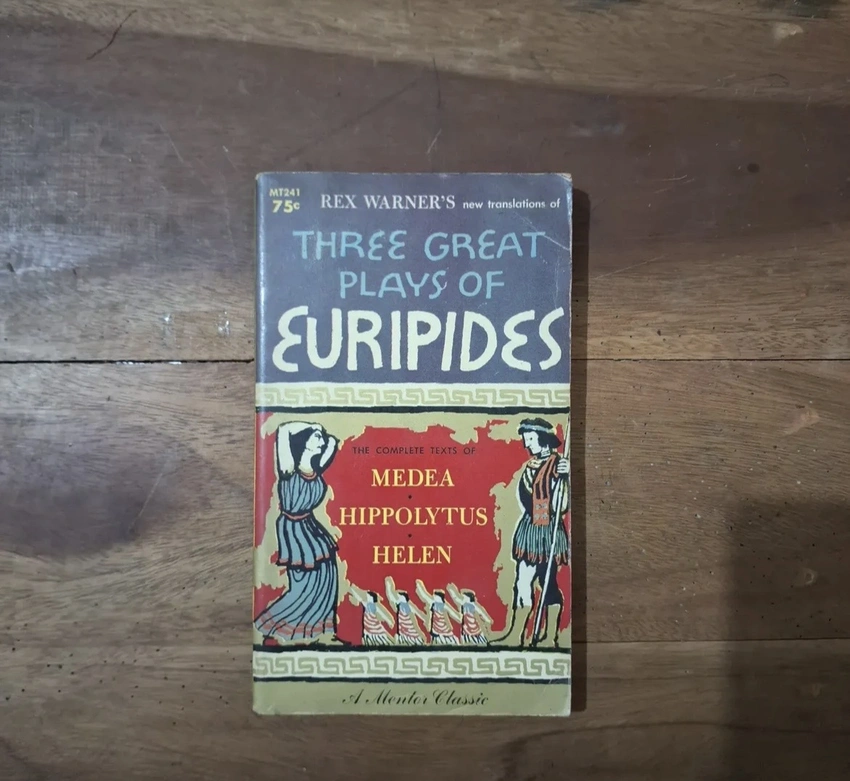
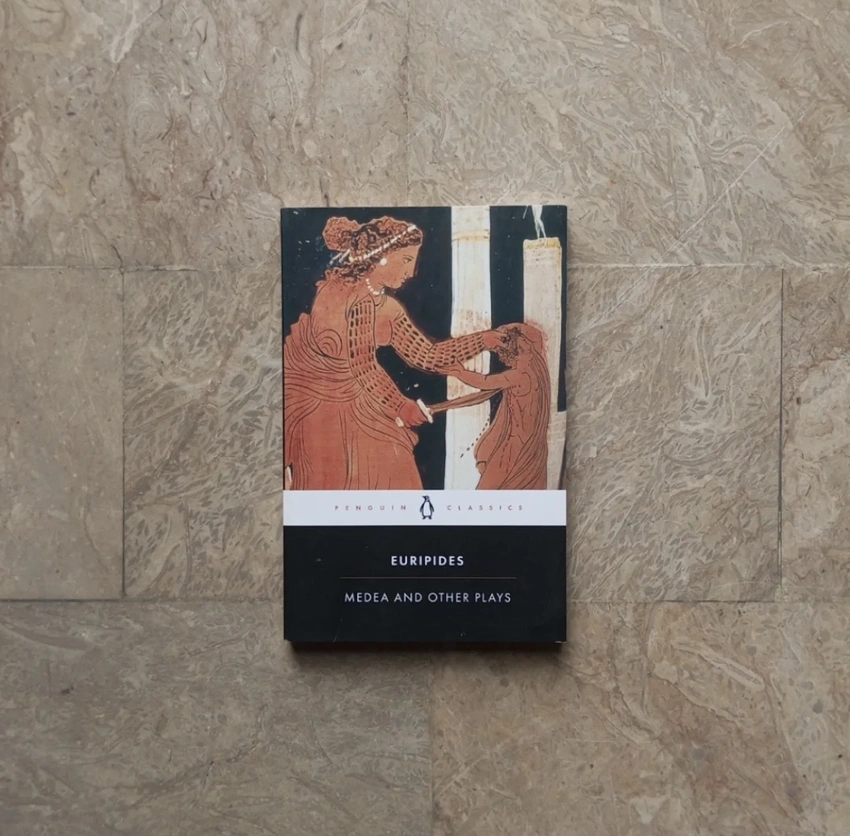
Euripidean drama thrives on reversal. Traditional hierarchies of male over female, Greek over “barbarian,” master over captive are destabilised. Figures presumed passive become decisive; those presumed noble are revealed as morally compromised. Medea offers the most famous example: the foreign woman, expected to suffer silently, becomes rhetorically brilliant and terrifyingly resolute, while Jason’s heroic self-image collapses into banality. Such inversions produce discomfort rather than reassurance. Yet it is precisely this refusal of predictability that modern audiences relish: tragedy not as ritual confirmation, but as narrative disruption.
Psychological realism
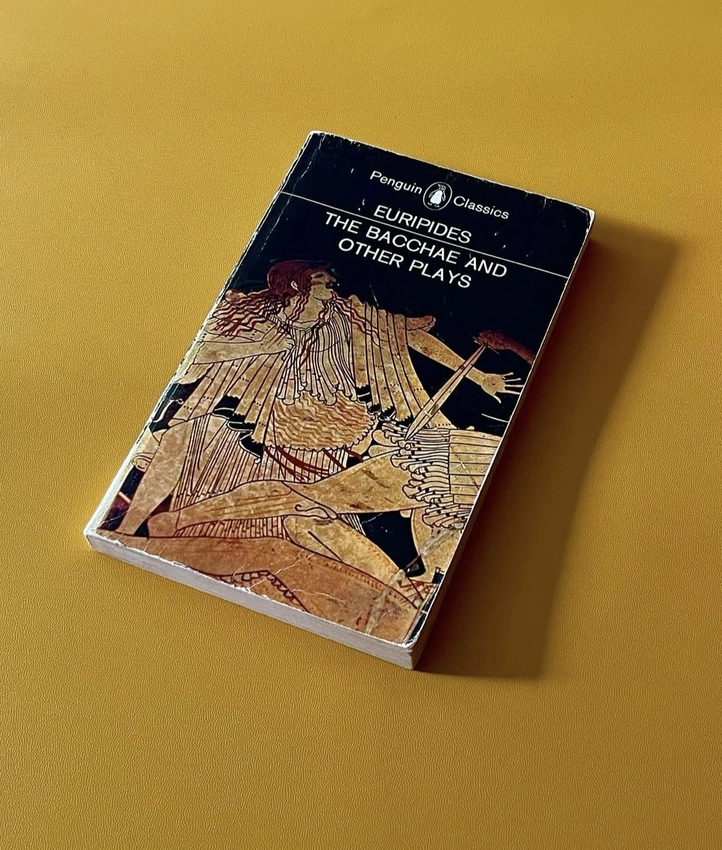
Euripides’ figures often articulate interior conflict with unusual explicitness. They reason, justify, doubt, accuse themselves sounding less like archetypes than like minds under stress. His tragedies linger on unstable emotional states: jealousy, shame, grief, wounded pride. This psychological density anticipates narrative strategies modern readers associate with the novel or cinema: layered motivations, unreliable self-explanations, moral ambiguity. The plays endure because they feel interpretively open; readers can debate whether Medea is monstrous or tragically lucid, whether Pentheus is tyrant or victim of divine cruelty.
A theatre of dissent
Where earlier tragedy often staged cosmic justice with solemn inevitability, Euripides introduces unsettling doubt. Divine intervention may resolve plots, but rarely dispels unease. Gods appear unpredictable, even ethically troubling. Human suffering resists tidy explanation. This dramaturgy of uncertainty resonates with modern sensibilities shaped by philosophical scepticism and political distrust. Euripides does not abolish transcendence; he complicates it. The result is tragedy as argument rather than verdict a mode readers continue to find intellectually alive.
Women, foreigners, and the displaced
Euripides repeatedly centres those whom civic ideology rendered peripheral: women, captives, exiles, migrants. The Trojan Women transforms defeated enemies into bearers of moral gravity; suffering becomes a lens through which the victors’ violence is scrutinised. These shifts of perspective align closely with modern literary ethics, which often seek to recover marginalised voices and interrogate dominant narratives. Euripides’ plays feel less like monuments to power than critiques of it.
Modern pleasures
Readers today also enjoy Euripides for recognisably modern aesthetic pleasures. His dialogue crackles with rhetorical contest; arguments unfold with forensic intensity. Irony permeates scenes where characters misunderstand themselves. Moral friction replaces moral certainty. These qualities lend the texts an elasticity that suits contemporary adaptation from experimental theatre to filmic reinterpretations. Directors and translators continue to mine Euripides because his structures invite reinterpretation without losing emotional voltage.
Why the contrarian endures
Euripides’ durability ultimately lies in his resistance to final answers. His tragedies rarely stabilise into singular moral lessons; instead, they leave readers amid unresolved tensions of justice versus revenge, empathy versus horror, belief versus doubt. Such openness keeps interpretation active across generations. Each era finds its anxieties already rehearsed: gender politics, migration, violence, the fragility of reason.
Euripides remains a favourite not because he feels safely classical, but because he feels disconcertingly current. His contrarian instincts, structural inversions, and psychological acuity generate dramas that question rather than console. Across two millennia, readers continue to recognise in his plays the experience of living with contradiction — and the uneasy pleasure of stories that refuse to behave.
#Euripides #GreekTragedy #ClassicalLiterature #Mythology #Drama
