India joins critics on West Bank moves ahead of Israel visit

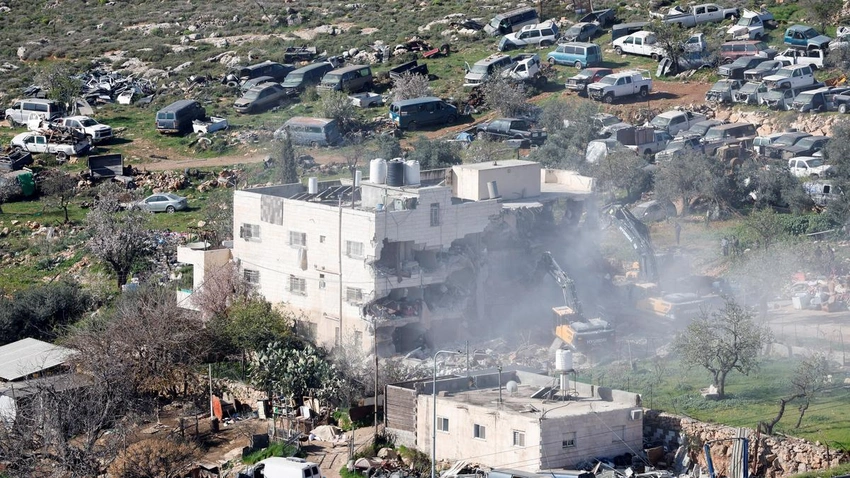
India joins critics on West Bank moves ahead of Israel visit
India adds its name to the growing chorus criticizing unilateral West Bank measures, signaling a careful diplomatic stance as Modi plans a visit to Israel.
India has added its name to the growing list of countries criticising Israel for its unilateral measures in the West Bank. The move comes after New Delhi initially stayed out of the original 85-country statement circulated on Tuesday, signaling a cautious approach that prioritizes steady diplomacy over rapid public rebuke. By joining the chorus now, India underscores its concerns about humanitarian access and the implications for regional stability, while aiming to keep channels open with all parties involved.
Analysts say the climb in India's stance appears calibrated to balance competing pressures. With Prime Minister Narendra Modi preparing for an upcoming visit to Israel, New Delhi is trying to avoid jeopardizing security and economic ties while signaling that it takes international law and Palestinian rights seriously. The decision to add India's name creates a nuanced message: India can be both a partner to Israel and a voice in support of a negotiated two-state solution.
The development also comes amid broader shifts in how major economies engage with the Israel-Palestine issue. India has long walked a fine line, courting partnership with Israel on security and technology while maintaining relations with Palestinian authorities and regional actors. In multilateral forums, the extra push from New Delhi could influence how the West Bank situation is framed and whether future statements emphasize dialogue and humanitarian considerations.
Domestic observers say the move will be tested by actions on the ground and by the tone of officials in public statements. For Modi's government, this is as much about messaging as policy, aiming to project responsibility without locking into rigid positions. As India navigates these delicate dynamics, policymakers will be watching regional reactions, ally responses, and the crosswinds of public opinion at home.
