
Protests Rock Ed Sheeran Concert After Macklemore's Tour Exit 🇵🇸


Protests Rock Ed Sheeran Concert After Macklemore's Tour Exit 🇵🇸
Pro-Palestinian activists rallied outside Ed Sheeran's Philadelphia show, demanding justice after Macklemore's removal from the tour. The controversy deepens, sparking debate on freedom of speech and activism in music.
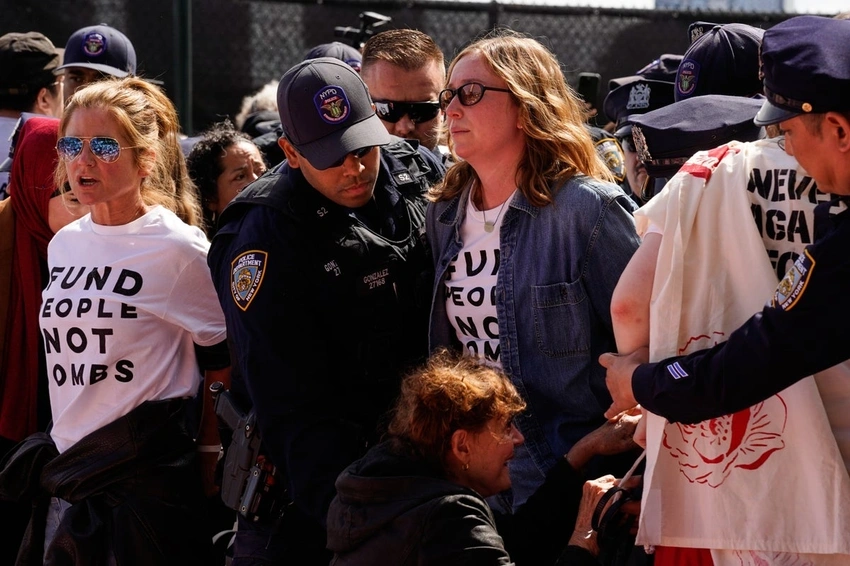
Pro-Palestinian protestors gathered outside Ed Sheeran's concert at Philadelphia's Lincoln Financial Field on Saturday night. This demonstration marked Sheeran's first return to the stage since rapper Macklemore was removed from his tour following Macklemore's public remarks in support of Palestine.
The protest aimed to keep the conversation around Palestinian lives alive, with organizers stressing that the movement is "much bigger than Ed Sheeran" or "Macklemore," and won't stop "until Palestine is free."
Macklemore's removal from Sheeran's U.S. stadium tour followed his performances on September 4 and 5 at MetLife Stadium in New Jersey. During these shows, he performed his 2024 pro-Palestinian protest song "Hind's Hall," displayed footage from Gaza, and called for a "Free Palestine" from the stage.
Days later, tour promoter Messina Touring Group announced Macklemore would no longer appear on subsequent dates, citing concerns from stadiums about proceeding with him on the lineup.
The rapper subsequently claimed that New England Patriots owner Robert Kraft played a central role in the decision.
Macklemore alleged that Kraft, whose company owns Gillette Stadium where Sheeran was scheduled to perform, rallied other stadium owners to issue an ultimatum for his removal.
Kraft acknowledged his opposition to Macklemore performing at Gillette Stadium, stating that the rapper's participation "would cross that line" and that Macklemore's presentation of the Israel-Hamas conflict ignored Hamas's actions and contributed to divisiveness.
Ed Sheeran, meanwhile, has stated that the decision to drop Macklemore was made by the tour promoter and venues, not by him. He indicated he had spoken with various parties, including venue owners and activists, in an attempt to find a resolution, but was unsuccessful.
Macklemore has consistently defended his advocacy for Palestinians, rejecting accusations of antisemitism.
The controversy also led to other artists, including Finneas, Lukas Graham, Aaron Rowe, and Beoga, withdrawing from the Loop Tour in solidarity.
Jodi Rhoden, an organizer with Writers Against the War in Gaza, highlighted the significance of the protest, noting that many have "lost their livelihoods for speaking the truth about this genocide." However, she expressed a belief that the "tide is turning," pointing to the reactions of Ed Sheeran fans and growing public support. Grace, an 18-year-old college student attending the protest, emphasized the importance of continuing to talk about Palestine and hoped Sheeran would acknowledge his role and speak out for Palestine.
The demonstration, which drew around 100 participants, was organized by groups including Writers Against the War on Gaza, the Boycott Cooknsolo Coalition, and the Philly Palestine Coalition. The protest began hours before Sheeran's concert, which was pushed back from its original start time, with Sheeran performing as the sole act.




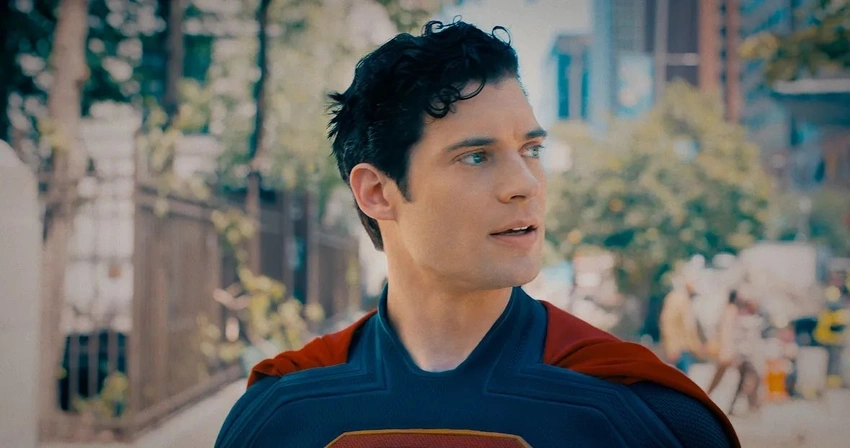
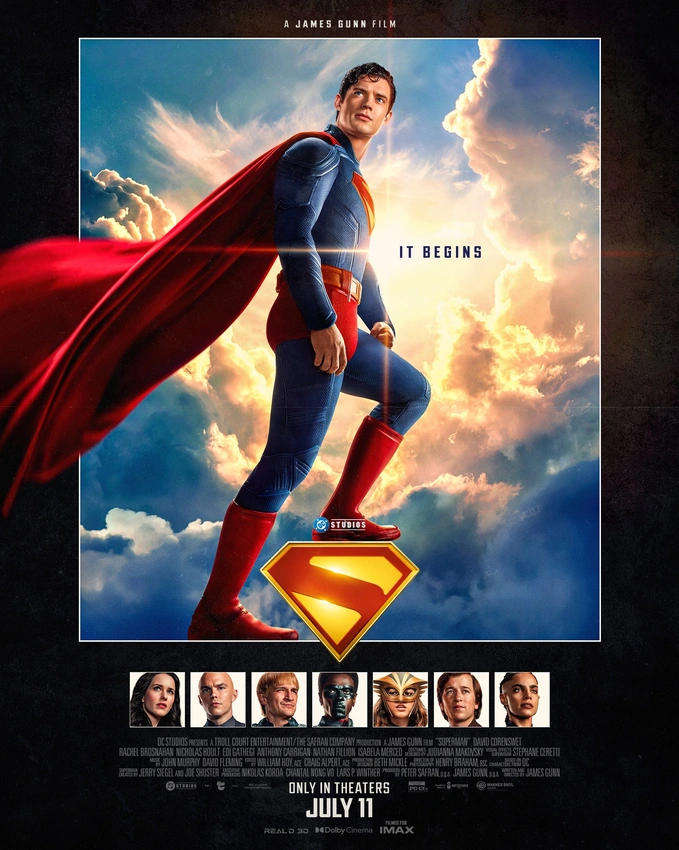 The film portrays a fictional war between the nations of Jarhanpur and Boravia, with the U.S. acting as a powerful backer of the aggressors, and Superman intervening to stop the conflict. For many younger viewers, this narrative was interpreted as a clear anti-war message, especially because Superman chooses to prioritise the protection of innocent civilians over the interests of powerful institutions.
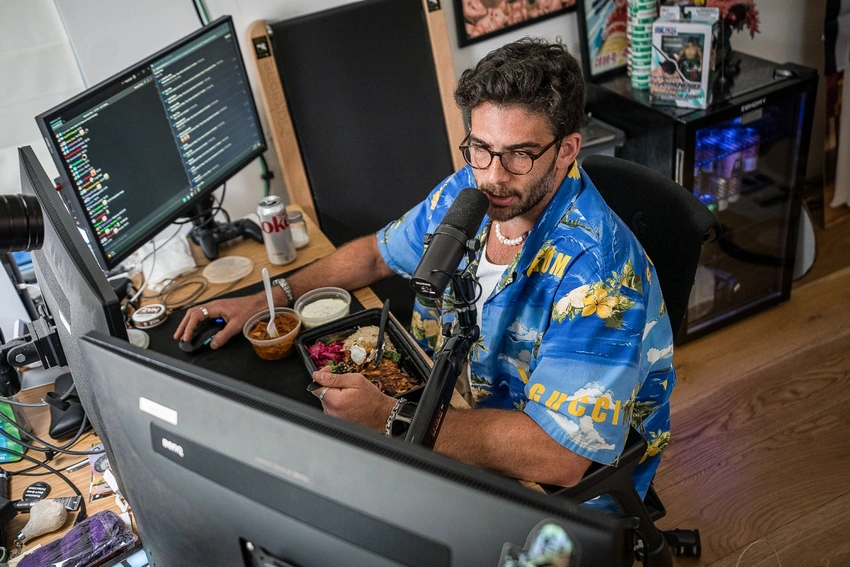 Hasan Piker, the left-wing political commentator and a beloved Twitch streamer, posted a YouTube video explaining how “Superman” critiques Israel. He described the movie as
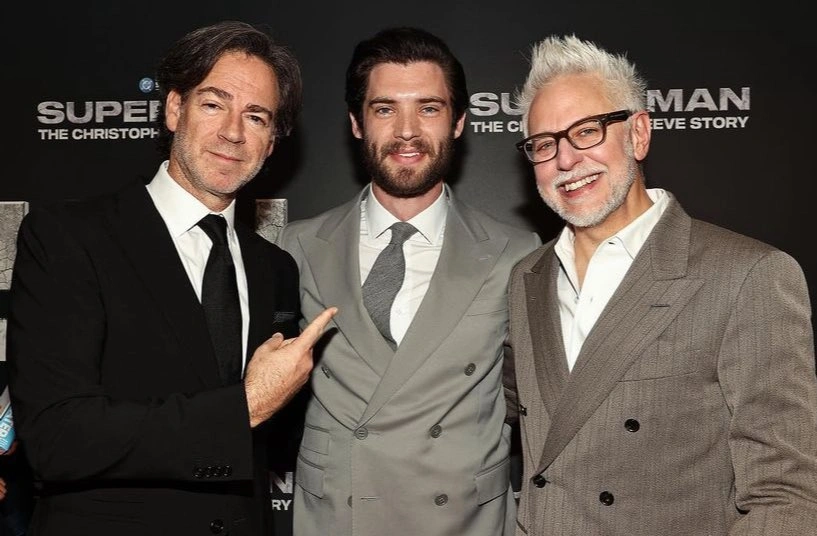 At the same time, the film has also been met with criticism, particularly from right-wing commentators such as Ben Shapiro, who argue that the narrative carries an implicit political message and “does not match up to the facts.” Moreover, others have viewed the depiction of the fictional conflict and Superman’s intervention as a one-sided critique of certain real-world alliances. However, Gunn and others involved in the film have insisted that the story was conceived well before recent global events and was not designed as a direct commentary on the Palestinian genocide.
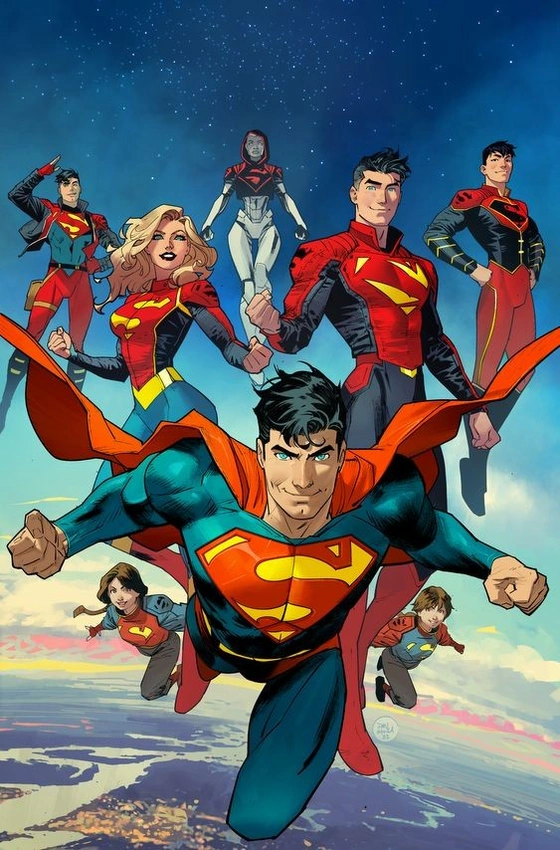 What makes the response of Gen Z particularly notable is our willingness to engage with complex political themes through the lens of mainstream entertainment. For many, Superman offers not just escapism but an ethical stance, one that challenges the conventional alignment of superheroes with state power and instead centres on humanitarian action. This shift in narrative priorities mirrors a broader cultural movement among younger generations toward intersectional awareness and global solidarity. Whether or not the film intended to make a political statement, its reception reveals that today’s youth engage with pop culture as a space for critical reflection and moral inquiry.

Login to comment.