Your Wallet, A Weapon: The New Geopolitical Economy

Your Wallet, A Weapon: The New Geopolitical Economy
Global economy pivots to a pre-war reality. Defense spending, fractured supply chains, and 'friend-shoring' are reshaping our world, turning consumers into unwitting economic combatants.
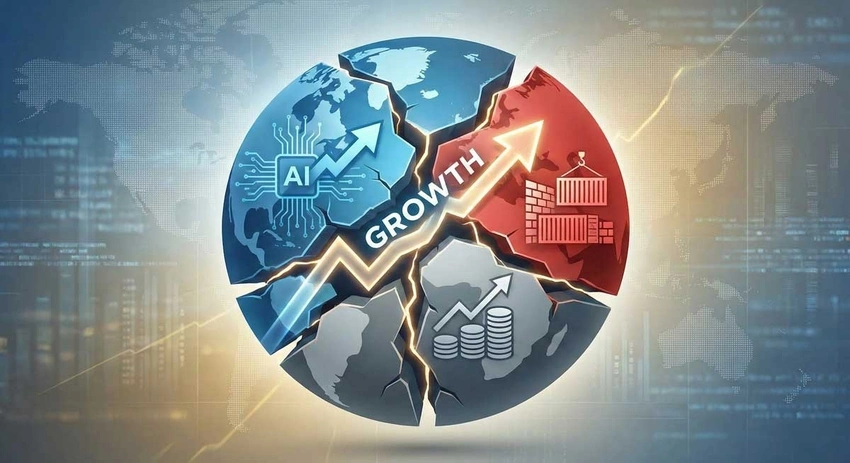
The era of the 'frictionless global citizen' and the borderless economy, once a corporate ideal of the 1990s, is rapidly fading. We're not merely witnessing economic adjustments; we are living through a profound transition from post-war globalization to a new, pre-war macroeconomics. This shift is less about traditional conflict and more about the quiet re-weaponization of trade and technology, transforming everyday consumers into unwitting economic combatants.
The Cracks in Globalization's Facade
The signs are undeniable. NATO’s directive for members to commit higher percentages of their GDP to defense by 2026 isn't just about military preparedness; it’s a direct injection of state capital into strategic industries. Simultaneously, the seemingly invisible threads of global supply chains, once celebrated for their efficiency, are fracturing along geopolitical lines. The West, largely led by the US and Europe, and the East, dominated by China and its allies, are deliberately untangling their economies. This isn't just about tariffs; it's about national security and resilience.
We are seeing the rise of 'friend-shoring', a strategic redirection of supply chains to politically aligned nations. This isn't about cheapest production anymore; it’s about reliable production, secure data, and geopolitical loyalty. It means your next smartphone or car component might come from a trusted partner nation, even if it costs a bit more. This shift fundamentally redefines global commerce, prioritizing alignment over pure arbitrage.
 Defense-Driven Tech and Economic Fortresses
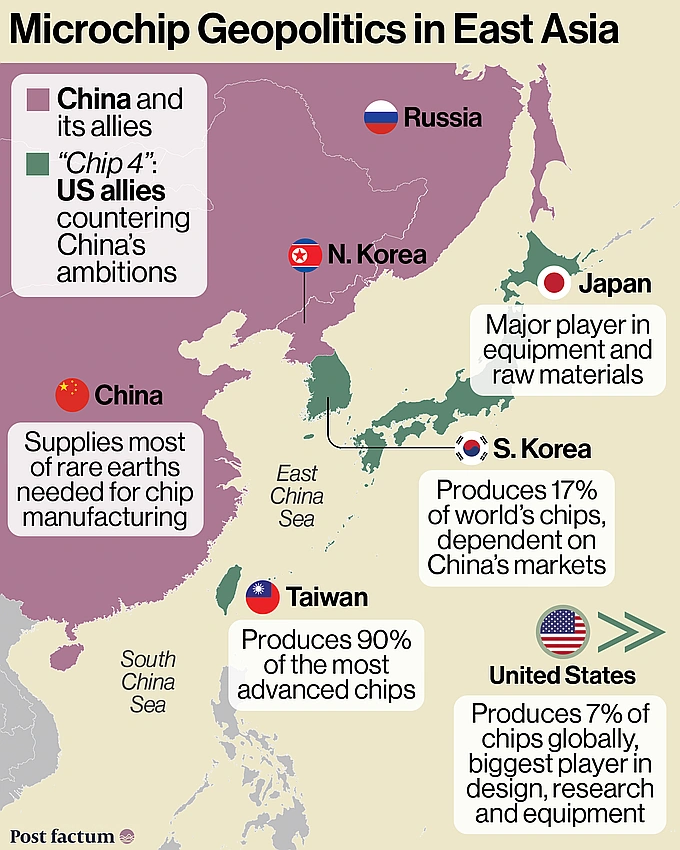
This new paradigm unleashes defense spending booms that are less about direct military hardware and more about dual-use technologies. Think semiconductors, AI, quantum computing, and advanced materials. These are the battlegrounds of tomorrow, and governments are pouring unprecedented resources into securing domestic or 'friend-shored' capabilities. The goal is clear: economic self-sufficiency in critical sectors to prevent strategic vulnerabilities.
This reorientation creates economic fortresses, where nations or blocs of nations strive for technological sovereignty. Research and development is increasingly nationalized or tightly controlled within allied networks. This isn't just about creating jobs; it’s about ensuring that the foundational technologies of the future are not beholden to potential adversaries. Consequently, innovation, once driven purely by market forces, is now heavily influenced by strategic national interests.
 The Consumer as an Economic Combatant
So, what does this mean for you, the everyday consumer? Your purchasing power, once celebrated in a global marketplace of endless choices and competitive prices, now carries geopolitical weight. Every product you buy, every service you use, is increasingly scrutinized for its origin, its supply chain, and its geopolitical implications. While you might still enjoy choice, the underlying economic logic is changing. Goods might become more expensive due to less efficient, but more secure, supply lines. Certain products might become scarcer if their source nation is deemed an adversary.
“The illusion of a borderless economic identity is giving way to the stark reality of national strategic imperatives.”
Your economic decisions, however small, contribute to the economic resilience of your nation or bloc. You are, in essence, an unwitting participant in a grander geopolitical strategy. This isn’t a return to isolationism, but rather a move towards strategic interdependence, where economic relationships are filtered through a lens of security and alliance. Understanding this pivot isn't just academic; it's essential for navigating the evolving landscape of global politics and your place within it.


Login to comment.