The "Merch-ification" of Fine Art

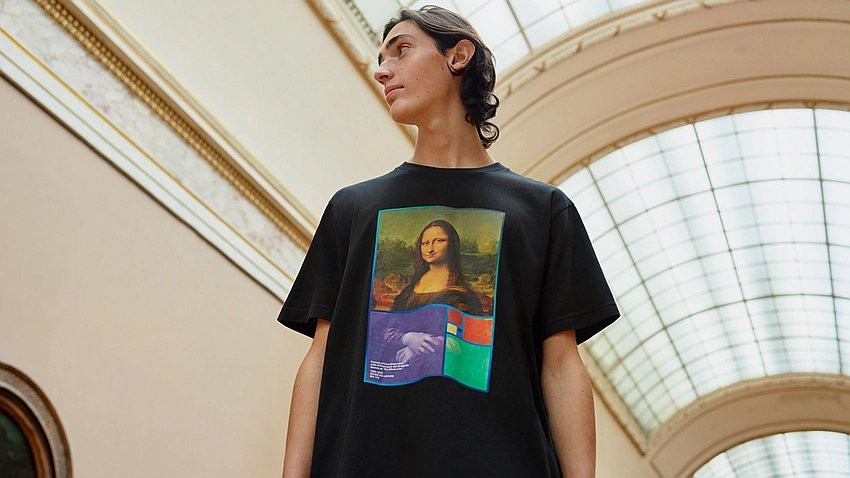
The "Merch-ification" of Fine Art
We no longer make great paintings, but t-shirts and tote bag artwork. Shoppability dictates everything before the brush even touches the canvas.
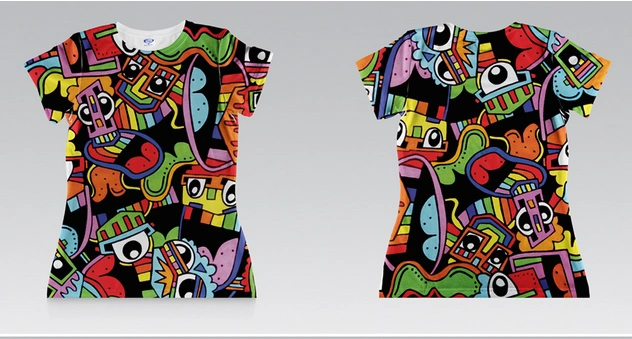
From phone cases to dining ware to jackets, our art is now everywhere. But the merchification of art dictates composition, color palette and subject matter, leaving artists to never think about the art as a piece of great art. Are we making art or just product prototypes?
Every major museum has a ritual that we have all come to accept as natural: the exit is through the gift shop. You spend an hour wrestling with the existential weight of a Rothko or the jagged trauma of a Picasso, only to be immediately confronted by those same masterpieces printed on tea towels and umbrellas.
As a literature student, I find myself thinking about the aura of the work of art, a concept the philosopher Walter Benjamin explored decades ago. He argued that mechanical reproduction withers the unique existence of the original. But today, we have moved beyond mere reproduction. We have entered the era of the merch-ified creative process.
The tragedy is no longer that the painting is turned into a postcard. The tragedy is that the painting is being designed asa postcard before the brush even touches the canvas.
The death of the edge
When you paint for a gallery, you are concerned with the physical presence of the object. You care about the texture of the edges, the scale of the room, and how the viewer moves their body in relation to the frame.
When you paint for a Shopify integration, your priorities change. You begin to design for the crop. Because most merchandise follows a few standard shapes, namely the vertical rectangle of a phone case or the square of a throw pillow, the composition of modern art is becoming increasingly centralized.
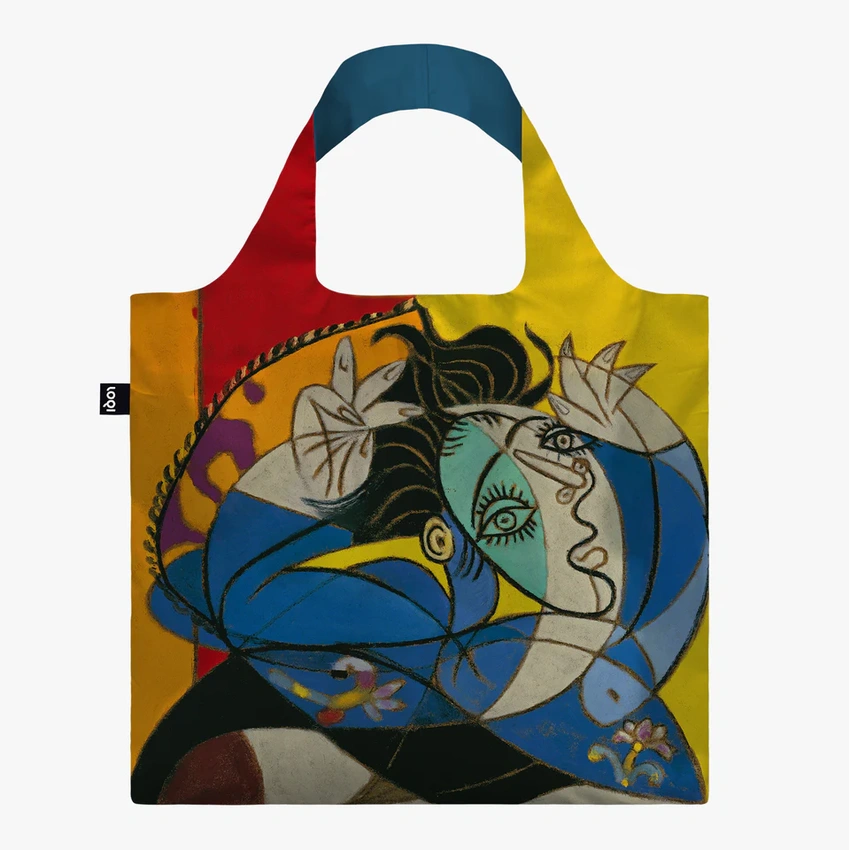
The edges of the canvas are now treated as dead space. We are seeing a new kind of visual architecture where the subject must be easily isolated and slapped onto a white background. Anything too complex, too sprawling, or too dependent on its specific physical dimensions is a liability. If it cannot be centered on a ceramic mug, it is considered a failed product.
Palette as a marketing strategy
In my studio, I used to choose colors based on the emotional temperature of the scene. Now, I find myself looking at my palette and wondering if these tones will clash with a customer's living room decor or their autumn wardrobe.
We are witnessing the rise of the shoppable palette. There is a reason why so much contemporary art looks like it belongs in a high-end furniture catalog. High-contrast, jarring, or difficult color relationships are being ironed out in favor of the aesthetic. We see a flood of muted pastels, safe earth tones, and the ubiquitous millennial pink.
They are inventory decisions. We are selecting colors that have a high conversion rate on social media and a low return rate in a shopping cart. We are painting to match the sofa, but we are pretending we are painting to touch the soul.
The loss of the un-shoppable masterpiece
The greatest works of art are often inconvenient. They are too large to fit in a standard shipping box. They are too dark to look good on a phone screen. They are too disturbing to be printed on a yoga mat.
By prioritizing shoppability, we are effectively censoring the most radical parts of our creativity. We are training a generation of artists to be product designers who happen to use paint. We are losing the art of the difficult, the art of the gargantuan, and the art of the ugly.
In my lit seminars, we discuss how a poem should not mean but be. It should exist for its own sake. But in the modern studio, art is only allowed to be if it can also be sold as a lifestyle accessory.
We need to reclaim the right to make things that are entirely useless to the gift shop. We must remember that a painting is a window into a different world, not a prototype for a phone case. If we don't, we will wake up to find that we are no longer artists, but merely the unpaid R&D department for a global merchandise machine.
