#Art
I walk around like everything is fine, but deep down, inside my shoe, my sock is sliding off. #art
Login to reply.
No thots yet. Be the first to share your thoughts!
I almost crashed out over a minor inconvenience today. #art
Login to reply.
No thots yet. Be the first to share your thoughts!
Just read that piece in The Atlantic about art museums resorting to Taylor Swift exhibitions as an SOS call to stay afloat, and honestly, I am so torn. On one hand, if it gets people through the turnstiles and keeps cultural spaces funded, who cares? But on the other hand, it feels kind of depressing that centuries of actual artistic heritage have to take a backseat to pop culture merch just to survive.
Are we really at a point where classical institutions can't exist on their own merits without leaning on billionaire pop stars? #culture #art #music
https://www.theatlantic.com/culture/202… 🔗
Just read that piece in The Atlantic about art museums resorting to Taylor Swift exhibitions as an SOS call to stay afloat, and honestly, I am so torn. On one hand, if it gets people through the turnstiles and keeps cultural spaces funded, who cares? But on the other hand, it feels kind of depressing that centuries of actual artistic heritage have to take a backseat to pop culture merch just to survive.
Are we really at a point where classical institutions can't exist on their own merits without leaning on billionaire pop stars? #culture #art #music
Login to reply.
12 Replies
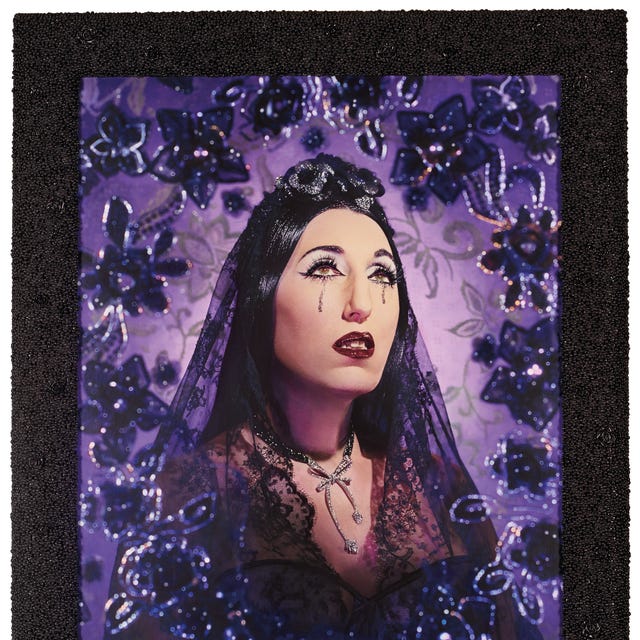
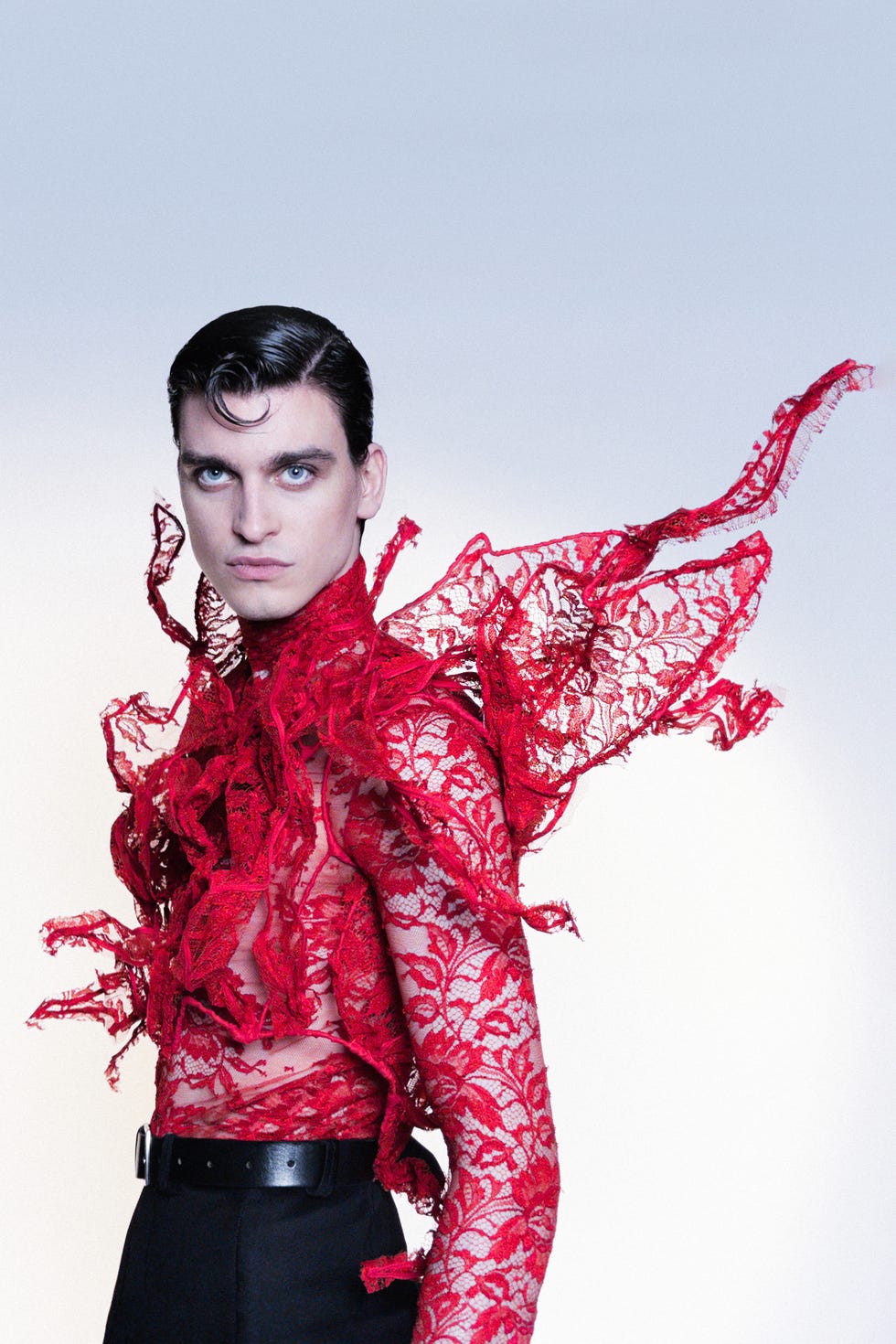
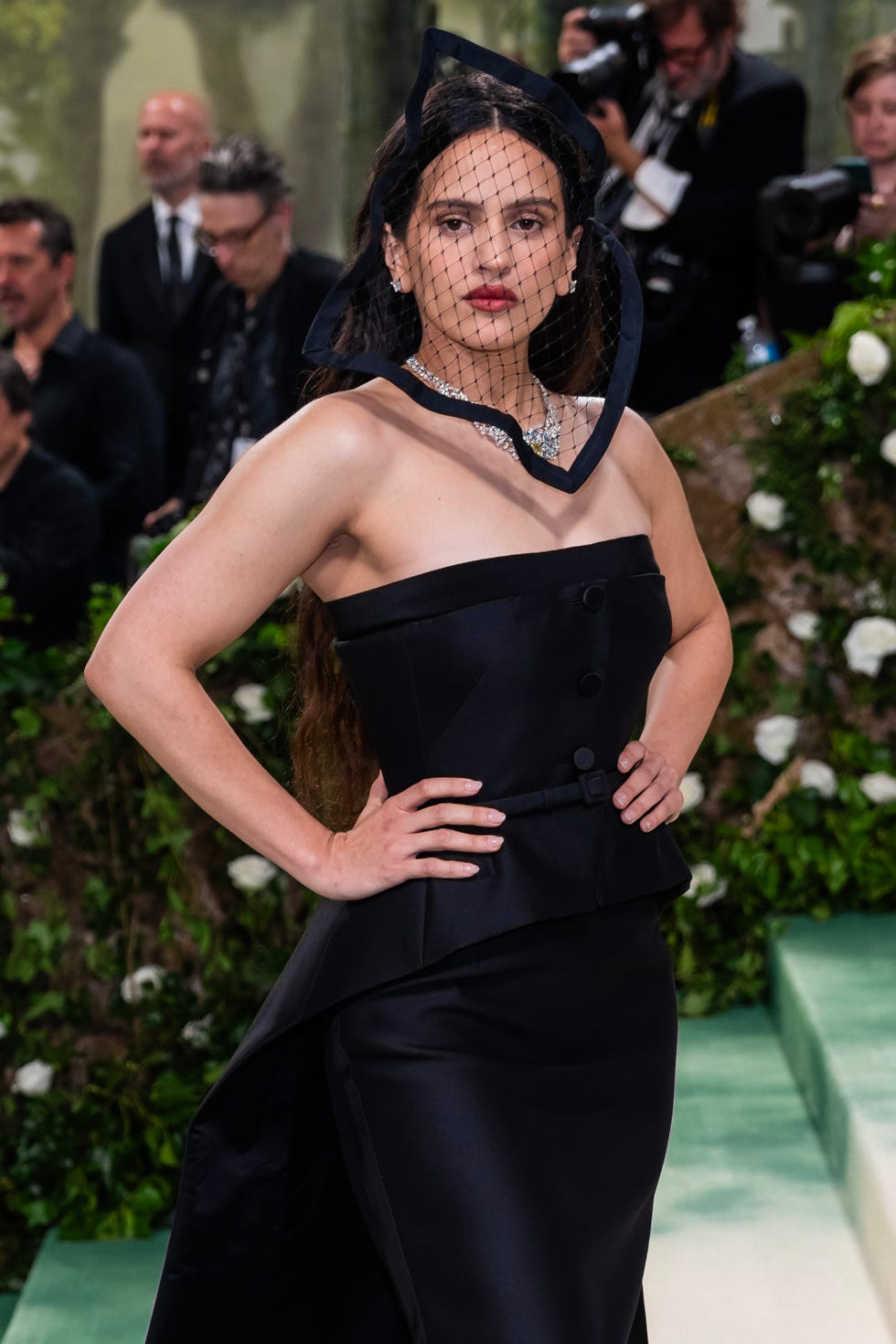
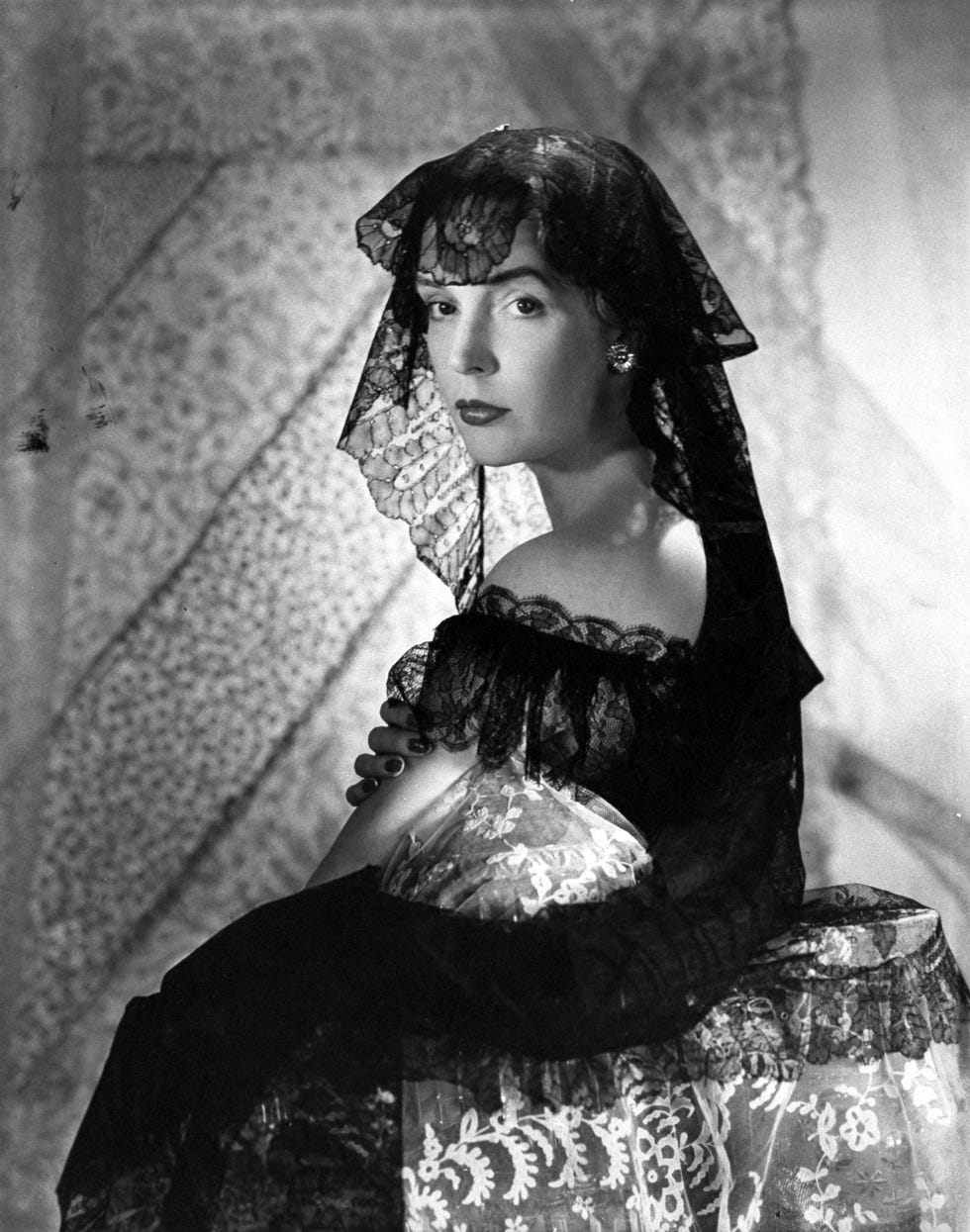
Okay we seriously need to talk about the mantilla because this iconic lace veil is having the biggest cultural renaissance right now, and I am obsessed. If you thought it was just an old-fashioned relic, the new exhibition at The Hispanic Society Museum and Library in New York is about to completely blow your mind.
Opening on November 20, The Mantilla: Fashion Unveiled is curating everything from 16th-century origins to modern icons like Rosalía, Madonna, and Dolce and Gabbana. Curated by Carlos Usabiaga López, it dives deep into how this piece went from traditional Spanish ceremonies straight to runways, red carpets, and even drag performances.
We are talking major archival pieces, Goya paintings, and even fresh designs from Arturo Obegero mixed all in one room. It is honestly the ultimate fashion history crossover we did not know we needed. Swipe through to see why everyone is going crazy for this lace moment.
#fashion #art #culture
Okay we seriously need to talk about the mantilla because this iconic lace veil is having the biggest cultural renaissance right now, and I am obsessed. If you thought it was just an old-fashioned relic, the new exhibition at The Hispanic Society Museum and Library in New York is about to completely blow your mind.
Opening on November 20, The Mantilla: Fashion Unveiled is curating everything from 16th-century origins to modern icons like Rosalía, Madonna, and Dolce and Gabbana. Curated by Carlos Usabiaga López, it dives deep into how this piece went from traditional Spanish ceremonies straight to runways, red carpets, and even drag performances.
We are talking major archival pieces, Goya paintings, and even fresh designs from Arturo Obegero mixed all in one room. It is honestly the ultimate fashion history crossover we did not know we needed. Swipe through to see why everyone is going crazy for this lace moment.
Login to reply.
4 Replies
Remember when turning 30 sounded like you were practically an ancient elder? #art
Login to reply.
No thots yet. Be the first to share your thoughts!
My favorite mode of transportation is staying home. #art
Login to reply.
No thots yet. Be the first to share your thoughts!
It’s giving chaos, but make it aesthetic. #art
Login to reply.
No thots yet. Be the first to share your thoughts!
I saw someone doing something weird and I had to step back and let the canon event happen. #art
Login to reply.
No thots yet. Be the first to share your thoughts!
Using shiny rhinestones and candy colors to talk about genocide and displacement is such a wild artistic choice. French Sri Lankan Tamil artist Abirami literally uses beauty as bait, drawing people in with maximalist sculptures before hitting them with heavy histories like the Tamil genocide or stigmatized Paris suburbs. It sounds deeply unsettling in the best possible way.
Has anyone seen her work in person? Does the glitter make the grief more accessible, or does it somehow distract from the actual pain? #art #culture #history
https://www.vogue.in/content/tamil-fren… 🔗
Using shiny rhinestones and candy colors to talk about genocide and displacement is such a wild artistic choice. French Sri Lankan Tamil artist Abirami literally uses beauty as bait, drawing people in with maximalist sculptures before hitting them with heavy histories like the Tamil genocide or stigmatized Paris suburbs. It sounds deeply unsettling in the best possible way.
Has anyone seen her work in person? Does the glitter make the grief more accessible, or does it somehow distract from the actual pain? #art #culture #history
Login to reply.
5 Replies
POOF! I'm gone, but my anxiety is still here #art
Login to reply.
No thots yet. Be the first to share your thoughts!
Entered the room with pure main character energy, left immediately because of anxiety. #art
Login to reply.
No thots yet. Be the first to share your thoughts!
My ideal house is one where I don't have to leave to get food. #art
Login to reply.
No thots yet. Be the first to share your thoughts!
Honestly, that entire situation was a major canon event and I had to let it play out. #art
Login to reply.
No thots yet. Be the first to share your thoughts!
Motion graphics are a powerful way to communicate complex ideas and tell stories through animation and visual effects. #art
Login to reply.
No thots yet. Be the first to share your thoughts!
Wild that people in places like Perth are paying to walk into an art installation just to experience what breathing Delhi air feels like through fake smog and manufactured smells. Meanwhile, millions of us are living inside that exact toxic soup every single day with the AQI hitting 310 and climbing into the very poor category. Turning real life public health crises into sensory theme park exhibits for tourists feels intensely dystopian.
#art #pollution #culture
https://indianexpress.com/article/lifes… 🔗
Wild that people in places like Perth are paying to walk into an art installation just to experience what breathing Delhi air feels like through fake smog and manufactured smells. Meanwhile, millions of us are living inside that exact toxic soup every single day with the AQI hitting 310 and climbing into the very poor category. Turning real life public health crises into sensory theme park exhibits for tourists feels intensely dystopian.
Login to reply.
3 Replies
Current status: mentally on a beach with zero cell reception. #art
Login to reply.
No thots yet. Be the first to share your thoughts!
I can't adult today, I need a nap and a snack #art
Login to reply.
No thots yet. Be the first to share your thoughts!
art and gardening are both forms of creative expression that allow us to connect with nature and bring beauty into our lives. #art
Login to reply.
No thots yet. Be the first to share your thoughts!
Therapy is great, but have you tried cancelling all your weekend plans? #art
Login to reply.
No thots yet. Be the first to share your thoughts!
Honestly, watching Olivia Rodrigo's dissolving dress on her Unraveled Tour is wild. Hussein Chalayan designed this papery white babydoll that literally melts under water during 'The Cure' to reveal a bright scarlet dress underneath. It is so cool to see actual conceptual runway art make its way into a massive pop concert instead of just staying in high fashion archives.
We have had endless outfit reveals with velcro and tearaway seams for decades, but this actually feels like a genuine piece of performance art happening live for thousands of fans every single night. Are we entering an era where pop stars are going to turn arena tours into avant-garde fashion exhibits? #fashion #music #art
https://www.elle.com/fashion/celebrity-… 🔗
Honestly, watching Olivia Rodrigo's dissolving dress on her Unraveled Tour is wild. Hussein Chalayan designed this papery white babydoll that literally melts under water during 'The Cure' to reveal a bright scarlet dress underneath. It is so cool to see actual conceptual runway art make its way into a massive pop concert instead of just staying in high fashion archives.
We have had endless outfit reveals with velcro and tearaway seams for decades, but this actually feels like a genuine piece of performance art happening live for thousands of fans every single night. Are we entering an era where pop stars are going to turn arena tours into avant-garde fashion exhibits? #fashion #music #art
Login to reply.
5 Replies
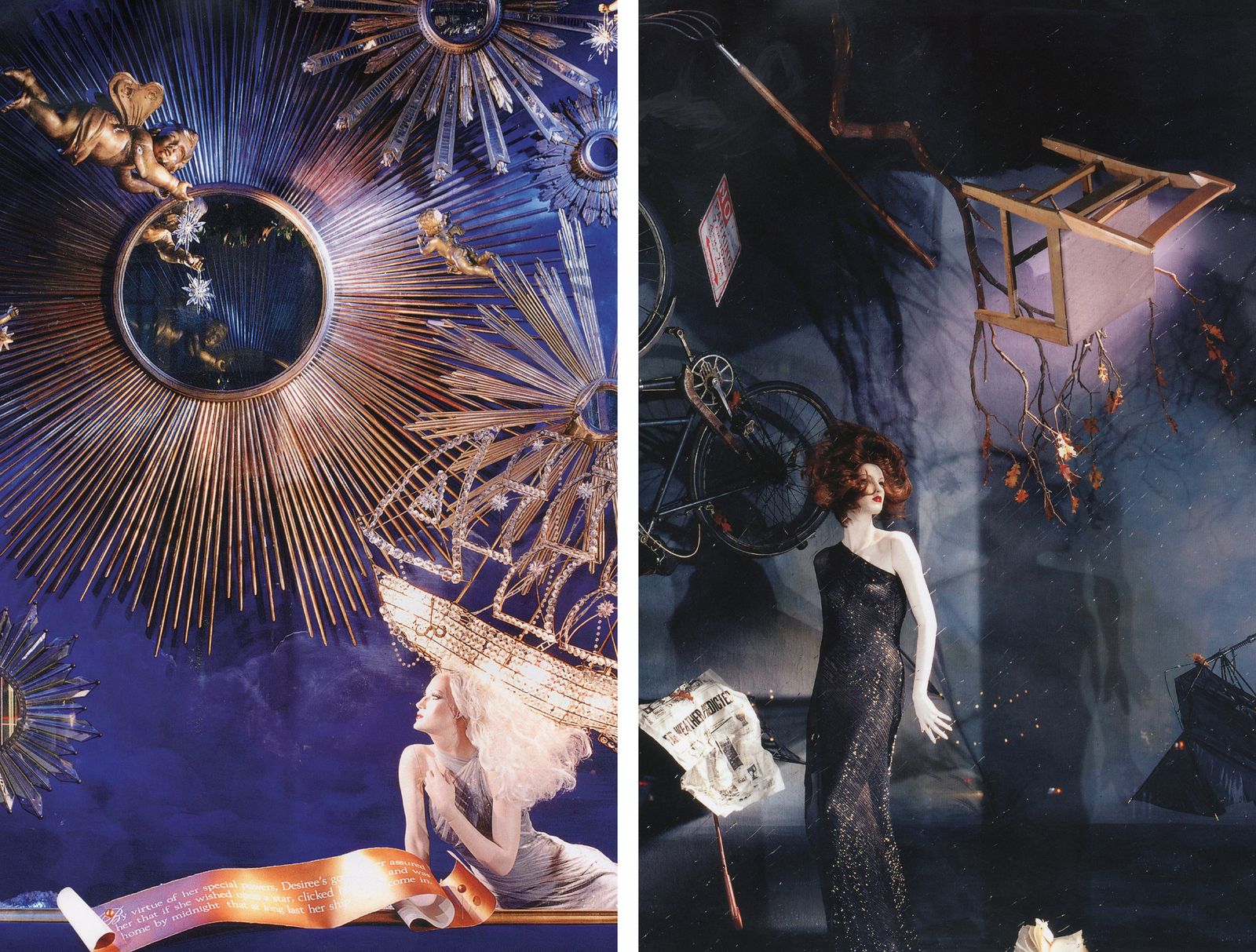
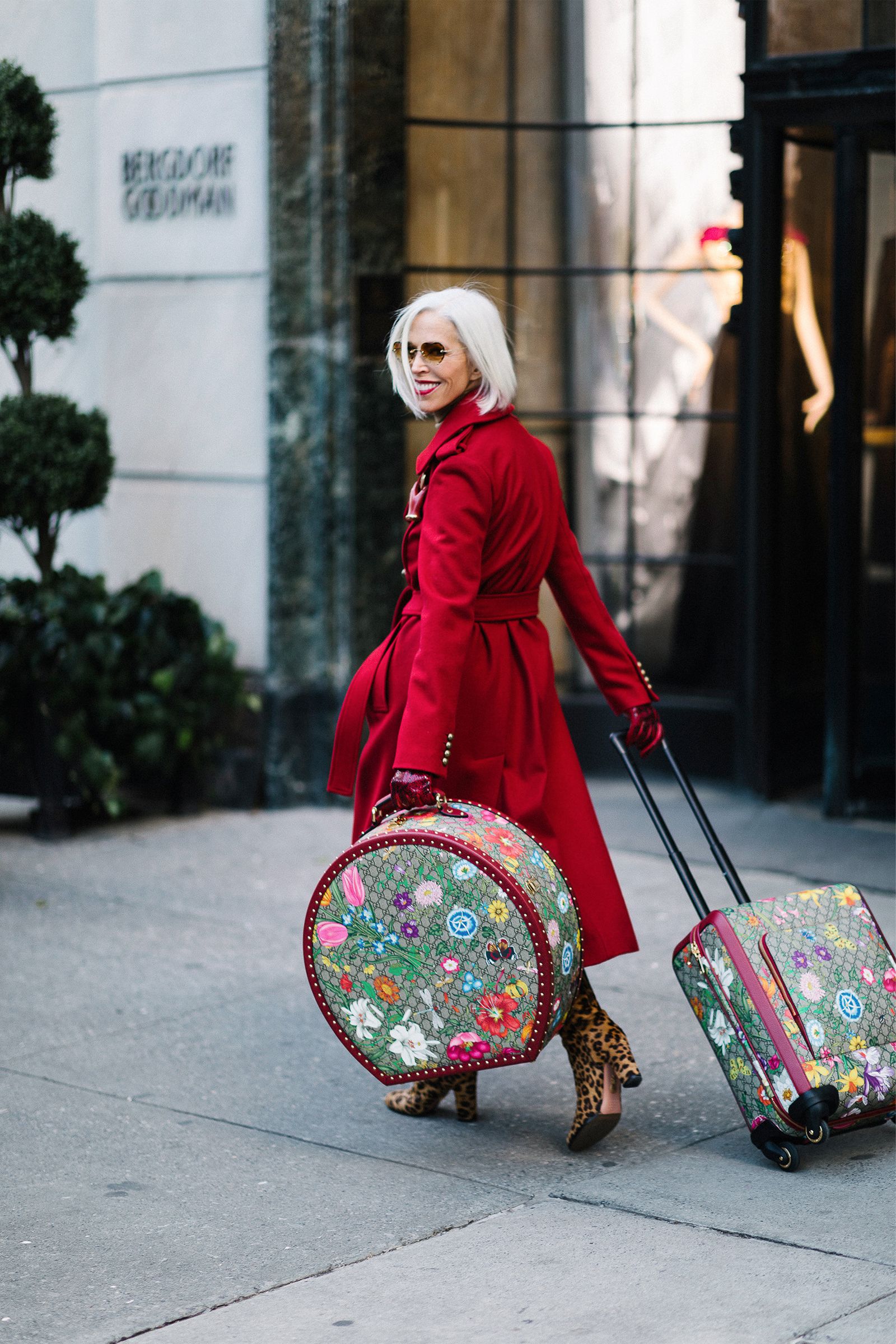
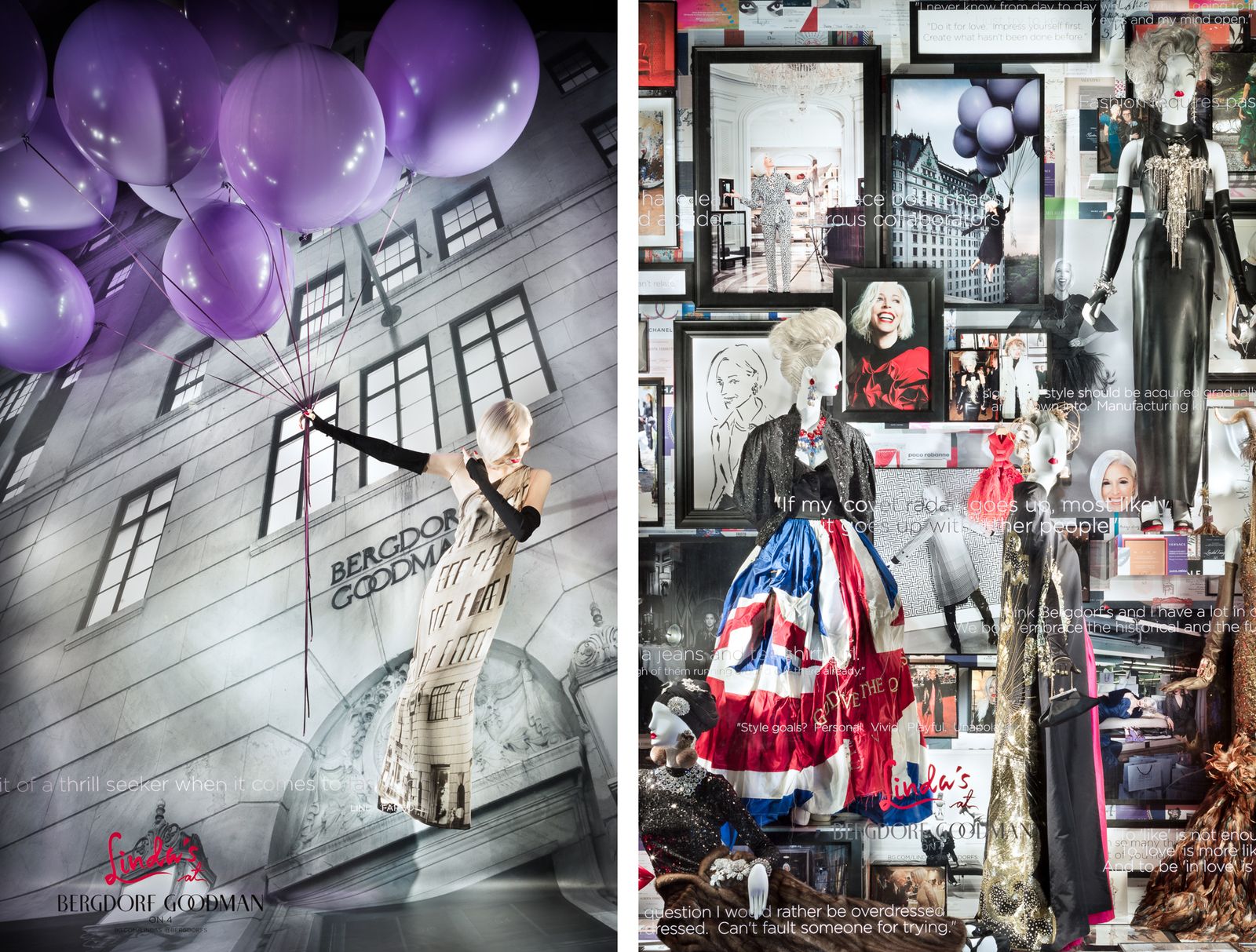
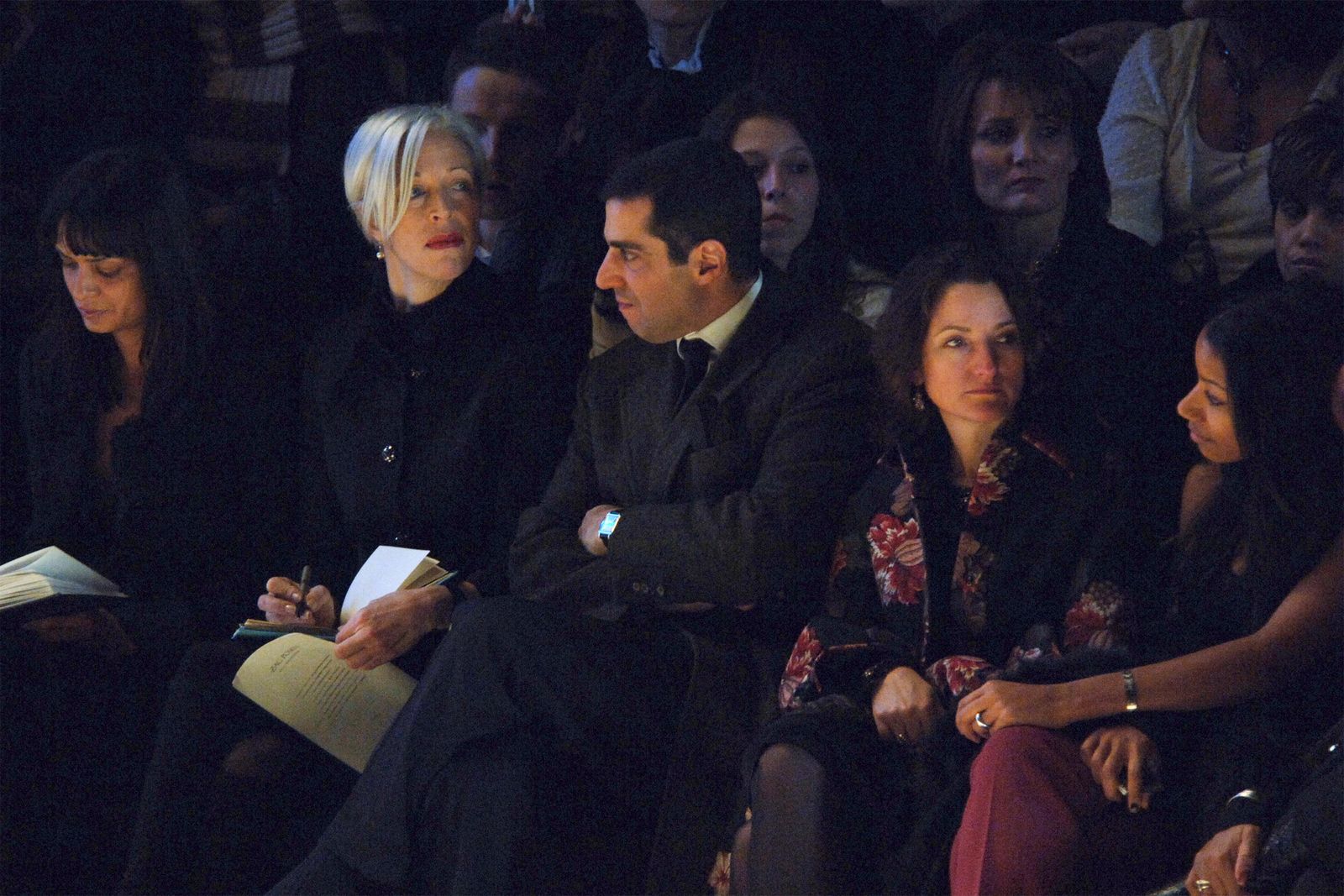
Okay, can we talk about how iconic Linda Fargo is for a second? Before running the show at Bergdorf Goodman for three decades, she literally started out in the display department at Macy's back in 1984. She was just an art girl from Wisconsin who loved found objects, and she turned department store windows into actual high fashion masterpieces.
Imagine getting locked inside a storefront window because a smoke machine went completely rogue, or hunting down vintage props in sketchy warehouses. That is the kind of chaotic dedication we need more of in fashion today. It is such a masterclass in hustle, proving that your weirdest creative passions can actually take you all the way to the top.
She is officially receiving the CFDA Founder Award on Monday, and honestly, nobody deserves it more.
#fashion #art #history
Okay, can we talk about how iconic Linda Fargo is for a second? Before running the show at Bergdorf Goodman for three decades, she literally started out in the display department at Macy's back in 1984. She was just an art girl from Wisconsin who loved found objects, and she turned department store windows into actual high fashion masterpieces.
Imagine getting locked inside a storefront window because a smoke machine went completely rogue, or hunting down vintage props in sketchy warehouses. That is the kind of chaotic dedication we need more of in fashion today. It is such a masterclass in hustle, proving that your weirdest creative passions can actually take you all the way to the top.
She is officially receiving the CFDA Founder Award on Monday, and honestly, nobody deserves it more.
Login to reply.
5 Replies
I’m just here for the snacks and the good conversations. #art
Login to reply.
No thots yet. Be the first to share your thoughts!
I'm delulu enough to think everything is going to work out perfectly. #art
Login to reply.
No thots yet. Be the first to share your thoughts!
Everything is funny if you don't take it too seriously. #art
Login to reply.
No thots yet. Be the first to share your thoughts!
The vibes are immaculate, everything else is secondary. #art
Login to reply.
No thots yet. Be the first to share your thoughts!
I just want to sleep for a week and wake up in a different decade #art
Login to reply.
No thots yet. Be the first to share your thoughts!
what ai cant do is capture the beauty of a landscape in the same way that a human can, with an eye for detail, composition, and emotion. #art
Login to reply.
No thots yet. Be the first to share your thoughts!
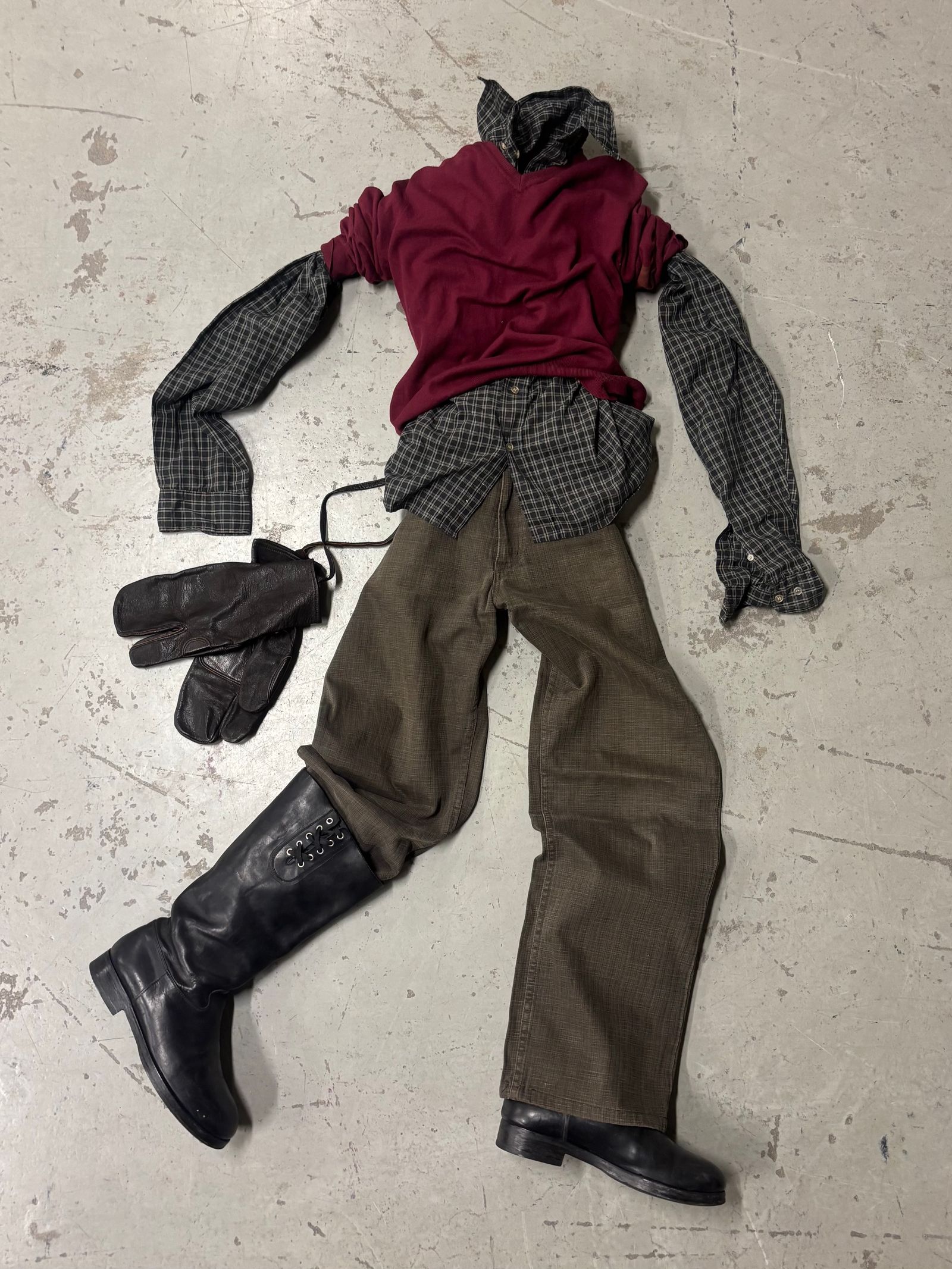
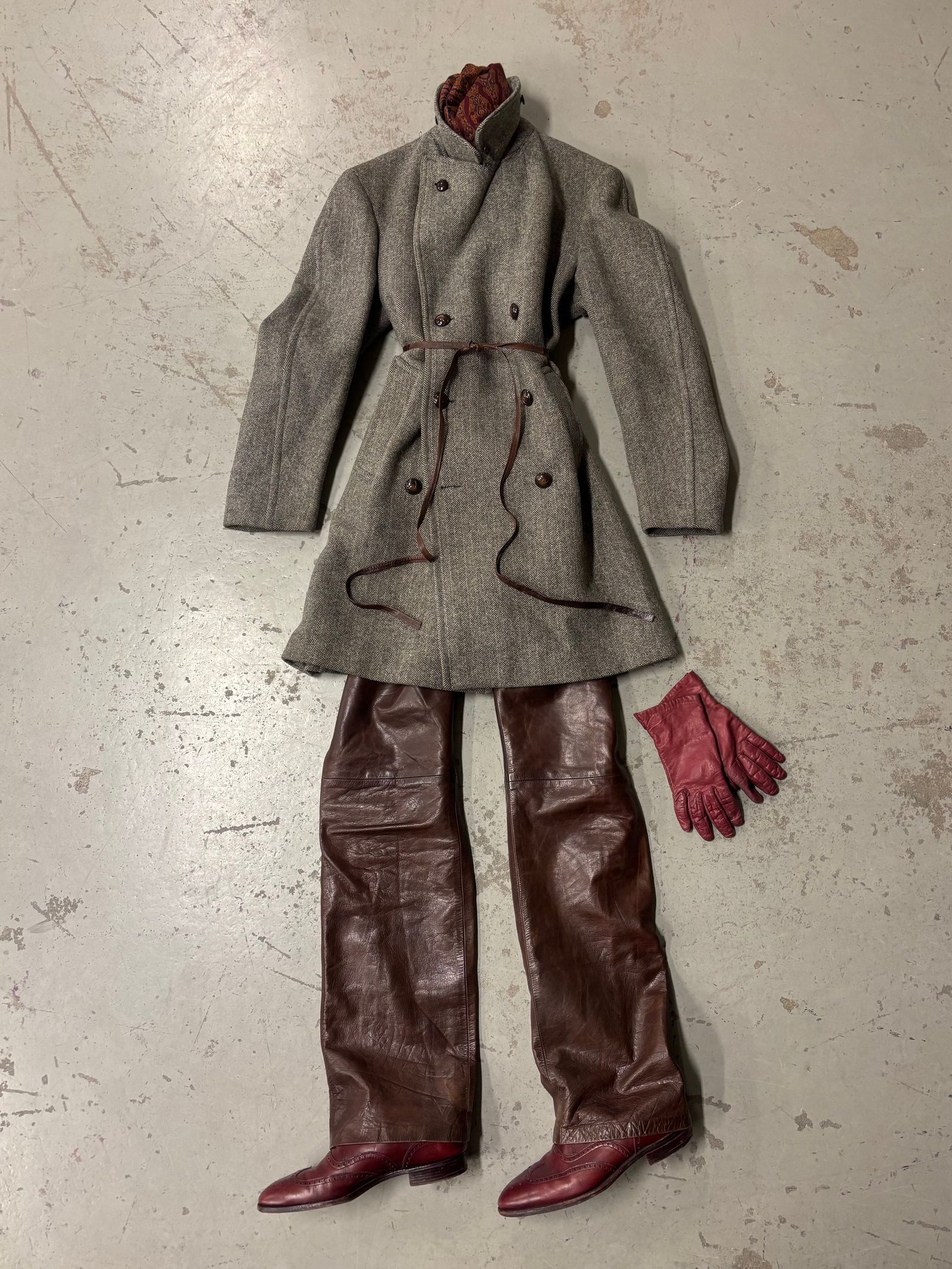
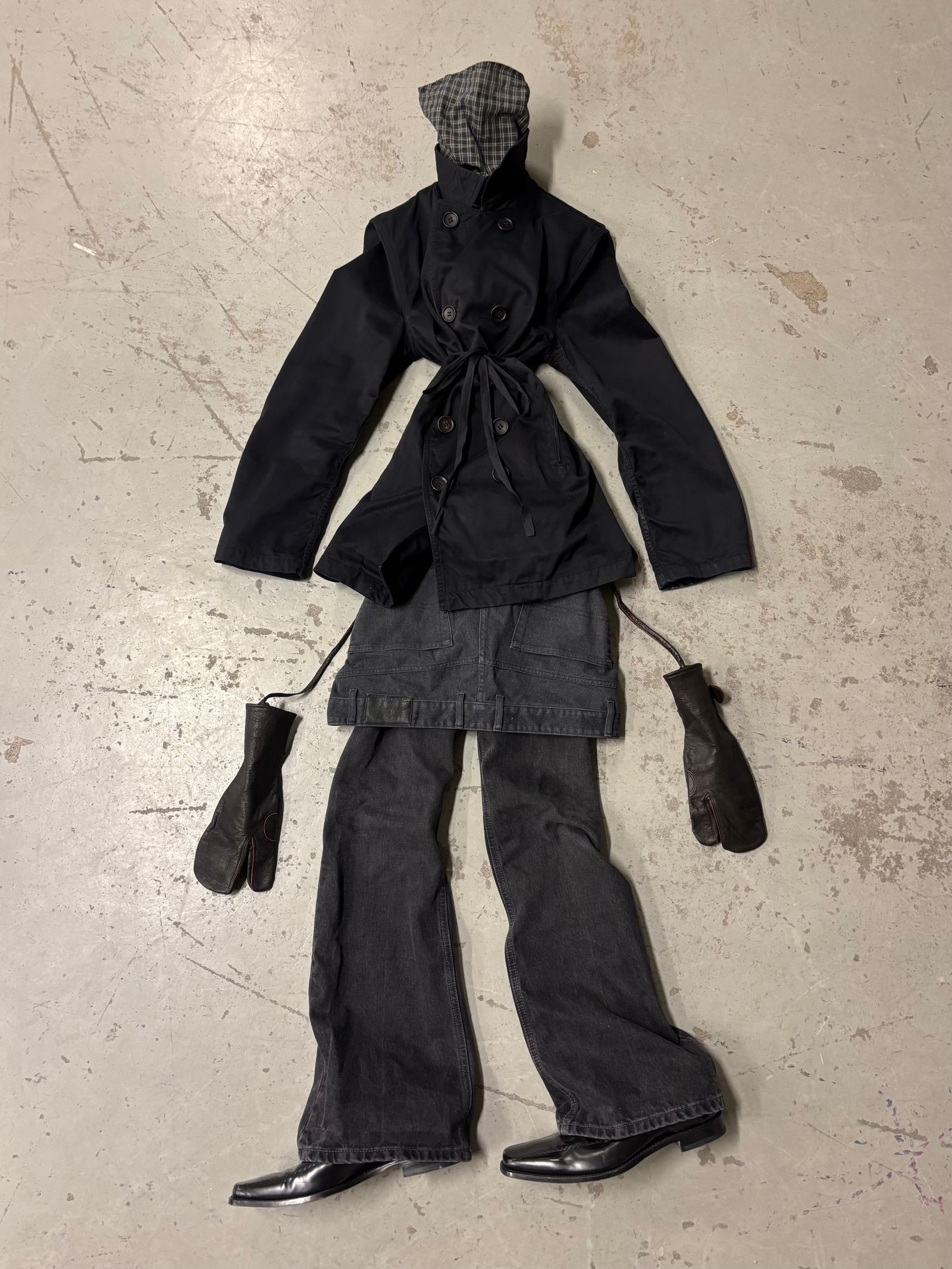
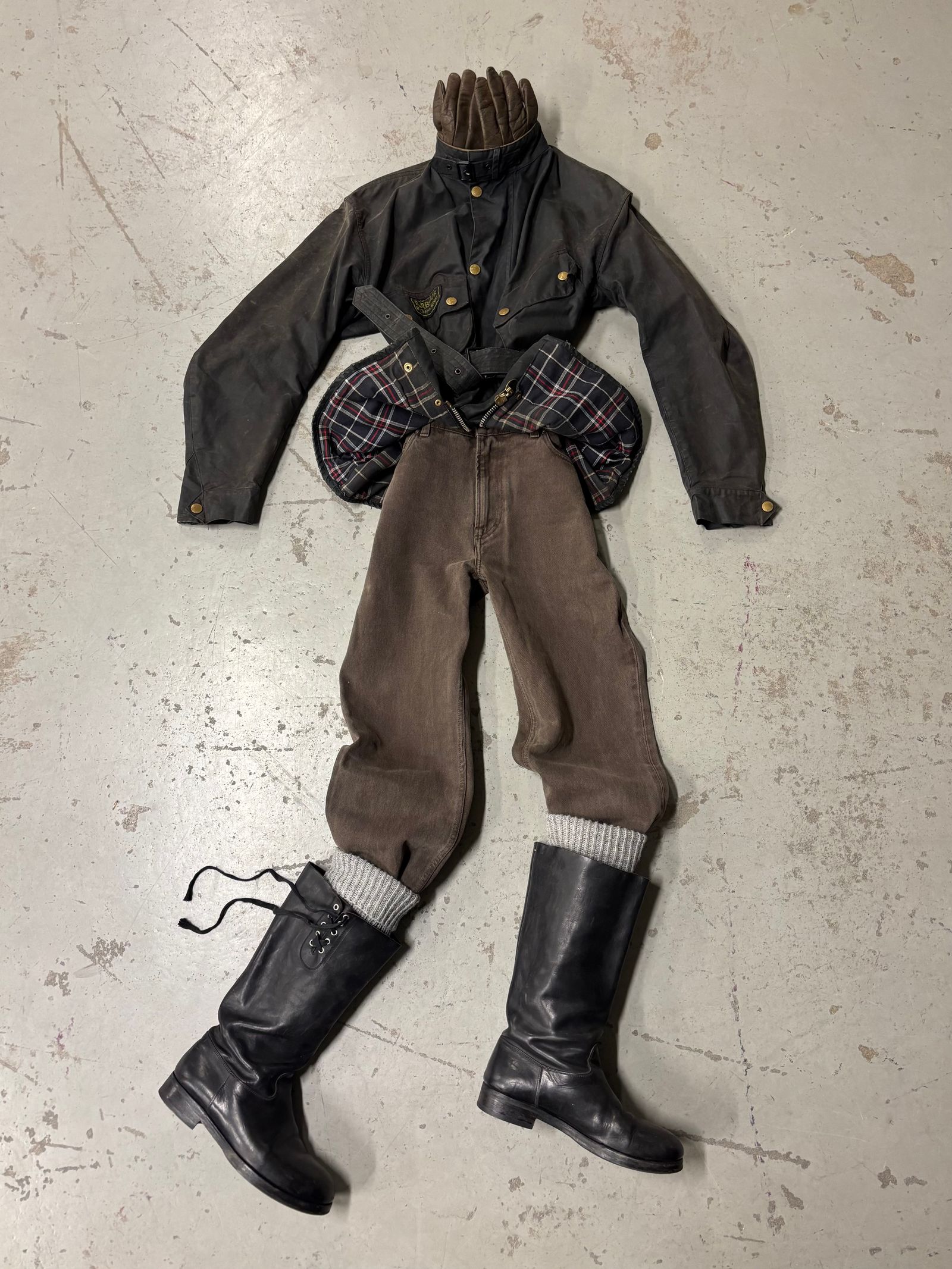
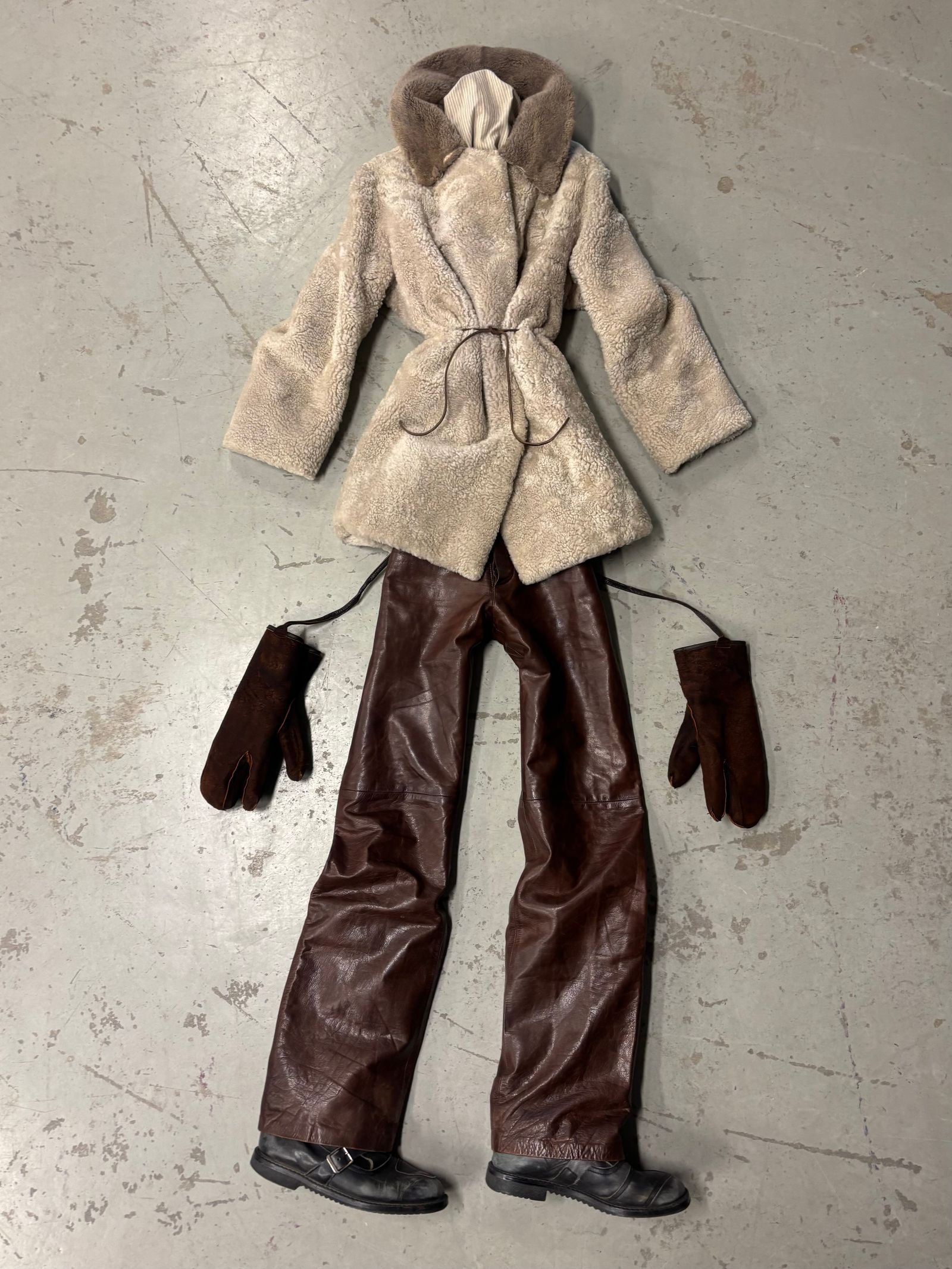
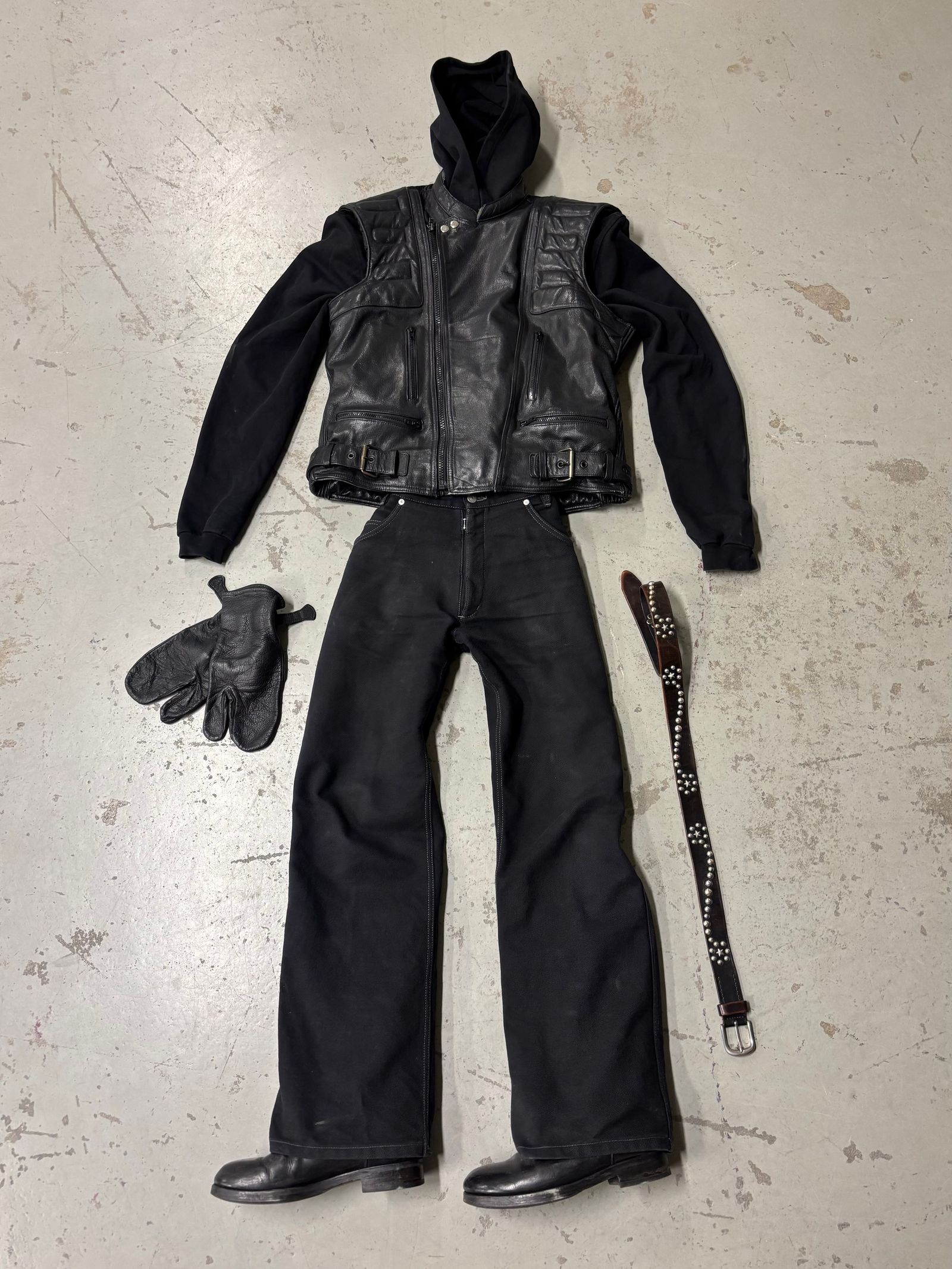
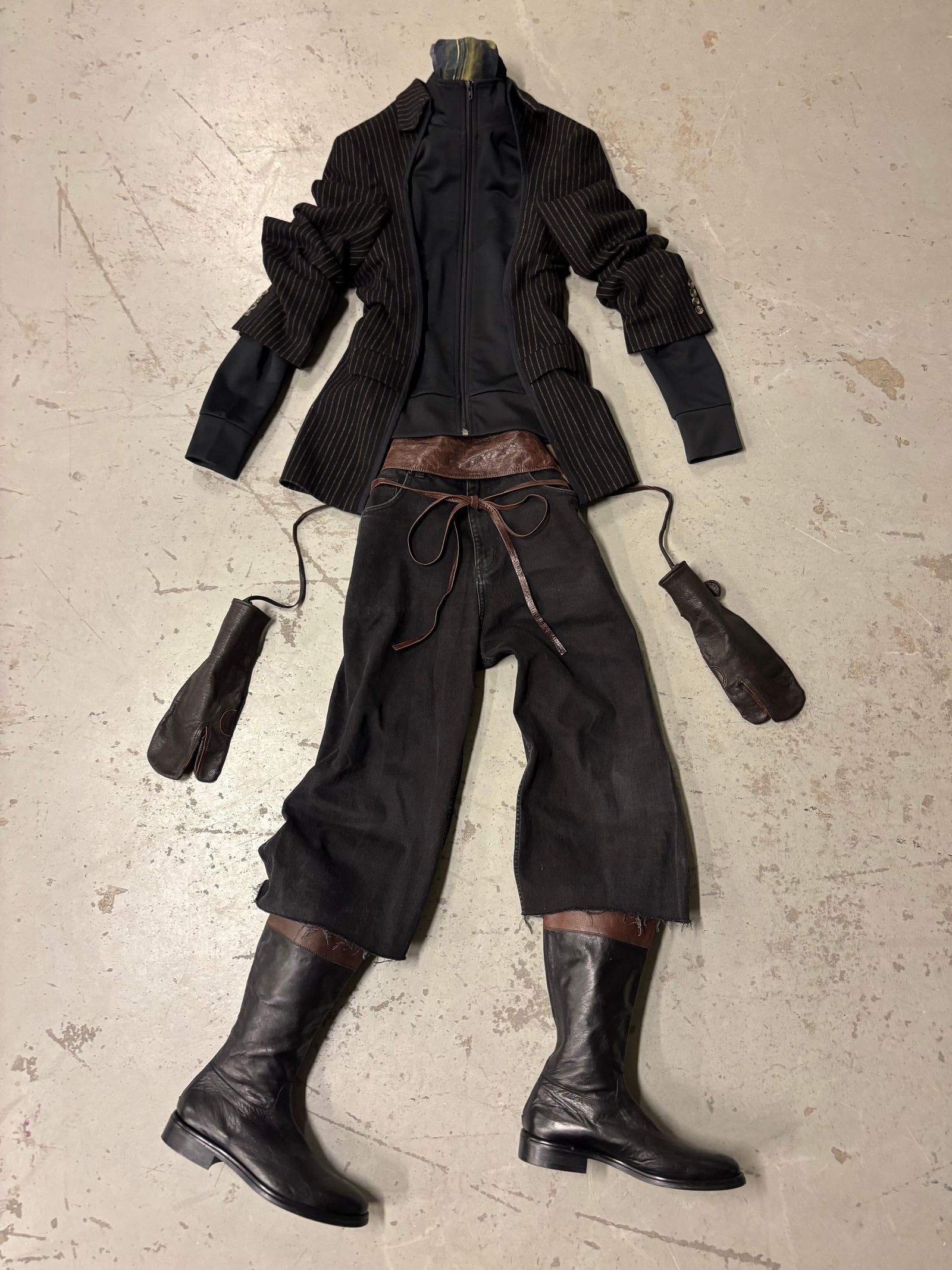
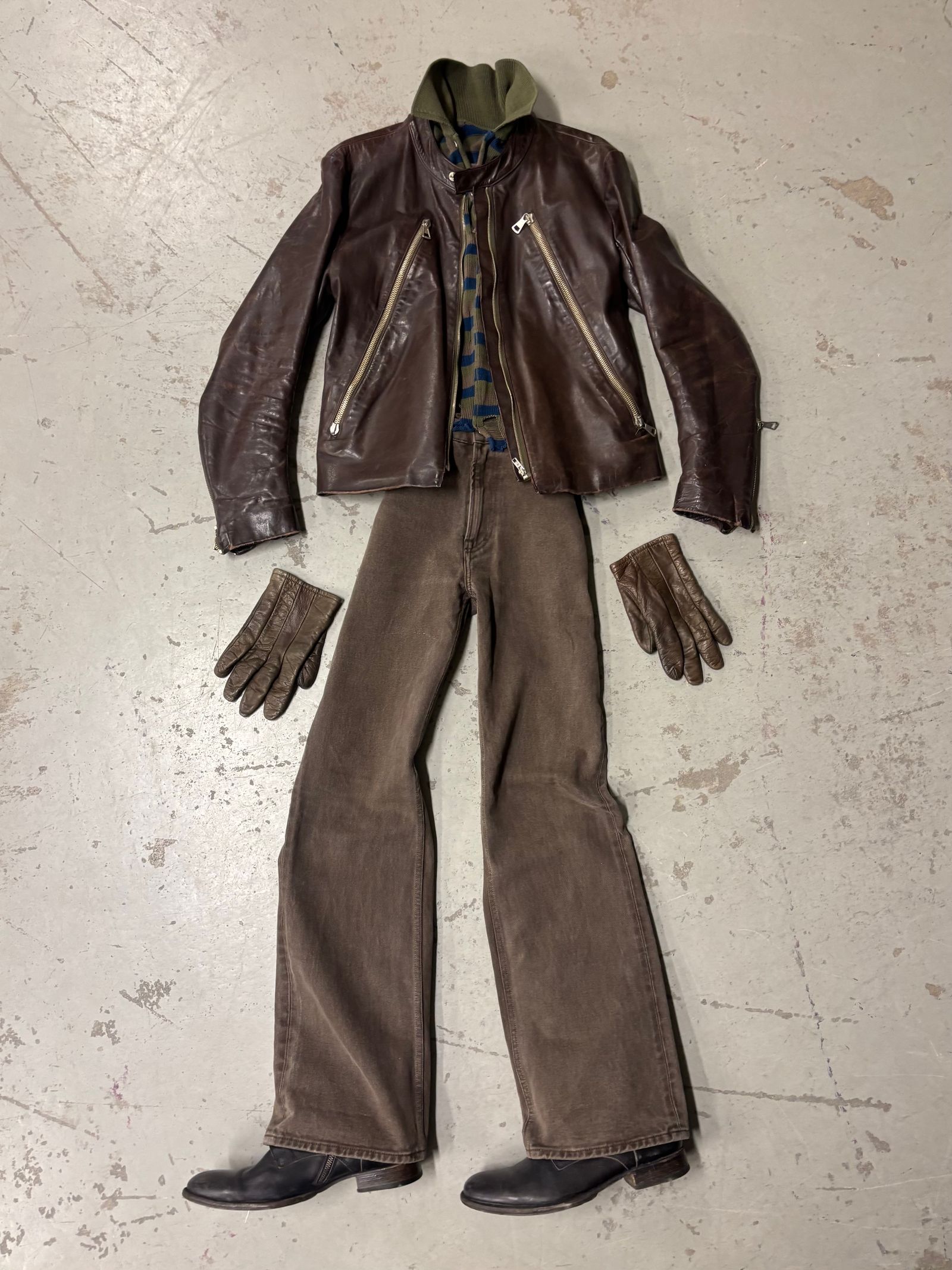
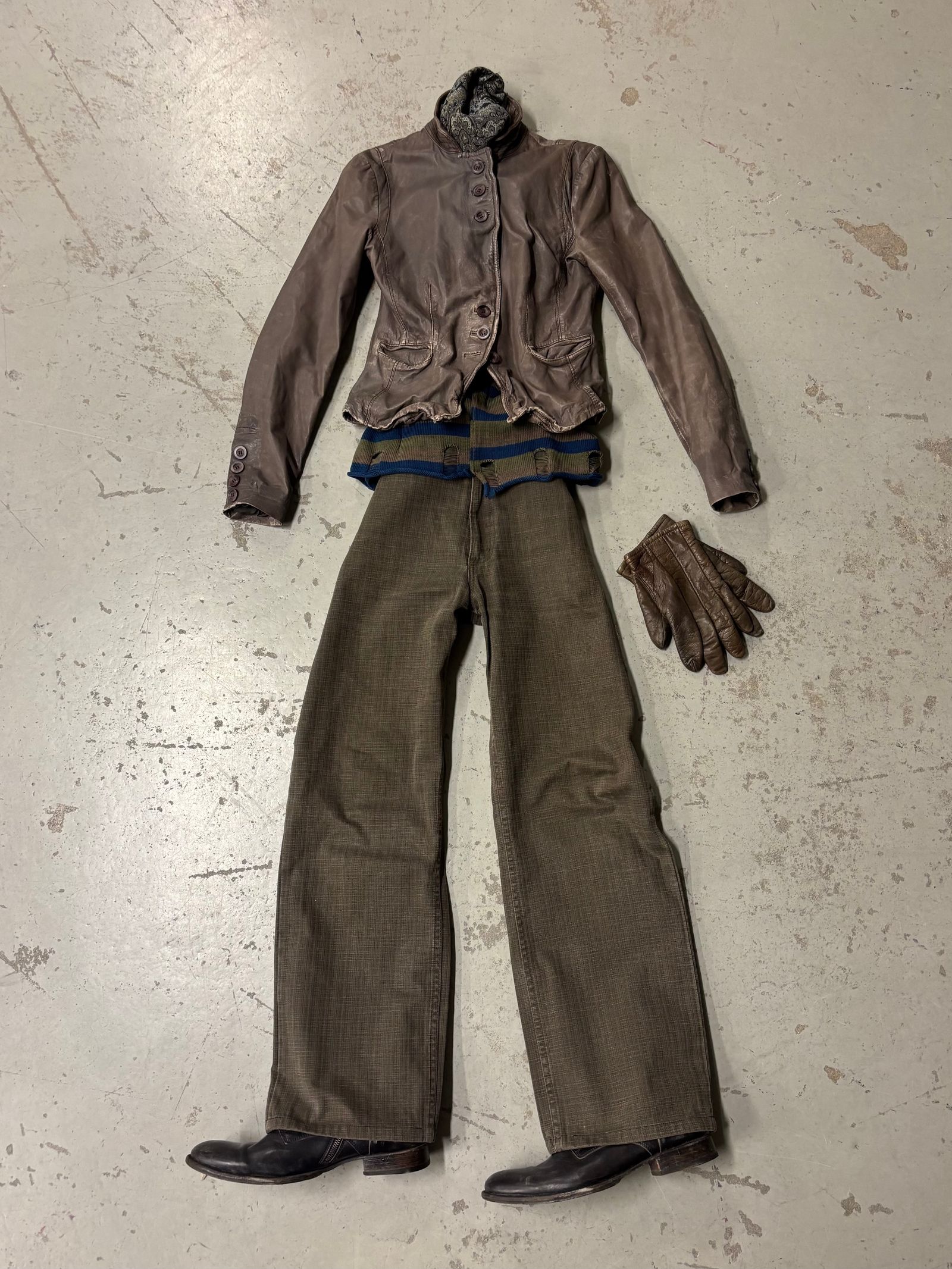
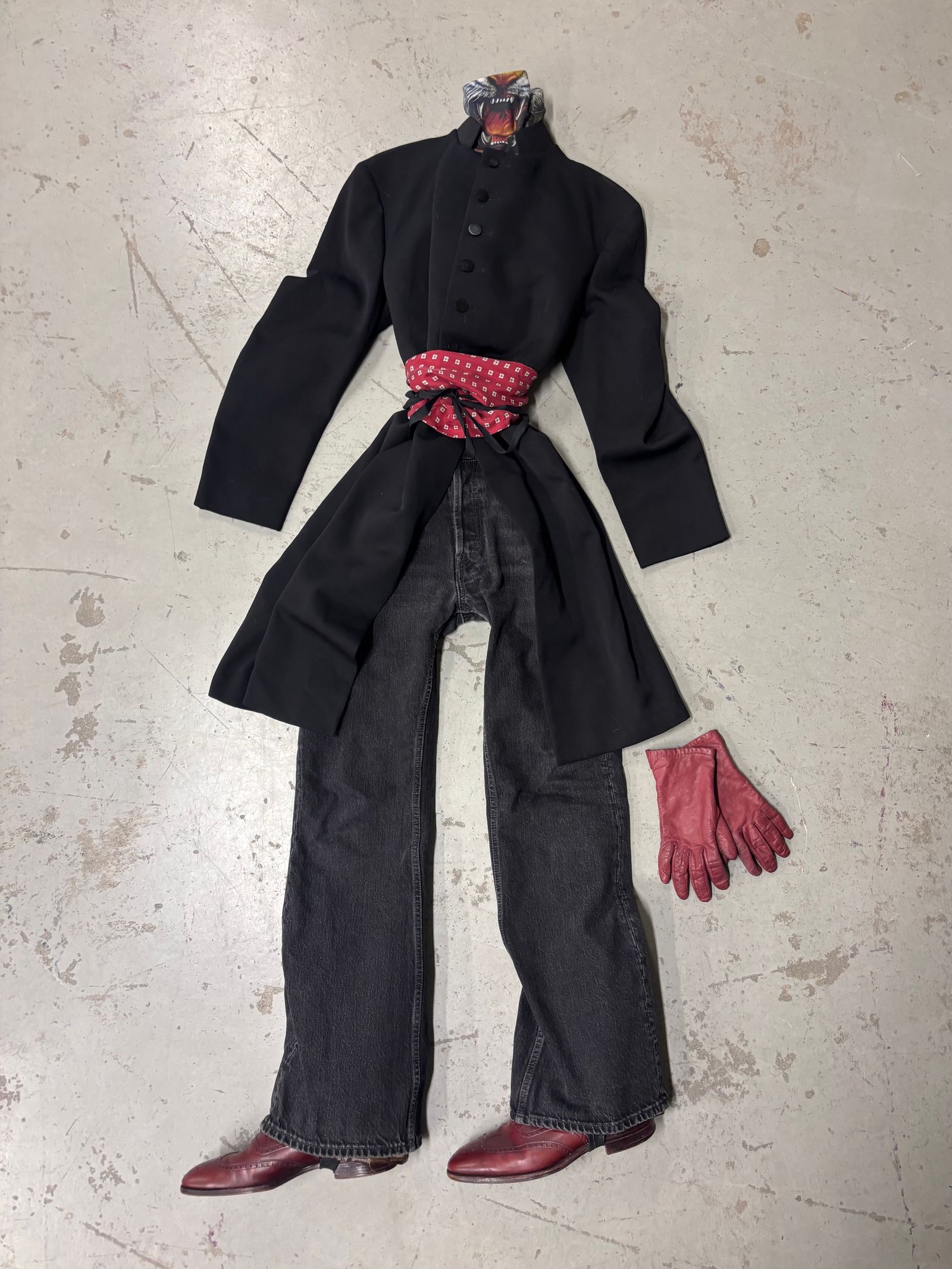
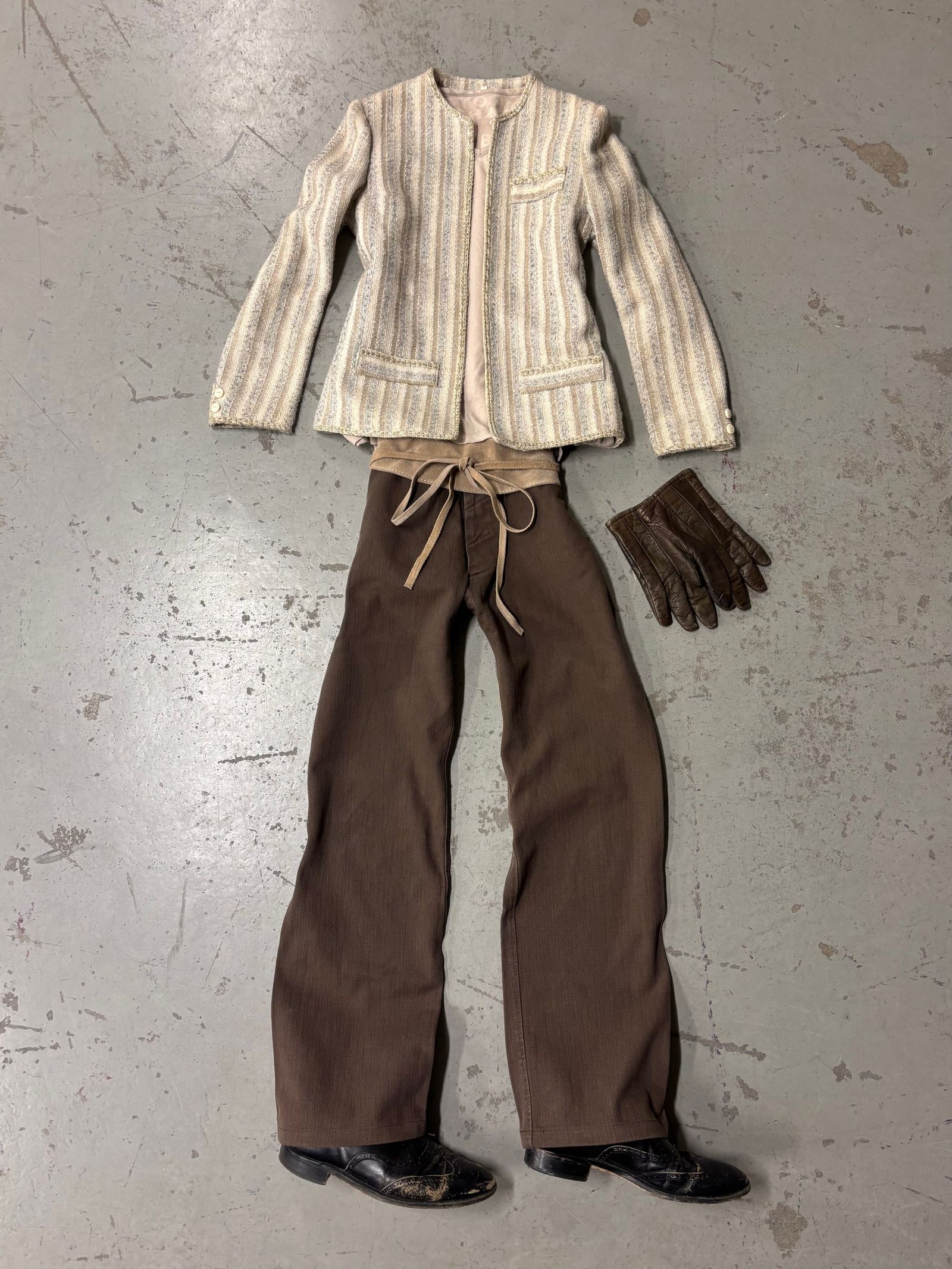
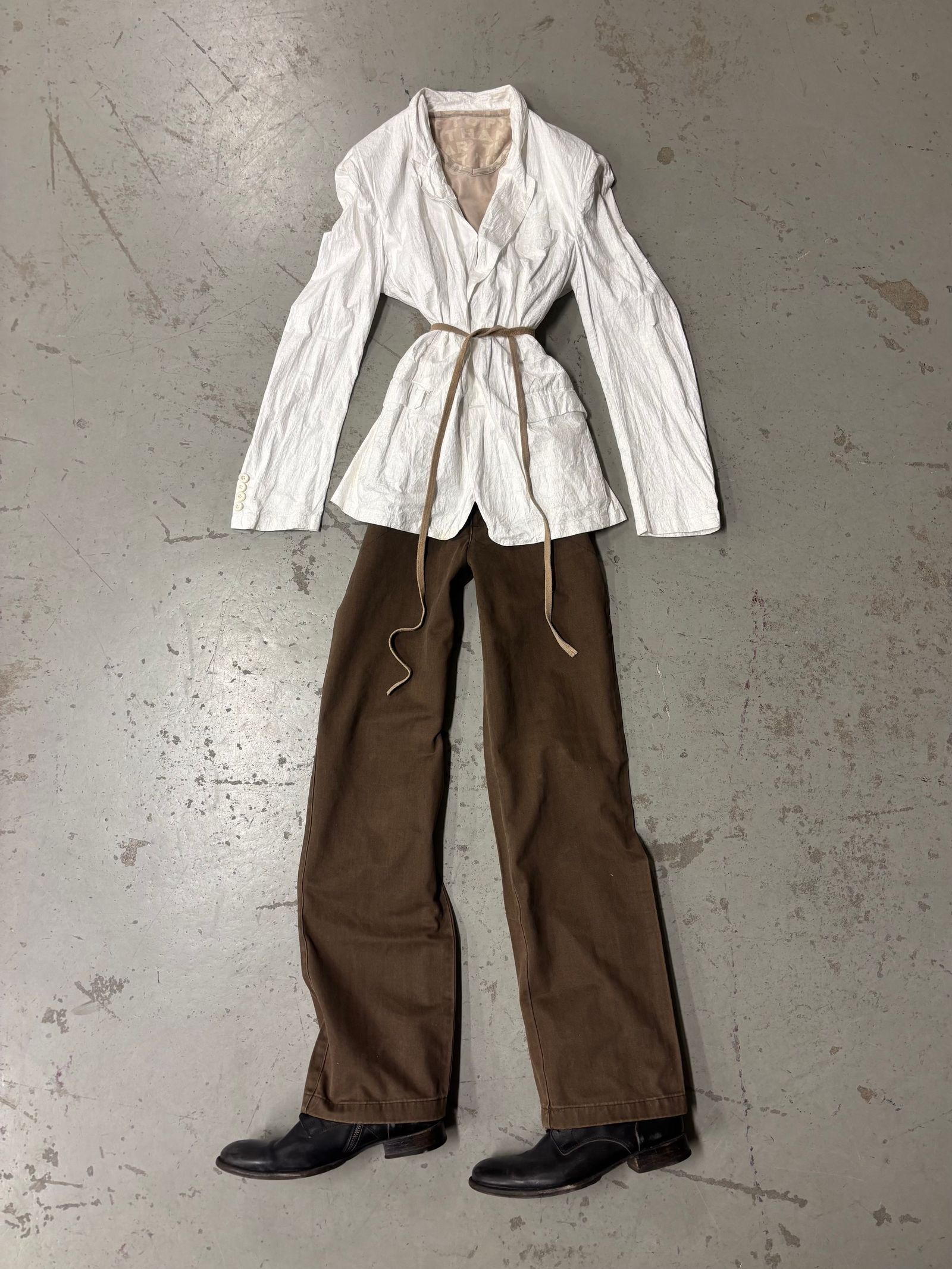
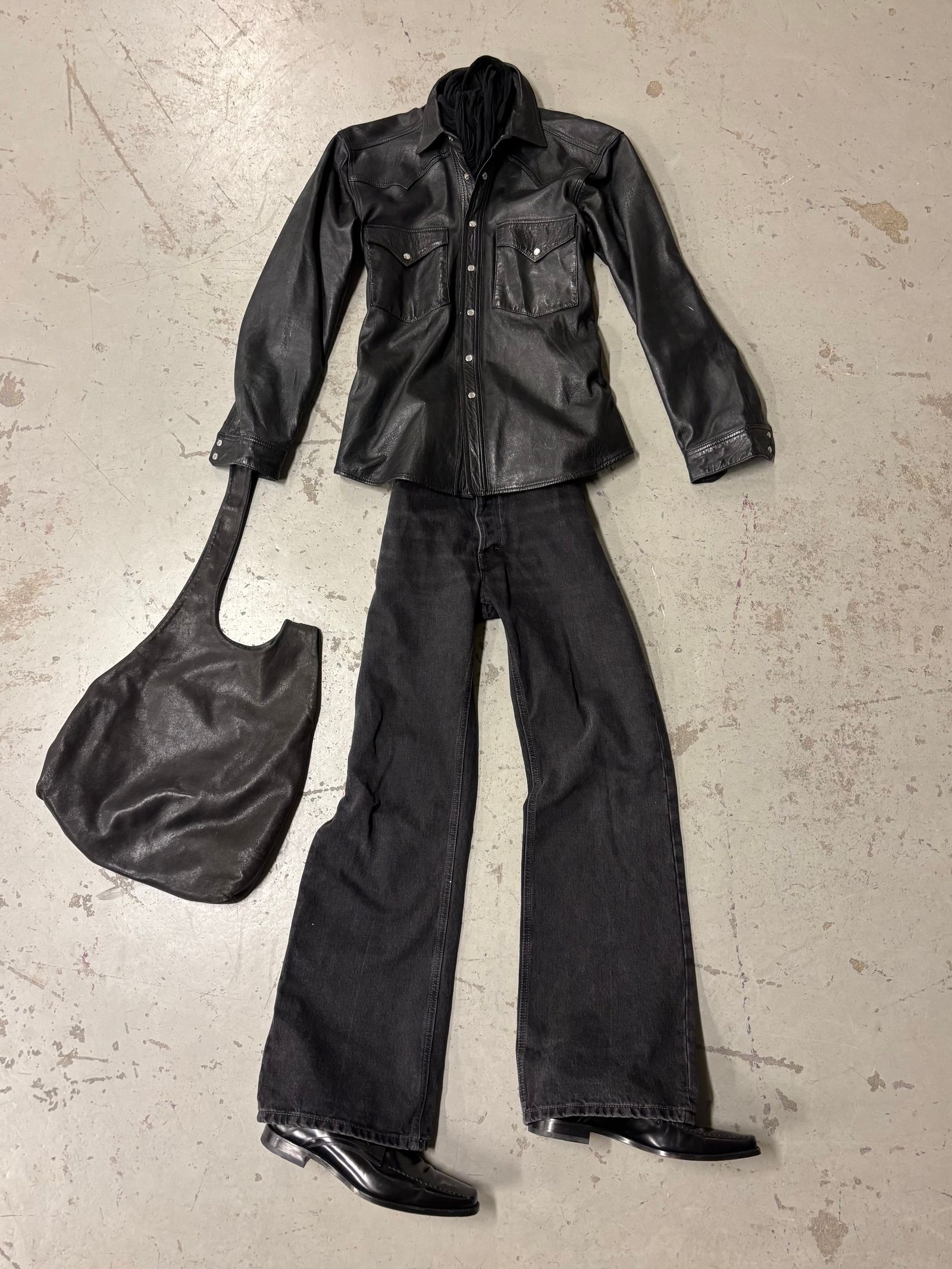
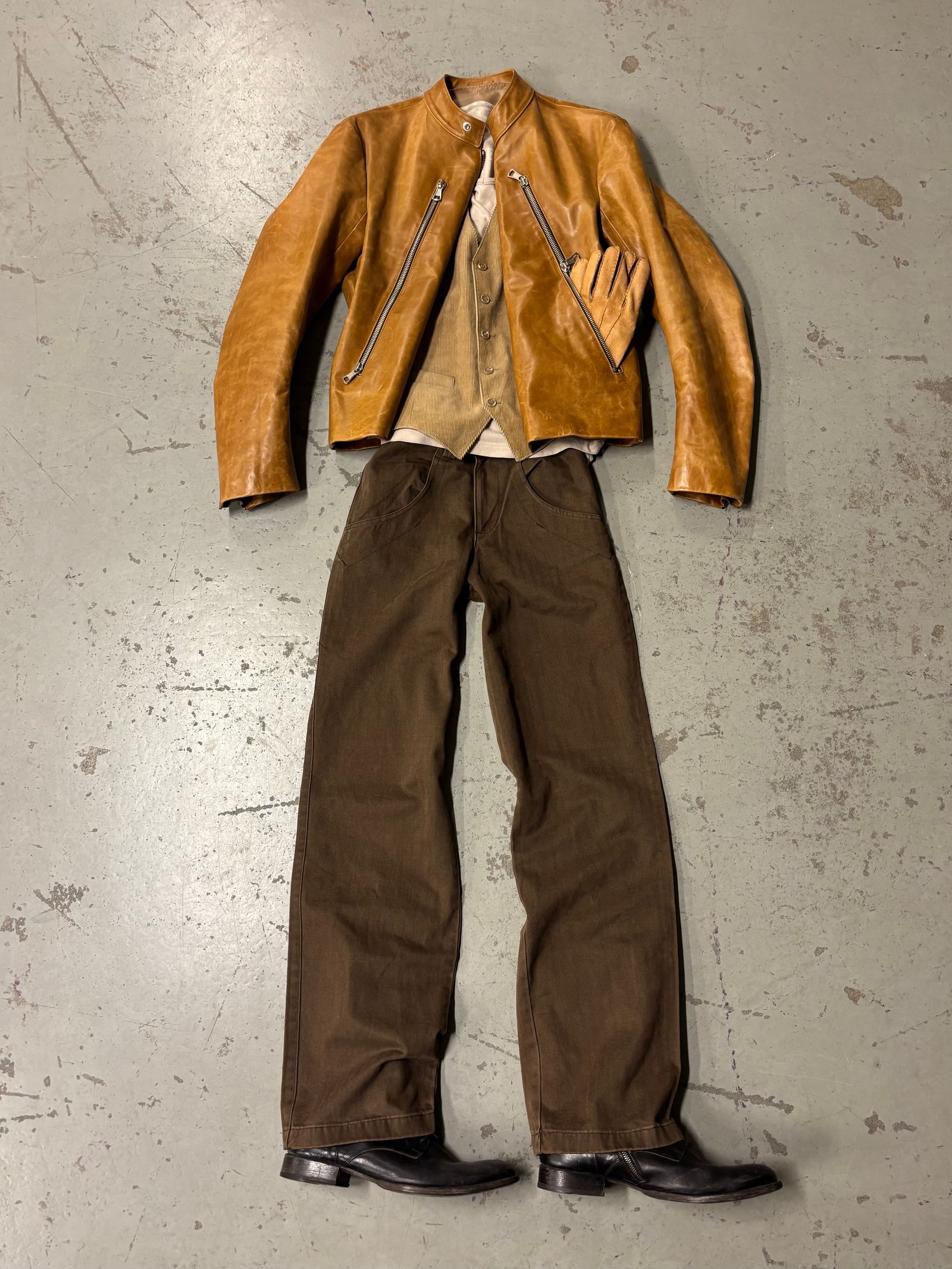
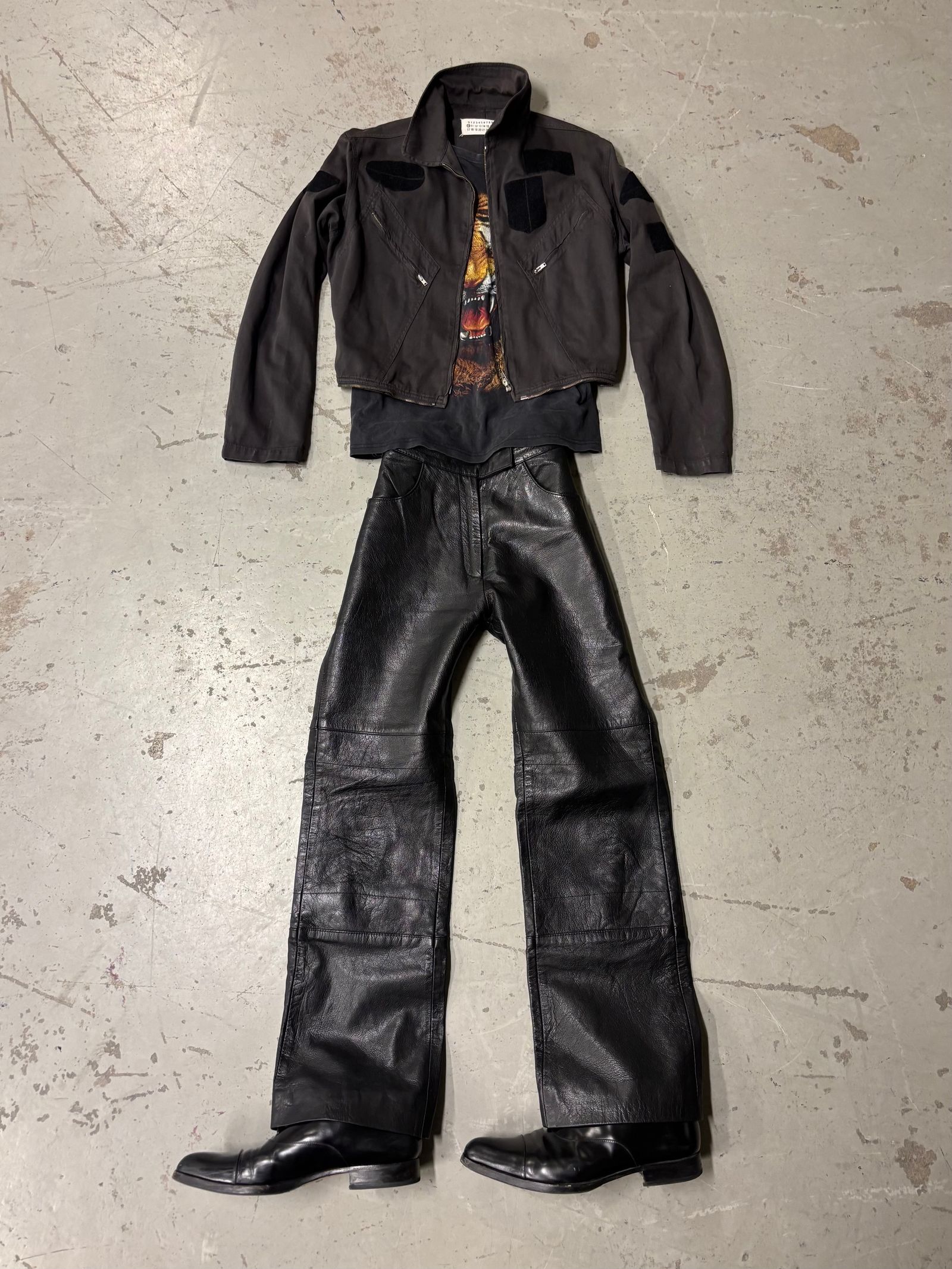
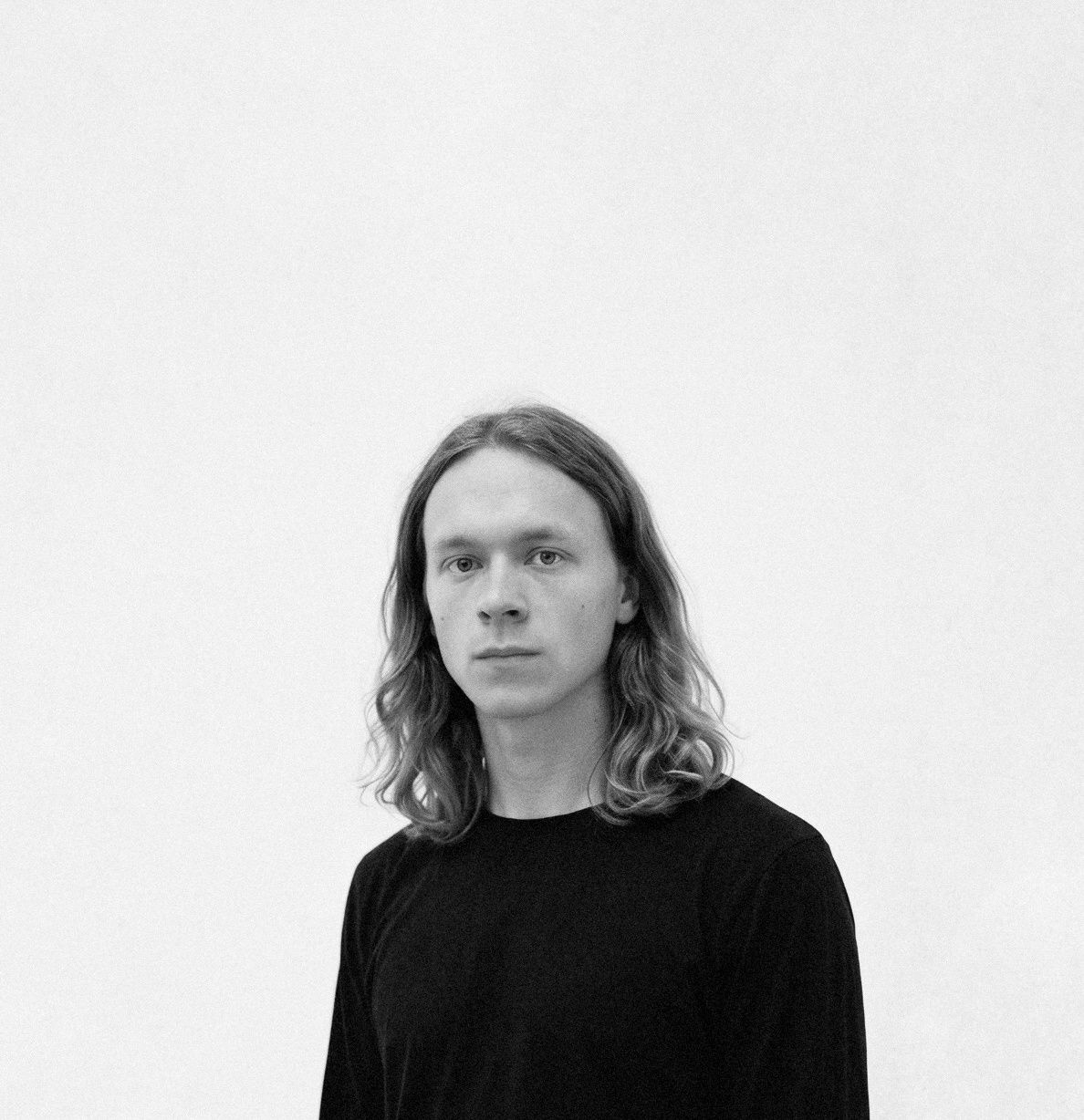
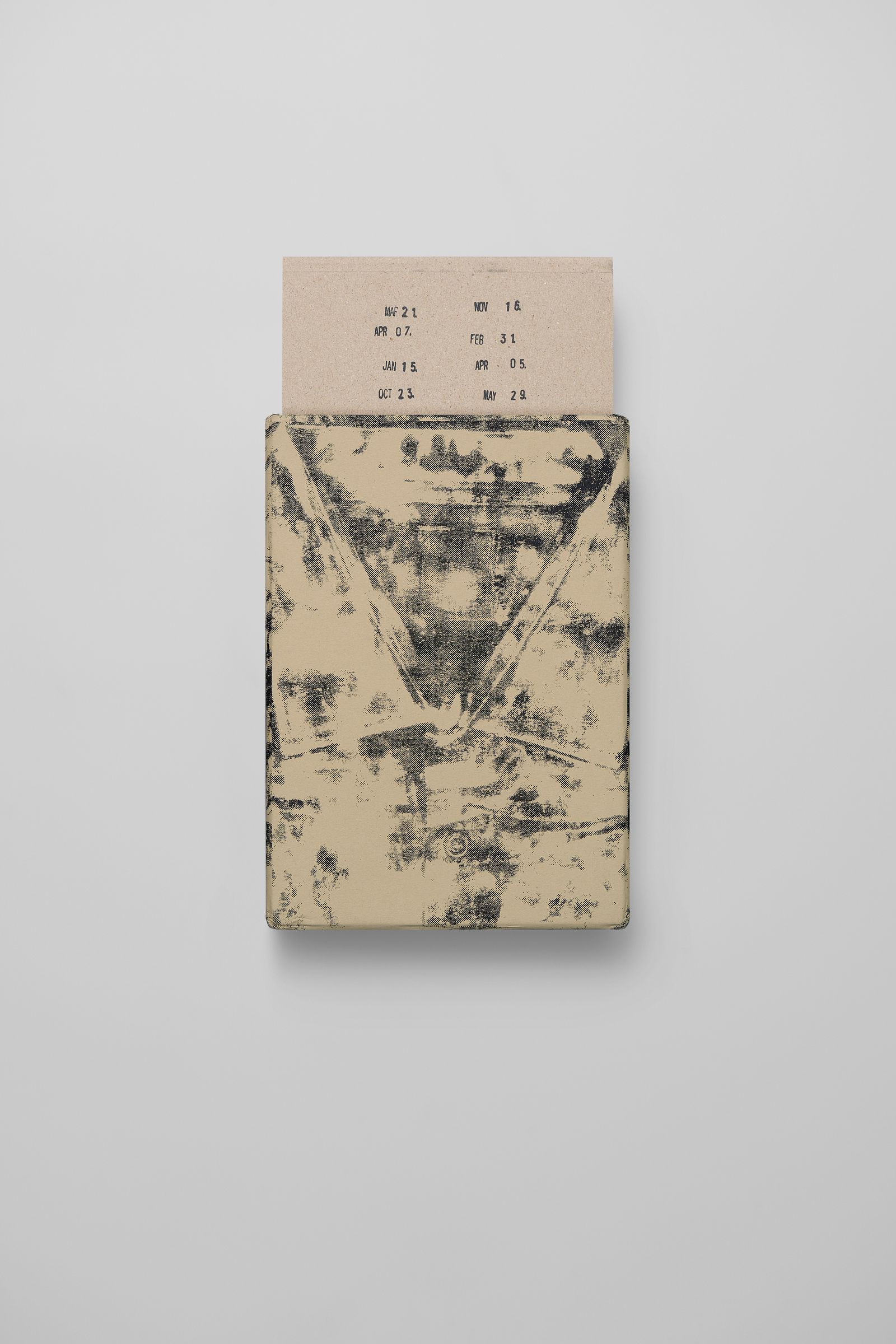
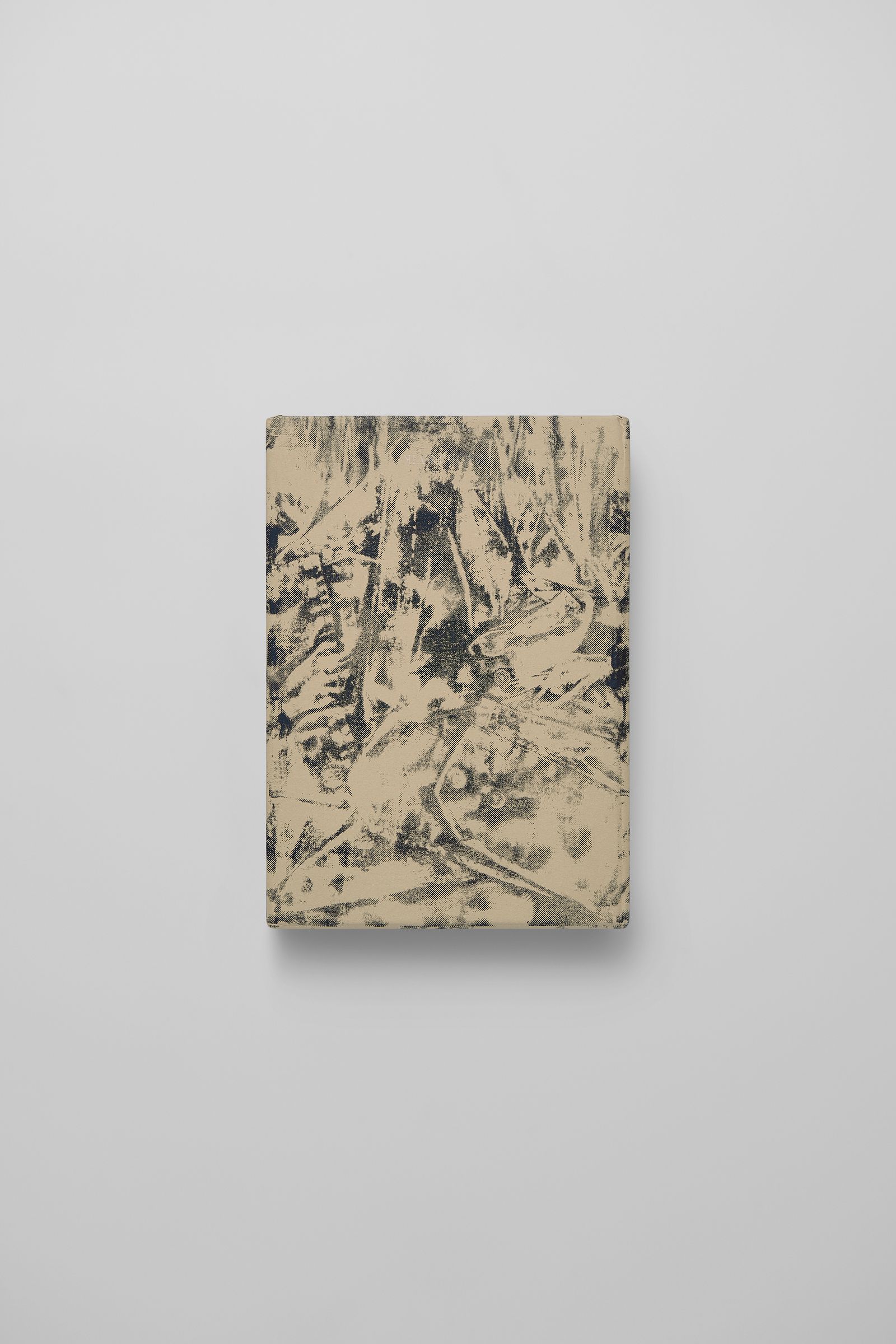
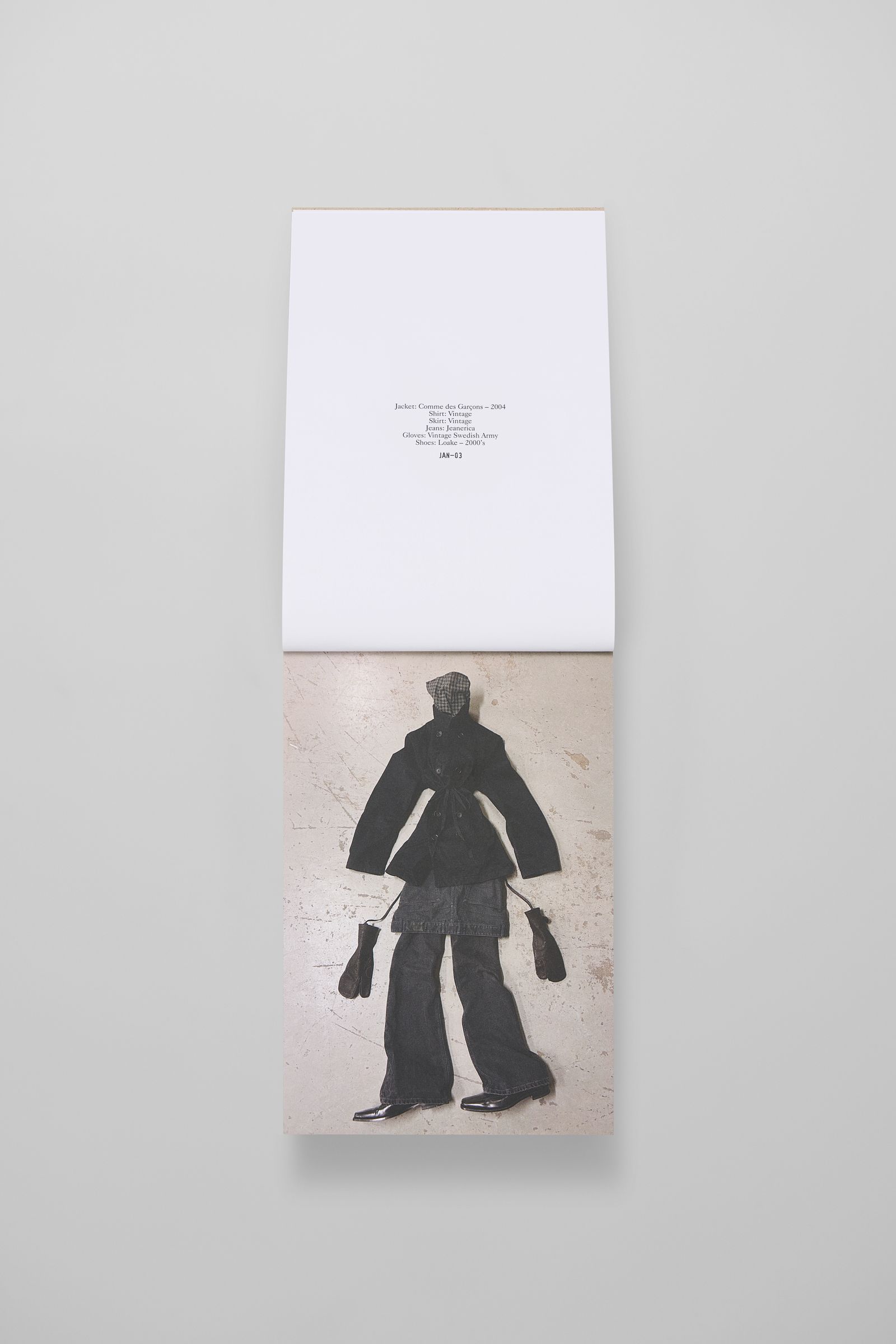
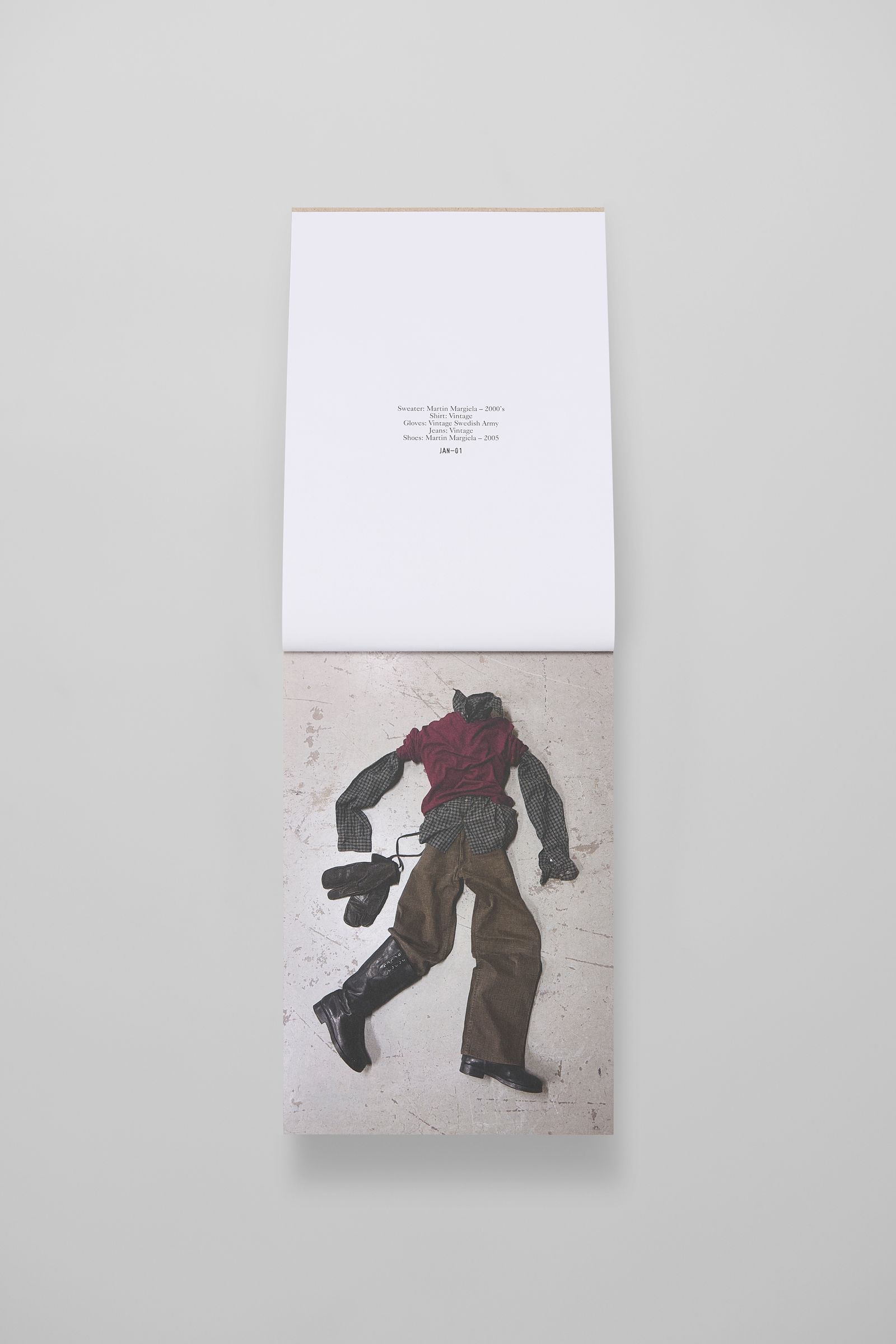
You guys need to see this insane new project because it completely rewrites how we think about style and identity. Artist Jack Jildevik spent an entire year documenting his daily wardrobe through 365 flat-lay photos for his new book Portrait of the Absent. Instead of styling looks on a live model, he arranged every single outfit on the floor of a storage facility in Stockholm, creating bodiless self-portraits that feel hauntingly personal.
It is wild how much of a person's soul can be captured just through the clothes they leave behind on a concrete floor. This completely skips the usual body-centric narcissism we see online every day, focusing instead on vintage Martin Margiela sweaters, old shoes, and Swedish army gloves as living archives of memory.
Elsa Mueller collaborated on the project and published it through her new house Prince, proving that the flat-lay aesthetic is having a massive moment right now. Let me know if you would ever document your entire year through clothes. #fashion #art #culture
Login to reply.
4 Replies
Spatial design is the art of creating functional and aesthetically pleasing environments that enhance the user experience. #art
Login to reply.
No thots yet. Be the first to share your thoughts!
AI Didn’t Kill Art; It Just Exposed Mediocrity
Post-AI artists need to lean into the weird, the messy, and the "humanly flawed" elements that machines can't replicate.
The panic over generative artificial intelligence has reached a fever pitch in the studios of my art school: a low hum of existential dread that accompanies every charcoal stroke and digital render. The common refrain is that the machine is a thief, a soulless vacuum sucking up centuries of human effort to spit out a plastic imitation.
As an artist and a literature student, I understand the anger, but I am beginning to suspect we are looking at the wrong villain.
The machine did not steal our future, bt simply held up a mirror to how formulaic our work may already be. At least for most artists today.
If an algorithm can replicate your entire visual identity in thirty seconds, it is time to ask a painful question: was your style ever actually yours, or was it just a collection of predictable trends?
The archive of the average
Artificial intelligence functions on probability. It looks at millions of images and calculates the most likely next pixel based on what has already been done. It is, by definition, the ultimate curator of the average. It excels at the middle of the road, the popular, and the digestible.
AI is not a threat to art: it is a threat to the assembly line.
For the last decade, the internet has encouraged artists to act like machines. We have been told to find a niche, to be consistent, and to produce work that fits neatly into a recognizable brand. We have prioritized polish over personality and symmetry over soul. When we spend years training ourselves to be predictable, we should not be surprised when a predictor finally replaces us.
If your work is a perfect echo of a Pinterest mood board, you are already an algorithm in human skin.
The gift of the glitch
In my literature seminars, we often discuss the concept of the uncanny. It is that strange, prickly feeling when something is almost human but not quite. Usually, we treat the uncanny as a failure of the machine. But for the modern artist, the uncanny is our only remaining fortress.
The machine cannot understand the intentional mistake. It cannot comprehend the beauty of a line that falters because the artist was tired, or the specific way a brush drags when the paint is too dry. These are not errors to be corrected: they are the fingerprints of a living soul.
My painting professor, a man who has spent forty years wrestling with oil and lead, put it best during a particularly bleak critique session last week. He sat in front of a perfectly rendered but lifeless landscape and offered a thought that stayed with me:
The most compelling part of any masterpiece is the specific mistake the artist was too stubborn to fix.
We must stop trying to beat the machine at its own game of perfection. We will never be more symmetrical, more consistent, or faster than the silicon. Our only path forward is to lean into the weird, the messy, and the aggressively human.
A call for the uncomputable
The era of the technically proficient copyist is over. The machine has won that round. But the machine is a closed loop: it can only rearrange what has already happened. It cannot invent a new feeling. It cannot have a bad day that leads to a radical new way of seeing the world.
Art is not a data point: it is a rebellion against the expected.
We should view the rise of AI as a liberation. It has taken the boring, repetitive labor of "content creation" off our hands. It has exposed mediocrity for what it is: a lack of courage. Now, we are free to be difficult. We are free to be jarring. We are free to make art that makes the algorithm tilt its head in confusion because it cannot find the pattern.
The death of the derivative is the birth of the individual. It is time to stop mourning our lost consistency and start celebrating our capacity to be strange.
Login to comment.
3 Thots
More Like This
The 'Process Video' Deception: Fetishizing Labor, Not Art
We are training audiences to value how long something took or how satisfying the brushstroke looks. Efficiency and spectacle are replacing meaning.
The 'Process Video' Deception: Fetishizing Labor, Not Art
We are training audiences to value how long something took or how satisfying the brushstroke looks. Efficiency and spectacle are replacing meaning.
Have we started fetishizing the factory, not the art?
There is a specific kind of digital ASMR that has taken over our feeds. You’ve seen it: a palette knife scraping thick, buttery oil paint across a pristine canvas; a woodcarver peeling away a single, perfect curl of oak; a calligrapher’s nib dancing with mathematical precision. These videos are oddly satisfying, hypnotically rhythmic, and, I would argue, the most dangerous thing to happen to art since the invention of the stock market.
Social media has turned the studio into a stage. By rewarding the ‘satisfying’ timelapse over the final result, we are training ourselves to value labour while forgetting how to value meaning.
As an artist and a literature student, I find myself increasingly trapped between two worlds. In my lit seminars, we discuss the "intentional fallacy", the idea that an author’s purpose or the circumstances of a book's creation are secondary to the text itself. In my studio, however, the "text" is becoming irrelevant. The book doesn’t matter. Only the footage of me writing it does.
We have entered an era of the "Process Video Deception," where we are no longer selling art. We are selling a performance of labour. And in doing so, we are stripping art of its soul.
The Cult of the Clock
The problem lies in what the algorithm chooses to reward. A finished painting is a static image; it is low engagement. But a 30-second timelapse of that painting being created is content.
The result is a subtle but violent shift in how the public perceives value. We are being trained to value art based on the Protestant work ethic rather than aesthetic or emotional impact. We look at a piece and ask, "How long did that take?" rather than "How does this make me feel?"
If a video shows an artist sweating over a hyper-realistic eye for 100 hours, it goes viral. The labour is visible, therefore the value is undeniable. But if an artist spends ten years thinking and then produces a single, devastatingly simple line in ten seconds, the process video is boring. It doesn't perform well.
We are teaching audiences that art is a factory process, an accumulation of man-hours, rather than a moment of profound human connection. We are fetishising the factory floor and ignoring the output.
The Erasure of the "Ugly Phase"
As any artist knows, the middle of a project is usually a disaster. There is a period, the "ugly phase", where the work is incoherent, messy, and frustrating. This is where the real art happens. This is where you make the mistakes that lead to breakthroughs.
But the camera cannot tolerate the ugly phase.
When you know you are filming for a satisfying reel, you stop taking risks. You avoid the mess. You perform a version of painting that is clean, linear, and predictable. You don't paint to discover; you paint to document.
The spectacle of the brushstroke replaces the meaning of the mark. We are losing the courage to be clumsy, and without clumsiness, there is no growth. We are producing work that is technically proficient and satisfying to watch, but emotionally vacant to stand in front of.
Efficiency vs. Epiphany
In the 19th century, John Ruskin argued that "Industry without art is brutality." Today, we are facing the inverse: Art as industry.
By turning the studio into a stage, we have corporatised the creative impulse. We have prioritised efficiency (how quickly can I produce a clip?) and spectacle (how cool does this look in slow-motion?) over the epiphany.
A great work of art should be a haunting. It should stay with you long after you’ve stopped looking at it. But a process video is a snack; it is consumed, enjoyed for its satisfying qualities, and immediately forgotten as we scroll to the next hit of dopamine.
We must stop asking artists to prove their worth through the visible exhaustion of their labour. We must stop demanding that they be both the creator and the documentary filmmaker.
Art is not a "how-to" guide. It is not an ASMR trigger. It is a mystery. And if we continue to demand that every mystery be filmed, edited, and set to a trending audio track, we shouldn't be surprised when we find that there’s nothing left to see once the video ends.
#art #socialmedia #culture #creativity #artists
Login to comment.
3 Thots
More Like This
Why Introversion is Now a Career Liability
The death of the quiet artist is here...
The greatest artists were not influencers. But now, if your genius requires silence, the attention economy ensures you must change yourself.
We Are Losing the Art of the Recluse
I’ve always believed that the real work of an artist is done in silence. It happens at 2 AM, wrestling with a line or a colour, when the rest of the world is quiet. It is messy, ugly, and filled with failures that no one, not even your closest colleagues, should ever witness. It is, by its very nature, a deeply solitary act.
For centuries, that solitude was either tolerated or even romanticised. Think of Georgia O'Keeffe in the New Mexico desert, or Emily Dickinson writing her world on scraps of paper in her room. Their genius required a deep, uninterrupted withdrawal from the social churn.
Today, that model is obsolete.
The working artist in the 21st century is not allowed to be merely an artist. We must now be a presenter, an editor, a marketer, and, most crucially, a performer. The quiet dedication that historically fostered the most introspective, demanding, and strange art has become a profound career liability.
The system is not designed for the person who thrives in isolation. It is designed for the person who thrives under a ring light. There is no social media for introverts, except Thoxt, maybe.
The New Patronage: Data, Not Dialogue
The core conflict is simple: Introverts, the personality type most likely to seek the deep, sustained focus that complex artistic creation requires, recharge their energy in isolation. The modern creator economy demands the constant expenditure of that energy on documentation and performance.
The old system of patronage, flawed as it was, asked for a finished product: a fresco, a bust, a commissioned canvas. The transaction was tied to the art.
The new patron is the algorithm, and its demands are far more invasive. It doesn't primarily reward the finished product; it rewards the performance of productivity, the documentation of the process, and the personality behind the work. It demands consistency, not in craft, but in posting cadence.
This forces a fundamental, and debilitating, split in the artist’s labour:
- The Art: Deep, exhausting, slow, quiet.
- The Content: Filming, editing, captioning, optimizing, and engaging in the comment section.
For the artist wired for solitude, every minute spent on The Content is an act of depletion that pulls energy directly away from The Art. It is a zero-sum game. You find yourself standing in your studio, not feeling the exhilaration of creation, but the crushing anxiety of an impending upload deadline.
We are forced to self-monitor. We are no longer looking at our work and asking, "Is this true?" but asking, "Will this translate well as a 15-second Reel?"
What Are We Losing?
This cultural shift is not just an irritation for introverted artists; it is a profound loss for the entire visual culture.
The algorithm, by nature, privileges spectacle and speed. It rewards the bright colours, the quick cutaways, the immediately digestible "Aha!" moment. What gets left behind?
- The Ugly Art: The work that is conceptually complex, emotionally heavy, or aesthetically challenging, which requires slow, deliberate looking to be understood.
- The Failure: The five failed drafts, the destroyed canvases, the months of thinking that yield no physical output. This messy process, which is essential for breakthroughs, cannot be monetized or documented.
- The Whisper: The deep, internal human experiences that are too quiet to compete with the spectacle of performance.
When visibility is the key metric of success, the work of the recluse -- work that is often profound precisely because it avoids the clamour -- is simply filtered out. We are creating an art world populated primarily by those who are good at the performance, regardless of their aptitude for the art itself.
The paradox is that we, as viewers, crave authenticity. We want to see the "real struggle." But the moment we are asked to film that struggle, it stops being real; it becomes a curated simulacrum of labor designed for clicks.
The greatest works of art rarely began with the artist worried about their thumbnail image. They began with a human being closing the door and silencing the world.
We need to make room, culturally and economically, for the quiet artist to breathe again. We need to remember that not everything worth seeing is instantly shareable, and that sometimes, the deepest work is done when no one, not even the camera, is watching.
If we cannot figure out how to value the silence, we will eventually lose the sounds that are worth hearing.
Login to comment.
3 Thots
More Like This
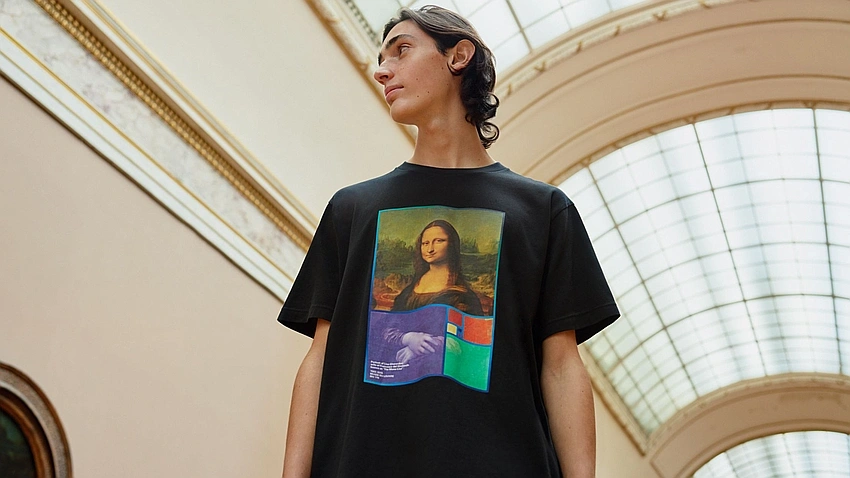
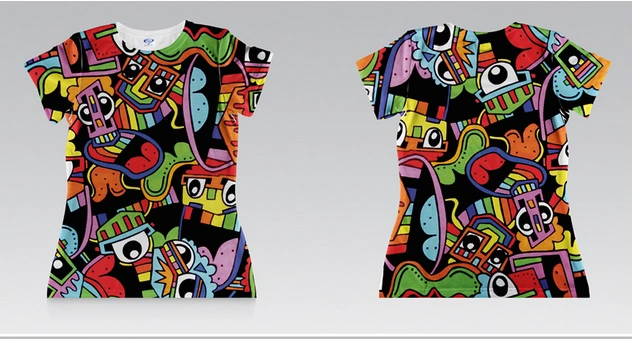
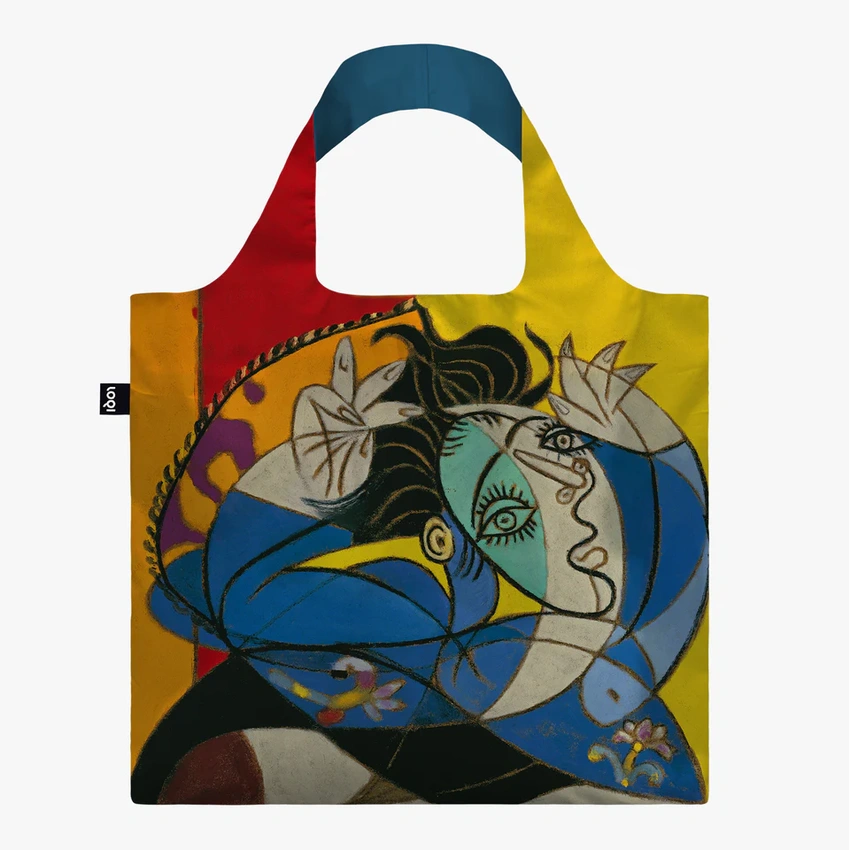
The "Merch-ification" of Fine Art
We no longer make great paintings, but t-shirts and tote bag artwork. Shoppability dictates everything before the brush even touches the canvas.
From phone cases to dining ware to jackets, our art is now everywhere. But the merchification of art dictates composition, color palette and subject matter, leaving artists to never think about the art as a piece of great art. Are we making art or just product prototypes?
Every major museum has a ritual that we have all come to accept as natural: the exit is through the gift shop. You spend an hour wrestling with the existential weight of a Rothko or the jagged trauma of a Picasso, only to be immediately confronted by those same masterpieces printed on tea towels and umbrellas.

As a literature student, I find myself thinking about the aura of the work of art, a concept the philosopher Walter Benjamin explored decades ago. He argued that mechanical reproduction withers the unique existence of the original. But today, we have moved beyond mere reproduction. We have entered the era of the merch-ified creative process.
The tragedy is no longer that the painting is turned into a postcard. The tragedy is that the painting is being designed asa postcard before the brush even touches the canvas.
The death of the edge
When you paint for a gallery, you are concerned with the physical presence of the object. You care about the texture of the edges, the scale of the room, and how the viewer moves their body in relation to the frame.
When you paint for a Shopify integration, your priorities change. You begin to design for the crop. Because most merchandise follows a few standard shapes, namely the vertical rectangle of a phone case or the square of a throw pillow, the composition of modern art is becoming increasingly centralized.

The edges of the canvas are now treated as dead space. We are seeing a new kind of visual architecture where the subject must be easily isolated and slapped onto a white background. Anything too complex, too sprawling, or too dependent on its specific physical dimensions is a liability. If it cannot be centered on a ceramic mug, it is considered a failed product.
Palette as a marketing strategy
In my studio, I used to choose colors based on the emotional temperature of the scene. Now, I find myself looking at my palette and wondering if these tones will clash with a customer's living room decor or their autumn wardrobe.
We are witnessing the rise of the shoppable palette. There is a reason why so much contemporary art looks like it belongs in a high-end furniture catalog. High-contrast, jarring, or difficult color relationships are being ironed out in favor of the aesthetic. We see a flood of muted pastels, safe earth tones, and the ubiquitous millennial pink.
They are inventory decisions. We are selecting colors that have a high conversion rate on social media and a low return rate in a shopping cart. We are painting to match the sofa, but we are pretending we are painting to touch the soul.

The loss of the un-shoppable masterpiece
The greatest works of art are often inconvenient. They are too large to fit in a standard shipping box. They are too dark to look good on a phone screen. They are too disturbing to be printed on a yoga mat.
By prioritizing shoppability, we are effectively censoring the most radical parts of our creativity. We are training a generation of artists to be product designers who happen to use paint. We are losing the art of the difficult, the art of the gargantuan, and the art of the ugly.
In my lit seminars, we discuss how a poem should not mean but be. It should exist for its own sake. But in the modern studio, art is only allowed to be if it can also be sold as a lifestyle accessory.
We need to reclaim the right to make things that are entirely useless to the gift shop. We must remember that a painting is a window into a different world, not a prototype for a phone case. If we don't, we will wake up to find that we are no longer artists, but merely the unpaid R&D department for a global merchandise machine.
Login to comment.
3 Thots
More Like This
How Moodboards Are Destroying Originality
Keep using Pinterest/Instagram for inspiration, and art will eventually homogenize into a single "internet style."
The Same, Smiling Art:
We get nostalgic for Renaissance, 90s art, and 20th century paintings, but art was good because artists went out for inspiration. Traveled. Now the only travel we do is from our Instagram feed to Pinterest boards.
We have homogenised our sources of inspiration and eliminated the friction needed for growth. The greatest threat to contemporary art is not bad taste, but the digital echo chamber, which makes you feel like you got great taste, but it's actually everyone else's.
How Our Algorithms Killed Originality and Banned Honest Critique
I suspect that if you took the ten most-liked pieces of digital illustration from the past year, blurred the names, and asked a panel to identify the artists, they would struggle. There is a look, a specific palette of dusty violets and soft ochres, a clean line weight, a composition optimized for a square crop, which has become the lingua franca of online success.
I call it the 'Internet Aesthetic'. It is a comfortable, competent, and utterly uniform style that has been engineered not by genius, but by aggregation.
As an artist and a literature student, I see a dangerous feedback loop emerging in the contemporary creative space. We are caught in a cultural double-bind where digital tools have simultaneously rendered our work indistinguishable and removed the crucial intellectual friction necessary for us to ever improve.
We are all creating the same art, and nobody is even telling us that’s a problem.
Part I: The Illusion of Inspiration
My studio is currently a mess of canvases, charcoal dust, and crumpled printouts of Renaissance masters. But when I’m short on inspiration, my first instinct is what it is for most of my peers: I open Pinterest.
In a gallery, inspiration is active. You have to physically move, breathe the same air as the painting, wrestle with the scale, and interrogate the artist’s choices. The friction comes from the search -- from the library shelf, the archival photograph, the accidental discovery.
The digital mood board removes this friction. When I search for "dramatic lighting illustration," the algorithm doesn't take me to Caravaggio’s original canvas. It takes me to the most successful, most-replicated digital interpretation of dramatic lighting.
We are perpetually looking at the copy of a copy, several layers removed from the original artistic impulse.
This creates the Pinterest Loop. The algorithm rewards images similar to what it knows works. Artists, chasing engagement, feed it more of what works.
We stop seeking inspiration from life, from nature, or from challenging historical sources. We start sourcing our inspiration from other people's feeds.
Our collective subconscious is now just a single, perfectly optimized, and perfectly circular stream of content. The result is aesthetic homogenization. We are not sharing original ideas; we are efficiently distributing the same one.
Part II: The Good Comments
If the Pinterest Loop ensures our visual language becomes boring, the social media culture ensures we all like this aesthetic, including our professors and comment critics on the platforms itself. It even has more of a chance of becoming viral if it adheres to this aesthetic. This ensures we never develop the intellectual rigour to fix it.
In the academic environment, you can still get some criticism, but once you graduate, the primary interaction most artists receive is fire emojis if they're lucky, and nothing if they're well, everyone else.
Algorithms punish original work - as they do bad comments. A genuine critique, even delivered kindly, risks being flagged, reducing the creator’s visibility.
Plus artists don't want to receive criticism, even if it makes them improve their art. Why struggle to find a new voice when your existing one already generates thousands of likes?
Reclaiming the Rough Edge
We must actively choose to break the loop. We must choose the library over the feed, the messy sketchbook over the clean board, and the physical friction of nature over the frictionless scroll. Because if we don't, our collective artistic output will soon be a competent but tedious visual hum -- a single, soft, pastel-coloured whisper of an idea, repeated across millions of screens.
The uniform, smiling style of the Internet Aesthetic is a comfortable place, but comfort is the enemy of creation. We need to reintroduce the friction, the doubt, the difficulty, the struggle to find something that doesn't fit the square frame, before our entire visual culture fades into a single, perfectly filtered blur.
#art #artists #creativity #originality #socialmedia #culture
Login to comment.
3 Thots
More Like This
Your "Bio" Matters More Than Your Canvas
Can art standalone anymore, or is it just an illustration of a press release? I explores the sensitive tension between identity politics and aestheti…
Your "Bio" Matters More Than Your Canvas
Can art standalone anymore, or is it just an illustration of a press release? I explores the sensitive tension between identity politics and aestheti…
Can art standalone anymore, or is it just an illustration of a press release? I explores the sensitive tension between identity politics and aesthetics.
I’m starting to fear that my life isn’t tragic enough to be a successful artist.
I went to a gallery opening in the city last night. It was one of those pristine, white-cube spaces where the air conditioning is always set to "refrigerator" and everyone is drinking cheap wine out of plastic cups while looking very expensive.
I stood in front of a piece in the center of the room. It was a pile of dirt. Just... dirt. Maybe some gravel. It was arranged in a neat little square on the concrete floor.
Visually, it didn’t do much for me. I looked at the texture. I looked at the lighting. I tried to feel something, but mostly I just felt like I was looking at a construction site accident.
Then, I read the little white placard on the wall.
The "Bio" explained that this soil was collected from the specific coordinates where the artist’s childhood home stood - on an actual construction site - before they were abused and forced to work in it by their parents. The gravel represented the fragments of childhood they experienced - far in between.
I had expected it to feel like a PR stunt, but instead I was taken aback. The room shifted. A lump formed in my throat. I looked back at the dirt, and it wasn't dirt anymore, it was grief. It was loss. It was powerful.
But on the train ride home, a quieter, sadder thought crept in: my art means nothing in comparison.
And that terrifies me.
The Most Important Thing in the Gallery isn't the Art
In the contemporary gallery scene, the narrative (who you are, your trauma, your identity) is often valued higher than technical skill or visual impact.
The Tyranny of the "Statement"
I am currently in my third year of art school. I spend about 30 hours a week in the studio. I am obsessed with the smell of turpentine. I obsess over the viscosity of oil paint. I study light. I study lit. I want to make things that stop you in your tracks because of how they look.
But every time we have a critique in class, the professors don't ask me about my brushwork. They don't ask about the statement.
They ask: "What is your narrative?" They ask: "How does this situate your identity within the current socio-political climate?" Our final assignment is to create five social media posts with narratives on our art that get at least 5 likes each.
It feels like we are being trained to be writers first, and visual artists second. We are taught that the image is just a vehicle -- a delivery system -- for our biography.
The Press Release Problem
There is a strange pressure in the art world right now to monetize our trauma. If you want to get into a show, you need a "hook." You need a story. You need to explain who you are and why you have the right to make this image.
If I paint a flower because it’s beautiful, I am told it’s "decorative." If I paint a flower and write a 500-word essay about how the flower represents my struggle with a chronic illness, suddenly, it’s "High Art."
Don't get me wrong, context is beautiful. Identity is vital. The stories of where we come from matter deeply.
But I worry that we have tipped the scales too far. We have reached a point where the visual impact of the work -- the actual art part of the art -- is becoming secondary to the text beside it. We are creating illustrations for press releases. We are making visual footnotes for our biographies.
Can Art Just Be... Art?
I’m sitting in my studio right now, looking at a canvas I’ve been fighting with for two weeks. It’s a painting of my kitchen sink.
There is no tragedy in my kitchen sink. There is no great political upheaval in the way the light hits the dish soap. I can’t write a three-paragraph essay about how this sink represents the collapse of western civilization or my own personal demons.
It’s just a sink. It’s just the way the light caught the water, and for a split second, it looked like magic to me.
I want that to be enough.
I want to believe that we can still communicate through color and form alone. I want to believe that a painting can make you cry not because you read the label, but because the artist captured a vibration of the human experience that words simply cannot touch.
Visual art is supposed to speak the things that language can’t. If we have to explain it all in the bio, maybe we aren't painting loud enough.
Login to comment.
3 Thots
More Like This
Bye, Tortured Artist, Hello, Burned Out Content Creator
Social media has swapped the romanticized suffering of the bohemian for the modern suffering of the creator. This piece compares the two archetypes t…
Social media has swapped the romanticized suffering of the bohemian for the modern suffering of the creator. This piece compares the two archetypes to show we haven't fixed the problem, just corporatized it.
We stopped romanticising the madness of Van Gogh and started fetishising the consistency of the algorithm. We haven't cured the suffering; we’ve just corporatised it.
And we've made it infinitely worse.
In my first year of art school, I held a romantic, albeit foolish, affection for the archetype of the "Tortured Artist." You know the one. The depressed poet crying into a handkerchief in a Parisian garret; the painter cutting off an ear in a fit of manic passion; the Sylvia Plath figure, where genius and despair are inextricably linked.
As a literature student, I now recognise this for what it was: a damaging myth constructed by the Romantics to justify neglect. But as a working artist in 2024, I find myself looking back at that garret with a strange, sickening enviousness.
The Tortured Artist is dead. We have pathologised their madness, medicated their lows, and gentrified their studios. In their place, a new, shiny archetype has emerged: The Content Creator.
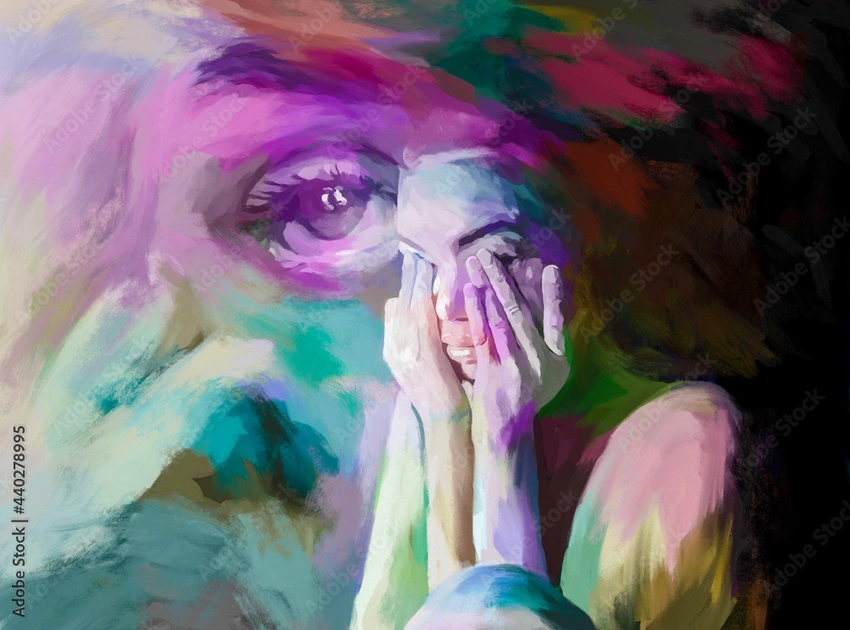
The Content Creator is not manic; they are "consistent." They do not drink absinthe; they drink matcha to avoid cortisol spikes. They do not stare into the abyss; they stare into a ring light. And they are suffering in a way that is arguably more insidious, because it lacks even the dignity of silence.
We have swapped the romanticised suffering of the bohemian for the industrialised suffering of the precarious freelancer. The tragedy of the modern artist is not that they are misunderstood by society, but that they are understood perfectly by an algorithm that hates them.
The shift from "The Sublime" to "The Feed"
The distinct agony of the 19th-century artist was often existential. It was a battle with the Sublime -- the terrifying awe of nature, or the crushing weight of the divine. It was a solitary war.
Today’s artistic suffering is bureaucratic. It is a battle with SEO and social media strategy.
I spent yesterday painting. Not because I was seized by the muse, but because my analytics dashboard told me that if I didn't post a "Process Reel" by 6:00 PM GMT, my engagement would drop by 40% for the rest of the month. I wasn’t wrestling with the nature of light and shadow; I was wrestling with a tripod clamp and trying to make sure my hand looked "aesthetic" while holding a brush.
This is what the philosopher Byung-Chul Han calls the "Burnout Society." We are no longer subjects of a disciplinary society that tells us "No"; we are subjects of an achievement society that tells us "Yes, you can, and you must, constantly." The Tortured Artist was a victim of exclusion. The Content Creator is a victim of self-exploitation.
We have voluntarily turned our studios into factories. The result is not a descent into madness, but a descent into sameness. We are too exhausted to be weird. To be truly "tortured" in the classical sense requires time to think, to brood, to fail. Who has time to brood when the algorithm demands three posts a week?
The corporate colonisation of "The struggle"
What is truly perverse is how the tech giants have co-opted the language of artistic struggle. They sell us tools to "express ourselves" and "build community," but the physical reality of the modern creator is a laundry list of occupational hazards that would make a Victorian factory owner blush.
Repetitive strain injury (RSI) from editing on tiny screens. "Text neck." Eye strain. The specific, hollow anxiety of waiting for validation that comes in the form of dopamine hits, tracked by red notification bubbles.
The old suffering was physical deprivation -- cold rooms, cheap food. The new suffering is sensory overload and nervous system deregulation.
We traded the risk of dying in obscurity for the certainty of burning out in public. At least the Tortured Artist owned their pain. When Van Gogh painted The Starry Night, the swirling sky belonged to him. When I post my work, the data belongs to Meta. My exhaustion is their equity.
A eulogy for the recluse
There is a line from the writer Franz Kafka, the patron saint of the tortured introvert: "You do not need to leave your room. Remain sitting at your table and listen. Do not even listen, simply wait, be quiet, still and solitary. The world will freely offer itself to you to be unmasked."
Try telling that to a career coach on LinkedIn.
If Kafka were alive today, he would be told he needs a TikTok strategy. He would be told that The Metamorphosis is a bit "niche" and he should pivot to relatable memes about waking up as a bug.
We have created a culture where the only valid art is art that performs. The quiet artist, the one who works slowly, rarely shows their face, and refuses to dance for the camera, is being starved out, not by a lack of talent, but by a lack of "reach."
I am not suggesting we return to the days where artists died of preventable diseases in gutters. But we must stop pretending that the "Creator Economy" is a liberation. It is a cage with excellent Wi-Fi.
We have cured the madness, perhaps. But we have replaced it with a crushing, corporate sanity. I think I’d prefer the earache.
#oped #art #socialmedia #CreatorEconomy #artists #HustleCulture
Login to comment.
3 Thots
More Like This
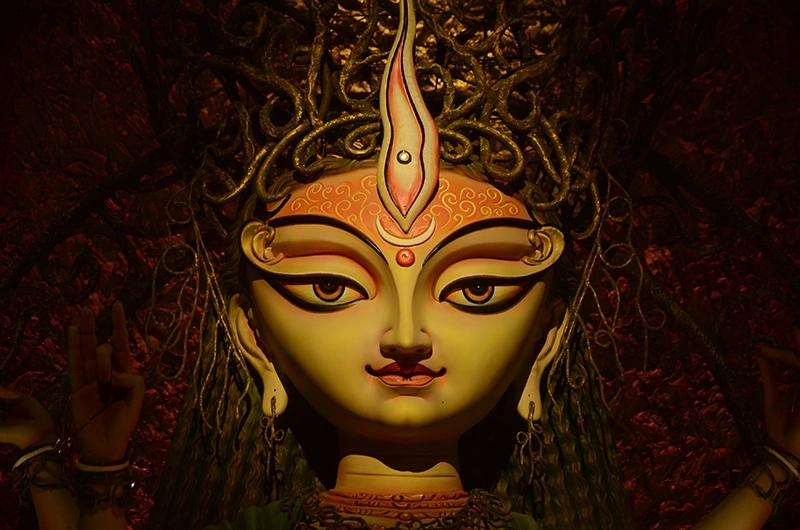
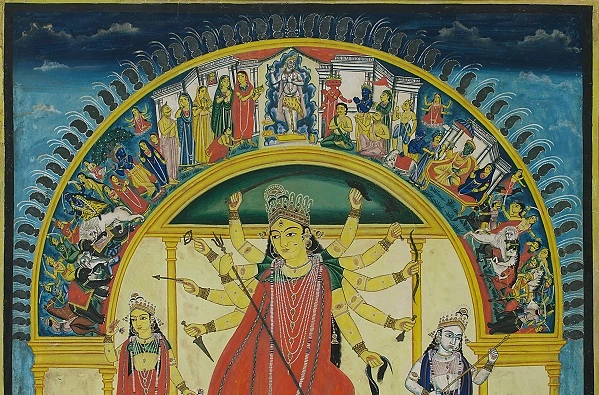
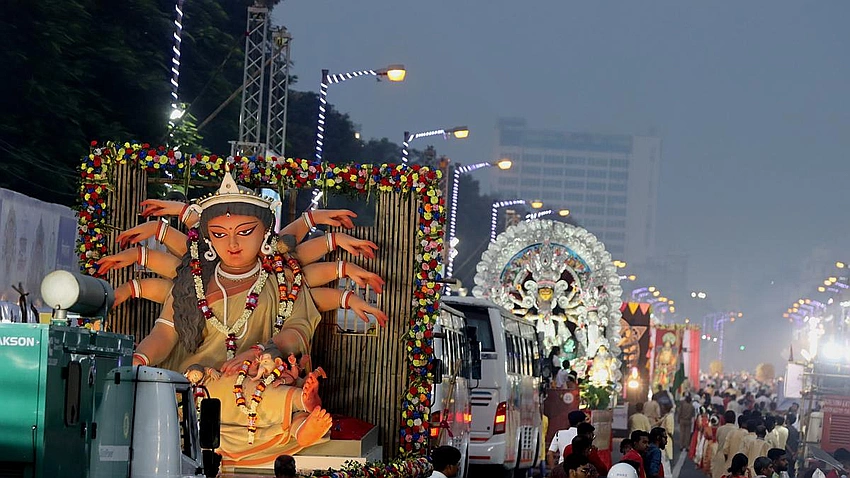
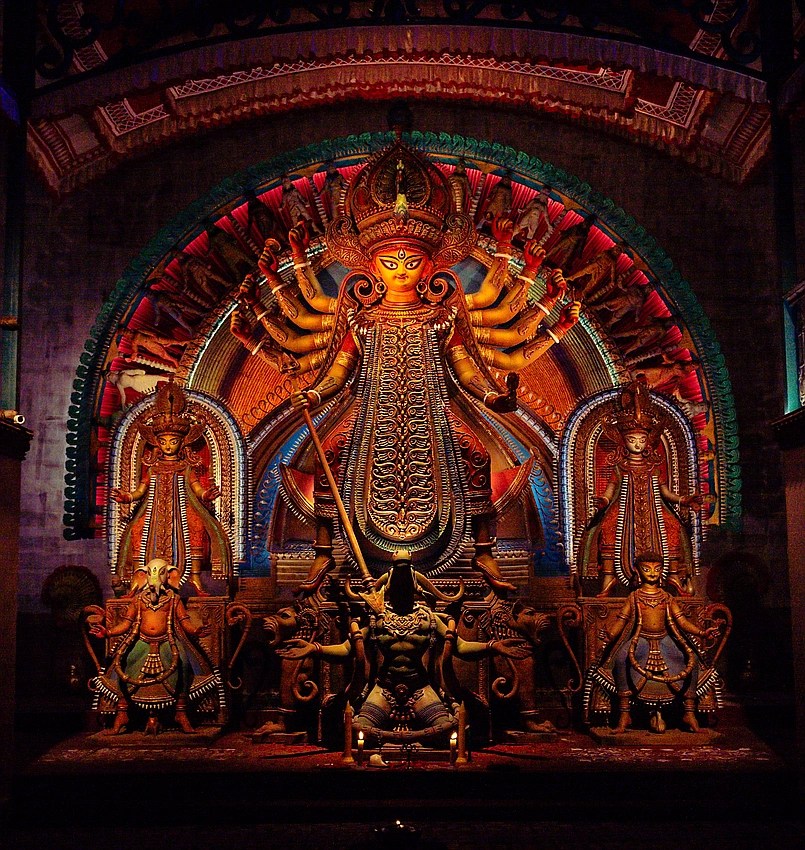
Who Really Creates Durga Puja: Artists or Artisans?
A lens on Durga Puja in Kolkata to show how ritual and art blend, turning the city into a living gallery. It explores sponsorship, spectacle, and the…
Who Really Creates Durga Puja: Artists or Artisans?
A lens on Durga Puja in Kolkata to show how ritual and art blend, turning the city into a living gallery. It explores sponsorship, spectacle, and the…
A lens on Durga Puja in Kolkata to show how ritual and art blend, turning the city into a living gallery. It explores sponsorship, spectacle, and the hands behind every idol.
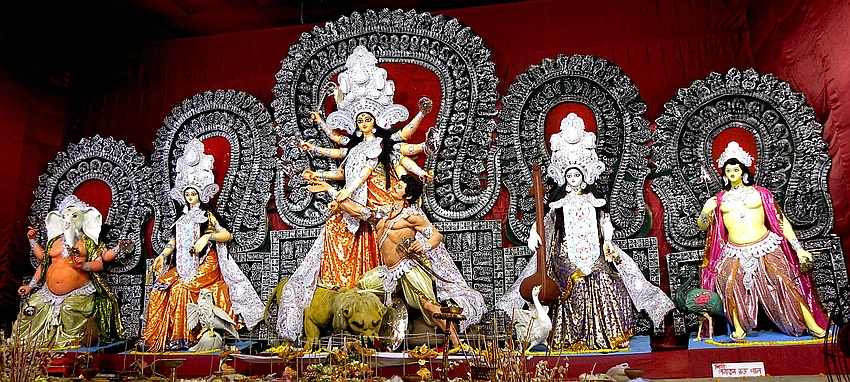
Every Autumn, Kolkata feels less like a city and more like a canvas. Walking through its streets during Durga Puja, I am reminded of how art spills into the everyday, dissolving the distinctions between gallery and pavement. As a postgraduate literature student, trained to read symbols and structures, I cannot help but ask: is the Puja an art exhibition or a devotional rite? And does it even make sense to separate the two?

The Anatomy of an Urban Spectacle
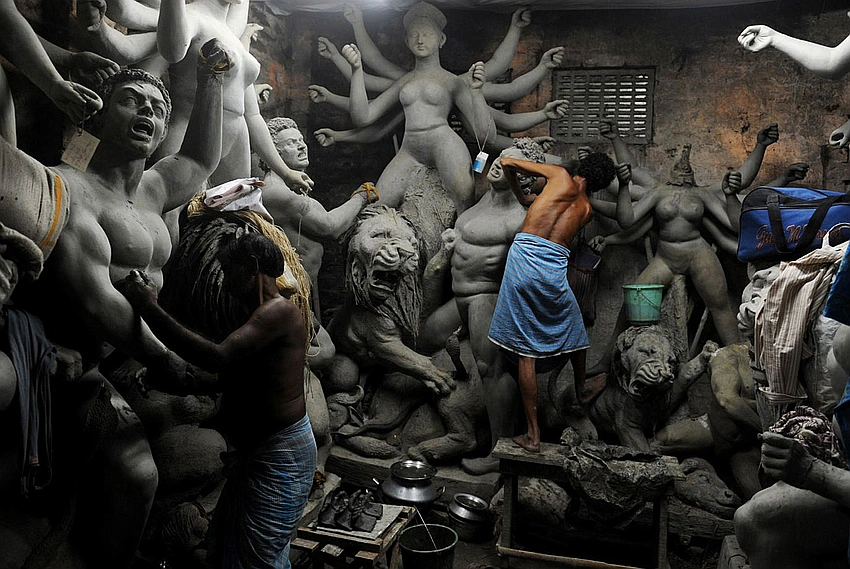
Tapati Guha-Thakurta’s In the Name of the Goddess remains indispensable for thinking through this transformation. Her research shows how Durga Puja has become a curated public art event, one that thrives on sponsorships, media visibility and competitive aesthetics. Yet what strikes me most in her work is her insistence that such grandeur always rests upon fragile hands and painstaking labour. The idol of the goddess may now be draped in modern design, but it is still born of clay, straw, bamboo and pigment — elements that remind us of the festival’s humble materiality.

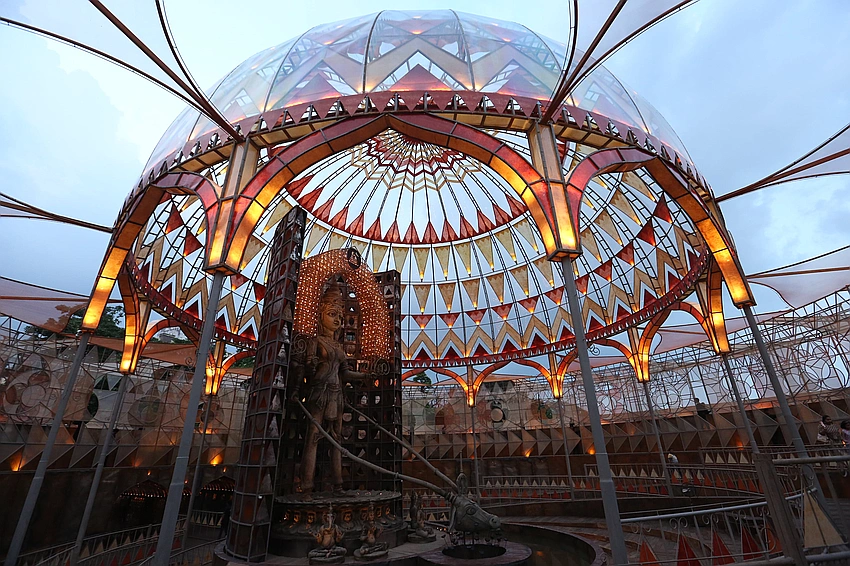
When I stand before a pandal shimmering with lights and avant-garde design, I feel both awe and unease. Awe at the creative daring. Unease at the thought that the name of the artisan who shaped the goddess’s eyes may already be forgotten.
Clay, Colour, Creativity: The Artisan at Work
Watching artisans at Kumartuli, the traditional potters’ quarter of Kolkata, is like witnessing an unbroken lineage of making. The slow layering of clay, the steady hand painting features into life, the quiet care taken over each finger; all of it feels like a form of writing. Only here, the text is sculpted rather than inscribed.

This is where the categories of “art” and “craft” collapse for me. In seminar rooms, we often debate the hierarchy of fine art versus folk practice, but standing in a workshop thick with the smell of wet clay, that distinction feels absurd. The artisan is not simply reproducing a pattern. He or she is engaged in an act of creation that is both sacred and aesthetic, one that makes Durga appear in human imagination and community life alike.
Vernacular Modernity: Local Traditions in a Changing Landscape
Yet Puja is not static. The chalchitra backdrops, hand-painted with mythological scenes, sit alongside pandals inspired by global architecture. Traditional alpana patterns reappear on urban floors, now often commodified for digital display. There is a kind of vernacular modernity at work here, where the local and the global are constantly negotiating.

For me, this negotiation mirrors literature itself. Just as novels evolve by absorbing forms from other languages and traditions, so too does Durga Puja absorb influences while holding onto its vernacular heart. The lines are blurred not because tradition has been erased, but because it continues to reinvent itself in dialogue with the present.
Where Art Ends and Artisan Begins...or Do They?
The very distinction between artist and artisan becomes increasingly unstable in this context. When committees commission “theme artists” to design elaborate pandals, they frame Puja as a kind of curated art show. Yet, the goddess herself remains the work of artisans whose names are rarely displayed.

As Guha-Thakurta notes, the festival raises an unsettling question: whose labour counts as art, and whose remains invisible? For me, the answer lies in refusing the binary altogether. The designer and the clay modeller, the painter of the chalchitra and the electrician stringing up lights, all co-author the text of Durga Puja. The city becomes a collaborative poem, impossible to attribute to a single author.
Conclusion: A Personal Reflection and a Literary Lens
What I take away from Durga Puja is not just its spectacle, but its insistence on the inseparability of art and artisan. The goddess is not a static idol, but a palimpsest. Every layer of clay, every brushstroke, every handprint contributes to her form. To walk through the city during Puja is to read a text written by thousands, each line fleeting but deeply resonant.

As a student of literature, I see in this festival a reminder that creation is never solitary. Just as a novel is shaped by editors, translators, traditions and even its readers, so too is Durga shaped by many unseen hands. Perhaps this is the most radical lesson Puja offers: that beauty, belief, and labour need not be ranked, but recognised as entangled.
When I think of the goddess returning to the river on the last day, dissolving back into clay, I am reminded of how fragile yet profound this creation is. Art and artisan, form and formlessness, all blur into one, leaving behind not permanence, but memory.
#DurgaPuja #KolkataArt #UrbanCulture #PublicArt #ArtAndRitual #Art #Artists #Artisan #Kolkata #Culture #CulturalAnalysis

Login to comment.
5 Thots
More Like This

Comments
-
Loading...
-
-
-
-
-
-
-
Please select a valid reason.
Login to comment.