US-Iran Talks Teeter as Oman Move Sparks Arab Pressure

US-Iran Talks Teeter as Oman Move Sparks Arab Pressure
Negotiations over Iran's nuclear program shift to Muscat after a dispute over agenda and Arab involvement, as Washington signals talks will continue despite regional tensions.
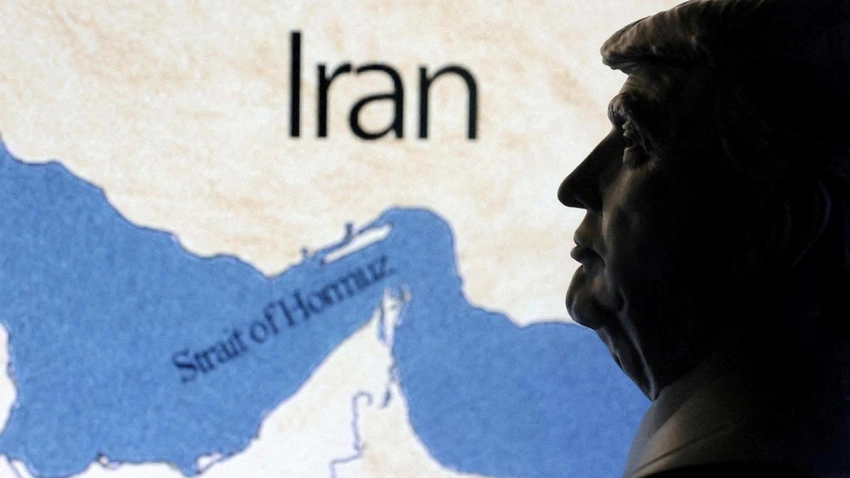
Talks between the United States and Iran, originally set for Friday in Turkey, have been moved to Oman after Tehran pressed to hold negotiations in Muscat and bring in Arab states for regional input. Iran’s foreign ministry signaled late on Wednesday that the talks would proceed in Oman, praising the arrangements made by Oman’s leadership. The shift follows reports of a last‑minute push by Arab and Muslim countries urging Washington not to walk away from negotiations, even as the broader regional posture remains high‑stakes.
U.S. officials have indicated the talks in Oman will go forward, underscoring the anxiety surrounding Tehran’s nuclear program and the possibility of a broader confrontation if talks collapse. A central point of contention is whether the agenda will include Iran’s ballistic missile program. Iran has insisted the discussions focus solely on its nuclear activities, rejecting the missile issue as outside the scope of these negotiations. The scene is set against a backdrop of a significant U.S. naval and air presence in the region, underscoring how fragile any diplomatic window may be.
The talks are seen by many as Iran’s last chance to avert a potential strike or broader conflict, with Tehran seeking assurances about a peaceful, non‑military nuclear program in exchange for limited concessions. How the Arab states will participate remains unclear; while some have urged engagement, there was no confirmation that a broad Arab coalition would join the talks. The situation remains fluid, and analysts cautioned that a final outcome could hinge on steps taken in Muscat and the willingness of both sides to compromise on sensitive security questions.
In the wider context, the U.S. military posture in West Asia continues to signal that diplomacy is taking place under a cloud of deterrence. As negotiators prepare for the discussions in Oman, diplomats and regional observers will be watching closely for any signs of momentum or renewed stalemate, with the hope that diplomacy can avert escalation in a volatile part of the world.
