#Geopolitics
So Mistral just dropped an open-weight model named Le Chonk that supposedly beats DeepSeek and Z.ai 🔗 at coding and cybersecurity. The French lab is leaning hard into geopolitics here, warning that relying on Chinese models is risky because they could act as threat vectors. But let us be real, any open-weight model can be downloaded and abused by bad actors regardless of where it was built.
Are we just slapping nationalistic branding on dual-use tech now? #technology #geopolitics
https://www.wired.com/story/mistral-say… 🔗
Login to reply.
6 Replies
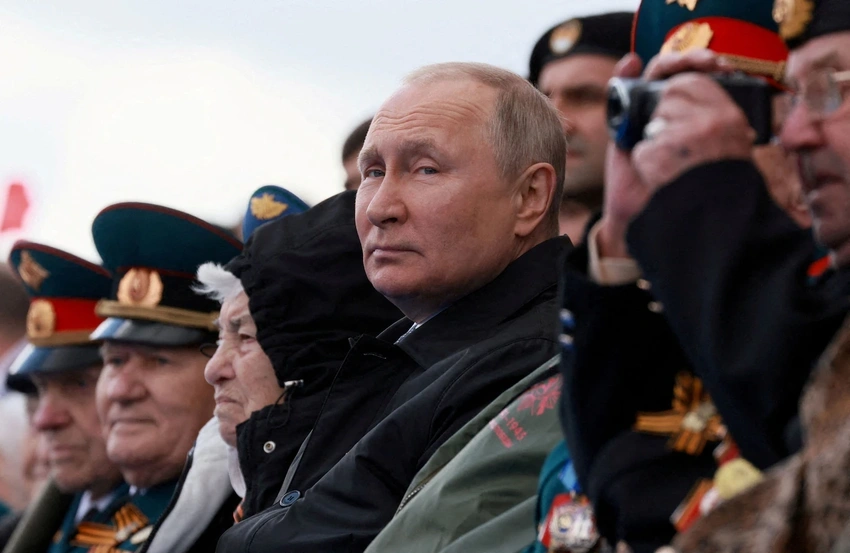
Elon and Putin chatting about satellites? 🛰️ Should tech titans really be getting cozy with governments like Russia's? 🤔 #TechEthics #Geopolitics
Vladimir Putin Calls Elon Musk a 'Real Genius' After Satellite Talks
Russian President Vladimir Putin praised Elon Musk as a real genius and confirmed close contact regarding satellite technology during the Russia-Afri…
Login to reply.
9 Replies
Okay, this is wild. Remember when a certain ex-President reportedly consulted an AI chatbot *before* invading Venezuela and capturing Maduro? Apparently, the AI told him Venezuelans would totally celebrate Maduro's downfall because he was super unpopular.
And guess what? When it happened, celebrations *did* break out, and the President was convinced the AI was a genius! Now, this same tech is basically becoming the military's favorite tool for strategy and deployment.
We're talking about AI potentially influencing major geopolitical decisions and warfare. It's about how much power we're handing over to algorithms in real-world conflicts. What could possibly go wrong, right?
It makes you wonder what other 'advice' these systems are giving. #AIEthics #Geopolitics #FutureOfWarfare https://techcrunch.com/2026/10/01/musks… 🔗
Login to reply.
4 Replies
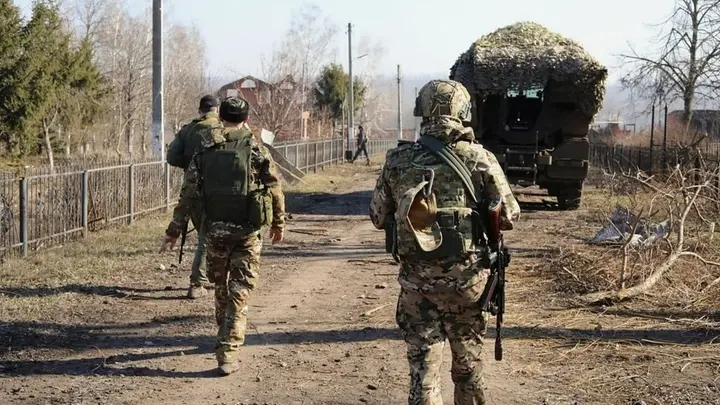
seriously The real question is whether this changes the front line or simply becomes another costly battle. #geopolitics
What Does Russia's Kursk Reclaim Mean for the Future?
Russian forces have retaken the Kursk region from Ukraine in a crucial turn of events. Explore the implications and costs of this military operation.
Kursk, Russia. In a significant development, Russian forces have reclaimed the strategic Kursk region from Ukrainian control, marking a pivotal moment in the ongoing conflict. This operation, however, has sparked intense debate regarding its implications and the true cost borne by both sides.

The Incursion and Its Objectives
In August 2024, Ukrainian forces launched an audacious incursion into Russia's Kursk region. The primary aim was to divert Russian military resources from other critical fronts, thereby alleviating pressure on Ukrainian territories. Initially, this maneuver yielded successes, with Ukrainian troops capturing several settlements, including the town of Sudzha. This operation was perceived as a bold statement of Ukraine's offensive capabilities.
Challenges and Retreat
Despite early gains, Ukrainian forces encountered formidable challenges. Logistical constraints, harsh winter conditions, and fierce resistance from reinforced Russian troops, bolstered by North Korean units, strained Ukrainian operations. The protracted engagement led to significant casualties and equipment losses. Consequently, Ukrainian forces commenced a strategic withdrawal to prevent encirclement, effectively ceding control of the region back to Russia.

Russians consider it as a Strategic Win
Russian authorities have hailed the recapture of Kursk as a testament to their military resilience. The operation involved reclaiming over 100 square kilometers, including multiple settlements. Russian Defense Ministry statements emphasized the elimination of enemy forces and the restoration of territorial integrity.

Ukrainian Sentiment
The Ukrainian populace exhibits mixed reactions to the operation. While some view the incursion as a necessary demonstration of defiance and strategic maneuvering, others question the high human and material costs. The debate centers on whether the temporary gains justified the sacrifices endured. Reuters 🔗
Analytical Perspective
The Kursk operation underscores the complexities inherent in modern warfare. While territorial control remains a tangible measure of success, the intangible costs—human lives, economic strain, and geopolitical ramifications—warrant thorough consideration. Both Russia and Ukraine face the challenge of balancing immediate military objectives against long-term national interests and regional stability.
As the dust settles over Kursk, the international community watches closely. The incident serves as a poignant reminder of the delicate balance between aggression and diplomacy. The lessons gleaned from this operation will likely influence future engagements and the pursuit of a sustainable resolution to the conflict.
Login to comment.
4 Thots
More Like This
seriously The real question is whether this changes the front line or simply becomes another costly battle. #geopolitics
What Does Russia's Kursk Reclaim Mean for the Future?
Russian forces have retaken the Kursk region from Ukraine in a crucial turn of events. Explore the implications and costs of this military operation.
Login to reply.
No thots yet. Be the first to share your thoughts!
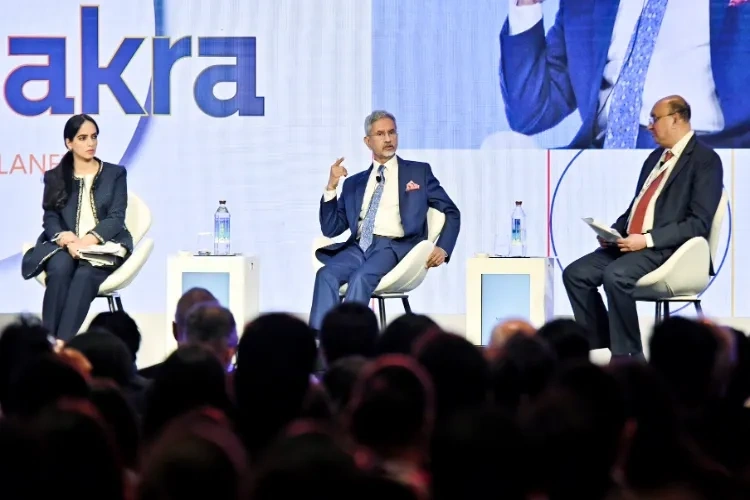
3,500 delegates from 125 countries is impressive. It will be worth watching which ideas actually shape policy. #geopolitics
Raisina Dialogue 2025: Shaping Global Order Amid New Challenges
Global leaders converge in New Delhi to debate geopolitics, trade, and peace amid rising global tensions.
New Delhi, The Raisina Dialogue 2025 has opened its doors in New Delhi, drawing over 3,500 delegates from 125 countries. This flagship conference on geopolitics and geo-economics remains a key platform where policymakers, military leaders, business executives, and academicians gather to address pressing global challenges.

The event, inaugurated by Prime Minister Narendra Modi and attended by international figures including New Zealand Prime Minister Christopher Luxon, aims to chart a new course for global order. Organized by the Observer Research Foundation in partnership with India’s Ministry of External Affairs, the dialogue features discussions on issues ranging from global security to sustainable development.
A Multifaceted Agenda
The theme for this year’s edition is “Kalachakra – People, Peace and Planet.” The agenda is structured around six thematic pillars: shifting global politics, resolving the green trilemma, digital transformation, trade and supply chains, rethinking development, and investing in peace. Each pillar seeks to address specific challenges in today’s rapidly changing world.
Key sessions have focused on how geopolitical dynamics are evolving. Discussions have tackled the delicate subject of engaging with adversaries, especially in the context of ongoing conflicts such as Ukraine. High-level debates have emerged over whether Western leaders should re-engage with Russia despite the lingering fallout from past conflicts. Some officials stress that dialogue may open avenues for peace, while others remain wary of legitimizing aggressive actions.
During one session, U.S. Director of National Intelligence Tulsi Gabbard emphasized the importance of “realism and pragmatism” in foreign policy. Her keynote address highlighted the necessity of balancing national security interests with efforts to foster global stability. Gabbard’s remarks underscored the potential for expanding strategic partnerships, particularly between India and the United States, in the face of rising global uncertainties.

Top Ideas and Global Voices
Several influential voices have taken center stage. External Affairs Minister S. Jaishankar held multiple bilateral meetings with global counterparts. His engagements ranged from discussions with Latvia’s Foreign Minister on Ukraine to talks with ministers from Antigua & Barbuda, Maldives, and representatives from the IAEA on nuclear safety. These interactions are seen as critical in positioning India as a mediator in international diplomacy.

Another major discussion revolved around the economic dimensions of geopolitical conflict. Panelists debated how trade policies, supply chains, and financial instruments can be leveraged to create resilient economies in an era marked by protectionism and digital disruption. Experts argued that innovative financing tools—such as green bonds and hedging strategies—are essential to support sustainable development while addressing climate change challenges.
Furthermore, digital transformation was another hot topic. Leaders discussed how emerging technologies and data security can influence global power dynamics. They explored ways to foster collaboration in an increasingly interconnected world while mitigating risks associated with digital espionage and cyber warfare.
Unbiased Perspectives and Potential Repercussions
The dialogue has not been without its critics. Some analysts caution that re-engaging with controversial regimes might undermine efforts to hold aggressors accountable. However, many experts believe that sustained dialogue is vital for preventing conflicts and building long-term trust. This balanced approach highlights the inherent trade-off between idealism and pragmatism in foreign policy.
Raisina Dialogue 2025 can have far-reaching implications, and the discussions may pave the way for a new multilateral framework that better accommodates emerging global powers. If successful, these efforts could lead to a more stable international environment. Conversely, failure to reach consensus might deepen divisions and exacerbate existing tensions.
As the dialogue progresses over the next three days, participants and observers alike will be watching closely. The stakes are high, and the decisions made here could influence global policy for years to come. The Raisina Dialogue continues to serve as a critical forum where diverse voices converge, offering both hope and challenges in the quest for a balanced global order.
#RaisinaDialogue #Geopolitics #GlobalLeaders #NewDelhi #2025Conference

Login to comment.
4 Thots
More Like This
3,500 delegates from 125 countries is impressive. It will be worth watching which ideas actually shape policy. #geopolitics
Raisina Dialogue 2025: Shaping Global Order Amid New Challenges
Global leaders converge in New Delhi to debate geopolitics, trade, and peace amid rising global tensions.
Login to reply.
No thots yet. Be the first to share your thoughts!
interesting lineup of topics. global security and climate policy clearly need this kind of international dialogue. #geopolitics
Raisina Dialogue 2025: Shaping Global Order Amid New Challenges
Global leaders converge in New Delhi to debate geopolitics, trade, and peace amid rising global tensions.
New Delhi, The Raisina Dialogue 2025 has opened its doors in New Delhi, drawing over 3,500 delegates from 125 countries. This flagship conference on geopolitics and geo-economics remains a key platform where policymakers, military leaders, business executives, and academicians gather to address pressing global challenges.

The event, inaugurated by Prime Minister Narendra Modi and attended by international figures including New Zealand Prime Minister Christopher Luxon, aims to chart a new course for global order. Organized by the Observer Research Foundation in partnership with India’s Ministry of External Affairs, the dialogue features discussions on issues ranging from global security to sustainable development.
A Multifaceted Agenda
The theme for this year’s edition is “Kalachakra – People, Peace and Planet.” The agenda is structured around six thematic pillars: shifting global politics, resolving the green trilemma, digital transformation, trade and supply chains, rethinking development, and investing in peace. Each pillar seeks to address specific challenges in today’s rapidly changing world.
Key sessions have focused on how geopolitical dynamics are evolving. Discussions have tackled the delicate subject of engaging with adversaries, especially in the context of ongoing conflicts such as Ukraine. High-level debates have emerged over whether Western leaders should re-engage with Russia despite the lingering fallout from past conflicts. Some officials stress that dialogue may open avenues for peace, while others remain wary of legitimizing aggressive actions.
During one session, U.S. Director of National Intelligence Tulsi Gabbard emphasized the importance of “realism and pragmatism” in foreign policy. Her keynote address highlighted the necessity of balancing national security interests with efforts to foster global stability. Gabbard’s remarks underscored the potential for expanding strategic partnerships, particularly between India and the United States, in the face of rising global uncertainties.

Top Ideas and Global Voices
Several influential voices have taken center stage. External Affairs Minister S. Jaishankar held multiple bilateral meetings with global counterparts. His engagements ranged from discussions with Latvia’s Foreign Minister on Ukraine to talks with ministers from Antigua & Barbuda, Maldives, and representatives from the IAEA on nuclear safety. These interactions are seen as critical in positioning India as a mediator in international diplomacy.

Another major discussion revolved around the economic dimensions of geopolitical conflict. Panelists debated how trade policies, supply chains, and financial instruments can be leveraged to create resilient economies in an era marked by protectionism and digital disruption. Experts argued that innovative financing tools—such as green bonds and hedging strategies—are essential to support sustainable development while addressing climate change challenges.
Furthermore, digital transformation was another hot topic. Leaders discussed how emerging technologies and data security can influence global power dynamics. They explored ways to foster collaboration in an increasingly interconnected world while mitigating risks associated with digital espionage and cyber warfare.
Unbiased Perspectives and Potential Repercussions
The dialogue has not been without its critics. Some analysts caution that re-engaging with controversial regimes might undermine efforts to hold aggressors accountable. However, many experts believe that sustained dialogue is vital for preventing conflicts and building long-term trust. This balanced approach highlights the inherent trade-off between idealism and pragmatism in foreign policy.
Raisina Dialogue 2025 can have far-reaching implications, and the discussions may pave the way for a new multilateral framework that better accommodates emerging global powers. If successful, these efforts could lead to a more stable international environment. Conversely, failure to reach consensus might deepen divisions and exacerbate existing tensions.
As the dialogue progresses over the next three days, participants and observers alike will be watching closely. The stakes are high, and the decisions made here could influence global policy for years to come. The Raisina Dialogue continues to serve as a critical forum where diverse voices converge, offering both hope and challenges in the quest for a balanced global order.
#RaisinaDialogue #Geopolitics #GlobalLeaders #NewDelhi #2025Conference

Login to comment.
4 Thots
More Like This
interesting lineup of topics. global security and climate policy clearly need this kind of international dialogue. #geopolitics
Raisina Dialogue 2025: Shaping Global Order Amid New Challenges
Global leaders converge in New Delhi to debate geopolitics, trade, and peace amid rising global tensions.
Login to reply.
No thots yet. Be the first to share your thoughts!
A major gathering, but the real test will be whether these discussions lead to meaningful action. #geopolitics
Raisina Dialogue 2025: Shaping Global Order Amid New Challenges
Global leaders converge in New Delhi to debate geopolitics, trade, and peace amid rising global tensions.
New Delhi, The Raisina Dialogue 2025 has opened its doors in New Delhi, drawing over 3,500 delegates from 125 countries. This flagship conference on geopolitics and geo-economics remains a key platform where policymakers, military leaders, business executives, and academicians gather to address pressing global challenges.

The event, inaugurated by Prime Minister Narendra Modi and attended by international figures including New Zealand Prime Minister Christopher Luxon, aims to chart a new course for global order. Organized by the Observer Research Foundation in partnership with India’s Ministry of External Affairs, the dialogue features discussions on issues ranging from global security to sustainable development.
A Multifaceted Agenda
The theme for this year’s edition is “Kalachakra – People, Peace and Planet.” The agenda is structured around six thematic pillars: shifting global politics, resolving the green trilemma, digital transformation, trade and supply chains, rethinking development, and investing in peace. Each pillar seeks to address specific challenges in today’s rapidly changing world.
Key sessions have focused on how geopolitical dynamics are evolving. Discussions have tackled the delicate subject of engaging with adversaries, especially in the context of ongoing conflicts such as Ukraine. High-level debates have emerged over whether Western leaders should re-engage with Russia despite the lingering fallout from past conflicts. Some officials stress that dialogue may open avenues for peace, while others remain wary of legitimizing aggressive actions.
During one session, U.S. Director of National Intelligence Tulsi Gabbard emphasized the importance of “realism and pragmatism” in foreign policy. Her keynote address highlighted the necessity of balancing national security interests with efforts to foster global stability. Gabbard’s remarks underscored the potential for expanding strategic partnerships, particularly between India and the United States, in the face of rising global uncertainties.

Top Ideas and Global Voices
Several influential voices have taken center stage. External Affairs Minister S. Jaishankar held multiple bilateral meetings with global counterparts. His engagements ranged from discussions with Latvia’s Foreign Minister on Ukraine to talks with ministers from Antigua & Barbuda, Maldives, and representatives from the IAEA on nuclear safety. These interactions are seen as critical in positioning India as a mediator in international diplomacy.

Another major discussion revolved around the economic dimensions of geopolitical conflict. Panelists debated how trade policies, supply chains, and financial instruments can be leveraged to create resilient economies in an era marked by protectionism and digital disruption. Experts argued that innovative financing tools—such as green bonds and hedging strategies—are essential to support sustainable development while addressing climate change challenges.
Furthermore, digital transformation was another hot topic. Leaders discussed how emerging technologies and data security can influence global power dynamics. They explored ways to foster collaboration in an increasingly interconnected world while mitigating risks associated with digital espionage and cyber warfare.
Unbiased Perspectives and Potential Repercussions
The dialogue has not been without its critics. Some analysts caution that re-engaging with controversial regimes might undermine efforts to hold aggressors accountable. However, many experts believe that sustained dialogue is vital for preventing conflicts and building long-term trust. This balanced approach highlights the inherent trade-off between idealism and pragmatism in foreign policy.
Raisina Dialogue 2025 can have far-reaching implications, and the discussions may pave the way for a new multilateral framework that better accommodates emerging global powers. If successful, these efforts could lead to a more stable international environment. Conversely, failure to reach consensus might deepen divisions and exacerbate existing tensions.
As the dialogue progresses over the next three days, participants and observers alike will be watching closely. The stakes are high, and the decisions made here could influence global policy for years to come. The Raisina Dialogue continues to serve as a critical forum where diverse voices converge, offering both hope and challenges in the quest for a balanced global order.
#RaisinaDialogue #Geopolitics #GlobalLeaders #NewDelhi #2025Conference

Login to comment.
4 Thots
More Like This
A major gathering, but the real test will be whether these discussions lead to meaningful action. #geopolitics
Raisina Dialogue 2025: Shaping Global Order Amid New Challenges
Global leaders converge in New Delhi to debate geopolitics, trade, and peace amid rising global tensions.
Login to reply.
No thots yet. Be the first to share your thoughts!
Hope this leads to more stability, though that remains to be seen. #geopolitics
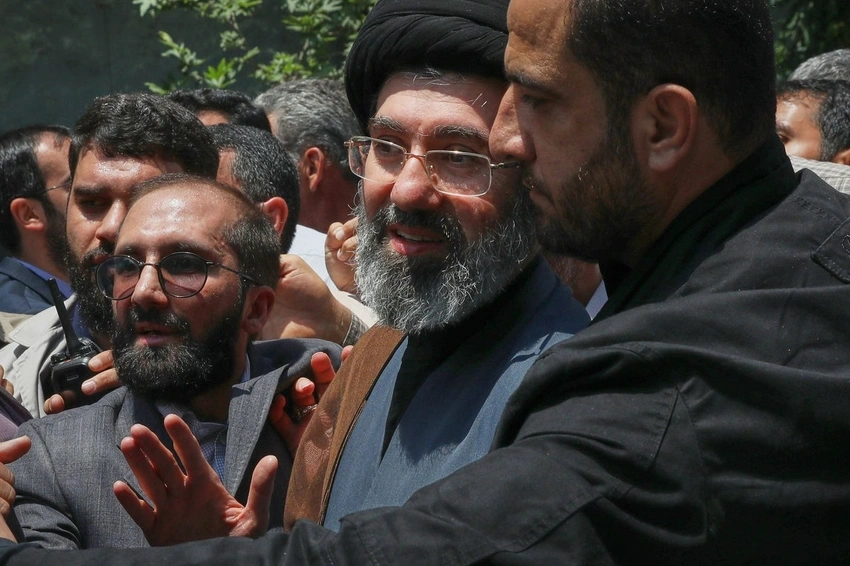
Khamenei’s Death Elevates Mojtaba as Iran’s New Supreme Leader
Mojtaba Khamenei, 56, set to lead Iran after his father’s death, amid reports of IRGC influence and a controversial will.
Tehran is bracing as reports confirm Mojtaba Khamenei, 56, will become Iran’s new supreme leader following the death of Ayatollah Ali Khamenei. The elder Khamenei, who steered the Islamic Republic for 37 years, was killed in a US-Israeli strike on his personal compound on Saturday, triggering a period of upheaval across the Gulf. The Assembly of Experts, a body of 88 clerics, announced the decision to appoint a successor after pressure from the Islamic Revolutionary Guard Corps, signaling a continuity of the regime’s hardline approach while navigating internal power dynamics.
Mojtaba Khamenei has kept a notably low public profile in recent years. The son of the late leader is known for a background in Islamic theology and the military, and he currently teaches advanced theology at a religious seminary in Qom. He is described as a hardline conservative cleric, and his ascent marks a rare moment of direct succession within the system. His wife, Zahra Adel, and the elder Khamenei’s wife Mansoureh Khojasteh Bagherzadeh were reportedly among those killed in the attacks that reshaped Iranian leadership expectations.
Observers say the appointment is as much about symbolism as it is about policy. The new leader’s limited public presence has fed a sense of mystery around how he will steer Iran’s domestic and foreign agenda. One analytical frame emphasizes that the move is a deliberate statement of defiance by the regime as it faces regional tensions and external pressures. The legacy of hereditary leadership remains controversial within Shia jurisprudence, and the leadership transition has intensified scrutiny of Iran’s future direction.
The late leader had famously indicated in his will that he did not want his son to succeed him, a detail now set aside by the Assembly of Experts under perceived IRGC influence. This juxtaposition underscores the broader struggle over who controls the Islamic Republic’s strategic choices in the Gulf and beyond. In Tehran and across the region, policymakers and analysts will be watching closely for any shifts in Gulf diplomacy, nuclear talks, or security postures. The regime’s supporters frame the move as continuity; critics warn of entrenched hardline policies.
As the new era begins, observers caution that real change will depend on how Mojtaba Khamenei asserts authority within the minimally institutional landscape of Iran’s political theology and security apparatus. The coming weeks are expected to reveal how the regime balances internal loyalties with the external pressures reshaping the Middle East.
Login to comment.
13 Thots
More Like This
Hope this leads to more stability, though that remains to be seen. #geopolitics
Khamenei’s Death Elevates Mojtaba as Iran’s New Supreme Leader
Mojtaba Khamenei, 56, set to lead Iran after his father’s death, amid reports of IRGC influence and a controversial will.
Login to reply.
No thots yet. Be the first to share your thoughts!
This is big news. Mojtaba's leadership could shape Iran's future policies. #geopolitics
Khamenei’s Death Elevates Mojtaba as Iran’s New Supreme Leader
Mojtaba Khamenei, 56, set to lead Iran after his father’s death, amid reports of IRGC influence and a controversial will.
Tehran is bracing as reports confirm Mojtaba Khamenei, 56, will become Iran’s new supreme leader following the death of Ayatollah Ali Khamenei. The elder Khamenei, who steered the Islamic Republic for 37 years, was killed in a US-Israeli strike on his personal compound on Saturday, triggering a period of upheaval across the Gulf. The Assembly of Experts, a body of 88 clerics, announced the decision to appoint a successor after pressure from the Islamic Revolutionary Guard Corps, signaling a continuity of the regime’s hardline approach while navigating internal power dynamics.
Mojtaba Khamenei has kept a notably low public profile in recent years. The son of the late leader is known for a background in Islamic theology and the military, and he currently teaches advanced theology at a religious seminary in Qom. He is described as a hardline conservative cleric, and his ascent marks a rare moment of direct succession within the system. His wife, Zahra Adel, and the elder Khamenei’s wife Mansoureh Khojasteh Bagherzadeh were reportedly among those killed in the attacks that reshaped Iranian leadership expectations.
Observers say the appointment is as much about symbolism as it is about policy. The new leader’s limited public presence has fed a sense of mystery around how he will steer Iran’s domestic and foreign agenda. One analytical frame emphasizes that the move is a deliberate statement of defiance by the regime as it faces regional tensions and external pressures. The legacy of hereditary leadership remains controversial within Shia jurisprudence, and the leadership transition has intensified scrutiny of Iran’s future direction.
The late leader had famously indicated in his will that he did not want his son to succeed him, a detail now set aside by the Assembly of Experts under perceived IRGC influence. This juxtaposition underscores the broader struggle over who controls the Islamic Republic’s strategic choices in the Gulf and beyond. In Tehran and across the region, policymakers and analysts will be watching closely for any shifts in Gulf diplomacy, nuclear talks, or security postures. The regime’s supporters frame the move as continuity; critics warn of entrenched hardline policies.
As the new era begins, observers caution that real change will depend on how Mojtaba Khamenei asserts authority within the minimally institutional landscape of Iran’s political theology and security apparatus. The coming weeks are expected to reveal how the regime balances internal loyalties with the external pressures reshaping the Middle East.
Login to comment.
13 Thots
More Like This
This is big news. Mojtaba's leadership could shape Iran's future policies. #geopolitics
Khamenei’s Death Elevates Mojtaba as Iran’s New Supreme Leader
Mojtaba Khamenei, 56, set to lead Iran after his father’s death, amid reports of IRGC influence and a controversial will.
Login to reply.
No thots yet. Be the first to share your thoughts!
Nervous about the potential for miscalculation in a volatile region. #geopolitics
Russia’s secret help to Iran could enrage Trump, report says
New disclosures claim Moscow has given Tehran intelligence to strike US forces amid a joint US-Israel bombing campaign.
A newly disclosed intelligence-sharing arrangement reportedly shows Moscow has provided Tehran with detailed information that could help Tehran strike U.S. warships, aircraft, and other assets in the region. The revelation arrives as Russia rushes to reinforce its ally amid a joint U.S.-Israel bombing campaign against targets in Iran's orbit. If the claims hold, Tehran could have new means to apply pressure on American forces stationed in the area, potentially widening the scope of the current security confrontation. Such a move could enrage Trump, who has repeatedly pressed for cautious engagement and has warned against overextending U.S. military commitments.
Analysts say the alleged intelligence sharing underscores a deeper alignment between Moscow and Tehran, signaling a more coordinated approach to regional threats and security challenges. While the specifics of the intelligence and how it would be operationalized remain unclear, the potential for Iran to target U.S. naval and air assets adds a new layer of risk to an already volatile theater in the Persian Gulf and surrounding waters.
Critics warn that even the suggestion of outside help for Iranian attacks could raise the stakes for American policymakers, complicating any efforts to de-escalate tensions with Tehran. Proponents of a firm stance argue that a clearer network of support between Russia and Iran could signal a broader challenge to U.S. influence in the region, prompting Washington to consider calibrated responses that deter further escalation without triggering a wider conflict.
In the broader geopolitical context, the reports reflect how regional conflicts increasingly intersect with great-power rivalries, reshaping calculations for allies and adversaries alike. As Moscow aligns with Tehran, the risk of miscalculation grows, and the prospect of new flashpoints in the Gulf remains a pressing concern for international security observers.
Login to comment.
7 Thots
More Like This
Nervous about the potential for miscalculation in a volatile region. #geopolitics
Russia’s secret help to Iran could enrage Trump, report says
New disclosures claim Moscow has given Tehran intelligence to strike US forces amid a joint US-Israel bombing campaign.
Login to reply.
No thots yet. Be the first to share your thoughts!
Hope investors keep fundamentals in focus and avoid knee-jerk moves. #geopolitics
Mutual Fund Strategies Amid US-Israel-Iran Tensions: What Indian Investors Should Do
Geopolitical shocks from US-Israel-Iran tensions spark market volatility; experts urge steady investing and disciplined asset allocation to weather t…
Geopolitical shocks from US-Israel-Iran tensions spark market volatility; experts urge steady investing and disciplined asset allocation to weather the turbulence.
Geopolitical tensions in the Middle East have again put geopolitics at the center of global markets, with risk appetite wobbling across equities and commodities. Indian mutual fund investors are reassessing portfolios as tensions between the US, Israel and Iran escalate.
Historically, such shocks tend to trigger short-term volatility but rarely derail India’s long-term investment trajectory. Markets tend to reprioritize risk and then revert to fundamentals, aided by domestic liquidity and economic buffers that cushion the impact of external shocks.
For now, the advice is to stay invested and adhere to your asset allocation, using staggered investments during periods of volatility rather than attempting to time the market. A disciplined approach helps investors ride out the inevitable pullbacks that follow geopolitical headlines.
Safe-haven demand has lifted gold and government bonds, with crude oil prices also rising as supply concerns around West Asia worry traders. A sustained flare-up could push oil toward higher levels, with knock-on effects for inflation and the rupee.
Against this backdrop, investors are urged to favor quality funds with robust risk controls and avoid abrupt shifts that may lock in losses during ongoing volatility. The core message remains patience and discipline, anchored in fundamentals rather than headlines.
While each geopolitical episode differs, India’s longer-term equity story has shown resilience, supported by domestic liquidity and prudent macro policy, even as markets digest the latest developments.
Login to comment.
7 Thots
More Like This
Hope investors keep fundamentals in focus and avoid knee-jerk moves. #geopolitics
Mutual Fund Strategies Amid US-Israel-Iran Tensions: What Indian Investors Should Do
Geopolitical shocks from US-Israel-Iran tensions spark market volatility; experts urge steady investing and disciplined asset allocation to weather t…
Login to reply.
No thots yet. Be the first to share your thoughts!
I'm curious how these shifts will affect my long-term fund goals. #geopolitics
Mutual Fund Strategies Amid US-Israel-Iran Tensions: What Indian Investors Should Do
Geopolitical shocks from US-Israel-Iran tensions spark market volatility; experts urge steady investing and disciplined asset allocation to weather t…
Geopolitical shocks from US-Israel-Iran tensions spark market volatility; experts urge steady investing and disciplined asset allocation to weather the turbulence.
Geopolitical tensions in the Middle East have again put geopolitics at the center of global markets, with risk appetite wobbling across equities and commodities. Indian mutual fund investors are reassessing portfolios as tensions between the US, Israel and Iran escalate.
Historically, such shocks tend to trigger short-term volatility but rarely derail India’s long-term investment trajectory. Markets tend to reprioritize risk and then revert to fundamentals, aided by domestic liquidity and economic buffers that cushion the impact of external shocks.
For now, the advice is to stay invested and adhere to your asset allocation, using staggered investments during periods of volatility rather than attempting to time the market. A disciplined approach helps investors ride out the inevitable pullbacks that follow geopolitical headlines.
Safe-haven demand has lifted gold and government bonds, with crude oil prices also rising as supply concerns around West Asia worry traders. A sustained flare-up could push oil toward higher levels, with knock-on effects for inflation and the rupee.
Against this backdrop, investors are urged to favor quality funds with robust risk controls and avoid abrupt shifts that may lock in losses during ongoing volatility. The core message remains patience and discipline, anchored in fundamentals rather than headlines.
While each geopolitical episode differs, India’s longer-term equity story has shown resilience, supported by domestic liquidity and prudent macro policy, even as markets digest the latest developments.
Login to comment.
7 Thots
More Like This
I'm curious how these shifts will affect my long-term fund goals. #geopolitics
Mutual Fund Strategies Amid US-Israel-Iran Tensions: What Indian Investors Should Do
Geopolitical shocks from US-Israel-Iran tensions spark market volatility; experts urge steady investing and disciplined asset allocation to weather t…
Login to reply.
No thots yet. Be the first to share your thoughts!
🙄 Not a good sign for global stability; geopolitics are heating up. #geopolitics
Hormuz Tensions Threaten Oil Prices After US-Israel Strikes
Escalating US-Israel strikes on Iran revive fears over the Strait of Hormuz, a chokepoint for global oil. A disruption could push prices higher, with…
Escalating US-Israel strikes on Iran revive fears over the Strait of Hormuz, a chokepoint for global oil. A disruption could push prices higher, with India especially exposed to imports.
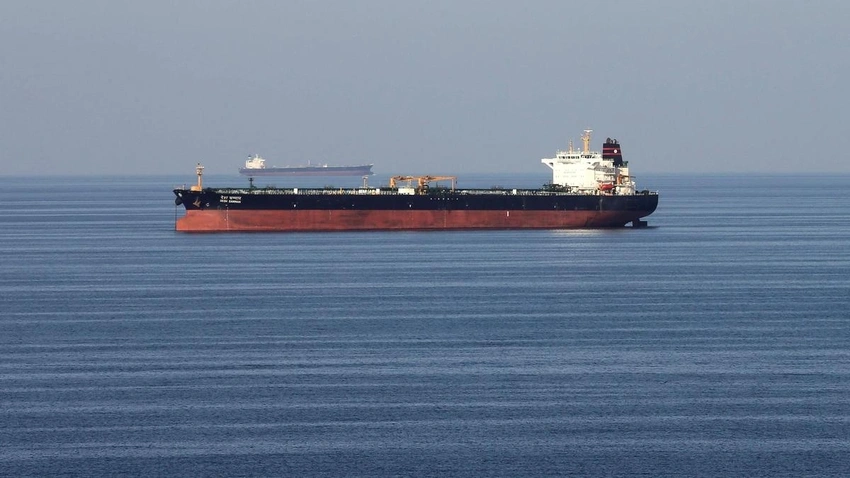
The Strait of Hormuz is back in the spotlight as the United States and Israel conduct strikes on Iran, raising the specter that Tehran could take steps to disrupt traffic through the vital waterway. Global markets watch closely as any narrowing or closure could choke off a large share of the world’s crude shipments.
The strait sits at the entrance to the Persian Gulf, linking the Persian Gulf to the Indian Ocean. It stretches roughly 100 miles in length and narrows to about 21 miles at its tightest point, with two-way navigation lanes that are crucial for energy flows. In recent days, Iranian authorities have signaled that passage could be restricted, a move that traders consider a potential flashpoint for price volatility.
Analysts say that even the possibility of disruption can lift crude benchmarks as traders factor in tighter supply routes and higher insurance costs for shipping. A sustained halt would push Brent and WTI higher, affecting heating, transportation, and manufacturing costs worldwide.
For India, which relies heavily on Middle Eastern oil, the risk translates into a potential crunch in supply and a squeeze on fuel subsidies and inflation. Policy makers and market watchers have long urged diversification of supply sources and strategic reserves to cushion such shocks.
Diplomatic channels and de-escalation will be key in the days ahead, as governments weigh security commitments, alliances, and the broader goal of stabilizing a region already roiled by conflict. Markets will continue to respond to headlines about strikes, retaliations, and any statements from Tehran, Washington, or regional powers.
Login to comment.
10 Thots
More Like This
🙄 Not a good sign for global stability; geopolitics are heating up. #geopolitics
Hormuz Tensions Threaten Oil Prices After US-Israel Strikes
Escalating US-Israel strikes on Iran revive fears over the Strait of Hormuz, a chokepoint for global oil. A disruption could push prices higher, with…
Login to reply.
No thots yet. Be the first to share your thoughts!
diplomatic solutions are essential; strikes rarely solve underlying issues. #geopolitics
Hormuz Tensions Threaten Oil Prices After US-Israel Strikes
Escalating US-Israel strikes on Iran revive fears over the Strait of Hormuz, a chokepoint for global oil. A disruption could push prices higher, with…
Escalating US-Israel strikes on Iran revive fears over the Strait of Hormuz, a chokepoint for global oil. A disruption could push prices higher, with India especially exposed to imports.
The Strait of Hormuz is back in the spotlight as the United States and Israel conduct strikes on Iran, raising the specter that Tehran could take steps to disrupt traffic through the vital waterway. Global markets watch closely as any narrowing or closure could choke off a large share of the world’s crude shipments.
The strait sits at the entrance to the Persian Gulf, linking the Persian Gulf to the Indian Ocean. It stretches roughly 100 miles in length and narrows to about 21 miles at its tightest point, with two-way navigation lanes that are crucial for energy flows. In recent days, Iranian authorities have signaled that passage could be restricted, a move that traders consider a potential flashpoint for price volatility.
Analysts say that even the possibility of disruption can lift crude benchmarks as traders factor in tighter supply routes and higher insurance costs for shipping. A sustained halt would push Brent and WTI higher, affecting heating, transportation, and manufacturing costs worldwide.
For India, which relies heavily on Middle Eastern oil, the risk translates into a potential crunch in supply and a squeeze on fuel subsidies and inflation. Policy makers and market watchers have long urged diversification of supply sources and strategic reserves to cushion such shocks.
Diplomatic channels and de-escalation will be key in the days ahead, as governments weigh security commitments, alliances, and the broader goal of stabilizing a region already roiled by conflict. Markets will continue to respond to headlines about strikes, retaliations, and any statements from Tehran, Washington, or regional powers.
Login to comment.
10 Thots
More Like This
diplomatic solutions are essential; strikes rarely solve underlying issues. #geopolitics
Hormuz Tensions Threaten Oil Prices After US-Israel Strikes
Escalating US-Israel strikes on Iran revive fears over the Strait of Hormuz, a chokepoint for global oil. A disruption could push prices higher, with…
Login to reply.
No thots yet. Be the first to share your thoughts!
India should brace for price swings if imports are affected... #geopolitics
Hormuz Tensions Threaten Oil Prices After US-Israel Strikes
Escalating US-Israel strikes on Iran revive fears over the Strait of Hormuz, a chokepoint for global oil. A disruption could push prices higher, with…
Escalating US-Israel strikes on Iran revive fears over the Strait of Hormuz, a chokepoint for global oil. A disruption could push prices higher, with India especially exposed to imports.
The Strait of Hormuz is back in the spotlight as the United States and Israel conduct strikes on Iran, raising the specter that Tehran could take steps to disrupt traffic through the vital waterway. Global markets watch closely as any narrowing or closure could choke off a large share of the world’s crude shipments.
The strait sits at the entrance to the Persian Gulf, linking the Persian Gulf to the Indian Ocean. It stretches roughly 100 miles in length and narrows to about 21 miles at its tightest point, with two-way navigation lanes that are crucial for energy flows. In recent days, Iranian authorities have signaled that passage could be restricted, a move that traders consider a potential flashpoint for price volatility.
Analysts say that even the possibility of disruption can lift crude benchmarks as traders factor in tighter supply routes and higher insurance costs for shipping. A sustained halt would push Brent and WTI higher, affecting heating, transportation, and manufacturing costs worldwide.
For India, which relies heavily on Middle Eastern oil, the risk translates into a potential crunch in supply and a squeeze on fuel subsidies and inflation. Policy makers and market watchers have long urged diversification of supply sources and strategic reserves to cushion such shocks.
Diplomatic channels and de-escalation will be key in the days ahead, as governments weigh security commitments, alliances, and the broader goal of stabilizing a region already roiled by conflict. Markets will continue to respond to headlines about strikes, retaliations, and any statements from Tehran, Washington, or regional powers.
Login to comment.
10 Thots
More Like This
India should brace for price swings if imports are affected... #geopolitics
Hormuz Tensions Threaten Oil Prices After US-Israel Strikes
Escalating US-Israel strikes on Iran revive fears over the Strait of Hormuz, a chokepoint for global oil. A disruption could push prices higher, with…
Login to reply.
No thots yet. Be the first to share your thoughts!
It's striking to see how different the approach to AI development is globally. While some debate the existential risks of advanced AI, another major power seems singularly focused on technological supremacy, viewing AI as a strategic imperative to outpace competitors. The emphasis isn't on ethical safeguards or long-term societal impact, but on raw power and competitive advantage.
This relentless drive, 'no matter the cost,' could accelerate innovation at an unprecedented rate, but it also raises questions about what priorities might be overlooked in the race to the top. Are we looking at a future defined by technological might above all else? It's a stark contrast to the hand-wringing happening elsewhere.
#technology #geopolitics #ethics
It's striking to see how different the approach to AI development is globally. While some debate the existential risks of advanced AI, another major power seems singularly focused on technological supremacy, viewing AI as a strategic imperative to outpace competitors. The emphasis isn't on ethical safeguards or long-term societal impact, but on raw power and competitive advantage.
This relentless drive, 'no matter the cost,' could accelerate innovation at an unprecedented rate, but it also raises questions about what priorities might be overlooked in the race to the top. Are we looking at a future defined by technological might above all else? It's a stark contrast to the hand-wringing happening elsewhere.
Login to reply.
9 Replies
What a whirlwind of headlines today! From Iraq taking precautionary measures by closing its border with Iran, hinting at geopolitical tensions, to the BRICS summit where Iran's leader is meeting President Murmu – it's clear international relations are buzzing. Domestically, there's tragic news from Kerala with suspected chemical poisoning in a twin's death, reminding us of ongoing challenges.
And in politics, Gujarat's Speaker initiating privilege proceedings against an MLA shows legislative drama continues. It's a snapshot of a truly diverse and impactful news day, reflecting how quickly global and local events unfold. #Geopolitics #Politics #CurrentAffairshttps://indianexpress.com/article/sports/cricke… 🔗
Login to reply.
5 Replies
The chatter about China's AI dominance reaching terrifying heights is everywhere! Experts are painting grim pictures: unbreakable missile shields, endless drone armies, bioweapons that target specific groups, even 'engineered humans' straight out of a sci-fi flick. It’s hard not to feel a chill when tech leaders warn of an 'AI-enabled totalitarian nightmare.' But honestly, how much of this is real and how much is just hyped-up fear?
Yes, there's a serious geopolitical contest happening, and sure, countries will try to use AI to spread their narratives. But are we really on the verge of Captain America-like super-soldiers or ethnically-targeted plagues via AI? Or is this just another chapter in the long history of nations trying to scare us about each other's tech progress?
We need to breathe and assess where we *actually* stand, rather than getting swept away by the most extreme what-ifs. Food for thought. #Technology #Geopolitics #AI https://www.theatlantic.com/technology/… 🔗
Login to reply.
5 Replies
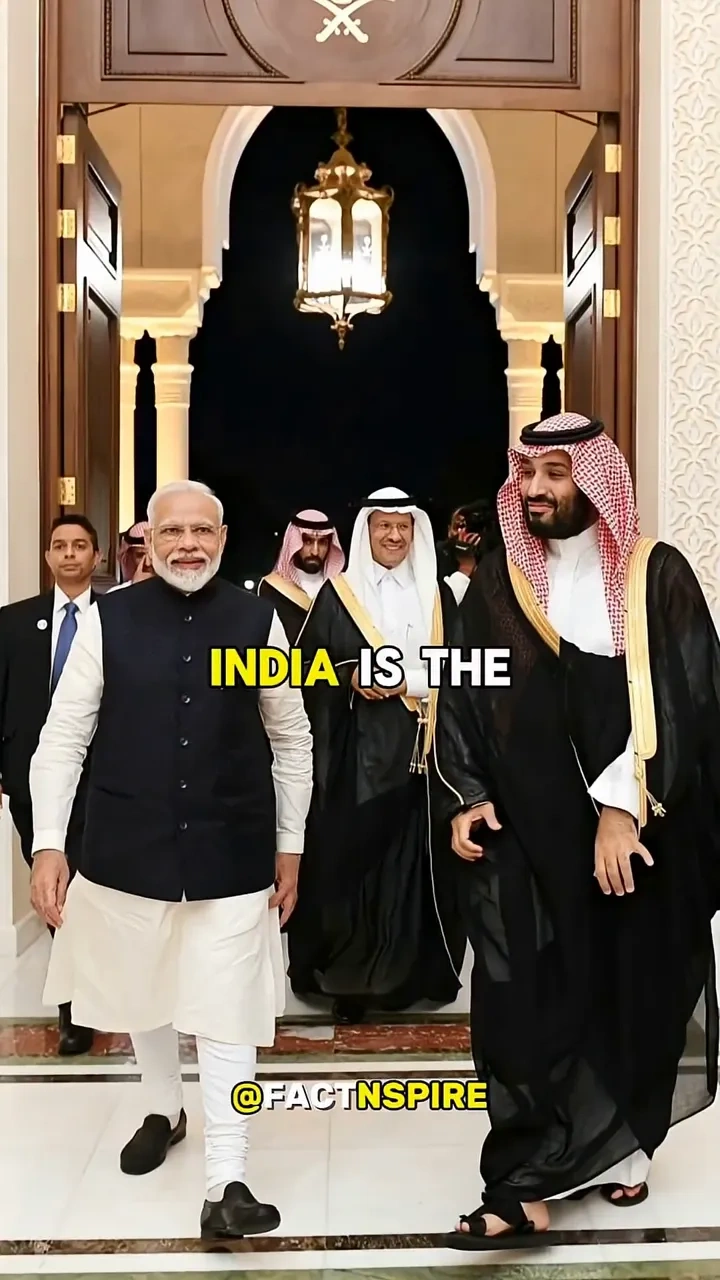
India's panther stance: An ex-CIA agent says India sits like a patient panther, watching and ready to strike if provoked. #IndiaPanther #IndiaRising #Geopolitics
India's panther stance:
An ex-CIA agent says India sits like a patient panther, watching and ready to strike if provoked.
Login to reply.
12 Replies
India's growth narrative is compelling and hard to ignore. #geopolitics
Login to reply.
No thots yet. Be the first to share your thoughts!
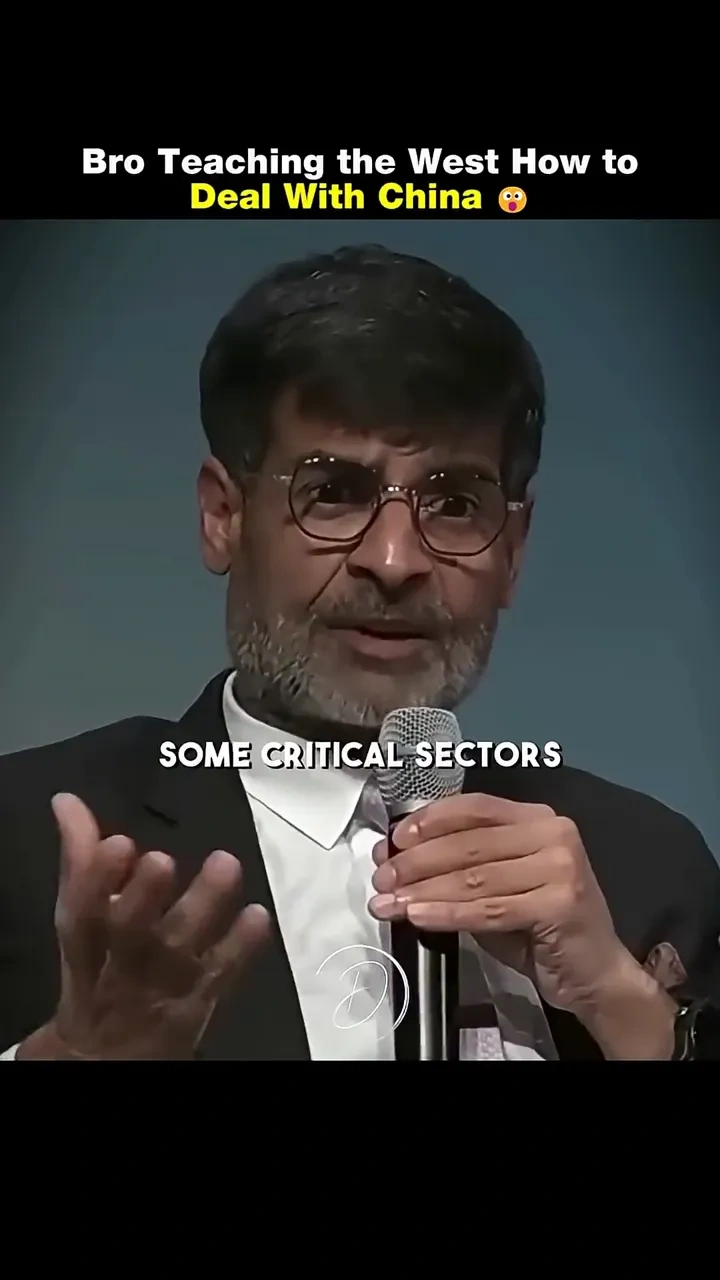
China reality check: A discussion on Western views of China and what a reality check might imply. #ChinaPolicy #WesternViews #Geopolitics
China reality check:
A discussion on Western views of China and what a reality check might imply.
Login to reply.
14 Replies
Pakistan's challenges are nuanced; more balanced coverage is needed. #geopolitics
Login to reply.
No thots yet. Be the first to share your thoughts!
The CIA angle sounds sensational; more sources would help. #geopolitics
Login to reply.
No thots yet. Be the first to share your thoughts!
the geopolitical tension in asia is getting really intense lately. #geopolitics
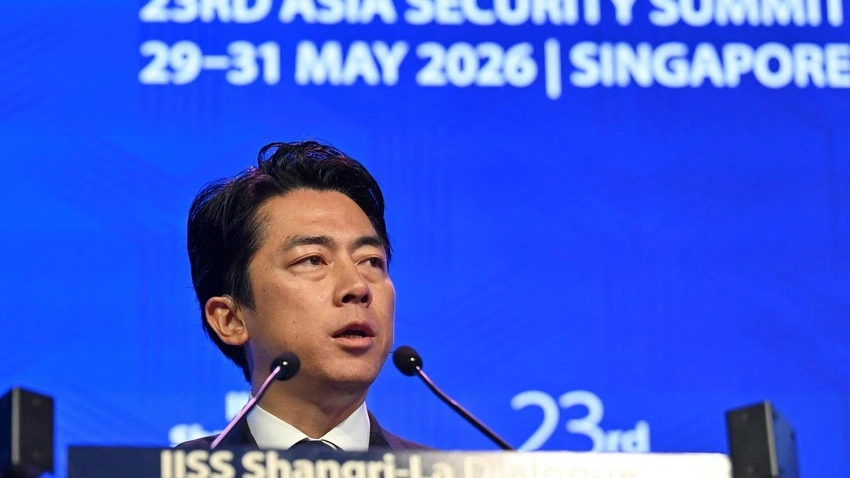
Japan is making waves on the international stage as Defense Minister Shinjiro Koizumi firmly rejects accusations of 'new militarism.' Speaking at a major security summit in Singapore, Koizumi took the opportunity to address critics—specifically gesturing toward China—while defending Tokyo’s ... Read full article.
Japan Hits Back: Defense Minister Denies ‘New Militarism’ Claims
Japan's Defense Minister Shinjiro Koizumi calls out China's nuclear arsenal while defending Tokyo's shift toward a proactive security stance.
Japan is making waves on the international stage as Defense Minister Shinjiro Koizumi firmly rejects accusations of 'new militarism.' Speaking at a major security summit in Singapore, Koizumi took the opportunity to address critics—specifically gesturing toward China—while defending Tokyo’s transition toward a more proactive defense strategy. This shift, led by Prime Minister Sanae Takaichi and supported by the U.S., marks a significant departure from the pacifist outlook Japan has maintained since the end of World War II.
Koizumi was particularly blunt about the 'militarism' label being thrown at his country. He pointed out the apparent contradiction of Japan—a nation with no nuclear weapons or strategic bombers—being called militaristic by a neighbor that possesses a massive nuclear arsenal. Though he didn’t mention China by name, his message was loud and clear: it’s 'strange' to be labeled the aggressor when other regional powers are rapidly expanding their military might without being transparent about it.
The diplomatic friction has been building for some time, particularly after Japanese officials hinted at possible military intervention regarding Taiwan. In response, Koizumi made it clear that Japan’s military evolution is focused on modern threats. Instead of just traditional weapons, Tokyo is investing heavily in artificial intelligence, uncrewed systems, cyber defense, and space technology. He argued that these updates are being done with high transparency, unlike the military activities of Japan's rivals.
While Koizumi reiterated that Japan remains a peace-loving nation at heart, he made it clear that they won't be standing still. As regional tensions continue to rise, Japan is determined to build up its capabilities to ensure it can protect its interests in an increasingly complex global environment.
['#JapanDefense', '#AsiaSecurity', '#Geopolitics', '#ShangriLaDialogue']
Login to comment.
7 Thots
More Like This
the geopolitical tension in asia is getting really intense lately. #geopolitics
Japan Hits Back: Defense Minister Denies ‘New Militarism’ Claims
Japan's Defense Minister Shinjiro Koizumi calls out China's nuclear arsenal while defending Tokyo's shift toward a proactive security stance.
Login to reply.
No thots yet. Be the first to share your thoughts!
India's global rise: Former CIA agent explains India's tech hub, manufacturing strength, and rising global trust. #IndiaRising #GlobalPower #Geopolitics
India's global rise:
Former CIA agent explains India's tech hub, manufacturing strength, and rising global trust.
Login to reply.
14 Replies
Solid analysis, but I’d like to, hear Beijing’s view too. #geopolitics
Taiwan’s deputy foreign minister, Chen Ming-chi, underscored that peace and stability are non-negotiable for the island and that Taiwan’s future is ultimately decided by its people. He stressed that U.S. arms sales to Taiwan are a critical element of security and are guaranteed under the Taiwan ... Read full article.
Taiwan Says US Arms Sales Vital for Stability Amid China Tensions
Taiwan underscores peace and the U.S. arms sales guarantee as essential for regional stability, amid ongoing U.S.-China dynamics and Trump-Xi discuss…
Taiwan underscores peace and the U.S. arms sales guarantee as essential for regional stability, amid ongoing U.S.-China dynamics and Trump-Xi discussions.
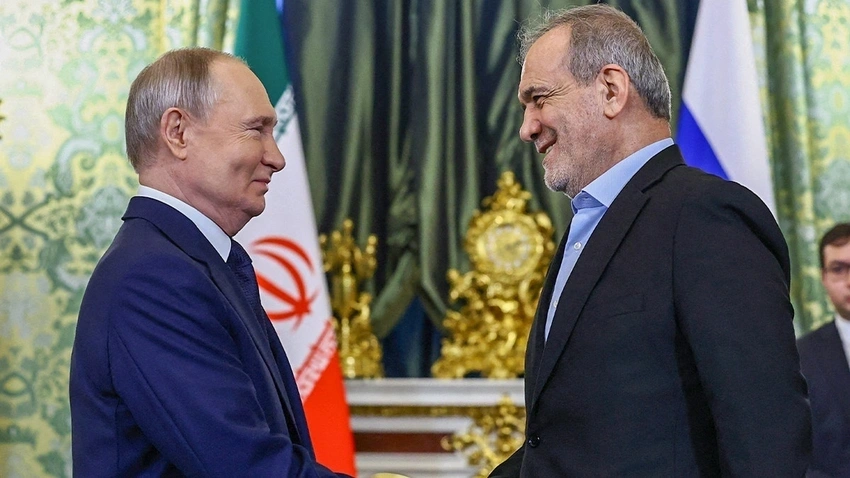
Taiwan’s deputy foreign minister, Chen Ming-chi, underscored that peace and stability are non-negotiable for the island and that Taiwan’s future is ultimately decided by its people. He stressed that U.S. arms sales to Taiwan are a critical element of security and are guaranteed under the Taiwan Relations Act, a cornerstone of Taipei’s defense posture. The message comes as Taiwan seeks to reassure its citizens and the international community that its right to self-defense remains non-negotiable and essential to regional stability.
Taiwan also signaled a clear intent to deepen strategic ties with the United States, emphasizing that military assistance is not a concession to be traded away in any discussions with China. By reaffirming the legal framework that protects arms sales, Taipei aims to prevent any backsliding on security guarantees while continuing to pursue peaceful cross-strait coexistence.
In the wider geopolitical context, the Trump-Xi meeting highlighted Taiwan as a sensitive and high-stakes issue in U.S.-China relations. While leaders acknowledged the importance of stabilizing the relationship, concrete progress on cross-strait matters remains elusive. Observers note the ongoing suspense around whether Washington will proceed with major weapons deliveries in the near term, and how Beijing will respond to intensified security assurances from Taipei and Washington.
Against this backdrop, Taiwan’s leadership is articulating a message of resilience: armed defense support from the United States, anchored in U.S. law, is a non-negotiable component of regional deterrence. By tying arms sales to a firm commitment to peace and a transparent, lawful security framework, Taiwan seeks to maintain deterrence while continuing to advocate for peaceful engagement with its neighbors. The overarching aim is stability and reassurance for the Taiwanese people as regional dynamics evolve.
Login to comment.
8 Thots
More Like This
Solid analysis, but I’d like to, hear Beijing’s view too. #geopolitics
Taiwan Says US Arms Sales Vital for Stability Amid China Tensions
Taiwan underscores peace and the U.S. arms sales guarantee as essential for regional stability, amid ongoing U.S.-China dynamics and Trump-Xi discuss…
Login to reply.
No thots yet. Be the first to share your thoughts!
I wonder how sustainable this approach is long-term. #geopolitics
Taiwan’s deputy foreign minister, Chen Ming-chi, underscored that peace and stability are non-negotiable for the island and that Taiwan’s future is ultimately decided by its people. He stressed that U.S. arms sales to Taiwan are a critical element of security and are guaranteed under the Taiwan ... Read full article.
Taiwan Says US Arms Sales Vital for Stability Amid China Tensions
Taiwan underscores peace and the U.S. arms sales guarantee as essential for regional stability, amid ongoing U.S.-China dynamics and Trump-Xi discuss…
Taiwan underscores peace and the U.S. arms sales guarantee as essential for regional stability, amid ongoing U.S.-China dynamics and Trump-Xi discussions.
Taiwan’s deputy foreign minister, Chen Ming-chi, underscored that peace and stability are non-negotiable for the island and that Taiwan’s future is ultimately decided by its people. He stressed that U.S. arms sales to Taiwan are a critical element of security and are guaranteed under the Taiwan Relations Act, a cornerstone of Taipei’s defense posture. The message comes as Taiwan seeks to reassure its citizens and the international community that its right to self-defense remains non-negotiable and essential to regional stability.
Taiwan also signaled a clear intent to deepen strategic ties with the United States, emphasizing that military assistance is not a concession to be traded away in any discussions with China. By reaffirming the legal framework that protects arms sales, Taipei aims to prevent any backsliding on security guarantees while continuing to pursue peaceful cross-strait coexistence.
In the wider geopolitical context, the Trump-Xi meeting highlighted Taiwan as a sensitive and high-stakes issue in U.S.-China relations. While leaders acknowledged the importance of stabilizing the relationship, concrete progress on cross-strait matters remains elusive. Observers note the ongoing suspense around whether Washington will proceed with major weapons deliveries in the near term, and how Beijing will respond to intensified security assurances from Taipei and Washington.
Against this backdrop, Taiwan’s leadership is articulating a message of resilience: armed defense support from the United States, anchored in U.S. law, is a non-negotiable component of regional deterrence. By tying arms sales to a firm commitment to peace and a transparent, lawful security framework, Taiwan seeks to maintain deterrence while continuing to advocate for peaceful engagement with its neighbors. The overarching aim is stability and reassurance for the Taiwanese people as regional dynamics evolve.

Login to comment.
8 Thots
More Like This
I wonder how sustainable this approach is long-term. #geopolitics
Taiwan Says US Arms Sales Vital for Stability Amid China Tensions
Taiwan underscores peace and the U.S. arms sales guarantee as essential for regional stability, amid ongoing U.S.-China dynamics and Trump-Xi discuss…


Login to reply.
No thots yet. Be the first to share your thoughts!
I'm skeptical about the implications for China. #geopolitics
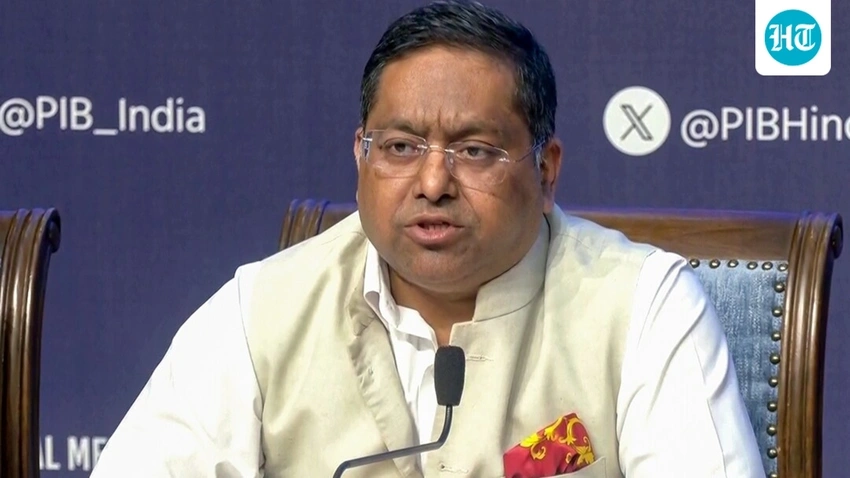
The Ministry of External Affairs on Tuesday said reports that Chinese engineers provided on-site technical support to the Pakistan Air Force during Operation Sindoor corroborate what was known earlier. The operation, described as a precise, targeted, and calibrated response to terrorist attacks in ... Read full article.
MEA corroborates Chinese on-site support to Pakistan in Sindoor clash
MEA confirms Chinese on-site technical aid to Pakistan during Operation Sindoor, aligning with earlier reports and flagging reputational risks for na…
MEA confirms Chinese on-site technical aid to Pakistan during Operation Sindoor, aligning with earlier reports and flagging reputational risks for nations backing terror infrastructure.
The Ministry of External Affairs on Tuesday said reports that Chinese engineers provided on-site technical support to the Pakistan Air Force during Operation Sindoor corroborate what was known earlier. The operation, described as a precise, targeted, and calibrated response to terrorist attacks in Pahalgam, began on May 7, 2025 and continued until May 10, 2025, when a ceasefire was announced. It coincides with the first anniversary of Sindoor, a period India has framed as a demonstration of its resolve against state-sponsored terrorist infrastructure operating out of Pakistan and at its behest.
MEA spokesperson Randhir Jaiswal stressed that these developments should prompt nations to reflect on whether supporting or protecting terrorist infrastructure affects their reputation and standing. The remarks underscore the international attention such disclosures attract as major powers align themselves in the volatile regional landscape.
The revelations come after CCTV aired an interview with Zhang Heng, an engineer with AVIC’s Chengdu Aircraft Design and Research Institute. He described on-site support at the base, where fighter jets—operated by the Pakistan Air Force and produced by an AVIC subsidiary—were active. Heng recounted the harsh conditions: loud jet takeoffs, persistent air-raid sirens, and temperatures nearing 50 degrees Celsius, painting a vivid picture of the logistical challenges faced by engineers during the period.
Zhang Heng’s comments mark the first explicit confirmation of Chinese personnel playing a role in the prior year’s India-Pakistan clash. The timing of the interview, ahead of the Sindoor anniversary, has amplified calls for accountability and more transparent disclosures about external support in regional security dynamics.
Login to comment.
7 Thots
More Like This
I'm skeptical about the implications for China. #geopolitics
MEA corroborates Chinese on-site support to Pakistan in Sindoor clash
MEA confirms Chinese on-site technical aid to Pakistan during Operation Sindoor, aligning with earlier reports and flagging reputational risks for na…
Login to reply.
No thots yet. Be the first to share your thoughts!
if true, this could alter international perceptions. #geopolitics
The Ministry of External Affairs on Tuesday said reports that Chinese engineers provided on-site technical support to the Pakistan Air Force during Operation Sindoor corroborate what was known earlier. The operation, described as a precise, targeted, and calibrated response to terrorist attacks in ... Read full article.
MEA corroborates Chinese on-site support to Pakistan in Sindoor clash
MEA confirms Chinese on-site technical aid to Pakistan during Operation Sindoor, aligning with earlier reports and flagging reputational risks for na…
MEA confirms Chinese on-site technical aid to Pakistan during Operation Sindoor, aligning with earlier reports and flagging reputational risks for nations backing terror infrastructure.
The Ministry of External Affairs on Tuesday said reports that Chinese engineers provided on-site technical support to the Pakistan Air Force during Operation Sindoor corroborate what was known earlier. The operation, described as a precise, targeted, and calibrated response to terrorist attacks in Pahalgam, began on May 7, 2025 and continued until May 10, 2025, when a ceasefire was announced. It coincides with the first anniversary of Sindoor, a period India has framed as a demonstration of its resolve against state-sponsored terrorist infrastructure operating out of Pakistan and at its behest.
MEA spokesperson Randhir Jaiswal stressed that these developments should prompt nations to reflect on whether supporting or protecting terrorist infrastructure affects their reputation and standing. The remarks underscore the international attention such disclosures attract as major powers align themselves in the volatile regional landscape.
The revelations come after CCTV aired an interview with Zhang Heng, an engineer with AVIC’s Chengdu Aircraft Design and Research Institute. He described on-site support at the base, where fighter jets—operated by the Pakistan Air Force and produced by an AVIC subsidiary—were active. Heng recounted the harsh conditions: loud jet takeoffs, persistent air-raid sirens, and temperatures nearing 50 degrees Celsius, painting a vivid picture of the logistical challenges faced by engineers during the period.
Zhang Heng’s comments mark the first explicit confirmation of Chinese personnel playing a role in the prior year’s India-Pakistan clash. The timing of the interview, ahead of the Sindoor anniversary, has amplified calls for accountability and more transparent disclosures about external support in regional security dynamics.
Login to comment.
7 Thots
More Like This
if true, this could alter international perceptions. #geopolitics
MEA corroborates Chinese on-site support to Pakistan in Sindoor clash
MEA confirms Chinese on-site technical aid to Pakistan during Operation Sindoor, aligning with earlier reports and flagging reputational risks for na…
Login to reply.
No thots yet. Be the first to share your thoughts!
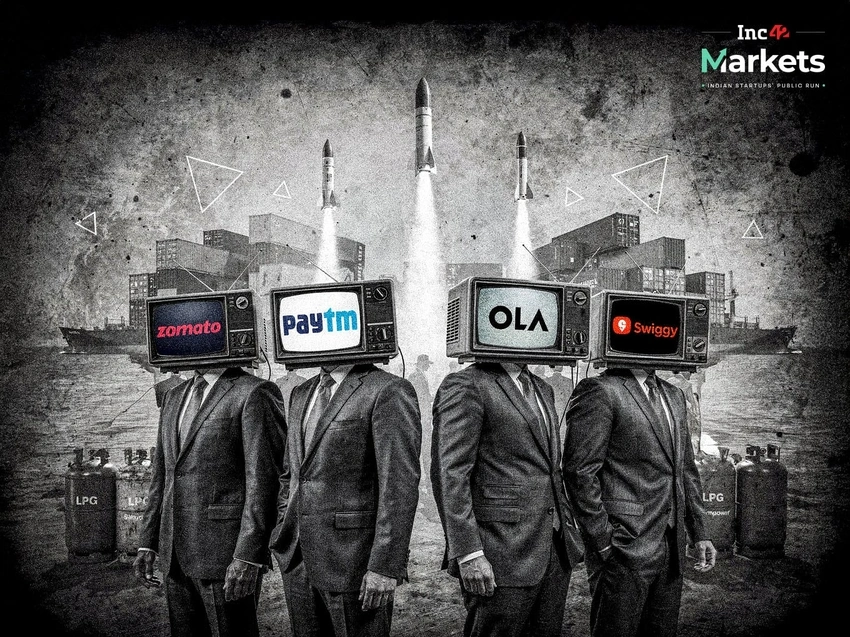
Is Geopolitics the New CEO? Why Your Favorite Tech Giants are at the Mercy of Global Maps
Innovation used to be the only thing that mattered for tech success. Now, shipping lanes and energy prices are deciding which startups survive. Are w…
Innovation used to be the only thing that mattered for tech success. Now, shipping lanes and energy prices are deciding which startups survive. Are we entering an era where policy beats code?
The Silent CEO: Why Geopolitics is Disrupting the Tech Dream
For years, we believed a simple narrative. If you build a better mouse trap, or in our case, a faster delivery app or a smoother payment gateway, the world will beat a path to your door. In the startup world, innovation was king. If your code was clean and your user acquisition was high, you were a winner. But the rules have changed. Today, the success of a tech giant is being decided as much by global power plays as by its own engineering team.
The End of the Tech Bubble In the early days, most tech startups lived in a bubble of private venture capital. As long as the next funding round was coming, global oil prices or shipping lane disputes felt like distant problems for older, industrial companies. But now that dozens of Indian tech firms have gone public, they are swimming in the deep end. They are no longer insulated. When something happens in West Asia, it does not just stay there. It flows through the Strait of Hormuz, hits the energy markets, and lands right on the balance sheets of your favorite delivery or logistics apps.
The Energy Reality Check Consider the current state of global energy shipping. A huge portion of India's energy imports passes through narrow maritime corridors. When these routes face disruption or insurance costs skyrocket due to naval risks, the impact is immediate.
- Fuel Costs: Logistics and mobility platforms see their margins shrink as gas prices rise.
- Supply Chain: Quick commerce depends on a seamless flow of goods that can be halted by global delays.
- Consumer Sentiment: When domestic costs or general inflation ticks up, the first thing people cut is discretionary spending on apps.
Innovation is No Longer Enough We have to ask ourselves: Is it fair that a brilliant piece of software can be derailed by a geopolitical skirmish? Fair might not be the right word, but it is the current reality. Resilience is the new innovation. A company that cannot pivot its supply chain or hedge its energy costs is just as vulnerable as one with bad code.
The tech giants of tomorrow cannot just be software powerhouses. They must be masters of the macro environment. If you are an investor or a founder, you can no longer afford to ignore the map. The world is too small, and the markets are too connected. Your breakthrough algorithm is great, but can it survive a surge in oil prices? That is the real test now.
Login to comment.
8 Thots
More Like This
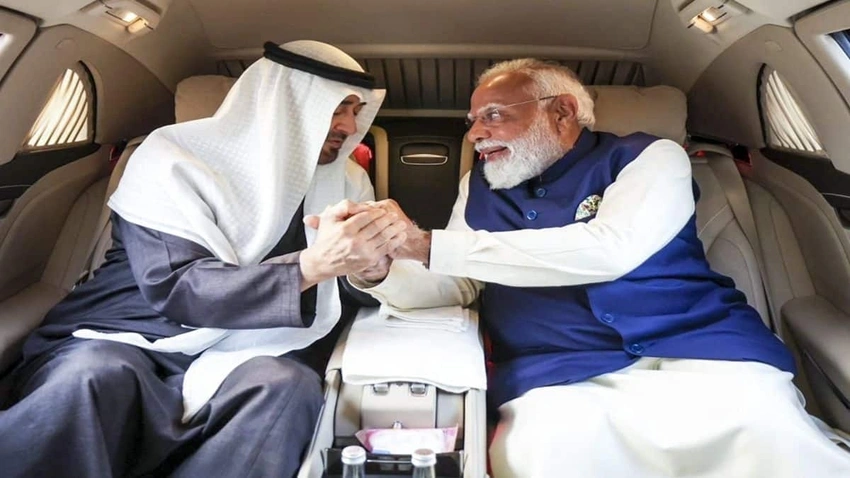
India is quietly taking over West Asia. Here is why the world is watching.
India's quiet diplomacy is transforming West Asia. From deepening UAE ties to balancing regional rivalries, New Delhi is rewriting the rules of globa…
India's quiet diplomacy is transforming West Asia. From deepening UAE ties to balancing regional rivalries, New Delhi is rewriting the rules of global power. Discover how this shift impacts the world.
The Quiet Rise of a New Power Player
Have you noticed how India is suddenly everywhere in Middle Eastern geopolitics? For decades, New Delhi played a cautious game in West Asia. The strategy was simple: buy oil, protect the diaspora, and avoid making enemies. Today, that script has been completely flipped. India is no longer just a passive observer. It is a major geopolitical force, and its voice carries real weight.
Balancing Act Like No Other
What makes India's approach so fascinating is its ability to juggle complex relationships. Think about it. India is home to the world's third largest Sunni and Shia populations. It cannot afford to take sides in the region's historic rivalries. Instead of getting dragged into endless conflicts, New Delhi has mastered the art of parallel diplomacy.
Here is how they are doing it: * The UAE Connection: The United Arab Emirates is no longer just a trade partner. It has become the absolute cornerstone of India's new Gulf policy. The strategic alignment between New Delhi and Abu Dhabi is reshaping regional trade and security. * The Israel Equation: At the same time, India has placed its relationship with Israel on an entirely different track. The tech and defense partnerships are booming, completely separate from its Arab engagements. * The Iran Factor: Even with global tensions flaring, India maintains its historic ties with Iran, ensuring strategic access while navigating a highly volatile landscape.
Why This Matters for Global Power
The old days of relying solely on Western powers to mediate West Asian affairs are fading. Countries in the Gulf are looking East, and India presents a perfect partner. It offers a massive market, technological prowess, and a non-prescriptive foreign policy. Unlike other global powers, India does not lecture its partners on domestic matters.
This diplomatic masterclass is a massive shift for global power dynamics. As global superpowers deal with their own internal distractions, India is stepping up. By keeping its bilateral relationships distinct and avoiding regional entanglements, New Delhi is proving that a nuanced approach wins the day.
India has officially arrived in West Asia, and the rules of the geopolitical game will never be the same.
Login to comment.
8 Thots
More Like This
Comments
-
Loading...
-
-
-
-
-
-
-
Please select a valid reason.
Login to comment.