Hormuz Tensions Threaten Oil Prices After US-Israel Strikes

Hormuz Tensions Threaten Oil Prices After US-Israel Strikes
Escalating US-Israel strikes on Iran revive fears over the Strait of Hormuz, a chokepoint for global oil. A disruption could push prices higher, with India especially exposed to imports.
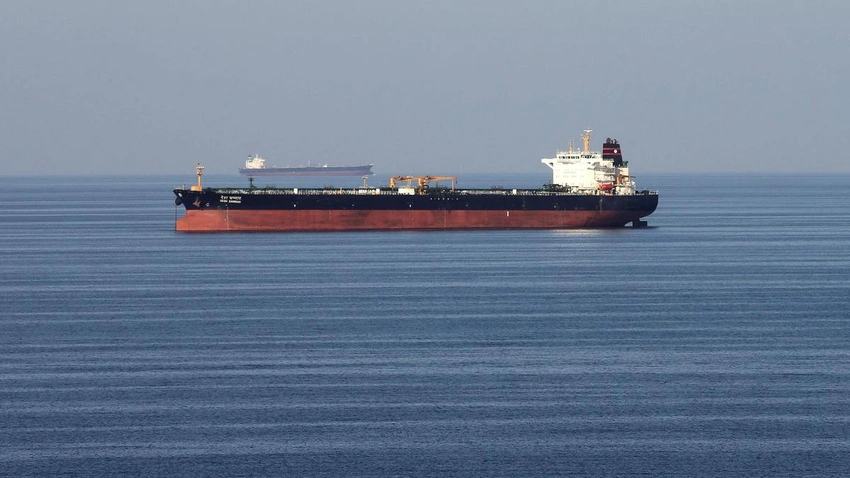
The Strait of Hormuz is back in the spotlight as the United States and Israel conduct strikes on Iran, raising the specter that Tehran could take steps to disrupt traffic through the vital waterway. Global markets watch closely as any narrowing or closure could choke off a large share of the world’s crude shipments.
The strait sits at the entrance to the Persian Gulf, linking the Persian Gulf to the Indian Ocean. It stretches roughly 100 miles in length and narrows to about 21 miles at its tightest point, with two-way navigation lanes that are crucial for energy flows. In recent days, Iranian authorities have signaled that passage could be restricted, a move that traders consider a potential flashpoint for price volatility.
Analysts say that even the possibility of disruption can lift crude benchmarks as traders factor in tighter supply routes and higher insurance costs for shipping. A sustained halt would push Brent and WTI higher, affecting heating, transportation, and manufacturing costs worldwide.
For India, which relies heavily on Middle Eastern oil, the risk translates into a potential crunch in supply and a squeeze on fuel subsidies and inflation. Policy makers and market watchers have long urged diversification of supply sources and strategic reserves to cushion such shocks.
Diplomatic channels and de-escalation will be key in the days ahead, as governments weigh security commitments, alliances, and the broader goal of stabilizing a region already roiled by conflict. Markets will continue to respond to headlines about strikes, retaliations, and any statements from Tehran, Washington, or regional powers.

Login to comment.
No thots yet. Be the first to share your thoughts!