Is Geopolitics the New CEO? Why Your Favorite Tech Giants are at the Mercy of Global Maps

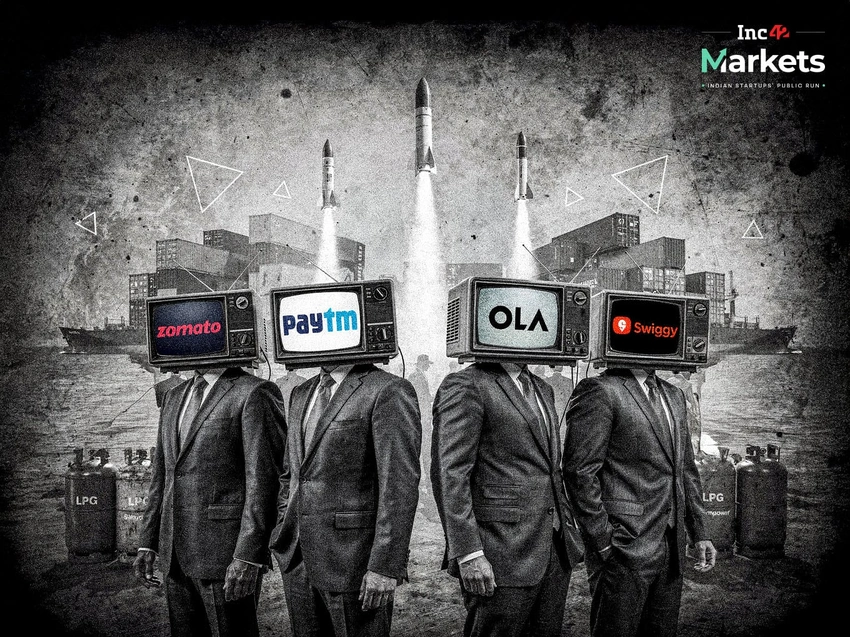
Is Geopolitics the New CEO? Why Your Favorite Tech Giants are at the Mercy of Global Maps
Innovation used to be the only thing that mattered for tech success. Now, shipping lanes and energy prices are deciding which startups survive. Are we entering an era where policy beats code?
The Silent CEO: Why Geopolitics is Disrupting the Tech Dream
For years, we believed a simple narrative. If you build a better mouse trap, or in our case, a faster delivery app or a smoother payment gateway, the world will beat a path to your door. In the startup world, innovation was king. If your code was clean and your user acquisition was high, you were a winner. But the rules have changed. Today, the success of a tech giant is being decided as much by global power plays as by its own engineering team.
The End of the Tech Bubble In the early days, most tech startups lived in a bubble of private venture capital. As long as the next funding round was coming, global oil prices or shipping lane disputes felt like distant problems for older, industrial companies. But now that dozens of Indian tech firms have gone public, they are swimming in the deep end. They are no longer insulated. When something happens in West Asia, it does not just stay there. It flows through the Strait of Hormuz, hits the energy markets, and lands right on the balance sheets of your favorite delivery or logistics apps.
The Energy Reality Check Consider the current state of global energy shipping. A huge portion of India's energy imports passes through narrow maritime corridors. When these routes face disruption or insurance costs skyrocket due to naval risks, the impact is immediate.
- Fuel Costs: Logistics and mobility platforms see their margins shrink as gas prices rise.
- Supply Chain: Quick commerce depends on a seamless flow of goods that can be halted by global delays.
- Consumer Sentiment: When domestic costs or general inflation ticks up, the first thing people cut is discretionary spending on apps.
Innovation is No Longer Enough We have to ask ourselves: Is it fair that a brilliant piece of software can be derailed by a geopolitical skirmish? Fair might not be the right word, but it is the current reality. Resilience is the new innovation. A company that cannot pivot its supply chain or hedge its energy costs is just as vulnerable as one with bad code.
The tech giants of tomorrow cannot just be software powerhouses. They must be masters of the macro environment. If you are an investor or a founder, you can no longer afford to ignore the map. The world is too small, and the markets are too connected. Your breakthrough algorithm is great, but can it survive a surge in oil prices? That is the real test now.
