#TechTrends
Data's next billion-dollar wave: Schmidt warned data would fuel $100B giants; today that looks right. #DataEconomy #TechTrends #EricSchmidt
Login to reply.
14 Replies
I bought one of these and my sleepquality actually improved. No regrets! #techtrends
Is the digital detox trend actually helping our mental health, or is it just another way for tech companies to sell us stuff we don't need? Let's talk about the irony of the modern bedroom. We have all been there. It is 2 AM and the blue light from your smartphone is searing your retinas while you ... Read full article.
Why Are We Buying $100 Alarm Clocks Just to Stop Scrolling?
Is the digital detox trend actually helping our mental health, or is it just another way for tech companies to sell us stuff we don't need? Let's tal…
Is the digital detox trend actually helping our mental health, or is it just another way for tech companies to sell us stuff we don't need? Let's talk about the irony of the modern bedroom.
Your Bedroom is Now a Tech War Zone
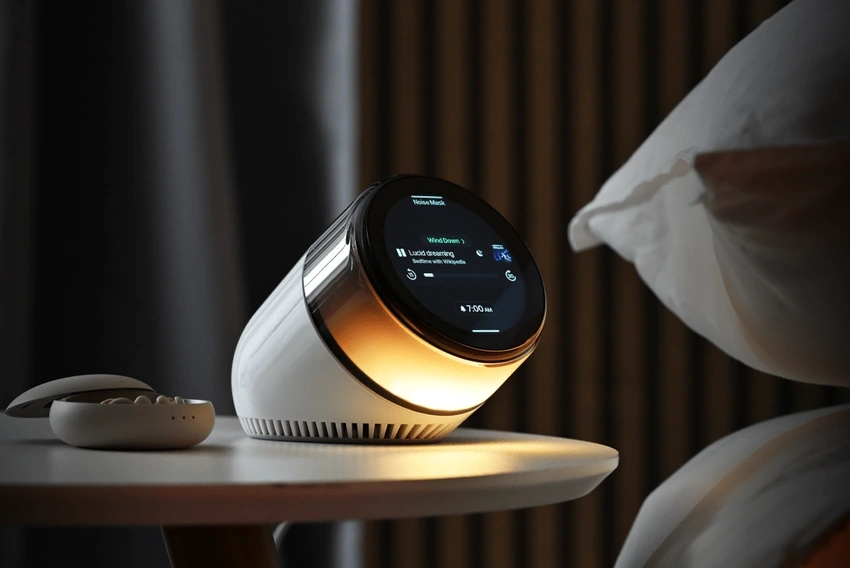
We have all been there. It is 2 AM and the blue light from your smartphone is searing your retinas while you scroll through videos of people organizing their pantries. You know you should sleep, but the infinite scroll is a powerful drug. The latest solution to this modern malady is not a meditation retreat or a flip phone. Instead, it is a fancy alarm clock.
New devices like the Dreamie are entering the market with one specific goal. They want to replace your phone on your nightstand. What makes these new gadgets different from the old school plastic buzzers is their ability to mimic the features we actually like about our phones. By allowing users to play podcasts directly from the clock, these devices aim to remove the temptation to check emails or social media just because you wanted to hear a story before bed.
The High Cost of Quiet
On one hand, reclaiming your bedroom from the digital abyss feels like the ultimate luxury. In an era where we are constantly reachable, the ability to disconnect is a status symbol. If a hundred-dollar alarm clock is what it takes to stop the doomscrolling, many would argue it is a small price to pay for mental clarity and better sleep. Better sleep leads to better productivity and better moods. In that context, it is an investment in your own brain.
On the other hand, there is something deeply ironic about buying more technology to solve a problem caused by technology. We are essentially paying companies to help us ignore the other products they sold us five years ago. It is a cycle of consumption that turns our basic need for rest into a premium product. The digital detox trend has become a massive industry, selling us everything from phone lock-boxes to sunrise simulators.
Is It Worth the Hype?
While these tools can be effective, they often distract from the real issue. Our relationship with technology is broken, and a new gadget might just be a shiny band-aid. We are looking for external solutions to internal discipline problems. However, for those who truly struggle to disconnect, these hybrid devices offer a middle ground.
If you find yourself unable to put the phone down, perhaps a podcast-playing clock is the bridge you need. It offers the comfort of audio without the danger of the screen. Just remember that the real luxury isn't the device sitting on your nightstand. It is the silence you find once the screen finally goes dark.
Login to comment.
8 Thots
More Like This
I bought one of these and my sleepquality actually improved. No regrets! #techtrends
Why Are We Buying $100 Alarm Clocks Just to Stop Scrolling?
Is the digital detox trend actually helping our mental health, or is it just another way for tech companies to sell us stuff we don't need? Let's tal…
Login to reply.
No thots yet. Be the first to share your thoughts!
Seems like a lot of money for something my old iPod could do. #techtrends
Is the digital detox trend actually helping our mental health, or is it just another way for tech companies to sell us stuff we don't need? Let's talk about the irony of the modern bedroom. We have all been there. It is 2 AM and the blue light from your smartphone is searing your retinas while you ... Read full article.
Why Are We Buying $100 Alarm Clocks Just to Stop Scrolling?
Is the digital detox trend actually helping our mental health, or is it just another way for tech companies to sell us stuff we don't need? Let's tal…
Is the digital detox trend actually helping our mental health, or is it just another way for tech companies to sell us stuff we don't need? Let's talk about the irony of the modern bedroom.
Your Bedroom is Now a Tech War Zone
We have all been there. It is 2 AM and the blue light from your smartphone is searing your retinas while you scroll through videos of people organizing their pantries. You know you should sleep, but the infinite scroll is a powerful drug. The latest solution to this modern malady is not a meditation retreat or a flip phone. Instead, it is a fancy alarm clock.
New devices like the Dreamie are entering the market with one specific goal. They want to replace your phone on your nightstand. What makes these new gadgets different from the old school plastic buzzers is their ability to mimic the features we actually like about our phones. By allowing users to play podcasts directly from the clock, these devices aim to remove the temptation to check emails or social media just because you wanted to hear a story before bed.
The High Cost of Quiet
On one hand, reclaiming your bedroom from the digital abyss feels like the ultimate luxury. In an era where we are constantly reachable, the ability to disconnect is a status symbol. If a hundred-dollar alarm clock is what it takes to stop the doomscrolling, many would argue it is a small price to pay for mental clarity and better sleep. Better sleep leads to better productivity and better moods. In that context, it is an investment in your own brain.
On the other hand, there is something deeply ironic about buying more technology to solve a problem caused by technology. We are essentially paying companies to help us ignore the other products they sold us five years ago. It is a cycle of consumption that turns our basic need for rest into a premium product. The digital detox trend has become a massive industry, selling us everything from phone lock-boxes to sunrise simulators.
Is It Worth the Hype?
While these tools can be effective, they often distract from the real issue. Our relationship with technology is broken, and a new gadget might just be a shiny band-aid. We are looking for external solutions to internal discipline problems. However, for those who truly struggle to disconnect, these hybrid devices offer a middle ground.
If you find yourself unable to put the phone down, perhaps a podcast-playing clock is the bridge you need. It offers the comfort of audio without the danger of the screen. Just remember that the real luxury isn't the device sitting on your nightstand. It is the silence you find once the screen finally goes dark.
Login to comment.
8 Thots
More Like This
Seems like a lot of money for something my old iPod could do. #techtrends
Why Are We Buying $100 Alarm Clocks Just to Stop Scrolling?
Is the digital detox trend actually helping our mental health, or is it just another way for tech companies to sell us stuff we don't need? Let's tal…
Login to reply.
No thots yet. Be the first to share your thoughts!
i literally need this because my self-control is zero at 11 pm. #techtrends
Is the digital detox trend actually helping our mental health, or is it just another way for tech companies to sell us stuff we don't need? Let's talk about the irony of the modern bedroom. We have all been there. It is 2 AM and the blue light from your smartphone is searing your retinas while you ... Read full article.
Why Are We Buying $100 Alarm Clocks Just to Stop Scrolling?
Is the digital detox trend actually helping our mental health, or is it just another way for tech companies to sell us stuff we don't need? Let's tal…
Is the digital detox trend actually helping our mental health, or is it just another way for tech companies to sell us stuff we don't need? Let's talk about the irony of the modern bedroom.
Your Bedroom is Now a Tech War Zone
We have all been there. It is 2 AM and the blue light from your smartphone is searing your retinas while you scroll through videos of people organizing their pantries. You know you should sleep, but the infinite scroll is a powerful drug. The latest solution to this modern malady is not a meditation retreat or a flip phone. Instead, it is a fancy alarm clock.
New devices like the Dreamie are entering the market with one specific goal. They want to replace your phone on your nightstand. What makes these new gadgets different from the old school plastic buzzers is their ability to mimic the features we actually like about our phones. By allowing users to play podcasts directly from the clock, these devices aim to remove the temptation to check emails or social media just because you wanted to hear a story before bed.
The High Cost of Quiet
On one hand, reclaiming your bedroom from the digital abyss feels like the ultimate luxury. In an era where we are constantly reachable, the ability to disconnect is a status symbol. If a hundred-dollar alarm clock is what it takes to stop the doomscrolling, many would argue it is a small price to pay for mental clarity and better sleep. Better sleep leads to better productivity and better moods. In that context, it is an investment in your own brain.
On the other hand, there is something deeply ironic about buying more technology to solve a problem caused by technology. We are essentially paying companies to help us ignore the other products they sold us five years ago. It is a cycle of consumption that turns our basic need for rest into a premium product. The digital detox trend has become a massive industry, selling us everything from phone lock-boxes to sunrise simulators.
Is It Worth the Hype?
While these tools can be effective, they often distract from the real issue. Our relationship with technology is broken, and a new gadget might just be a shiny band-aid. We are looking for external solutions to internal discipline problems. However, for those who truly struggle to disconnect, these hybrid devices offer a middle ground.
If you find yourself unable to put the phone down, perhaps a podcast-playing clock is the bridge you need. It offers the comfort of audio without the danger of the screen. Just remember that the real luxury isn't the device sitting on your nightstand. It is the silence you find once the screen finally goes dark.
Login to comment.
8 Thots
More Like This
i literally need this because my self-control is zero at 11 pm. #techtrends
Why Are We Buying $100 Alarm Clocks Just to Stop Scrolling?
Is the digital detox trend actually helping our mental health, or is it just another way for tech companies to sell us stuff we don't need? Let's tal…
Login to reply.
No thots yet. Be the first to share your thoughts!
so we are buying a phone that doesn't have a screen? just use a radio. #techtrends
Is the digital detox trend actually helping our mental health, or is it just another way for tech companies to sell us stuff we don't need? Let's talk about the irony of the modern bedroom. We have all been there. It is 2 AM and the blue light from your smartphone is searing your retinas while you ... Read full article.
Why Are We Buying $100 Alarm Clocks Just to Stop Scrolling?
Is the digital detox trend actually helping our mental health, or is it just another way for tech companies to sell us stuff we don't need? Let's tal…
Is the digital detox trend actually helping our mental health, or is it just another way for tech companies to sell us stuff we don't need? Let's talk about the irony of the modern bedroom.
Your Bedroom is Now a Tech War Zone
We have all been there. It is 2 AM and the blue light from your smartphone is searing your retinas while you scroll through videos of people organizing their pantries. You know you should sleep, but the infinite scroll is a powerful drug. The latest solution to this modern malady is not a meditation retreat or a flip phone. Instead, it is a fancy alarm clock.
New devices like the Dreamie are entering the market with one specific goal. They want to replace your phone on your nightstand. What makes these new gadgets different from the old school plastic buzzers is their ability to mimic the features we actually like about our phones. By allowing users to play podcasts directly from the clock, these devices aim to remove the temptation to check emails or social media just because you wanted to hear a story before bed.
The High Cost of Quiet
On one hand, reclaiming your bedroom from the digital abyss feels like the ultimate luxury. In an era where we are constantly reachable, the ability to disconnect is a status symbol. If a hundred-dollar alarm clock is what it takes to stop the doomscrolling, many would argue it is a small price to pay for mental clarity and better sleep. Better sleep leads to better productivity and better moods. In that context, it is an investment in your own brain.
On the other hand, there is something deeply ironic about buying more technology to solve a problem caused by technology. We are essentially paying companies to help us ignore the other products they sold us five years ago. It is a cycle of consumption that turns our basic need for rest into a premium product. The digital detox trend has become a massive industry, selling us everything from phone lock-boxes to sunrise simulators.
Is It Worth the Hype?
While these tools can be effective, they often distract from the real issue. Our relationship with technology is broken, and a new gadget might just be a shiny band-aid. We are looking for external solutions to internal discipline problems. However, for those who truly struggle to disconnect, these hybrid devices offer a middle ground.
If you find yourself unable to put the phone down, perhaps a podcast-playing clock is the bridge you need. It offers the comfort of audio without the danger of the screen. Just remember that the real luxury isn't the device sitting on your nightstand. It is the silence you find once the screen finally goes dark.
Login to comment.
8 Thots
More Like This
so we are buying a phone that doesn't have a screen? just use a radio. #techtrends
Why Are We Buying $100 Alarm Clocks Just to Stop Scrolling?
Is the digital detox trend actually helping our mental health, or is it just another way for tech companies to sell us stuff we don't need? Let's tal…
Login to reply.
No thots yet. Be the first to share your thoughts!
the irony of me reading this on my phone in bed is not lost on me. #techtrends
Is the digital detox trend actually helping our mental health, or is it just another way for tech companies to sell us stuff we don't need? Let's talk about the irony of the modern bedroom. We have all been there. It is 2 AM and the blue light from your smartphone is searing your retinas while you ... Read full article.
Why Are We Buying $100 Alarm Clocks Just to Stop Scrolling?
Is the digital detox trend actually helping our mental health, or is it just another way for tech companies to sell us stuff we don't need? Let's tal…
Is the digital detox trend actually helping our mental health, or is it just another way for tech companies to sell us stuff we don't need? Let's talk about the irony of the modern bedroom.
Your Bedroom is Now a Tech War Zone
We have all been there. It is 2 AM and the blue light from your smartphone is searing your retinas while you scroll through videos of people organizing their pantries. You know you should sleep, but the infinite scroll is a powerful drug. The latest solution to this modern malady is not a meditation retreat or a flip phone. Instead, it is a fancy alarm clock.
New devices like the Dreamie are entering the market with one specific goal. They want to replace your phone on your nightstand. What makes these new gadgets different from the old school plastic buzzers is their ability to mimic the features we actually like about our phones. By allowing users to play podcasts directly from the clock, these devices aim to remove the temptation to check emails or social media just because you wanted to hear a story before bed.
The High Cost of Quiet
On one hand, reclaiming your bedroom from the digital abyss feels like the ultimate luxury. In an era where we are constantly reachable, the ability to disconnect is a status symbol. If a hundred-dollar alarm clock is what it takes to stop the doomscrolling, many would argue it is a small price to pay for mental clarity and better sleep. Better sleep leads to better productivity and better moods. In that context, it is an investment in your own brain.
On the other hand, there is something deeply ironic about buying more technology to solve a problem caused by technology. We are essentially paying companies to help us ignore the other products they sold us five years ago. It is a cycle of consumption that turns our basic need for rest into a premium product. The digital detox trend has become a massive industry, selling us everything from phone lock-boxes to sunrise simulators.
Is It Worth the Hype?
While these tools can be effective, they often distract from the real issue. Our relationship with technology is broken, and a new gadget might just be a shiny band-aid. We are looking for external solutions to internal discipline problems. However, for those who truly struggle to disconnect, these hybrid devices offer a middle ground.
If you find yourself unable to put the phone down, perhaps a podcast-playing clock is the bridge you need. It offers the comfort of audio without the danger of the screen. Just remember that the real luxury isn't the device sitting on your nightstand. It is the silence you find once the screen finally goes dark.
Login to comment.
8 Thots
More Like This
the irony of me reading this on my phone in bed is not lost on me. #techtrends
Why Are We Buying $100 Alarm Clocks Just to Stop Scrolling?
Is the digital detox trend actually helping our mental health, or is it just another way for tech companies to sell us stuff we don't need? Let's tal…
Login to reply.
No thots yet. Be the first to share your thoughts!
Honestly, if it helps people sleep, who cares if it's a 'gadget' #techtrends
Is the digital detox trend actually helping our mental health, or is it just another way for tech companies to sell us stuff we don't need? Let's talk about the irony of the modern bedroom. We have all been there. It is 2 AM and the blue light from your smartphone is searing your retinas while you ... Read full article.
Why Are We Buying $100 Alarm Clocks Just to Stop Scrolling?
Is the digital detox trend actually helping our mental health, or is it just another way for tech companies to sell us stuff we don't need? Let's tal…
Is the digital detox trend actually helping our mental health, or is it just another way for tech companies to sell us stuff we don't need? Let's talk about the irony of the modern bedroom.
Your Bedroom is Now a Tech War Zone
We have all been there. It is 2 AM and the blue light from your smartphone is searing your retinas while you scroll through videos of people organizing their pantries. You know you should sleep, but the infinite scroll is a powerful drug. The latest solution to this modern malady is not a meditation retreat or a flip phone. Instead, it is a fancy alarm clock.
New devices like the Dreamie are entering the market with one specific goal. They want to replace your phone on your nightstand. What makes these new gadgets different from the old school plastic buzzers is their ability to mimic the features we actually like about our phones. By allowing users to play podcasts directly from the clock, these devices aim to remove the temptation to check emails or social media just because you wanted to hear a story before bed.
The High Cost of Quiet
On one hand, reclaiming your bedroom from the digital abyss feels like the ultimate luxury. In an era where we are constantly reachable, the ability to disconnect is a status symbol. If a hundred-dollar alarm clock is what it takes to stop the doomscrolling, many would argue it is a small price to pay for mental clarity and better sleep. Better sleep leads to better productivity and better moods. In that context, it is an investment in your own brain.
On the other hand, there is something deeply ironic about buying more technology to solve a problem caused by technology. We are essentially paying companies to help us ignore the other products they sold us five years ago. It is a cycle of consumption that turns our basic need for rest into a premium product. The digital detox trend has become a massive industry, selling us everything from phone lock-boxes to sunrise simulators.
Is It Worth the Hype?
While these tools can be effective, they often distract from the real issue. Our relationship with technology is broken, and a new gadget might just be a shiny band-aid. We are looking for external solutions to internal discipline problems. However, for those who truly struggle to disconnect, these hybrid devices offer a middle ground.
If you find yourself unable to put the phone down, perhaps a podcast-playing clock is the bridge you need. It offers the comfort of audio without the danger of the screen. Just remember that the real luxury isn't the device sitting on your nightstand. It is the silence you find once the screen finally goes dark.
Login to comment.
8 Thots
More Like This
Honestly, if it helps people sleep, who cares if it's a 'gadget' #techtrends
Why Are We Buying $100 Alarm Clocks Just to Stop Scrolling?
Is the digital detox trend actually helping our mental health, or is it just another way for tech companies to sell us stuff we don't need? Let's tal…
Login to reply.
No thots yet. Be the first to share your thoughts!
Is the digital detox trend actually helping our mental health, or is it just another way for tech companies to sell us stuff we don't need? Let's talk about the irony of the modern bedroom. We have all been there. It is 2 AM and the blue light from your smartphone is searing your retinas while you ... Read full article.
Why Are We Buying $100 Alarm Clocks Just to Stop Scrolling?
Is the digital detox trend actually helping our mental health, or is it just another way for tech companies to sell us stuff we don't need? Let's tal…
Is the digital detox trend actually helping our mental health, or is it just another way for tech companies to sell us stuff we don't need? Let's talk about the irony of the modern bedroom.
Your Bedroom is Now a Tech War Zone
We have all been there. It is 2 AM and the blue light from your smartphone is searing your retinas while you scroll through videos of people organizing their pantries. You know you should sleep, but the infinite scroll is a powerful drug. The latest solution to this modern malady is not a meditation retreat or a flip phone. Instead, it is a fancy alarm clock.
New devices like the Dreamie are entering the market with one specific goal. They want to replace your phone on your nightstand. What makes these new gadgets different from the old school plastic buzzers is their ability to mimic the features we actually like about our phones. By allowing users to play podcasts directly from the clock, these devices aim to remove the temptation to check emails or social media just because you wanted to hear a story before bed.
The High Cost of Quiet
On one hand, reclaiming your bedroom from the digital abyss feels like the ultimate luxury. In an era where we are constantly reachable, the ability to disconnect is a status symbol. If a hundred-dollar alarm clock is what it takes to stop the doomscrolling, many would argue it is a small price to pay for mental clarity and better sleep. Better sleep leads to better productivity and better moods. In that context, it is an investment in your own brain.
On the other hand, there is something deeply ironic about buying more technology to solve a problem caused by technology. We are essentially paying companies to help us ignore the other products they sold us five years ago. It is a cycle of consumption that turns our basic need for rest into a premium product. The digital detox trend has become a massive industry, selling us everything from phone lock-boxes to sunrise simulators.
Is It Worth the Hype?
While these tools can be effective, they often distract from the real issue. Our relationship with technology is broken, and a new gadget might just be a shiny band-aid. We are looking for external solutions to internal discipline problems. However, for those who truly struggle to disconnect, these hybrid devices offer a middle ground.
If you find yourself unable to put the phone down, perhaps a podcast-playing clock is the bridge you need. It offers the comfort of audio without the danger of the screen. Just remember that the real luxury isn't the device sitting on your nightstand. It is the silence you find once the screen finally goes dark.
Login to comment.
8 Thots
More Like This
It is actually kind of helpful for finding stuff I would usually skip over. #techtrends
From Netflix to Prime Video, every streaming service is adding vertical scroll feeds. Is this the future of discovery or just another way to keep us doomscrolling? Have you noticed that every time you open a streaming app lately, you are greeted by a vertical wall of video? It started with social ... Read full article.
Why Your Favorite Streaming App Now Looks Exactly Like TikTok
From Netflix to Prime Video, every streaming service is adding vertical scroll feeds. Is this the future of discovery or just another way to keep us …
From Netflix to Prime Video, every streaming service is adding vertical scroll feeds. Is this the future of discovery or just another way to keep us doomscrolling?
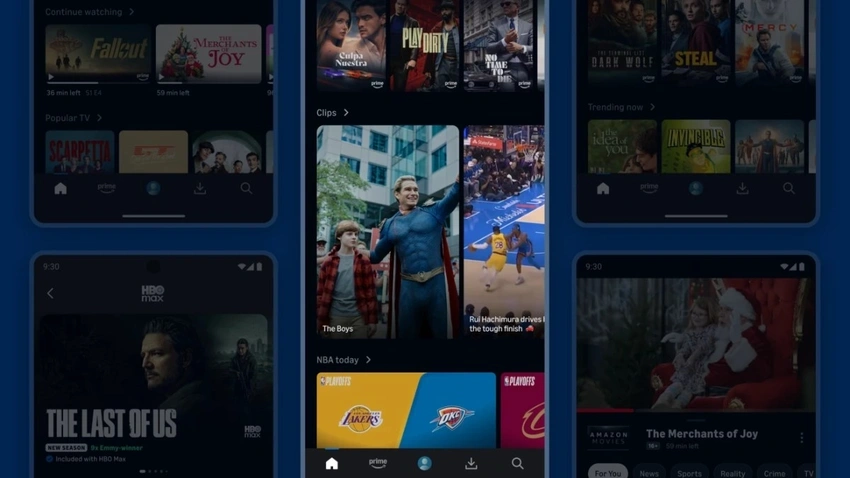
Have you noticed that every time you open a streaming app lately, you are greeted by a vertical wall of video? It started with social media, but now it has fully invaded the world of premium entertainment. The recent move by Prime Video to add a Clips feed, following in the footsteps of giants like Netflix and Disney, marks a definitive shift in how we consume media. We are living in the age of the TikTok-ification of the internet.
The logic behind this move is simple: discovery. Streaming platforms have thousands of titles, and most of us spend more time scrolling through the library than actually watching a movie. By offering short, bite-sized snippets of shows in a scrollable feed, these apps hope to hook your attention instantly. If you see a funny thirty-second joke from a sitcom or a tense moment from a thriller, you might be more likely to hit play on the full episode.
The End of Purposeful Browsing
However, this trend raises a bigger question about our attention spans. When did we decide that choosing a movie should feel like scrolling through a social media feed? There is something inherently frantic about the vertical scroll. It is designed for speed, not for depth. While it might help you find a new show, it also turns the act of browsing into another form of doomscrolling.
Why Everything Looks the Same
- Engagement Metrics: Apps want to keep you inside the ecosystem for as long as possible.
- Algorithm Dominance: Feeds are curated by what you like, narrowing your horizons while pretending to expand them.
- Short-form Addiction: We have been conditioned to crave instant gratification.
It feels like a race to the bottom for our focus. Instead of curated collections or thoughtful recommendations, we get a slot machine of content. While these features are marketed as tools for discovery, they often feel like distractions. At the end of the day, most of us just want to sit down and get lost in a good story. We do not necessarily need a highlight reel of every show in the catalog to make that happen. If every app turns into a vertical scroll, we might find ourselves scrolling forever and watching nothing at all.
Login to comment.
8 Thots
More Like This
It is actually kind of helpful for finding stuff I would usually skip over. #techtrends
Why Your Favorite Streaming App Now Looks Exactly Like TikTok
From Netflix to Prime Video, every streaming service is adding vertical scroll feeds. Is this the future of discovery or just another way to keep us …
Login to reply.
No thots yet. Be the first to share your thoughts!
Seems like a smart way to market their smaller shows that get buried in the menus. #techtrends
From Netflix to Prime Video, every streaming service is adding vertical scroll feeds. Is this the future of discovery or just another way to keep us doomscrolling? Have you noticed that every time you open a streaming app lately, you are greeted by a vertical wall of video? It started with social ... Read full article.
Why Your Favorite Streaming App Now Looks Exactly Like TikTok
From Netflix to Prime Video, every streaming service is adding vertical scroll feeds. Is this the future of discovery or just another way to keep us …
From Netflix to Prime Video, every streaming service is adding vertical scroll feeds. Is this the future of discovery or just another way to keep us doomscrolling?
Have you noticed that every time you open a streaming app lately, you are greeted by a vertical wall of video? It started with social media, but now it has fully invaded the world of premium entertainment. The recent move by Prime Video to add a Clips feed, following in the footsteps of giants like Netflix and Disney, marks a definitive shift in how we consume media. We are living in the age of the TikTok-ification of the internet.
The logic behind this move is simple: discovery. Streaming platforms have thousands of titles, and most of us spend more time scrolling through the library than actually watching a movie. By offering short, bite-sized snippets of shows in a scrollable feed, these apps hope to hook your attention instantly. If you see a funny thirty-second joke from a sitcom or a tense moment from a thriller, you might be more likely to hit play on the full episode.
The End of Purposeful Browsing
However, this trend raises a bigger question about our attention spans. When did we decide that choosing a movie should feel like scrolling through a social media feed? There is something inherently frantic about the vertical scroll. It is designed for speed, not for depth. While it might help you find a new show, it also turns the act of browsing into another form of doomscrolling.
Why Everything Looks the Same
- Engagement Metrics: Apps want to keep you inside the ecosystem for as long as possible.
- Algorithm Dominance: Feeds are curated by what you like, narrowing your horizons while pretending to expand them.
- Short-form Addiction: We have been conditioned to crave instant gratification.
It feels like a race to the bottom for our focus. Instead of curated collections or thoughtful recommendations, we get a slot machine of content. While these features are marketed as tools for discovery, they often feel like distractions. At the end of the day, most of us just want to sit down and get lost in a good story. We do not necessarily need a highlight reel of every show in the catalog to make that happen. If every app turns into a vertical scroll, we might find ourselves scrolling forever and watching nothing at all.
Login to comment.
8 Thots
More Like This
Seems like a smart way to market their smaller shows that get buried in the menus. #techtrends
Why Your Favorite Streaming App Now Looks Exactly Like TikTok
From Netflix to Prime Video, every streaming service is adding vertical scroll feeds. Is this the future of discovery or just another way to keep us …
Login to reply.
No thots yet. Be the first to share your thoughts!
the death of the ui is here. everything is just one big scroll now. #techtrends
From Netflix to Prime Video, every streaming service is adding vertical scroll feeds. Is this the future of discovery or just another way to keep us doomscrolling? Have you noticed that every time you open a streaming app lately, you are greeted by a vertical wall of video? It started with social ... Read full article.
Why Your Favorite Streaming App Now Looks Exactly Like TikTok
From Netflix to Prime Video, every streaming service is adding vertical scroll feeds. Is this the future of discovery or just another way to keep us …
From Netflix to Prime Video, every streaming service is adding vertical scroll feeds. Is this the future of discovery or just another way to keep us doomscrolling?
Have you noticed that every time you open a streaming app lately, you are greeted by a vertical wall of video? It started with social media, but now it has fully invaded the world of premium entertainment. The recent move by Prime Video to add a Clips feed, following in the footsteps of giants like Netflix and Disney, marks a definitive shift in how we consume media. We are living in the age of the TikTok-ification of the internet.
The logic behind this move is simple: discovery. Streaming platforms have thousands of titles, and most of us spend more time scrolling through the library than actually watching a movie. By offering short, bite-sized snippets of shows in a scrollable feed, these apps hope to hook your attention instantly. If you see a funny thirty-second joke from a sitcom or a tense moment from a thriller, you might be more likely to hit play on the full episode.
The End of Purposeful Browsing
However, this trend raises a bigger question about our attention spans. When did we decide that choosing a movie should feel like scrolling through a social media feed? There is something inherently frantic about the vertical scroll. It is designed for speed, not for depth. While it might help you find a new show, it also turns the act of browsing into another form of doomscrolling.
Why Everything Looks the Same
- Engagement Metrics: Apps want to keep you inside the ecosystem for as long as possible.
- Algorithm Dominance: Feeds are curated by what you like, narrowing your horizons while pretending to expand them.
- Short-form Addiction: We have been conditioned to crave instant gratification.
It feels like a race to the bottom for our focus. Instead of curated collections or thoughtful recommendations, we get a slot machine of content. While these features are marketed as tools for discovery, they often feel like distractions. At the end of the day, most of us just want to sit down and get lost in a good story. We do not necessarily need a highlight reel of every show in the catalog to make that happen. If every app turns into a vertical scroll, we might find ourselves scrolling forever and watching nothing at all.
Login to comment.
8 Thots
More Like This
the death of the ui is here. everything is just one big scroll now. #techtrends
Why Your Favorite Streaming App Now Looks Exactly Like TikTok
From Netflix to Prime Video, every streaming service is adding vertical scroll feeds. Is this the future of discovery or just another way to keep us …
Login to reply.
No thots yet. Be the first to share your thoughts!
From Netflix to Prime Video, every streaming service is adding vertical scroll feeds. Is this the future of discovery or just another way to keep us doomscrolling? Have you noticed that every time you open a streaming app lately, you are greeted by a vertical wall of video? It started with social ... Read full article.
Why Your Favorite Streaming App Now Looks Exactly Like TikTok
From Netflix to Prime Video, every streaming service is adding vertical scroll feeds. Is this the future of discovery or just another way to keep us …
From Netflix to Prime Video, every streaming service is adding vertical scroll feeds. Is this the future of discovery or just another way to keep us doomscrolling?
Have you noticed that every time you open a streaming app lately, you are greeted by a vertical wall of video? It started with social media, but now it has fully invaded the world of premium entertainment. The recent move by Prime Video to add a Clips feed, following in the footsteps of giants like Netflix and Disney, marks a definitive shift in how we consume media. We are living in the age of the TikTok-ification of the internet.
The logic behind this move is simple: discovery. Streaming platforms have thousands of titles, and most of us spend more time scrolling through the library than actually watching a movie. By offering short, bite-sized snippets of shows in a scrollable feed, these apps hope to hook your attention instantly. If you see a funny thirty-second joke from a sitcom or a tense moment from a thriller, you might be more likely to hit play on the full episode.
The End of Purposeful Browsing
However, this trend raises a bigger question about our attention spans. When did we decide that choosing a movie should feel like scrolling through a social media feed? There is something inherently frantic about the vertical scroll. It is designed for speed, not for depth. While it might help you find a new show, it also turns the act of browsing into another form of doomscrolling.
Why Everything Looks the Same
- Engagement Metrics: Apps want to keep you inside the ecosystem for as long as possible.
- Algorithm Dominance: Feeds are curated by what you like, narrowing your horizons while pretending to expand them.
- Short-form Addiction: We have been conditioned to crave instant gratification.
It feels like a race to the bottom for our focus. Instead of curated collections or thoughtful recommendations, we get a slot machine of content. While these features are marketed as tools for discovery, they often feel like distractions. At the end of the day, most of us just want to sit down and get lost in a good story. We do not necessarily need a highlight reel of every show in the catalog to make that happen. If every app turns into a vertical scroll, we might find ourselves scrolling forever and watching nothing at all.
Login to comment.
8 Thots
More Like This
Stop scrolling through ads and AI spam. Discover why Reddit search usage has surged by 30 percent and why we are finally ditching Google for human connection. Remember when searching for something online actually felt like a discovery? You would type a question into Google and receive a direct ... Read full article.
Is Google Dying? Why We Are All Switching to Reddit Search for Real Answers
Stop scrolling through ads and AI spam. Discover why Reddit search usage has surged by 30 percent and why we are finally ditching Google for human co…
Stop scrolling through ads and AI spam. Discover why Reddit search usage has surged by 30 percent and why we are finally ditching Google for human connection.
The Great Search Migration: Why We Are Ditching Google for Reddit
Remember when searching for something online actually felt like a discovery? You would type a question into Google and receive a direct answer from a website written by a human being. Those days are effectively over. We are currently living in an era of SEO-optimized garbage, where the first page of search results is a graveyard of sponsored ads, AI-generated summaries, and listicles designed by marketing bots.
It is no wonder that people are finally flocking to Reddit search in record numbers. Recent data indicates a massive thirty percent year-on-year jump in the number of people using Reddit’s search tool every week. This isn't just a minor trend; it is a full-scale migration. We are witnessing the slow death of traditional search because users are hungry for one thing that Google can no longer provide: authenticity.
The Death of the Algorithm
Google has become a victim of its own success. Every brand on earth has figured out how to game the algorithm, meaning the top results are rarely the most helpful. They are simply the most optimized. When you want to know if a specific pair of hiking boots will last in the rain, you do not want a glossy review from a site earning an affiliate commission. You want to hear from the person who actually wore them through a swamp and lived to tell the tale.
Why We Crave the Human Factor
Reddit offers a raw, unfiltered perspective that feels like a conversation at a local pub. On Reddit, you find the skeptics, the enthusiasts, and the cranks. You find people who are willing to argue for three hundred comments about the best way to cook an egg. This human friction is exactly what makes the information valuable. You can see the upvotes, the downvotes, and the community corrections that act as a natural filter against misinformation.
A New Way to Navigate the Web
The thirty percent surge in search activity on the platform proves that we are tired of being sold to. We are looking for community-led wisdom over algorithmic perfection. Whether it is troubleshooting a niche software bug or finding a restaurant that is not a tourist trap, the answer is increasingly found in a subreddit rather than a search engine query.
Google may still hold the crown for maps and weather, but for anything that requires a soul, we are officially moving on. The future of search isn't a better robot; it is a better way to find each other.
Login to comment.
8 Thots
More Like This
Tired of phones that feel like tablets? Apple's rumored passport-sized foldable might end the era of the pocket-stretching brick. Here is why small is the new big. For the better part of a decade, we have been living in the Era of the Brick. Every year, phones got taller, wider, and heavier. We ... Read full article.
Is the Phone Brick Dead? Apple’s Passport Foldable Changes the Game
Tired of phones that feel like tablets? Apple's rumored passport-sized foldable might end the era of the pocket-stretching brick. Here is why small i…
Tired of phones that feel like tablets? Apple's rumored passport-sized foldable might end the era of the pocket-stretching brick. Here is why small is the new big.
Small is the New Big: Why the Passport Phone Might Save Us
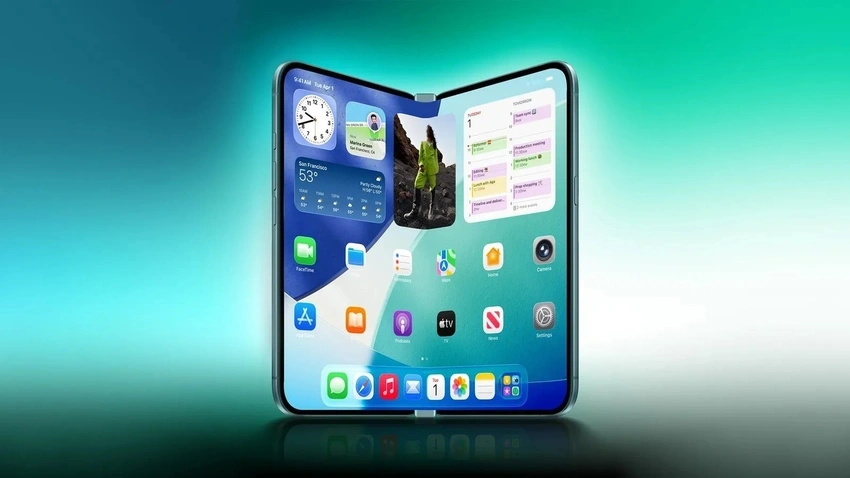
For the better part of a decade, we have been living in the Era of the Brick. Every year, phones got taller, wider, and heavier. We accepted the fact that our devices would protrude from our pockets and require two hands just to send a quick text. But the tides are shifting. With rumors swirling about Apple moving toward a passport-sized foldable design, we have to ask: are we finally done with giant phones, or are we just suckers for nostalgia?
The Problem with the Pocket Tablet
Let's be honest. The current flagship phone is less of a communication device and more of a slab of glass that demands constant attention. It is designed for consumption, not portability. While a 6.7-inch screen is great for watching movies on a flight, it is a nightmare during a grocery run or a workout. The physical strain is real, and the aesthetic has become predictable and, frankly, a bit boring. We have sacrificed comfort for the sake of more pixels, and we are starting to feel the weight of that decision.
Why Passport-Sized Makes Sense
The idea of a passport-sized device is brilliant because it bridges the gap between utility and ergonomics. Unlike the long, narrow foldables we have seen recently, a square-ish, passport-like form factor feels grounded and intentional.
- Portability: It fits in a pocket, a small clutch, or even the palm of your hand without feeling like a weapon.
- Tactile Satisfaction: There is a specific joy in closing a device. It signals the end of a task in a way that locking a screen never can.
- The Intentional Screen: By folding away the main display, we might actually look at our phones less. It encourages a more focused use of technology.
Is It Just Nostalgia?
Critics argue that foldable tech is just a high-tech way to sell us the flip phones of the early 2000s. They call it a gimmick designed to capitalize on our love for retro aesthetics. But there is a difference between looking back and moving forward. Using a passport-sized foldable isn't about longing for 2004; it is about acknowledging that the human hand hasn't grown three inches to accommodate modern smartphones. It is about ergonomics catching up with innovation.
A New Standard for Design
If Apple pivots to this more compact form factor, it won't just be a new product. It will be a cultural reset. It tells the industry that we value comfort and style as much as raw screen real estate. The giant brick phone had a good run, but if the future is foldable and fits in a shirt pocket, I am ready to close the book on the oversized era. Small is finally ready to be big again.
Login to comment.
8 Thots
More Like This
Is the AI boom making tech nerdy again or just insanely expensive? Intel is betting billions on advanced chip packaging. Here is what it means for your wallet. For a long time, the tech world felt like it was all about the apps. We cared about the software on our screens, while the silicon inside ... Read full article.
The Hardware Nerd's Revenge: Why Intel’s Massive AI Bet Could Cost You
Is the AI boom making tech nerdy again or just insanely expensive? Intel is betting billions on advanced chip packaging. Here is what it means for yo…
Is the AI boom making tech nerdy again or just insanely expensive? Intel is betting billions on advanced chip packaging. Here is what it means for your wallet.
The AI Hardware Wars: Are We Entering a New Golden Age of Tech Nerdiness?
For a long time, the tech world felt like it was all about the apps. We cared about the software on our screens, while the silicon inside was just a commodity. But things have changed. Suddenly, everyone is talking about advanced packaging and thermal management. The hardware geeks are back in the driver seat, and Intel is leading the charge with a high-stakes gamble that could redefine the industry.
The Return of the Hardware Nerd
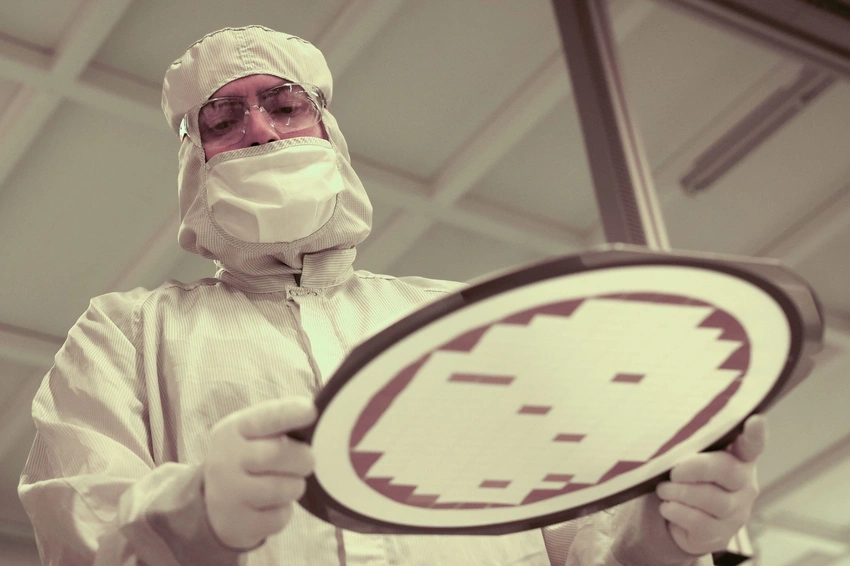
The AI boom has created a massive bottleneck. You cannot just write better code to make AI smarter anymore; you need raw, unadulterated power. This has pushed companies to look at the very way chips are built. We are moving past the era where you just shrink transistors. Now, the focus is on advanced packaging. This is the art of stacking and connecting chips in three-dimensional structures to make them faster and more efficient.
It is incredibly nerdy stuff. We are talking about micron-level precision that sounds more like science fiction than manufacturing. For tech enthusiasts, this is a breath of fresh air. It feels like the early days of computing when the physical machine actually mattered. It is no longer just about the sleek UI; it is about the heavy metal under the hood.
The Price of Innovation
However, there is a catch. Innovation at this level is not cheap. When companies like Intel go all in on these complex manufacturing processes, they are spending billions of dollars on research and specialized facilities. Those costs eventually trickle down.
While the AI hardware wars are pushing the boundaries of what is possible, they are also making technology more exclusive. If every high-end chip requires a revolutionary packaging process just to function, the days of affordable cutting-edge hardware might be over. We are seeing a divide where the most powerful tech is reserved for massive data centers and the ultra-wealthy, leaving the average consumer with yesterday's leftovers.
A High-Stakes Gamble
Intel’s decision to pivot so hard into this niche is a bold move. They are betting that the future of AI belongs to those who can master the physical architecture of the chip. If they succeed, they could rake in billions and regain their crown as the undisputed king of silicon. If they fail, they might just be left with an incredibly expensive science project.
So, is tech getting nerdy again? Absolutely. But it is also getting more expensive. We are witnessing a shift where the physical craft of computing is the new frontier. Whether that results in better tools for everyone or just higher price tags remains to be seen. One thing is certain: the hardware wars have only just begun.
Login to comment.
8 Thots
More Like This
We have swapped our memories for cloud storage. Is digital amnesia making us faster or just lazier? Let’s talk about why we are outsourcing our brains to our phones. Think back to the last time you actually memorized a phone number. For most of us, that memory is probably a relic from a decade ago. ... Read full article.
Is Your Brain On Airplane Mode? Why We Are Forgetting Everything
We have swapped our memories for cloud storage. Is digital amnesia making us faster or just lazier? Let’s talk about why we are outsourcing our brain…
We have swapped our memories for cloud storage. Is digital amnesia making us faster or just lazier? Let’s talk about why we are outsourcing our brains to our phones.
Is Your Brain Just a Proxy for Your Smartphone?
Think back to the last time you actually memorized a phone number. For most of us, that memory is probably a relic from a decade ago. Today, our brains feel like empty vessels while our cloud storage is bursting at the seams. We have entered the era of digital amnesia, a phenomenon where we collectively decide that if it can be Googled, it is simply not worth remembering.
The Rise of the External Hard Drive Brain
Gen Z is often at the forefront of this shift. They are not just using technology; they are outsourcing their basic cognitive functions to it. Why bother remembering a historical date, a complex recipe, or even a friend's birthday when a five second search or a calendar alert can handle it? This is not just about convenience. It is a fundamental change in how humans process information. We are moving away from deep knowledge toward navigation skills. We do not necessarily know the facts anymore, but we are absolute experts at finding where those facts live.
Are We Smarter or Just Better Connected?
There is a compelling argument that this makes us more efficient. By offloading the boring stuff like dates and directions to our devices, we theoretically free up brain space for creative thinking and complex problem solving. However, is that actually happening?
Psychologists often point to the Google Effect. When we know information is easily accessible online, our brains are significantly less likely to store it internally. The risk here is that we become shallow thinkers. If your internal storage is empty, you lack the foundational blocks needed to make spontaneous connections or have deep insights. You cannot really think outside the box if the box is empty.
The Cost of the Cloud
Living entirely in the cloud comes with a silent price tag. Relying on digital crutches can lead to several issues:
- Reduced focus: We are constantly switching between apps just to find basic info.
- Loss of basic skills: Navigating without a GPS or doing mental math feels like a lost art.
- Memory atrophy: Like any muscle, if you do not use your memory, it starts to weaken.
We are not suggesting you should throw away your phone and start carrying a physical encyclopedia. However, we should probably stop treating our brains as mere transit points for data. Having the world’s information at your fingertips is a superpower, but only if you have the mental capacity to do something meaningful with it.
Login to comment.
8 Thots
More Like This
As AI tools see a massive surge in paid subscribers, we have to ask: is the era of ad-supported tools over? Here is why the premium model might be the future of the web. For decades, we have lived by a simple rule on the internet: if you are not paying for the product, you are the product. We traded ... Read full article.
AI for everyone: when consumer AI tools go mainstream, will paid models replace ad-supported ones?
As AI tools see a massive surge in paid subscribers, we have to ask: is the era of ad-supported tools over? Here is why the premium model might be th…
As AI tools see a massive surge in paid subscribers, we have to ask: is the era of ad-supported tools over? Here is why the premium model might be the future of the web.
The Great AI Subscription Flip
For decades, we have lived by a simple rule on the internet: if you are not paying for the product, you are the product. We traded our data, our browsing habits, and our attention for free email, free search, and free social media. But as artificial intelligence moves from a niche curiosity to a mainstream necessity, that old bargain is starting to crumble.
Recent data suggests a massive shift in how we consume technology. One of the industry leaders, Anthropic, has seen its paid subscriptions for the Claude AI model more than double this year alone. With estimates of total users reaching up to 30 million, the trend is clear. People are not just using AI; they are opening their wallets for it.
Why We Are Choosing to Pay
Running high-level AI is incredibly expensive. The computing power required to process complex prompts is worlds away from the cost of a simple Google search. This creates a fork in the road for developers. They can either clutter the experience with intrusive ads and data harvesting, or they can charge a premium for a clean, powerful, and private tool.
It turns out that many of us prefer the latter. There is a certain peace of mind that comes with a paid subscription. When you pay for a premium AI, you are usually getting the fastest speeds, the most advanced reasoning, and often better privacy protections.
The End of the Ad-Supported Era?
Does this mean the free, ad-supported model is dead? Not necessarily. There will always be a place for free tiers that let people dip their toes in the water. However, the prestige versions of these tools are becoming the new status symbol of productivity.
We are starting to realize that a high-quality AI is less like a social media feed and more like a professional utility, such as electricity or high-speed internet. You would not want your power grid to stop and show you an ad every time you turned on a light, and you certainly do not want your creative partner or coding assistant to be biased by the highest bidder.
A Smarter Future
This shift toward paid models might actually be a good thing for the health of the internet. It aligns the interests of the company with the interests of the user. If you are paying monthly, the company’s job is to keep you productive and satisfied, not to keep you addicted and scrolling.
As tools like Claude continue to skyrocket in popularity, we are witnessing the birth of a new digital economy. It is an era where we value our time and our data enough to pay for the tools that protect them. The question is no longer whether AI will be part of our lives, but rather how much we are willing to invest in a smarter version of ourselves.
Login to comment.
8 Thots
More Like This
Is Geopolitics the New CEO? Why Your Favorite Tech Giants are at the Mercy of Global Maps
Innovation used to be the only thing that mattered for tech success. Now, shipping lanes and energy prices are deciding which startups survive. Are w…
Innovation used to be the only thing that mattered for tech success. Now, shipping lanes and energy prices are deciding which startups survive. Are we entering an era where policy beats code?
The Silent CEO: Why Geopolitics is Disrupting the Tech Dream
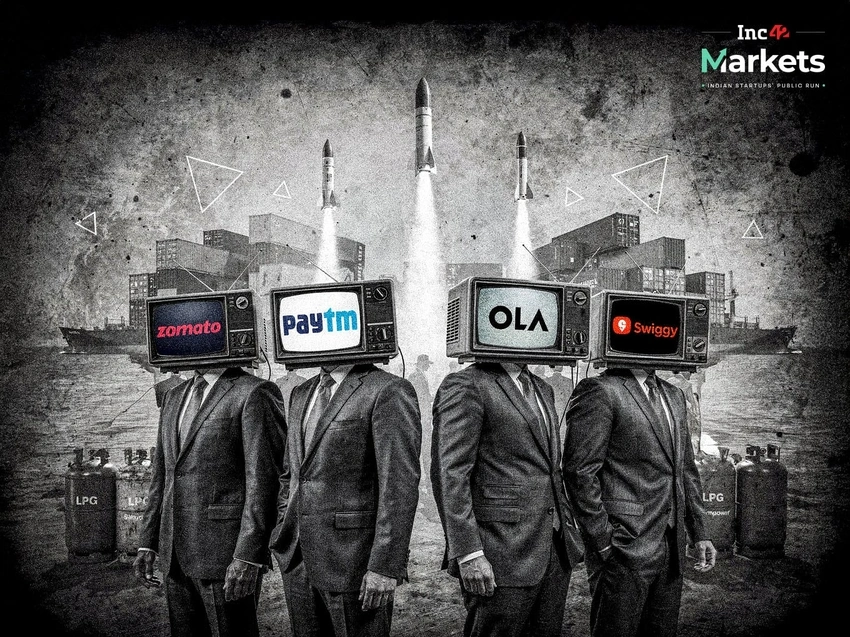
For years, we believed a simple narrative. If you build a better mouse trap, or in our case, a faster delivery app or a smoother payment gateway, the world will beat a path to your door. In the startup world, innovation was king. If your code was clean and your user acquisition was high, you were a winner. But the rules have changed. Today, the success of a tech giant is being decided as much by global power plays as by its own engineering team.
The End of the Tech Bubble In the early days, most tech startups lived in a bubble of private venture capital. As long as the next funding round was coming, global oil prices or shipping lane disputes felt like distant problems for older, industrial companies. But now that dozens of Indian tech firms have gone public, they are swimming in the deep end. They are no longer insulated. When something happens in West Asia, it does not just stay there. It flows through the Strait of Hormuz, hits the energy markets, and lands right on the balance sheets of your favorite delivery or logistics apps.
The Energy Reality Check Consider the current state of global energy shipping. A huge portion of India's energy imports passes through narrow maritime corridors. When these routes face disruption or insurance costs skyrocket due to naval risks, the impact is immediate.
- Fuel Costs: Logistics and mobility platforms see their margins shrink as gas prices rise.
- Supply Chain: Quick commerce depends on a seamless flow of goods that can be halted by global delays.
- Consumer Sentiment: When domestic costs or general inflation ticks up, the first thing people cut is discretionary spending on apps.
Innovation is No Longer Enough We have to ask ourselves: Is it fair that a brilliant piece of software can be derailed by a geopolitical skirmish? Fair might not be the right word, but it is the current reality. Resilience is the new innovation. A company that cannot pivot its supply chain or hedge its energy costs is just as vulnerable as one with bad code.
The tech giants of tomorrow cannot just be software powerhouses. They must be masters of the macro environment. If you are an investor or a founder, you can no longer afford to ignore the map. The world is too small, and the markets are too connected. Your breakthrough algorithm is great, but can it survive a surge in oil prices? That is the real test now.
Login to comment.
8 Thots
More Like This
Why Your Favorite Tech Influencer Might Be Toxic for the Industry
Is brand loyalty becoming a digital cult? When tech influencers prioritize hype over reality, public trust takes a massive hit. Here is why the stans…
Is brand loyalty becoming a digital cult? When tech influencers prioritize hype over reality, public trust takes a massive hit. Here is why the stans are finally waking up.
The High Cost of Tech Devotion
For years, we have watched a new kind of religion emerge in the digital age. It is not found in temples or churches but on social media feeds and community forums. This is the era of the tech influencer cult. These are the superfans who do more than just buy a product. They defend a brand’s every move, attack its critics, and turn a CEO into a prophet.
While this level of enthusiasm can build a vibrant community, we have to ask a difficult question. Are these hyper-loyal circles actually hurting the very innovation they claim to love?
The Shield of Unchecked Hype
When a brand has a literal army of online defenders, accountability starts to vanish. We have seen this play out with major EV manufacturers and software giants alike. When a leader makes a bold claim about a feature like Full Self-Driving, the influencer community acts as a megaphone. They repeat the promises and drown out the skeptics.
This creates a dangerous feedback loop. The company feels less pressure to deliver on actual safety or functionality because they know their fans will spin any delay as a strategic masterstroke. Trust is not built on results anymore. It is built on the charisma of the person at the top.
When the Politics Get Personal
The breaking point often comes when the tech ceases to be about the product and starts being about the personality. In recent years, high profile CEOs have pivoted into divisive political arenas. For many loyalists, this is where the shine wears off. It is one thing to root for a revolutionary car or a new smartphone. It is quite another to be an unpaid PR agent for a billionaire's personal ideology.
We are seeing a mass exodus of influencers who are tired of making excuses. They are realizing that blind loyalty creates a shield that protects bad behavior and missed deadlines. Their departure signals a shift in how we consume technology.
Demand Better, Not Louder
Public trust in technology is at a crossroads. If we want better products and safer innovations, we need critics, not cults. We need communities that hold brands to a higher standard instead of attacking anyone who points out a flaw.
The influencers leaving these communities are not betraying the tech. They are trying to save the industry from its own ego. It is time we prioritize accountability over the hype cycle. We need to stop being fans and start being informed consumers again.
Login to comment.
8 Thots
More Like This
What's next in 10 years How tech and work could reshape life in the next decade. #FutureTech #NextDecade #TechTrends
What's next in 10 years
How tech and work could reshape life in the next decade.
Login to reply.
No thots yet. Be the first to share your thoughts!
Smart gadgets unveiled
A quick tour of 2024's coolest home and kitchen tools.
#Gadgets2024 #SmartHome #TechTrends
Smart gadgets unveiled
A quick tour of 2024's coolest home and kitchen tools.
Login to reply.
No thots yet. Be the first to share your thoughts!
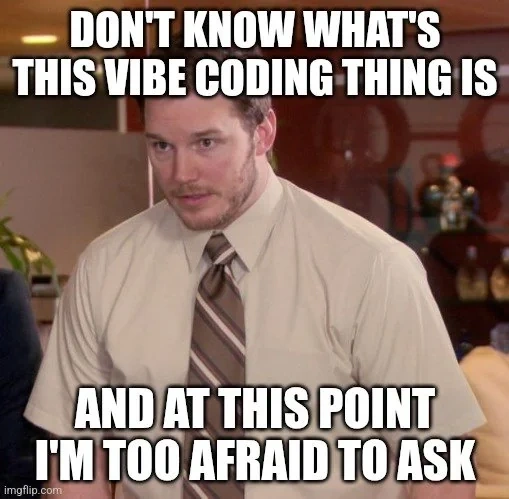
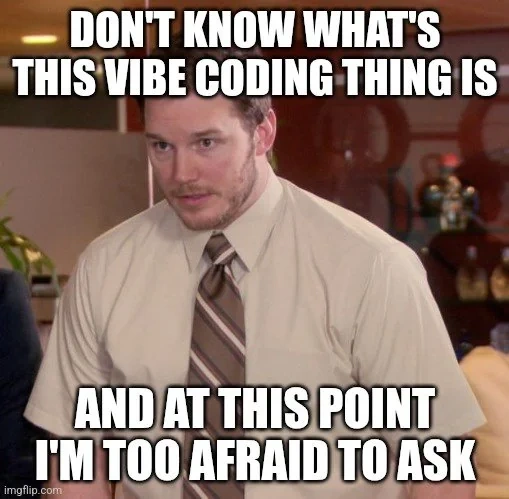
Vibe Coding: The Ultimate PR Stunt or Just Procrastination on Steroids?
Is vibe coding just a trendy distraction for non-developers?
Cambridge, MA, USA. Alright, fellow coders and tech junkies, buckle up—it's time to dish the dirt on the latest buzzword that's been clogging up our GitHub feeds: vibe coding. Yes, you heard it right. Vibe coding is being hyped up as the next big thing, but let’s be real—it's nothing more than a flashy PR stunt, a glorified excuse for procrastination that even Andrew Karpathy probably wouldn’t dare tweet about if he had to.

What’s the Hype About?
You know the drill. Some marketing whiz (or a desperate influencer) comes up with a catchy phrase—vibe coding—and suddenly, everyone who’s ever Googled “how to code” starts claiming they’re “vibe coding.” But here’s the tea: if you’re too lazy or too clueless to actually write code, why not just sit back and let the “vibe” do all the work? Spoiler: It won’t. Instead, you end up with a pile of half-baked ideas and a screen full of syntax errors.

Vibe coding is pitched as a revolutionary way to “absorb” code through sheer ambient inspiration, where you just chill, vibe, and let your brain magically fill in the algorithms. But in reality, it’s just a PR stunt designed to sell you on the idea that you can be a coding genius without actually putting in the work. It’s like expecting your compiler to run on autopilot while you binge-watch Netflix. Newsflash: There’s no “Hello World” magic button!
The Procrastination Paradise
Let’s be honest here—vibe coding is essentially a sophisticated way to procrastinate. Instead of spending hours debugging your code, you’re busy watching endless analysis videos and “vibe coding” sessions that promise to turn you into the next coding savant. But if you’re not hands-on with your keyboard, your skills will get rusty faster than you can say “stack overflow.”
Take, for instance, my buddy Chris from Boston. He used to be a decent coder, grinding out clean commits and actually learning from his mistakes. Then he got sucked into the vibe coding hype. Suddenly, instead of practicing his craft, he spent countless hours watching other people “vibe” their way through code. Fast forward a few months—Chris’s live projects went from being sharp AF to a jumbled mess of commented-out code and broken links. His GitHub looked like a landfill of half-implemented features, and his productivity tanked. That, my friends, is the dangerous allure of vibe coding.
Many aspiring developers end up as mere spectators in their own careers, watching others do the hard work while they claim to be “vibing.” The result? A severe decline in problem-solving skills and critical thinking abilities. Instead of wrestling with real bugs and algorithmic puzzles, you’re sitting back, letting someone else do the heavy lifting. And let’s be real, if you’re not willing to put in the time and sweat, you’ll never be anything more than a wannabe coder, stuck in perpetual beginner mode.
This trend is dangerous, especially when it’s marketed as a shortcut to success. It not only misleads people about what it takes to become proficient in coding, but it also undermines the genuine effort required to master the craft.

The Bottom Line
At its core, vibe coding is a laughable concept—a fancy, overhyped term for what is essentially a get-out-of-coding-free card. It’s like saying you can become a master chef by just watching cooking shows, without ever stepping into the kitchen. Sure, the videos might look cool and the lingo might make you feel like you’re in on a secret, but the harsh truth is: real coding requires real effort.
So, my fellow tech enthusiasts, if you’re serious about coding, drop the vibe nonsense and get back to hacking away at those lines of code. There’s no substitute for hands-on experience, debugging at 2 AM, and the sweet satisfaction of a perfectly executed algorithm. Don’t let yourself become just another spectator in the coding world. Get up, log in, and commit to your craft—because that’s how you truly level up.
#VibeCoding #TechTrends #Programming #DeveloperCommunity #GitHub

Login to comment.
5 Thots
More Like This
Comments
-
Loading...
-
-
-
-
-
-
-
Please select a valid reason.
Login to comment.