#StartupLife
A ₹3 crore bad day: His dad’s reaction to an impulse supercar purchase says a lot about money and stress. #MoneyMindset #StartupLife #RichVsPoor
Login to reply.
16 Replies
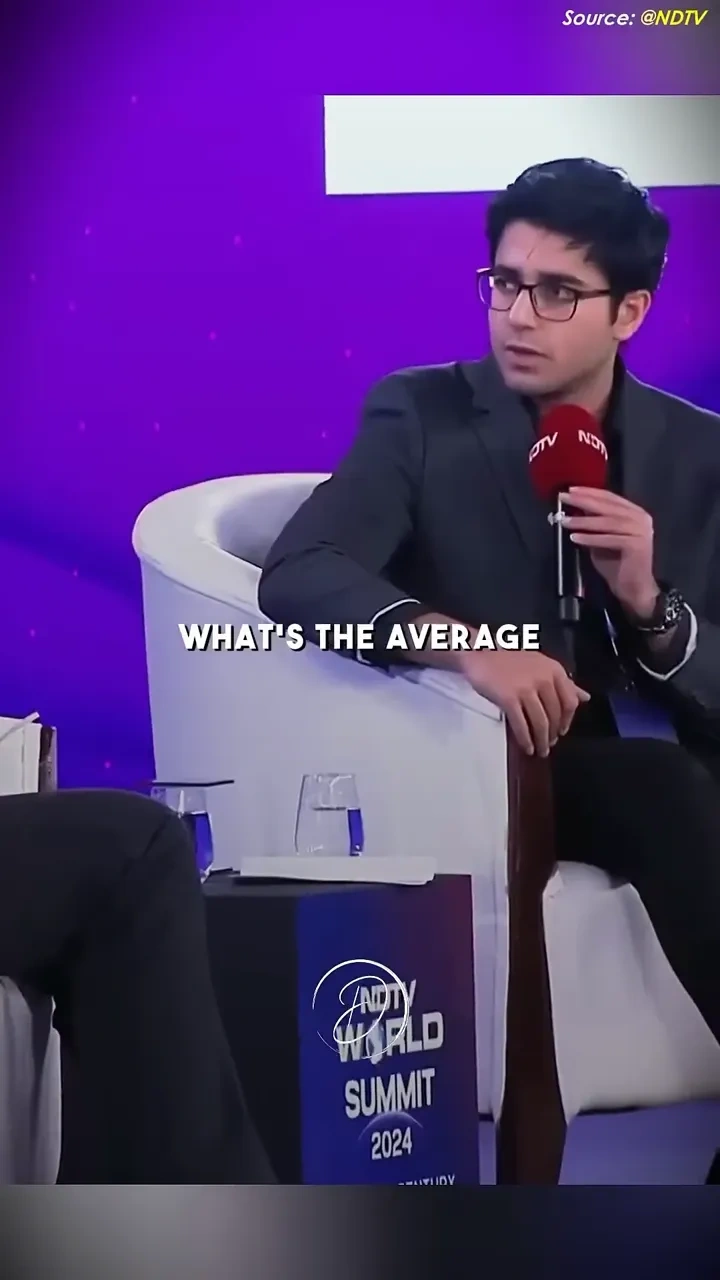
Too young to lead: 22-year-old Zepto founder explains leading a seasoned team. #YoungEntrepreneurs #Zepto #StartupLife
Too young to lead:
22-year-old Zepto founder explains leading a seasoned team.
Login to reply.
14 Replies
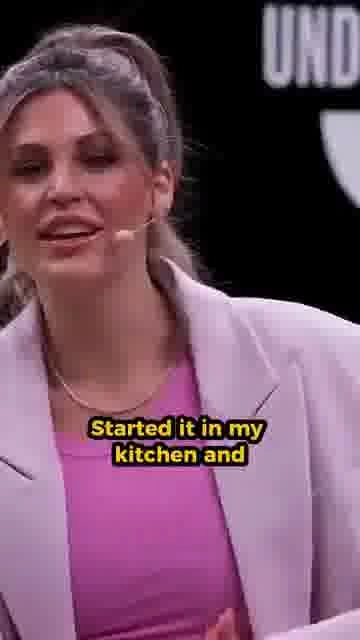
From kitchen to billion: Allison turned a kitchen mix into a $2B soda — no plan, just a real one. #Poppi #FounderStory #StartupLife
From kitchen to billion:
Allison turned a kitchen mix into a $2B soda — no plan, just a real one.
Login to reply.
16 Replies
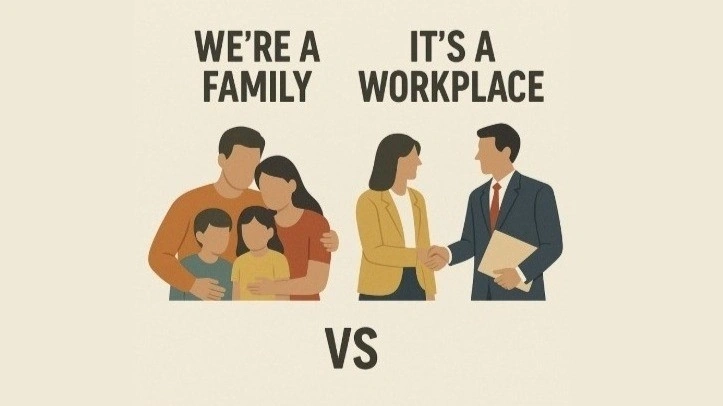
Mass layoffs are more than budget cuts. They are a wake-up call about the hollow promise of corporate loyalty. It is time to stop performing and start reflecting on our worth. I was sitting on the train last Tuesday, scrolling through the usual mix of tech news and humble-brag posts, when I saw it. ... Read full article.
Why Your Work Family Is a Lie and What Layoffs Really Reveal
Mass layoffs are more than budget cuts. They are a wake-up call about the hollow promise of corporate loyalty. It is time to stop performing and star…
Mass layoffs are more than budget cuts. They are a wake-up call about the hollow promise of corporate loyalty. It is time to stop performing and start reflecting on our worth.
I was sitting on the train last Tuesday, scrolling through the usual mix of tech news and humble-brag posts, when I saw it. Another round of layoffs. This time, it hit a company that basically invented the 'we are a family' brand.
You know the type. They have the free kombucha, the bean bags, and a mission statement that sounds more like a secular prayer than a business goal.
It made me think about the contract we all sign when we join these high-pressure environments. I am not talking about the legal papers. I am talking about the emotional contract.
We give our best years, our late nights, and our mental health to these cultures.
In exchange, we are promised stability and a sense of belonging.
But as the recent wave of exposés and mass layoffs shows, that loyalty is almost always a one-way street.
The Performance of Passion
In my journals, I often write about the fear of being seen as just a number. There is a specific kind of pressure in startups, especially for men. You are expected to be the provider, the disruptor, and the guy who never sleeps.
You have to perform passion every single day.
If you are not obsessed with the product, you are seen as a liability.
But what happens when the disruption finally disrupts your own life? We spend so much time performing for our managers that we forget it is okay to just be a person who works for a living. When the mass layoffs hit, the performance ends abruptly.
The 'family' turns out to be a spreadsheet, and your seat at the table is deleted with a single click.
Ethics and the New Workplace
We are seeing a shift in how people view their jobs.
The old corporate culture was built on the idea that if you are loyal to the company, the company will be loyal to you. That myth is dying.
Recent exposés have pulled back the curtain on how these power dynamics actually work. Behind the friendly Slack emojis, there is often a cold calculation that values growth over human dignity.
If we want to survive this new era, we need to find communities that value reflection over performance. We need to stop letting our job titles define our entire existence.
Where Do We Go From Here?
Real loyalty cannot be bought with office perks. It is built on transparency and mutual respect. Until companies start treating their employees as humans instead of overhead, we should probably stop calling them families.
I am learning to navigate this vulnerability by being honest about my fears.
I am tired of the hustle. I want a workplace where I can be a person who cares about the work, but also a person who knows when to log off and just exist.
The future of work shouldn't be about how much of ourselves we can sacrifice.
It should be about how much of our humanity we can keep.
Login to comment.
More Like This
Startup through crisis: Brian Chesky's take on building in tough times: innovate, stay lean, and keep moving. #Entrepreneurship #EconomicDownturn #StartupLife
Startup through crisis:
Brian Chesky's take on building in tough times: innovate, stay lean, and keep moving.
Login to reply.
12 Replies
18-month faith test: Seibel explains why faith fades after 18 months and how staying close to users keeps you going. #StartupLife #Resilience #UserCentric
18-month faith test:
Seibel explains why faith fades after 18 months and how staying close to users keeps you going.
Login to reply.
12 Replies
Build apps fast: A no-code tool turns ideas into apps in minutes—no engineers needed. #NoCode #AppBuilder #StartupLife
Build apps fast:
A no-code tool turns ideas into apps in minutes—no engineers needed.
Login to reply.
No thots yet. Be the first to share your thoughts!
With TechCrunch Disrupt 2026 tickets on sale, we ask: In a world of Zoom and LinkedIn, does paying hundreds for a physical event still make sense for founders? We have all seen the countdown clocks. The limited time offers. The big banners screaming that you can save nearly $500 if you buy your ... Read full article.
Is a $1,000 Tech Ticket Still Worth It? The Truth About Startup Networking
With TechCrunch Disrupt 2026 tickets on sale, we ask: In a world of Zoom and LinkedIn, does paying hundreds for a physical event still make sense for…
With TechCrunch Disrupt 2026 tickets on sale, we ask: In a world of Zoom and LinkedIn, does paying hundreds for a physical event still make sense for founders?
The High Cost of the Hallway Track
We have all seen the countdown clocks. The limited time offers. The big banners screaming that you can save nearly $500 if you buy your ticket right now for TechCrunch Disrupt 2026. But even with a massive discount, we are still talking about a significant investment for any early stage founder. When you add up the flight, the hotel, and the expensive city coffee, you are looking at a bill that could have funded a month of targeted ad spend or a freelance developer.
In 2026, we are living in a digital first reality. Most of our meaningful connections happen on Slack, Discord, or LinkedIn. We have mastered the art of the virtual pitch and the remote demo. So, why are we still flocking to massive convention centers to wear lanyards and eat overpriced sandwiches?
The Myth of Serendipity
The biggest argument for these events is the hallway track. It is the idea that you might bump into a Tier 1 VC while waiting for a latte. While that happens, it is increasingly rare. Most high-level networking is now pre-arranged via apps before the event even starts. If you are paying a premium for the chance of a random encounter, the ROI is questionable at best. You are effectively gambling on a conversation that could have started with a well-crafted cold DM.
What Are You Actually Buying?
When you buy a ticket to a major tech summit, you are not just buying access. You are buying a few specific things:
- Validation: Telling your LinkedIn network and your investors that you are in the room.
- Efficiency: The ability to see fifty potential partners in two days instead of two months of scheduling.
- Concentrated Insight: Hearing what industry leaders are actually worried about when they are off the record.
For a bootstrapped startup, that $500 savings mentioned in the early bird promos is still a lot of money leaving the bank. If you go, you need a plan. You cannot just wander the floor and hope for the best. You need to treat it like a high-intensity sprint.
Is the era of the mega-conference over? Not yet. Human connection still carries a weight that a pixelated video call cannot replicate. However, the era of attending them just for the sake of being seen certainly should be. If you cannot justify the ticket price with a specific list of people you must meet, stay home and get back to building. Your product probably needs you more than the convention center does.
Login to comment.
7 Thots
More Like This
Being a founder used to be about the craft, but now it feels like a reality show. Is the pressure of pitch competitions and VC chasing still worth the hype for Gen-Z? We have all seen the aesthetic: the minimalist desk setup, the morning matcha, and theFoundertitle proudly displayed in the LinkedIn ... Read full article.
$100K or Bust: Is the Gen-Z Founder Dream Turning Into a Career Trap?
Being a founder used to be about the craft, but now it feels like a reality show. Is the pressure of pitch competitions and VC chasing still worth th…
Being a founder used to be about the craft, but now it feels like a reality show. Is the pressure of pitch competitions and VC chasing still worth the hype for Gen-Z?
The High-Stakes Hustle: Are We Chasing Dreams or Just Prizes?
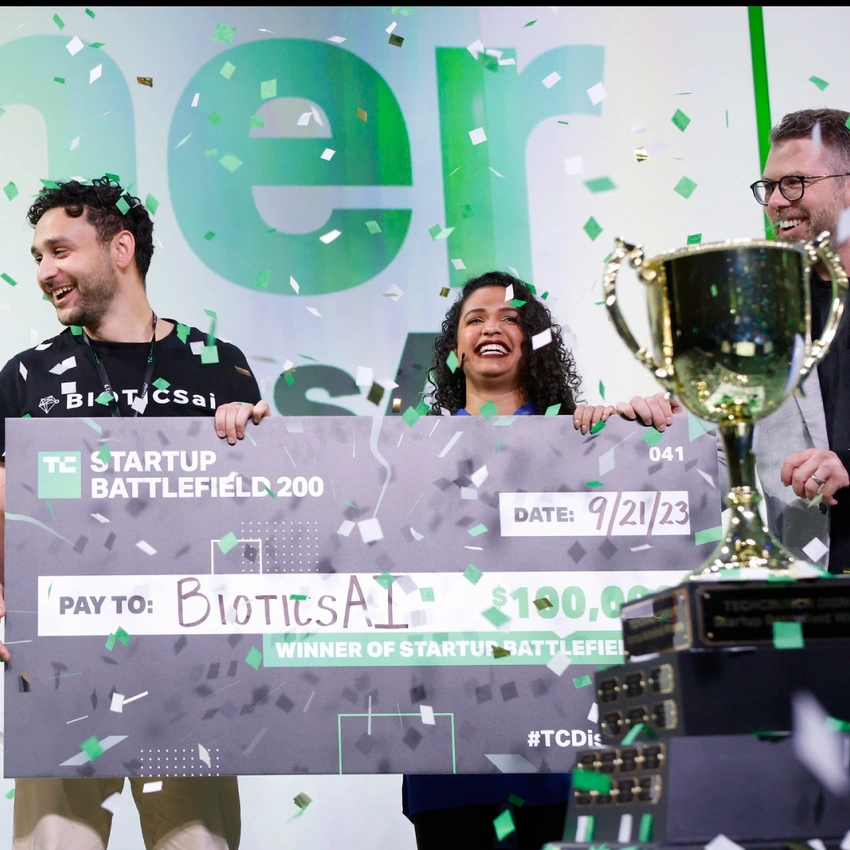
We have all seen the aesthetic: the minimalist desk setup, the morning matcha, and the Founder title proudly displayed in the LinkedIn bio. For Gen-Z, entrepreneurship is not just a career path; it is a lifestyle. But as the window opens for major competitions like the Startup Battlefield 200, where the promise of a $100,000 prize and elite VC access hangs like a carrot, we have to ask a difficult question. Is the dream still about building something meaningful, or has it become a high-stakes performance?
The Allure of the Arena
There is no denying the rush of a pitch competition. Having the chance to get TechCrunch coverage and stand in front of the world's most influential investors is the modern equivalent of winning a golden ticket. For a 22-year-old with a laptop and a vision, that $100,000 equity-free prize can mean the difference between a garage-based side hustle and a legitimate company.
However, this focus on the big win creates a specific kind of pressure. We are seeing a generation of founders who are becoming experts at pitching before they are experts at their own products. When the goal is to survive a battlefield of 200 startups just to get a meeting, the art of the slow-burn, sustainable business starts to fade.
Is the VC Dream Losing Its Shine?
We are starting to see a shift in the vibe. While the prestige of venture capital is still a massive draw, many younger founders are beginning to realize that VC money comes with strings attached. The pressure to scale at all costs can lead to burnout faster than you can say Series A.
- The Competition Fatigue: Pitching your soul out for months can be draining.
- The Comparison Trap: Seeing others win $100K on social media makes quiet progress feel like failure.
- The Pivot to Profit: Some founders are choosing bootstrapping over the frantic search for VC access.
The New Founder Era
Despite the exhaustion, the founder dream is not dying; it is just growing up. Gen-Z is starting to value authenticity over purely chasing a valuation. The applications for these major startup events are still flooding in because the resources they provide are undeniably valuable. But the savvy founder knows that a competition is a tool, not the destination.
Winning a prize or getting a headline is a great start. But if the pressure to perform for an audience outweighs the passion for the problem you are solving, it might be time to step off the battlefield and back into the workshop. The dream is still thriving, but the rules are changing. It is no longer just about who can shout the loudest on stage, but who can actually build a future that lasts.
Login to comment.
8 Thots
More Like This
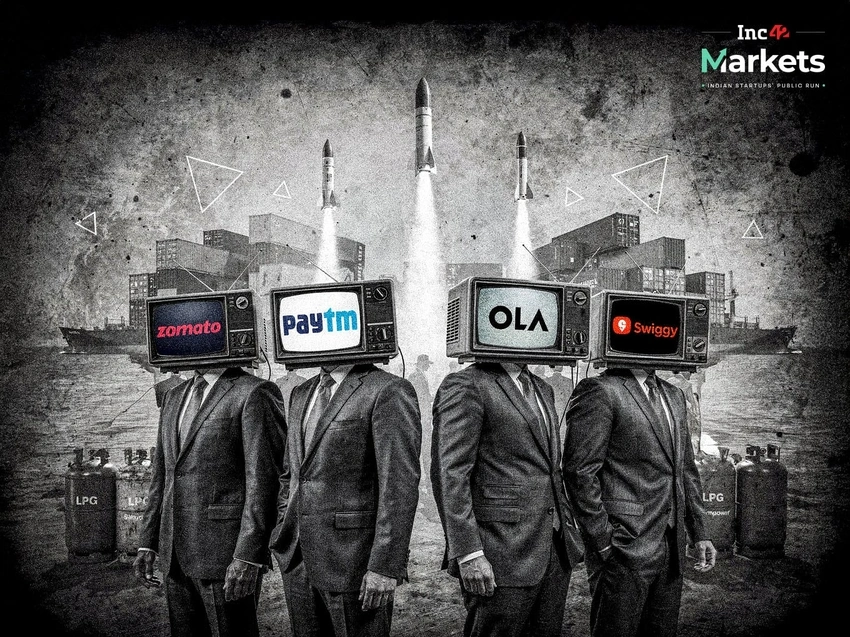
Is Geopolitics the New CEO? Why Your Favorite Tech Giants are at the Mercy of Global Maps
Innovation used to be the only thing that mattered for tech success. Now, shipping lanes and energy prices are deciding which startups survive. Are w…
Innovation used to be the only thing that mattered for tech success. Now, shipping lanes and energy prices are deciding which startups survive. Are we entering an era where policy beats code?
The Silent CEO: Why Geopolitics is Disrupting the Tech Dream
For years, we believed a simple narrative. If you build a better mouse trap, or in our case, a faster delivery app or a smoother payment gateway, the world will beat a path to your door. In the startup world, innovation was king. If your code was clean and your user acquisition was high, you were a winner. But the rules have changed. Today, the success of a tech giant is being decided as much by global power plays as by its own engineering team.
The End of the Tech Bubble In the early days, most tech startups lived in a bubble of private venture capital. As long as the next funding round was coming, global oil prices or shipping lane disputes felt like distant problems for older, industrial companies. But now that dozens of Indian tech firms have gone public, they are swimming in the deep end. They are no longer insulated. When something happens in West Asia, it does not just stay there. It flows through the Strait of Hormuz, hits the energy markets, and lands right on the balance sheets of your favorite delivery or logistics apps.
The Energy Reality Check Consider the current state of global energy shipping. A huge portion of India's energy imports passes through narrow maritime corridors. When these routes face disruption or insurance costs skyrocket due to naval risks, the impact is immediate.
- Fuel Costs: Logistics and mobility platforms see their margins shrink as gas prices rise.
- Supply Chain: Quick commerce depends on a seamless flow of goods that can be halted by global delays.
- Consumer Sentiment: When domestic costs or general inflation ticks up, the first thing people cut is discretionary spending on apps.
Innovation is No Longer Enough We have to ask ourselves: Is it fair that a brilliant piece of software can be derailed by a geopolitical skirmish? Fair might not be the right word, but it is the current reality. Resilience is the new innovation. A company that cannot pivot its supply chain or hedge its energy costs is just as vulnerable as one with bad code.
The tech giants of tomorrow cannot just be software powerhouses. They must be masters of the macro environment. If you are an investor or a founder, you can no longer afford to ignore the map. The world is too small, and the markets are too connected. Your breakthrough algorithm is great, but can it survive a surge in oil prices? That is the real test now.
Login to comment.
8 Thots
More Like This
Decision-Making is the Ultimate Skill When AI Builds Everything
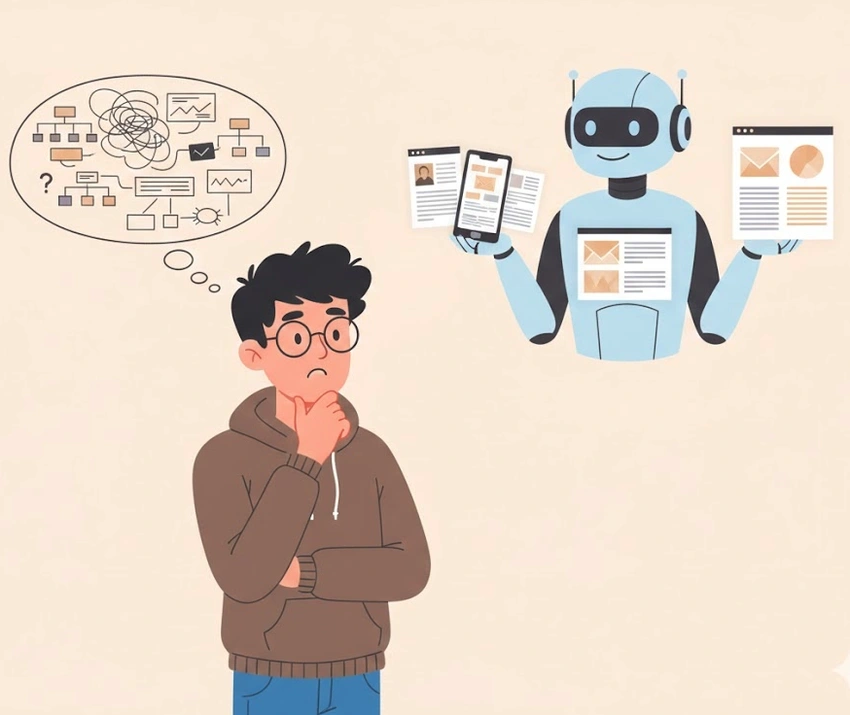
AI makes building marketing, images & apps lightning fast. But this speed forces rapid decisions, exposing weak leaders. Is your team ready?
Remember those good old days, like, last year? When you could spend three weeks agonizing over a new marketing campaign? You’d draft five versions, bounce them off your team, get feedback, sleep on it, and maybe, launch it by the end of the month.
Ah, the leisurely pace of pre-AI productivity. It felt… safe. Thorough. It felt like you were doing "due diligence."
Now? My AI assistant just drafted 10 marketing campaigns, generated the images, and wrote the social media copy in under an hour. It felt real productive, until I realized I couldn't finalize them. I needed time to think - I'm making the process slower. In the past, that would have been a five-person team thinking and rethinking for a week. Now I am required to make decisions in five minutes.
On one hand, it’s exhilarating. I’m moving at warp speed, building and iterating faster than I ever thought possible. On the other hand, it’s terrifying. Because I suddenly realized:
AI isn't just automating tasks; it's automating away my procrastination.
The Illusion of Productivity (and the Death of Delay)
Here’s the thing about doing things slowly: it gives you time to hide. Time to hide indecision, time to hide a lack of clear vision, time to hide the fact that you weren't actually sure what the right move was.
When your marketing team takes two weeks to build a campaign, you get two weeks to "think." When AI hands you five fully baked campaigns in an hour, you have to decide. Now.
This is the hidden cost (and benefit) of AI. It strips away all the padding. It removes the "buffer" that used to let us delay tough calls.
My little team of three people (including me, the teen coder) can now produce the output of a 10-person team from a few years ago. But that doesn’t mean we’re all 10x smarter. It means the bottleneck has shifted. It’s no longer about doing the work; it’s about deciding which work to do.
The New Bottleneck: Decision Velocity
I've seen it happen. Teams get AI tools, celebrate the "productivity gains," and then grind to a halt because the decision-maker (often the founder or manager) can’t keep up.
Suddenly, you’re not waiting for your graphic designer; you’re waiting for yourself to pick the best AI-generated image from 50 options. You’re not waiting for your developer; you’re waiting for yourself to choose between three perfectly good AI-built app features.
This hyper-speed environment exposes weak decision-making like never before. If you’re a leader who thrives on committee meetings, consensus building, or simply delaying tough calls, AI is going to make you look really, really bad.
Why This Is Actually Good News (Eventually)
This forcing function is exactly what we need.
In the old world, a slow decision might cost you a bit of time. In the AI era, a slow decision means you’re already irrelevant. Your competitors who are making fast, good decisions are leaving you in the dust.
The core skill of 2026 isn't just knowing how to use AI. It's knowing how to decide with AI. It’s learning to trust your gut, analyze the AI’s output critically, and move forward with conviction.
For me, building my next big startup before I hit 20 means I can’t afford to dither. I have to be a decision-making machine. I have to embrace the discomfort of making a call quickly, knowing that if it's wrong, AI will also let me iterate and fix it quickly.
So, if you’re a leader, don't just ask your team "How can AI make us more productive?" Ask "How can AI force us to make better, faster decisions?"
Because the future isn’t just about working smarter with AI. It’s about leading faster in a world where AI has removed all your hiding places.
Perhaps the real danger will start when we simply offload our decisions to AI too.
#AILeadership #DecisionMaking #FutureOfWork #StartupLife #DhruvNair
Login to comment.
3 Thots
More Like This
Comments
-
Loading...
-
-
-
-
-
-
-
Please select a valid reason.
Login to comment.