Khamenei’s Death Elevates Mojtaba as Iran’s New Supreme Leader

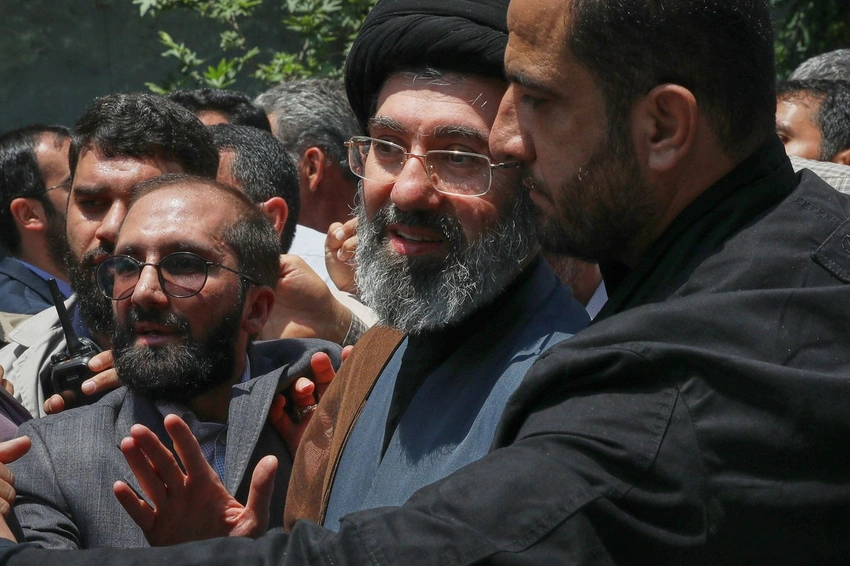
Khamenei’s Death Elevates Mojtaba as Iran’s New Supreme Leader
Mojtaba Khamenei, 56, set to lead Iran after his father’s death, amid reports of IRGC influence and a controversial will.
Tehran is bracing as reports confirm Mojtaba Khamenei, 56, will become Iran’s new supreme leader following the death of Ayatollah Ali Khamenei. The elder Khamenei, who steered the Islamic Republic for 37 years, was killed in a US-Israeli strike on his personal compound on Saturday, triggering a period of upheaval across the Gulf. The Assembly of Experts, a body of 88 clerics, announced the decision to appoint a successor after pressure from the Islamic Revolutionary Guard Corps, signaling a continuity of the regime’s hardline approach while navigating internal power dynamics.
Mojtaba Khamenei has kept a notably low public profile in recent years. The son of the late leader is known for a background in Islamic theology and the military, and he currently teaches advanced theology at a religious seminary in Qom. He is described as a hardline conservative cleric, and his ascent marks a rare moment of direct succession within the system. His wife, Zahra Adel, and the elder Khamenei’s wife Mansoureh Khojasteh Bagherzadeh were reportedly among those killed in the attacks that reshaped Iranian leadership expectations.
Observers say the appointment is as much about symbolism as it is about policy. The new leader’s limited public presence has fed a sense of mystery around how he will steer Iran’s domestic and foreign agenda. One analytical frame emphasizes that the move is a deliberate statement of defiance by the regime as it faces regional tensions and external pressures. The legacy of hereditary leadership remains controversial within Shia jurisprudence, and the leadership transition has intensified scrutiny of Iran’s future direction.
The late leader had famously indicated in his will that he did not want his son to succeed him, a detail now set aside by the Assembly of Experts under perceived IRGC influence. This juxtaposition underscores the broader struggle over who controls the Islamic Republic’s strategic choices in the Gulf and beyond. In Tehran and across the region, policymakers and analysts will be watching closely for any shifts in Gulf diplomacy, nuclear talks, or security postures. The regime’s supporters frame the move as continuity; critics warn of entrenched hardline policies.
As the new era begins, observers caution that real change will depend on how Mojtaba Khamenei asserts authority within the minimally institutional landscape of Iran’s political theology and security apparatus. The coming weeks are expected to reveal how the regime balances internal loyalties with the external pressures reshaping the Middle East.

Login to comment.
No thots yet. Be the first to share your thoughts!