Julia Holter’s Materia: When an Album Stays Unfinished

Julia Holter’s Materia: When an Album Stays Unfinished
Julia Holter’s Materia: When an Album Stays Unfinished
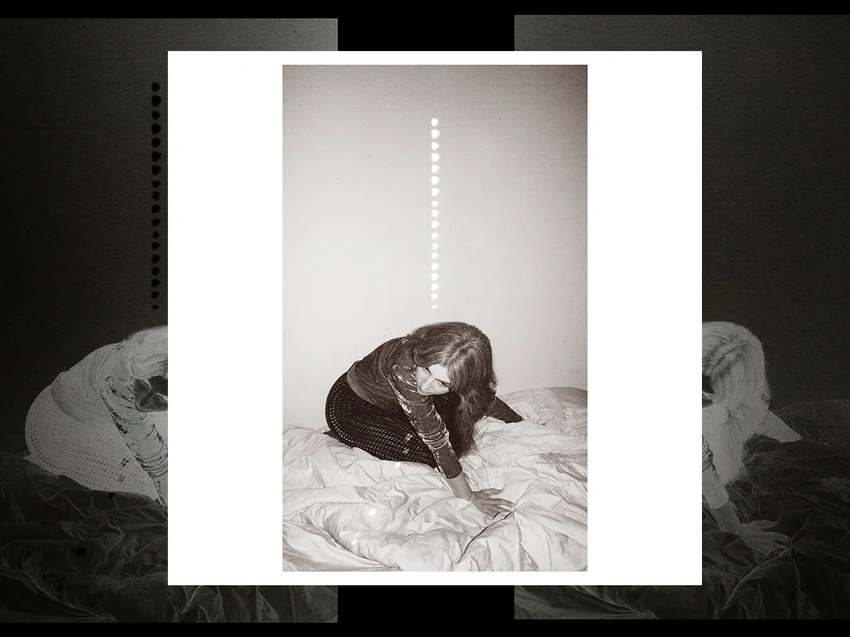
Julia Holter’s new album Materia revisits the centrepiece of Something in the Room She Moves, turning repetition and revision into a richly evolving seven-track work.
Julia Holter’s Materia arrives with an unusual relationship to time. Released through Domino on 21 August 2026, the album grows out of material first encountered on her 2024 record Something in the Room She Moves. Rather than treating that earlier work as a closed chapter, Holter returns to its centrepiece, “Materia”, and builds an entire seven-track world around the possibilities of repetition, revision and transformation.
There is something almost literary about this approach. A text is rarely exhausted by its first reading, and a song need not be exhausted by its first recording. Materia seems interested in what happens when an artist refuses the idea that a finished work must remain fixed. Holter approaches the song as something closer to a living form, capable of accumulating meanings through alteration.
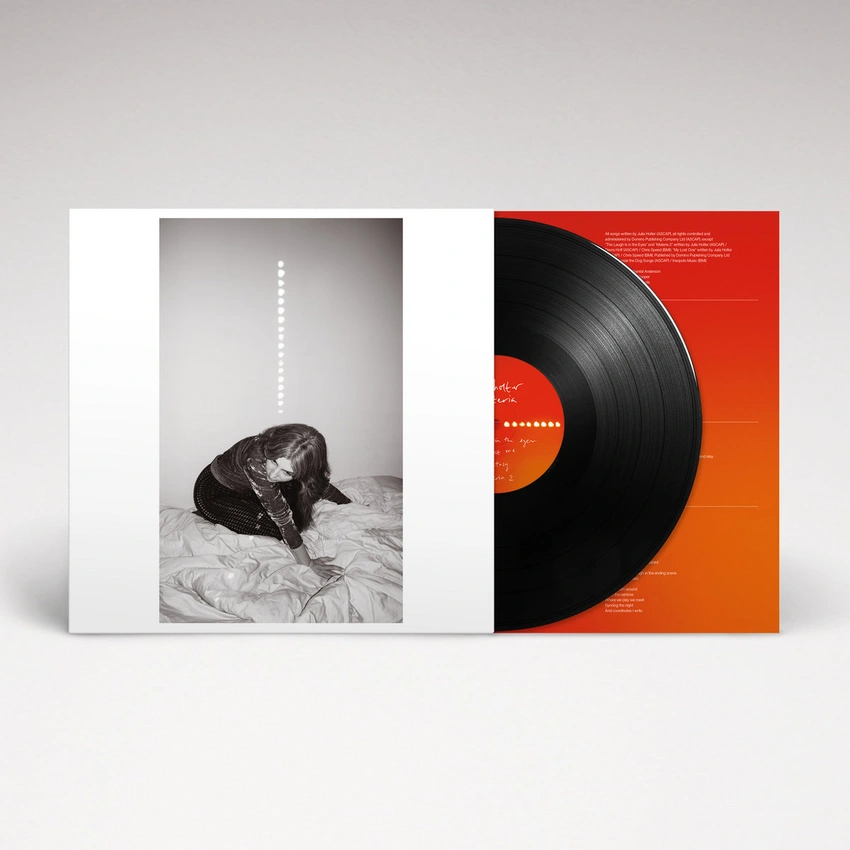
That makes the album particularly fascinating in an age where music is increasingly consumed through isolated tracks, snippets and algorithmic circulation. Materia asks us to slow down and consider the recording itself as an object with a history.
Returning to “Materia”
The original “Materia” becomes the conceptual centre of the record, but Holter does not simply reproduce it. Materia 2 transforms the song through a collaboration with experimental vocalist Jessika Kenney, while Devra Hoff’s fretless bass gives the piece an unsettled, almost bodily quality. Materia 3, meanwhile, appears after nearly a minute of silence at the end of “My Twin”, functioning almost like a secret discovered rather than a track presented directly.
The effect is strangely intimate. Silence becomes part of the composition, while repetition becomes a form of difference. The three versions of “Materia” do not necessarily compete with one another for the status of the definitive version. Instead, they coexist.
This is where the album's title becomes particularly suggestive. Materia evokes material, substance and matter. Holter seems to treat sound in precisely this way. Music is something that can be handled, reshaped and returned to. A song can have a physical life beyond the moment of its recording.

Sounding Like Memory
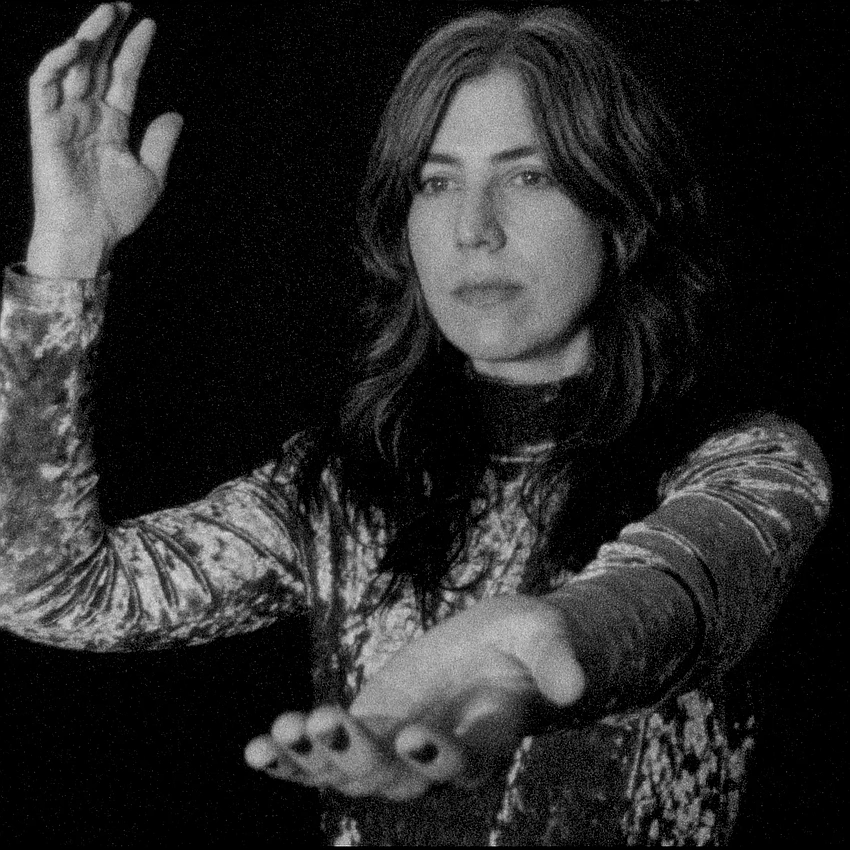
One of the most striking descriptions of Holter’s vocal presence on the record concerns its distance. Her voice seems aged, not literally through age but through its remoteness, as though it has travelled towards us from somewhere beyond immediate reach.
That quality matters because Materia often feels less concerned with conventional musical immediacy than with memory. Holter’s music has always had an ability to make the familiar feel slightly displaced, and here that displacement becomes part of the album’s structure. Voices, silence and instrumentation seem to exist at different temporal distances.
There is something almost bodily about listening to it. The music does not merely occupy the background of experience. It alters the sense of duration itself. A pause becomes perceptible. A voice becomes an object in space. Repetition changes what we thought we had already heard.
The Beauty of the Unfinished
The five tracks surrounding the different versions of “Materia” are important because they prevent the album from becoming a conceptual exercise alone. Fantasy and My Lost One, in particular, emerge as substantial pieces in their own right rather than leftover material from another project.
This gives Materia its emotional weight. Holter is not simply interested in demonstrating that songs can be altered. She is interested in the creative possibilities that emerge when permanence is abandoned.
The album therefore sits somewhere between composition and archive. It preserves a particular musical idea while simultaneously refusing to preserve it unchanged. That tension gives the record its peculiar atmosphere.
A Different Idea of Completion
Pop music often depends upon the fantasy of the definitive version. The mastered recording becomes the final form, the thing that listeners return to and recognise. Materia quietly unsettles that assumption.
Holter's great achievement here is that revision does not feel like correction. It feels like continuation. The same musical idea can return with a different voice, texture or temporal position and still remain recognisably itself.
In that sense, Materia is an album about artistic memory as much as music. It asks what happens when we allow our favourite songs to change with us. There is no single final version waiting at the end. There are only further ways of listening.
#JuliaHolter #Materia #NewMusic #ExperimentalMusic #AlbumReview

Login to comment.
No thots yet. Be the first to share your thoughts!