
Dominic Fike’s How to Quit Smoking: The Difficulty of Outgrowing Yourself


Dominic Fike’s How to Quit Smoking: The Difficulty of Outgrowing Yourself
Dominic Fike’s How to Quit Smoking: The Difficulty of Outgrowing Yourself
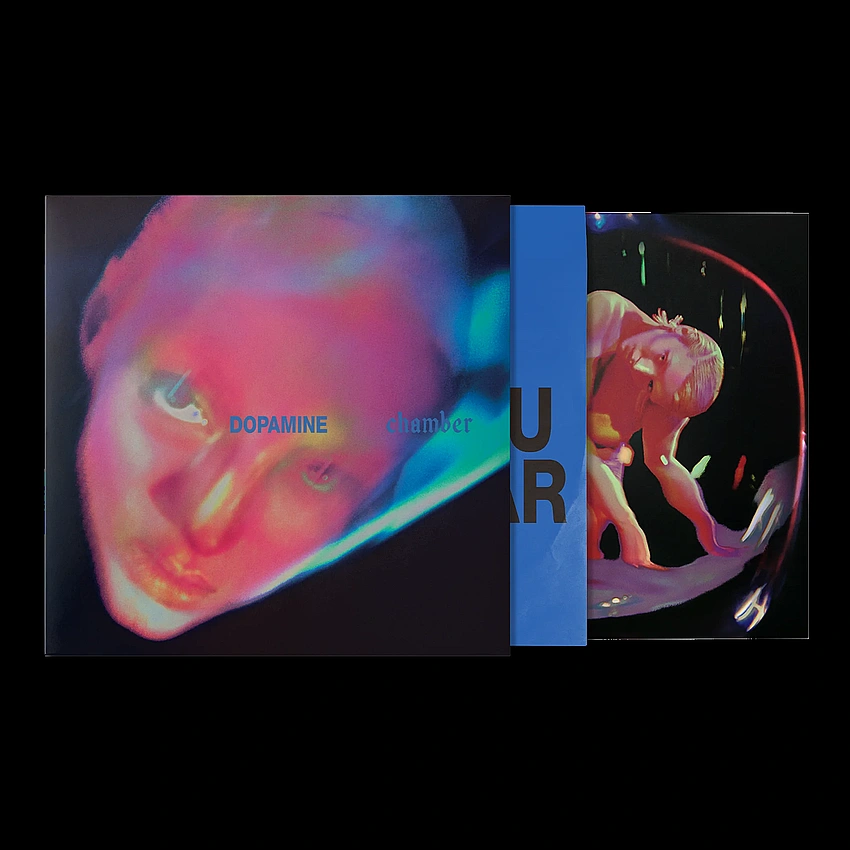
On his third album, Dominic Fike examines dependency, domestic life and growing older, weighing the habits that shaped him against the person he hopes to become.
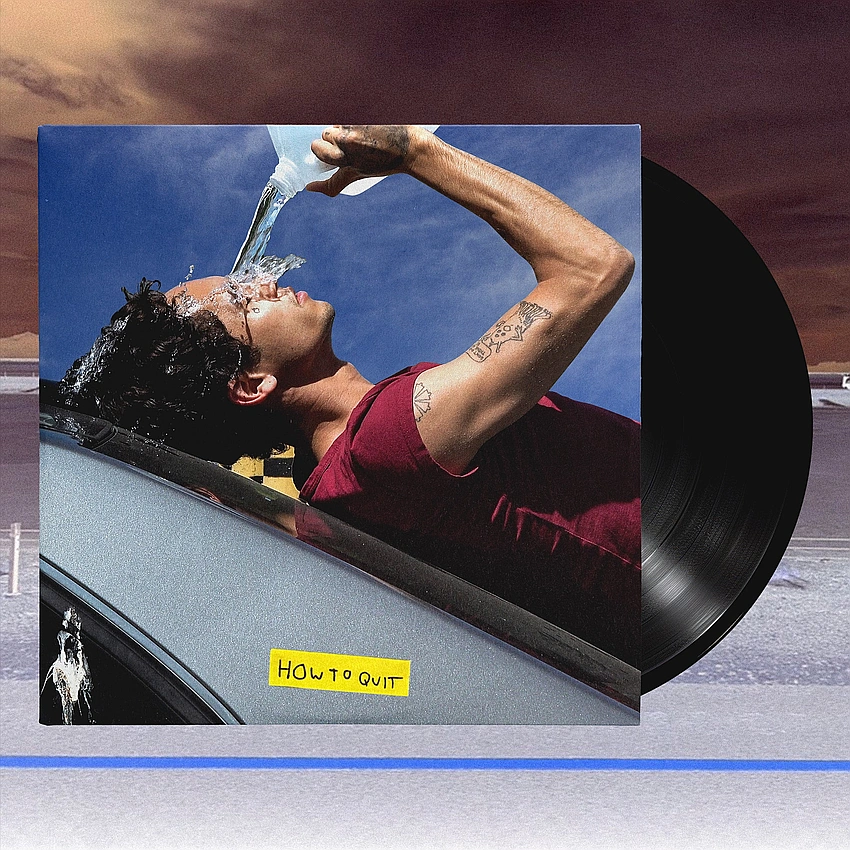
Dominic Fike’s How to Quit Smoking opens up a familiar contradiction: wanting to become a different person while remaining attached to the things that have made you who you are. Across his third album, Fike turns his attention towards dependency, domesticity, substance use and the uncomfortable process of growing older. The title might suggest a straightforward record about giving up cigarettes, but its concerns are considerably broader. Smoking becomes one of several habits through which Fike examines his relationship with excess, distraction and the person he is trying to become.
At 31, Fike occupies a different position from the restless young musician who first attracted attention with his genre-blurring approach to alternative pop and hip-hop. He is now a father, a partner and an artist increasingly conscious of the routines that shape his life. Yet How to Quit Smoking does not present adulthood as a clean break from youthful recklessness. Instead, it captures the difficulty of reconciling the desire for stability with an instinct to keep moving.

Life on the road, life in the head
Much of the album was recorded in hotel rooms, tour buses and backstage spaces during Fike's Comedy Tragedy Parody tour. This itinerant setting is important to understanding its sound. The record moves between acoustic songwriting, loose rap passages and breezy pop-rock, often giving the impression of ideas being developed in the moment rather than carefully assembled into a larger musical statement.
There is an appealing spontaneity to this approach, although it occasionally comes at the expense of cohesion. Fike's melodies have an effortless quality, and he can make even an unfinished musical idea sound immediately inviting. But the album is most successful when its writing becomes as specific as its surroundings.
“Small Town” is a good example. Recalling late-night conversations in a New Orleans apartment, Fike uses ordinary sensory details to reconstruct a particular moment in his life. The song's emotional effect comes from this attention to the everyday. Rather than explaining nostalgia, he allows a remembered place and its atmosphere to do the work.
“Pangea” approaches a different kind of unease. Over a relaxed acoustic arrangement, Fike lists extravagant purchases while admitting to the fear of losing everything. Wealth, in this instance, offers little protection against the anxieties formed much earlier in life. It is an interesting contradiction, particularly for an artist whose music often carries the breezy confidence associated with a life seemingly lived without consequence.
Dependency in different forms
The album's preoccupation with addiction extends beyond substances. “Doomsday” considers the disorientating effects of drinking, compulsive phone use and doomscrolling, placing these distractions alongside an unexpectedly cheerful declaration of love for his partner. The juxtaposition is revealing. Fike seems to recognise how easily the ordinary demands of life can be buried beneath an endless stream of distractions.
On “Cabby”, this concern becomes more personal. He acknowledges spending more time in his car than with his mother, a particularly affecting admission on a record shaped by constant travel. These songs suggest that dependency is not always spectacular or destructive in an immediately recognisable way. Sometimes it is simply the accumulation of small decisions that leave important relationships neglected.
There are, however, moments when Fike's freewheeling approach becomes less convincing. “Squeeze” relies heavily on repetition, while “Lily Was a Cavalier” introduces questions about class and newfound wealth without developing them into particularly incisive observations. The album's crowded guest list also occasionally makes it feel more like an informal studio gathering than a fully realised artistic statement.

Growing up without a clean ending
The closing track, “Spotlight/Inner Child”, brings the album's concerns into focus. Built around a conversation with Tay-K about addiction, childhood and resilience, it eventually arrives at a remarkably direct expression of love. After an album filled with deflection, distraction and uncertainty, this simplicity feels significant.
What interests me about How to Quit Smoking is its refusal to treat personal growth as a finished process. Fike wants domestic stability, but he remains drawn towards the freedom and disorder of his earlier life. He recognises the habits that hold him back without necessarily knowing how to leave them behind.
The album does not entirely resolve this contradiction, and perhaps that is its point. Growing older does not automatically make us wiser, nor does recognising a destructive pattern guarantee that we will stop repeating it. How to Quit Smoking finds Dominic Fike somewhere in the uncomfortable space between those two realisations. It is an uneven record, but its most affecting moments emerge when he stops trying to make sense of himself and simply allows the confusion to remain.
#DominicFike #HowToQuitSmoking #NewMusic #AlbumReview #AlternativePop
























































































 The Jessie Ware Universe
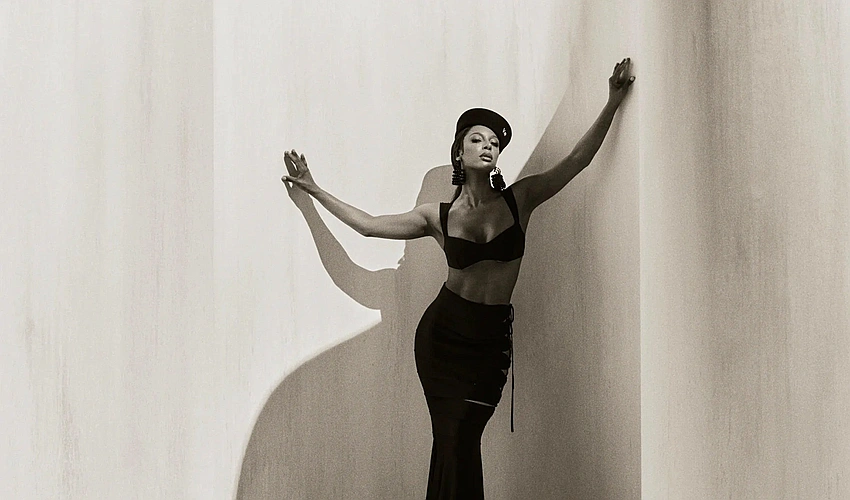
 What stands out most throughout the record is Ware’s ability to make sophistication feel emotionally warm rather than distant. So much modern pop confuses intimacy with oversharing. Superbloom does the opposite. It remains sensual without becoming confessional. Desire exists in glances, textures and atmosphere rather than spectacle.
 And yet there are moments where that very smoothness creates distance. Because the album is so carefully controlled, it occasionally lacks friction. Nothing truly breaks apart. Nothing feels risky enough to threaten the perfection of the atmosphere Ware has built.
 When Blooming Becomes a State of Permanence


 When Noise Becomes Atmosphere
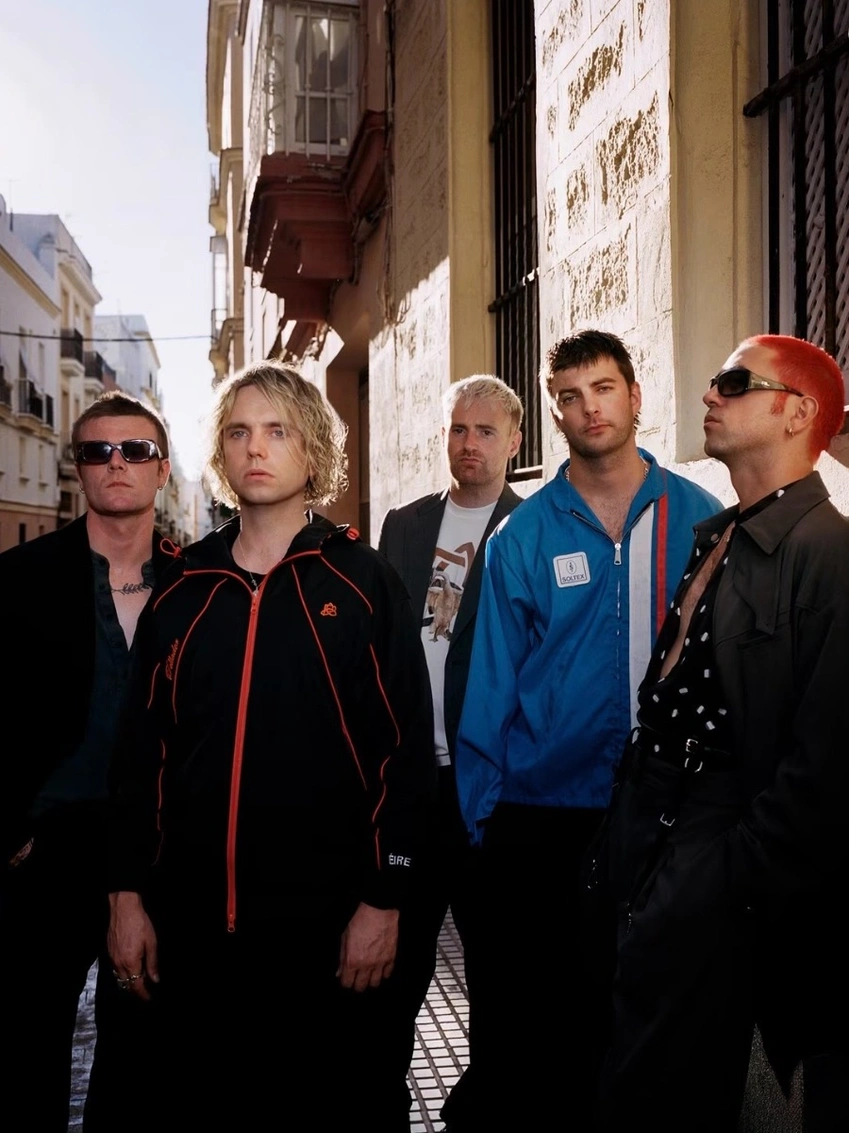
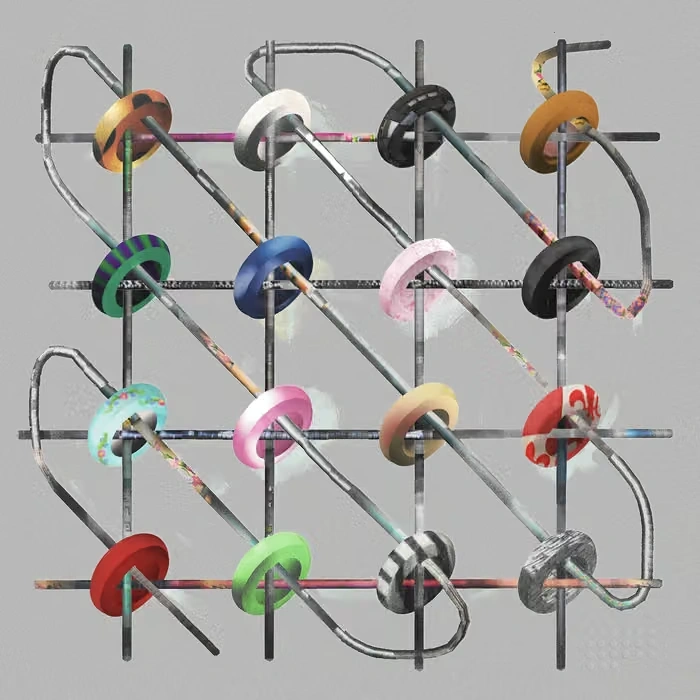
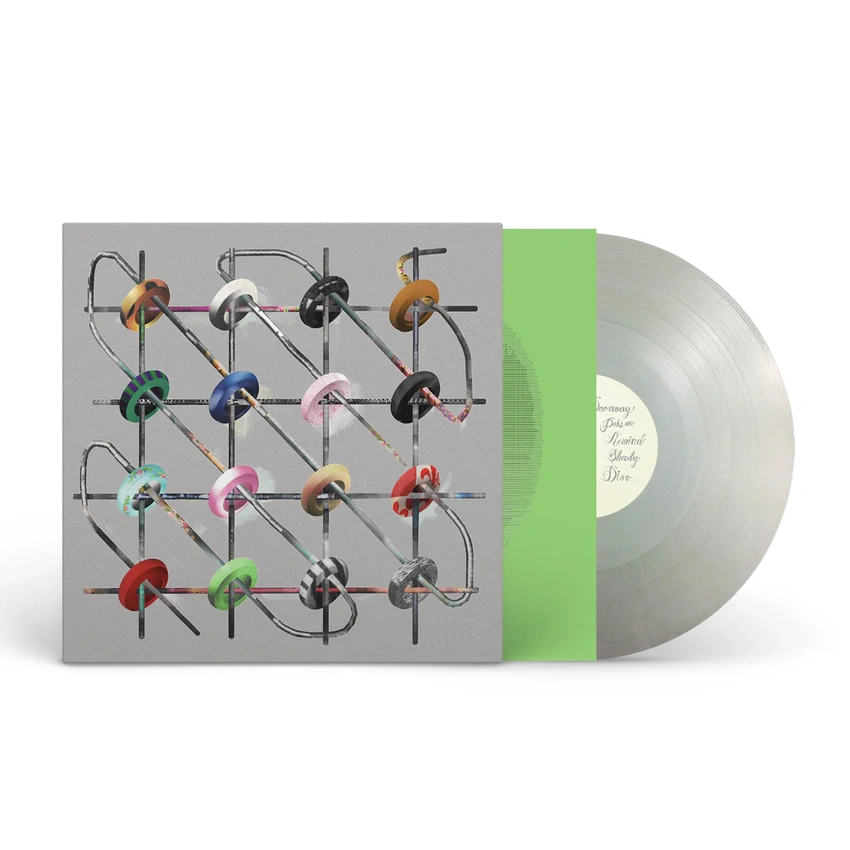
 The songs seem haunted by the internet without ever reducing themselves to commentary about technology. Instead, bitknot explores what it feels like to grow up within digital environments where memories, identities and relationships are constantly mediated by screens. The album's fragmented production mirrors this experience. Listening to it often feels like scrolling through overlapping tabs of consciousness, where personal reflection competes with algorithmic distraction.
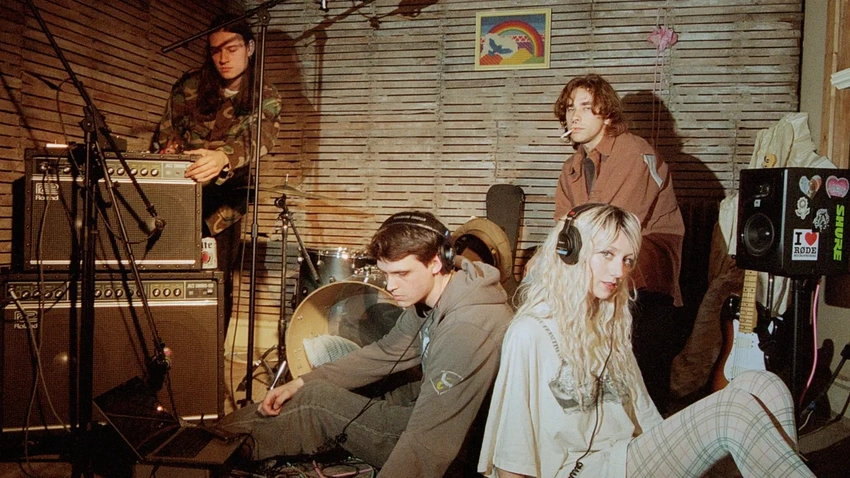 There is a sense throughout the album that feeble little horse are no longer interested in preserving a stable identity. Genres appear only to dissolve. Familiar structures are dismantled and rebuilt. The band's earlier tendency to make noise-pop now feels inverted. bitknot often resembles pop music that has been subjected to noise, fragmentation and digital interference.


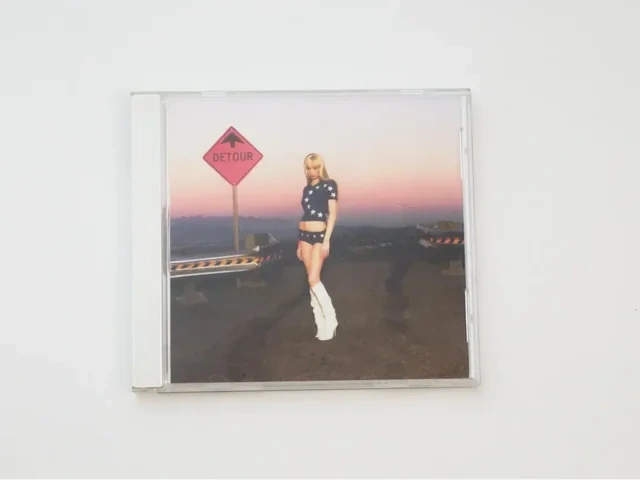 Pop Music After Perfection
 The Return of Messy Pop
 Memory Inside the Machine

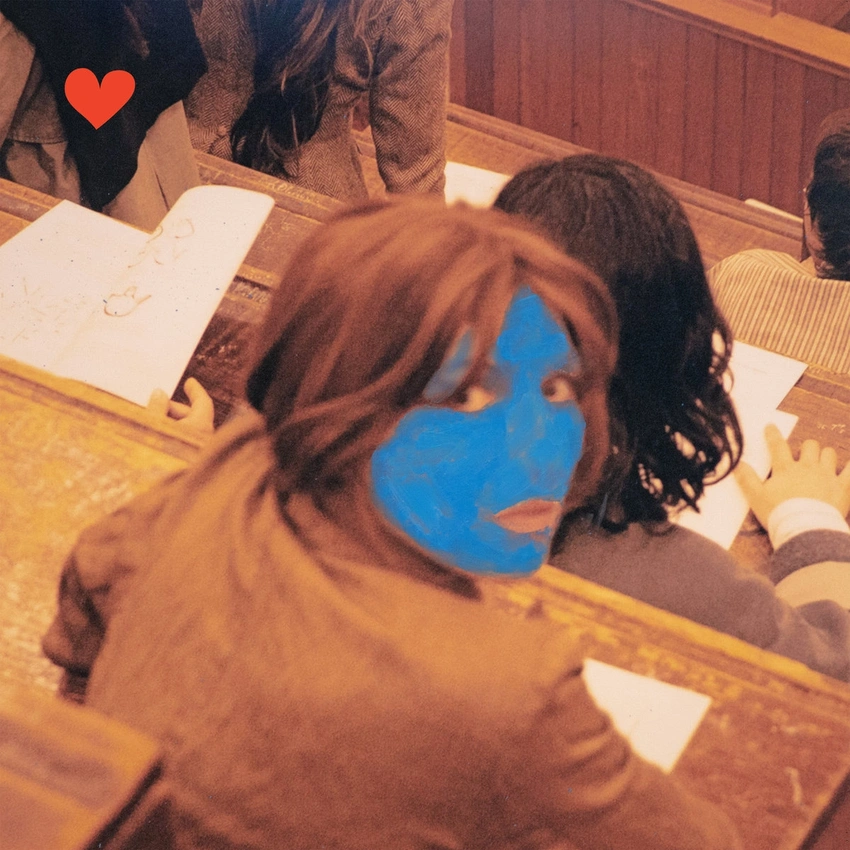
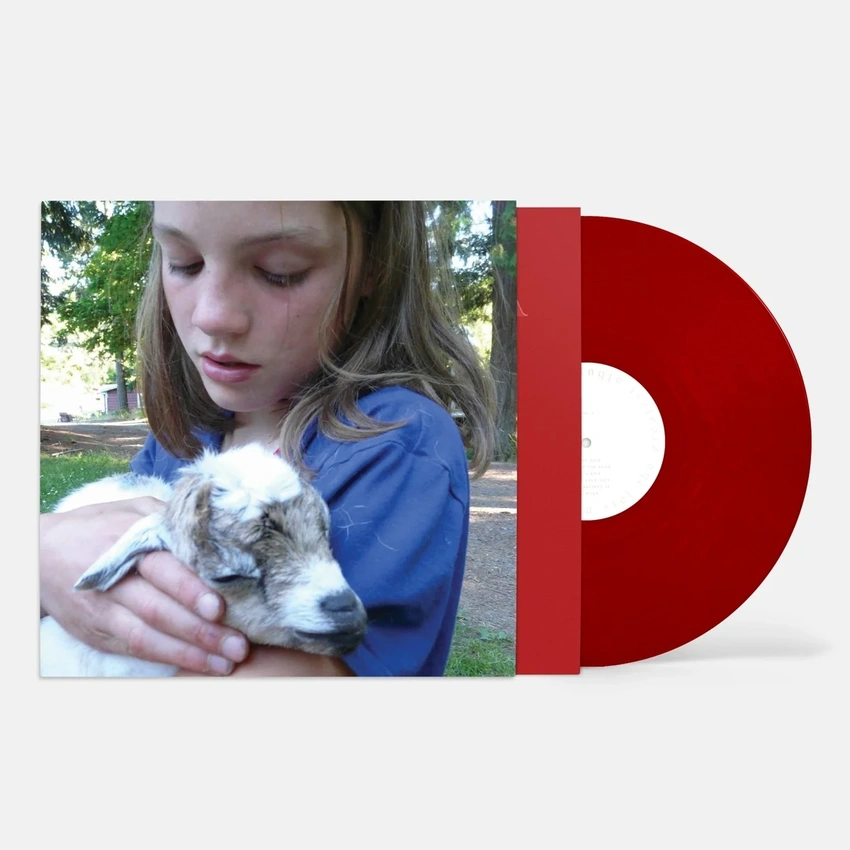
 Harding’s fifth album arrives after a relatively quiet period following Warm Chris in 2022. Four years is practically geological time within contemporary music culture, where visibility is treated as survival and silence is interpreted as irrelevance. The current economy of streaming rewards abundance over precision. Albums are no longer singular statements as much as they are data-generating events. The logic is brutally simple: release more, remain visible, feed the algorithm before it forgets you.
 What makes the record remarkable is not obscurity for its own sake, but the way it trusts listeners to remain uncertain. Contemporary pop culture increasingly fears ambiguity. Everything must be instantly legible, instantly memeable, instantly reducible into discourse. Harding instead creates songs that linger like unfinished thoughts.
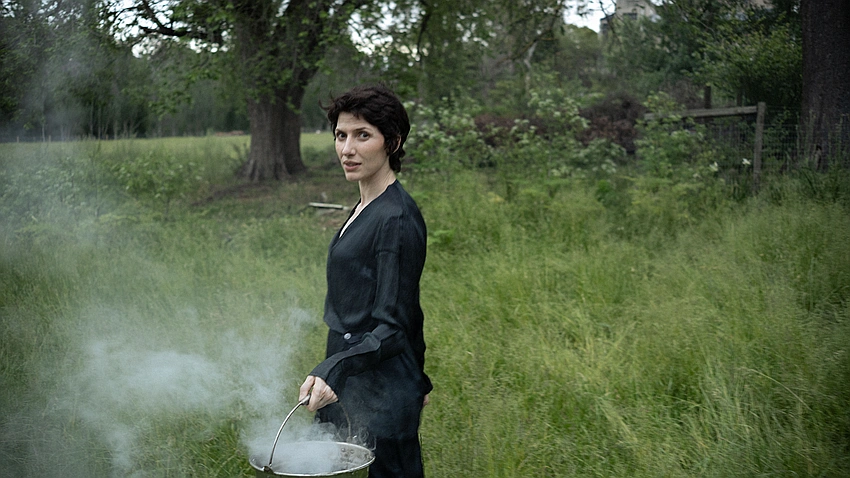 Yet listening to Harding’s work beside this culture reveals what has been lost. Its songs are patient with themselves. They unfold gradually, refusing immediate gratification. Nothing here sounds optimised for playlists.
 That instability becomes especially interesting in a cultural moment obsessed with “authenticity”. Modern celebrity culture demands relentless self-exposure. Artists are expected to explain themselves continuously online, transforming personality into content. Authenticity has itself become performative.




Login to comment.