Ravyn Lenae’s Blue Island Finds Freedom in the Space Between Genres

Ravyn Lenae’s Blue Island Finds Freedom in the Space Between Genres
Ravyn Lenae’s Blue Island Finds Freedom in the Space Between Genres
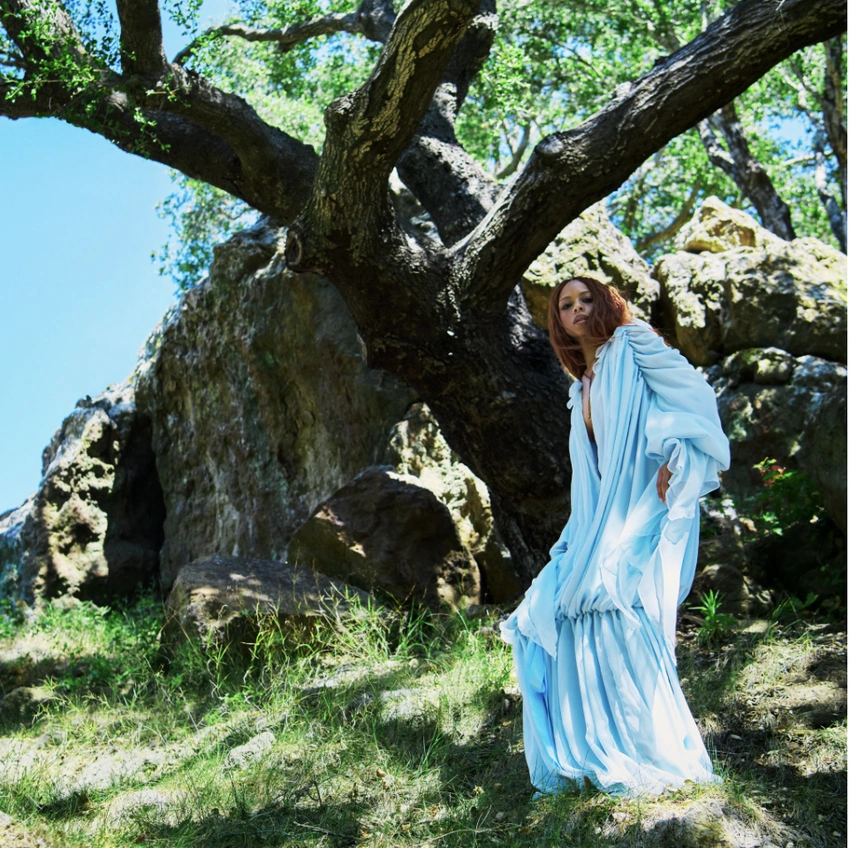
Ravyn Lenae’s Blue Island moves through alternative R&B, indie pop, soft rock and electronic music, balancing the pressure of viral success with a restless creative spirit.
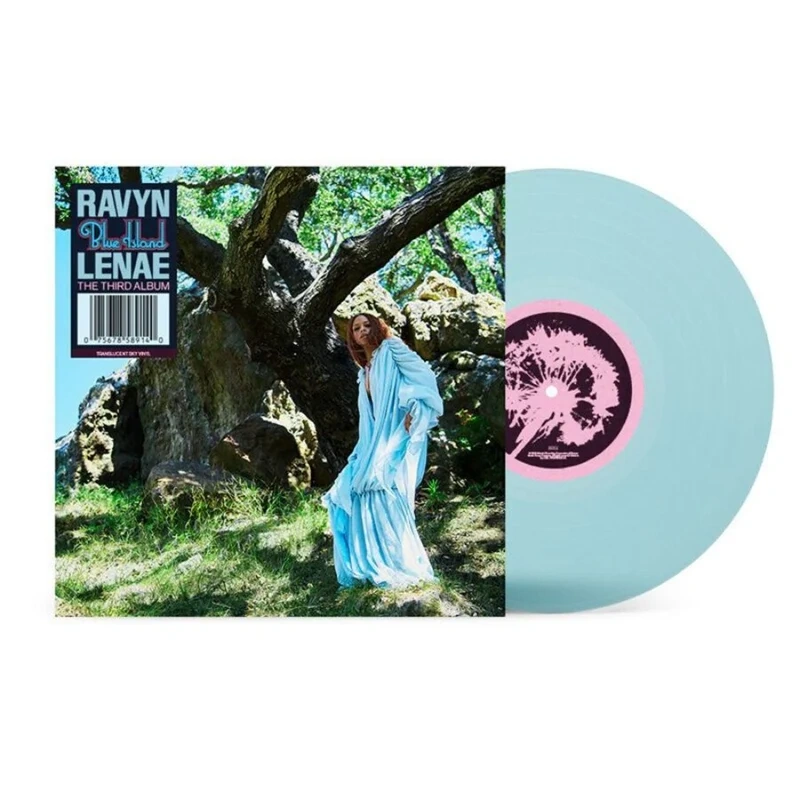
There is something fitting about Blue Island being named after the Chicago suburb where Ravyn Lenae grew up. The album feels geographical in a way that has little to do with literal place. It is interested in origins, departures and the strange territory between the person an artist has been and the person an audience expects them to become.
After the enormous visibility of “Love Me Not”, Lenae arrives at Blue Island with a curious refusal to settle into the identity that success might have given her. Across its fourteen tracks, the album moves between alternative R&B, indie pop, soft rock, electronic music and nostalgic soul. The result is occasionally uneven, but its unevenness is also part of its appeal. Lenae sounds most convincing when she treats genre as material rather than a boundary.
Pop after the viral moment
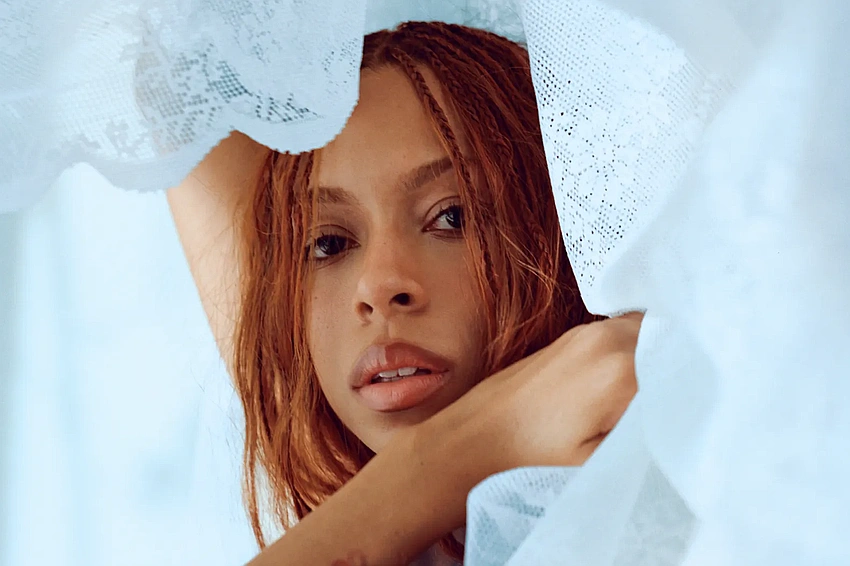
The shadow of “Love Me Not” naturally hangs over the record. Its success placed Lenae in a complicated position: suddenly, an artist whose work had previously occupied more experimental corners of R&B was being heard by a much larger pop audience.
Blue Island does not seem particularly interested in answering that audience by becoming more predictable. Instead, Lenae expands the palette. “Handle” immediately establishes this intention, bringing together a polished pop sensibility with distorted guitars and an alternative edge. Elsewhere, the record moves towards the sleekness of synth-pop, the looseness of soft rock and the rhythmic possibilities of electronic production.
What makes this interesting is the album's relationship with nostalgia. Lenae draws upon a recognisable history of Black pop and alternative music while refusing to reproduce it faithfully. The references become fragments, memories and textures. The past is something to play with rather than something to preserve.
The body, heartbreak and self-invention
Much of Blue Island is concerned with romantic uncertainty, but its deeper subject is autonomy. The album repeatedly returns to the question of what happens when intimacy begins to interfere with one's sense of self.
“Saturday Night” is particularly revealing in this respect. Its dreamy, dance-oriented production gives the song an almost euphoric surface, while its emotional centre is about leaving something behind. The contradiction works because Lenae does not treat independence as solemn. There is pleasure in it, even a kind of mischief.
That sense of self-possession becomes more explicit on “Babygirl”, featuring Doechii. Rather than remaining within the album's romantic narrative, the song opens outward towards individuality. It feels like a reminder that self-definition can itself be a form of resistance, particularly for women whose artistic identities are constantly interpreted through expectations placed upon them.
When eclecticism becomes the point
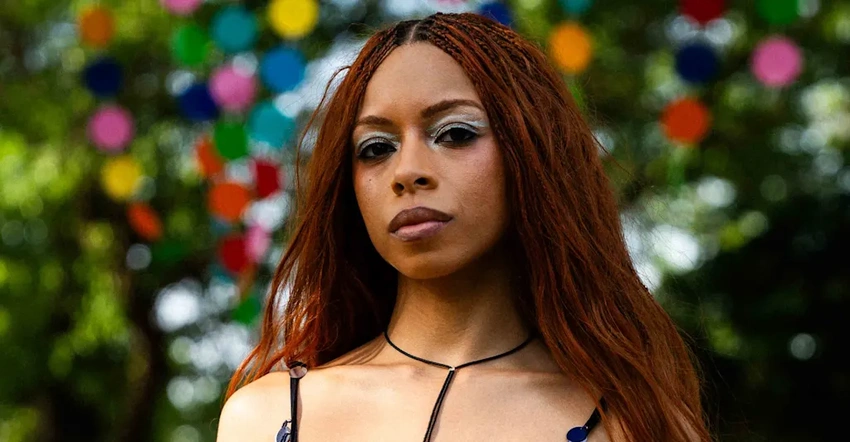
The most compelling thing about Blue Island is its refusal to sound like a single genre exercise. Lenae's voice provides the continuity. Her airy soprano can sit comfortably over a soft pop arrangement before being placed against harder electronic or rock-influenced production.
Still, the album does not completely escape the problems that come with such ambition. Some of its songs feel more fully realised than others, and the sheer range of references can occasionally make the record feel like a collection of possibilities rather than one perfectly unified statement. The album is evidence of an artist moving towards a future in which the distinctions between pop, R&B and alternative music become increasingly irrelevant.
Yet perhaps demanding perfect cohesion from Blue Island misses what Lenae is actually doing. The album's eclecticism is not simply a production trick. It is an argument about artistic identity. Lenae does not need to choose between being an R&B singer, a pop artist or an alternative musician. She can inhabit all three, sometimes within the same song.
Leaving the island
The album's final gesture, “Let Us In”, gives Blue Island an appropriately open-ended conclusion. After spending much of the record negotiating intimacy, expectation and artistic freedom, Lenae ends by extending an invitation rather than issuing a declaration.
That feels right. Blue Island is less a definitive statement of who Ravyn Lenae is than a demonstration of how many things she can become without abandoning herself. Its imperfections make that ambition more convincing, not less. There are moments when the album feels like it is still searching for its ideal form, but that search is precisely what makes it interesting.
For an artist emerging from the pressure of a breakout hit, Blue Island is a remarkably deliberate act of self-expansion. Lenae has chosen not to make the obvious follow-up. Instead, she has made something restless, romantic and stylistically curious. The island, ultimately, is hers. The interesting part is watching how far she is willing to travel from it.
#RavynLenae #BlueIsland #AlbumReview #AlternativeRNB #NewMusic
