Kim Petras’ Detour: Raw, Chaotic Pop Energy


Kim Petras’ Detour: Raw, Chaotic Pop Energy
Kim Petras’ Detour: Raw, Chaotic Pop Energy
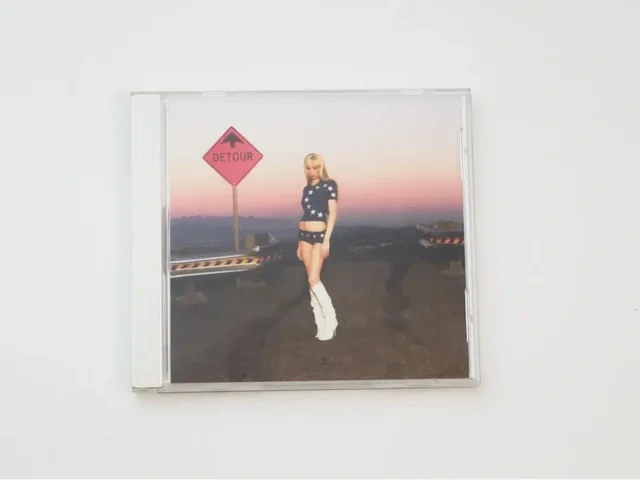
There is something fitting about an album called Detour arriving after years of delays, label disputes, internet speculation, and the strange exhaustion that comes with being perceived too intensely. A detour is rarely glamorous. It is inconvenient, frustrating, and often forced upon you. Yet it is also where unexpected things happen. Kim Petras’ newest album embraces that logic completely.
For much of her career, Petras occupied a complicated place within pop music. She was both insider and outsider, a charting artist who often felt more connected to internet pop communities than traditional industry structures. Detour feels like the moment those tensions finally become audible. The album is less interested in arriving neatly at a destination than in documenting what happens when the planned route collapses.
 Pop Music After Perfection
One of the most striking ideas surrounding Detour is its rejection of polish as a moral virtue. Contemporary pop culture often treats perfection as the highest artistic goal. Artists are expected to be endlessly productive, visually flawless, and permanently marketable.
The world of Detour pushes against that expectation. The record emerged after Petras publicly expressed frustration with industry pressures and the feeling of becoming a product rather than a person. In interviews, she has described reaching a point where the performance of pop stardom became physically and emotionally draining.
That context matters because the album does not sound like an attempt to restore order. Instead, it embraces excess, distortion, chaos, and contradiction. The production often feels intentionally unstable. Songs move between glossy club music and something rougher, stranger, and more abrasive.
In a decade where many pop releases are designed to function smoothly across streaming playlists and short-form content, Detour often feels uninterested in behaving correctly.
 The Return of Messy Pop
The album's sonic world draws heavily from electronic subcultures, hyperpop experimentation, Eurodance textures, and the exaggerated aesthetics of the 2000s internet. Yet what makes it compelling is not nostalgia alone.
Much of contemporary nostalgia functions as comfort. Detour uses nostalgia differently. It treats the recent past as something unstable and uncanny. The familiar sounds are still there, but they appear warped, accelerated, and occasionally threatening.
Tracks such as "Polo", "Freak It", and "Need for Speed" embody this approach. Rather than recreating earlier eras of dance-pop, they push those influences toward absurdity. The result is music that feels simultaneously familiar and alien.
There is a long history of pop music being dismissed whenever it becomes too feminine, too excessive, or too interested in pleasure. What Detour seems to understand is that excess itself can be meaningful. Loudness, artificiality, and theatricality are not signs of artistic emptiness. They can be forms of expression.
 Memory Inside the Machine
For all its club-oriented energy, some of the album's most interesting moments are its most personal ones.
"Brutalist" has received particular attention because of the way it draws from Petras' childhood memories. The song emerged from recollections of travelling with her father to hormone therapy appointments in Germany, during which they discussed architecture and became attached to a particular brutalist building. The eventual demolition of that building becomes a surprisingly powerful metaphor for memory, transformation, and public judgement.
What makes this significant is not simply that the song is autobiographical. Rather, it reflects a broader shift within Petras' artistic identity. Throughout much of her career, she often appeared through personas, aesthetics, and pop archetypes. On *Detour*, fragments of lived experience become more visible.
Yet the album never abandons performance entirely. Instead, it explores what happens when sincerity and artifice coexist. The personal story arrives through synthetic textures, processed vocals, and electronic noise. The human and the manufactured remain inseparable.
Going Independent, Finding a Voice
It is difficult to discuss Detour without acknowledging the circumstances surrounding its release. Reports of label conflicts, delayed schedules, and disputes over creative control became part of the album's public narrative long before its arrival. Petras eventually moved toward releasing the project independently, presenting it as a reclaiming of artistic agency.
That story resonates because it reflects a broader transformation occurring across pop music. Increasingly, artists are questioning the industrial systems that shape their work. The fantasy of total creative freedom remains complicated, but albums like Detour reveal a growing desire to challenge the machinery of commercial pop from within.
The record therefore becomes more than a collection of songs. It functions as a document of resistance against predictability. Not resistance in a grand revolutionary sense, but resistance against becoming a simplified version of oneself.
