Rebecca Black’s Age of the Exhibitionist: The Art of Being Seen

Rebecca Black’s Age of the Exhibitionist: The Art of Being Seen
Rebecca Black’s Age of the Exhibitionist: The Art of Being Seen
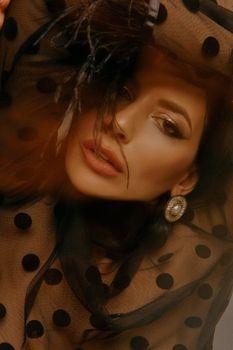
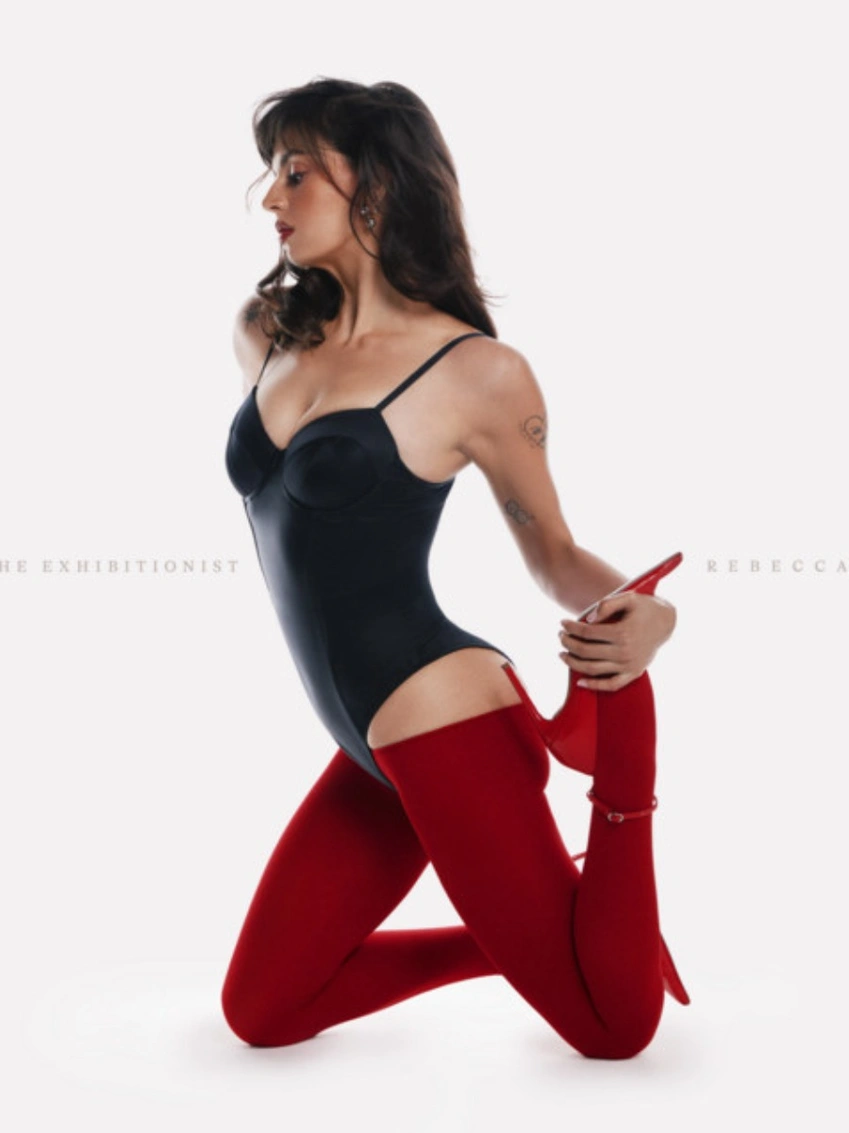
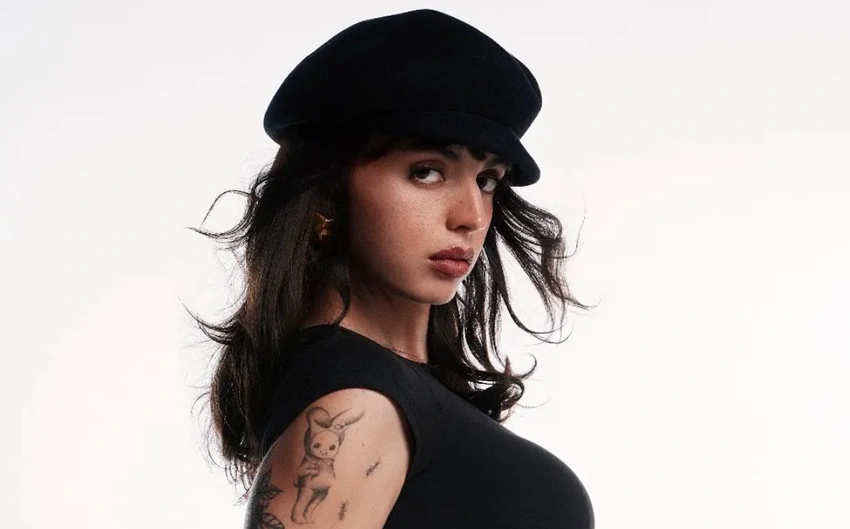
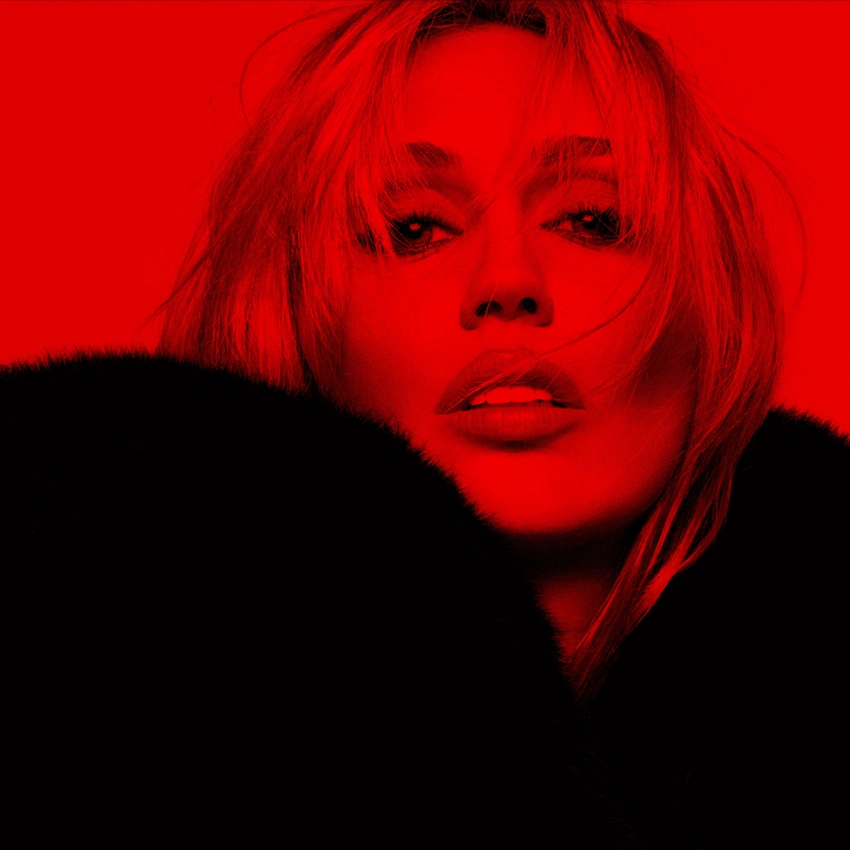
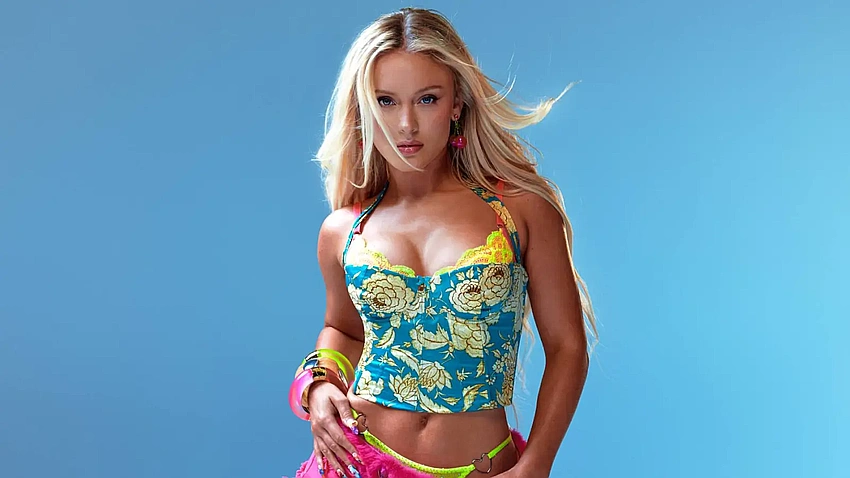
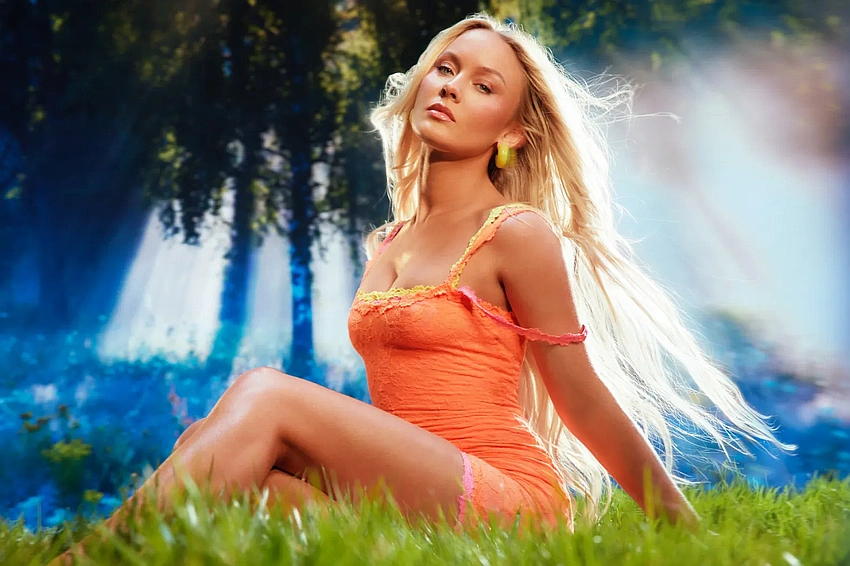
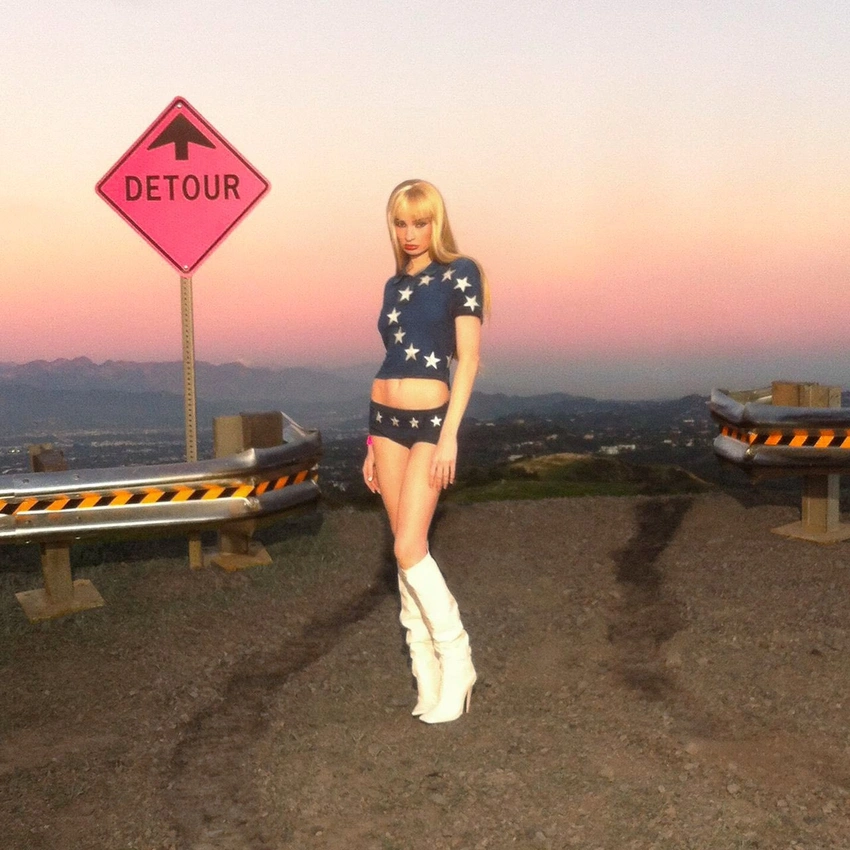
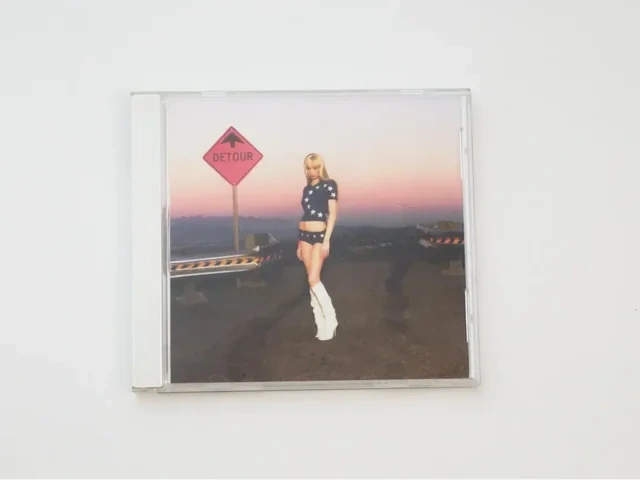
Rebecca Black embraces loud beats, sexual bravado and performance on Age of the Exhibitionist. The album moves beyond the shadow of “Friday” and puts control of her image in her own hands.
Rebecca Black knows how to make an entrance. Age of the Exhibitionist opens with ‘Anaheim Star’, a rush of distorted vocals, sharp beats and cheerleader-like bravado that immediately establishes the album’s appetite for excess. It is loud, playful and deliberately theatrical. There is little interest in restraint here, whether in its production or its treatment of sexuality. Black wants to be heard, looked at and, occasionally, misunderstood.
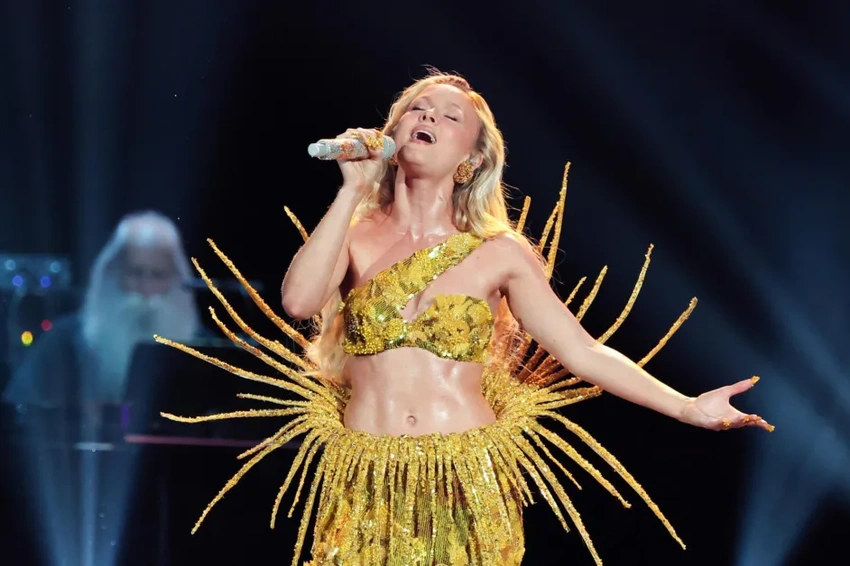
The album’s title is a useful starting point. Exhibitionism is built around the relationship between the person performing and the person watching. For Black, that relationship has always been complicated. Her introduction to mass attention came at thirteen, when ‘Friday’ turned her into an internet punchline. Yet Age of the Exhibitionist, her second album, is not interested in making that experience the centre of every conversation. Instead, it takes pleasure in performance, with Black exercising a degree of control over how she presents herself. The shift is worth paying attention to, particularly given how much of her early public image was constructed by people who had little interest in hearing from her.
Pop music, without the apology
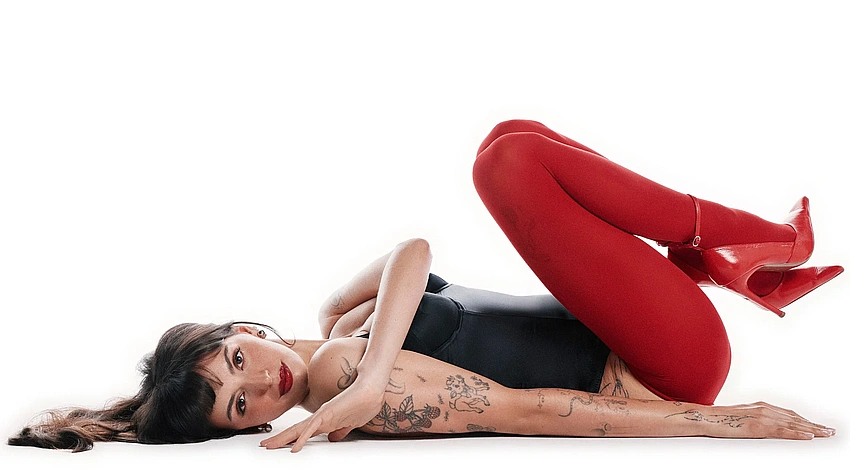
Following the more abrasive hyperpop direction of her SALVATION EP, Black moves towards a cleaner, more accessible dance-pop sound. The change is immediately noticeable, although she does not abandon the eccentricity that made her recent work compelling. There are traces of R&B, electro-pop and club music throughout the record, with its influences reaching back to the late 2000s and early 2010s.
‘Wet Hot Delirious’ is one of the more entertaining examples. Its bouncing, bhangra-influenced rhythm gives the song a playful sensuality, while ‘Pistol’ takes a more restrained approach, built around a languid trip-hop groove. ‘Exhibitionism’ leans into polished R&B melodies, and ‘Speakerphone’ brings back the kind of brash, infectious energy associated with early-2000s pop. The album moves comfortably between these sounds, even if the transitions do not always feel entirely necessary.
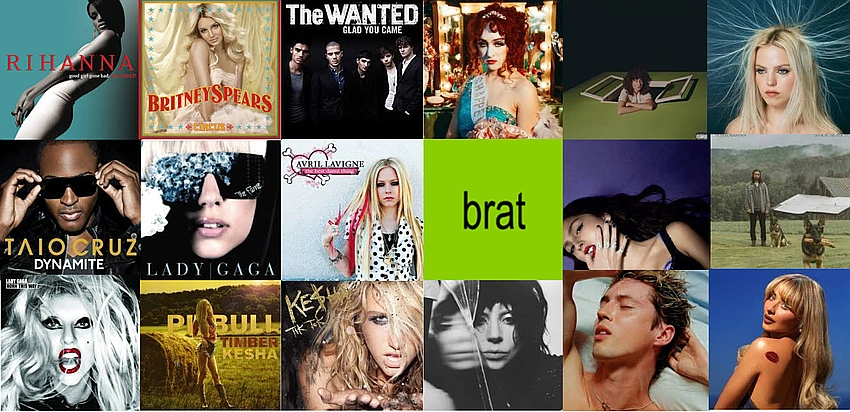
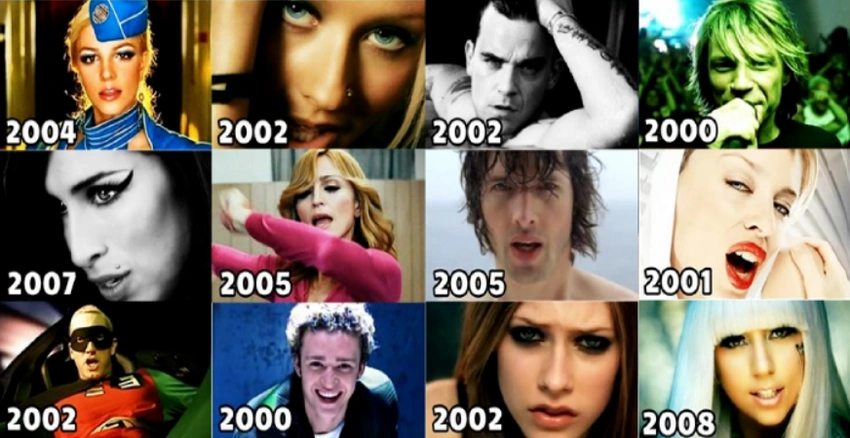
There is also a clear affection for the pop stars who shaped this musical vocabulary. Madonna, Britney Spears, Gwen Stefani and Lady Gaga are useful reference points, particularly in the album's combination of theatricality, sexuality and dance-floor production. But Black is not simply recreating an earlier era. She takes familiar pop structures and gives them a slightly unruly quality, allowing songs to change direction just when they seem to have settled.
When the production gets interesting
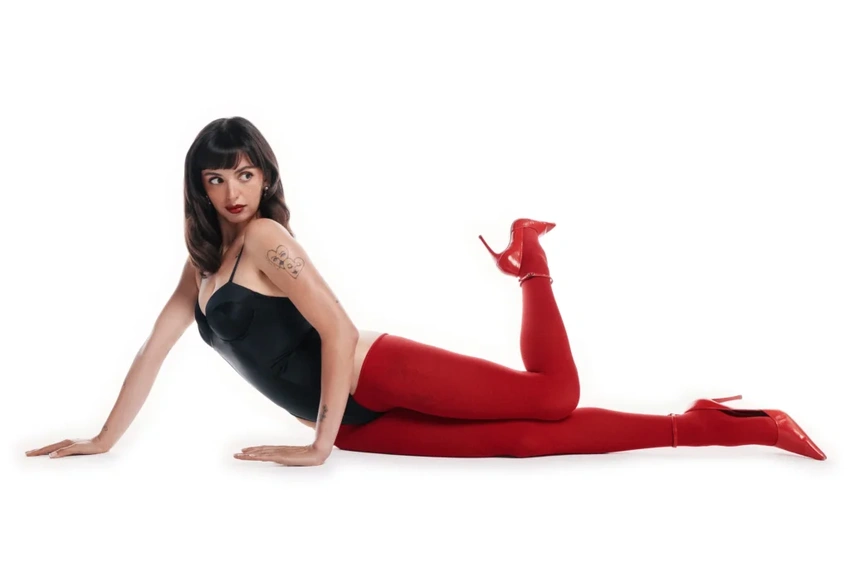
The album is at its most engaging when Black allows its arrangements to become unpredictable. ‘Corsetry’ begins with robotic arpeggios and looping bass before opening into a much larger dance passage. Its sensuality comes through in the production as much as the vocals, making it one of the record’s strongest moments. ‘Michael’ also benefits from a sudden shift into house music, transforming what initially sounds like a relatively conventional encounter into something more expansive.
‘Miss Delicious’, meanwhile, is a reminder that Black has not entirely left her hyperpop instincts behind. Its hectic production and deliberately silly lyrics give it an urgency that some of the more polished tracks lack. The closing ‘Speakerphone’ carries a similar sense of mischief, refusing to take its own provocation too seriously.
Not every experiment lands. ‘Visions Again’ and ‘Pistol’ occasionally introduce changes that feel more distracting than revealing, while the album's slower moments can struggle to hold attention. This is where the contrast with SALVATION becomes interesting. The earlier project had a more immediately recognisable sonic identity; here, Black is working with a broader pop vocabulary, but the songs do not always benefit from that additional space.
The pleasure of owning the performance
What makes Age of the Exhibitionist worth returning to is its relationship with the idea of self-presentation. Its sexual confidence is sometimes exaggerated to the point of absurdity, but that is part of the album's appeal. Black understands that pop has always been theatrical. Desire, glamour and excess are performed as much as they are experienced, and the distinction between sincerity and camp is often deliberately blurred.
‘Waschsalon’ brings this tension into sharper focus. Its combination of techno and EDM accompanies a declaration of self-worth that feels especially significant in the context of Black's career. There is no need to turn the song into a neat story of triumph over adversity. Its pleasure lies in hearing an artist make a statement on her own terms.
Age of the Exhibitionist is not without its uneven moments, and its move towards conventional dance-pop occasionally comes at the expense of the stranger instincts that made Black's recent releases so exciting. But it is also a record with a clear sense of fun and a strong understanding of the kind of pop it wants to make. Black is no longer interested in being the person at the centre of somebody else's joke. She gets to decide what the audience sees, and, more importantly, what it hears.
#RebeccaBlack #AgeOfTheExhibitionist #PopMusic #AlbumReview #Friday



















 Pop Music After Perfection
 The Return of Messy Pop
 Memory Inside the Machine




























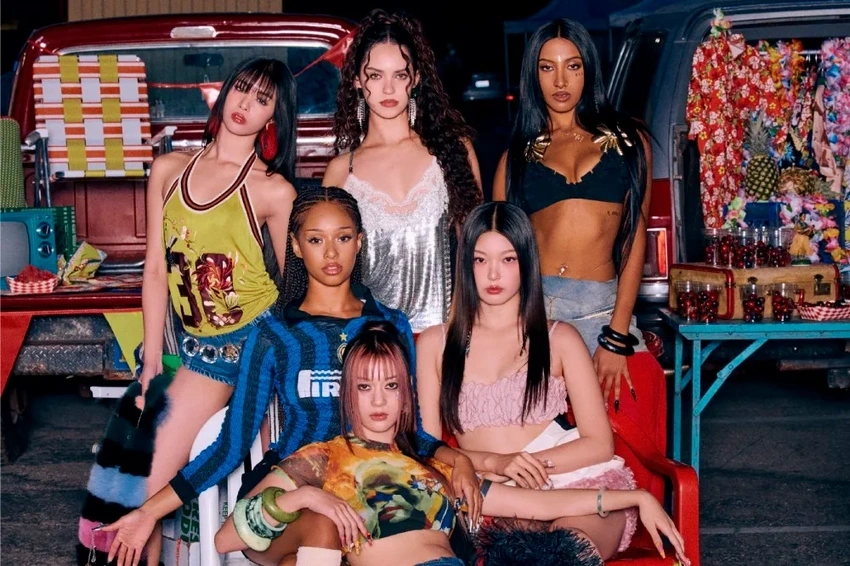
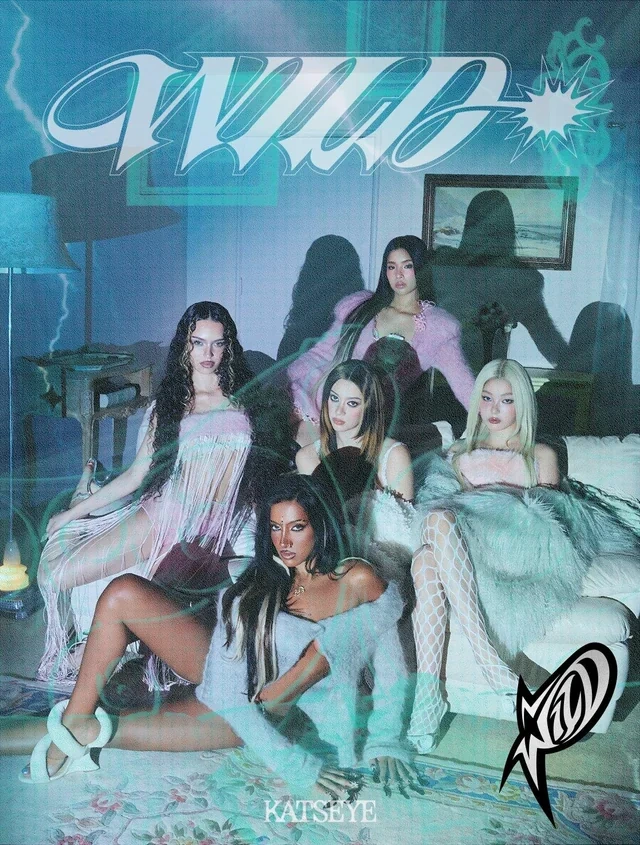
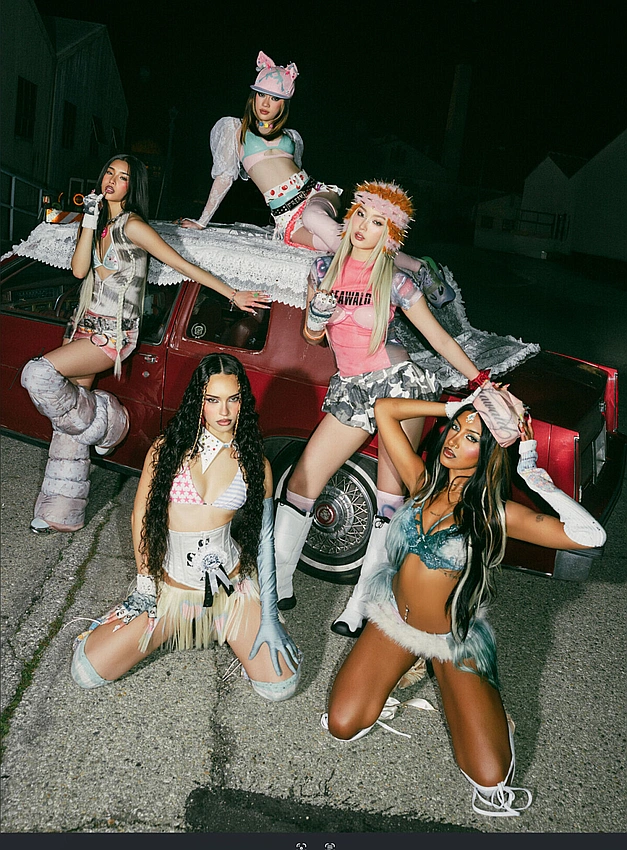
 KATSEYE as Glocal Artefact
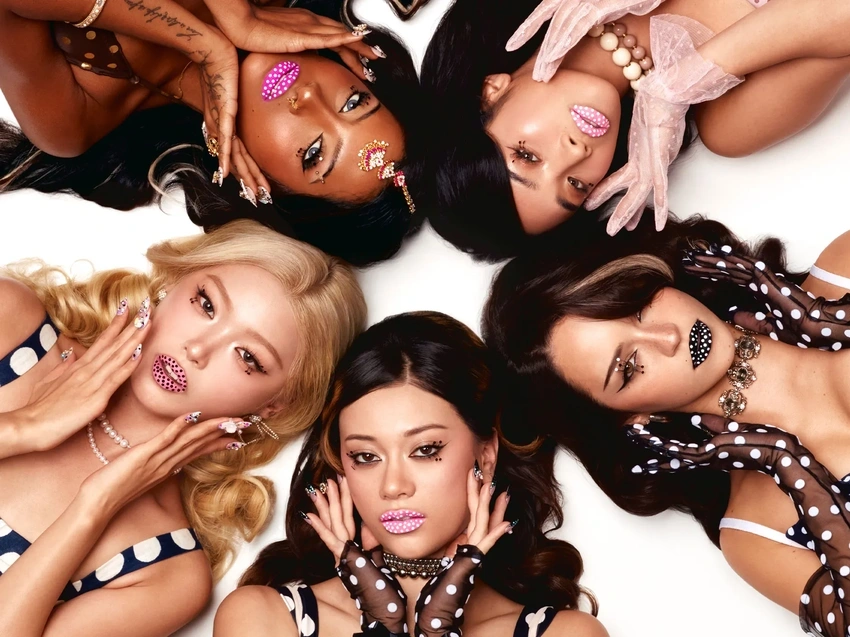
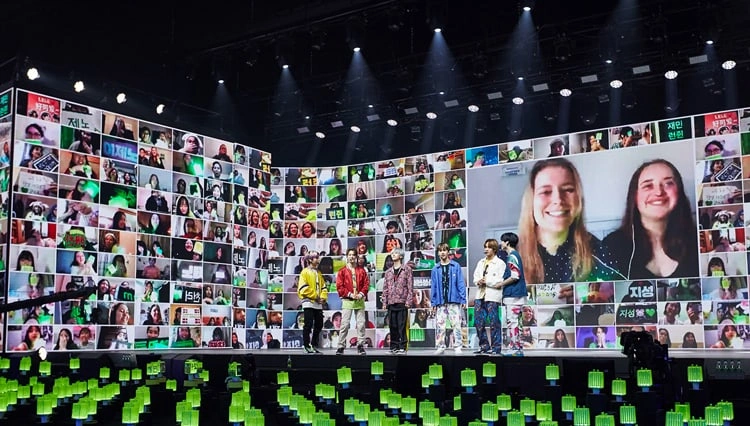
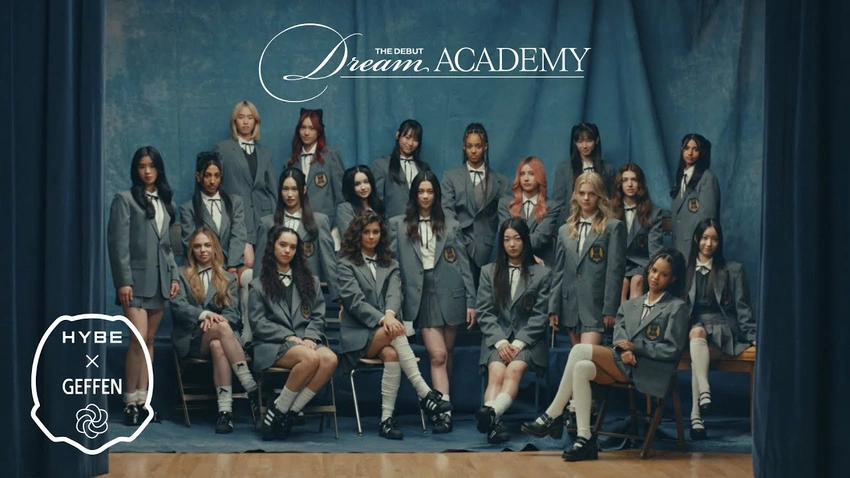 Singing predominantly in English, trained under the rigorous discipline of K-pop, and marketed to Gen Z consumers fluent in TikTok, they do not represent a fusion of cultures as much as a strategic overlay: curated, coded, and monetised. Their brand is their borderlessness.
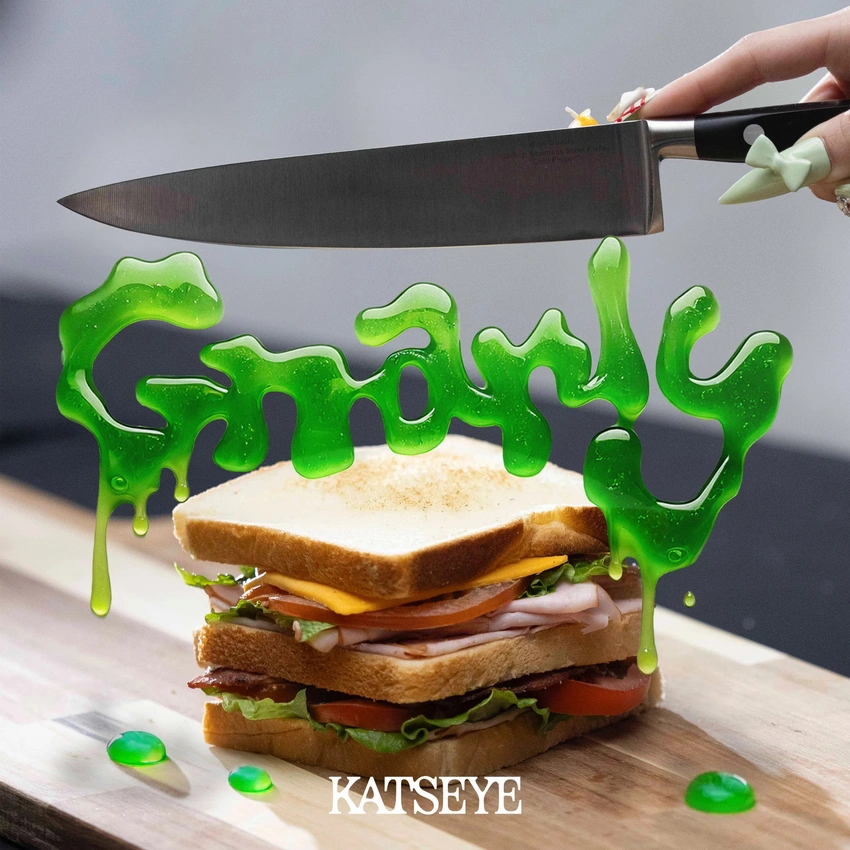 The title itself, “Gnarly,” feels like a dare. It’s slangy, disruptive, and loaded with contradictory connotations: something cool and something grotesque, something edgy and something wild. In surf culture, “gnarly” refers to danger and thrill; in KATSEYE’s hands, it becomes a manifesto. “Gnarly” isn’t just a song—it’s a positioning. It says, "We" are not your polished girl-next-door. We’re jagged. We glitch.
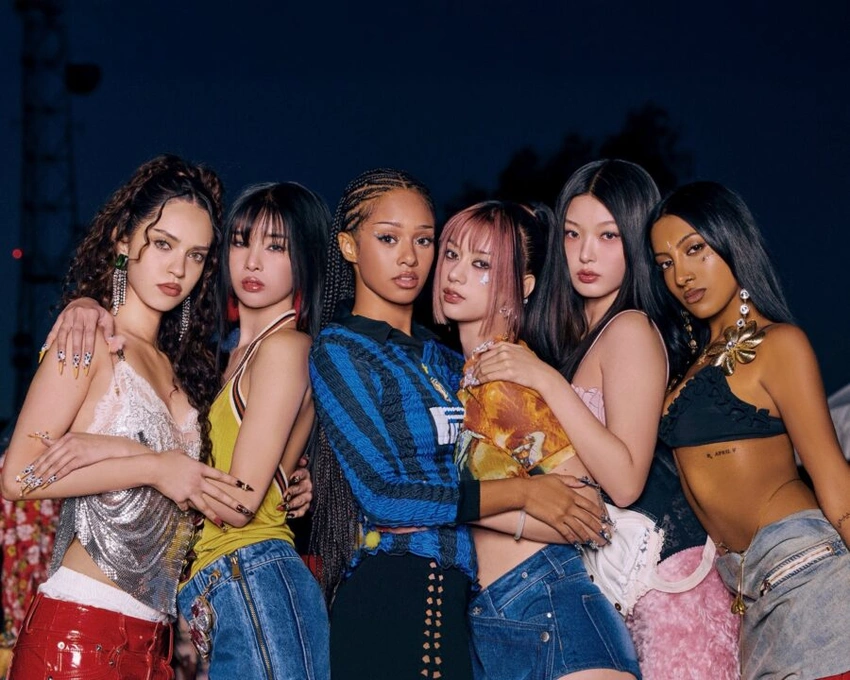 And yet, rebellion too is part of the system. KATSEYE doesn’t escape commodification—they brand it. The jaggedness of “Gnarly” is itself produced, styled, and sold. This is not a flaw in the group’s design; it is the design. As Baudrillard would argue, we are in the realm of simulation, where reality is replaced by representations that refer only to each other. “Gnarly,” then, is not raw but aestheticised rawness, carefully packaged to signify edge and deviation.
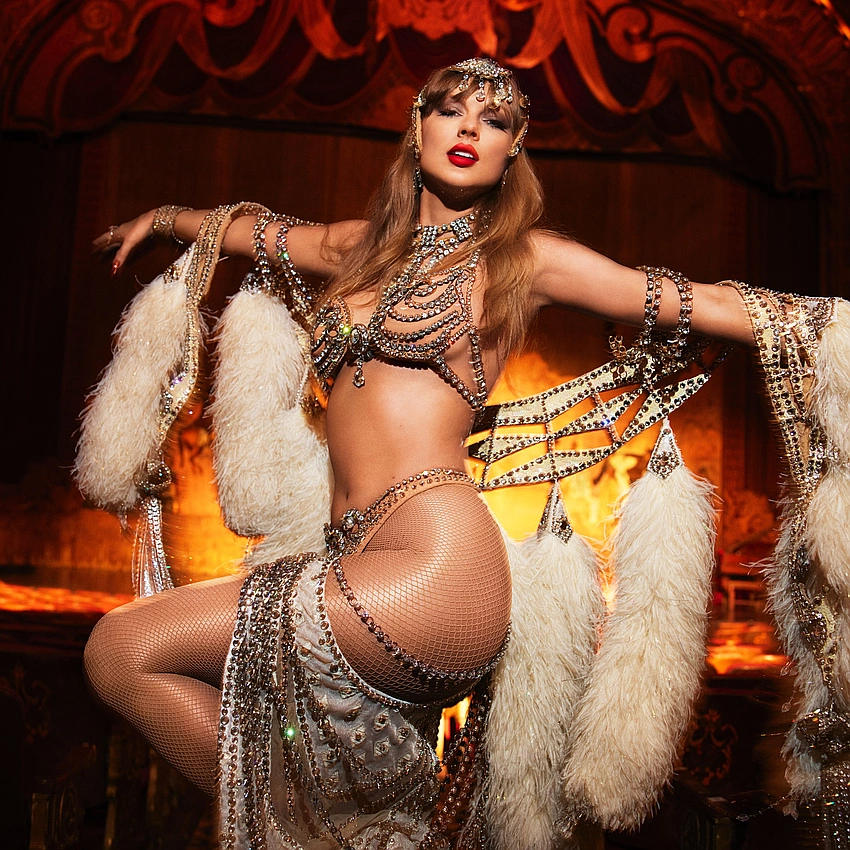
 In the choreography of “Gnarly,” we see sharp angles, aggressive femininity, and coordinated rupture. Their multilingualism becomes part of the spectacle; their identities are plural but flattened. As postcolonial theorist Homi Bhabha might argue, KATSEYE functions through mimicry, not of one culture, but of all. They’re always almost familiar, but never quite locatable.
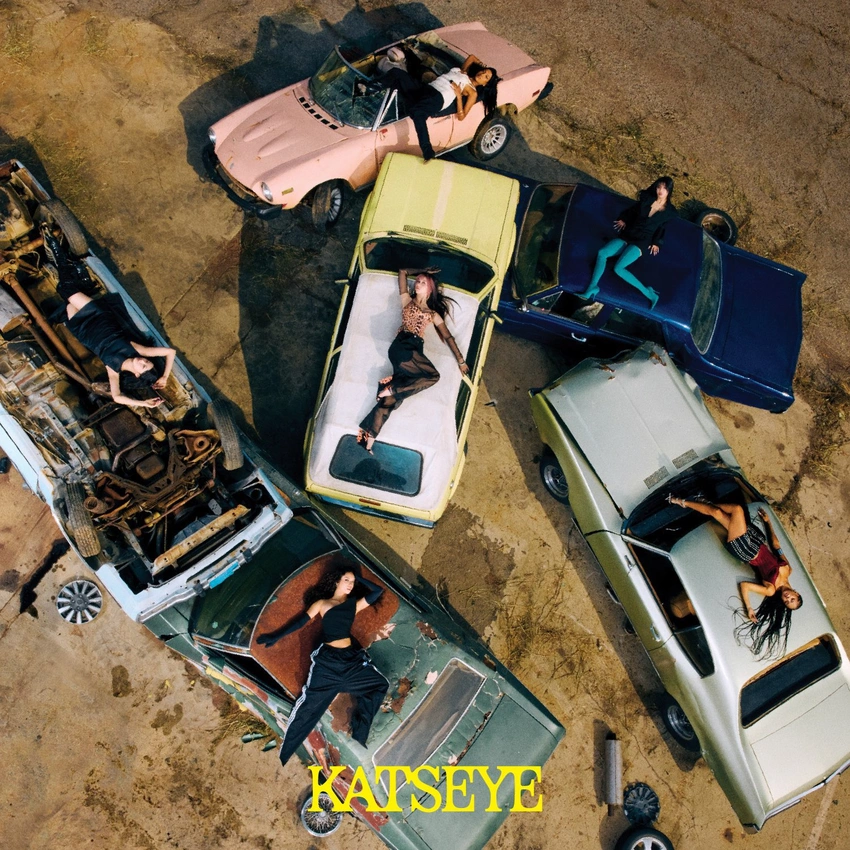

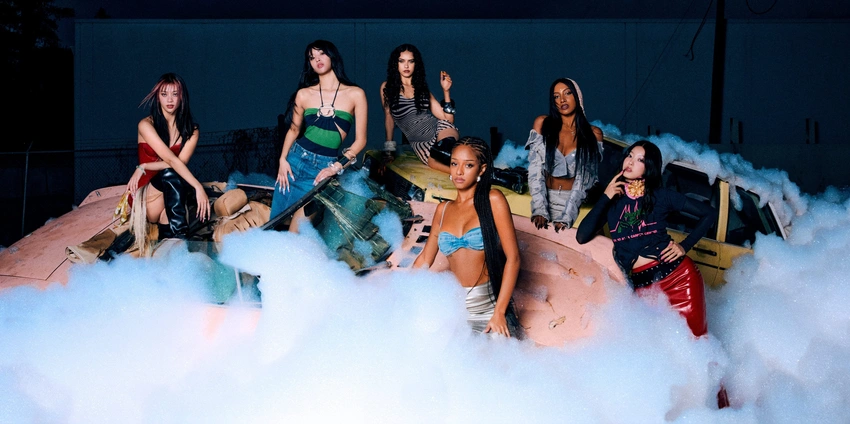 KATSEYE, then, is a spectacle of contradictions—performed authenticity, synthetic edge, and global girlhood on shuffle. They are gnarly in every sense: difficult, radical, slick, and strange. And that’s what makes them worth thinking about, not as an anomaly, but as a prophecy.


Login to comment.