Everybody Scream by Florence + The Machine: Jubilant, Haunting, Cathartic

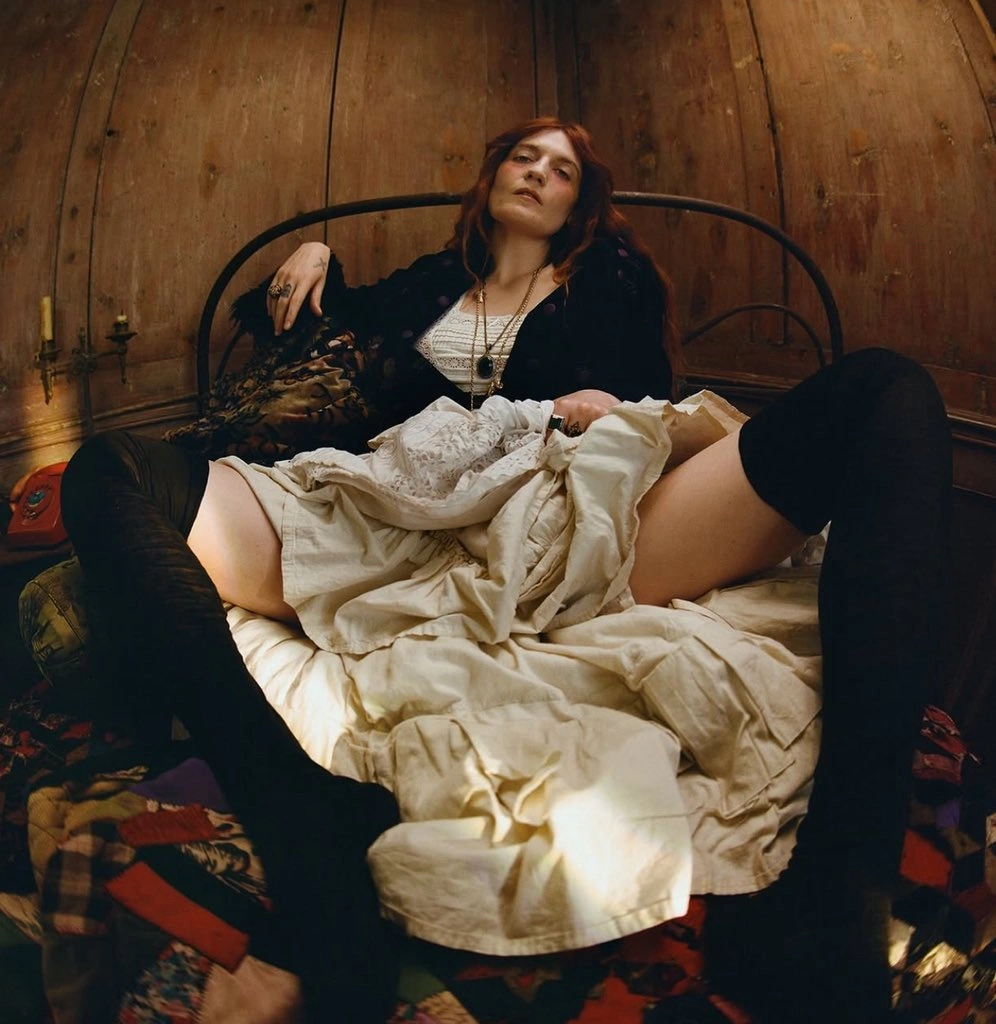
Everybody Scream by Florence + The Machine: Jubilant, Haunting, Cathartic
Everybody Scream by Florence + The Machine: Jubilant, Haunting, Cathartic
Florence Welch uses Everybody Scream to explore how performance and personal cost collide—body, voice, and myth on Halloween's ominous stage, blending glam-rock grit with intimate reckoning.
When I pressed play on Everybody Scream, I felt both the familiar and the new: familiar in that unmistakable voice of Florence Welch soaring above orch-pop textures, new in the matter of the text. The title track opens with a sinister organ and hushed voices before it thunders into glam-rock stomps and raw cries. The track acts as an invocation: we are called to scream with her, to enter a spellbound realm where the stage, the body, the voice and the myth converge. The album’s release on Halloween only deepens that portentous frame.
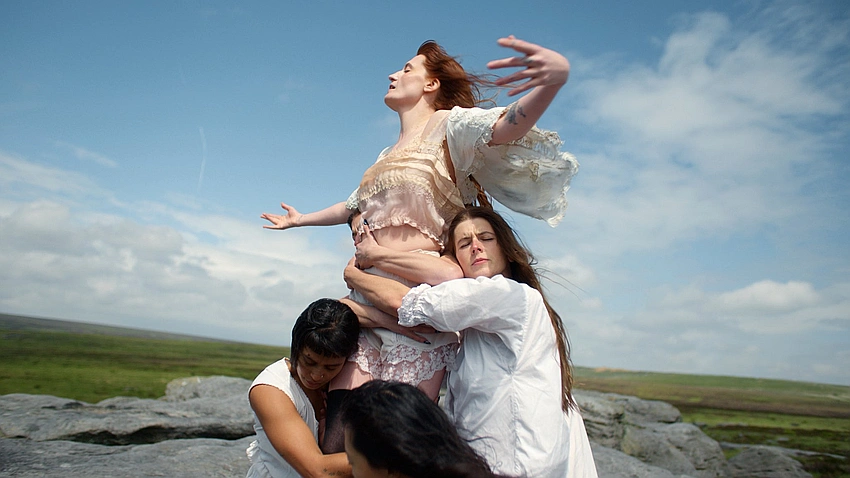
Body, voice, fame and fear
A central theme running through the album is the tension between the ecstatic space of performance and the bodily or existential cost that such performance demands. Welch seems to ask: “I can only become my full size on stage… but how can I leave when you’re calling my name?”
It speaks of the body as text, the voice as inscription, and the stage as re-inscription on which identity, gender expectations and myth are written and rewritten. In “One of the Greats”, Welch turns her sardonic gaze on the male-led rock canon (“It must be nice to be a man and make boring music just because you can”) and thus reclaims her place within the tradition while simultaneously exposing its exclusionary underpinnings.
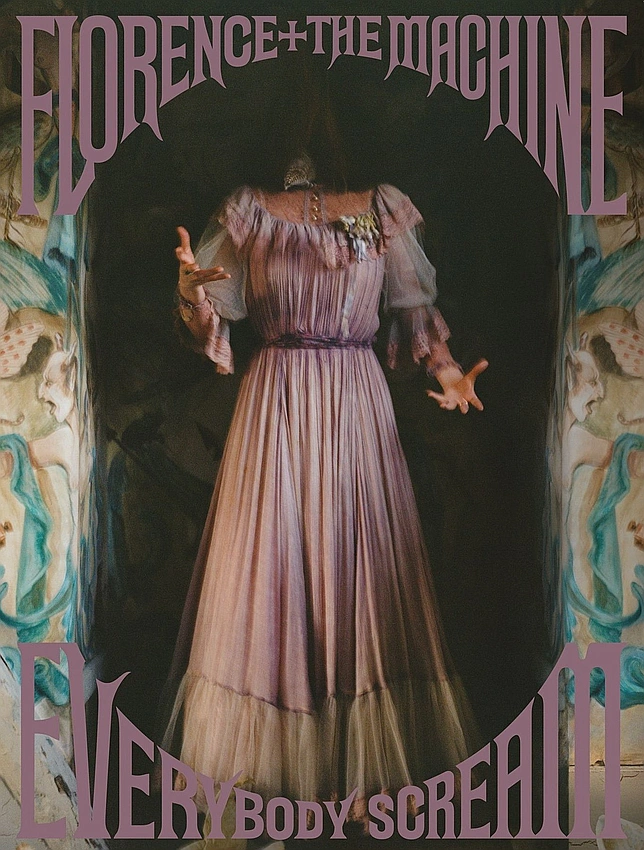
Mysticism, witch-themes and reclamation
The album moves beyond straightforward pop-theatrics into a terrain of mysticism, ritual, witchcraft and folklore. For me, this layering of mythic and mundane, of ritual and heartbreak, is reminiscent of gothic and folk horror traditions (folk-wisdom, wise women, rites of passage). Welch’s near-fatal ectopic pregnancy, quietly referenced in her interviews, gives the album a lifeline of trauma and survival that echoes the ancient narratives of death and rebirth.
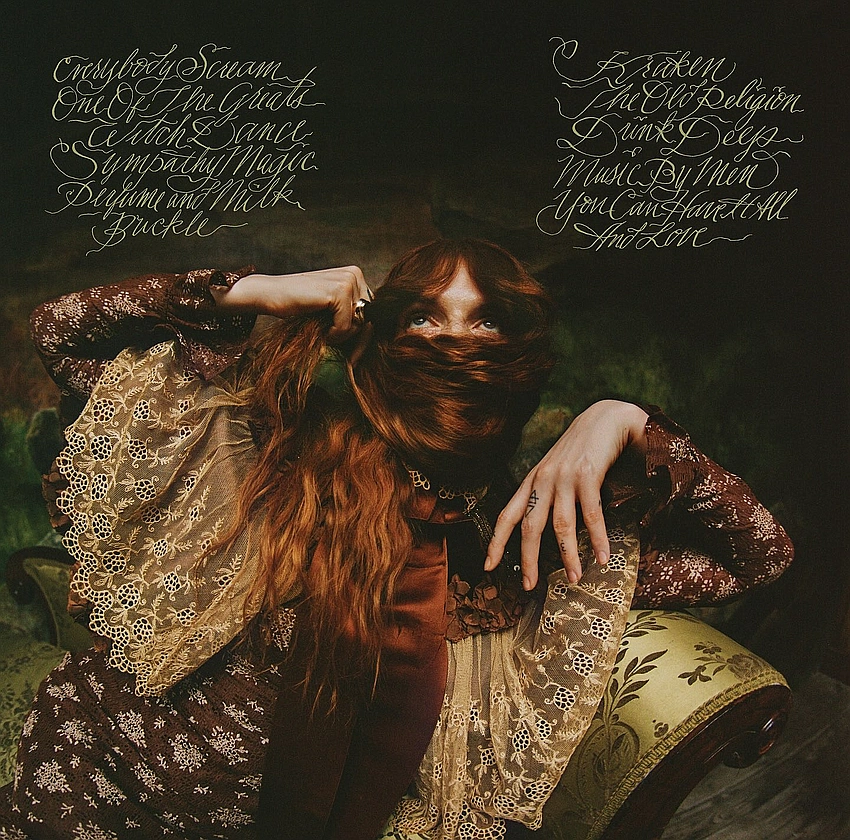
Musically, this shows up in the contrast between sweeping orchestration and stripped-down acoustic moments. The listener is taken from witch-dance synth-raves to bare voice/guitar introspection. That pivot showcases the willingness to inhabit vulnerability.
Structure, soundscapes and literary arcs
Sonically, the record is both coherent and adventurous. There are the big-chorus, high-camp moments that have always been Florence + the Machine’s hallmark, but now they are framed by introspective interludes. There’s more light and shade here than you might expect and a greater desire to set the volume low than to crank it up to 11.
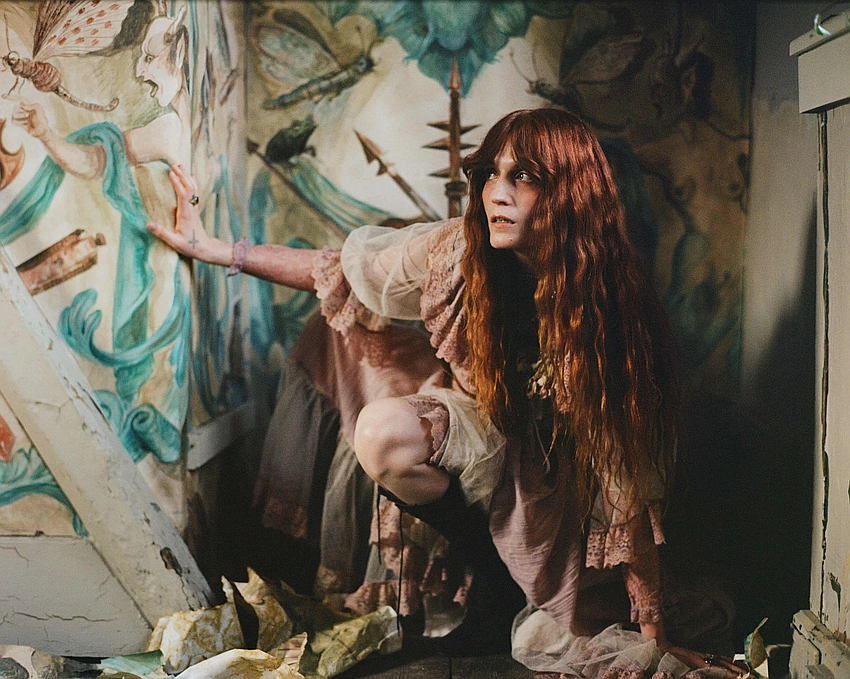
From a narrative perspective, the album unfolds almost like a novel: an incantatory beginning, a descent into inner turmoil and reckoning, and then a tentative emergence towards healing, though not naïvely. The arc is tangible: show and spectacle → collapse/trauma → confrontations of self & industry → reclamation. It reads like a Bildungsroman of sound, a coming-to-terms with body, fame and myth.
Strengths, weaknesses and overall impression
What the album does well is give us the old Florence magic (her voice, the dramatic instrumentation, the stage presence embodied in audio) and yet push it into deeper waters.
If I were to critique, I might say that some of the second half drifts into abstraction so much that its narrative clarity wavers. The very density of themes of feminism, mysticism, mortality, and industry critique means that at times the emotional through-line blurs. Literature often warns against thematic overload; in pop music, the risk is similar. Yet I don’t feel the album suffers critically for it. Rather, it is ambitious.
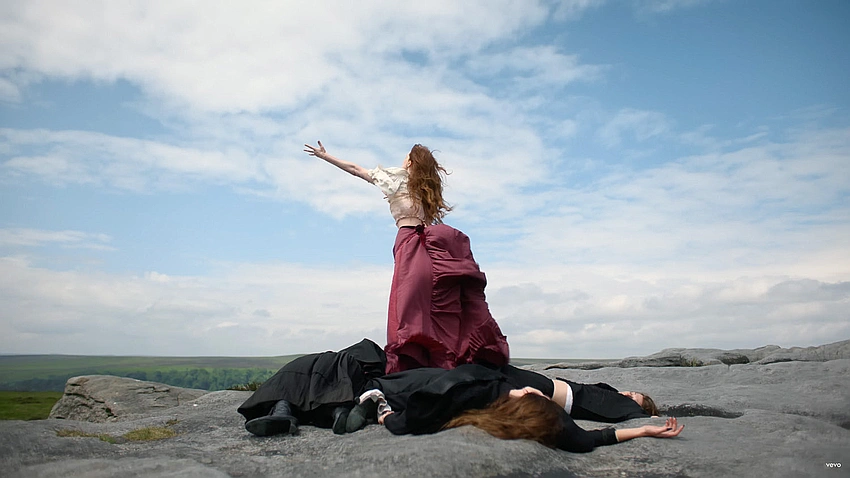
Overall, the album positions Florence + the Machine as not just survivors but matured architects of mythic-pop worlds. She appears more spheroidal musically and emotionally than the caricature version that one might expect.
Why I’m recommending it (and to whom)
If you’re a pop fan who loves big vocals, huge arrangements, and that sense of spectacle, this album delivers. But if you’re also someone drawn to literary allusions, gothic tropes, myth, ritual and feminist subtext, Everybody Scream offers layers worth unpacking.
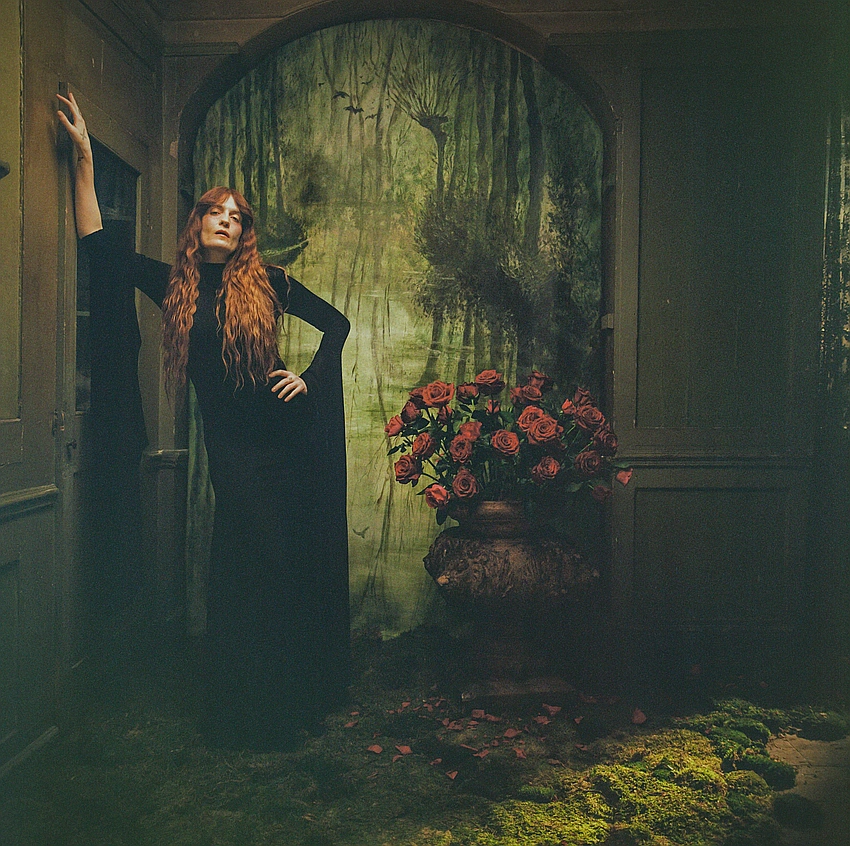
As a literature student, I find it particularly rewarding because it invites metaphorical reading: the stage as altar, the scream as invocation, the body as battlefield and sanctuary. Even without diving into all the lyrics, the imagery and tone are such that one can explore intertextual resonances.
Everybody Scream is a thrilling, theatrical, emotionally raw album that balances bombastic pop grandeur with intimate reflections on body, voice and self. It might not dramatically reinvent Florence + the Machine’s sound, but it invites both immediate enjoyment and slow, literary digestion. For someone like me, who oscillates between earworm and essay paragraph, that’s a rare and welcoming adventure.
#FlorenceWelch #EverybodyScream #GlamRock #PerformanceArt #FameAndFear #MusicReview #PopMusic #PopCulture
