#PopCulture
She was not ready 😭: That backstage reaction says everything without saying a word. #Diddy #BackstageReaction #PopCulture
Login to reply.
18 Replies
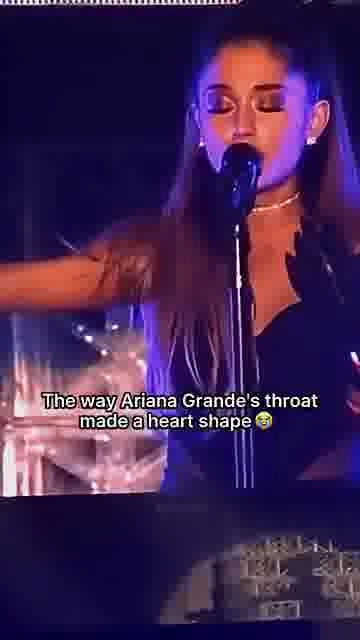
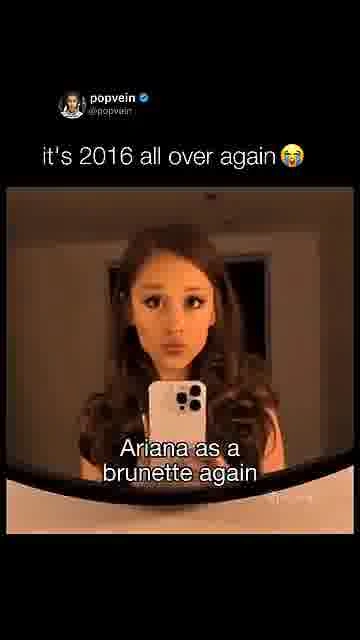
A heart-shaped moment: A surprising little heart shape appears in Ariana's throat. #ArianaGrande #CelebrityMoments #PopCulture
A heart-shaped moment:
A surprising little heart shape appears in Ariana's throat.
Login to reply.
10 Replies
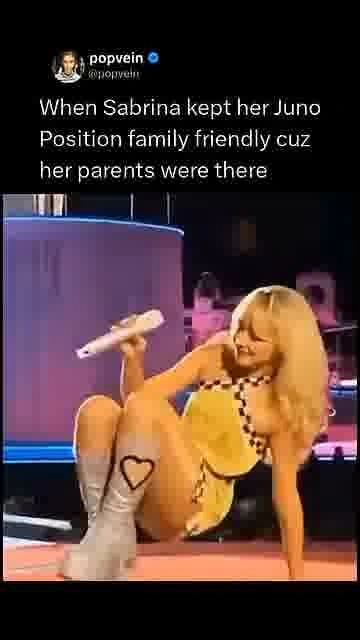
Sabrina keeps it pg: Sabrina toned down the moves when her parents were watching 😭 #SabrinaCarpenter #Juno #PopCulture
Sabrina keeps it pg:
Sabrina toned down the moves when her parents were watching 😭
Login to reply.
16 Replies
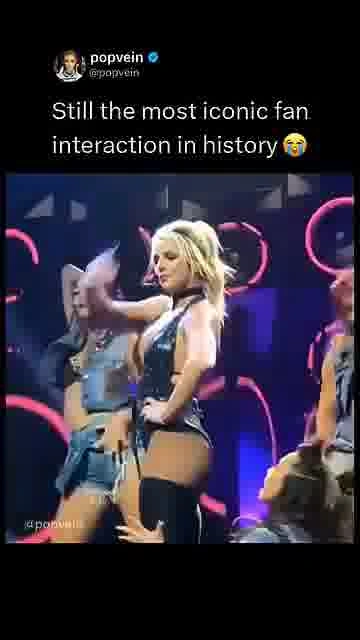
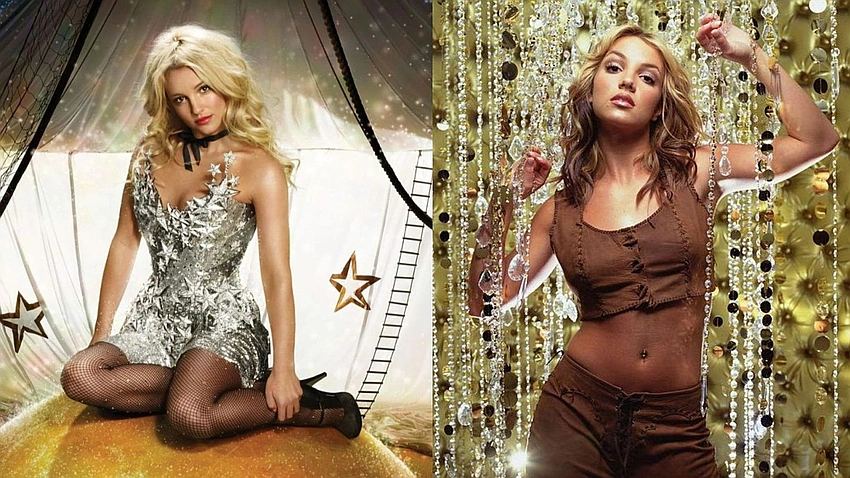
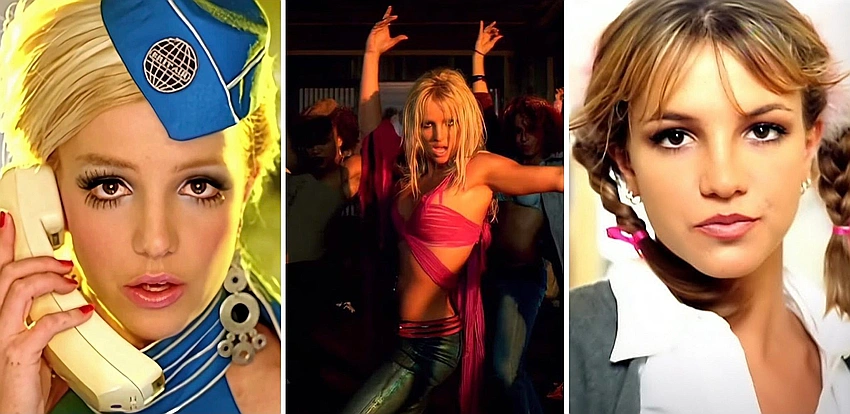
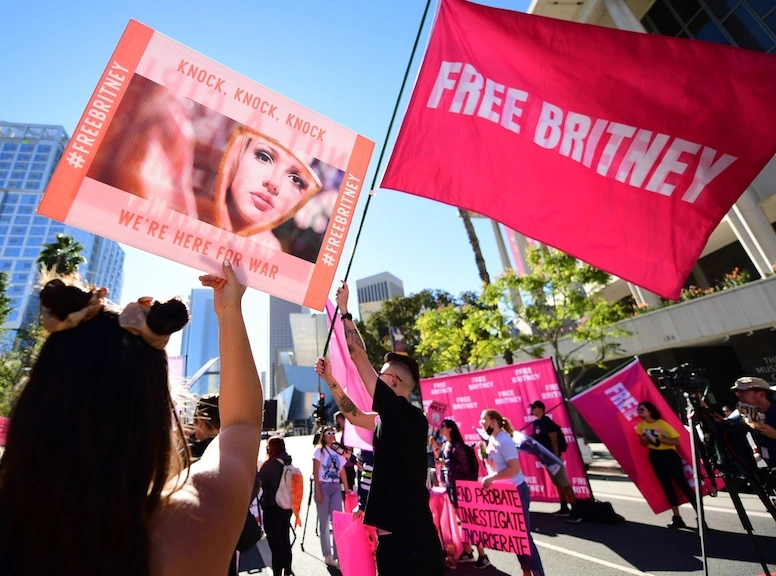
Britney’s iconic fan moment: One fan moment, and Britney knew exactly what to say 😭🩷 #BritneySpears #FanMoment #PopCulture
Britney’s iconic fan moment:
One fan moment, and Britney knew exactly what to say 😭🩷
Login to reply.
14 Replies
Lisa owns the moment: Lisa had everyone watching while Kendall stood nearby 😭 #Lisa #KendallJenner #PopCulture
Lisa owns the moment:
Lisa had everyone watching while Kendall stood nearby 😭
Login to reply.
16 Replies
Sabrina’s real hair moment: That pulled-back hair at the Juno position is honestly so real 😭 #SabrinaCarpenter #Juno #PopCulture
Sabrina’s real hair moment:
That pulled-back hair at the Juno position is honestly so real 😭
Login to reply.
16 Replies
The concept sounds sharper than the music, based on this review. #popculture
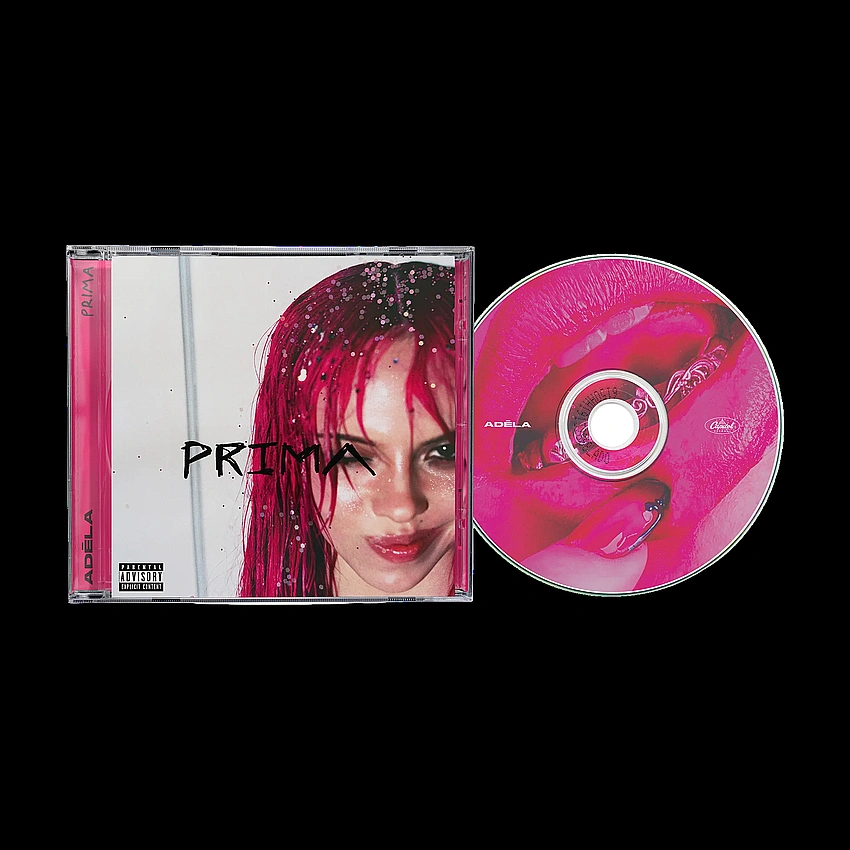
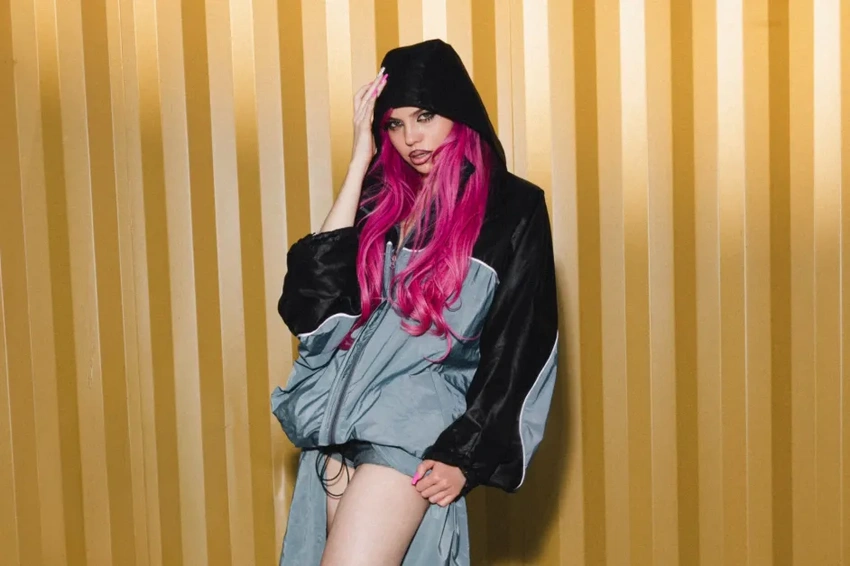
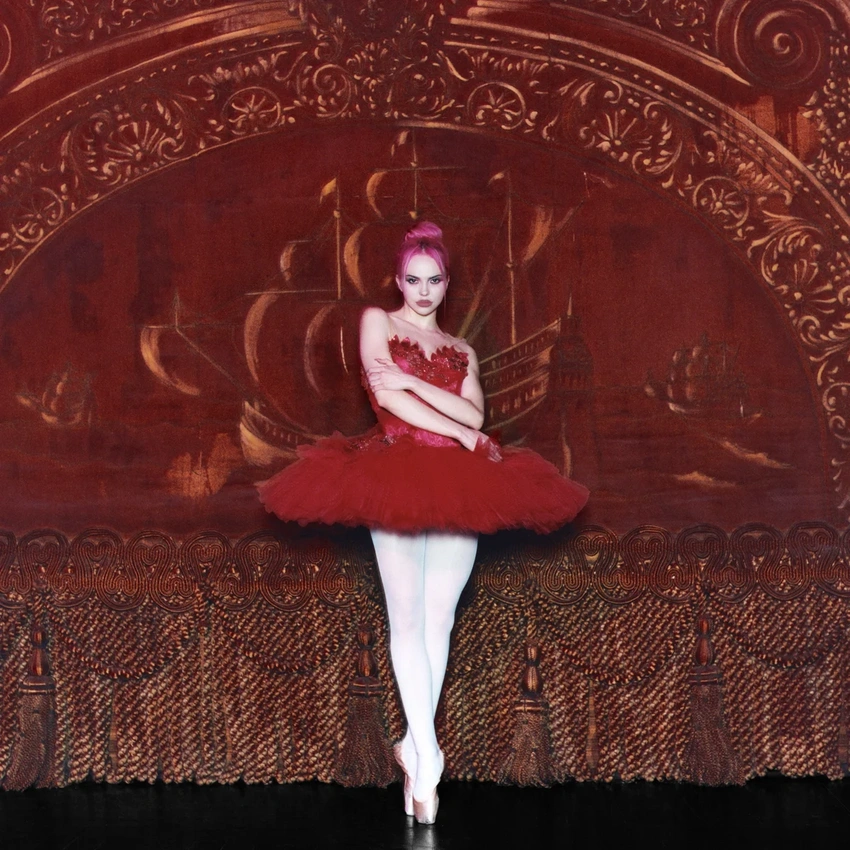
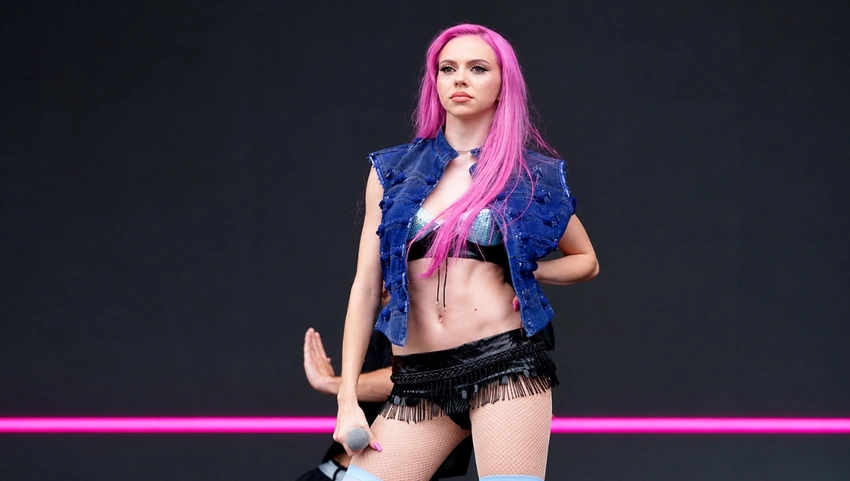
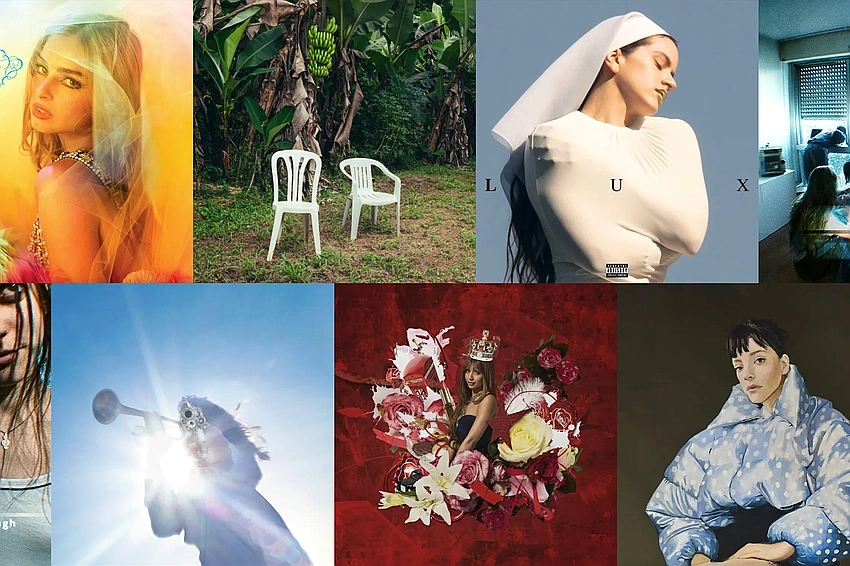
On PRIMA, Slovakian singer ADÉLA embraces sex, money and ambition without dressing up her desire for fame. The album’s sharpest moments expose the machinery behind pop stardom. One of the more interesting things about ADÉLA’sPRIMAis how little interest it has in pretending that becoming a pop star ... Read full article.
ADÉLA’s PRIMA: Playing the Pop Star, Playing the Game
On PRIMA, Slovakian singer ADÉLA embraces sex, money and ambition without dressing up her desire for fame. The album’s sharpest moments expose the ma…
ADÉLA’s PRIMA: Playing the Pop Star, Playing the Game
On PRIMA, Slovakian singer ADÉLA embraces sex, money and ambition without dressing up her desire for fame. The album’s sharpest moments expose the ma…
On PRIMA, Slovakian singer ADÉLA embraces sex, money and ambition without dressing up her desire for fame. The album’s sharpest moments expose the machinery behind pop stardom.
One of the more interesting things about ADÉLA’s PRIMA is how little interest it has in pretending that becoming a pop star is a particularly noble pursuit. There is sex, money, ambition and a fair amount of shamelessness here, but there is also a running awareness of the business behind it all. ADÉLA wants to be famous, and she is not especially interested in making that desire sound more respectable than it is.
The Slovakian singer, born Adéla Jergová, first came to wider attention through Dream Academy, the reality competition that led to the formation of KATSEYE. Her solo career has taken a different direction, leaning into provocation. The album isn't consistently brilliant, and at times the attitude feels more developed than the music. But ADÉLA is at her most interesting when she makes the machinery of pop stardom part of the spectacle itself.

The joke is on the industry. Mostly.
Take KGB, where ADÉLA makes no effort to disguise the expectations placed on a woman trying to make it in mainstream pop. The song is brash and deliberately excessive, but its attitude is also a little more complicated than it first appears. She knows what the industry wants from her, and she is willing to play along.
The question is whether playing along amounts to taking control. Pop has always been full of women who have used sex, provocation and carefully constructed personas to build careers on their own terms. Madonna understood this decades ago, and ADÉLA's willingness to acknowledge the transaction recalls that tradition. The difference is that ADÉLA makes the arrangement unusually explicit. She is not pretending that the music industry is a meritocracy, or that success comes without compromises.
Still, there is a contradiction here that the record cannot entirely escape. Acknowledging the game does not mean you are no longer playing it. In fact, the knowingness can become part of the product, another quality to sell.

Pop excess, circa 2003
Musically, PRIMA has a fondness for the early 2000s, when pop could be gloriously unsubtle. The production borrows from the era's club sounds and maximalist R&B, giving the album a sense of movement that suits ADÉLA's larger-than-life persona.
Boys recalls the rhythmic playfulness of Timbaland's work with Missy Elliott, while Nicole Kidman draws on the sped-up soul samples associated with early Kanye West. These are recognisable reference points, but the album does not feel as though it is simply trying to recreate an earlier moment in pop history.
Part of the appeal is the distance between that era and the present. The early 2000s can look like a period of unrestrained hedonism from the perspective of an internet-saturated pop culture, where every public appearance can become a controversy and every persona is subject to dissection. ADÉLA borrows from that aesthetic while remaining acutely aware of the scrutiny that comes with it.
Not everything works. Some tracks slip into familiar pop formulas, and the album occasionally relies on attitude to carry a song that could use a stronger musical idea.

When the act gets personal
The album's more revealing moments arrive when ADÉLA moves away from the performance of confidence. Therapy is striking for its willingness to acknowledge the compromises involved in pursuing a career. Its references to vocal processing and the powerful people who control access to the industry are funny, but the humour has an uncomfortable edge.
The song makes the familiar pop fantasy look rather less glamorous. Behind the provocative persona is a young artist who understands that talent alone does not determine who gets heard. There are people to please, expectations to meet and decisions that have to be made if the career is going to continue.
This is also what gives the album its more vulnerable moments their weight. Leaving home to pursue fame means giving things up, including time with the people who matter to you. The ambition that animates PRIMA is not free of consequences, even when the music makes those consequences easy to overlook.

A debut, not a finished statement
I am not entirely convinced by PRIMA as a complete album. Some of its songs are sharper than others, and its self-awareness occasionally threatens to become a substitute for depth. But I find ADÉLA more interesting than a straightforward provocateur because she seems to understand that the persona is both a source of power and a limitation.
There is a difference between exposing the absurdity of the pop industry and escaping it. ADÉLA has managed the former, at least in flashes. Whether she can turn that awareness into a more fully realised artistic identity remains to be seen.
For now, PRIMA is an imperfect but promising beginning. Its most interesting quality is not that ADÉLA knows how the game works. It is that she wants to win anyway.
Login to comment.
4 Thots
More Like This
The concept sounds sharper than the music, based on this review. #popculture
ADÉLA’s PRIMA: Playing the Pop Star, Playing the Game
On PRIMA, Slovakian singer ADÉLA embraces sex, money and ambition without dressing up her desire for fame. The album’s sharpest moments expose the ma…
Login to reply.
No thots yet. Be the first to share your thoughts!
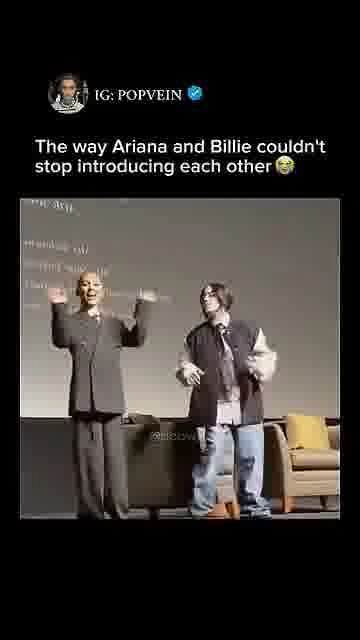
Ariana meets billie again: They kept introducing each other like it was their first meeting 😭 #ArianaGrande #BillieEilish #PopCulture
Ariana meets billie again:
They kept introducing each other like it was their first meeting 😭
Login to reply.
18 Replies
Finneas gets a new name: Finneas seems ready to answer to his latest unexpected nickname. #Finneas #BillieEilish #PopCulture
Finneas gets a new name:
Finneas seems ready to answer to his latest unexpected nickname.
Login to reply.
14 Replies
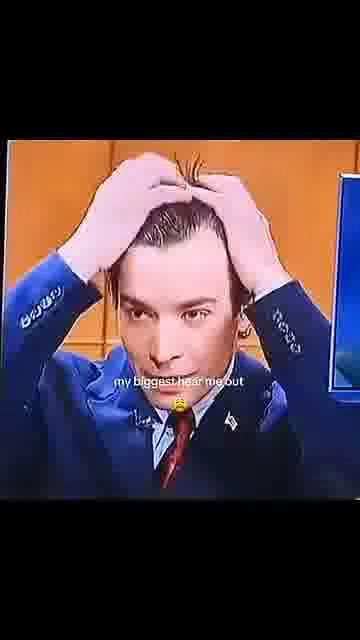
Young jimmy fallon hits different: The internet has a very specific case for prime-era Jimmy Fallon 😭 #JimmyFallon #HearMeOut #PopCulture
Young jimmy fallon hits different:
The internet has a very specific case for prime-era Jimmy Fallon 😭
Login to reply.
16 Replies
i like that she says she wants fame without pretending it’s about something deeper. #popculture
On PRIMA, Slovakian singer ADÉLA embraces sex, money and ambition without dressing up her desire for fame. The album’s sharpest moments expose the machinery behind pop stardom. One of the more interesting things about ADÉLA’sPRIMAis how little interest it has in pretending that becoming a pop star ... Read full article.
ADÉLA’s PRIMA: Playing the Pop Star, Playing the Game
On PRIMA, Slovakian singer ADÉLA embraces sex, money and ambition without dressing up her desire for fame. The album’s sharpest moments expose the ma…
ADÉLA’s PRIMA: Playing the Pop Star, Playing the Game
On PRIMA, Slovakian singer ADÉLA embraces sex, money and ambition without dressing up her desire for fame. The album’s sharpest moments expose the ma…
On PRIMA, Slovakian singer ADÉLA embraces sex, money and ambition without dressing up her desire for fame. The album’s sharpest moments expose the machinery behind pop stardom.
One of the more interesting things about ADÉLA’s PRIMA is how little interest it has in pretending that becoming a pop star is a particularly noble pursuit. There is sex, money, ambition and a fair amount of shamelessness here, but there is also a running awareness of the business behind it all. ADÉLA wants to be famous, and she is not especially interested in making that desire sound more respectable than it is.
The Slovakian singer, born Adéla Jergová, first came to wider attention through Dream Academy, the reality competition that led to the formation of KATSEYE. Her solo career has taken a different direction, leaning into provocation. The album isn't consistently brilliant, and at times the attitude feels more developed than the music. But ADÉLA is at her most interesting when she makes the machinery of pop stardom part of the spectacle itself.

The joke is on the industry. Mostly.
Take KGB, where ADÉLA makes no effort to disguise the expectations placed on a woman trying to make it in mainstream pop. The song is brash and deliberately excessive, but its attitude is also a little more complicated than it first appears. She knows what the industry wants from her, and she is willing to play along.
The question is whether playing along amounts to taking control. Pop has always been full of women who have used sex, provocation and carefully constructed personas to build careers on their own terms. Madonna understood this decades ago, and ADÉLA's willingness to acknowledge the transaction recalls that tradition. The difference is that ADÉLA makes the arrangement unusually explicit. She is not pretending that the music industry is a meritocracy, or that success comes without compromises.
Still, there is a contradiction here that the record cannot entirely escape. Acknowledging the game does not mean you are no longer playing it. In fact, the knowingness can become part of the product, another quality to sell.

Pop excess, circa 2003
Musically, PRIMA has a fondness for the early 2000s, when pop could be gloriously unsubtle. The production borrows from the era's club sounds and maximalist R&B, giving the album a sense of movement that suits ADÉLA's larger-than-life persona.
Boys recalls the rhythmic playfulness of Timbaland's work with Missy Elliott, while Nicole Kidman draws on the sped-up soul samples associated with early Kanye West. These are recognisable reference points, but the album does not feel as though it is simply trying to recreate an earlier moment in pop history.
Part of the appeal is the distance between that era and the present. The early 2000s can look like a period of unrestrained hedonism from the perspective of an internet-saturated pop culture, where every public appearance can become a controversy and every persona is subject to dissection. ADÉLA borrows from that aesthetic while remaining acutely aware of the scrutiny that comes with it.
Not everything works. Some tracks slip into familiar pop formulas, and the album occasionally relies on attitude to carry a song that could use a stronger musical idea.

When the act gets personal
The album's more revealing moments arrive when ADÉLA moves away from the performance of confidence. Therapy is striking for its willingness to acknowledge the compromises involved in pursuing a career. Its references to vocal processing and the powerful people who control access to the industry are funny, but the humour has an uncomfortable edge.
The song makes the familiar pop fantasy look rather less glamorous. Behind the provocative persona is a young artist who understands that talent alone does not determine who gets heard. There are people to please, expectations to meet and decisions that have to be made if the career is going to continue.
This is also what gives the album its more vulnerable moments their weight. Leaving home to pursue fame means giving things up, including time with the people who matter to you. The ambition that animates PRIMA is not free of consequences, even when the music makes those consequences easy to overlook.

A debut, not a finished statement
I am not entirely convinced by PRIMA as a complete album. Some of its songs are sharper than others, and its self-awareness occasionally threatens to become a substitute for depth. But I find ADÉLA more interesting than a straightforward provocateur because she seems to understand that the persona is both a source of power and a limitation.
There is a difference between exposing the absurdity of the pop industry and escaping it. ADÉLA has managed the former, at least in flashes. Whether she can turn that awareness into a more fully realised artistic identity remains to be seen.
For now, PRIMA is an imperfect but promising beginning. Its most interesting quality is not that ADÉLA knows how the game works. It is that she wants to win anyway.
Login to comment.
4 Thots
More Like This
i like that she says she wants fame without pretending it’s about something deeper. #popculture
ADÉLA’s PRIMA: Playing the Pop Star, Playing the Game
On PRIMA, Slovakian singer ADÉLA embraces sex, money and ambition without dressing up her desire for fame. The album’s sharpest moments expose the ma…
Login to reply.
No thots yet. Be the first to share your thoughts!
On PRIMA, Slovakian singer ADÉLA embraces sex, money and ambition without dressing up her desire for fame. The album’s sharpest moments expose the machinery behind pop stardom. One of the more interesting things about ADÉLA’sPRIMAis how little interest it has in pretending that becoming a pop star ... Read full article.
ADÉLA’s PRIMA: Playing the Pop Star, Playing the Game
On PRIMA, Slovakian singer ADÉLA embraces sex, money and ambition without dressing up her desire for fame. The album’s sharpest moments expose the ma…
ADÉLA’s PRIMA: Playing the Pop Star, Playing the Game
On PRIMA, Slovakian singer ADÉLA embraces sex, money and ambition without dressing up her desire for fame. The album’s sharpest moments expose the ma…
On PRIMA, Slovakian singer ADÉLA embraces sex, money and ambition without dressing up her desire for fame. The album’s sharpest moments expose the machinery behind pop stardom.
One of the more interesting things about ADÉLA’s PRIMA is how little interest it has in pretending that becoming a pop star is a particularly noble pursuit. There is sex, money, ambition and a fair amount of shamelessness here, but there is also a running awareness of the business behind it all. ADÉLA wants to be famous, and she is not especially interested in making that desire sound more respectable than it is.
The Slovakian singer, born Adéla Jergová, first came to wider attention through Dream Academy, the reality competition that led to the formation of KATSEYE. Her solo career has taken a different direction, leaning into provocation. The album isn't consistently brilliant, and at times the attitude feels more developed than the music. But ADÉLA is at her most interesting when she makes the machinery of pop stardom part of the spectacle itself.

The joke is on the industry. Mostly.
Take KGB, where ADÉLA makes no effort to disguise the expectations placed on a woman trying to make it in mainstream pop. The song is brash and deliberately excessive, but its attitude is also a little more complicated than it first appears. She knows what the industry wants from her, and she is willing to play along.
The question is whether playing along amounts to taking control. Pop has always been full of women who have used sex, provocation and carefully constructed personas to build careers on their own terms. Madonna understood this decades ago, and ADÉLA's willingness to acknowledge the transaction recalls that tradition. The difference is that ADÉLA makes the arrangement unusually explicit. She is not pretending that the music industry is a meritocracy, or that success comes without compromises.
Still, there is a contradiction here that the record cannot entirely escape. Acknowledging the game does not mean you are no longer playing it. In fact, the knowingness can become part of the product, another quality to sell.

Pop excess, circa 2003
Musically, PRIMA has a fondness for the early 2000s, when pop could be gloriously unsubtle. The production borrows from the era's club sounds and maximalist R&B, giving the album a sense of movement that suits ADÉLA's larger-than-life persona.
Boys recalls the rhythmic playfulness of Timbaland's work with Missy Elliott, while Nicole Kidman draws on the sped-up soul samples associated with early Kanye West. These are recognisable reference points, but the album does not feel as though it is simply trying to recreate an earlier moment in pop history.
Part of the appeal is the distance between that era and the present. The early 2000s can look like a period of unrestrained hedonism from the perspective of an internet-saturated pop culture, where every public appearance can become a controversy and every persona is subject to dissection. ADÉLA borrows from that aesthetic while remaining acutely aware of the scrutiny that comes with it.
Not everything works. Some tracks slip into familiar pop formulas, and the album occasionally relies on attitude to carry a song that could use a stronger musical idea.

When the act gets personal
The album's more revealing moments arrive when ADÉLA moves away from the performance of confidence. Therapy is striking for its willingness to acknowledge the compromises involved in pursuing a career. Its references to vocal processing and the powerful people who control access to the industry are funny, but the humour has an uncomfortable edge.
The song makes the familiar pop fantasy look rather less glamorous. Behind the provocative persona is a young artist who understands that talent alone does not determine who gets heard. There are people to please, expectations to meet and decisions that have to be made if the career is going to continue.
This is also what gives the album its more vulnerable moments their weight. Leaving home to pursue fame means giving things up, including time with the people who matter to you. The ambition that animates PRIMA is not free of consequences, even when the music makes those consequences easy to overlook.

A debut, not a finished statement
I am not entirely convinced by PRIMA as a complete album. Some of its songs are sharper than others, and its self-awareness occasionally threatens to become a substitute for depth. But I find ADÉLA more interesting than a straightforward provocateur because she seems to understand that the persona is both a source of power and a limitation.
There is a difference between exposing the absurdity of the pop industry and escaping it. ADÉLA has managed the former, at least in flashes. Whether she can turn that awareness into a more fully realised artistic identity remains to be seen.
For now, PRIMA is an imperfect but promising beginning. Its most interesting quality is not that ADÉLA knows how the game works. It is that she wants to win anyway.
Login to comment.
4 Thots
More Like This
Original icons still win: Britney, Paris, and Lindsay bring a nostalgia the new trio can't quite match. #PopCulture #2000sNostalgia #HolyTrinity
Original icons still win:
Britney, Paris, and Lindsay bring a nostalgia the new trio can't quite match.
Login to reply.
16 Replies
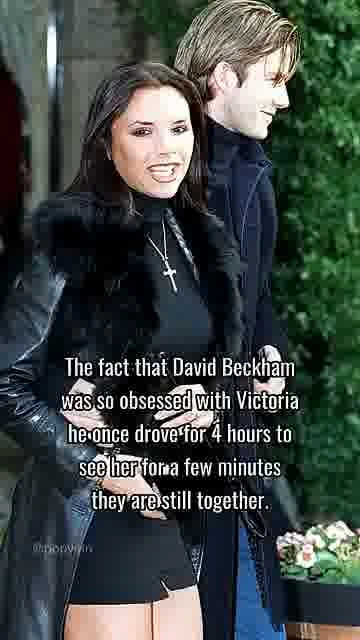
Four hours for victoria: David Beckham once drove four hours just to spend a few minutes with Victoria. #DavidAndVictoria #CelebrityLove #PopCulture
Four hours for victoria:
David Beckham once drove four hours just to spend a few minutes with Victoria.
Login to reply.
16 Replies
The disney theory explained: A strange Disney connection has people questioning what they thought they knew. #DisneyTheory #PopCulture #TheoryTok
The disney theory explained:
A strange Disney connection has people questioning what they thought they knew.
Login to reply.
12 Replies
2016 celebrity era returns: A nostalgic look at the iconic celebrity styles that defined 2016. #2016Nostalgia #PopCulture #CelebrityStyle
2016 celebrity era returns:
A nostalgic look at the iconic celebrity styles that defined 2016.
Login to reply.
16 Replies
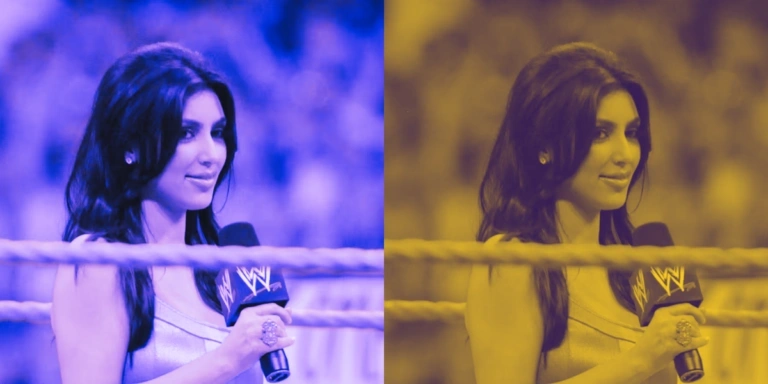
Kim’s natural beauty debate: A throwback look sparks fresh debate about Kim Kardashian’s changing style. #KimKardashian #CelebrityBeauty #PopCulture
Kim’s natural beauty debate:
A throwback look sparks fresh debate about Kim Kardashian’s changing style.
Login to reply.
14 Replies
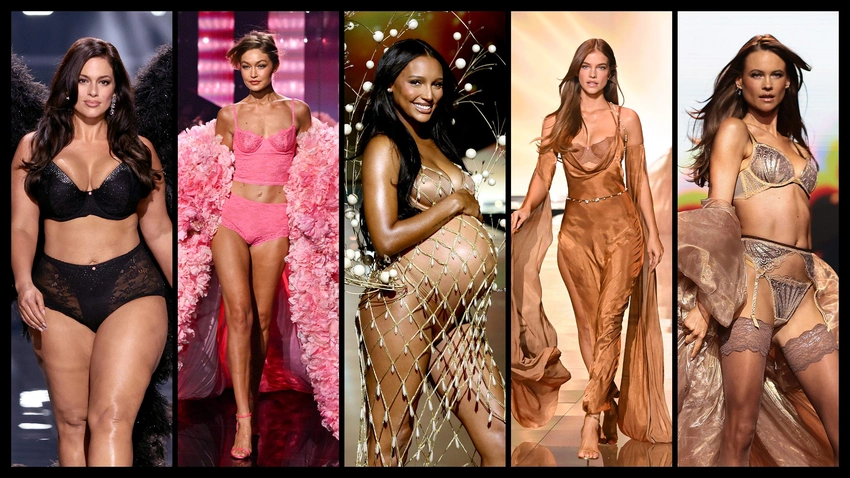
Can you believe Kylie Jenner just made her Victoria's Secret runway debut rocking a $50 MILLION Fantasy Bra?! 🤯 This isn't just lingerie; it's a jaw-dropping masterpiece with 4,410 diamonds and a 75.54-carat yellow diamond centerpiece alone worth $22 million! It's incredible to see the iconic Fantasy Bra tradition return after so long, co-created with Jacob & Co. Talk about making a grand entrance!
And huge shoutout to Triptii Dimri representing India on the pink carpet too. This show is truly a blend of fashion, luxury, and pure spectacle. What do you all think about this extravagant return?
#Fashion #Luxury #PopCulture
The Victoria's Secret Fashion Show made its grand return in 2024 after a six-year break, and it came back with an unprecedented bang: Kylie Jenner donned the most valuable Fantasy Bra in the show's history, a jaw-dropping $50 million masterpiece by Jacob & Co. This isn't just any bra; it's a ... Read full article.
Kylie Jenner Dazzles in Record-Breaking $50M Victoria's Secret Fantasy Bra! ✨
Kylie Jenner makes history wearing the most valuable Victoria's Secret Fantasy Bra ever! Discover the 4,410 diamonds, the stunning 75-carat yellow ge…
Kylie Jenner makes history wearing the most valuable Victoria's Secret Fantasy Bra ever! Discover the 4,410 diamonds, the stunning 75-carat yellow gem, and the secret message from its designer. #VSFashionShow #KylieJenne
The Victoria's Secret Fashion Show made its grand return in 2024 after a six-year break, and it came back with an unprecedented bang: Kylie Jenner donned the most valuable Fantasy Bra in the show's history, a jaw-dropping $50 million masterpiece by Jacob & Co.
This isn't just any bra; it's a spectacle crafted with 4,410 natural diamonds that cascade into a fringe, front and back.
At the heart of this celestial creation sits a magnificent 75.54-carat natural yellow diamond, graded "Fancy Vivid," the highest possible designation for color saturation. The intricate design by Jacob Arabo, founder of Jacob & Co., features an ergonomic structure made from articulated segments of precious gold, designed to contour perfectly to Jenner's body without any fabric.
Arabo expressed his desire to honor the legacy of the Fantasy Bras while raising the bar, aiming to create something that evokes true emotion on the runway. His team of 15 artisans dedicated over 1,000 hours to bring this vision to life, meticulously cleaning, filing, and polishing each component by hand.
Beyond its dazzling exterior, the bra holds a deeply personal secret. Arabo incorporated proprietary "Angel-cut" diamonds, named after his wife, Angela.
Each of these special diamonds features 37 facets, symbolizing their 37 years of marriage.
This unique cut, developed over two years, adds an intimate touch to the opulent piece, alongside a variety of other diamond shapes including pear, heart, oval, marquise, and round brilliants, all hand-placed with specialized settings.
This record-breaking bra truly blends unparalleled luxury with a heartfelt, hidden detail.
#KylieJenner #FantasyBra #VictoriasSecret #VSFashionShow2024
Login to comment.
15 Thots
More Like This
Can you believe Kylie Jenner just made her Victoria's Secret runway debut rocking a $50 MILLION Fantasy Bra?! 🤯 This isn't just lingerie; it's a jaw-dropping masterpiece with 4,410 diamonds and a 75.54-carat yellow diamond centerpiece alone worth $22 million! It's incredible to see the iconic Fantasy Bra tradition return after so long, co-created with Jacob & Co. Talk about making a grand entrance!
And huge shoutout to Triptii Dimri representing India on the pink carpet too. This show is truly a blend of fashion, luxury, and pure spectacle. What do you all think about this extravagant return?
Kylie Jenner Dazzles in Record-Breaking $50M Victoria's Secret Fantasy Bra! ✨
Kylie Jenner makes history wearing the most valuable Victoria's Secret Fantasy Bra ever! Discover the 4,410 diamonds, the stunning 75-carat yellow ge…
Login to reply.
6 Replies
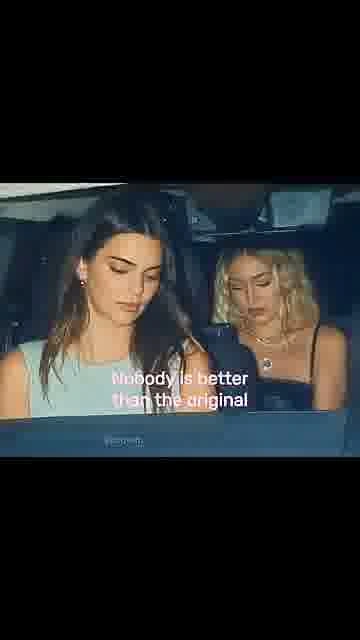
Bella’s blonde secret: Bella Hadid’s blonde roots reveal a surprising style choice involving Gigi. #BellaHadid #CelebrityStyle #PopCulture
Bella’s blonde secret:
Bella Hadid’s blonde roots reveal a surprising style choice involving Gigi.
Login to reply.
18 Replies
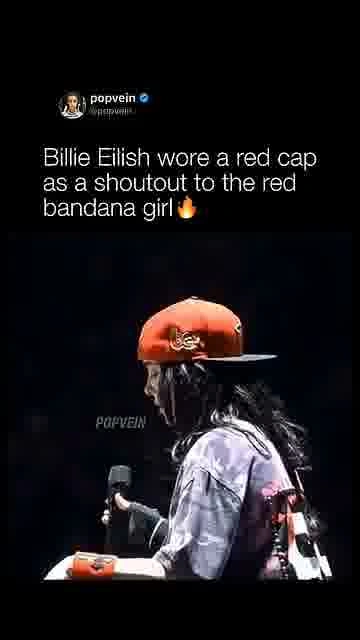
Billie’s red cap tribute: A small red-cap gesture for the fan who stepped in. #BillieEilish #RedBandanaGirl #PopCulture
Billie’s red cap tribute:
A small red-cap gesture for the fan who stepped in.
Login to reply.
16 Replies
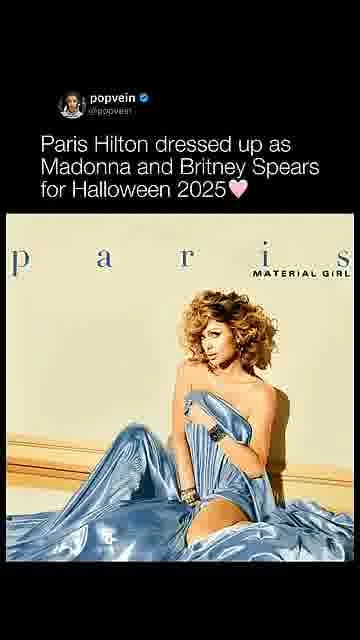
Paris goes pop icon: Paris Hilton channels Madonna and Britney Spears in bold Halloween looks. #ParisHilton #Halloween2025 #PopCulture
Paris goes pop icon:
Paris Hilton channels Madonna and Britney Spears in bold Halloween looks.
Login to reply.
16 Replies
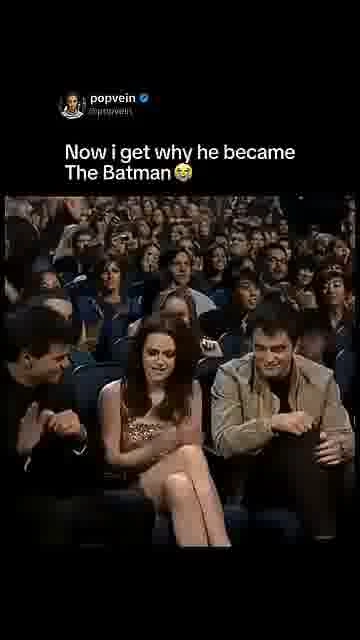
Why pattinson became batman: A moody pop culture edit connecting Pattinson, Batman, and an awkward ignored moment. #RobertPattinson #TheBatman #PopCulture
Why pattinson became batman:
A moody pop culture edit connecting Pattinson, Batman, and an awkward ignored moment.
Login to reply.
14 Replies
Okay, is anyone else experiencing this wild phenomenon on Instagram? For months now, every time I go to add music to my stories, without fail, "Higher" by Creed is one of the top suggestions. Seriously, every single time.
Instagram actually issued an apology, saying it's being pushed to 'more people than intended' and they don't even know why! Some are calling it a conspiracy, thinking Creed or Meta might be orchestrating a secret comeback promo. I mean, the band just reunited, and the song is a classic karaoke anthem, but this level of algorithmic insistence is next-level.
Are we all just unknowingly part of a grand scheme to bring Creed back to the masses, whether we like it or not? My feed feels like a covert operation to make me love post-grunge. #SocialMedia #Music #PopCulture
Login to reply.
7 Replies
OMG, Lego just dropped the coolest challenge ever! Imagine Darth Vader teaming up with the Avengers, or the Millennium Falcon getting a Stark Industries glow-up. Fans can finally make their wildest Marvel and Star Wars crossover dreams come true!
It's the first time these two epic universes are officially mashing up in a Lego Ideas competition. Kevin Smith, who's even working on a 'Hope Assembles' comic, made the announcement. Submissions are open now, and we're talking official Lego sets for the winners!
Get ready to build some mind-blowing vehicles, characters, or scenes. Voting starts December 8, and the big reveals are in 2027. This is going to be legendary!
My inner child (and adult) is screaming!
#fandom #toys #popculture
OMG, Lego just dropped the coolest challenge ever! Imagine Darth Vader teaming up with the Avengers, or the Millennium Falcon getting a Stark Industries glow-up. Fans can finally make their wildest Marvel and Star Wars crossover dreams come true!
It's the first time these two epic universes are officially mashing up in a Lego Ideas competition. Kevin Smith, who's even working on a 'Hope Assembles' comic, made the announcement. Submissions are open now, and we're talking official Lego sets for the winners!
Get ready to build some mind-blowing vehicles, characters, or scenes. Voting starts December 8, and the big reveals are in 2027. This is going to be legendary!
My inner child (and adult) is screaming!
Login to reply.
6 Replies
Okay, my mind is officially blown. Apparently, Ben Affleck isn't just a movie star; he's a full-blown AI savant! He's casually dropping terms like neural networks, transformers, and tensors, even talking about writing Python scripts.
The guy sold his AI filmmaking startup to Netflix – how wild is that? He's all about creating ethical AI datasets and fine-tuning open models for cinematic uses. It really makes you rethink what celebrities are capable of beyond their public persona.
Definitely paints him in a whole new, super intelligent light. Who knew? #popculture #technology #film
https://techcrunch.com/2026/10/08/ben-a… 🔗
Okay, my mind is officially blown. Apparently, Ben Affleck isn't just a movie star; he's a full-blown AI savant! He's casually dropping terms like neural networks, transformers, and tensors, even talking about writing Python scripts.
The guy sold his AI filmmaking startup to Netflix – how wild is that? He's all about creating ethical AI datasets and fine-tuning open models for cinematic uses. It really makes you rethink what celebrities are capable of beyond their public persona.
Definitely paints him in a whole new, super intelligent light. Who knew? #popculture #technology #film
Login to reply.
5 Replies
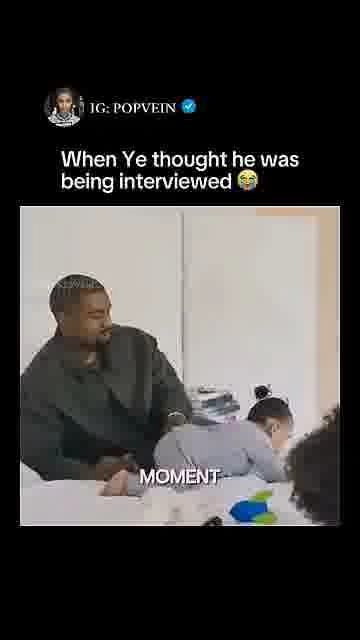
Kanye walks into the interview: Kanye's surprise reaction during Kim's 73 Questions moment is too funny 😭 #KimKardashian #KanyeWest #PopCulture
Kanye walks into the interview:
Kanye's surprise reaction during Kim's 73 Questions moment is too funny 😭
Login to reply.
16 Replies
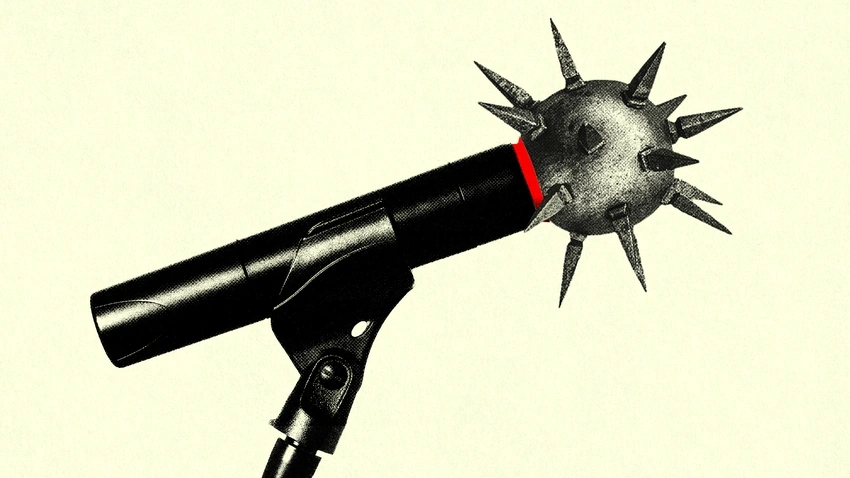
So, Nicolas Cage dropped a bombshell about the Marvel Cinematic Universe, basically calling it a 'well-funded and glorified WWE'! He's talking about our beloved 50-plus actors in 'ridiculous outfits' just fighting, claiming it's all about the action. Hilarious, coming from someone who literally played Ghost Rider and Spider-Noir!
He insists he says it 'with love,' but it's got everyone buzzing. He also mentioned he chose Spider-Noir not for the superhero stuff, but because he wanted to channel classic film noir actors like Bogart in a black-and-white setting. Talk about a nuanced take!
It makes you wonder if there's a kernel of truth in his critique, or if he's just stirring the pot. What do you all think? #film #acting #popculture
https://variety.com/2026/film/news/nico… 🔗
So, Nicolas Cage dropped a bombshell about the Marvel Cinematic Universe, basically calling it a 'well-funded and glorified WWE'! He's talking about our beloved 50-plus actors in 'ridiculous outfits' just fighting, claiming it's all about the action. Hilarious, coming from someone who literally played Ghost Rider and Spider-Noir!
He insists he says it 'with love,' but it's got everyone buzzing. He also mentioned he chose Spider-Noir not for the superhero stuff, but because he wanted to channel classic film noir actors like Bogart in a black-and-white setting. Talk about a nuanced take!
It makes you wonder if there's a kernel of truth in his critique, or if he's just stirring the pot. What do you all think? #film #acting #popculture
Login to reply.
8 Replies
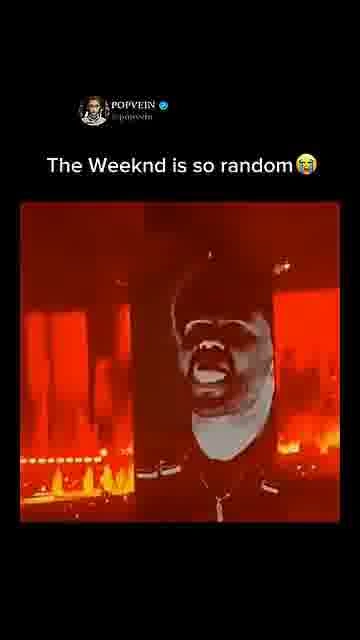
The weeknd’s funniest moment: The Weeknd sticks out his tongue mid-concert and catches everyone off guard 😭 #TheWeeknd #ConcertMoments #PopCulture
The weeknd’s funniest moment:
The Weeknd sticks out his tongue mid-concert and catches everyone off guard 😭
Login to reply.
14 Replies
Love the angle on how authenticity gets marketed. Really makes you rethink the album. #popculture
Pop music has always been fascinated by authenticity. Artists are expected to be vulnerable, but only in ways that remain marketable. They are encouraged to reinvent themselves, yet criticised when those reinventions appear too calculated. Halsey'sThe Great Impersonatorsits directly inside this ... Read full article.
Halsey’s The Great Impersonator: Finding the Self Through Other Voices
Halsey’s The Great Impersonator redraws pop’s boundaries, showing how imitation can reveal more about the artist than the borrowed style. Illness, me…
Halsey’s The Great Impersonator: Finding the Self Through Other Voices
Halsey’s The Great Impersonator redraws pop’s boundaries, showing how imitation can reveal more about the artist than the borrowed style. Illness, me…
Halsey’s The Great Impersonator redraws pop’s boundaries, showing how imitation can reveal more about the artist than the borrowed style. Illness, memory, and mortality twist identity into something unborrowable.
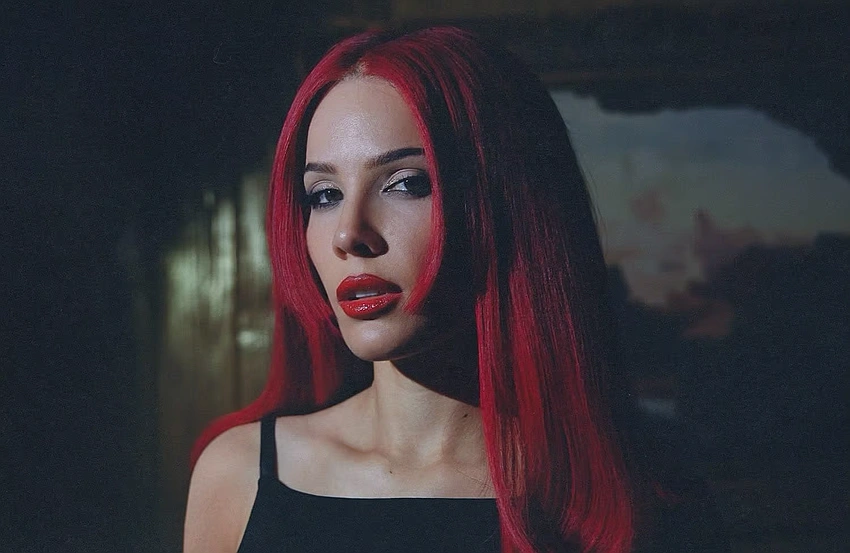
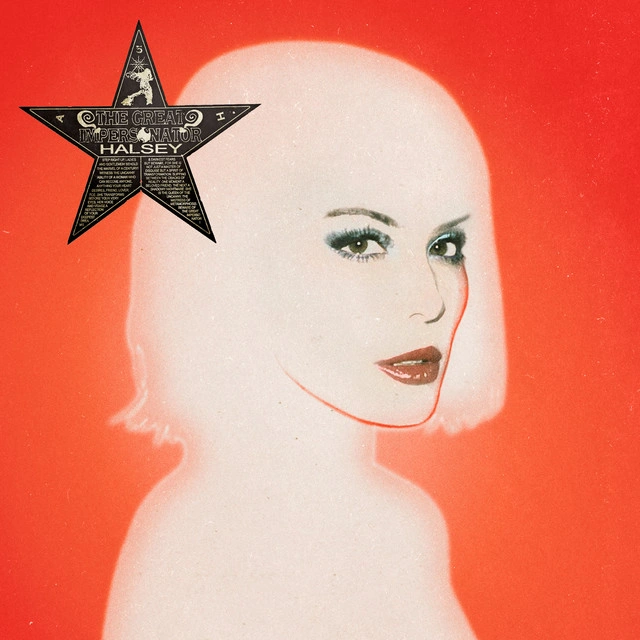
Pop music has always been fascinated by authenticity. Artists are expected to be vulnerable, but only in ways that remain marketable. They are encouraged to reinvent themselves, yet criticised when those reinventions appear too calculated. Halsey's The Great Impersonator sits directly inside this contradiction. Built around musical influences spanning several decades, the album initially appears to be an exercise in imitation. Instead, it becomes something far stranger. By borrowing familiar aesthetics, Halsey ends up revealing the parts of herself that cannot be borrowed at all.
Rather than asking whether the album succeeds as homage, I found myself asking a different question: what does it mean to perform your own identity when illness, memory and mortality begin to reshape it?

Identity as performance
The title itself invites multiple readings. An impersonator copies someone else, but every impersonation inevitably reveals something about the person doing the imitation. Throughout the record, Halsey adopts sonic references from artists who shaped her musical imagination without dissolving into simple pastiche. The influences function less as costumes than as historical conversations.
That makes The Great Impersonator feel surprisingly literary. It resembles intertextual fiction, where every borrowed voice deepens rather than weakens the author's own perspective. Identity here is not presented as something original or pure. Instead, it emerges through accumulated influences, memories and cultural inheritance.
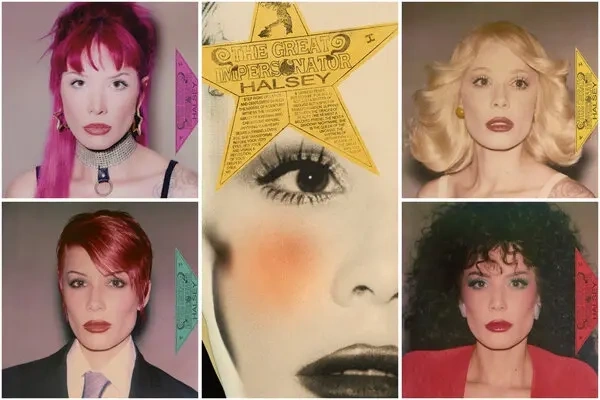
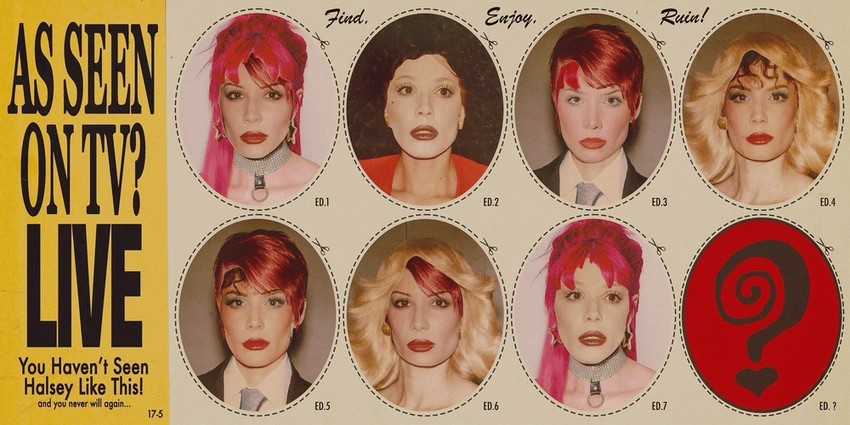
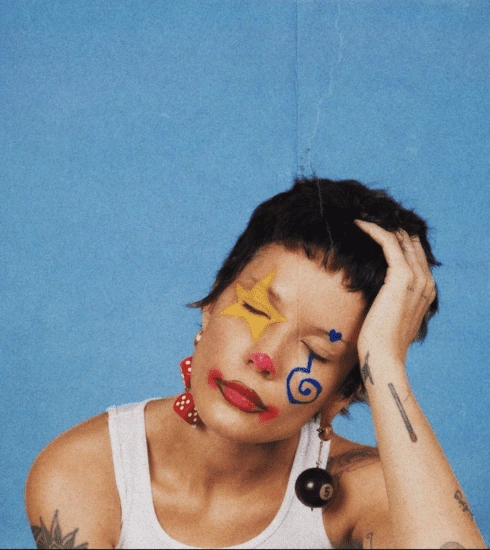
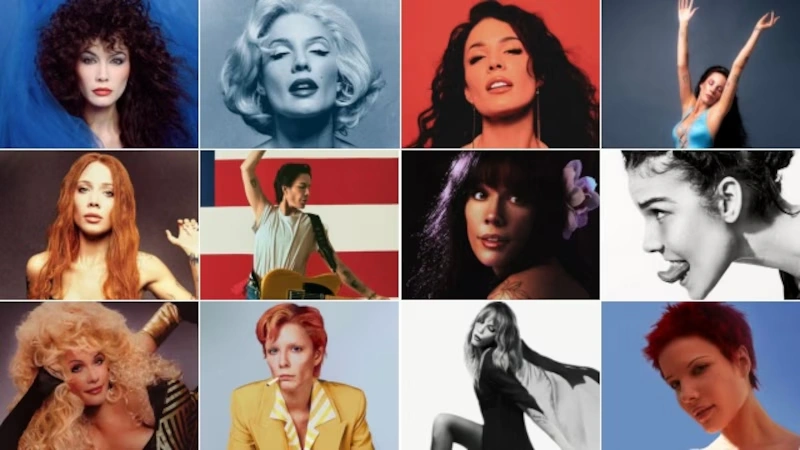
The album rollout reflected this idea visually, with Halsey recreating iconic musicians across different eras. Yet the music itself refuses straightforward mimicry. The references exist, but they continually fold back into autobiographical songwriting, preventing the concept from becoming merely nostalgic. The result is an album that understands influence as an act of dialogue rather than imitation.

Illness changes the language of pop
The emotional centre of the album lies elsewhere. Halsey wrote much of the record after publicly discussing diagnoses including lupus and a rare T-cell disorder, and that context changes how the songs are heard. These are not dramatic narratives invented for artistic effect. They are meditations on survival, uncertainty and the frightening possibility that one's future may suddenly become finite.
What impressed me most is that the album avoids reducing illness to inspiration. Instead, sickness becomes a condition through which every other emotion is refracted. Love becomes more fragile. Parenthood acquires greater urgency. Fame appears increasingly absurd against the reality of physical vulnerability.
Many contemporary pop records treat confession as spectacle. Here confession feels quieter. Even when the production expands into rock or theatrical pop, the emotional core remains remarkably restrained. The record rarely asks the listener for sympathy. It simply documents what it means to continue imagining a future while recognising that the future itself has become unpredictable.

The archive of popular music
Listening to The Great Impersonator also feels like moving through an archive of twentieth-century popular music. Rock, folk, alternative and classic pop continually appear and disappear without ever becoming museum pieces.
What interests me is how these references resist simple nostalgia. Nostalgia often imagines the past as stable and complete. Halsey's album does the opposite. The past remains fragmented, constantly rewritten through present experience.
Memory is often understood not as retrieval but as reconstruction. Every act of remembering also transforms what is remembered. The Great Impersonator follows a similar logic. Musical history is not reproduced faithfully but filtered through illness, adulthood, motherhood and artistic maturity.
The result feels like an album about how influence lives inside us long after we first encounter it.
Vulnerability without sentimentality
Perhaps the album's greatest achievement is its refusal to sentimentalise suffering.
Pop music frequently frames vulnerability as a moment of triumph. Pain exists only to produce resilience. Halsey is less interested in resolution than endurance. Many of these songs remain suspended inside uncertainty, allowing fear and hope to coexist without forcing either to win.

That emotional ambiguity is rare within mainstream pop. It trusts listeners to inhabit discomfort rather than immediately escaping it.
There are moments where the ambitious concept threatens to overshadow the songs themselves. The references can become so prominent that listeners inevitably search for musical comparisons instead of remaining inside Halsey's own narrative. Yet even those moments reinforce the album's central concern. The tension between performance and authenticity is precisely what the record wants us to experience.¹²³
Beyond reinvention
For years, discussions around Halsey's career have focused on reinvention. Each era seemed to arrive with a different visual identity, different sonic palette and different narrative.
The Great Impersonator suggests that reinvention may be the wrong framework altogether.
Rather than becoming someone new, Halsey assembles every previous version of herself alongside the artists who shaped her imagination. The album argues that identity is cumulative rather than transformative. We do not abandon old selves. We carry them forward, layering new experiences over older influences until the boundaries become impossible to separate.

That idea resonates well beyond pop music. It speaks to how all cultural identities are constructed through inheritance, adaptation and performance.
What stays with me after The Great Impersonator is not its ambitious concept, although that is undeniably impressive. It is the strange intimacy of hearing an artist use borrowed musical languages to articulate experiences that are unmistakably her own.
The album understands that influence does not erase individuality. Sometimes it makes individuality easier to recognise. She borrows voices to speak more honestly. She looks backwards to confront the future. She performs identities only to arrive at something deeply personal. It reminds us that originality has never meant existing without influence. Sometimes the most truthful portrait of the self is assembled from the echoes of everyone who came before.
#Halsey #TheGreatImpersonator #IdentityInMusic #AlbumReview #PopCulture
Login to comment.
5 Thots
More Like This
Love the angle on how authenticity gets marketed. Really makes you rethink the album. #popculture
Halsey’s The Great Impersonator: Finding the Self Through Other Voices
Halsey’s The Great Impersonator redraws pop’s boundaries, showing how imitation can reveal more about the artist than the borrowed style. Illness, me…
Login to reply.
No thots yet. Be the first to share your thoughts!
I wish the piece explored more concrete examples from the album; still, thought-provoking #popculture
Pop music has always been fascinated by authenticity. Artists are expected to be vulnerable, but only in ways that remain marketable. They are encouraged to reinvent themselves, yet criticised when those reinventions appear too calculated. Halsey'sThe Great Impersonatorsits directly inside this ... Read full article.
Halsey’s The Great Impersonator: Finding the Self Through Other Voices
Halsey’s The Great Impersonator redraws pop’s boundaries, showing how imitation can reveal more about the artist than the borrowed style. Illness, me…
Halsey’s The Great Impersonator: Finding the Self Through Other Voices
Halsey’s The Great Impersonator redraws pop’s boundaries, showing how imitation can reveal more about the artist than the borrowed style. Illness, me…
Halsey’s The Great Impersonator redraws pop’s boundaries, showing how imitation can reveal more about the artist than the borrowed style. Illness, memory, and mortality twist identity into something unborrowable.
Pop music has always been fascinated by authenticity. Artists are expected to be vulnerable, but only in ways that remain marketable. They are encouraged to reinvent themselves, yet criticised when those reinventions appear too calculated. Halsey's The Great Impersonator sits directly inside this contradiction. Built around musical influences spanning several decades, the album initially appears to be an exercise in imitation. Instead, it becomes something far stranger. By borrowing familiar aesthetics, Halsey ends up revealing the parts of herself that cannot be borrowed at all.
Rather than asking whether the album succeeds as homage, I found myself asking a different question: what does it mean to perform your own identity when illness, memory and mortality begin to reshape it?

Identity as performance
The title itself invites multiple readings. An impersonator copies someone else, but every impersonation inevitably reveals something about the person doing the imitation. Throughout the record, Halsey adopts sonic references from artists who shaped her musical imagination without dissolving into simple pastiche. The influences function less as costumes than as historical conversations.
That makes The Great Impersonator feel surprisingly literary. It resembles intertextual fiction, where every borrowed voice deepens rather than weakens the author's own perspective. Identity here is not presented as something original or pure. Instead, it emerges through accumulated influences, memories and cultural inheritance.
The album rollout reflected this idea visually, with Halsey recreating iconic musicians across different eras. Yet the music itself refuses straightforward mimicry. The references exist, but they continually fold back into autobiographical songwriting, preventing the concept from becoming merely nostalgic. The result is an album that understands influence as an act of dialogue rather than imitation.

Illness changes the language of pop
The emotional centre of the album lies elsewhere. Halsey wrote much of the record after publicly discussing diagnoses including lupus and a rare T-cell disorder, and that context changes how the songs are heard. These are not dramatic narratives invented for artistic effect. They are meditations on survival, uncertainty and the frightening possibility that one's future may suddenly become finite.
What impressed me most is that the album avoids reducing illness to inspiration. Instead, sickness becomes a condition through which every other emotion is refracted. Love becomes more fragile. Parenthood acquires greater urgency. Fame appears increasingly absurd against the reality of physical vulnerability.
Many contemporary pop records treat confession as spectacle. Here confession feels quieter. Even when the production expands into rock or theatrical pop, the emotional core remains remarkably restrained. The record rarely asks the listener for sympathy. It simply documents what it means to continue imagining a future while recognising that the future itself has become unpredictable.

The archive of popular music
Listening to The Great Impersonator also feels like moving through an archive of twentieth-century popular music. Rock, folk, alternative and classic pop continually appear and disappear without ever becoming museum pieces.
What interests me is how these references resist simple nostalgia. Nostalgia often imagines the past as stable and complete. Halsey's album does the opposite. The past remains fragmented, constantly rewritten through present experience.
Memory is often understood not as retrieval but as reconstruction. Every act of remembering also transforms what is remembered. The Great Impersonator follows a similar logic. Musical history is not reproduced faithfully but filtered through illness, adulthood, motherhood and artistic maturity.
The result feels like an album about how influence lives inside us long after we first encounter it.
Vulnerability without sentimentality
Perhaps the album's greatest achievement is its refusal to sentimentalise suffering.
Pop music frequently frames vulnerability as a moment of triumph. Pain exists only to produce resilience. Halsey is less interested in resolution than endurance. Many of these songs remain suspended inside uncertainty, allowing fear and hope to coexist without forcing either to win.

That emotional ambiguity is rare within mainstream pop. It trusts listeners to inhabit discomfort rather than immediately escaping it.
There are moments where the ambitious concept threatens to overshadow the songs themselves. The references can become so prominent that listeners inevitably search for musical comparisons instead of remaining inside Halsey's own narrative. Yet even those moments reinforce the album's central concern. The tension between performance and authenticity is precisely what the record wants us to experience.¹²³
Beyond reinvention
For years, discussions around Halsey's career have focused on reinvention. Each era seemed to arrive with a different visual identity, different sonic palette and different narrative.
The Great Impersonator suggests that reinvention may be the wrong framework altogether.
Rather than becoming someone new, Halsey assembles every previous version of herself alongside the artists who shaped her imagination. The album argues that identity is cumulative rather than transformative. We do not abandon old selves. We carry them forward, layering new experiences over older influences until the boundaries become impossible to separate.

That idea resonates well beyond pop music. It speaks to how all cultural identities are constructed through inheritance, adaptation and performance.
What stays with me after The Great Impersonator is not its ambitious concept, although that is undeniably impressive. It is the strange intimacy of hearing an artist use borrowed musical languages to articulate experiences that are unmistakably her own.
The album understands that influence does not erase individuality. Sometimes it makes individuality easier to recognise. She borrows voices to speak more honestly. She looks backwards to confront the future. She performs identities only to arrive at something deeply personal. It reminds us that originality has never meant existing without influence. Sometimes the most truthful portrait of the self is assembled from the echoes of everyone who came before.
#Halsey #TheGreatImpersonator #IdentityInMusic #AlbumReview #PopCulture
Login to comment.
5 Thots
More Like This
I wish the piece explored more concrete examples from the album; still, thought-provoking #popculture
Halsey’s The Great Impersonator: Finding the Self Through Other Voices
Halsey’s The Great Impersonator redraws pop’s boundaries, showing how imitation can reveal more about the artist than the borrowed style. Illness, me…
Login to reply.
No thots yet. Be the first to share your thoughts!
I watched this years ago, but seeing it through a Gen Z perspective makes the movie feel new again. #popculture
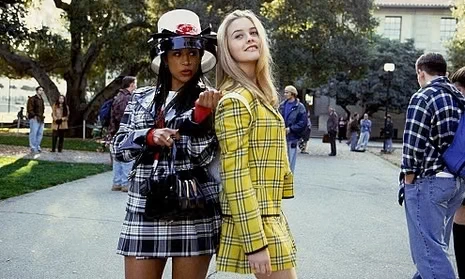
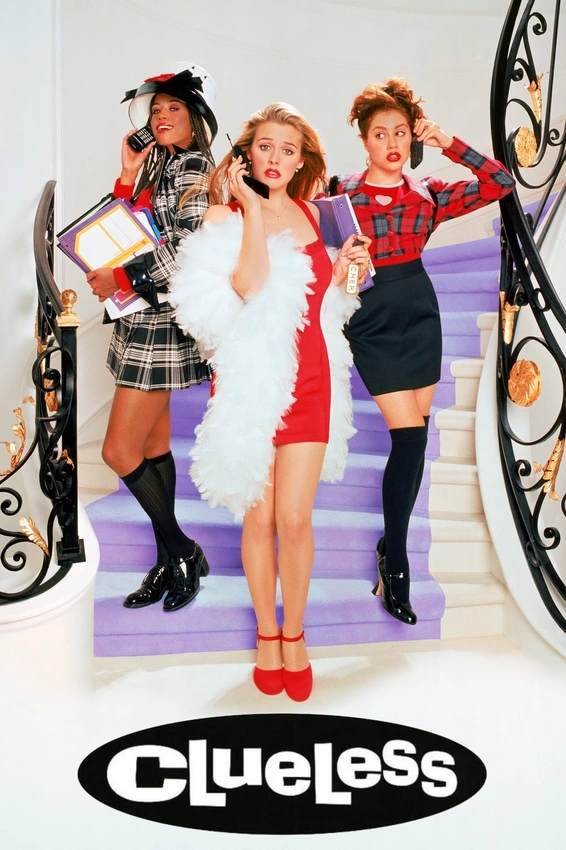
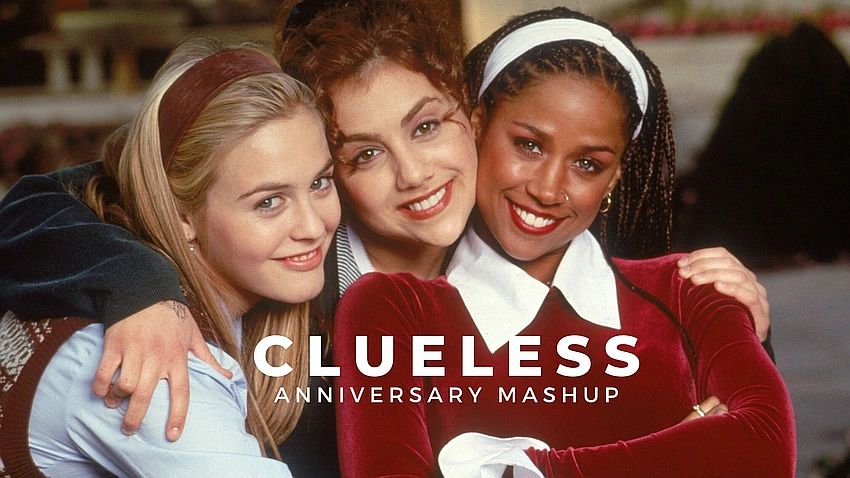
Let's compare its fashion, friendships, technology and trend culture with life on algorithm-driven social media. Okay, I finally watchedCluelessafter seeing that yellow plaid suit on every single Pinterest mood board since 2018. As a 22-year-old who grew up on algorithmic feeds and micro-trends, ... Read full article.
I Watched Clueless: And It Was Conflicting
Let's compare its fashion, friendships, technology and trend culture with life on algorithm-driven social media.
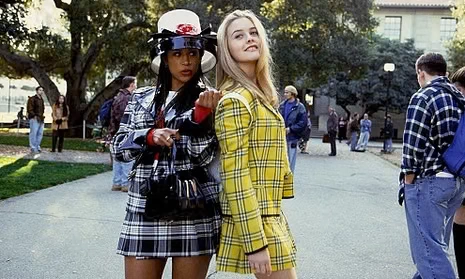
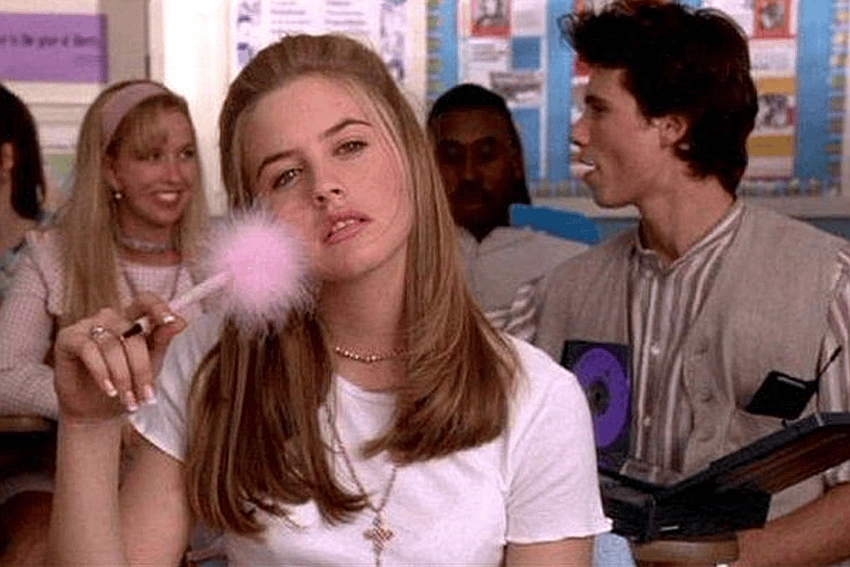
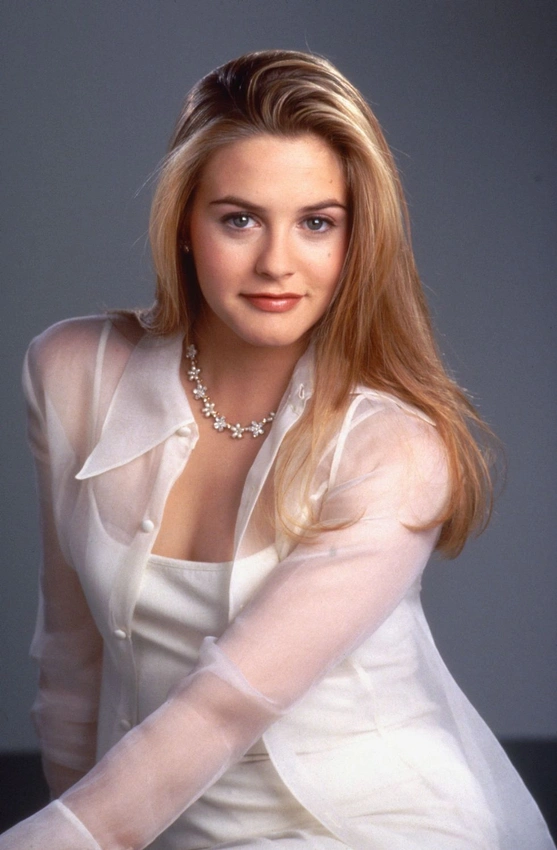
Okay, I finally watched Clueless after seeing that yellow plaid suit on every single Pinterest mood board since 2018. As a 22-year-old who grew up on algorithmic feeds and micro-trends, sitting down for a mid-90s time capsule was honestly low-key eye-opening.

Comparisons: Then vs. Now
Here is my honest takeaway on what hit, what aged terribly, and what shocked me the most.
What Has Changed (The Tech & Vibe)
- The Communication Friction: Watching Cher and Dionne walk side-by-side using massive brick cell phones just to talk to each other while walking to class was hilarious. Today, that entire sequence would just be shared live locations, passive Snapchat streaks, and typing bubbles.
- Trend Cycles Take Time: In 1995, Cher had to literally use a computer program to pick her outfits because she couldn't just open TikTok to see what thousands of creators were wearing. Trends felt intentional, localized, and distinct, not algorithmically forced on you every 3 days.

What Hasn't Changed At All
- High School Hierarchy & Social Anxiety: The makeover trope with Tai ("You're a virgin who can't drive") proves that the terror of fitting in, wanting to be perceived, and weaponizing social status hasn't changed a bit. Swap the hallway gossip for group chats, and it's the exact same dynamic we all lived through.
- The Desire to Fix People: Cher playing matchmaker with her teachers just to get better grades is peak Gen Z energy, we just call it "manifesting" and "networking" now.

What Was Sweet vs. What Was Plain Weird
- The Sweet: Cher’s underlying intent. She’s completely superficial, privileged, and shallow on the surface, but her actual heart is genuine. She genuinely wants Mr. Hall and Miss Geist to be happy, and her eventual realization that she needs to upgrade her soul (doing the disaster relief drive) is surprisingly wholesome.
- The Weird: The Josh relationship. I knew Paul Rudd was in this, but realizing he plays her former stepbrothermade me visibly cringe. They share a dad’s past marriage, live under the same roof for periods, and he's a college guy hanging around high schoolers. If this dropped on a streaming app today, Twitter/X would have canceled Josh within 5 minutes of release.

The Sneaky Detail Nobody Talks About Everyone talks about the clothes, but nobody points out how Cher’s dad (Mel Horowitz) is actually the healthier father model than most modern movie dads.
Despite being an aggressive, high-powered litigator who constantly screams into his landline, he validates Cher's intelligence, respects her negotiation skills (she literally bargains her report card grades up like a contract lawyer), and fiercely protects her. In a decade dominated by bumbling, absent sitcom dads, Mel treats his teenage daughter like an equal partner in the household, and her confidence directly stems from that environment.

Overall? It totally holds up. It's camp, aesthetic perfection, and proof that navigating romance while utterly clueless is timeless.
Login to comment.
8 Thots
More Like This
I watched this years ago, but seeing it through a Gen Z perspective makes the movie feel new again. #popculture
I Watched Clueless: And It Was Conflicting
Let's compare its fashion, friendships, technology and trend culture with life on algorithm-driven social media.
Login to reply.
No thots yet. Be the first to share your thoughts!
Let's compare its fashion, friendships, technology and trend culture with life on algorithm-driven social media. Okay, I finally watchedCluelessafter seeing that yellow plaid suit on every single Pinterest mood board since 2018. As a 22-year-old who grew up on algorithmic feeds and micro-trends, ... Read full article.
I Watched Clueless: And It Was Conflicting
Let's compare its fashion, friendships, technology and trend culture with life on algorithm-driven social media.
Okay, I finally watched Clueless after seeing that yellow plaid suit on every single Pinterest mood board since 2018. As a 22-year-old who grew up on algorithmic feeds and micro-trends, sitting down for a mid-90s time capsule was honestly low-key eye-opening.

Comparisons: Then vs. Now
Here is my honest takeaway on what hit, what aged terribly, and what shocked me the most.
What Has Changed (The Tech & Vibe)
- The Communication Friction: Watching Cher and Dionne walk side-by-side using massive brick cell phones just to talk to each other while walking to class was hilarious. Today, that entire sequence would just be shared live locations, passive Snapchat streaks, and typing bubbles.
- Trend Cycles Take Time: In 1995, Cher had to literally use a computer program to pick her outfits because she couldn't just open TikTok to see what thousands of creators were wearing. Trends felt intentional, localized, and distinct, not algorithmically forced on you every 3 days.

What Hasn't Changed At All
- High School Hierarchy & Social Anxiety: The makeover trope with Tai ("You're a virgin who can't drive") proves that the terror of fitting in, wanting to be perceived, and weaponizing social status hasn't changed a bit. Swap the hallway gossip for group chats, and it's the exact same dynamic we all lived through.
- The Desire to Fix People: Cher playing matchmaker with her teachers just to get better grades is peak Gen Z energy, we just call it "manifesting" and "networking" now.

What Was Sweet vs. What Was Plain Weird
- The Sweet: Cher’s underlying intent. She’s completely superficial, privileged, and shallow on the surface, but her actual heart is genuine. She genuinely wants Mr. Hall and Miss Geist to be happy, and her eventual realization that she needs to upgrade her soul (doing the disaster relief drive) is surprisingly wholesome.
- The Weird: The Josh relationship. I knew Paul Rudd was in this, but realizing he plays her former stepbrothermade me visibly cringe. They share a dad’s past marriage, live under the same roof for periods, and he's a college guy hanging around high schoolers. If this dropped on a streaming app today, Twitter/X would have canceled Josh within 5 minutes of release.

The Sneaky Detail Nobody Talks About Everyone talks about the clothes, but nobody points out how Cher’s dad (Mel Horowitz) is actually the healthier father model than most modern movie dads.
Despite being an aggressive, high-powered litigator who constantly screams into his landline, he validates Cher's intelligence, respects her negotiation skills (she literally bargains her report card grades up like a contract lawyer), and fiercely protects her. In a decade dominated by bumbling, absent sitcom dads, Mel treats his teenage daughter like an equal partner in the household, and her confidence directly stems from that environment.

Overall? It totally holds up. It's camp, aesthetic perfection, and proof that navigating romance while utterly clueless is timeless.
Login to comment.
8 Thots
More Like This
Pop music has always been fascinated by authenticity. Artists are expected to be vulnerable, but only in ways that remain marketable. They are encouraged to reinvent themselves, yet criticised when those reinventions appear too calculated. Halsey'sThe Great Impersonatorsits directly inside this ... Read full article.
Halsey’s The Great Impersonator: Finding the Self Through Other Voices
Halsey’s The Great Impersonator redraws pop’s boundaries, showing how imitation can reveal more about the artist than the borrowed style. Illness, me…
Halsey’s The Great Impersonator: Finding the Self Through Other Voices
Halsey’s The Great Impersonator redraws pop’s boundaries, showing how imitation can reveal more about the artist than the borrowed style. Illness, me…
Halsey’s The Great Impersonator redraws pop’s boundaries, showing how imitation can reveal more about the artist than the borrowed style. Illness, memory, and mortality twist identity into something unborrowable.
Pop music has always been fascinated by authenticity. Artists are expected to be vulnerable, but only in ways that remain marketable. They are encouraged to reinvent themselves, yet criticised when those reinventions appear too calculated. Halsey's The Great Impersonator sits directly inside this contradiction. Built around musical influences spanning several decades, the album initially appears to be an exercise in imitation. Instead, it becomes something far stranger. By borrowing familiar aesthetics, Halsey ends up revealing the parts of herself that cannot be borrowed at all.
Rather than asking whether the album succeeds as homage, I found myself asking a different question: what does it mean to perform your own identity when illness, memory and mortality begin to reshape it?

Identity as performance
The title itself invites multiple readings. An impersonator copies someone else, but every impersonation inevitably reveals something about the person doing the imitation. Throughout the record, Halsey adopts sonic references from artists who shaped her musical imagination without dissolving into simple pastiche. The influences function less as costumes than as historical conversations.
That makes The Great Impersonator feel surprisingly literary. It resembles intertextual fiction, where every borrowed voice deepens rather than weakens the author's own perspective. Identity here is not presented as something original or pure. Instead, it emerges through accumulated influences, memories and cultural inheritance.
The album rollout reflected this idea visually, with Halsey recreating iconic musicians across different eras. Yet the music itself refuses straightforward mimicry. The references exist, but they continually fold back into autobiographical songwriting, preventing the concept from becoming merely nostalgic. The result is an album that understands influence as an act of dialogue rather than imitation.

Illness changes the language of pop
The emotional centre of the album lies elsewhere. Halsey wrote much of the record after publicly discussing diagnoses including lupus and a rare T-cell disorder, and that context changes how the songs are heard. These are not dramatic narratives invented for artistic effect. They are meditations on survival, uncertainty and the frightening possibility that one's future may suddenly become finite.
What impressed me most is that the album avoids reducing illness to inspiration. Instead, sickness becomes a condition through which every other emotion is refracted. Love becomes more fragile. Parenthood acquires greater urgency. Fame appears increasingly absurd against the reality of physical vulnerability.
Many contemporary pop records treat confession as spectacle. Here confession feels quieter. Even when the production expands into rock or theatrical pop, the emotional core remains remarkably restrained. The record rarely asks the listener for sympathy. It simply documents what it means to continue imagining a future while recognising that the future itself has become unpredictable.

The archive of popular music
Listening to The Great Impersonator also feels like moving through an archive of twentieth-century popular music. Rock, folk, alternative and classic pop continually appear and disappear without ever becoming museum pieces.
What interests me is how these references resist simple nostalgia. Nostalgia often imagines the past as stable and complete. Halsey's album does the opposite. The past remains fragmented, constantly rewritten through present experience.
Memory is often understood not as retrieval but as reconstruction. Every act of remembering also transforms what is remembered. The Great Impersonator follows a similar logic. Musical history is not reproduced faithfully but filtered through illness, adulthood, motherhood and artistic maturity.
The result feels like an album about how influence lives inside us long after we first encounter it.
Vulnerability without sentimentality
Perhaps the album's greatest achievement is its refusal to sentimentalise suffering.
Pop music frequently frames vulnerability as a moment of triumph. Pain exists only to produce resilience. Halsey is less interested in resolution than endurance. Many of these songs remain suspended inside uncertainty, allowing fear and hope to coexist without forcing either to win.

That emotional ambiguity is rare within mainstream pop. It trusts listeners to inhabit discomfort rather than immediately escaping it.
There are moments where the ambitious concept threatens to overshadow the songs themselves. The references can become so prominent that listeners inevitably search for musical comparisons instead of remaining inside Halsey's own narrative. Yet even those moments reinforce the album's central concern. The tension between performance and authenticity is precisely what the record wants us to experience.¹²³
Beyond reinvention
For years, discussions around Halsey's career have focused on reinvention. Each era seemed to arrive with a different visual identity, different sonic palette and different narrative.
The Great Impersonator suggests that reinvention may be the wrong framework altogether.
Rather than becoming someone new, Halsey assembles every previous version of herself alongside the artists who shaped her imagination. The album argues that identity is cumulative rather than transformative. We do not abandon old selves. We carry them forward, layering new experiences over older influences until the boundaries become impossible to separate.

That idea resonates well beyond pop music. It speaks to how all cultural identities are constructed through inheritance, adaptation and performance.
What stays with me after The Great Impersonator is not its ambitious concept, although that is undeniably impressive. It is the strange intimacy of hearing an artist use borrowed musical languages to articulate experiences that are unmistakably her own.
The album understands that influence does not erase individuality. Sometimes it makes individuality easier to recognise. She borrows voices to speak more honestly. She looks backwards to confront the future. She performs identities only to arrive at something deeply personal. It reminds us that originality has never meant existing without influence. Sometimes the most truthful portrait of the self is assembled from the echoes of everyone who came before.
#Halsey #TheGreatImpersonator #IdentityInMusic #AlbumReview #PopCulture
Login to comment.
5 Thots
More Like This
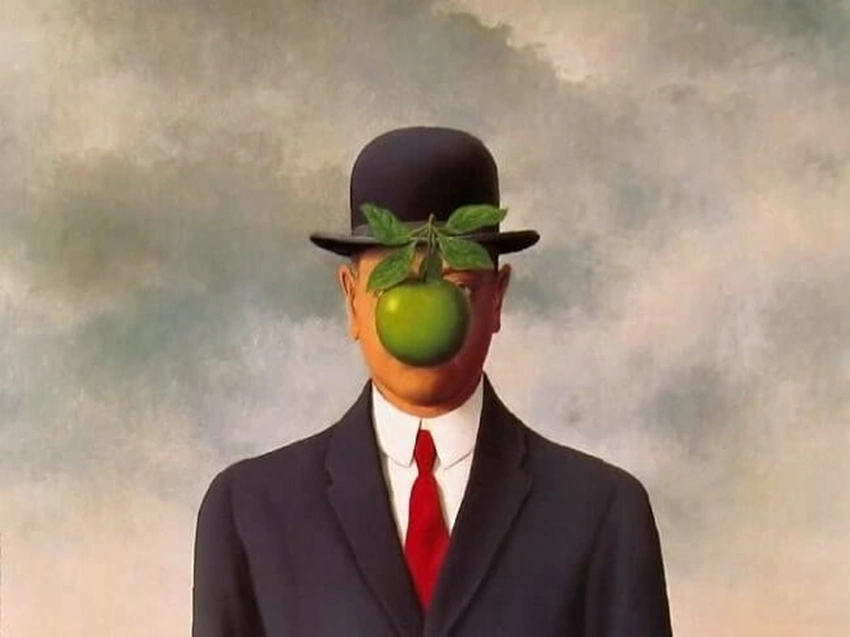
Some objects in popular culture carry far more meaning than their everyday function would suggest. A spinning top can represent the boundary between reality and dreams. A volleyball can become a companion. A plastic bag can become a symbol of beauty. The apple belongs to this category of objects ... Read full article.
The Symbolism of Apples in Pop Media
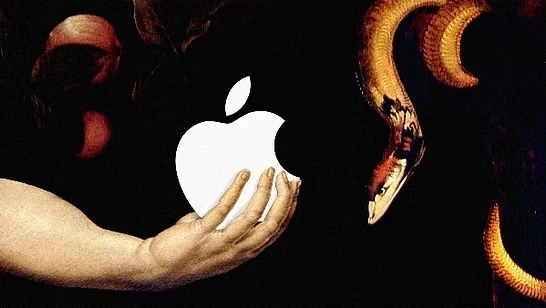
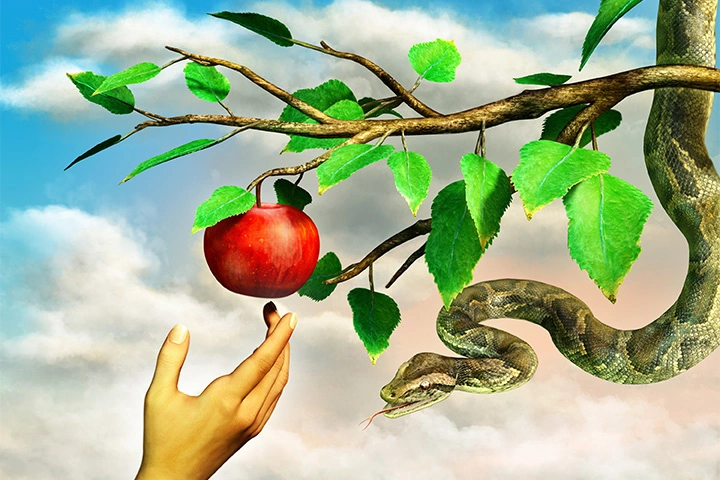
Some objects in popular culture carry far more meaning than their everyday function would suggest. A spinning top can represent the boundary between reality and dreams. A volleyball can become a companion. A plastic bag can become a symbol of beauty. The apple belongs to this category of objects whose significance stretches far beyond its practical use.
At first glance, it is simply a fruit. Yet across film, television, literature, mythology and music, the apple repeatedly appears as a powerful symbolic device. What makes it fascinating is its versatility. Unlike symbols that are tied to a single meaning, the apple constantly changes shape depending on the story being told. It can symbolise knowledge, temptation, friendship, greed, mortality, nature, rebellion and even immaturity.
The Apple as Knowledge
The most recurring interpretation of the apple is knowledge. Throughout the examples discussed in popular media, apples frequently appear when characters encounter information, awareness or understanding that changes their lives.
This symbolism is rooted in the enduring cultural association between apples and the acquisition of knowledge. Characters who interact with apples often find themselves confronting truths, making difficult choices or crossing boundaries that cannot be reversed. Once knowledge has been gained, there is no returning to a previous state of innocence.
The apple therefore becomes a visual representation of transformation. It marks the moment when someone learns something that alters how they understand the world.
Temptation and Forbidden Desire
Closely connected to knowledge is temptation. The apple often appears when characters are confronted with something alluring but dangerous.
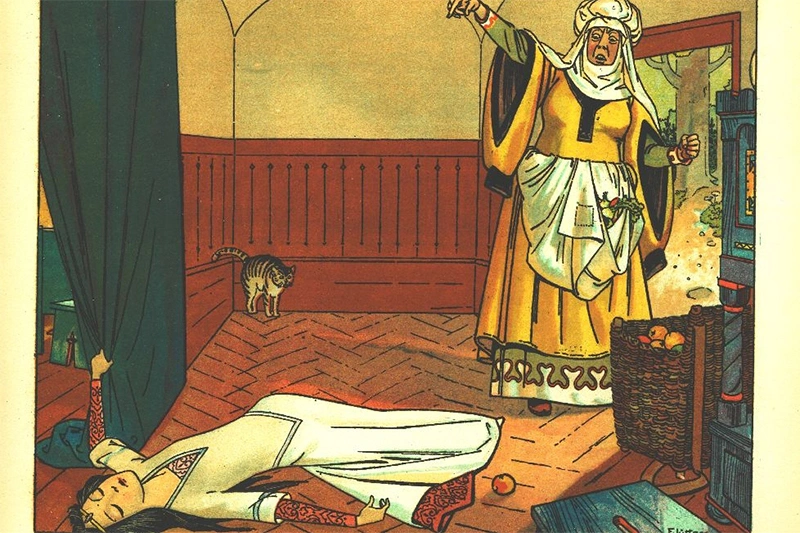
The most famous example is the poisoned apple in Snow White. Although beautiful and inviting, it conceals a destructive force beneath its surface. Similar ideas appear repeatedly throughout popular culture. The apple is presented as an object that promises fulfilment while simultaneously carrying consequences.
This dual nature makes it particularly effective as a symbol. It represents the tension between desire and restraint, between curiosity and caution. Characters who reach for the apple are often reaching for something they know they should avoid.
Why Villains Keep Eating Apples
One of the most interesting observations is the recurring image of antagonists eating apples. Characters such as Draco Malfoy, Captain Barbossa and other villains are frequently shown casually biting into apples during moments of tension.
The act communicates more than simple hunger. Apples are hard fruits that require a forceful bite. They are also noisy. The crunch draws attention to itself and interrupts the atmosphere of a scene. When a villain casually eats an apple during an important conversation, it signals confidence and disregard.
The gesture suggests that the character is unconcerned by the situation around them. They appear to possess knowledge others lack or believe they already have the upper hand. The apple becomes a performance of dominance.
Apples as Trust and Connection
Not every apple in popular culture is associated with danger. Many stories use the fruit to symbolise friendship, trust and emotional connection.
A shared apple often functions as a simple gesture of goodwill. Offering an apple to another person creates a sense of intimacy and mutual understanding. In stories where relationships develop over time, apples frequently appear at moments when barriers begin to break down between characters.
The symbolism works because the apple is an everyday object. It is not extravagant or dramatic. Instead, it represents connection through ordinary acts of kindness.
Greed, Desire and Distraction
Apples also appear as symbols of greed and temptation. Several myths and stories use apples as objects that distract characters from their goals or encourage them to pursue selfish desires.
The fruit often represents something attractive enough to pull a character away from what truly matters. Whether golden apples in mythology or coveted apples in fantasy narratives, the fruit repeatedly becomes an object that reveals human weakness.
What makes these stories compelling is that the apple itself is never evil. Instead, it exposes the desires that already exist within the character.
Rotten Apples and Moral Decay
If a fresh apple symbolises vitality, a rotten apple often symbolises corruption.
Popular culture repeatedly uses rotting apples as metaphors for damaged individuals, toxic relationships or flawed social systems. The image of something healthy deteriorating over time provides an effective way of visualising moral decline.
The phrase "rotten to the core" captures this symbolism perfectly. The decay is not superficial. It extends inward, suggesting a deeper corruption hidden beneath appearances.
The apple remains one of the most enduring symbols in popular media because it is capable of meaning so many different things at once. It can represent knowledge or ignorance, trust or betrayal, growth or decay, temptation or wisdom.
What makes the symbol particularly effective is its familiarity. Apples are ordinary objects found in everyday life. Because audiences immediately recognise them, storytellers can attach layers of meaning without lengthy explanation. For a fruit that spends most of its time in lunchboxes and orchards, it has lived a remarkably rich symbolic life in popular culture.
Login to comment.
4 Thots
More Like This
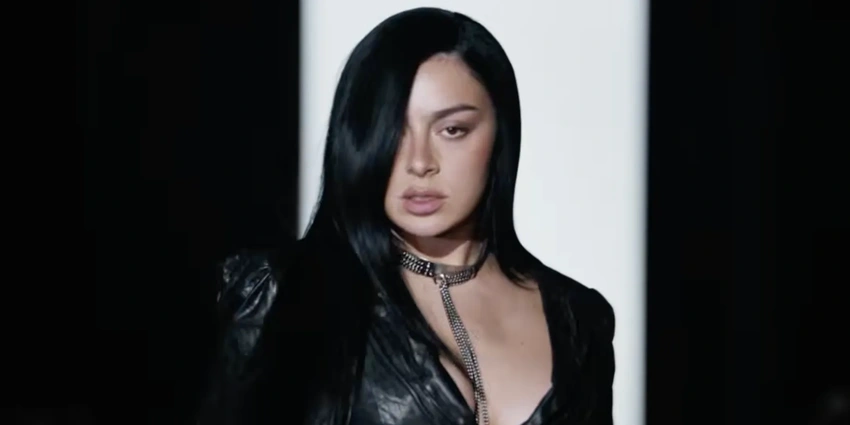
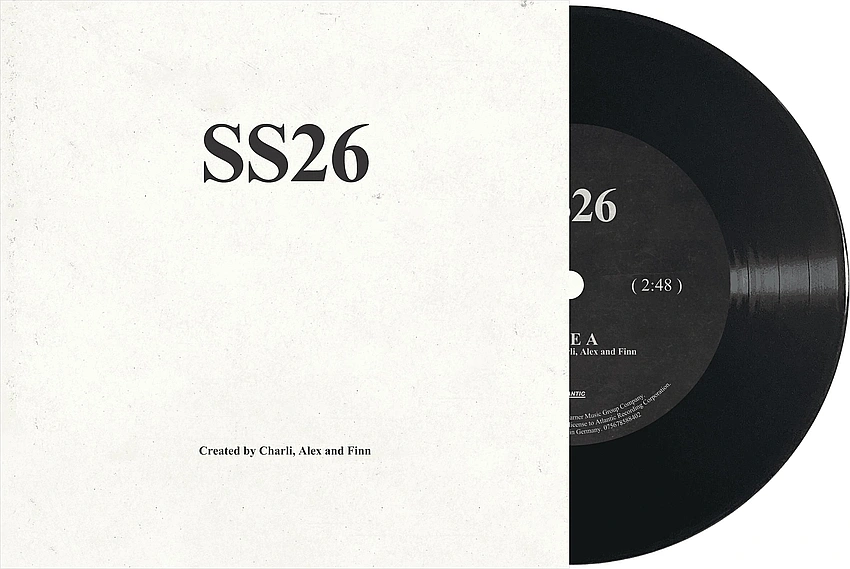
There is something deeply unsettling about Charli XCX’s new single “SS26”. Not because it is loud or abrasive or dystopian. Pop music has been flirting with apocalypse aesthetics for years now. What makes “SS26” feel uncanny is how emotionally vacant its collapse appears. The world is ending, the ... Read full article.
Charli XCX’s 'SS26' and the Empty Coolness of Modern Apathy
There is something deeply unsettling about Charli XCX’s new single “SS26”. Not because it is loud or abrasive or dystopian. Pop music has been flirting with apocalypse aesthetics for years now. What makes “SS26” feel uncanny is how emotionally vacant its collapse appears. The world is ending, the runway leads “straight to hell”, and yet everyone still looks fantastic.
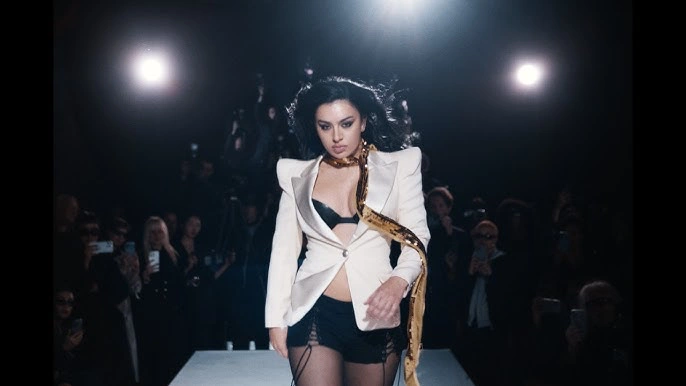
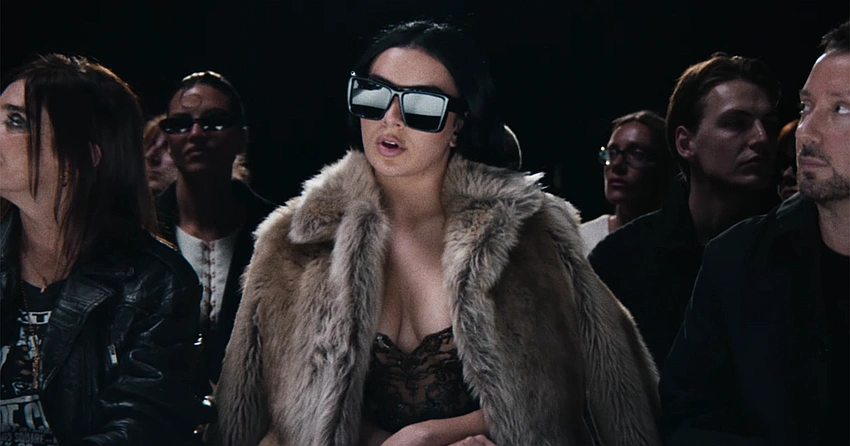
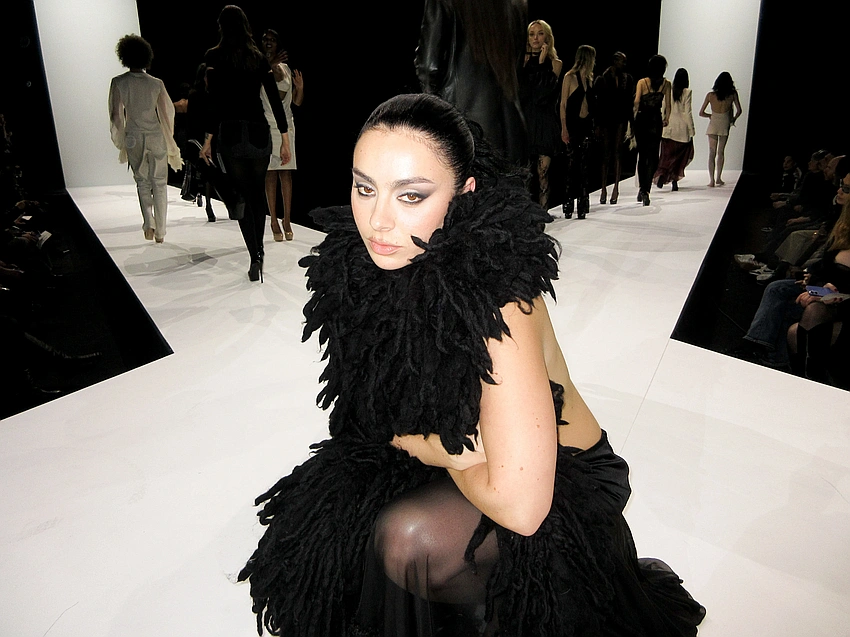
The song arrives wrapped in couture, irony, and exhaustion. Fashion editors sit front row while Charli walks through a collapsing spectacle of beauty and cultural decay. The opening line from Carine Roitfeld in the video, “Fashion won’t save us. But let’s go on the runway and walk”, feels less like satire and more like the mission statement of the 2020s.
And maybe that is the real horror of “SS26”. Not disaster itself, but our total aestheticisation of it.
The Performance of Knowing Better
For years, pop culture has operated on a strange moral contradiction. Everyone knows capitalism is hollow. Everyone knows celebrity culture is absurd. Everyone knows endless consumption is unsustainable. Yet awareness itself has become a substitute for resistance.
“SS26” captures this perfectly.
Charli’s lyrics do not position her outside the machine. She is inside it, fully styled and self-aware, walking beside everyone else towards collapse. “Nothing’s gonna save us, not music, fashion or film,” she sings, in what might be one of the bleakest pop refrains released this year.
But the line lands strangely because it arrives as part of a highly curated fashion event complete with industry cameos, luxury aesthetics, and viral rollout mechanics.
Modern apathy no longer looks lazy or disengaged. It looks chic. It wears Saint Laurent and understands the references. The contemporary cultural subject is not ignorant of catastrophe. They are simply exhausted by it. Irony has replaced conviction because conviction requires vulnerability. “SS26” understands that exhaustion intimately.
Pop Music After the Death of Meaning
What makes Charli such a fascinating pop figure is that she has always existed between sincerity and artificiality. Her work constantly interrogates performance itself. *Brat* turned self-destruction into neon spectacle. The remix culture surrounding it transformed the album into an endlessly mutating online object.
Now, with “SS26”, she pushes further into collapse.
The production feels intentionally abrasive and skeletal, almost like a panic attack trapped inside a runway soundtrack. Even the imagery of the video resembles cultural oversaturation. Explosions, costume changes, fashion references, internet-famous faces. Nothing stays still long enough to matter emotionally.
And that reflects the current state of pop itself.
Music no longer arrives as an event. It arrives as content flow.
Artists are expected to constantly release, constantly perform visibility, constantly feed algorithmic attention spans. Albums barely settle before deluxe editions, remixes, surprise drops, vinyl exclusives, alternate covers, and collaborations appear. The “era” never ends because ending means disappearing.
Charli herself seems acutely aware of this creative exhaustion. In interviews and Substack reflections following Brat, she described feeling drained by the endless extension of an idea that had already consumed years of her life.
That exhaustion becomes even more visible when looking at the sheer density of her recent output. Following Brat, she released the remix-heavy continuation of the project, then pivoted into the Wuthering Heights soundtrack album with tracks like “House” featuring John Cale and “Chains of Love”, before immediately moving into the “Rock Music” and “SS26” cycle.
It is difficult not to see this as symptomatic of a larger cultural condition. The mass release model rewards visibility over permanence. Art becomes temporally disposable because the system demands constant novelty.
Ironically, the result is cultural numbness.
Apathy as Aesthetic
The genius of “SS26” lies in how it refuses easy moral clarity. The song does not pretend art can save us. It does not pretend fashion is revolutionary. It does not even pretend cynicism is intellectually superior.
Instead, it exposes how shallow contemporary apathy has become.
Online culture often mistakes detachment for sophistication. Caring too much is embarrassing. Earnestness is cringe. Sincerity is risky because sincerity can fail publicly. So everyone performs awareness while remaining emotionally insulated from the implications of that awareness.
The “runway to hell” metaphor works because it captures the theatricality of modern collapse. We livestream disasters. We turn political despair into memes. We consume tragedy through aesthetics before immediately scrolling to skincare routines and celebrity gossip.
The apocalypse is no longer cinematic. It is ambient.
And perhaps this is why Charli remains one of the few genuinely interesting pop stars working right now. She understands that contemporary pop cannot simply critique superficiality from a distance because it is structurally embedded within it. “SS26” does not escape the machine. It documents the feeling of dancing inside it while knowing exactly what it is doing to you.
That self-awareness does not absolve the emptiness. But it does make the emptiness visible.
Login to comment.
4 Thots
More Like This
Roasts were once a sign of affection, but they have turned into something much darker. Has the roast format finally gone too far, or are we just not in on the joke anymore? There was a time when a celebrity roast felt like a warm, albeit slightly singed, hug. The premise was simple: we gather the ... Read full article.
The New Era of Celebrity Roasts: Have We Swapped Comedy for Cruelty?
Roasts were once a sign of affection, but they have turned into something much darker. Has the roast format finally gone too far, or are we just not …
Roasts were once a sign of affection, but they have turned into something much darker. Has the roast format finally gone too far, or are we just not in on the joke anymore?
The Thin Line Between Satire and Cruelty
There was a time when a celebrity roast felt like a warm, albeit slightly singed, hug. The premise was simple: we gather the biggest names in the room to poke fun at a guest of honor because we actually like them. But lately, the vibe has shifted. Watching a modern roast feels less like a comedy club and more like a gladiatorial arena where the goal is to leave the target emotionally bleeding.
From Gentle Ribbing to Verbal Assault
The classic roasts of the past relied on a specific chemistry. Even when the jokes were raunchy, there was an underlying current of respect. Today, that balance is gone. Writers and performers seem to be competing for the most shocking insults possible, often targeting deep personal traumas or family members in ways that do not even have a punchline. It is no longer about the clever subversion of a public persona. It is just about being the loudest bully in the room.
Why It Feels Unwatchable
When comedy crosses into pure vitriol, it loses its power to entertain. There is a specific cringe that happens when a joke is so mean-spirited that the audience stops laughing and starts looking at their feet. We are seeing more of these moments than ever before. It is not that audiences have become too sensitive or that cancel culture has killed humor. It is that the writing has become lazy. Shock value is the easiest tool in the box, but it is also the least rewarding.
Is the Format Dead?
Perhaps we have reached the natural end of this tradition. If the only way to keep a roast interesting is to make it progressively more cruel, then the format might be fundamentally broken. Comedy should punch up or punch sideways, but when it starts to feel like a systematic teardown of a human being for the sake of a viral clip, we have to ask ourselves: are we still having fun?
We do not need to lose our sense of humor to realize that mean does not always equal funny. A great joke requires a surgical touch, but modern roasts are using a sledgehammer. It might be time to put the gavel down and find a way to laugh together again, rather than just laughing at the destruction of someone else.
Login to comment.
8 Thots
More Like This
From the wrestling ring to the Calabasas mansion, scripted reality is our new mythology. It is time to admit that we love the hero's journey, whether it involves a title belt or a high-fashion photoshoot. For decades, critics have looked down on professional wrestling as low-brow theater and reality ... Read full article.
Why Kim Kardashian and John Cena are Actually the Same Person
From the wrestling ring to the Calabasas mansion, scripted reality is our new mythology. It is time to admit that we love the hero's journey, whether…
From the wrestling ring to the Calabasas mansion, scripted reality is our new mythology. It is time to admit that we love the hero's journey, whether it involves a title belt or a high-fashion photoshoot.
The Great Unmasking of Modern Mythology
For decades, critics have looked down on professional wrestling as low-brow theater and reality television as a shallow vanity project. But if you look closely, you will see that these two worlds are not just similar; they are the exact same genre. Whether it is a dramatic showdown in a WWE ring or a high-stakes argument in a designer kitchen, we are witnessing the birth of modern folklore.
The Art of Scripted Reality
At the heart of both industries is the concept of kayfabe. This is the unspoken agreement between the performer and the audience to treat staged events as reality. When Kim Kardashian stepped into the WWE ring early in her career, it was not a crossover event; it was a homecoming. Both worlds rely on larger than life personas that blur the lines between their private selves and their public characters.
The Hero with a Thousand Faces
Literary theorist Joseph Campbell famously wrote about the monomyth, or the hero's journey. He argued that most great stories reflect our deepest unconscious desires and fears. This narrative structure is alive and well today. Consider these parallels:
- The Redemption Arc: Just as wrestling star Shawn Michaels transitioned from a chaotic career to a public journey of salvation, reality stars often follow a path of public scandal followed by a highly produced rebranding.
- The Ultimate Villain: Every season of reality TV needs a heel, a character the audience loves to hate, mirroring the classic antagonists of the wrestling world like Vince McMahon.
- The Sacred Spectacle: Both genres often lean into religious imagery. Whether it is a wrestler facing off against a literal beam of light or a reality star finding spiritual awakening on camera, these stories tap into our need for grand, moral narratives.
Why We Can Not Look Away
We obsession with these shows because they provide a structured way to process human behavior. The neuropsychology of storytelling suggests that our brains are wired to find meaning in conflict and resolution. We are not just watching people get into fights or win championships; we are watching archetypes play out the tensions of the modern world.
It is time to stop pretending there is a difference between sports entertainment and reality soaps. Both are immersive, two-dimensional worlds that give us a sense of community and shared history. This is our folklore, and it is every bit as significant as the myths of old.
Login to comment.
8 Thots
More Like This
David Lowery's Mother Mary blends pop spectacle with metaphysical dread, folding celebrity, intimacy, and identity into a genre-smearing, thought-provoking film led by Anne Hathaway and Michaela Coel. There is something almost audacious about a film that attempts to merge pop spectacle with ... Read full article.
Mother Mary (2026): Pop, Possession, and the Performance of Self
David Lowery's Mother Mary blends pop spectacle with metaphysical dread, folding celebrity, intimacy, and identity into a genre-smearing, thought-pro…
Mother Mary (2026): Pop, Possession, and the Performance of Self
David Lowery's Mother Mary blends pop spectacle with metaphysical dread, folding celebrity, intimacy, and identity into a genre-smearing, thought-pro…
David Lowery's Mother Mary blends pop spectacle with metaphysical dread, folding celebrity, intimacy, and identity into a genre-smearing, thought-provoking film led by Anne Hathaway and Michaela Coel.
There is something almost audacious about a film that attempts to merge pop spectacle with metaphysical dread. Mother Mary, directed by David Lowery, does precisely that. It is not content with being a music film, nor a psychological drama, nor even a ghost story. Instead, it exists in the uneasy overlap between all three, staging a confrontation between celebrity, intimacy, and the fragile architecture of identity.
The Pop Star as Ruin
At the centre of the film is a fictional global icon played by Anne Hathaway. This is not the polished, invulnerable pop figure that contemporary media often sells. Instead, Mother Mary is introduced at a moment of fracture. Her career has stalled following a mysterious incident, and she retreats from the spectacle of fame into something quieter and more unsettling.

The narrative hinges on her reunion with Sam Anselm, a fashion designer portrayed by Michaela Coel. Their shared past is not merely emotional but constitutive. Sam helped construct Mary’s public persona, suggesting that the “pop star” is less an individual than a collaborative fiction.
This premise is where the film begins to gesture towards something more intellectually ambitious. Fame is not simply corrosive. It is ontologically unstable. The self that is performed becomes indistinguishable from the self that is lived.
Fashioning the Body, Dressing the Ghost
Clothing in Mother Mary is not decorative. It is epistemological. The request that drives the plot, Mary asking Sam to design a comeback dress, is less about aesthetics and more about reconstitution. Who is Mary, if she is to return?
The film literalises this crisis through its flirtation with the supernatural. A ghostly presence, sometimes rendered as the “Red Woman”, emerges as a manifestation of unresolved trauma and creative blockage.
This is where the film risks incoherence but also achieves its most striking imagery. The body becomes a site of haunting. The costume becomes a vessel. To design a dress is to exorcise a past self.

There is a lineage here that feels distinctly gothic, even if filtered through pop iconography. The séance sequences and ritualistic performance gestures align the film less with conventional music biopics and more with something like a stylised exorcism narrative.
Soundtrack as Interior Monologue
The involvement of artists such as Charli XCX, Jack Antonoff, and FKA Twigs signals an ambition to situate the film within contemporary pop discourse.
Crucially, the songs are performed by Hathaway herself, which alters their function. They are not external performances inserted into the narrative. They operate as extensions of Mary’s psyche.
This blurring of diegetic and non-diegetic sound reinforces the film’s central concern. Where does performance end and authenticity begin? The answer the film offers is not reassuring. There is no clear boundary.

The Two-Hander Structure
Despite its aesthetic scale, Mother Mary is fundamentally a two-character drama. The relationship between Mary and Sam is the film’s emotional core. Critics have noted that it functions almost as a “two-hander”, with the surrounding spectacle serving as amplification rather than distraction.
Their dynamic is fraught with resentment, dependency, and an almost metaphysical connection. One reading suggests that Sam is not simply a former collaborator but the origin point of Mary’s identity as a star. To reunite is therefore to confront the conditions of one’s own creation.
The film’s ambiguity about their relationship, whether it is romantic, artistic, or something less definable, is both a strength and a limitation. It gestures towards queerness and intimacy but does not fully articulate either.
Spectacle Versus Substance
Visually, the film is difficult to dismiss. Its use of space, particularly the isolated countryside atelier where much of the narrative unfolds, creates an atmosphere that is both intimate and claustrophobic.

Yet this visual richness is not always matched by narrative clarity. Some critical responses have pointed to a certain opacity in the script, where thematic ambition overwhelms coherence.
This tension is not accidental. It reflects the film’s broader preoccupation with excess. Pop stardom itself is excessive. It is too much image, too much sound, too much self. The film mirrors this condition, sometimes to its own detriment.
A Pop Myth for the Present
What ultimately makes Mother Mary compelling is not its success but its insistence on risk. It refuses the familiar arc of redemption that defines many narratives about celebrity. Instead, it offers something closer to transformation without resolution.
The ending, deliberately ambiguous, suggests that identity is not recovered but reconfigured.
In this sense, the film belongs to a broader cultural moment fascinated by the instability of the self in the age of hyper-visibility. The pop star becomes a figure through which larger anxieties about authorship, embodiment, and authenticity are played out.
Mother Mary is not an easy film to categorise, nor is it entirely successful. But it is undeniably interesting. It treats pop not as surface but as structure. It understands that to be a star is to be haunted, not only by the public but by the selves one has had to invent.
And in that haunting, the film finds its most unsettling truth.
#MotherMaryFilm #DavidLowery #AnneHathaway #MichaelaCoel #PopCulture
Login to comment.
4 Thots
More Like This
When a pop star turns a concert stage into a giant laptop screen, is it a deep cultural statement or just peak laziness? We dive into the unsettling trend of watching celebs browse the web. Remember when going to a concert meant expecting a spectacle? We used to demand high-flying acrobatics, ... Read full article.
Paid to Watch a Screen: Is Celebrity YouTube Scrolling Actually Performance Art?
When a pop star turns a concert stage into a giant laptop screen, is it a deep cultural statement or just peak laziness? We dive into the unsettling …
When a pop star turns a concert stage into a giant laptop screen, is it a deep cultural statement or just peak laziness? We dive into the unsettling trend of watching celebs browse the web.
The Death of the Spectacle?
Remember when going to a concert meant expecting a spectacle? We used to demand high-flying acrobatics, perfectly timed pyrotechnics, and choreography that made us wonder if the performer was even human. But lately, the vibe has shifted. In a world where authenticity is the ultimate currency, the latest trend in pop stardom involves something much more mundane: watching a celebrity browse the internet.
Art or Indolence?
Is it art or is it just lazy? When Justin Bieber recently stood before thousands of fans and projected his laptop screen to browse YouTube, the internet immediately split into two camps. On one side, you have the defenders of the avant-garde. They argue that this is a bold piece of performance art. By showing us his digital habits, the star is breaking the fourth wall in the most modern way possible. He is showing us that he is just like us, trapped in the same endless loops of content and curiosity that define our daily lives.
There is something undeniably unsettling about it. Seeing a cursor move across a screen that is forty feet tall feels like a strange form of voyeurism. It transforms the act of scrolling, which is usually a lonely and private activity, into a shared communal experience. In this light, it is a commentary on the death of privacy and the way our digital identities have become our public identities.
The Price of Connection
However, let us be real for a second. There is another, much more cynical perspective. Imagine paying hundreds of dollars for a floor seat, waiting through hours of traffic, and standing in a crowded arena just to watch a guy look at YouTube. For many, this is the peak of low-effort fan service. It is the ultimate expression of the fame-induced energy where a celebrity’s mere presence is considered enough of a performance. We have reached a point where we pay to watch a star do exactly what we do while lying in bed at 2:00 AM.
The danger here is that we are lowering the bar for what qualifies as entertainment. If we accept browsing a laptop as a headline act, what is next? Watching a star check their emails? A live stream of a celebrity scrolling through a food delivery app? While the intimacy might feel special in the moment, it also feels like a shortcut. It prioritizes a sense of mood over the craft of performing. Whether you see it as a brilliant meta-commentary or a lazy shortcut, one thing is certain: the line between our online lives and the stage has finally disappeared.
Login to comment.
8 Thots
More Like This
Are you just a fan, or are you a digital detective? Explore why pop music listeners are now acting as copyright lawyers for their favorite artists in the age of demos and leaks. Remember when we just listened to music for the vibes? Those days are gone. Today, being a pop fan involves much more than ... Read full article.
Why Pop Stans Are Passing the Bar: The Rise of the Fan Lawyer in the Credit Wars
Are you just a fan, or are you a digital detective? Explore why pop music listeners are now acting as copyright lawyers for their favorite artists in…
Are you just a fan, or are you a digital detective? Explore why pop music listeners are now acting as copyright lawyers for their favorite artists in the age of demos and leaks.
The New Digital Detectives
Remember when we just listened to music for the vibes? Those days are gone. Today, being a pop fan involves much more than just hitting play. It involves cross-referencing leaked demos from 2015 against new soundtrack releases and arguing over who exactly owns the rights to a specific four-second synth line.
We are currently living through the credit wars. The latest friction surrounding the Wuthering Heights soundtrack is the perfect example of how the relationship between artist, industry, and audience has shifted. When rumors surface that old demos were used as the basis for new tracks without proper acknowledgment, it is no longer just industry gossip. It becomes a forensic investigation conducted in the comment sections of Instagram and the threads of X.
Why Fans are Policing the Credits
In the streaming era, music feels less like a finished product and more like a collection of modular parts. Demos leak years before an official release. Reference tracks circulate on Discord. Fans track the movement of song snippets like they are high-value assets. When a new track drops, a truly dedicated fan does not just hear a song: they hear the ghost of a demo they found on a subreddit three years ago.
This obsession with credits stems from a few key factors: * The Power of Metadata: In a world of digital files, credits are the only way to see the truth behind the glossy production. * Protective Fandoms: Fans of cult legends feel a deep need to protect their favorite artist's legacy against more commercially dominant stars. * Information Accessibility: Specialized fan accounts make everyone feel like an industry insider with a direct line to the truth.
The Industry Insider Mythos
The chaos often starts with a screenshot. A fan account posts a message from a supposed insider, claiming a song was ripped from an old demo, and suddenly a narrative is born. Management teams may insist that all accreditation procedures were followed and that every party approved the final list, but the court of public opinion moves much faster than a legal department.
When fans act as copyright lawyers, they are looking for a sense of justice in a business that has historically been very messy with attribution. They want to ensure that the creative spark, even if it came from a demo recorded a decade ago, is properly honored. It makes the listening experience feel higher stakes, but it also turns every album drop into a potential legal battle. We are not just listeners anymore; we have become the self-appointed auditors of the music industry.
Login to comment.
8 Thots
More Like This
We need to talk about why we treat celebrity dating like a fictional TV show. The deep-dives into Reese Witherspoon’s relationship with Oliver Haarmann have gone way too far. The moment the news broke that Reese Witherspoon was seen with financier Oliver Haarmann, the internet did what it does best: ... Read full article.
Why the Internet's Obsession With Reese Witherspoon’s New Boyfriend Is Actually Kind of Creepy
We need to talk about why we treat celebrity dating like a fictional TV show. The deep-dives into Reese Witherspoon’s relationship with Oliver Haarma…
We need to talk about why we treat celebrity dating like a fictional TV show. The deep-dives into Reese Witherspoon’s relationship with Oliver Haarmann have gone way too far.
The Fandomification of Real Life: Why We Need to Stop Shipping Celebrities
The moment the news broke that Reese Witherspoon was seen with financier Oliver Haarmann, the internet did what it does best: it became a digital private investigator. Within hours, we knew his net worth, his professional history, and probably his favorite childhood snack. While we love a good romance story, there is something deeply unsettling about how quickly we turn a private human connection into a public data point.
Real People Are Not Fictional Characters
The problem is that our culture has started treating real-life celebrities like characters in a TV show. We talk about shipping them as if their lives are written by a team of screenwriters. But when we treat a new relationship like a season premiere, we forget that there are actual emotions and reputations at stake. Reese Witherspoon might be an Oscar winner, but her personal life shouldn't be a spectator sport where we keep score on her partners.
The Dossier Culture
The instant deep-dive is the most aggressive part of this trend. We see it every time a high-profile woman steps out with someone new. The media creates these guides that strip away any chance of privacy. Oliver Haarmann is a private individual in many respects, yet he is suddenly the subject of a thousand think pieces. Why do we feel entitled to a complete background check on a stranger just because he is grabbing dinner with a famous actress?
Let Them Just Date
- It puts immense pressure on the relationship.
- It turns a private spark into a public performance.
- It encourages invasive behavior among fans.
We have reached a point where parasocial relationships are the norm, but that doesn't make them healthy. By obsessing over every detail of a celebrity's new partner, we are prioritizing our own entertainment over their basic human right to navigate a relationship without a magnifying glass.
Maybe it is time we put down the lens and let these people just live. If we really care about our favorite stars, the best thing we can do is give them the space to have a life that isn't content for our feeds.
Login to comment.
8 Thots
More Like This
Why the Oscars Tie is the Best Thing to Happen to Hollywood in Years
A historic tie at the 2026 Oscars has everyone talking. Is sharing the gold a sign of fairness or a sign of indecision? Let's dive into why surprise …
A historic tie at the 2026 Oscars has everyone talking. Is sharing the gold a sign of fairness or a sign of indecision? Let's dive into why surprise wins are exactly what pop culture needs right now.
Beyond the Gold: Why Sharing the Win is a Cultural Victory
The 2026 Oscars just gave us the ultimate water cooler moment. For the first time in years, we saw a tie for the top spot, and honestly, it is the best thing that could have happened to the Academy. While some purists argue that there should only be one winner, the reality of a shared trophy speaks volumes about where our culture is heading. It suggests that excellence is not a zero-sum game.
Fairness in a Divided World
In an industry often criticized for being out of touch, seeing two massive achievements standing side by side feels remarkably fair. We have moved past the era where one specific type of film has to represent the pinnacle of art. By allowing a tie, the voting process acknowledges that sometimes the impact of two different works is simply too close to call. It respects the craft of both teams without forcing a choice that would inevitably feel like a snub to one fan base.
The Rise of Genre and Global Hits
The big wins for Sinners, One Battle After Another, and the fan-favorite KPop Demon Hunters show a massive shift in how we measure success. For a long time, the Oscars felt like a private club for prestige dramas. Now, we see a different landscape: * High-concept horror and thrillers gaining ground. * International influences like K-pop getting their flowers on the biggest stage. * Action-heavy narratives being treated with the same respect as indie darlings.
Early wins for Weapons also signaled that the evening would be anything but predictable. This variety is essential. When the Academy recognizes diverse genres, it validates the tastes of millions of viewers who usually feel ignored by award season.
Why We Need the Shock Factor
Surprise outcomes spark the kind of passionate conversations that keep pop culture alive. If every award went to the predicted frontrunner, we would stop watching. The tie and the unexpected genre wins force us to debate what makes a movie great. Is it the box office? Is it the technical mastery? Or is it how much it trends on social media?
Sharing the spotlight does not make the achievement any less special. In fact, it makes the 2026 ceremony one of the most memorable in history. It proves that Hollywood is finally learning to embrace the chaos and the complexity of modern storytelling.
Login to comment.
8 Thots
More Like This
Are the Oscars Real Anymore? The Truth Behind Those Viral Moments
From tear-jerking speeches to nostalgia-fueled reunions, the 98th Academy Awards had it all. But is it authenticity or just a really good show? Let's…
From tear-jerking speeches to nostalgia-fueled reunions, the 98th Academy Awards had it all. But is it authenticity or just a really good show? Let's dive into the spectacle.
The 98th Academy Awards left us with a lot to process. From a rare tie for a major award to that nostalgic nod to The Devil Wears Prada, the night felt like a carefully crafted highlight reel. But beneath the velvet and the bright lights, a question remains: is any of this real?
The Power of the Scripted Moment
We love a good reunion. Seeing iconic cast members back together provides a hit of dopamine that is hard to beat. It is pure spectacle, designed to go viral and trend on every social media platform before the commercial break even ends. These moments are the backbone of modern award shows. They are safe, they are polished, and they remind us of why we fell in love with cinema in the first place.
When the Mask Slips
Then there are the moments that feel like they belong to a different world altogether. When Michael B. Jordan took the stage, his speech was not just a collection of thank-yous. It was raw, tear-jerking, and felt entirely unvarnished. Similarly, a tie in a major category creates a sense of delightful chaos that no producer could truly plan for.
These are the instances that suggest authenticity still has a seat at the table. In a culture saturated with AI-generated content and meticulously curated feeds, we are desperate for something that feels unscripted. We want to see the person behind the persona, even if it is only for a few seconds.
What This Says About Us
The fact that we debate these moments for weeks afterward says everything about our current state of mind. We are a culture caught between two worlds. One world craves the comfort of a perfectly executed show, while the other yearns for a human connection that feels honest and true.
The Oscars are successful because they provide both. They give us the glamorous escapism we need to forget our daily stresses while also delivering flashes of humanity that remind us of our shared emotions. Whether it is a staged joke or a genuine breakdown, these moments reflect our collective obsession with storytelling. We are not just watching a trophy presentation; we are looking for ourselves in the stars.
Login to comment.
8 Thots
More Like This
Why the Oscar Monologue is the Only Honest Part of Hollywood Left
Forget the trophies. The real magic of the Oscars happens when the host turns the spotlight back on the absurdity of our world. Here is why award sho…
Forget the trophies. The real magic of the Oscars happens when the host turns the spotlight back on the absurdity of our world. Here is why award show roasting actually matters.
The Mirror on the Stage: Why We Need the Roast
Award shows often feel like an exercise in extreme vanity. We watch wealthy people in expensive clothes give each other gold statues while the rest of the world deals with rising rent and complicated healthcare. But every once in a while, a host steps up to the microphone and reminds us that they see the absurdity too. When a comedian like Conan O’Brien takes the stage, the jokes are more than just filler. They are sharp tools used to dissect our collective anxieties.
Punching Up at Power
When a comedian takes the stage to host the Oscars, they have two choices. They can play it safe or they can use their platform to critique the very industry and society that feeds them. The most memorable monologues are the ones that lean into the latter. By making jokes about the American healthcare system or the encroachment of AI into creative fields, the host transforms from a master of ceremonies into a cultural critic.
Is it the right place for politics? Absolutely. Comedy has always been a tool for the public to speak truth to power. When a host jokes about global scandals or the legal troubles of the elite, they are validating the audience’s skepticism. It is a way of saying: We know you know what is going on. It turns a night of self-congratulation into a night of accountability.
A Cultural Pulse Check
The specific targets of these jokes tell us exactly where we are as a society. Mentioning the threat of AI replacing human hosts, like a driverless car in a tuxedo, reflects a deep-seated anxiety about the future of work. Joking about the lack of international representation or the strange behavior of film stars highlights our changing expectations of celebrity. These moments act as a snapshot of our collective consciousness.
The Need for the Uncomfortable
We should want our hosts to be a little bit dangerous. A monologue that does not make someone in the front row squirm is a monologue that failed to do its job. Whether it is poking fun at a young star’s public persona or mocking the elitism of the arts, these zingers serve a purpose. They humanize the untouchable and bring the high-gloss world of Hollywood back down to earth.
In the end, the monologue is the only honest part of the night. It is the moment where we stop pretending everything is perfect and admit that the world is a bit of a mess. And if we can laugh at that mess, maybe it becomes a little easier to handle.
Login to comment.
8 Thots
More Like This
Why the Oscars 2026 Red Carpet is Actually a Mirror of Society
The Oscars red carpet is not just about pretty clothes anymore. From gender-bending suits to bold political statements, here is why fashion's biggest…
The Oscars red carpet is not just about pretty clothes anymore. From gender-bending suits to bold political statements, here is why fashion's biggest night is actually a powerful cultural weather vane.
The Oscars red carpet is so much more than a fancy walkway. Since its official debut at the Santa Monica Civic Auditorium in 1961, the crimson rug has evolved from a simple VIP lane into a global cultural weather vane. As we look ahead to the 2026 Academy Awards at the iconic Dolby Theatre, it is clear that what stars wear speaks volumes about where society is heading.
Back in the day, the carpet was about traditional Hollywood glamour. Think Audrey Hepburn and her timeless elegance. Today, it is a high-stakes arena for storytelling, inclusion, and bold risk-taking. When the late 1960s brought the Oscars into our living rooms via television, fashion became public property. Now, outfits trend globally on social media within minutes, turning the arrivals into an event that often eclipses the actual awards.
Fashion as a Cultural Barometer
We are no longer just looking at pretty dresses and standard tuxedos. The modern red carpet reflects shifting cultural norms.
- Redefining Masculinity: Actors like Timothee Chalamet and Michael B. Jordan have completely shattered the boring black tuxedo rule. By embracing vibrant colors, unique silhouettes, and daring fabrics, they are proving that men's fashion can be just as expressive and boundary-pushing as womenswear.
- Making Bold Statements: Remember Lady Gaga and her fearless fashion choices? These moments are not just for shock value. They challenge traditional beauty standards and encourage a culture of unapologetic self-expression.
- Elevating Diverse Voices: The carpet has become a powerful platform for underrepresented designers. A single successful look can catapult a marginalized creator into overnight global stardom.
As anticipation builds for veterans like Leonardo DiCaprio and a new wave of trailblazers, the 2026 Oscars promise to deliver another masterclass in cultural evolution. The outfits we will see are not just fabric stitched together. They are deliberate messages about inclusivity, risk, and modern identity.
Whether you tune in for the cinema or simply to judge the outfits from your couch, pay attention to the threads. They are weaving the story of our changing world.
Login to comment.
8 Thots
More Like This
We Need to Start Treating Classic Literature Like Celebrity Gossip
Reading shouldn't be about moral superiority or beige aesthetics. To save it, we need to embrace the chaos of stan culture and treat literary charact…
Reading shouldn't be about moral superiority or beige aesthetics. To save it, we need to embrace the chaos of stan culture and treat literary characters like messy influencers.
The Performative Page Turn
If I see one more beige-filtered Instagram story featuring a pristine, uncracked spine of The Bell Jar resting next to a latte that has clearly gone cold for the sake of the angle, I am going to scream. We have reached peak literary gentrification. In our desperate attempt to keep reading alive in the age of algorithmic dopamine hits, we have inadvertently turned books into interior design objects. We have made reading a "clean girl" aesthetic.
This is a problem. Not just because it is annoying, but because it betrays the fundamental nature of what makes stories addictive. We are trying to sell reading as a vegetable, a virtuous, slow-living habit that proves you have an attention span longer than a goldfish, when we should be selling it as the candy. The internet does not run on virtue. It runs on mess. It runs on discourse. It runs on the specific, feral joy of dissecting human behavior.
The Dickensian Subreddit
To bring reading back into the pop culture vernacular, we need to stop treating the canon like a museum and start treating it like a subreddit. As an English Lit grad who spent four years analyzing texts that are supposedly "dry," I can promise you that Charles Dickens was not writing for the AP English syllabus. He was writing soap operas. He was the showrunner of his day, dropping cliffhangers that caused literal riots at the docks in New York as fans waited for the next shipment of magazines.
That energy exists today, but it is currently hoarded by the fanfiction community and reality TV Twitter. We see millions of words written about the interpersonal dynamics of The Real Housewives or the lore of Elden Ring. This is not a lack of literacy; it is a displacement of analytical energy. The internet loves "lore." It loves a deep dive. It loves a conspiracy theory. Literature is just compressed lore waiting to be unpacked.
Stan Culture as Literary Criticism
If we want to compete with TikTok, we have to borrow its language. We need to stop asking if a book is "important" and start asking if the protagonist is "gaslighting" the narrator. We need to apply the same forensic analysis to Wuthering Heights that the internet applied to the "Who TF Did I Marry?" saga. Heathcliff is not a romantic hero; he is the original walking red flag, and discussing him through the lens of modern dating discourse is infinitely more engaging than discussing his role as a Byronic archetype.
This requires a shift in how we talk about books online. The current trend of "book reviews" often mirrors consumer product reviews: rating the pacing, the trope, and the spice level. This is functional, but it is sterile. It treats the book as a content unit to be consumed. True engagement comes from parasocial relationships with the characters.
Make Reading Feral Again
We need to normalize the "feral reader." This is the reader who dog-ears pages aggressively, who writes unhinged notes in the margins, and who treats fictional characters with the same intensity we reserve for A-list celebrity breakups.
We are currently seeing a glimpse of this with the resurgence of fantasy series that inspire 40-minute YouTube video essays explaining magical systems. That is the blueprint. It is the "gamification" of reading, not through tracking numbers on Goodreads, which is just corporate productivity culture wearing a fake mustache, but through social capital. Knowing the lore should be the flex.
So, stop posting the aesthetic flat lay. Post the paragraph that made you want to throw the book across the room. Start a beef with a fictional character from 1850. Treat Dostoevsky like he just dropped a diss track. If we want reading to survive the algorithm, we have to stop making it look so peaceful. We have to remind the internet that books are, and always have been, absolute chaos.
Login to comment.
More Like This
Tracing the Roots of Pop Culture Transphobia
This analysis traces how cross-gender casting once served theatre as artifice but later signaled identity on stage, revealing how older traditions sh…
Tracing the Roots of Pop Culture Transphobia
This analysis traces how cross-gender casting once served theatre as artifice but later signaled identity on stage, revealing how older traditions sh…
This analysis traces how cross-gender casting once served theatre as artifice but later signaled identity on stage, revealing how older traditions shape today’s trans stereotypes in pop culture.
Transphobia in pop culture did not appear fully formed in the 1990s culture wars or on contemporary social media. Its roots are older, knottier, and entangled with theatrical convention, psychiatric history, and the mechanics of cinematic suspense. If we want to understand how certain stereotypes became so durable, we have to go back further than the outrage cycle.
When Gender Was Already Performance
Long before film, Western theatre relied heavily on cross-gender casting. In Elizabethan England, male actors played women because women were barred from the stage. Later, pantomime traditions formalised gender play as comic spectacle. Cross-dressing, in these contexts, was theatrical artifice visible and knowingly exaggerated.
But here is the important turn: as theatre moved into modern realism, cross-dressing stopped being an accepted convention and became something narratively marked. What was once neutral stagecraft became a signifier. By the late nineteenth and early twentieth century, gender non-conformity was no longer just performance; it was interpreted as deviance.
That shift didn’t happen in a vacuum.
Sexology and the Birth of the “Deviant”
In the late nineteenth century, European sexologists began categorising sexuality and gender variance into clinical types. Figures like attempted to argue for the legitimacy of gender diversity, but the broader medical framework still positioned difference as diagnosis rather than norm (see historical accounts of cross-dressing and early sexology in encyclopaedic summaries of gender history).
Once gender variance entered medical discourse, it also entered popular imagination as pathology. The language of “abnormality” filtered outward. By the time cinema emerged as a dominant art form, the groundwork had already been laid: audiences had been taught that deviation from binary gender norms was something to explain.
And cinema loves an explanation.
The Hays Code and the Coding of Deviance
In early Hollywood, explicit portrayals of homosexuality or gender variance were curtailed under the Motion Picture Production Code (commonly called the Hays Code). Queerness could not be depicted openly but it could be implied.This is where things become crucial.
When queerness cannot be shown positively, it migrates into subtext. Villains, eccentrics and outsiders were frequently coded through gender ambiguity. The audience learned to associate deviation with moral corruption without ever seeing it named.
Lindsay Ellis’s analysis foregrounds how this coding became embedded in cinematic language: costuming, voice, gesture shorthand signals that marked a character as “off.” Once audiences internalised these cues, they didn’t need explicit dialogue. The suspicion did the work.
Psycho and the Cementing of the Trope
Alfred Hitchcock’s Psycho (1960) is often cited in discussions of gender and horror, and carefully so. Norman Bates is not written as a transgender woman; the film makes that explicit. However, the climactic reveal hinges on the shock of a man appearing in women’s clothing. The horror beat depends on conflating gender transgression with instability.
That visual grammar became enormously influential.
Subsequent thrillers amplified the idea of the “deceptive” or “disturbed” figure whose gender presentation masks danger. Whether in Dressed to Kill or later in The Silence of the Lambs, cinema repeatedly staged gender variance as twist, pathology or threat. Even when filmmakers insisted their characters were not transgender, the affective association had already been established.
Ellis argues that repetition matters more than intent. A single film might not create prejudice; a pattern across decades does.
Comedy and the “Punchline Body”
If horror coded gender variance as menace, comedy coded it as absurdity.
From mid-century farce to 1990s sitcoms, jokes about “really being a man” or “really being a woman” proliferated. Cross-dressing became a reveal gag. Laughter depended on the audience’s belief that gender crossing was inherently ridiculous.
This tradition has roots in earlier stage conventions, but stripped of theatrical self-awareness. In popular film comedies, the humour often rests on exposure the unmasking of a body that “should not” be there.
The effect is cumulative. When gender variance is consistently the joke, the audience is trained to see it as incongruous rather than ordinary.
The 1990s Panic and Daytime Spectacle
By the 1990s, transgender people were appearing more visibly in talk shows and tabloid television. But visibility was often structured around sensationalism: shocking reveals, invasive questioning, and audience reaction shots.
Scholarly studies of UK media have shown how such portrayals frame trans people as objects of curiosity rather than subjects of experience. The narrative pattern remained the same as in horror and comedy: difference must be exposed, explained, or contained.
The roots here are not just cinematic but industrial. Television formats reward spectacle. Gender non-conformity was packaged accordingly.
From Trope to Reflex
What becomes clear, when tracing this arc, is that pop culture transphobia is not reducible to a single malicious author or one controversial franchise. It is structural. It grows out of:
- The medicalisation of gender variance
- Censorship systems that forced queerness into villain coding
- Narrative traditions that equated difference with instability
- Comic conventions that made gender crossing the joke
These elements hardened into reflex. By the time contemporary culture wars erupted, the groundwork had been laid by a century of storytelling habits.
Understanding the roots does not mean flattening every text into propaganda. It means recognising patterns. Media shapes perception through repetition. When certain visual cues recur the wig as horror prop, the reveal as punchline, they accumulate meaning.
The encouraging counterpoint is that narrative habits can change. Increased involvement of trans creators, more nuanced storytelling, and audience literacy have already begun to disrupt older tropes. But disruption requires historical awareness.
Pop culture did not invent transphobia. It inherited it, stylised it, and distributed it at scale. Tracing those roots shows how ideology travels not in manifestos, but in camera angles, plot twists and laugh tracks.
And once you see the pattern, it becomes impossible to unsee.
#TransRepresentation #TheatreHistory #CrossGender #PopCulture #MediaStudies

Login to comment.
3 Thots
More Like This
Britney Spears: The Pop Star Blueprint
A retrospective look at Britney Spears as a cultural force, tracing her rapid rise from Kentwood to global superstardom and the blueprint she set for…
Britney Spears: The Pop Star Blueprint
A retrospective look at Britney Spears as a cultural force, tracing her rapid rise from Kentwood to global superstardom and the blueprint she set for…
A retrospective look at Britney Spears as a cultural force, tracing her rapid rise from Kentwood to global superstardom and the blueprint she set for modern pop.
Britney Spears is many things: the Princess of Pop, a global cultural phenomenon, and, for countless artists who came after her, a model of what contemporary pop stardom could look like. More than two decades on from her debut, her career continues to function as a kind of blueprint for the genre itself and as a template that successive generations of pop stars have adapted, resisted, or reinvented.

From Kentwood to Globe-Trotting Phenomenon
Britney Spears’s rise is striking for its velocity. At just sixteen, she broke into the mainstream with the release of “…Baby One More Time” in 1998, a song and video that instantly dominated charts and became an emblem of late-millennial youth culture. What is most remarkable about that launch is how seamlessly it fused infectious pop melodies with a visual and performative clarity that few of her contemporaries had managed. In an era dominated by gangsta rap, grunge, and rock subcultures, Spears’s image of part schoolgirl and part femme pop auteur reshaped the terrain of the Billboard charts.
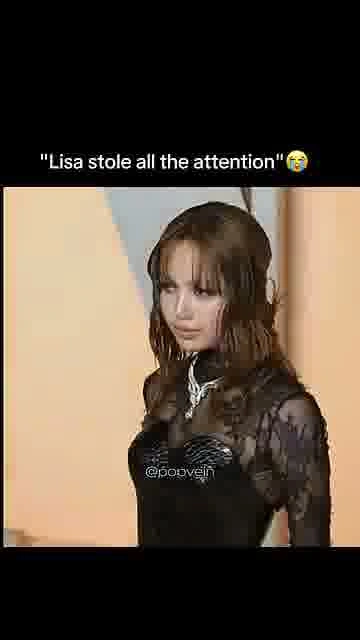
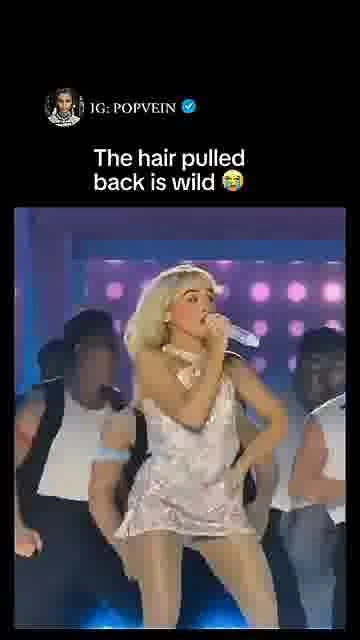
This early success was not just commercial; it established a structural model in pop music. The seamless collaboration between producer and performer, the strategic visual branding, and the salience of music video as a storytelling tool became markers of contemporary stardom.

Defining the 2000s: Sound, Style and Performance
Britney’s early albums and performances mapped out core features of early-2000s pop: slick production, choreography-driven shows, and a capacity to navigate between innocence and polished sensuality. Her visual lexicon of crop tops, low-slung jeans, chart-topping choreography, helped set the tone for the decade’s aesthetic.
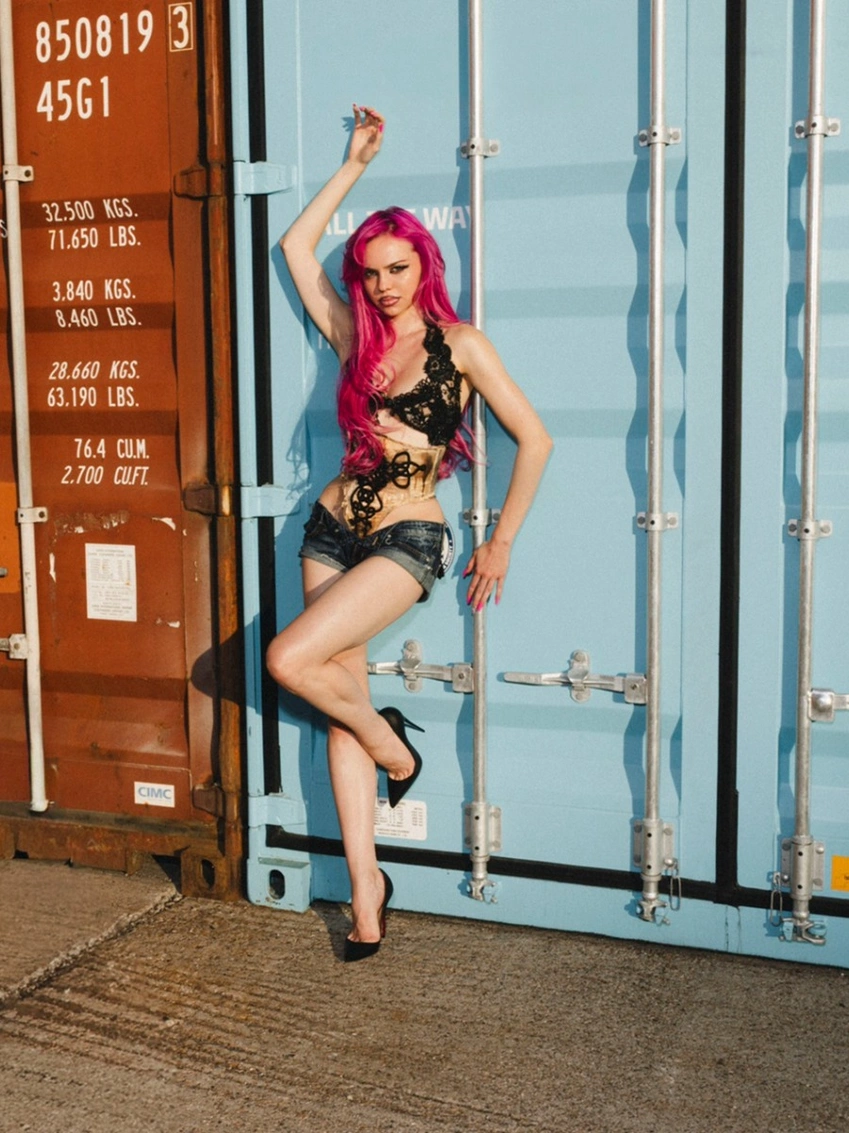
This was not mere fashion but a broader cultural language that would be echoed repeatedly. Stylistic choices that were once considered niche such as navel piercings, Y2K fashion staples, urban-inflected performance gear, became staples for what mainstream pop looked like.
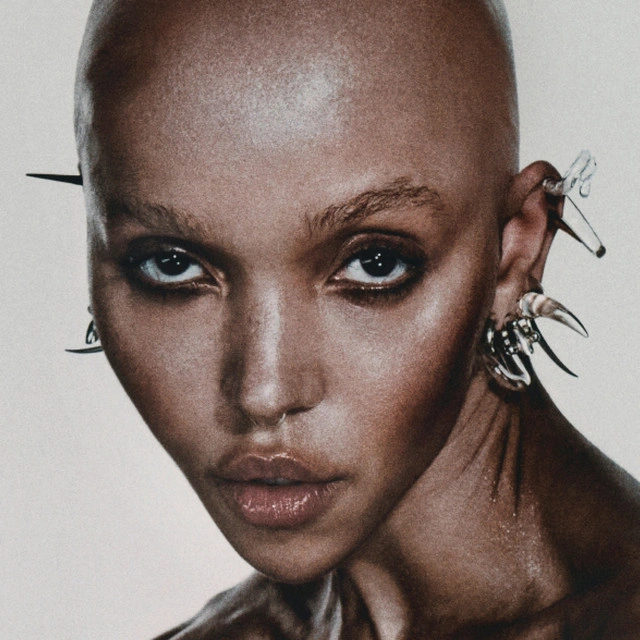
Spears also helped normalise the integration of dance, spectacle, and persona in ways that later artists would refine. The spectacularity of her shows, from MTV Video Music Award moments to full arena tours, demonstrated how performance and persona were as crucial to pop success as the recordings themselves.
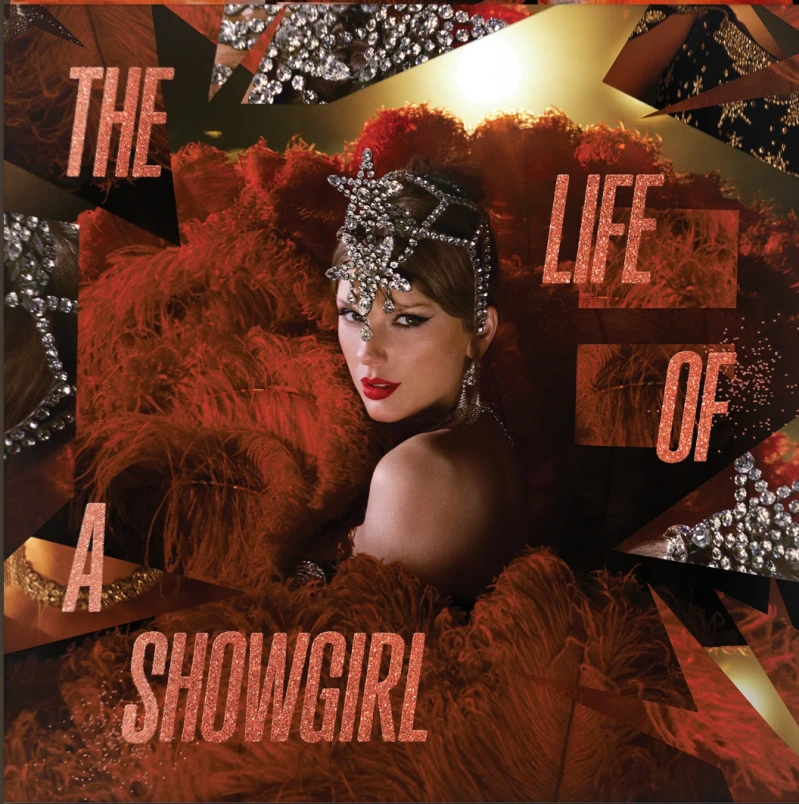
The Blueprint Beyond the Bubblegum
To call Britney merely a bubblegum pop artist is to underplay her influence. Billboard has ranked her among the greatest pop stars of the twenty-first century, and important voices in music journalism have described her as a pioneer whose work paved the way for successive artists to embrace catchy hooks and glossy production without apology.
This blueprint of the tight interplay of sonic appeal, visual narrative, and personal branding has become integral to the success of artists across generations. Singers as varied as Lady Gaga, Charli XCX, Selena Gomez, Normani, Miley Cyrus, Ava Max, Rina Sawayama and many others have cited Spears’s work as an influence.

Lady Gaga, for instance, publicly acknowledged that Spears taught a generation how to be fearless in performance, insisting that modern pop would not be the same without her. That resonance from the dance-pop of Gaga to the genre-bending approaches of Charli XCX shows how Spears’s artistic DNA threads through contemporary pop, even when artists diverge thematically or aesthetically.
Influence in the Next Generations
Britney’s effect is not purely sonic ; it’s embodied and visual. Her choreography-centred music videos helped make dance one of pop’s central expressive tools. Our current pop landscape, saturated with tightly synchronised movement as a core part of the art form, owes much to the standards she popularised.
Later artists have built on this foundation in ways that speak to shifting cultural climates. For example, many performers on the MTV Video Music Awards stage channel her legacy; sometimes as direct homage, other times through reinterpretation and reinvention of her style and performance energy.

In fashion, the revival of Y2K aesthetics among Gen Z as seen in runway collaborations and design homages, underscores how Spears’s visual era continues to circulate within contemporary culture. In effect, her career provided both a template and a text that subsequent performers continually read, reinterpret, and repurpose.
Humanity and Contradiction in the Pop Machine
Crucially, what makes Britney’s blueprint compelling is how it reveals the contradictions at the heart of pop stardom. Her story isn’t neat; it’s a vivid demonstration of how the machinery of fame consumes and reshapes the individual. Her career has been marked by high-stakes negotiation with media narratives, public perception, and personal agency, a complexity that later artists have both feared and learned from.
In this sense, her legacy is as much a cautionary tale as an artistic influence. It invites reflection on how fame works, how the industry encodes gendered expectations onto female performers, and how artists navigate personal authenticity within an unforgiving cultural system.

Britney Spears’s influence on the pop world is undeniable. She helped script what it means to be a modern popstar of being polished, visually literate, and unapologetically catchy, while also exposing the fissures in the industry’s relationship to its stars. Whether through the artists who cite her as inspiration or the cultural aesthetics still in circulation today, her imprint endures. She remains not only a historic figure but a living archive of pop’s evolving grammar.
To study her career is to study pop music itself and its possibilities, its pressures, and its perpetual reinvention.
#BritneySpears #PrincessOfPop #PopCulture #MusicHistory #BritneyLegacy
Login to comment.
4 Thots
More Like This
The Top Ten Albums of 2025 That Are a Must-Listen
Exploring a year when albums mattered more than playlists, this piece spotlights Rosalía’s LUX, Bad Bunny’s 2025 era, and a slate of full-length reco…
The Top Ten Albums of 2025 That Are a Must-Listen
Exploring a year when albums mattered more than playlists, this piece spotlights Rosalía’s LUX, Bad Bunny’s 2025 era, and a slate of full-length reco…
Exploring a year when albums mattered more than playlists, this piece spotlights Rosalía’s LUX, Bad Bunny’s 2025 era, and a slate of full-length records that shaped conversations and late-night listening.
2025 felt like a year in which albums reclaimed their full length. Bodies of work to sit with rather than playlists to skim. These records didn’t just chart; they set moods, framed conversations and soundtracked those strange, between-time hours of buses, bedrooms and browser tabs. Here are ten albums that shaped the year for me.
Rosalía – LUX
Rosalía’s LUX feels like an edifice you walk into rather than a mere listening experience. It extends her restless movement between tradition and experiment: pop hooks coexist with choral textures, and intimacy ricochets against spectacle. What stands out is how self-assured the album sounds without becoming complacent. The vocals are theatrical without being mannered, the production sleek yet full of hairline cracks through which vulnerability seeps. LUX reads like a conversation between older musical lineages and the hyper-modern soundscape we inhabit, and that tension is what makes it so absorbing.

Bad Bunny – DeBÍ TiRAR MáS FOToS
Bad Bunny’s 2025 album continues his project of stretching reggaeton and Latin trap into something more elastic and hybrid. It balances swagger with melancholy, crowd-energy with solitary mood. The album feels like city-life at night: neon, rain, overheard conversations and the occasional dizzying clarity that follows chaos. There is a playful confidence in the way genres are folded into one another. It is less about making a definitive statement and more about inhabiting multiple identities at once, which feels very 2025 in itself.

Hayley Williams – Ego Death at a Bachelorette Party
This album sounds like a night out that slowly becomes an existential reckoning. Williams draws on alternative pop and rock textures, but what lingers is the sharpness of the writing: jokes that hide wounds and confessional lines that refuse self-pity. The album’s sonic palette swings between brittle and lush, capturing the oscillation between bravado and collapse that adulthood often feels like. It is playful, acidic, deeply felt and occasionally tender in the way a late-night phone call is tender.

Deftones – Private Music
Deftones continue to inhabit their distinctive territory where heaviness and atmosphere blur. Private Music feels both muscular and dreamy, like metal submerged underwater. The guitars don’t merely attack; they brood and shimmer. Vocals teeter between menace and yearning. Rather than reinvent themselves for novelty’s sake, the band refines their language and finds new emotional registers within it, which is its own kind of evolution. It is immersive music, designed for full-body listening.

Perfume Genius – Glory
Glory leans into delicacy without fragility. Mike Hadreas continues to treat the voice as both confession and instrument, moving between quiet confession and something more operatic. The arrangements are attentive rather than flashy, leaving room for silence, breath, and hesitation. This is an album preoccupied with the body: its limits, its aches, its moments of radiance. Listening feels like being invited into a private monologue that slowly becomes universal.

Florence + the Machine – Everybody Scream
Everybody Scream carries the gothic grandeur long associated with Florence Welch but filters it through a darker, more cathartic sensibility. The album circles themes of release, survival, and the desire to be overwhelmed to feel something real. Big drums, choral surges and the signature hurricane voice coexist with more vulnerable passages. It sounds like ritual music for people who live mostly online and crave the physicality of noise and collective feeling.

Geese – Getting Killed
Geese’s Getting Killed is jagged, nervy and gleefully unstable. It sits within the art-rock and post-punk continuum but constantly wrong-foots the listener with odd turns, sudden tempo lurches and lyrics that flirt with surrealism. The album vibrates with youthful intensity: irony one moment, sincerity the next. It captures the sensation of being overstimulated yet hungry for more, of laughing at the edge of something slightly dangerous. It’s messy in the best sense of being alive.

FKA twigs – Eusexua
Eusexua feels like a body-centred philosophy rendered in sound. Twigs fuses club, experimental pop and electronic textures into music that is both cerebral and visceral. The album plays with the borders between self and other, intimacy and distance, and motion and stillness. Vocals melt into production rather than simply sitting on top of it, creating that sense of being inside the music rather than observing it. It is an album to move through, not merely to evaluate.

Taylor Swift – The Life of a Showgirl
The Life of a Showgirl is an album about performance that performs its own anxieties. Swift continues to turn autobiography into narrative architecture: songs operate like rooms, mirrors, and stage lights. There is a preoccupation with persona, labour, femininity and the public consumption of private life. The production leans towards theatricality, but within that are smaller lyrical gestures that feel intimate and diaristic. Listening feels like watching someone think about themselves in real time, refracted through glitter, gossip and myth.

Ethel Cain – Willoughby Tucker, I’ll Always Love You
Ethel Cain continues her excavation of American myth and melancholy. This album stretches out like a landscape: spacious, sun-bleached, haunted by memory. Slow tempos and long melodic lines allow emotion to gather gradually rather than erupt. It feels cinematic without being over-ornate, guided by storytelling that lingers on small, painful details. The songs move through love, loss and faith with an almost devotional slowness that asks for patience and rewards it.

Closing thoughts
Taken together, these albums map the emotional weather of 2025: restlessness, spectacle, longing, exhaustion, and ecstatic release. As a humanities student, I am drawn to how they think — about gender, fame, nation, the body, the internet — as much as how they sound. As a pop enthusiast, I am simply grateful they exist, because they made the year feel richer, stranger and more intensely lived.
#2025Music #AlbumEra #RosaliaLUX #BadBunny #MusicReview #PopCulture #PopMusic #TaylorSwift #HayleyWilliams #Deftones #FKATwigs #EthelCain #PerfumeGenius #FlorenceWelsh
Login to comment.
3 Thots
More Like This
The End of an Era: Documenting a Phenomenon by Taylor Swift
The End of an Era explores Taylor Swift’s Eras Tour through the people who make the magic—technicians, wardrobe, and crew—turning spectacle into a he…
The End of an Era: Documenting a Phenomenon by Taylor Swift
The End of an Era explores Taylor Swift’s Eras Tour through the people who make the magic—technicians, wardrobe, and crew—turning spectacle into a he…
The End of an Era explores Taylor Swift’s Eras Tour through the people who make the magic—technicians, wardrobe, and crew—turning spectacle into a heartfelt tribute to the labor behind the lights.
There is a peculiar tenderness in watching a machine slow down. Machines that make music through stadiums, pyrotechnics, soundboards, and choreography. The End of an Era, the new six-part docuseries about Taylor Swift's historic Eras Tour, is at its most persuasive when it lets that humanity breathe: when it stops cataloguing spectacle and starts naming the names, showing the hands, and telling the small stories that otherwise disappear behind the curtain. The series is glossy, yes, but within that sheen, there are moments of celebration for the team that built the show. It is an elegy and a thank-you note rolled into one.

The archive of labour
Pop spectacles are often read as instantaneous and immaterial: a few hours of shared feeling, and then it’s gone. The docuseries insists on the opposite. It treats the tour as an archive of labour, an object with a history that can be interrogated and honoured. In scene after scene, we see technicians tuning microphones, wardrobe supervisors repairing sequins at dawn, and stagehands rehearsing the choreography of curtains and elevators. These are the tour’s nervous system. By tracing the network of roles of creative directors, lighting operators, and costume teams, the series converts anonymous work into named contributions, thereby reframing the Eras Tour as a communal achievement rather than a single-star triumph. We get to hear personal stories of three dancers, namely Kam, Whyley and Amanda, and one of the backup singers who got diagnosed with breast cancer as well as Amos, one of her oldest band members.

Faces behind the lights
What distinguishes a tribute from a mere behind-the-scenes reel is attention to individuality. The directors give us small portraits: a guitar tech who has worked the tour for years and carries ritual talismans in his case; a dancer whose warm, weary laugh underlines how performance is also endurance; a wardrobe head who can coax a dress to survive a dozen encores. These vignettes do more than humanise the production. They allow the viewer to grasp how affect circulates between the performer and crew. When the camera lingers on hands adjusting a mic or fastening an earpiece, it is not fetishising labour but acknowledging that public spectacle is built out of thousands of private gestures.

Intimacy and the cost of care
Celebration in the series is not uncritical. Intercut with the joy of sold-out nights are weary faces, tired bodies and the logistical fractures that insist on constant repair. There is a politics to care here: who gets rest, who travels, who is present for family milestones and who misses them. The series gestures at these tensions without becoming a polemic; it testifies instead. We are reminded that love for the work and actual well-being are not always aligned. The docuseries asks us to celebrate, yes, but also to witness.
Brand film or collective portrait?
A recurring criticism of contemporary pop documentaries is their tendency to double as brand consolidation. The End of an Era occasionally slides into that register: polished, curated, protective of the public image it carries. Yet even within those frames, the series finds openings for genuine tenderness. The inclusion of backstage testimonials, those unscripted, often off-camera recountings, works as a corrective to the ‘victory lap’ narrative; these moments let us see the show as a shared life, not simply a corporate triumph. That ambivalence is important. Celebration does not preclude scrutiny; a documentary that only amplifies glamour would do a disservice to the people whose labour it showcases.

Rituals, letters and afterlives
One of the more intimate threads running through the later episodes is the way the team itself commemorates the tour. There are rituals of joyous gatherings before final shows, exchanges of handwritten notes, and gestures of gratitude that mirror older, pre-digital practices of farewell. Such rituals are small but potent: they mark not only an artistic chapter’s close but also the end of a shared temporal world. The show also hints at the tour’s afterlife: the archival work, the adjustments for future productions, and the ways stories will be told and retold. In documenting this, the series performs its own act of preservation by ensuring the team’s labour is recorded in a form that can be returned to and learnt from.

The End of an Era is ultimately a modest kind of celebration, radical insofar as it insists on naming the invisible. It does not solve the structural problems of touring life, nor does it pretend that celebration can replace care. But by placing the team at the centre of its narrative gaze, the series achieves something quieter and more durable: it archives gratitude. For anyone who loves pop not just as a sound but as a social form, that act of seeing feels like a necessary and welcome measure of respect.
#TaylorSwift #ErasTour #EndOfAnEra #BehindTheScenes #ErasTourDocumentary #PopCulture
Login to comment.
3 Thots
More Like This
Comments
-
Loading...
-
-
-
-
-
-
-
Please select a valid reason.
Login to comment.