#MusicHistory
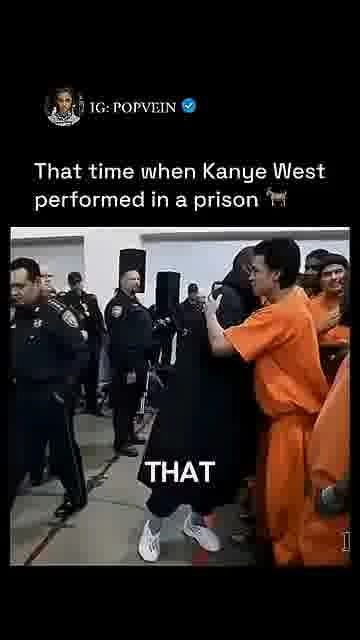
Kanye performs behind bars: Kanye West brings an unexpected performance to a prison audience. #KanyeWest #PrisonPerformance #MusicHistory
Login to reply.
14 Replies
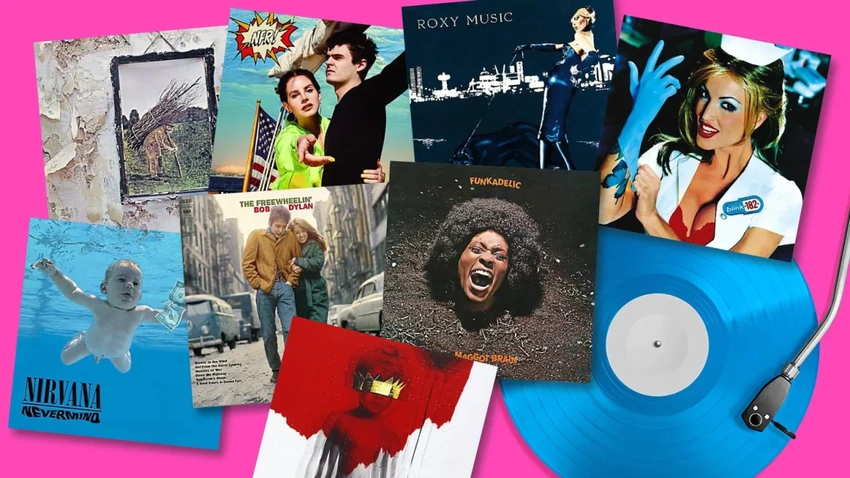
Before a single note reaches the ear, an album has already begun speaking. A cover image sits between the artist and the listener, functioning as an invitation, a warning, a manifesto, or sometimes a deliberate act of misdirection. The history of popular music is filled with records whose visual ... Read full article.
The First Thing We Hear Is Often What We See
Before a single note reaches the ear, an album has already begun speaking.
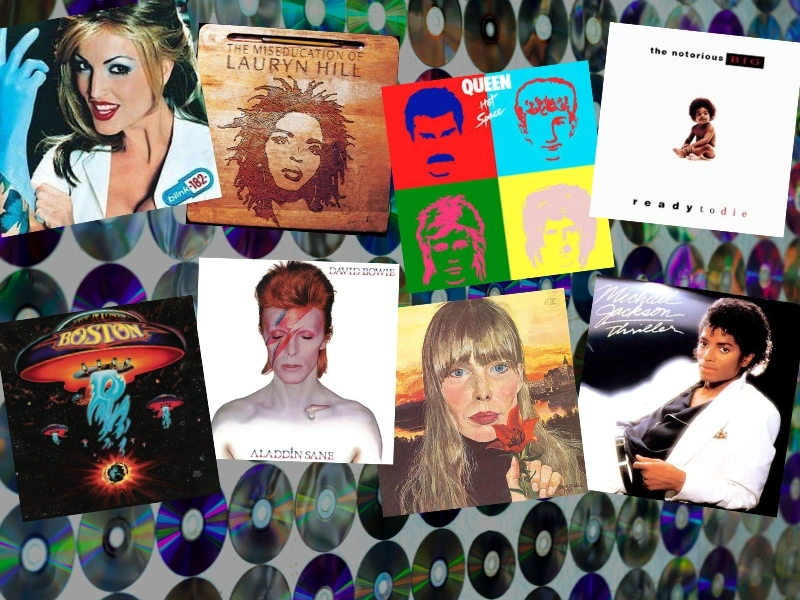
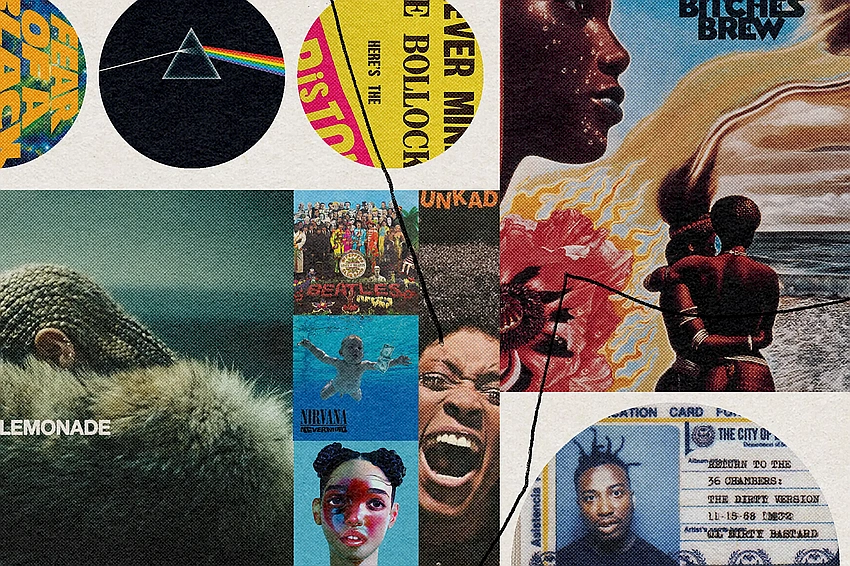
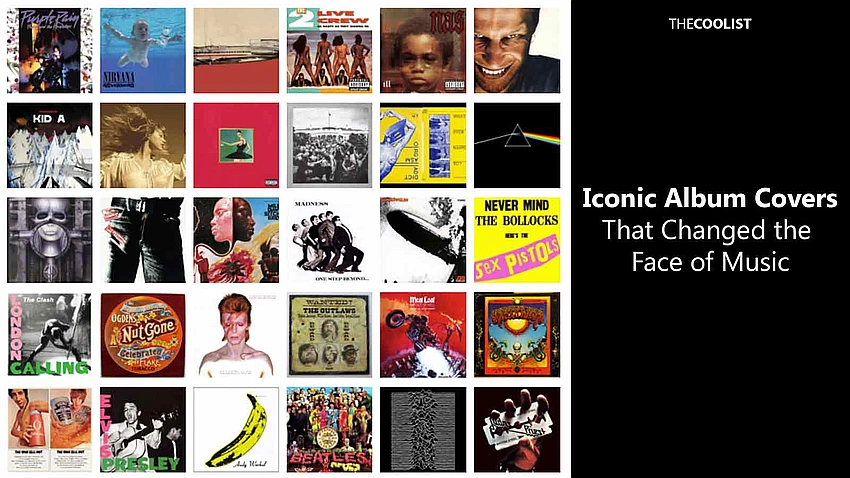
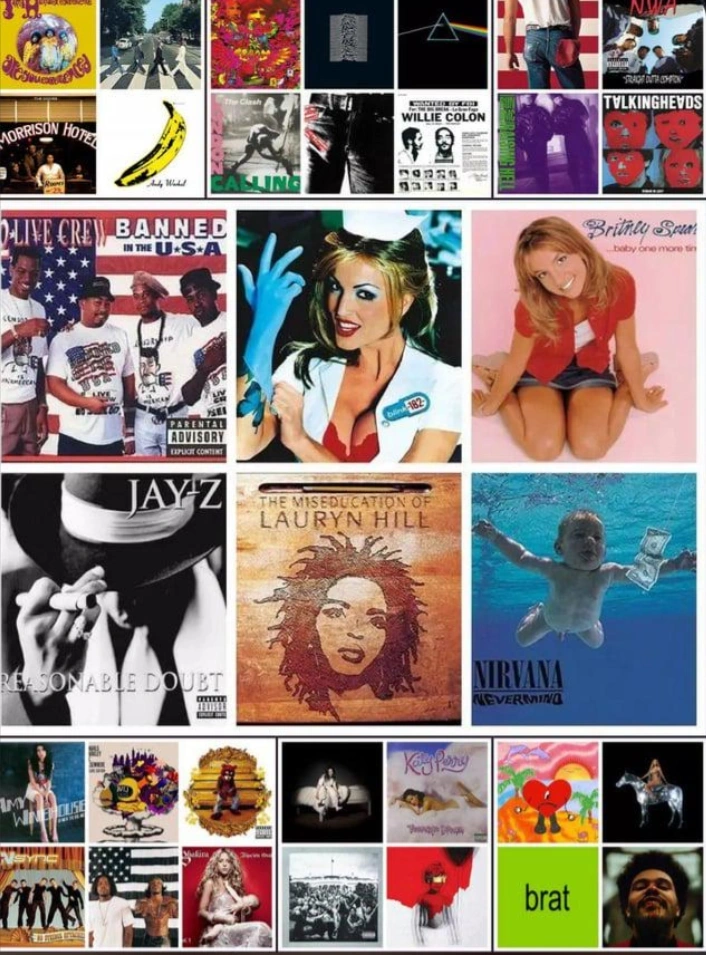
A cover image sits between the artist and the listener, functioning as an invitation, a warning, a manifesto, or sometimes a deliberate act of misdirection. The history of popular music is filled with records whose visual identities have become inseparable from their sound. It is difficult to imagine Pink Floyd without the prism, Nirvana without the swimming infant, or The Velvet Underground without Andy Warhol's banana. The image becomes part of the music's mythology.
Album covers occupy a fascinating space between commerce and art. They are advertisements, certainly, but they are also cultural artefacts. They condense entire emotional worlds into a single frame. In many cases, they outlive the music industry's changing technologies, remaining iconic long after formats disappear.
From Protective Sleeve to Cultural Object
The album cover as we know it did not always exist.
Early records were sold in plain sleeves designed primarily for protection. The shift came in the late 1930s when graphic designer Alex Steinweiss, working for Columbia Records, began creating illustrated covers for record releases. His designs transformed records from utilitarian products into visual experiences. Sales reportedly increased dramatically, and the modern concept of album artwork was born.
What followed was a remarkable convergence of music, graphic design, photography and fine art. By the 1960s and 1970s, the album cover had become a legitimate artistic medium. Designers such as Hipgnosis created surreal visual worlds for bands like Pink Floyd, while artists such as Andy Warhol brought contemporary art directly into popular music culture.
For many listeners, album covers became their first encounter with visual art. The record shop functioned almost like a gallery, where consumers browsed through images before deciding what stories they wanted to enter.
A Visual Language for Sound
Music is invisible. Album art attempts to solve that problem.
A successful cover translates sound into image. It gives form to atmosphere, rhythm, emotion and ideology. The darkness of a post-punk record, the excess of glam rock, the intimacy of a folk album, or the synthetic futurism of electronic music often become visible before they are audible.
This relationship between sound and image is not accidental. Researchers and designers have long noted that cover art serves as a visual embodiment of an artist's identity and musical vision. It shapes expectations before listening even begins.
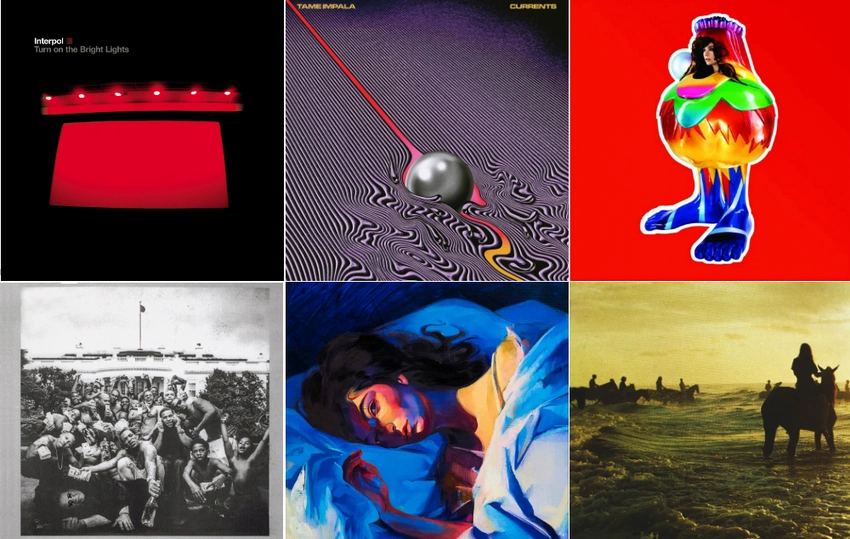
The cover therefore acts as a threshold. It prepares the listener psychologically. A stark black-and-white photograph communicates something different from a chaotic collage or a minimalist abstract design. Even when the image does not literally represent the music, it creates a mood through which the music is received.
The Vinyl Square as a Canvas
Part of the album cover's cultural power comes from its physical dimensions.
The twelve-inch vinyl sleeve offered an unusually large canvas for experimentation. Photographers, painters, illustrators and graphic designers were given a space substantial enough to create genuinely ambitious work. As a result, record covers became sites of artistic innovation rather than mere branding exercises.
Many famous artists contributed to album design. Salvador Dalí, Andy Warhol and numerous other visual artists crossed into music culture, blurring distinctions between high art and popular art.
This crossover matters because it challenged older hierarchies. Album covers brought artistic experimentation into ordinary homes. A teenager buying a rock record might unknowingly engage with surrealism, pop art or conceptual art while simply looking through a collection.
The museum and the record store briefly occupied the same cultural space.
The Digital Problem
Streaming transformed how music is consumed, but it also changed how album art is seen.
A cover that once existed as a large physical object is now often reduced to a thumbnail on a phone screen. Details disappear. Text becomes harder to read. Complex compositions compete for attention in crowded digital interfaces.
Yet album covers have not disappeared. If anything, they remain crucial. In an age where thousands of songs are uploaded daily, visual identity helps artists stand out. Cover art functions as an immediate marker of personality within an overwhelming stream of content.
Recent discussions around album design, including the revival of the Grammy category for Best Album Cover, suggest that the medium continues to hold cultural significance despite technological change. Vinyl's resurgence has also renewed appreciation for album art as a physical object rather than merely a digital icon.
Album covers endure because they satisfy a deeply human desire to see what we feel.
Perhaps that is why great album covers survive beyond their commercial purpose. They become cultural symbols. They tell stories about aesthetic movements, technological shifts, artistic collaborations and collective desires.
It waits on a shelf, in a playlist, or in the back of memory, carrying an entire world inside a single square image.
Login to comment.
4 Thots
More Like This
Hope it includes clear privacy controls. #musichistory
Spotify is rolling out a Wrapped-style recap that spans your entire listening history, created to mark its 20th anniversary. This new feature shifts the focus from a single year to a long-running narrative, inviting users to see how their musical tastes have evolved over time. Unlike the original ... Read full article.
Spotify debuts full listening history Wrapped for 20th anniversary
Spotify unveils a Wrapped-style recap spanning your entire listening history, celebrating 20 years of streaming with a nostalgic, shareable snapshot.
Spotify is rolling out a Wrapped-style recap that spans your entire listening history, created to mark its 20th anniversary. This new feature shifts the focus from a single year to a long-running narrative, inviting users to see how their musical tastes have evolved over time.
Unlike the original Wrapped, which highlights a single calendar year, the all-time recap tracks songs, artists, genres, and playlists that defined years of listening. The result is a chronological tapestry that reflects shifts in taste, broader cultural moments, and personal milestones—from early indie discoveries to current favorites.
For listeners, the feature promises a nostalgic, shareable snapshot that doubles as a personal musical diary. By weaving together decades of listening, it offers a unique perspective on how music accompanied daily routines, life changes, and social memories as streaming became a central part of how people discover and interact with music.
Spotify has not disclosed every detail of presentation, but officials indicate the recap will appear in the app after users update to the latest version. The aim is to celebrate two decades of streaming with engaging visuals and storytelling that appeals to both longtime fans and newer listeners.
Industry observers say the move underscores Spotify’s emphasis on data-driven storytelling as a way to deepen engagement and broaden appeal. As competitors experiment with nostalgia-driven features, this all-time Wrapped could become a touchstone for sharing personal playlists and memories, while reinforcing Spotify’s role as a companion to listeners across multiple life stages.
In short, the new all-time Wrapped invites users to relive a personal soundtrack that grew with two decades of music, technology, and culture—and to share that journey with friends and followers.
Login to comment.
8 Thots
More Like This
Hope it includes clear privacy controls. #musichistory
Spotify debuts full listening history Wrapped for 20th anniversary
Spotify unveils a Wrapped-style recap spanning your entire listening history, celebrating 20 years of streaming with a nostalgic, shareable snapshot.
Login to reply.
No thots yet. Be the first to share your thoughts!
If it's shareable, my friends will love it #musichistory
Spotify is rolling out a Wrapped-style recap that spans your entire listening history, created to mark its 20th anniversary. This new feature shifts the focus from a single year to a long-running narrative, inviting users to see how their musical tastes have evolved over time. Unlike the original ... Read full article.
Spotify debuts full listening history Wrapped for 20th anniversary
Spotify unveils a Wrapped-style recap spanning your entire listening history, celebrating 20 years of streaming with a nostalgic, shareable snapshot.
Spotify is rolling out a Wrapped-style recap that spans your entire listening history, created to mark its 20th anniversary. This new feature shifts the focus from a single year to a long-running narrative, inviting users to see how their musical tastes have evolved over time.
Unlike the original Wrapped, which highlights a single calendar year, the all-time recap tracks songs, artists, genres, and playlists that defined years of listening. The result is a chronological tapestry that reflects shifts in taste, broader cultural moments, and personal milestones—from early indie discoveries to current favorites.
For listeners, the feature promises a nostalgic, shareable snapshot that doubles as a personal musical diary. By weaving together decades of listening, it offers a unique perspective on how music accompanied daily routines, life changes, and social memories as streaming became a central part of how people discover and interact with music.
Spotify has not disclosed every detail of presentation, but officials indicate the recap will appear in the app after users update to the latest version. The aim is to celebrate two decades of streaming with engaging visuals and storytelling that appeals to both longtime fans and newer listeners.
Industry observers say the move underscores Spotify’s emphasis on data-driven storytelling as a way to deepen engagement and broaden appeal. As competitors experiment with nostalgia-driven features, this all-time Wrapped could become a touchstone for sharing personal playlists and memories, while reinforcing Spotify’s role as a companion to listeners across multiple life stages.
In short, the new all-time Wrapped invites users to relive a personal soundtrack that grew with two decades of music, technology, and culture—and to share that journey with friends and followers.
Login to comment.
8 Thots
More Like This
If it's shareable, my friends will love it #musichistory
Spotify debuts full listening history Wrapped for 20th anniversary
Spotify unveils a Wrapped-style recap spanning your entire listening history, celebrating 20 years of streaming with a nostalgic, shareable snapshot.
Login to reply.
No thots yet. Be the first to share your thoughts!
would be neat if they included listening minutes too. #musichistory
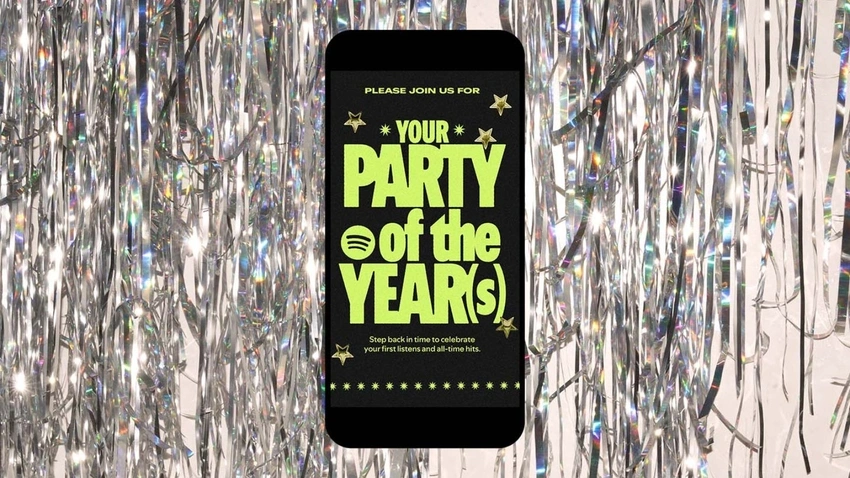
Spotify marks its 20th anniversary with a new experience called ‘Spotify 20: Your Party of the Year(s)’, a fully personalised time capsule of your listening history. The feature is designed to celebrate two decades of listening and the artists and fans who shaped Spotify’s culture. Starting today, ... Read full article.
Spotify turns 20 with a personal time capsule of your listening history
Spotify marks 20 years with a Wrapped-style deep dive into your entire listening history, from your first song to your all-time top tracks, with shar…
Spotify marks 20 years with a Wrapped-style deep dive into your entire listening history, from your first song to your all-time top tracks, with shareable cards.
Spotify marks its 20th anniversary with a new experience called ‘Spotify 20: Your Party of the Year(s)’, a fully personalised time capsule of your listening history. The feature is designed to celebrate two decades of listening and the artists and fans who shaped Spotify’s culture.
Starting today, users can access the experience in the Spotify mobile app by searching ‘Spotify 20’ or ‘Party of the year(s)’ or by visiting spotify.com/20 on their device. The experience is built to reveal moments that define a user’s music journey and to be easily shared with friends.
The biggest highlight is the never-before-shared data: you’ll see what you listened to on your first day on Spotify, the total number of unique songs you’ve heard, your first streamed track, and your all-time top artist. There’s also an All-time top songs playlist featuring up to 120 tracks, with play counts, ready to be saved to your library.
Each data story is paired with a custom share card that can be saved, sent to friends, or uploaded to social media platforms, including Instagram. Beyond the personal timeline, Spotify will surface the most streamed artists, albums, songs, and podcasts in history; the top artist list is led by Taylor.
In essence, Spotify 20 is a personalised time capsule that honours the artists and fans who shaped Spotify and music culture over the past two decades.
Login to comment.
8 Thots
More Like This
would be neat if they included listening minutes too. #musichistory
Spotify turns 20 with a personal time capsule of your listening history
Spotify marks 20 years with a Wrapped-style deep dive into your entire listening history, from your first song to your all-time top tracks, with shar…
Login to reply.
No thots yet. Be the first to share your thoughts!
interesting way to reflect on music taste changes. #musichistory
Spotify is rolling out a Wrapped-style recap that spans your entire listening history, created to mark its 20th anniversary. This new feature shifts the focus from a single year to a long-running narrative, inviting users to see how their musical tastes have evolved over time. Unlike the original ... Read full article.
Spotify debuts full listening history Wrapped for 20th anniversary
Spotify unveils a Wrapped-style recap spanning your entire listening history, celebrating 20 years of streaming with a nostalgic, shareable snapshot.
Spotify is rolling out a Wrapped-style recap that spans your entire listening history, created to mark its 20th anniversary. This new feature shifts the focus from a single year to a long-running narrative, inviting users to see how their musical tastes have evolved over time.
Unlike the original Wrapped, which highlights a single calendar year, the all-time recap tracks songs, artists, genres, and playlists that defined years of listening. The result is a chronological tapestry that reflects shifts in taste, broader cultural moments, and personal milestones—from early indie discoveries to current favorites.
For listeners, the feature promises a nostalgic, shareable snapshot that doubles as a personal musical diary. By weaving together decades of listening, it offers a unique perspective on how music accompanied daily routines, life changes, and social memories as streaming became a central part of how people discover and interact with music.
Spotify has not disclosed every detail of presentation, but officials indicate the recap will appear in the app after users update to the latest version. The aim is to celebrate two decades of streaming with engaging visuals and storytelling that appeals to both longtime fans and newer listeners.
Industry observers say the move underscores Spotify’s emphasis on data-driven storytelling as a way to deepen engagement and broaden appeal. As competitors experiment with nostalgia-driven features, this all-time Wrapped could become a touchstone for sharing personal playlists and memories, while reinforcing Spotify’s role as a companion to listeners across multiple life stages.
In short, the new all-time Wrapped invites users to relive a personal soundtrack that grew with two decades of music, technology, and culture—and to share that journey with friends and followers.
Login to comment.
8 Thots
More Like This
interesting way to reflect on music taste changes. #musichistory
Spotify debuts full listening history Wrapped for 20th anniversary
Spotify unveils a Wrapped-style recap spanning your entire listening history, celebrating 20 years of streaming with a nostalgic, shareable snapshot.
Login to reply.
No thots yet. Be the first to share your thoughts!
nice idea, but i hope it stays respectful of privacy. #musichistory
Spotify marks its 20th anniversary with a new experience called ‘Spotify 20: Your Party of the Year(s)’, a fully personalised time capsule of your listening history. The feature is designed to celebrate two decades of listening and the artists and fans who shaped Spotify’s culture. Starting today, ... Read full article.
Spotify turns 20 with a personal time capsule of your listening history
Spotify marks 20 years with a Wrapped-style deep dive into your entire listening history, from your first song to your all-time top tracks, with shar…
Spotify marks 20 years with a Wrapped-style deep dive into your entire listening history, from your first song to your all-time top tracks, with shareable cards.
Spotify marks its 20th anniversary with a new experience called ‘Spotify 20: Your Party of the Year(s)’, a fully personalised time capsule of your listening history. The feature is designed to celebrate two decades of listening and the artists and fans who shaped Spotify’s culture.
Starting today, users can access the experience in the Spotify mobile app by searching ‘Spotify 20’ or ‘Party of the year(s)’ or by visiting spotify.com/20 on their device. The experience is built to reveal moments that define a user’s music journey and to be easily shared with friends.
The biggest highlight is the never-before-shared data: you’ll see what you listened to on your first day on Spotify, the total number of unique songs you’ve heard, your first streamed track, and your all-time top artist. There’s also an All-time top songs playlist featuring up to 120 tracks, with play counts, ready to be saved to your library.
Each data story is paired with a custom share card that can be saved, sent to friends, or uploaded to social media platforms, including Instagram. Beyond the personal timeline, Spotify will surface the most streamed artists, albums, songs, and podcasts in history; the top artist list is led by Taylor.
In essence, Spotify 20 is a personalised time capsule that honours the artists and fans who shaped Spotify and music culture over the past two decades.
Login to comment.
8 Thots
More Like This
nice idea, but i hope it stays respectful of privacy. #musichistory
Spotify turns 20 with a personal time capsule of your listening history
Spotify marks 20 years with a Wrapped-style deep dive into your entire listening history, from your first song to your all-time top tracks, with shar…
Login to reply.
No thots yet. Be the first to share your thoughts!
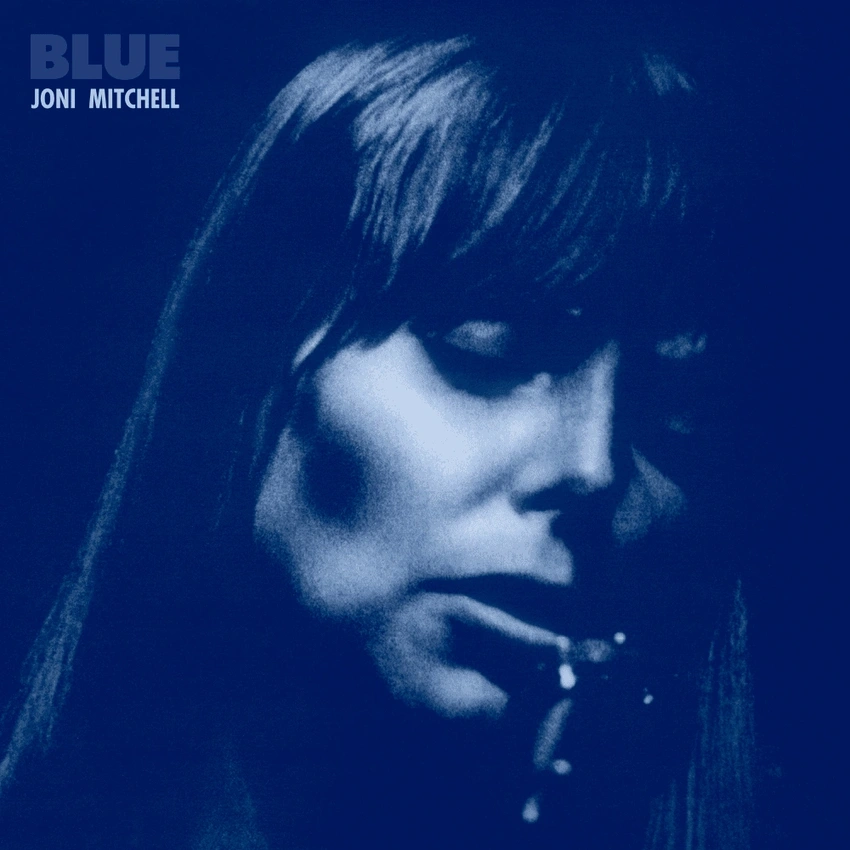
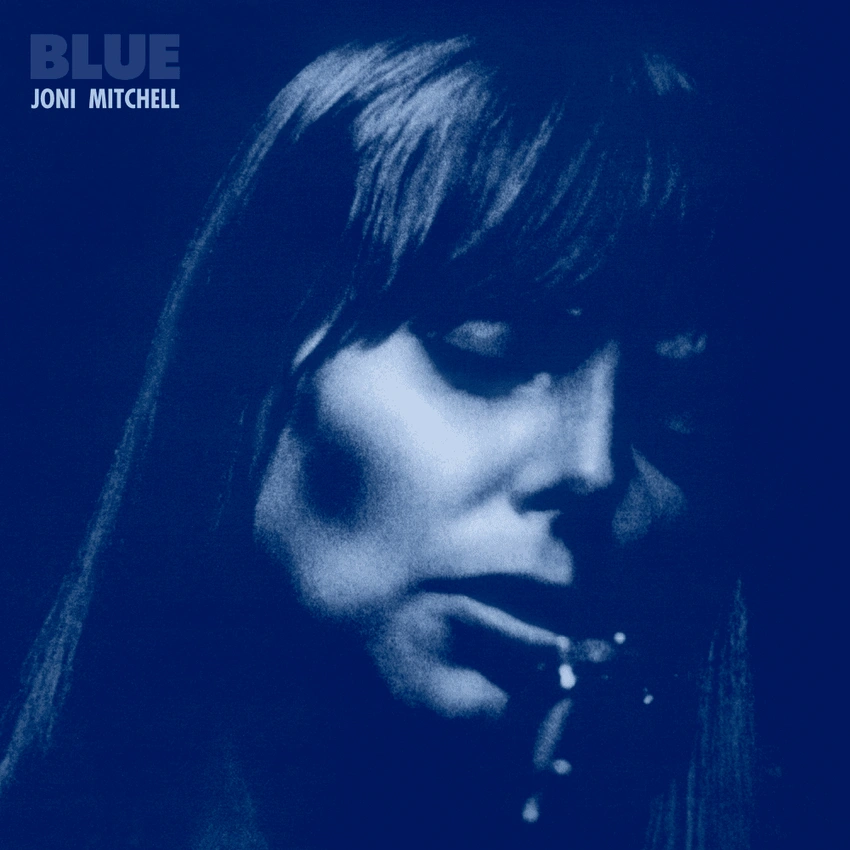
Blue (1971): Joni Mitchell and the Art of Emotional Exposure
Joni Mitchell's 1971 classic Blue reshapes pop with intimate, journal-like lyrics for over 50 years. An album that threads grief, love, and honesty, …
Blue (1971): Joni Mitchell and the Art of Emotional Exposure
Joni Mitchell's 1971 classic Blue reshapes pop with intimate, journal-like lyrics for over 50 years. An album that threads grief, love, and honesty, …
Joni Mitchell's 1971 classic Blue reshapes pop with intimate, journal-like lyrics for over 50 years. An album that threads grief, love, and honesty, and still sounds fresh and cathartic today.
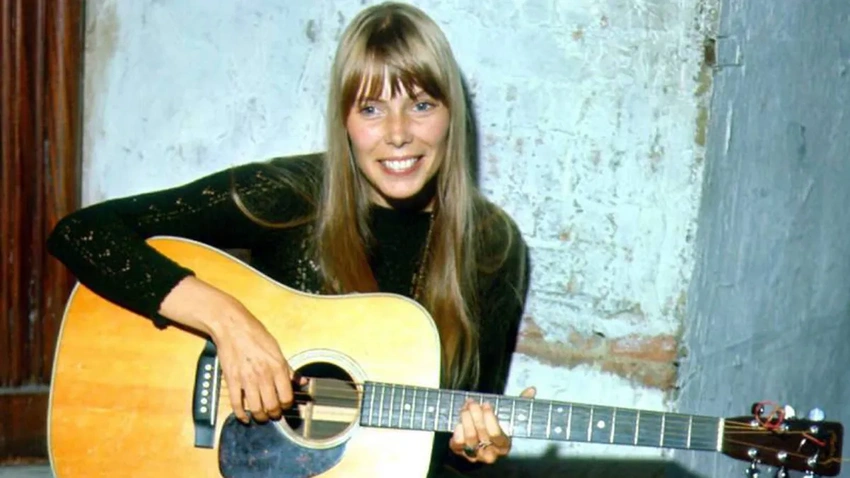
Few albums occupy the cultural imagination as persistently as Blue, released in 1971 by Joni Mitchell. Frequently canonised yet never rendered inert by praise, Blue remains a living text, one that listeners return to not simply for nostalgia, but for recognition. Its reputation as one of the most significant albums in popular music is well-established, but what sustains its force is less its mythology than its startling intimacy.

A Record That Changed the Emotional Register of Pop
By the early 1970s, the singer-songwriter movement had already carved space for personal storytelling. Yet Blue pushed that confessional mode into unfamiliar territory. Where many contemporaries filtered experience through metaphor or character, Mitchell’s writing felt almost disconcertingly direct. The songs read like pages torn from a private journal, yet shaped with meticulous compositional control.
Critics and historians consistently situate Blue among the greatest albums ever made as a recognition of formal achievement. Its sparse arrangements, unusual tunings, and fluid structures challenged assumptions about what a mainstream album could sound like. The record’s critical standing across institutions such as Rolling Stone, Pitchfork, and the BBC signals not consensus for its own sake, but sustained cross-generational relevance.

Minimalism as Emotional Architecture
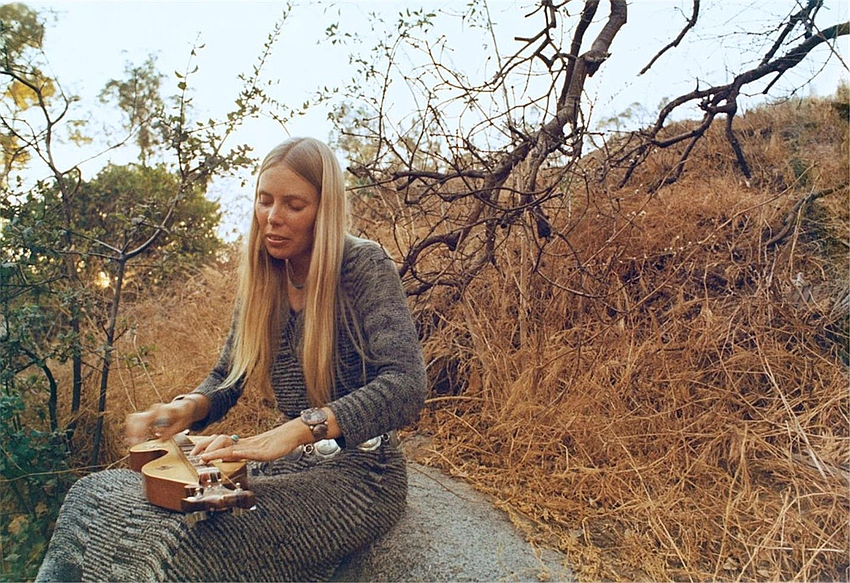
Musically, Blue is defined by restraint. Acoustic guitar, piano, and dulcimer dominate the sonic landscape. The absence of dense instrumentation is not austerity but strategy: space becomes expressive. Silence, breath, and tonal fragility acquire structural importance.
Mitchell’s use of alternate guitar tunings produces harmonies that feel unsettled, suspended between resolution and drift. That harmonic instability mirrors the emotional states the album inhabits of longing, dislocation, fleeting joy. The dulcimer, rarely foregrounded in popular music at the time, contributes a crystalline timbre that resists the warmth typically associated with folk, lending several tracks an almost glacial clarity.

Lyrics Without Protective Distance
What continues to define Blue is its lyrical candour. Love appears not as triumph or tragedy but as something far messier: contingent, unstable, frequently contradictory. Songs like “All I Want”, “A Case of You”, and “River” trace emotional landscapes where desire and loss coexist without neat moral framing.
Mitchell’s writing is diaristic yet never shapeless. The language is compressed, imagistic, precise. She moves between the personal and the observational with startling agility and aromantic entanglements, creative anxieties, the pressures of fame, the search for freedom. The album does not narrate heartbreak as spectacle; it renders vulnerability as lived texture.
Importantly, this openness was not universally comfortable for audiences in 1971. The degree of autobiographical exposure unsettled expectations of how women in popular music were “supposed” to present emotion, a reminder that Blue’s radicalism is inseparable from gendered cultural contexts.

Laurel Canyon and the Myth of Bohemian Freedom
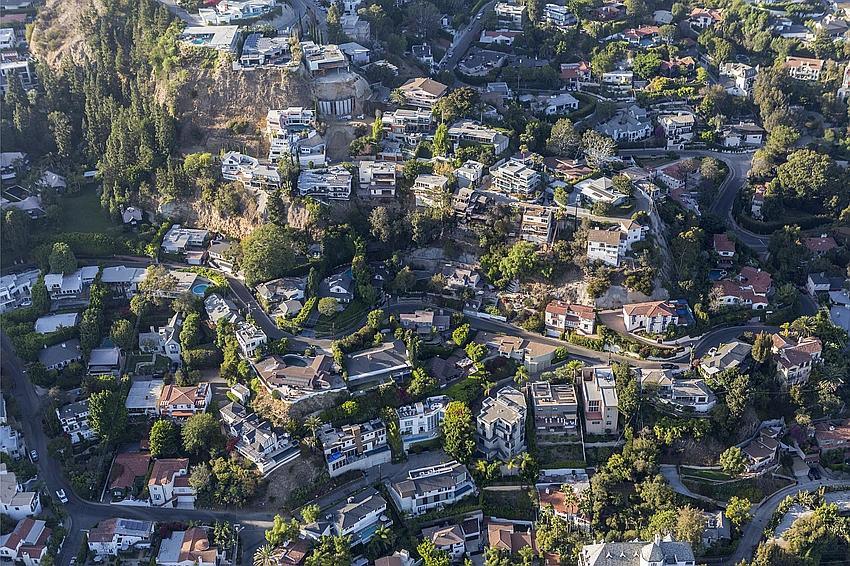
Blue is often tethered to the mythology of Laurel Canyon, that storied nexus of musicians, countercultural ideals, and creative cross-pollination. Yet the album quietly complicates the fantasy of bohemian liberation. Beneath its surface runs a current of ambivalence: success isolates, romance destabilises, freedom extracts cost.
Rather than celebrating the counterculture uncritically, Mitchell documents its fractures. The songs acknowledge excess, emotional fatigue, and the uneasy trade-offs between artistic autonomy and personal connection. In this sense, Blue functions as both participant in and critique of its cultural moment.

Reception, Reassessment, Reverberation
Although commercially successful, Blue’s deeper legacy emerged through critical reassessment and long-term influence. Over decades it has become a reference point for artists across genres from folk and indie to alternative pop. Musicians repeatedly cite the album as a template for emotional honesty and compositional subtlety.
Its endurance is visible not merely in rankings but in reinterpretations: cover versions, tributes, academic analyses, and renewed interest among younger listeners. The album’s themes of precarious intimacy, self-definition, and emotional risk remain uncannily contemporary.
Blue Still Feels Dangerous
What makes Blue feel perpetually modern is its subversion of emotional spectacle. There is no melodramatic crescendo or theatrical catharsis. Instead, the album dwells in uncertainty. Feelings are examined rather than performed; contradictions remain unresolved.

That stance continues to feel quietly radical. In an era saturated with hyper-curated self-presentation, Blue’s unvarnished emotional clarity carries an almost subversive charge. The record insists that vulnerability is not weakness, nor branding, but artistic method.
More than half a century after its release, Blue persists because it resists fossilisation. It is canonised yet intimate, historically situated yet emotionally immediate. Mitchell did not merely write songs about feeling; she reconfigured how feeling could inhabit popular music.
To listen now is to encounter not a relic, but a voice still startling in its precision and openness and a reminder that the most enduring works often emerge not from grand gestures, but from the courage to speak plainly.
#JoniMitchell #BlueAlbum #SingerSongwriter #70sMusic #MusicHistory
Login to comment.
3 Thots
More Like This
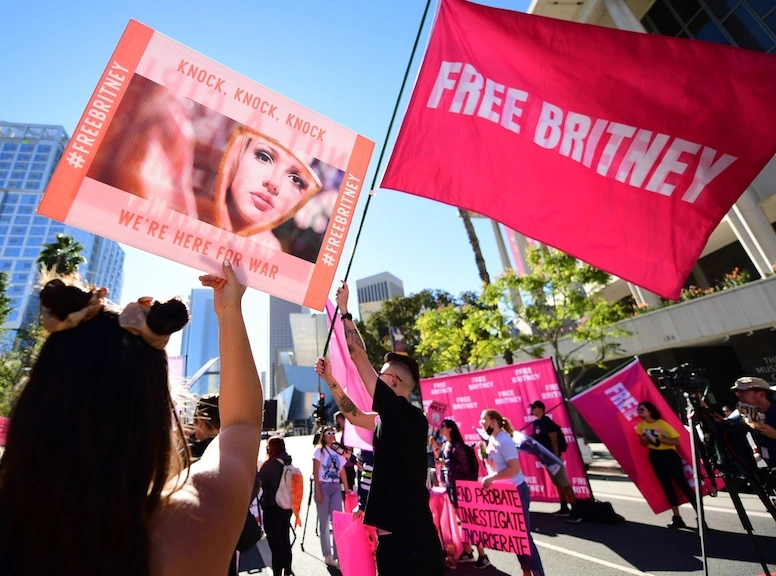
Britney Spears: The Pop Star Blueprint
A retrospective look at Britney Spears as a cultural force, tracing her rapid rise from Kentwood to global superstardom and the blueprint she set for…
Britney Spears: The Pop Star Blueprint
A retrospective look at Britney Spears as a cultural force, tracing her rapid rise from Kentwood to global superstardom and the blueprint she set for…
A retrospective look at Britney Spears as a cultural force, tracing her rapid rise from Kentwood to global superstardom and the blueprint she set for modern pop.
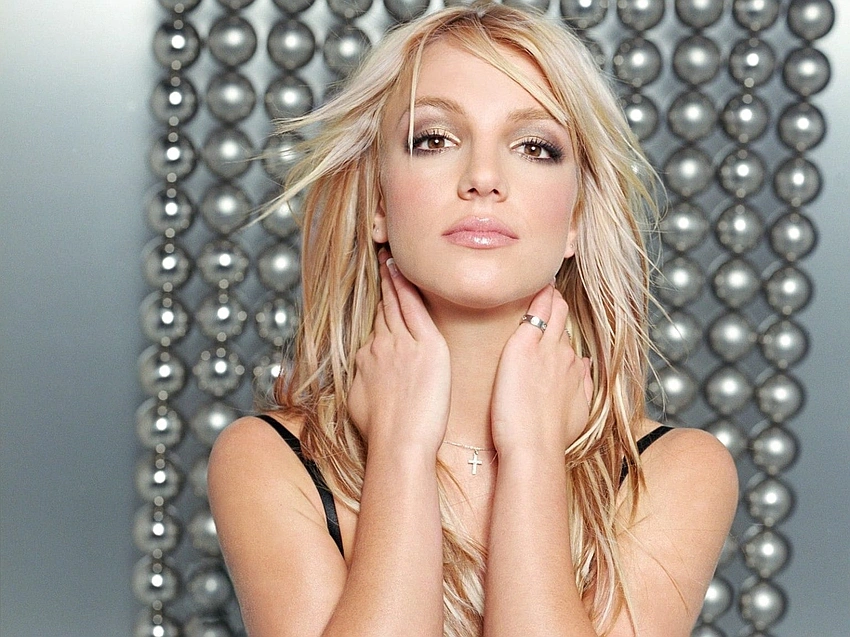
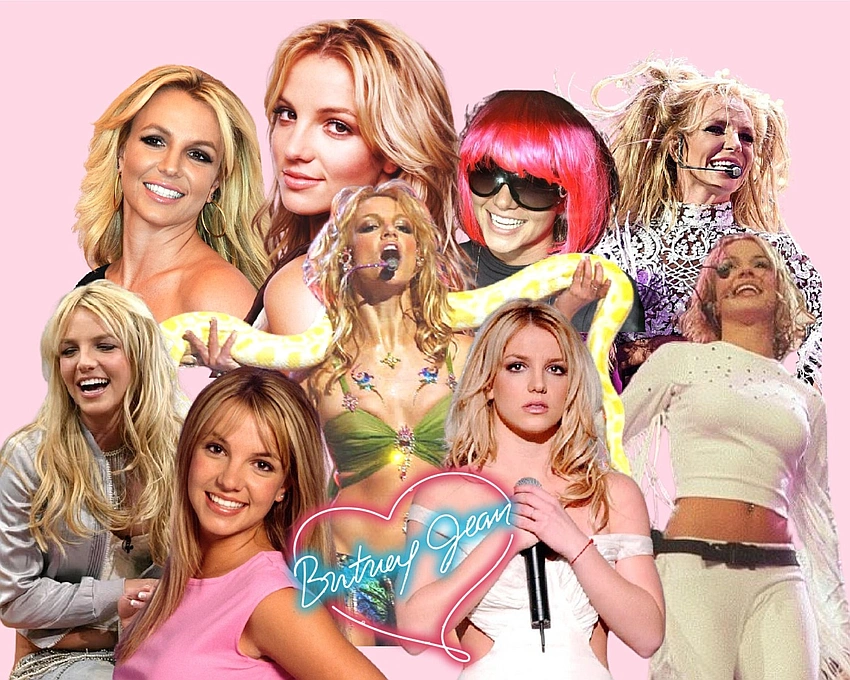
Britney Spears is many things: the Princess of Pop, a global cultural phenomenon, and, for countless artists who came after her, a model of what contemporary pop stardom could look like. More than two decades on from her debut, her career continues to function as a kind of blueprint for the genre itself and as a template that successive generations of pop stars have adapted, resisted, or reinvented.

From Kentwood to Globe-Trotting Phenomenon
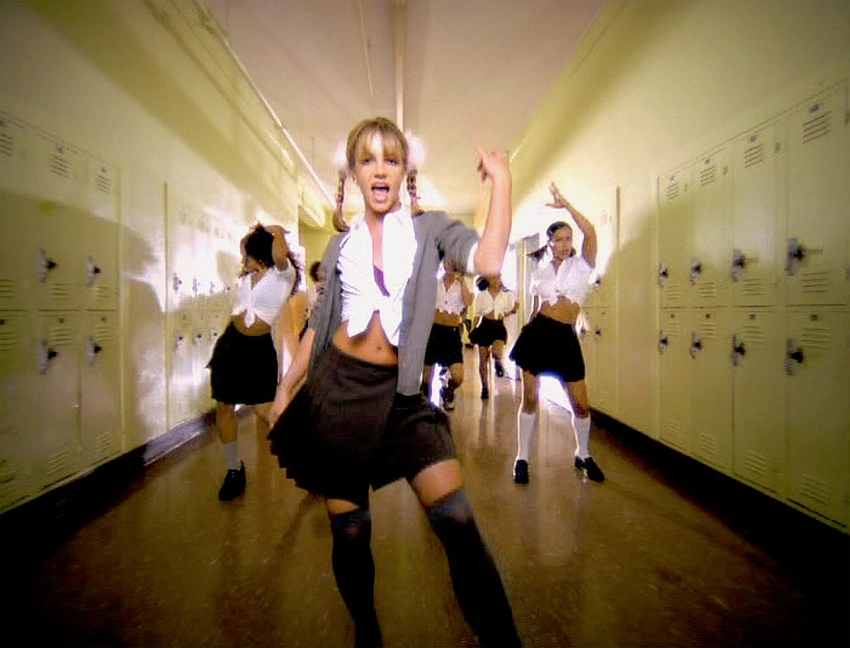
Britney Spears’s rise is striking for its velocity. At just sixteen, she broke into the mainstream with the release of “…Baby One More Time” in 1998, a song and video that instantly dominated charts and became an emblem of late-millennial youth culture. What is most remarkable about that launch is how seamlessly it fused infectious pop melodies with a visual and performative clarity that few of her contemporaries had managed. In an era dominated by gangsta rap, grunge, and rock subcultures, Spears’s image of part schoolgirl and part femme pop auteur reshaped the terrain of the Billboard charts.
This early success was not just commercial; it established a structural model in pop music. The seamless collaboration between producer and performer, the strategic visual branding, and the salience of music video as a storytelling tool became markers of contemporary stardom.

Defining the 2000s: Sound, Style and Performance
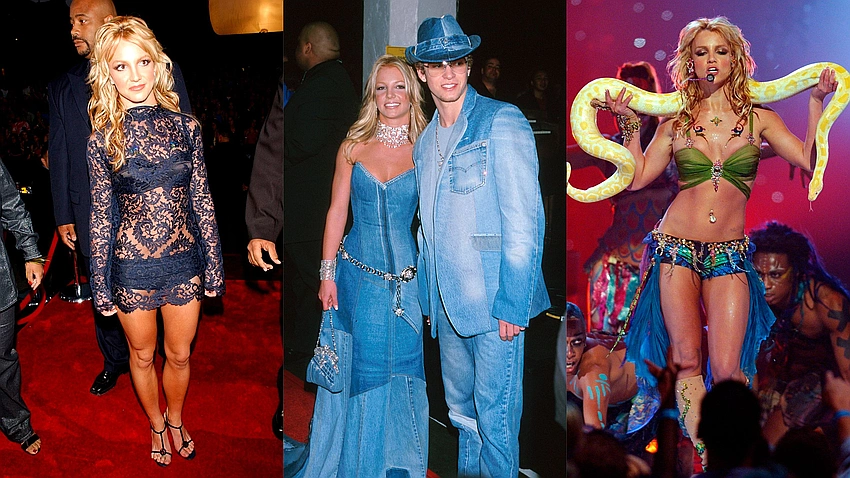
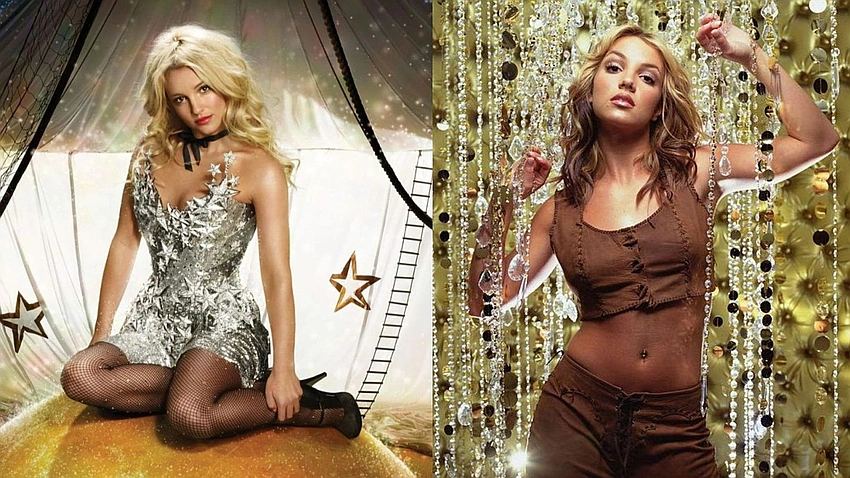
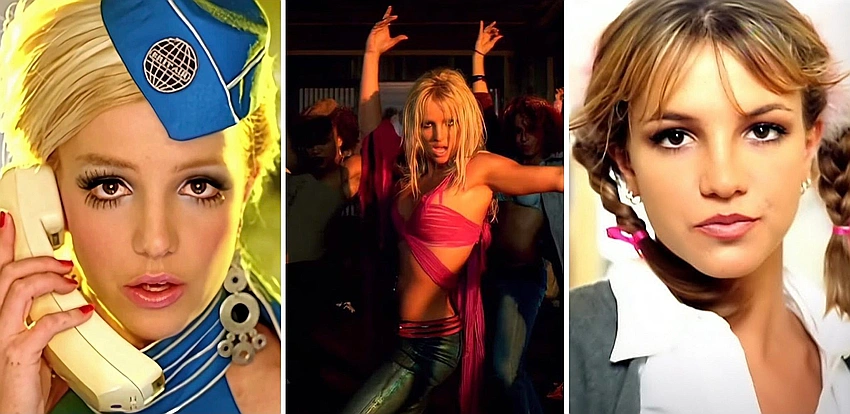
Britney’s early albums and performances mapped out core features of early-2000s pop: slick production, choreography-driven shows, and a capacity to navigate between innocence and polished sensuality. Her visual lexicon of crop tops, low-slung jeans, chart-topping choreography, helped set the tone for the decade’s aesthetic.
This was not mere fashion but a broader cultural language that would be echoed repeatedly. Stylistic choices that were once considered niche such as navel piercings, Y2K fashion staples, urban-inflected performance gear, became staples for what mainstream pop looked like.
Spears also helped normalise the integration of dance, spectacle, and persona in ways that later artists would refine. The spectacularity of her shows, from MTV Video Music Award moments to full arena tours, demonstrated how performance and persona were as crucial to pop success as the recordings themselves.

The Blueprint Beyond the Bubblegum
To call Britney merely a bubblegum pop artist is to underplay her influence. Billboard has ranked her among the greatest pop stars of the twenty-first century, and important voices in music journalism have described her as a pioneer whose work paved the way for successive artists to embrace catchy hooks and glossy production without apology.
This blueprint of the tight interplay of sonic appeal, visual narrative, and personal branding has become integral to the success of artists across generations. Singers as varied as Lady Gaga, Charli XCX, Selena Gomez, Normani, Miley Cyrus, Ava Max, Rina Sawayama and many others have cited Spears’s work as an influence.

Lady Gaga, for instance, publicly acknowledged that Spears taught a generation how to be fearless in performance, insisting that modern pop would not be the same without her. That resonance from the dance-pop of Gaga to the genre-bending approaches of Charli XCX shows how Spears’s artistic DNA threads through contemporary pop, even when artists diverge thematically or aesthetically.
Influence in the Next Generations
Britney’s effect is not purely sonic ; it’s embodied and visual. Her choreography-centred music videos helped make dance one of pop’s central expressive tools. Our current pop landscape, saturated with tightly synchronised movement as a core part of the art form, owes much to the standards she popularised.
Later artists have built on this foundation in ways that speak to shifting cultural climates. For example, many performers on the MTV Video Music Awards stage channel her legacy; sometimes as direct homage, other times through reinterpretation and reinvention of her style and performance energy.

In fashion, the revival of Y2K aesthetics among Gen Z as seen in runway collaborations and design homages, underscores how Spears’s visual era continues to circulate within contemporary culture. In effect, her career provided both a template and a text that subsequent performers continually read, reinterpret, and repurpose.
Humanity and Contradiction in the Pop Machine
Crucially, what makes Britney’s blueprint compelling is how it reveals the contradictions at the heart of pop stardom. Her story isn’t neat; it’s a vivid demonstration of how the machinery of fame consumes and reshapes the individual. Her career has been marked by high-stakes negotiation with media narratives, public perception, and personal agency, a complexity that later artists have both feared and learned from.
In this sense, her legacy is as much a cautionary tale as an artistic influence. It invites reflection on how fame works, how the industry encodes gendered expectations onto female performers, and how artists navigate personal authenticity within an unforgiving cultural system.

Britney Spears’s influence on the pop world is undeniable. She helped script what it means to be a modern popstar of being polished, visually literate, and unapologetically catchy, while also exposing the fissures in the industry’s relationship to its stars. Whether through the artists who cite her as inspiration or the cultural aesthetics still in circulation today, her imprint endures. She remains not only a historic figure but a living archive of pop’s evolving grammar.
To study her career is to study pop music itself and its possibilities, its pressures, and its perpetual reinvention.
#BritneySpears #PrincessOfPop #PopCulture #MusicHistory #BritneyLegacy
Login to comment.
4 Thots
More Like This
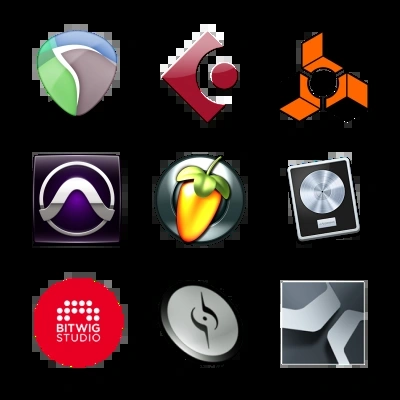
When the Studio Became Software: The Rise of DAW Music
From tape hiss to software, this quick history shows how Sound Tools, Cubase, and Ableton turned music into data and let a laptop host an entire orch…
When the Studio Became Software: The Rise of DAW Music
From tape hiss to software, this quick history shows how Sound Tools, Cubase, and Ableton turned music into data and let a laptop host an entire orch…
From tape hiss to software, this quick history shows how Sound Tools, Cubase, and Ableton turned music into data and let a laptop host an entire orchestra.
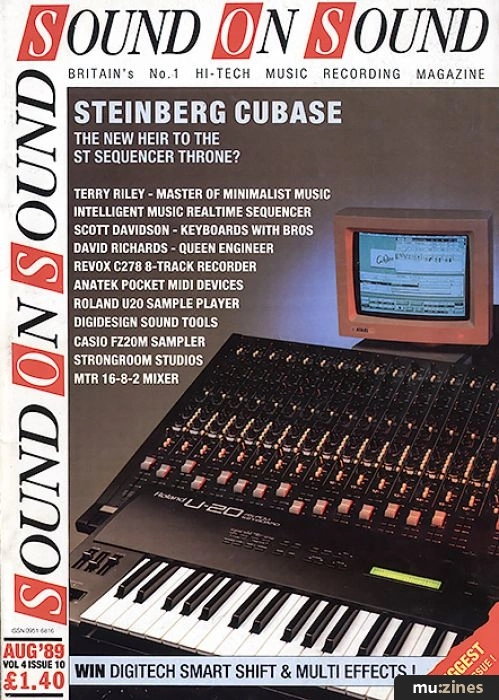
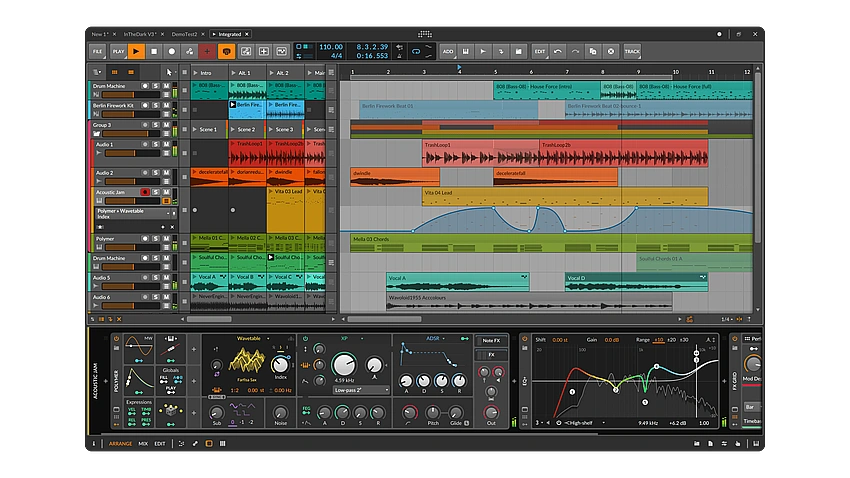
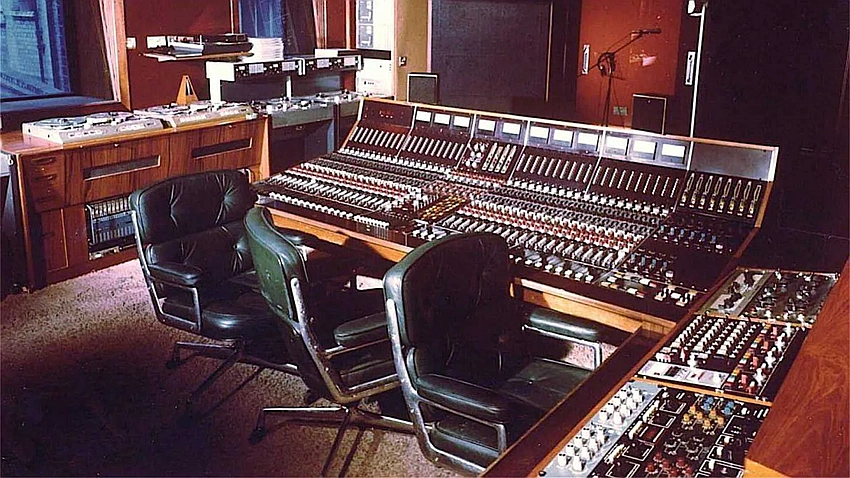
There was a time when music was anchored in the material: the scrape of tape, the hiss of reels, the warm distortion of analogue consoles. Every sound was carved into something physical, irretrievable once cut. The late 1980s quietly dismantled this permanence. In 1989, Digidesign’s Sound Tools introduced a new kind of space: a non-destructive editing system that allowed sound to exist as data rather than tape. Soon after, Steinberg’s Cubase embedded MIDI sequencing and virtual instruments directly into the computer, and by the early 2000s, Ableton Live transformed laptops into both studio and stage. Music ceased to depend on location. The studio became software.

Democratising Sound
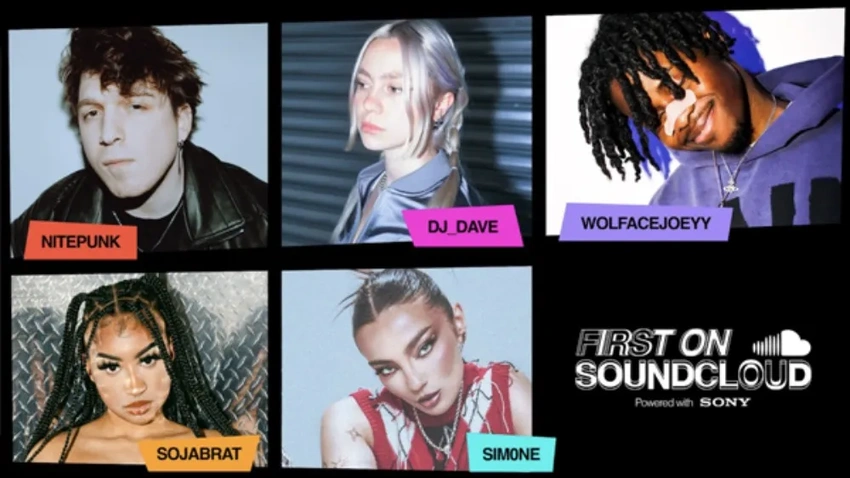
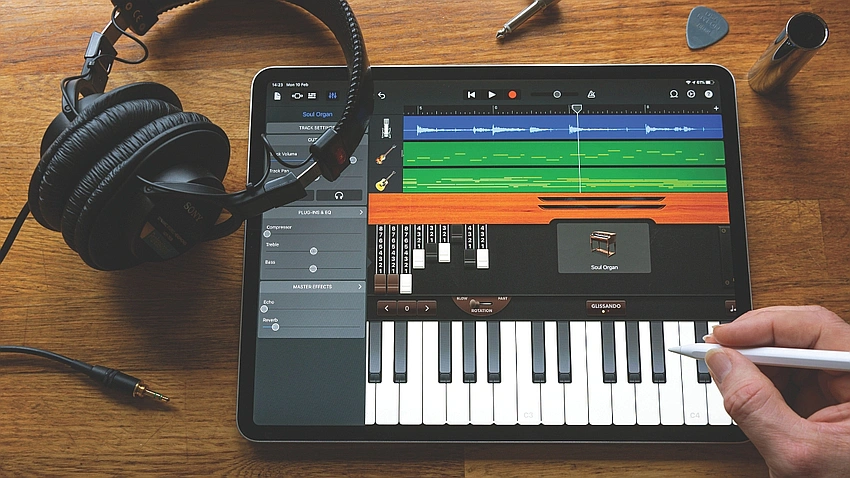
Digital Audio Workstations (DAWs) democratised music-making. Where once recording required expensive studios and professional engineers, now a modest laptop could host an entire orchestra of sounds. The boundary between amateur and professional dissolved. Platforms such as SoundCloud and Bandcamp turned bedrooms into broadcasting hubs, allowing artists to share their work globally with little more than curiosity and Wi-Fi.

This accessibility altered the hierarchy of creativity. There were no gatekeepers, only participants. Yet abundance came with its own silence. The flood of self-produced music created an economy of attention rather than scarcity. The question shifted from who can create to who will be heard. In a sense, DAWs opened the gates only to reveal a labyrinth.
The Aesthetics of the Interface
Every tool shapes the art it enables. The DAW, with its grids, waveforms, and colour-coded automation lines, redefined how musicians see sound. Music became something both heard and watched. The visual grid of quantised beats encouraged precision, while the “undo” button fostered endless revision. Mistakes no longer destroyed a recording; they invited new possibilities.

This aesthetic of malleability birthed new genres such as lo-fi hip hop, hyperpop, bedroom pop, and ambient electronica, each exploiting the plasticity of digital sound. Producers embraced artefacts once considered flaws: digital clipping, latency, and the artificial shimmer of autotune. These became emotional textures, expressive of a world increasingly mediated by screens.
Collapsing Roles
In the analogue era, music required collaboration: the songwriter, the engineer, the mixer, the mastering specialist. Within a DAW, these roles merge. The artist becomes their own technician, critic, and archivist. Composition, recording, and mixing occur within a single environment, collapsing time and hierarchy.

This autonomy is both liberating and isolating. The studio, once a social space of experimentation, becomes a private chamber. Many contemporary producers speak of this solitude; the strange intimacy of creating music alone through screens and samples. The DAW musician listens not through air vibrating in a shared room but through headphones, translating zeroes and ones into an illusion of presence.
The Question of Texture
Digital clarity has its price. Analogue warmth, the subtle distortion of air and voltage, is often replaced by precision. Many producers attempt to recreate imperfection using plug-ins that simulate tape saturation, vinyl crackle, or vintage compression. The irony is palpable: technology now labours to reproduce its own limitations.

Moreover, the ubiquity of presets and sample packs risks homogenising sound. The same drum kits and synth patches circulate endlessly across genres, forming what some have called a “preset culture.” True originality demands not just technical skill but also knowing when to resist the DAW’s seductions of perfection.
Authorship in the Age of the Loop
DAW-based creation unsettles traditional ideas of authorship. Sampling, remixing, and looping transform composition into a curatorial act. A song may now contain fragments of other songs, stitched together in ways that blur ownership. This intertextuality mirrors literary postmodernism: each track becomes a palimpsest of influences, histories, and digital detritus. The result is a new kind of musical authorship: self-aware, fluid, and entangled with its technological condition.

The Poetics of the Digital Studio
To create within a DAW is to inhabit a liminal space between sound and code. The producer arranges frequencies that exist only as data until rendered audible. Each track is both an act of listening and of programming; a choreography of waveforms. In this sense, DAW music is a mirror to our time: an art form born of accessibility yet haunted by excess, capable of intimacy yet mediated by machines.
DAW music embodies the conditions of contemporary life. It is precise yet restless, endlessly editable yet never complete. Each track exists as a “project file,” open to revision, mirroring our broader obsession with constant improvement and self-editing. Just as the word processor changed writing, the DAW changed sound not by adding tools, but by changing the rhythm of thought itself.
To listen to music born of this process is to hear the pulse of modernity: controlled, synthetic, but deeply human in its search for connection through sound. The studio has vanished into the machine, and the artist, once surrounded by others, now composes in silence, yet that silence hums with the collective noise of the digital world.
#DAWs #MusicTech #HomeStudio #MusicHistory #Ableton #ElectronicMusic #Hyperpop #MusicStudio
Login to comment.
4 Thots
More Like This
Death of the Album Rollout: When Eras Became Moments
A look back at how albums used to unfold as story arcs - lead singles, videos, and radio cycles that stretched a release across months. Today's strea…
Death of the Album Rollout: When Eras Became Moments
A look back at how albums used to unfold as story arcs - lead singles, videos, and radio cycles that stretched a release across months. Today's strea…
A look back at how albums used to unfold as story arcs - lead singles, videos, and radio cycles that stretched a release across months. Today's streaming era changed the rhythm, and the journey feels shorter.
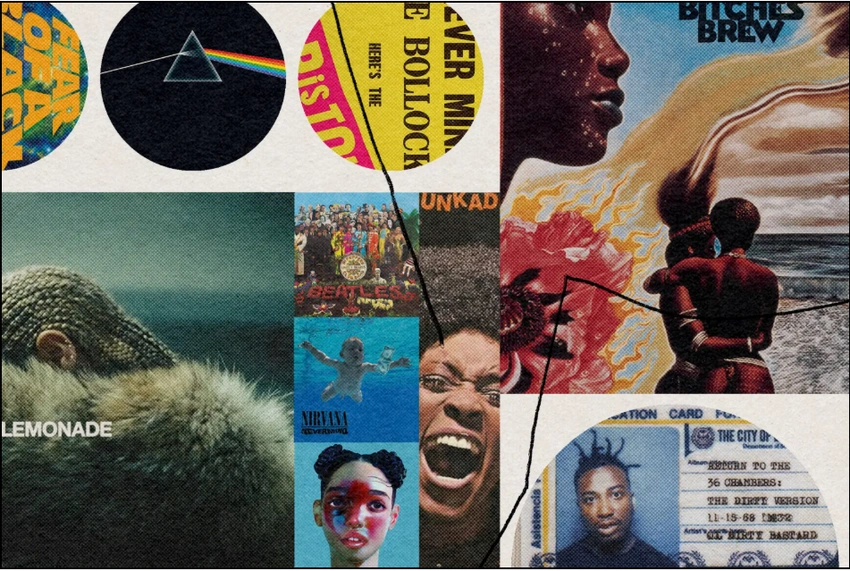
Something has shifted in the way we listen to and live with albums. Once upon a time, a record was not only a collection of songs but an era. Think of the 1990s and early 2000s, when artists released four or five singles across two years, each with its own video, television appearances, live performances, and accompanying press cycles. The album was not just a drop: it lingered, stretched across time, weaving itself into cultural memory. Today, that model feels all but extinct.
Rollouts as narrative arcs
Traditionally, the album rollout was its own story. A lead single would arrive months before the album, followed by another one or two singles before release. After the album landed, more singles, often three, sometimes five, were sent to the radio and given music videos. Each single carried the album further, expanding its cultural reach.
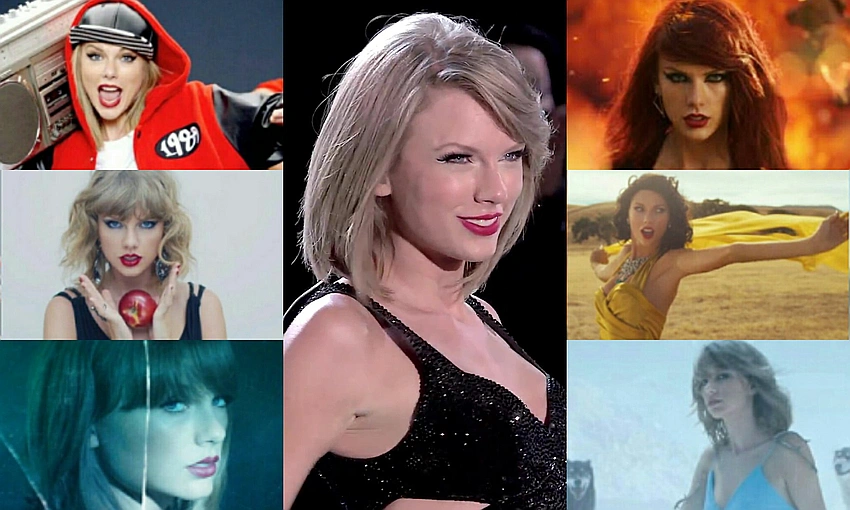
In the age of MTV and terrestrial radio, this was the standard rhythm. Rollouts gave listeners a way of inhabiting an album’s universe: from the visuals of its videos to the shifts in tone between singles, each piece extended the life of the project. The result was a sense of continuity, a cultural “era” in which an album might dominate public life for years.
The shift to compression
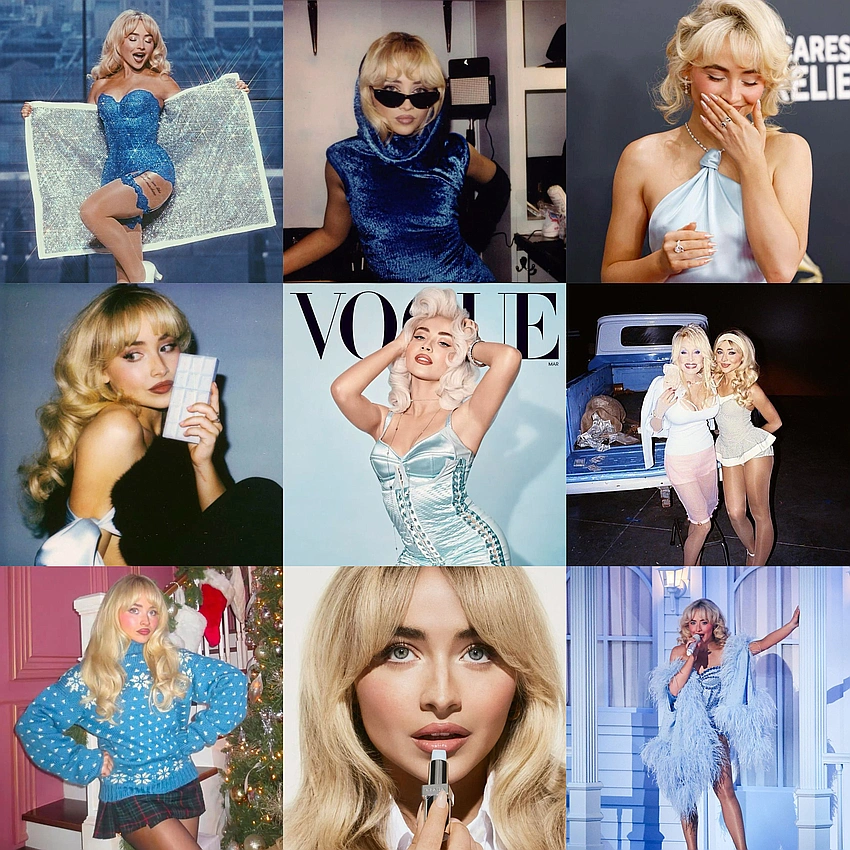
Fast forward to the present, and the landscape looks entirely different. Some artists release a single or two before the album drops, but others skip the lead-up altogether. Taylor Swift, for instance, has increasingly avoided traditional singles, choosing to release her recent albums as complete bodies of work with little preamble.
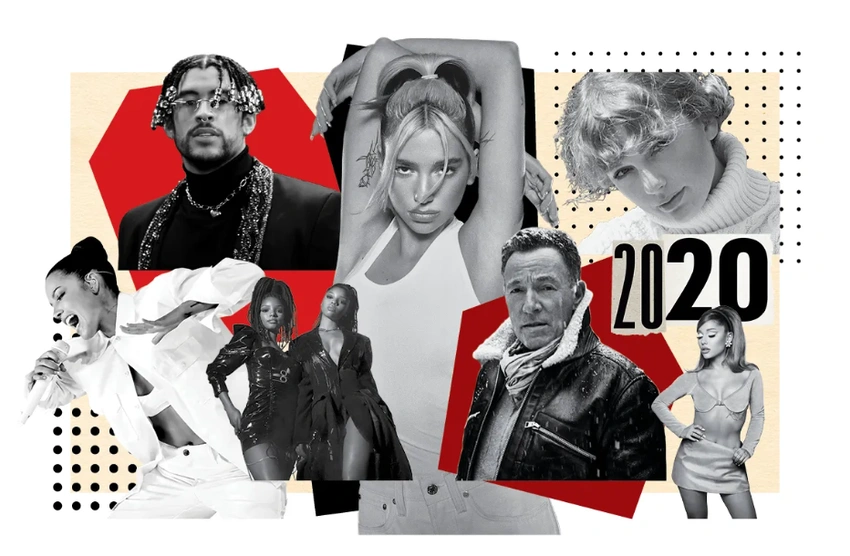
This new pattern reflects a broader collapse of the rollout. An album now tends to be concentrated into a moment: a first-week spike in streams, trending hashtags, a wave of reaction videos and memes. Then, more often than not, it fades from public conversation within weeks. Where older rollouts stretched over years, today’s releases compress into a handful of days.
Digitisation and the acceleration of culture
Why this collapse? Partly because digitisation has transformed the way music circulates. With streaming platforms, the logic of consumption is geared toward immediacy. Albums drop globally at midnight, every song instantly available to everyone. The emphasis is on first-week numbers, playlists, algorithmic placement, and chart impact.
The culture itself is now one of acceleration. Social media thrives on novelty, on the churn of constant content. A two-year rollout feels antithetical to a climate in which news cycles refresh hourly and trends are forgotten within a week. Albums are expected to create immediate impact, to generate a peak of attention rather than a long narrative arc. As one commentary put it, the mystique of artists and their work is often “saturated” by the demand for constant output.
The end of the era, the rise of the moment
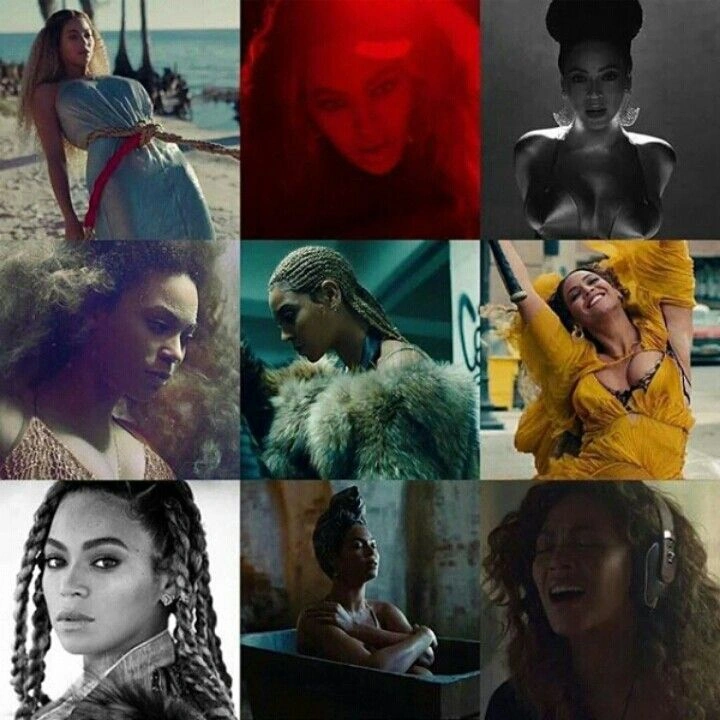
What gets lost in this shift is the very idea of the “era.” Beyoncé’s Lemonade (2016) or Rihanna’s Good Girl Gone Bad (2007) were not just albums but cultural seasons, each sustained by singles, remixes, videos, tours, and extended promotional lives. The protracted rollout meant that fans and critics alike had time to linger on each stage, to debate meanings, to watch an album evolve across contexts.
Now, albums feel more like moments than eras. They arrive suddenly, dominate feeds for a week, and then recede into playlists. The notion that a record could define two or three years of cultural time feels increasingly outdated.
Nostalgia for the slow burn
As a literature student, I can’t help but compare the loss of the rollout to the decline of serialised novels. In the nineteenth century, Dickens or Eliot published in instalments, allowing readers to sit with each chapter, speculate, wait, and return. The slow burn mattered; it shaped how the story was received. Albums once functioned similarly, stretched across singles and videos that deepened the arc.
Without that pacing, listening becomes flatter, more compressed. Of course, there are benefits: fans get the complete work instantly, without waiting. But something is lost too—the anticipation, the chance for songs to unfurl over time, for meanings to shift with each release.
What now?
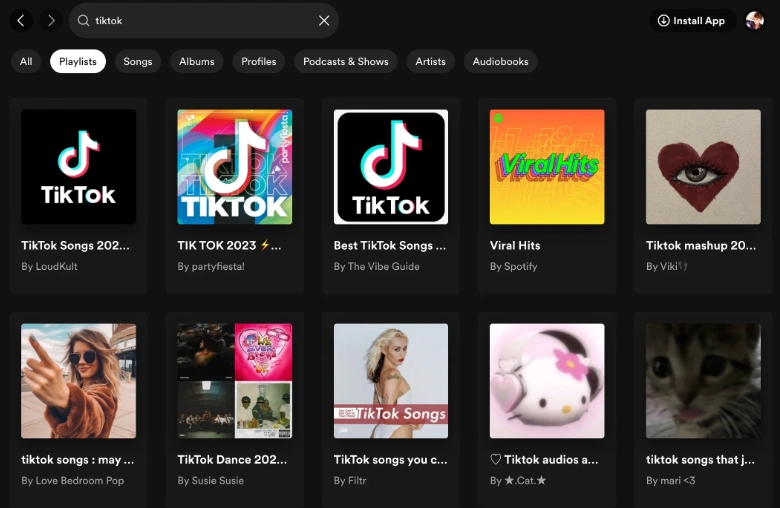
Can the rollout be revived? Some artists experiment with hybrid models: a teaser single or two, paired with an immersive visual album or tour. Others lean on TikTok to create viral pre-release snippets that substitute for traditional singles. But by and large, the industry now rewards immediacy over longevity.
It may be that the album itself is becoming less central. In a culture of playlists and singles, the album risks losing its role as a sustained artistic narrative. The collapse of the rollout is a symptom of that larger trend: the replacement of eras with moments, of slow narratives with instant events.
The death of the album rollout is not just about marketing. It signals a deeper cultural acceleration, one in which music no longer lingers but flashes and fades. Artists may still try to carve eras out of this environment, but the infrastructure of streaming and social media resists patience.
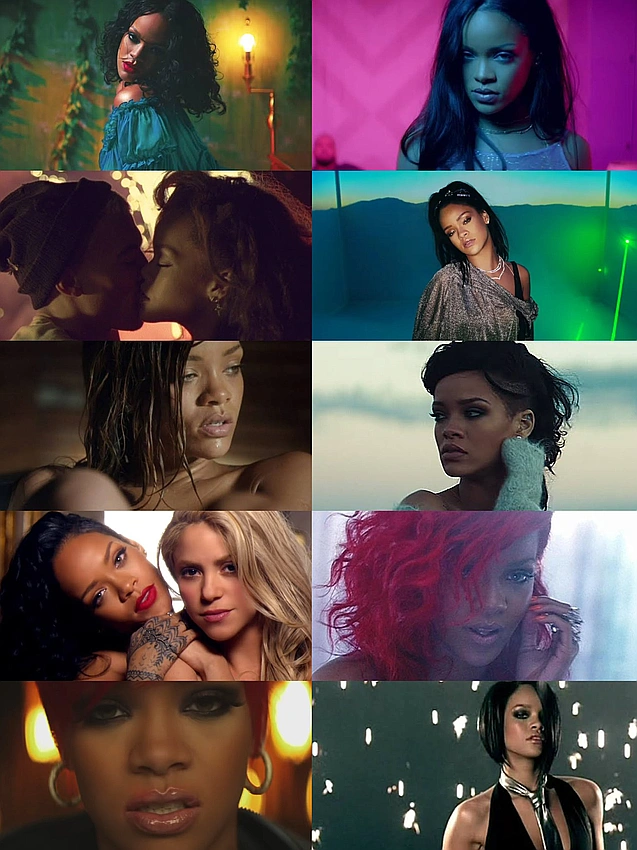
Perhaps that is why so many of us feel nostalgic for those protracted rollouts, with their five singles, their music videos, their world tours stretching across two summers. They were not simply promotional campaigns; they were the way albums lived. And now, in a digitised world where nothing is allowed to linger, that kind of life feels irretrievably past.
#AlbumEra #MusicHistory #AlbumRollout #StreamingEra #MusicCulture #PopMusic #PopCulture #Eras #AlbumRollouts
Login to comment.
4 Thots
More Like This
Comments
-
Loading...
-
-
-
-
-
-
-
Please select a valid reason.
Login to comment.