Blue (1971): Joni Mitchell and the Art of Emotional Exposure

Blue (1971): Joni Mitchell and the Art of Emotional Exposure
Blue (1971): Joni Mitchell and the Art of Emotional Exposure
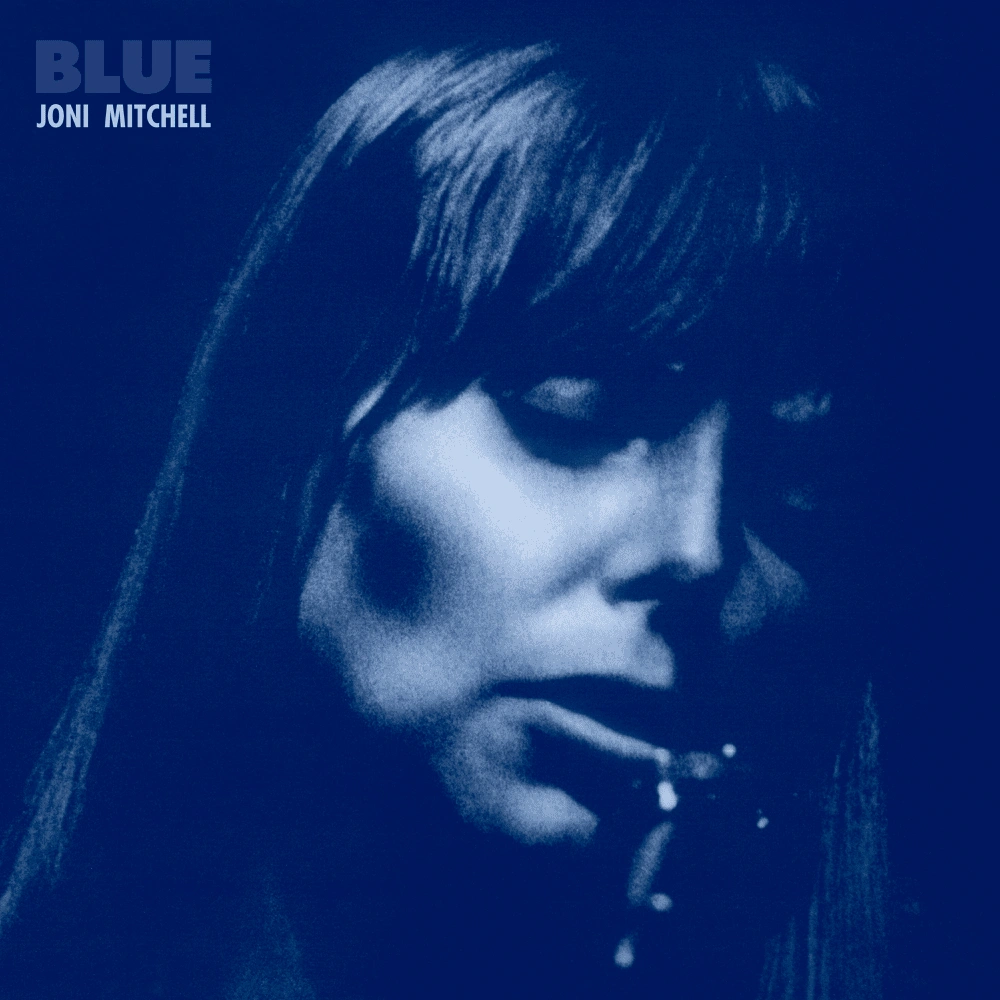
Joni Mitchell's 1971 classic Blue reshapes pop with intimate, journal-like lyrics for over 50 years. An album that threads grief, love, and honesty, and still sounds fresh and cathartic today.
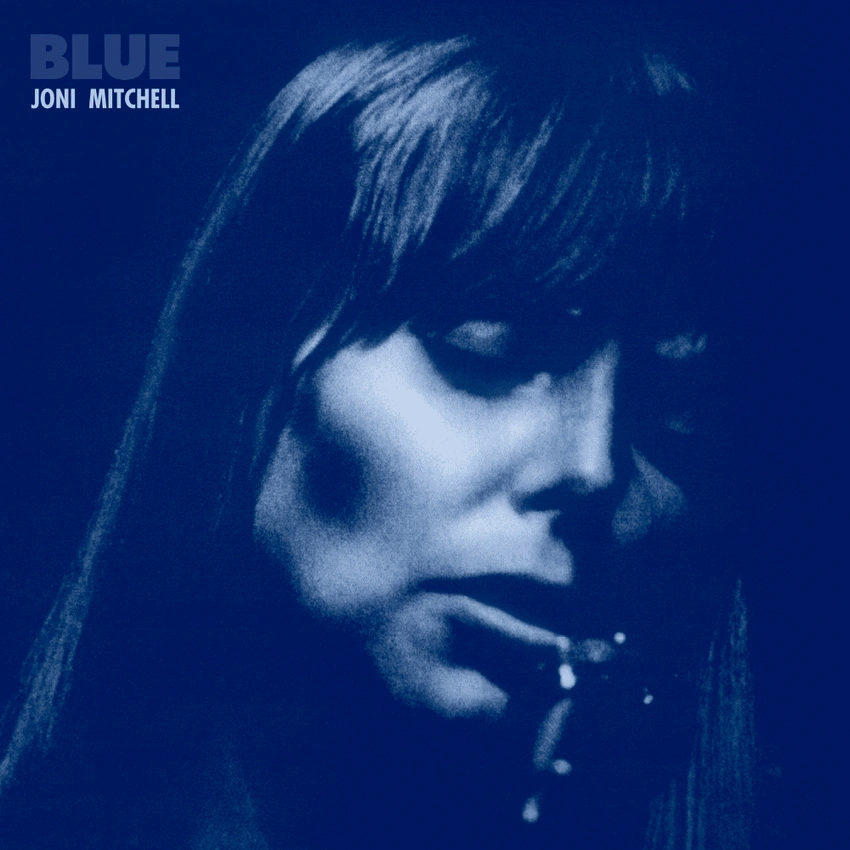
Few albums occupy the cultural imagination as persistently as Blue, released in 1971 by Joni Mitchell. Frequently canonised yet never rendered inert by praise, Blue remains a living text, one that listeners return to not simply for nostalgia, but for recognition. Its reputation as one of the most significant albums in popular music is well-established, but what sustains its force is less its mythology than its startling intimacy.
A Record That Changed the Emotional Register of Pop
By the early 1970s, the singer-songwriter movement had already carved space for personal storytelling. Yet Blue pushed that confessional mode into unfamiliar territory. Where many contemporaries filtered experience through metaphor or character, Mitchell’s writing felt almost disconcertingly direct. The songs read like pages torn from a private journal, yet shaped with meticulous compositional control.
Critics and historians consistently situate Blue among the greatest albums ever made as a recognition of formal achievement. Its sparse arrangements, unusual tunings, and fluid structures challenged assumptions about what a mainstream album could sound like. The record’s critical standing across institutions such as Rolling Stone, Pitchfork, and the BBC signals not consensus for its own sake, but sustained cross-generational relevance.

Minimalism as Emotional Architecture
Musically, Blue is defined by restraint. Acoustic guitar, piano, and dulcimer dominate the sonic landscape. The absence of dense instrumentation is not austerity but strategy: space becomes expressive. Silence, breath, and tonal fragility acquire structural importance.
Mitchell’s use of alternate guitar tunings produces harmonies that feel unsettled, suspended between resolution and drift. That harmonic instability mirrors the emotional states the album inhabits of longing, dislocation, fleeting joy. The dulcimer, rarely foregrounded in popular music at the time, contributes a crystalline timbre that resists the warmth typically associated with folk, lending several tracks an almost glacial clarity.

Lyrics Without Protective Distance
What continues to define Blue is its lyrical candour. Love appears not as triumph or tragedy but as something far messier: contingent, unstable, frequently contradictory. Songs like “All I Want”, “A Case of You”, and “River” trace emotional landscapes where desire and loss coexist without neat moral framing.
Mitchell’s writing is diaristic yet never shapeless. The language is compressed, imagistic, precise. She moves between the personal and the observational with startling agility and aromantic entanglements, creative anxieties, the pressures of fame, the search for freedom. The album does not narrate heartbreak as spectacle; it renders vulnerability as lived texture.
Importantly, this openness was not universally comfortable for audiences in 1971. The degree of autobiographical exposure unsettled expectations of how women in popular music were “supposed” to present emotion, a reminder that Blue’s radicalism is inseparable from gendered cultural contexts.

Laurel Canyon and the Myth of Bohemian Freedom
Blue is often tethered to the mythology of Laurel Canyon, that storied nexus of musicians, countercultural ideals, and creative cross-pollination. Yet the album quietly complicates the fantasy of bohemian liberation. Beneath its surface runs a current of ambivalence: success isolates, romance destabilises, freedom extracts cost.
Rather than celebrating the counterculture uncritically, Mitchell documents its fractures. The songs acknowledge excess, emotional fatigue, and the uneasy trade-offs between artistic autonomy and personal connection. In this sense, Blue functions as both participant in and critique of its cultural moment.

Reception, Reassessment, Reverberation
Although commercially successful, Blue’s deeper legacy emerged through critical reassessment and long-term influence. Over decades it has become a reference point for artists across genres from folk and indie to alternative pop. Musicians repeatedly cite the album as a template for emotional honesty and compositional subtlety.
Its endurance is visible not merely in rankings but in reinterpretations: cover versions, tributes, academic analyses, and renewed interest among younger listeners. The album’s themes of precarious intimacy, self-definition, and emotional risk remain uncannily contemporary.
Blue Still Feels Dangerous
What makes Blue feel perpetually modern is its subversion of emotional spectacle. There is no melodramatic crescendo or theatrical catharsis. Instead, the album dwells in uncertainty. Feelings are examined rather than performed; contradictions remain unresolved.

That stance continues to feel quietly radical. In an era saturated with hyper-curated self-presentation, Blue’s unvarnished emotional clarity carries an almost subversive charge. The record insists that vulnerability is not weakness, nor branding, but artistic method.
More than half a century after its release, Blue persists because it resists fossilisation. It is canonised yet intimate, historically situated yet emotionally immediate. Mitchell did not merely write songs about feeling; she reconfigured how feeling could inhabit popular music.
To listen now is to encounter not a relic, but a voice still startling in its precision and openness and a reminder that the most enduring works often emerge not from grand gestures, but from the courage to speak plainly.
#JoniMitchell #BlueAlbum #SingerSongwriter #70sMusic #MusicHistory
