The First Thing We Hear Is Often What We See

The First Thing We Hear Is Often What We See
The First Thing We Hear Is Often What We See
Before a single note reaches the ear, an album has already begun speaking.
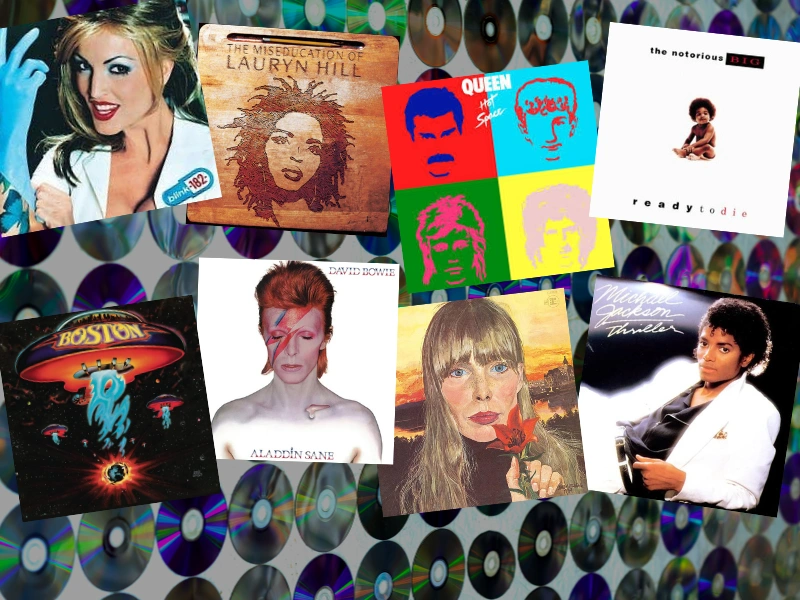
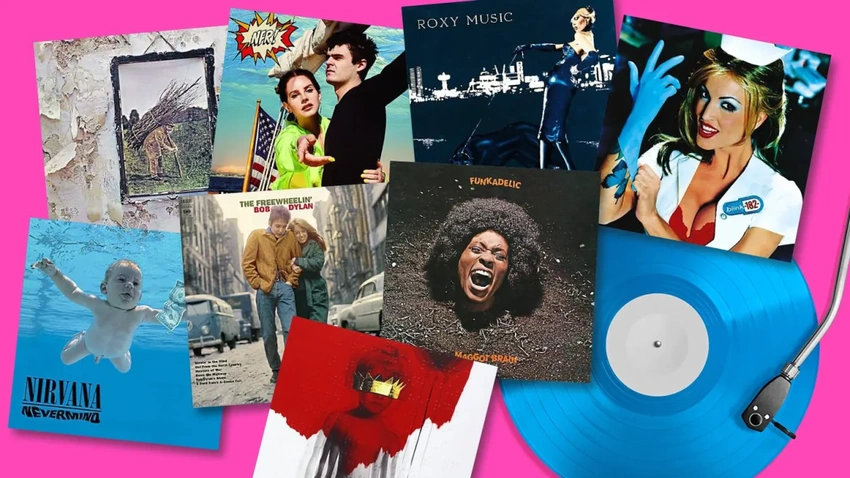
A cover image sits between the artist and the listener, functioning as an invitation, a warning, a manifesto, or sometimes a deliberate act of misdirection. The history of popular music is filled with records whose visual identities have become inseparable from their sound. It is difficult to imagine Pink Floyd without the prism, Nirvana without the swimming infant, or The Velvet Underground without Andy Warhol's banana. The image becomes part of the music's mythology.
Album covers occupy a fascinating space between commerce and art. They are advertisements, certainly, but they are also cultural artefacts. They condense entire emotional worlds into a single frame. In many cases, they outlive the music industry's changing technologies, remaining iconic long after formats disappear.
 From Protective Sleeve to Cultural Object
The album cover as we know it did not always exist.
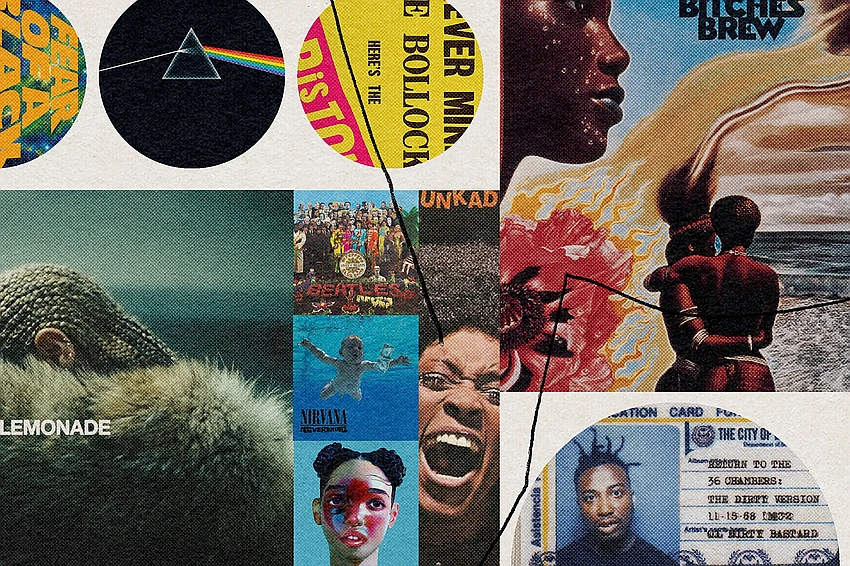
Early records were sold in plain sleeves designed primarily for protection. The shift came in the late 1930s when graphic designer Alex Steinweiss, working for Columbia Records, began creating illustrated covers for record releases. His designs transformed records from utilitarian products into visual experiences. Sales reportedly increased dramatically, and the modern concept of album artwork was born.
What followed was a remarkable convergence of music, graphic design, photography and fine art. By the 1960s and 1970s, the album cover had become a legitimate artistic medium. Designers such as Hipgnosis created surreal visual worlds for bands like Pink Floyd, while artists such as Andy Warhol brought contemporary art directly into popular music culture.
For many listeners, album covers became their first encounter with visual art. The record shop functioned almost like a gallery, where consumers browsed through images before deciding what stories they wanted to enter.
 A Visual Language for Sound
Music is invisible. Album art attempts to solve that problem.
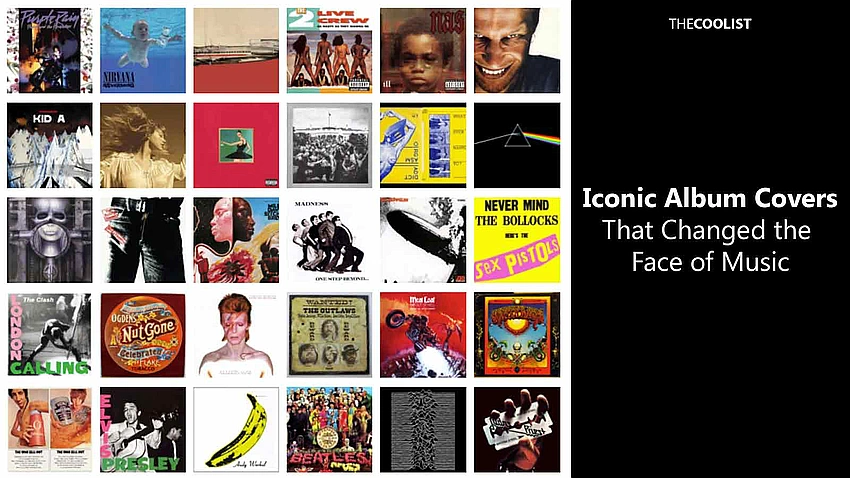
A successful cover translates sound into image. It gives form to atmosphere, rhythm, emotion and ideology. The darkness of a post-punk record, the excess of glam rock, the intimacy of a folk album, or the synthetic futurism of electronic music often become visible before they are audible.
This relationship between sound and image is not accidental. Researchers and designers have long noted that cover art serves as a visual embodiment of an artist's identity and musical vision. It shapes expectations before listening even begins.
The cover therefore acts as a threshold. It prepares the listener psychologically. A stark black-and-white photograph communicates something different from a chaotic collage or a minimalist abstract design. Even when the image does not literally represent the music, it creates a mood through which the music is received.
 The Vinyl Square as a Canvas
Part of the album cover's cultural power comes from its physical dimensions.
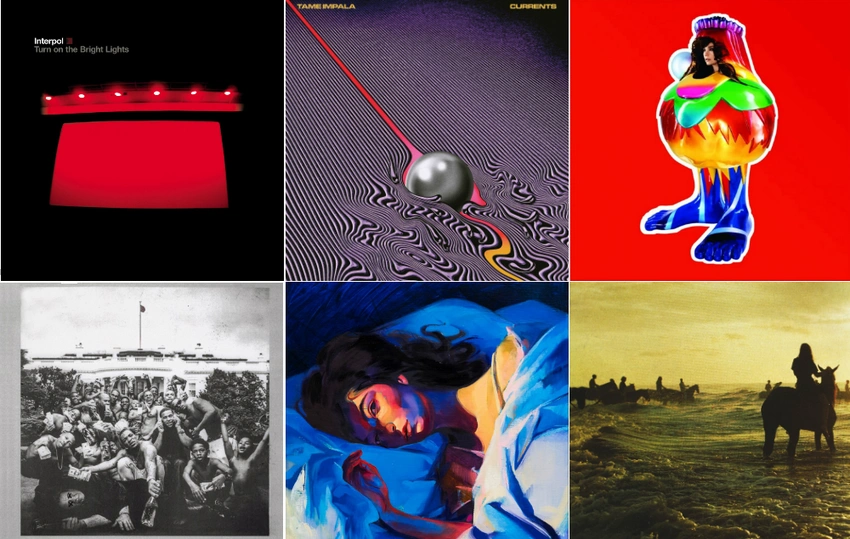
The twelve-inch vinyl sleeve offered an unusually large canvas for experimentation. Photographers, painters, illustrators and graphic designers were given a space substantial enough to create genuinely ambitious work. As a result, record covers became sites of artistic innovation rather than mere branding exercises.
Many famous artists contributed to album design. Salvador Dalí, Andy Warhol and numerous other visual artists crossed into music culture, blurring distinctions between high art and popular art.
This crossover matters because it challenged older hierarchies. Album covers brought artistic experimentation into ordinary homes. A teenager buying a rock record might unknowingly engage with surrealism, pop art or conceptual art while simply looking through a collection.
The museum and the record store briefly occupied the same cultural space.
 The Digital Problem
Streaming transformed how music is consumed, but it also changed how album art is seen.
A cover that once existed as a large physical object is now often reduced to a thumbnail on a phone screen. Details disappear. Text becomes harder to read. Complex compositions compete for attention in crowded digital interfaces.
Yet album covers have not disappeared. If anything, they remain crucial. In an age where thousands of songs are uploaded daily, visual identity helps artists stand out. Cover art functions as an immediate marker of personality within an overwhelming stream of content.
Recent discussions around album design, including the revival of the Grammy category for Best Album Cover, suggest that the medium continues to hold cultural significance despite technological change. Vinyl's resurgence has also renewed appreciation for album art as a physical object rather than merely a digital icon.
Album covers endure because they satisfy a deeply human desire to see what we feel.
Perhaps that is why great album covers survive beyond their commercial purpose. They become cultural symbols. They tell stories about aesthetic movements, technological shifts, artistic collaborations and collective desires.
It waits on a shelf, in a playlist, or in the back of memory, carrying an entire world inside a single square image.
