When the Studio Became Software: The Rise of DAW Music

When the Studio Became Software: The Rise of DAW Music
When the Studio Became Software: The Rise of DAW Music
From tape hiss to software, this quick history shows how Sound Tools, Cubase, and Ableton turned music into data and let a laptop host an entire orchestra.
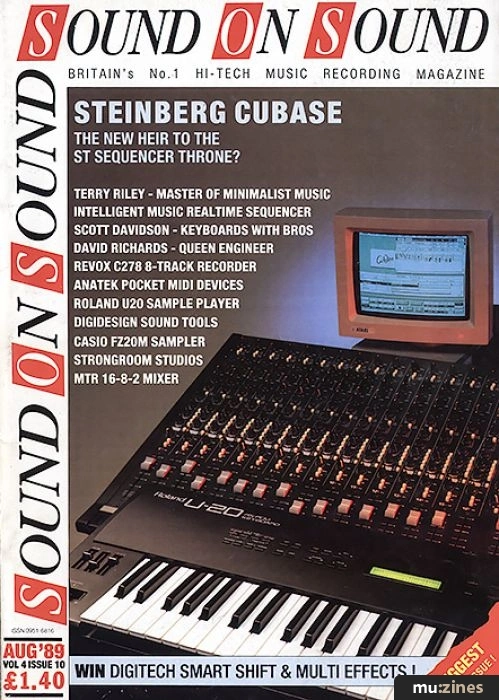
There was a time when music was anchored in the material: the scrape of tape, the hiss of reels, the warm distortion of analogue consoles. Every sound was carved into something physical, irretrievable once cut. The late 1980s quietly dismantled this permanence. In 1989, Digidesign’s Sound Tools introduced a new kind of space: a non-destructive editing system that allowed sound to exist as data rather than tape. Soon after, Steinberg’s Cubase embedded MIDI sequencing and virtual instruments directly into the computer, and by the early 2000s, Ableton Live transformed laptops into both studio and stage. Music ceased to depend on location. The studio became software.
Democratising Sound
Digital Audio Workstations (DAWs) democratised music-making. Where once recording required expensive studios and professional engineers, now a modest laptop could host an entire orchestra of sounds. The boundary between amateur and professional dissolved. Platforms such as SoundCloud and Bandcamp turned bedrooms into broadcasting hubs, allowing artists to share their work globally with little more than curiosity and Wi-Fi.
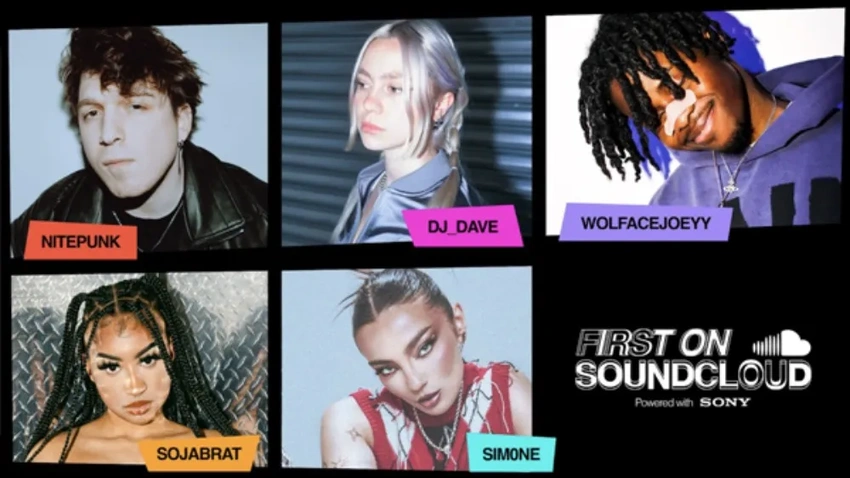
This accessibility altered the hierarchy of creativity. There were no gatekeepers, only participants. Yet abundance came with its own silence. The flood of self-produced music created an economy of attention rather than scarcity. The question shifted from who can create to who will be heard. In a sense, DAWs opened the gates only to reveal a labyrinth.
The Aesthetics of the Interface
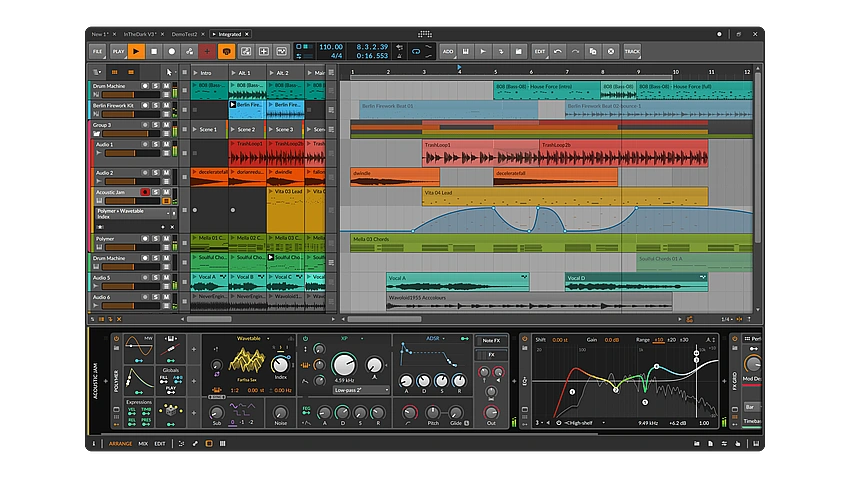
Every tool shapes the art it enables. The DAW, with its grids, waveforms, and colour-coded automation lines, redefined how musicians see sound. Music became something both heard and watched. The visual grid of quantised beats encouraged precision, while the “undo” button fostered endless revision. Mistakes no longer destroyed a recording; they invited new possibilities.
This aesthetic of malleability birthed new genres such as lo-fi hip hop, hyperpop, bedroom pop, and ambient electronica, each exploiting the plasticity of digital sound. Producers embraced artefacts once considered flaws: digital clipping, latency, and the artificial shimmer of autotune. These became emotional textures, expressive of a world increasingly mediated by screens.
Collapsing Roles
In the analogue era, music required collaboration: the songwriter, the engineer, the mixer, the mastering specialist. Within a DAW, these roles merge. The artist becomes their own technician, critic, and archivist. Composition, recording, and mixing occur within a single environment, collapsing time and hierarchy.
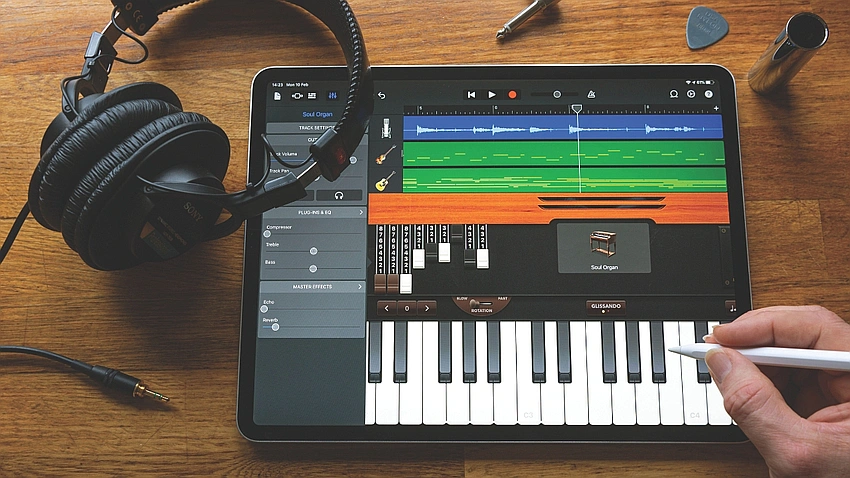
This autonomy is both liberating and isolating. The studio, once a social space of experimentation, becomes a private chamber. Many contemporary producers speak of this solitude; the strange intimacy of creating music alone through screens and samples. The DAW musician listens not through air vibrating in a shared room but through headphones, translating zeroes and ones into an illusion of presence.
The Question of Texture
Digital clarity has its price. Analogue warmth, the subtle distortion of air and voltage, is often replaced by precision. Many producers attempt to recreate imperfection using plug-ins that simulate tape saturation, vinyl crackle, or vintage compression. The irony is palpable: technology now labours to reproduce its own limitations.
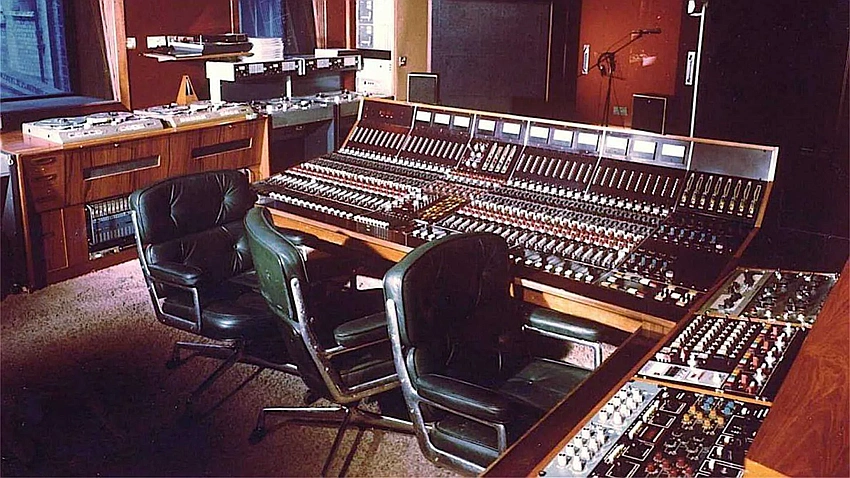
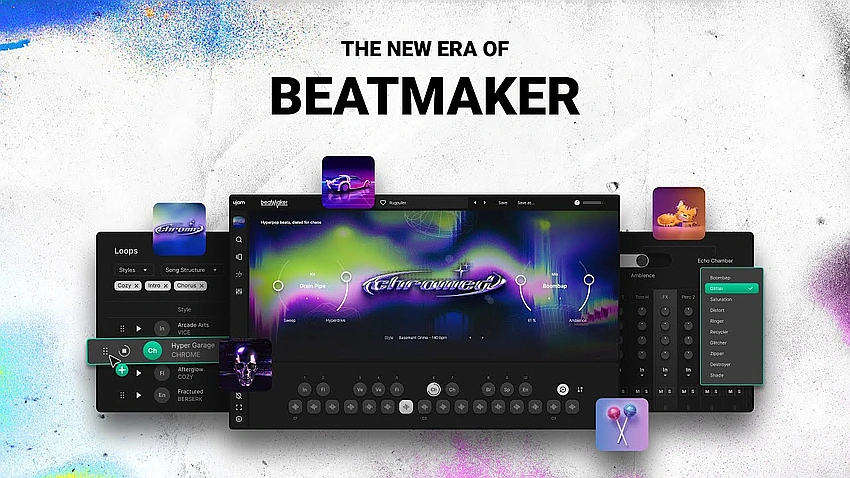
Moreover, the ubiquity of presets and sample packs risks homogenising sound. The same drum kits and synth patches circulate endlessly across genres, forming what some have called a “preset culture.” True originality demands not just technical skill but also knowing when to resist the DAW’s seductions of perfection.
Authorship in the Age of the Loop
DAW-based creation unsettles traditional ideas of authorship. Sampling, remixing, and looping transform composition into a curatorial act. A song may now contain fragments of other songs, stitched together in ways that blur ownership. This intertextuality mirrors literary postmodernism: each track becomes a palimpsest of influences, histories, and digital detritus. The result is a new kind of musical authorship: self-aware, fluid, and entangled with its technological condition.
The Poetics of the Digital Studio
To create within a DAW is to inhabit a liminal space between sound and code. The producer arranges frequencies that exist only as data until rendered audible. Each track is both an act of listening and of programming; a choreography of waveforms. In this sense, DAW music is a mirror to our time: an art form born of accessibility yet haunted by excess, capable of intimacy yet mediated by machines.
DAW music embodies the conditions of contemporary life. It is precise yet restless, endlessly editable yet never complete. Each track exists as a “project file,” open to revision, mirroring our broader obsession with constant improvement and self-editing. Just as the word processor changed writing, the DAW changed sound not by adding tools, but by changing the rhythm of thought itself.
To listen to music born of this process is to hear the pulse of modernity: controlled, synthetic, but deeply human in its search for connection through sound. The studio has vanished into the machine, and the artist, once surrounded by others, now composes in silence, yet that silence hums with the collective noise of the digital world.
#DAWs #MusicTech #HomeStudio #MusicHistory #Ableton #ElectronicMusic #Hyperpop #MusicStudio
