Death of the Album Rollout: When Eras Became Moments

Death of the Album Rollout: When Eras Became Moments
Death of the Album Rollout: When Eras Became Moments
A look back at how albums used to unfold as story arcs - lead singles, videos, and radio cycles that stretched a release across months. Today's streaming era changed the rhythm, and the journey feels shorter.
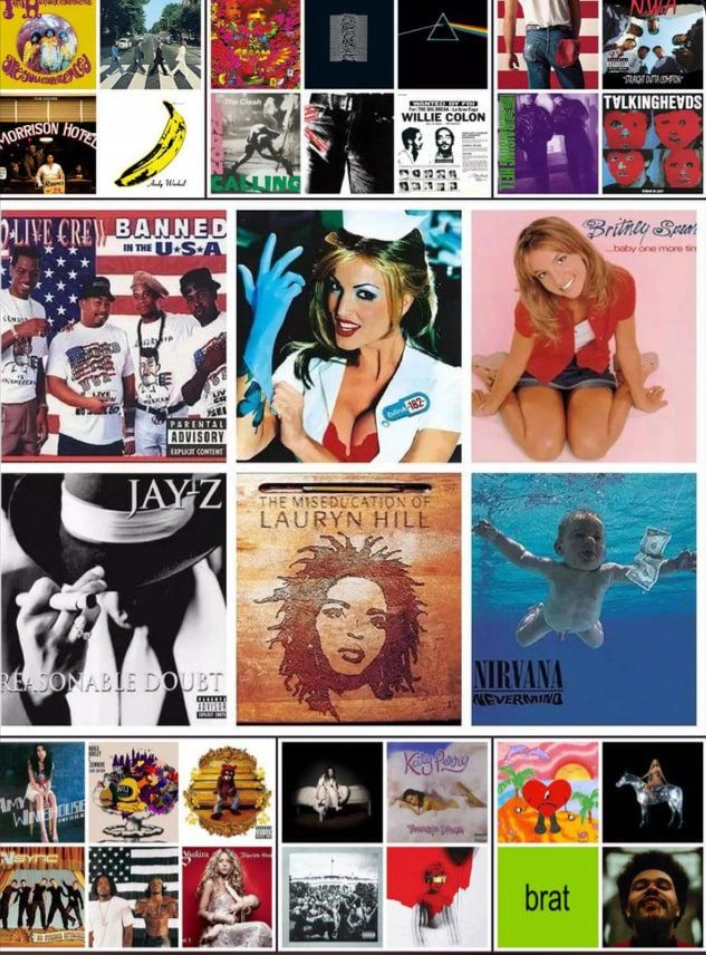
Something has shifted in the way we listen to and live with albums. Once upon a time, a record was not only a collection of songs but an era. Think of the 1990s and early 2000s, when artists released four or five singles across two years, each with its own video, television appearances, live performances, and accompanying press cycles. The album was not just a drop: it lingered, stretched across time, weaving itself into cultural memory. Today, that model feels all but extinct.
Rollouts as narrative arcs
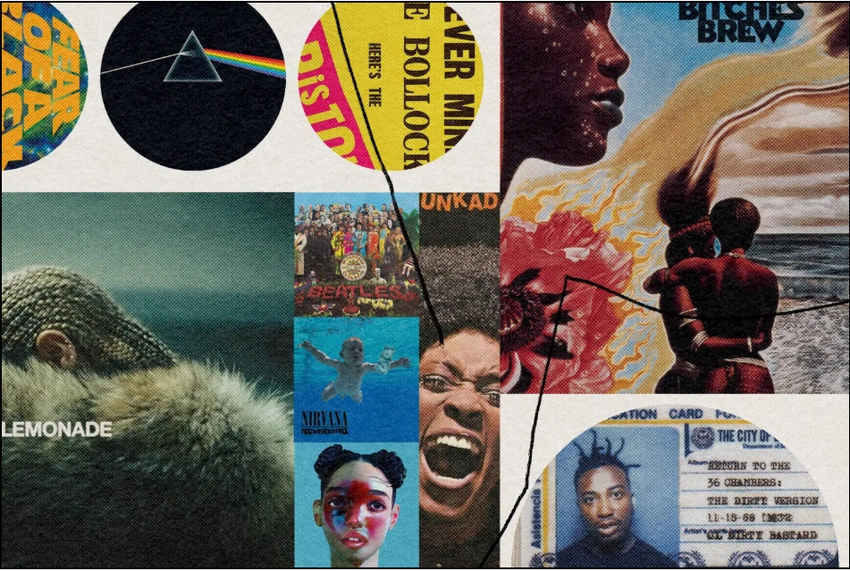
Traditionally, the album rollout was its own story. A lead single would arrive months before the album, followed by another one or two singles before release. After the album landed, more singles, often three, sometimes five, were sent to the radio and given music videos. Each single carried the album further, expanding its cultural reach.
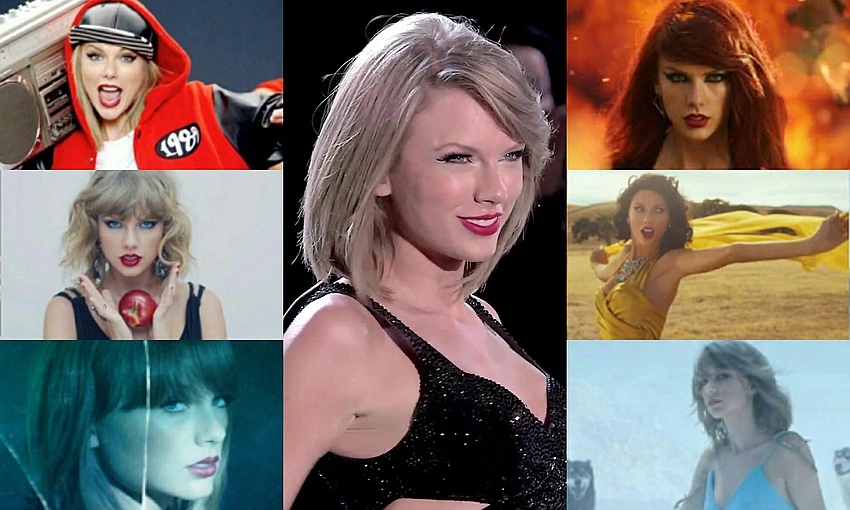
In the age of MTV and terrestrial radio, this was the standard rhythm. Rollouts gave listeners a way of inhabiting an album’s universe: from the visuals of its videos to the shifts in tone between singles, each piece extended the life of the project. The result was a sense of continuity, a cultural “era” in which an album might dominate public life for years.
The shift to compression
Fast forward to the present, and the landscape looks entirely different. Some artists release a single or two before the album drops, but others skip the lead-up altogether. Taylor Swift, for instance, has increasingly avoided traditional singles, choosing to release her recent albums as complete bodies of work with little preamble.
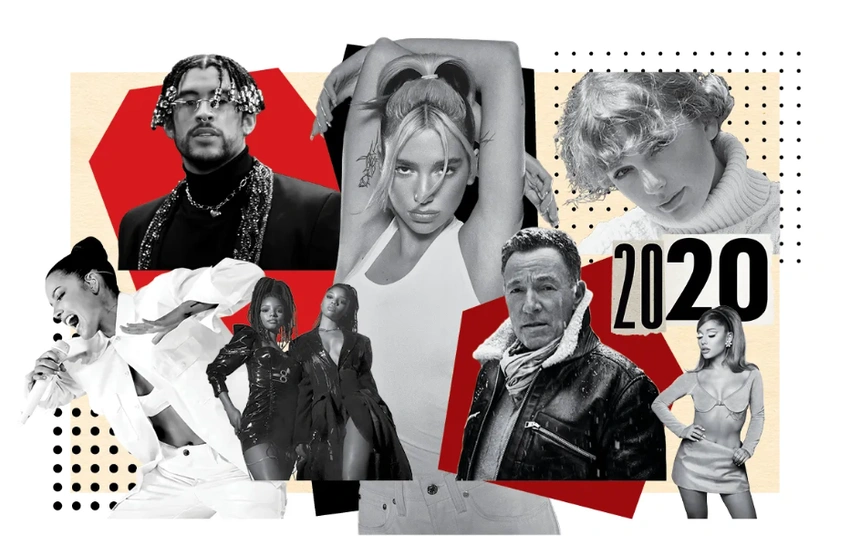
This new pattern reflects a broader collapse of the rollout. An album now tends to be concentrated into a moment: a first-week spike in streams, trending hashtags, a wave of reaction videos and memes. Then, more often than not, it fades from public conversation within weeks. Where older rollouts stretched over years, today’s releases compress into a handful of days.
Digitisation and the acceleration of culture
Why this collapse? Partly because digitisation has transformed the way music circulates. With streaming platforms, the logic of consumption is geared toward immediacy. Albums drop globally at midnight, every song instantly available to everyone. The emphasis is on first-week numbers, playlists, algorithmic placement, and chart impact.
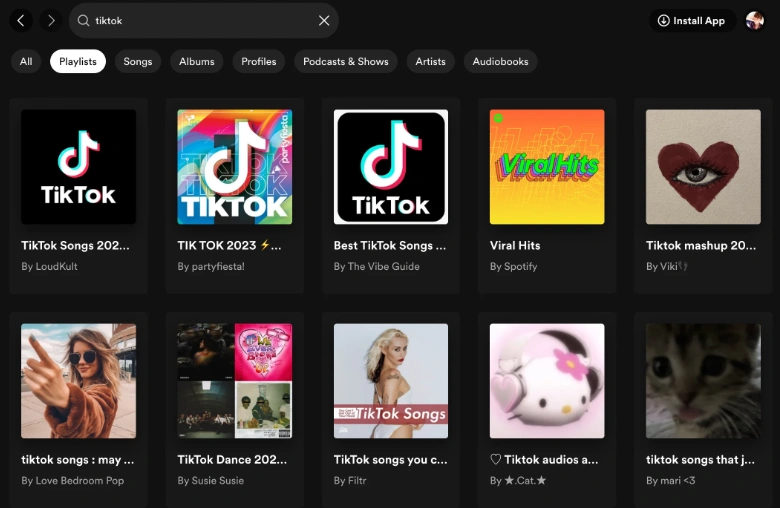
The culture itself is now one of acceleration. Social media thrives on novelty, on the churn of constant content. A two-year rollout feels antithetical to a climate in which news cycles refresh hourly and trends are forgotten within a week. Albums are expected to create immediate impact, to generate a peak of attention rather than a long narrative arc. As one commentary put it, the mystique of artists and their work is often “saturated” by the demand for constant output.
The end of the era, the rise of the moment
What gets lost in this shift is the very idea of the “era.” Beyoncé’s Lemonade (2016) or Rihanna’s Good Girl Gone Bad (2007) were not just albums but cultural seasons, each sustained by singles, remixes, videos, tours, and extended promotional lives. The protracted rollout meant that fans and critics alike had time to linger on each stage, to debate meanings, to watch an album evolve across contexts.

Now, albums feel more like moments than eras. They arrive suddenly, dominate feeds for a week, and then recede into playlists. The notion that a record could define two or three years of cultural time feels increasingly outdated.
Nostalgia for the slow burn
As a literature student, I can’t help but compare the loss of the rollout to the decline of serialised novels. In the nineteenth century, Dickens or Eliot published in instalments, allowing readers to sit with each chapter, speculate, wait, and return. The slow burn mattered; it shaped how the story was received. Albums once functioned similarly, stretched across singles and videos that deepened the arc.

Without that pacing, listening becomes flatter, more compressed. Of course, there are benefits: fans get the complete work instantly, without waiting. But something is lost too—the anticipation, the chance for songs to unfurl over time, for meanings to shift with each release.
What now?
Can the rollout be revived? Some artists experiment with hybrid models: a teaser single or two, paired with an immersive visual album or tour. Others lean on TikTok to create viral pre-release snippets that substitute for traditional singles. But by and large, the industry now rewards immediacy over longevity.

It may be that the album itself is becoming less central. In a culture of playlists and singles, the album risks losing its role as a sustained artistic narrative. The collapse of the rollout is a symptom of that larger trend: the replacement of eras with moments, of slow narratives with instant events.
The death of the album rollout is not just about marketing. It signals a deeper cultural acceleration, one in which music no longer lingers but flashes and fades. Artists may still try to carve eras out of this environment, but the infrastructure of streaming and social media resists patience.
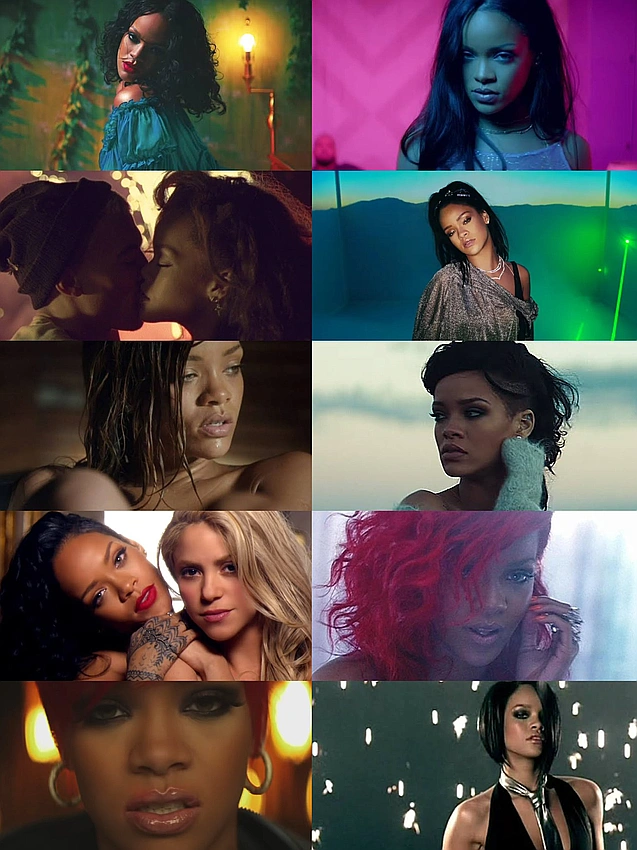
Perhaps that is why so many of us feel nostalgic for those protracted rollouts, with their five singles, their music videos, their world tours stretching across two summers. They were not simply promotional campaigns; they were the way albums lived. And now, in a digitised world where nothing is allowed to linger, that kind of life feels irretrievably past.
#AlbumEra #MusicHistory #AlbumRollout #StreamingEra #MusicCulture #PopMusic #PopCulture #Eras #AlbumRollouts
