Paid to Watch a Screen: Is Celebrity YouTube Scrolling Actually Performance Art?
Paid to Watch a Screen: Is Celebrity YouTube Scrolling Actually Performance Art?
When a pop star turns a concert stage into a giant laptop screen, is it a deep cultural statement or just peak laziness? We dive into the unsettling trend of watching celebs browse the web.
The Death of the Spectacle?
Remember when going to a concert meant expecting a spectacle? We used to demand high-flying acrobatics, perfectly timed pyrotechnics, and choreography that made us wonder if the performer was even human. But lately, the vibe has shifted. In a world where authenticity is the ultimate currency, the latest trend in pop stardom involves something much more mundane: watching a celebrity browse the internet.
Art or Indolence?
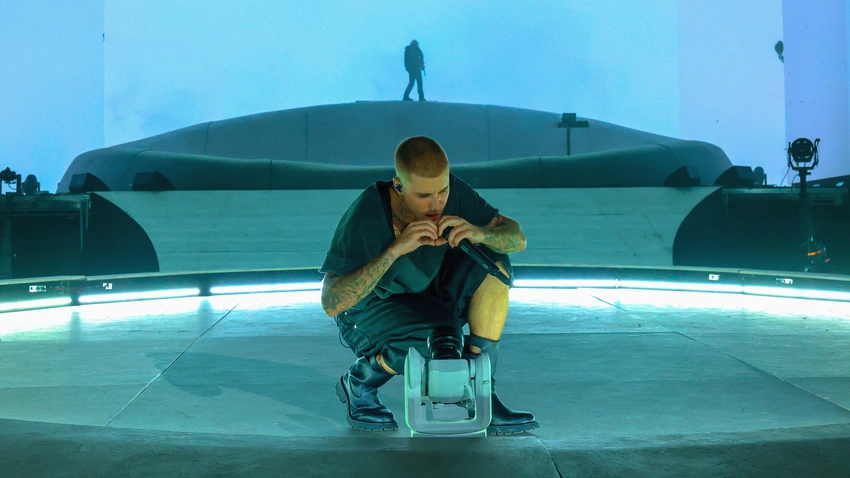
Is it art or is it just lazy? When Justin Bieber recently stood before thousands of fans and projected his laptop screen to browse YouTube, the internet immediately split into two camps. On one side, you have the defenders of the avant-garde. They argue that this is a bold piece of performance art. By showing us his digital habits, the star is breaking the fourth wall in the most modern way possible. He is showing us that he is just like us, trapped in the same endless loops of content and curiosity that define our daily lives.
There is something undeniably unsettling about it. Seeing a cursor move across a screen that is forty feet tall feels like a strange form of voyeurism. It transforms the act of scrolling, which is usually a lonely and private activity, into a shared communal experience. In this light, it is a commentary on the death of privacy and the way our digital identities have become our public identities.
The Price of Connection
However, let us be real for a second. There is another, much more cynical perspective. Imagine paying hundreds of dollars for a floor seat, waiting through hours of traffic, and standing in a crowded arena just to watch a guy look at YouTube. For many, this is the peak of low-effort fan service. It is the ultimate expression of the fame-induced energy where a celebrity’s mere presence is considered enough of a performance. We have reached a point where we pay to watch a star do exactly what we do while lying in bed at 2:00 AM.
The danger here is that we are lowering the bar for what qualifies as entertainment. If we accept browsing a laptop as a headline act, what is next? Watching a star check their emails? A live stream of a celebrity scrolling through a food delivery app? While the intimacy might feel special in the moment, it also feels like a shortcut. It prioritizes a sense of mood over the craft of performing. Whether you see it as a brilliant meta-commentary or a lazy shortcut, one thing is certain: the line between our online lives and the stage has finally disappeared.
