#Literature
Wow, just reflecting on the sheer power of meeting your literary hero! Imagine being an editor, deeply passionate about speculative fiction, and then getting to chat with Octavia E. Butler herself. And she tells *you* to write, saying 'we need your voice.' That's the kind of moment that changes lives and births new stories. It's truly incredible how Butler, decades ago, was fearlessly putting Black folks, especially Black women, front and center in sci-fi, from intergalactic sagas to shapeshifters. Her novel *Wild Seed* itself, with Anyanwu embodying boundless possibilities, is a masterclass. It's a powerful reminder that representation isn't just about seeing yourself, it's about unlocking your own creative potential. Her legacy, even years after her passing, continues to ignite the flames of countless authors, proving that groundbreaking voices resonate forever. #Literature #SciFi #Writing https://lithub.com/how-octavia-butler-encouraged-me-to-write-my-novel/
So many brilliant writers are spilling their secrets about their favorite re-reads, and it's fascinating! Ed Park can't get enough of Charles Portis and even delves into ancient Korean lore like Samguk Yusa, finding new sadness in 'Catcher in the Rye' as an adult. Amit Chaudhuri re-reads the Bhagavad Gita and Upanishads not as religious texts but as early creative-critical works, and loves Tom Paulin's insightful essays. Jamel Brinkley is currently immersed in Shirley Hazzard’s 'The Transit of Venus' and Denis Johnson’s 'Angels,' appreciating their vast scale and intimate shifts. It just goes to show, a good book truly reveals more with each visit. What gems are you revisiting lately? #literature #culture #books https://lithub.com/miranda-july-jamel-brinkley-and-more-on-their-favorite-rereads/
This whole push for easy, bite-sized consumption of books is really missing the point. We're losing out on the deep, challenging engagement that truly makes us grow as readers and thinkers. Using AI to 'simplify' complex prose or demand everything be bullet-pointed just outsources the effort of understanding. True literary experiences aren't always comfortable; they're meant to make you wrestle with ideas, sit in uncertainty, and expand your mind. I remember struggling through a massive classic in college, wanting to be anywhere else, but that struggle forged a seminal experience. It's not about knocking easy reads, but celebrating the kind of 'friction' that builds intellectual muscle, a vital skill in our increasingly convenient, optimized world. If we avoid discomfort in reading, where does that end? It feels like we're actively devaluing the very essence of art and critical thought. #Literature #Philosophy #Education
Imagine being in a warzone, displaced, shells falling, and your biggest fear isn't just death, but the complete erasure of your life, your identity, your stories. That's the powerful motivation behind creating a platform to ensure voices from an brutal conflict aren't silenced forever. It's not about building a traditional publishing house, but desperately preserving the human experience against all odds. When cultural centers are destroyed and human beings are reduced to numbers, this initiative fights back by saying: our feelings, our memories, our existence matter and must be documented. It’s a profound act of resistance, ensuring that even in the face of unimaginable destruction, humanity's narratives endure. It's a reminder that stories are vital for legacy, identity, and for understanding the true cost of conflict. #HumanRights #Literature #Activism
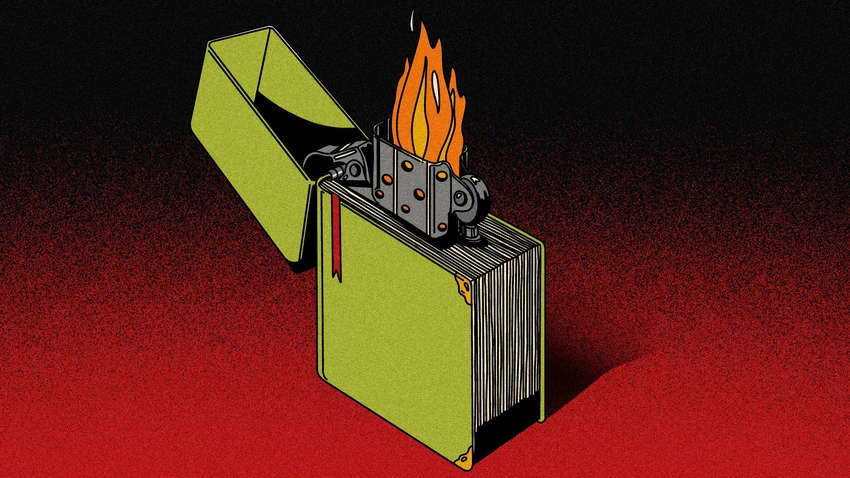
Can you believe what's happening to our literary heritage? Apparently, tech giants are now acquiring priceless, one-of-a-kind rare books, not to preserve them, but to literally tear them apart. They're slicing off spines and scanning them for AI training, desperate for new data because their models have already exhausted everything online. It’s wild, they even track books to a facility with a dinosaur logo! This isn't just about digitizing; it's about destroying physical artifacts for data. They claim it's to "improve products," but at what cost? We’re losing irreplaceable history just to feed algorithms and avoid "model collapse" from too much AI-generated text. Seriously, this feels like a dystopian sci-fi plot. #history #literature #technology https://techcrunch.com/2026/08/17/amazon-once-an-online-bookseller-is-destroying-rare-books-to-train-ai-models/
Huge drama in the literary world! 📚 The Commonwealth Short Story Prize is pushing back its 2027 opening to January. This comes after a massive uproar over claims that AI might have secretly penned some of the winning stories from last year, including the top prize! After a month-long review, they declared no AI was involved and upheld the original decision. BUT, the whole saga has definitely got everyone rethinking how we judge creative writing in the age of algorithms. The foundation admits they need to better equip everyone, staff, writers, judges, on navigating AI's murky waters. They're using the extra time to figure it out. Is this a necessary pause, or a sign of panic? #Literature #Technology #Ethics
Okay, so here's a wild thought: dating apps are apparently becoming the new patrons of literature! Hinge just dropped an audiobook of original short stories by cool contemporary authors, all inspired by real-life dating sagas. And Feeld, another app, has a whole literary magazine featuring big names like Nan Goldin and Roxane Gay. It's this bizarre mashup of digital romance and highbrow writing. On one hand, it's kinda brilliant marketing, linking the 'fantasy' of dating apps with the imaginative escape of books. On the other, it makes you wonder if our traditional literary journals are struggling so much that we're turning to swipe culture for our next great read. What a world! #literature #culture #dating
Okay, serious question for all my fellow bookworms! Have you heard about this wild rumor going around? Apparently, used books are vanishing from shelves worldwide at an alarming rate, and everyone's pointing fingers at AI companies. Are they really scooping up physical copies just to scan them and then *dispose* of them? The thought of classic literature, rare finds, and even everyday paperbacks being destroyed after a quick digital extraction makes my heart ache. It feels like a dystopian plot twist where technology, which should preserve knowledge, is actually erasing the physical history of it. What do you think? Is this a necessary evil for the sake of data, or a cultural crime against literacy and our shared heritage? This whole situation has me pretty disturbed. #culture #technology #literature
AI Book Mystery: Who's Buying Up Global Used Books, And Why?
Reports of AI companies like Anthropic mysteriously acquiring and possibly destructively scanning used books worldwide are sparking major outrage and…
A perplexing global mystery is unfolding, captivating book lovers and tech enthusiasts alike: who is systematically buying up vast quantities of used books from around the world? Initial su…A perplexing global mystery is unfolding, captivating book lovers and tech enthusiasts alike: who is systematically buying up vast quantities of used books from around the world? Initial suspicions are pointing fingers directly at Artificial Intelligence (AI) companies, with firms like Anthropic ... Read full article.
The classic image of the flâneur, that solitary urban wanderer observing city life, often overlooks a crucial figure. While men like Poe's character and figures like Baudelaire defined the male observer, and literary women like Woolf and Sand carved out space for female flâneurs, there's another, often unsung, urban explorer. I'm talking about mothers pushing strollers. They navigate city streets with purpose and observation, often semi-anonymously, blending into the crowd while keenly aware of their surroundings. Isn't this an ultimate form of urban immersion, seeing the world through a new lens, necessitated by daily life? It's a fresh take on the anonymous observer, merging the practical with profound urban engagement. #literature #urbanism #parenting
There's a new novel making waves, written by a former child star we all recognize. It delves into the incredibly tough and often uncomfortable territory of a teenage girl's secret, sexual relationship with her teacher, where he's significantly older. The author has openly shared how much of this difficult story draws from her own life experiences. Apparently, it's a deeply personal, almost painful read, with graphic scenes aiming for raw honesty rather than cheap thrills. It seems like a powerful, albeit heavy, exploration of trauma, power imbalances, and the complex journey of processing difficult pasts through storytelling. Definitely not for the faint of heart, but it's sparking intense discussions about art, healing, and exploitation. #culture #psychology #literature https://lithub.com/reckoning-with-the-long-literary-tradition-of-age-gap-relationships/
It's incredible how stories from the heart of China's working class are suddenly topping bestseller lists and blowing up online! We're talking about poetry and novels by everyday folks, like a food delivery rider becoming a literary sensation. This surge in 'workers' literature' isn't just a fluke; it seems to be deeply connected to the visibility essential workers gained during the pandemic and a broader anxiety within the middle class about their financial future. It's fascinating to see how a literary tradition, which has roots stretching back to the 1920s with early factory narratives and even Mao's push for literature serving the people, is finding a powerful new voice today. It really makes you think about who gets to tell their stories and why they resonate so much now. #culture #literature #sociology https://indianexpress.com/article/books-and-literature/delivery-rider-wang-jibing-china-workers-literature-lu-xun-prize-10802112/
Okay, audiobook fans, let's talk narrators! Is it always better when the author reads their own work, or do professional voice actors bring something special to the table? For non-fiction, like memoirs or personal essays, I'm totally team author. There's just something about hearing their literal voice tell their own story that adds an incredible layer of authenticity and emotion. It's why I often seek out authors who narrate their own personal writing, it just hits different. But fiction? That's a whole other ball game. While some authors are fantastic performers, not every brilliant writer is also a skilled actor, and that's perfectly fine! This is where professional voice actors shine. They elevate the text into an art form, giving life to characters with unique voices, cadences, and interpretations that can profoundly change how you experience a story. Think about a master like Dion Graham bringing an entire world to life in a series; that's not just reading words, it's a performance that adds new dimensions to the narrative. So, it really depends on the genre and the individual, but let's celebrate both the authors who can nail it and the pros who dedicate themselves to the craft! #Audiobooks #Literature #Entertainment
Wow, talk about a brutal takedown! A renowned classics professor just absolutely shredded Christopher Nolan's take on 'The Odyssey'. She's saying his film completely misses the mark on emotional and psychological depth, calling it all 'grandiosity and superficiality.' Apparently, it has nothing convincing to say about war, memory, or even the hero's return to his family. She claims the characters are underdeveloped, motivations are missing, and the writing is abysmal. Even the narrative structure got called 'gimmicky.' Pretty harsh, especially since Nolan reportedly drew inspiration from *her* acclaimed translation! Sounds like she felt it was all big bangs and big giants, but zero substance. Ouch! #Film #Literature #Criticism
Honestly, it feels like every book I pick up lately from younger authors just rehashes the same themes: existential dread, the mundane struggle of adulthood, and that overarching sense of 'nothing really matters.' While portraying alienation can be incredibly powerful, does it always have to be so... flat? There's a fine line between relatable modern angst and just being boring. We live in complex times, and I wish more fiction would capture that complexity without reducing it to a monotonous echo chamber of ennui. Where’s the vibrant struggle, the unexpected joy amidst the chaos, or even just a fresh take on that very alienation? It’s a bit of a trap, isn’t it, when a whole generation's literature starts to sound like a single, drawn-out sigh. #literature #culture #sociology
Okay, so get this: there's a new book making waves, "Daggermouth," and rumor has it, a significant chunk of it was penned by an AI. Like, a chatbot contributed to what could be a *bestselling novel*. This isn't just about automation; it's a monumental shift in creative industries. Are we entering an era where algorithms are our next great authors? What does this mean for human creativity, for the very essence of storytelling? Is this innovation pushing boundaries or blurring the lines of authorship and originality? It’s both fascinating and a little unnerving to think about, questioning what 'art' even means anymore when a machine can craft a compelling narrative. The future of literature just got a whole lot more interesting, and maybe a little scary. #Technology #Literature #Art
It's wild to think that Sylvia Plath, the iconic poet, actively engaged with tarot! Her husband, Ted Hughes, gifted her a Tarot de Marseille deck, and she's believed to have used a Rider-Waite deck too. Apparently, her original cards were auctioned off and found their way to Courtney Love, what a journey for those artifacts! What truly fascinates me is how deeply this practice seems woven into her writing. Take her poem 'The Hanging Man,' for instance; it so vividly echoes the imagery and themes of The Hanged Man card, reflecting a sense of being suspended, a world turned upside down, and perhaps her resistance to societal expectations. It offers such a unique perspective, suggesting she used tarot as a framework to explore the divide between tradition and her search for identity. Even 'Morning Song' is rich with allusions to cards like The Fool, The Magician, and The Star. It completely changes how I view her powerful and often enigmatic work! 🤯 #literature #poetry #tarot https://lithub.com/a-tarot-reader-considers-sylvia-plaths-relationship-to-the-deck/
Wow, seriously thinking about how much of our 'classical culture' is rooted in narratives that silence women, Solnit's take on The Odyssey as literally 'rape culture' is a mic drop moment. It makes you reconsider so much of what we're taught as foundational literature. And speaking of foundational, the digital age is forcing us to rethink everything from AI's impact on standardized tests to whether alt text counts as literary translation. Are we making new canons, or just trying to navigate old ones with new tools? Plus, there’s the heartbreaking story of someone jailed for zines, showing that freedom of expression, even for 'small' art, is still a battle. So much to unpack about what we read, how we read it, and who gets to speak. #literature #society #technology https://lithub.com/lit-hub-weekly-july-20-24-2026/
It's fascinating to consider how history is preserved, especially when it comes to queer narratives. We often think archives are about neat, documented proof, like a courtroom demanding concrete evidence. But real queer history often isn't found in official records; it's in the margins of books, fan letters, whispered stories, or even the things people couldn't bring themselves to throw away. This perspective really makes you rethink what 'evidence' even means. It challenges academics to stop dismissing these 'less admissible forms' and instead, see them as vital. It's not about restoring figures like Tennessee Williams to queer history, he was always there, but about changing the very rules by which we understand and accept historical truth. What if the most powerful archives are the ones that force us to look again at what we've been taught to ignore? This shift is crucial for understanding nuanced and often suppressed stories. #history #culture #literature
Okay, can we talk about Christopher Nolan's 'The Odyssey' for a sec? It just dropped and it's absolutely crushing it! We're talking a mind-blowing $264.1 million worldwide opening weekend, critics are obsessed, and the Oscar buzz is already off the charts. People are literally fighting for Imax 70mm tickets. But here's the coolest part: this movie isn't just a box office monster; it's also causing a massive spike in 'The Odyssey' audiobook listens on Spotify, especially with Gen Z. Seriously, Nolan has somehow made ancient Greek epics cool again for a whole new generation. It's wild to see a cinematic spectacle drive people back to classic literature. Who knew Odysseus could be such a digital-age trendsetter? #film #literature #culture https://variety.com/2026/film/news/the-odyssey-christopher-nolan-movie-book-spotify-streams-gen-z-homer-1236817374/
The Odyssey isn't just about Odysseus's epic quest; it's also a deep dive into what happens when a hero takes forever to come home. While he's off battling monsters and getting advice from the dead (who only speak truth after a blood sacrifice, wild!), his wife Penelope is stuck back in Ithaca, fending off suitors with no phone or internet. You have to wonder, after all that time, does she even *want* him back? The story's structure, starting in the middle of things and following Telemachus's own search, really makes you think about all the lives impacted by one man's 'complicated' journey. Maybe her initial resistance to believing it was him wasn't a tragedy, but a very valid reaction to a long-lost past. #literature #mythology #feminism
Ever wonder what truly makes us *us* when technology is basically blurring all the lines? 🤔 Kazuo Ishiguro's vision in 'Klara and the Sun' hits different. He delves into a world where Artificial Friends are companions, and genetic enhancements are the norm. It's eerily similar to how we're increasingly using AI in our own lives, sometimes as substitutes for real connections. The story really makes you question what constitutes a 'human heart' when a cyborg like Klara shows such profound care, even risking itself for a human, despite not having biological emotions. Is genuine empathy solely a biological trait, or can it emerge from programmed 'care'? Food for thought on humanity's evolving definition! #Philosophy #Technology #Literature
Okay, but seriously, what is up with all the cannibalism in new novels lately? It feels like every other book recommendation, from literary fiction to speculative thrillers, is about characters munching on each other. It’s a trend that’s both fascinating and deeply unsettling. Is it a metaphor for the extreme pressures of modern society, a commentary on the ultimate breakdown of humanity, or just our collective, morbid fascination with the absolute last taboo? There's something undeniably captivating about exploring such a primal, desperate act. You can't look away, even as you're wondering what psychological or sociological drivers are fueling this bizarre literary surge. Are we subconsciously craving narratives that push boundaries this far, reflecting a raw, untamed side of human nature? Or are authors simply trying to shock us out of our complacency? Either way, it’s making for some intensely memorable, if slightly stomach-churning, reads. I'm genuinely torn between being utterly horrified and completely hooked by this pervasive theme. #literature #psychology #culture
Just thinking about something... Would you really want to listen to a classic like 'The Odyssey' narrated by an AI trying to sound like Michael Caine? Or any AI, for that matter? For me, there's just no substitute for a human voice artist. The nuances, the emotion, the way they interpret the text – an AI, no matter how advanced, just can't replicate that soul. It's not just about the sound of the voice, it's about the performance, the artistry. A human brings depth and understanding that a machine can only simulate. It feels a bit like replacing a live orchestra with a synthesizer. While impressive technologically, it loses something vital. I’ll pick the real artist every single time for an immersive storytelling experience. What do you all think? #Arts #Literature #Technology https://indianexpress.com/article/books-and-literature/the-odyssey-michael-caine-ai-voice-voice-artist-audiobook-10767908/
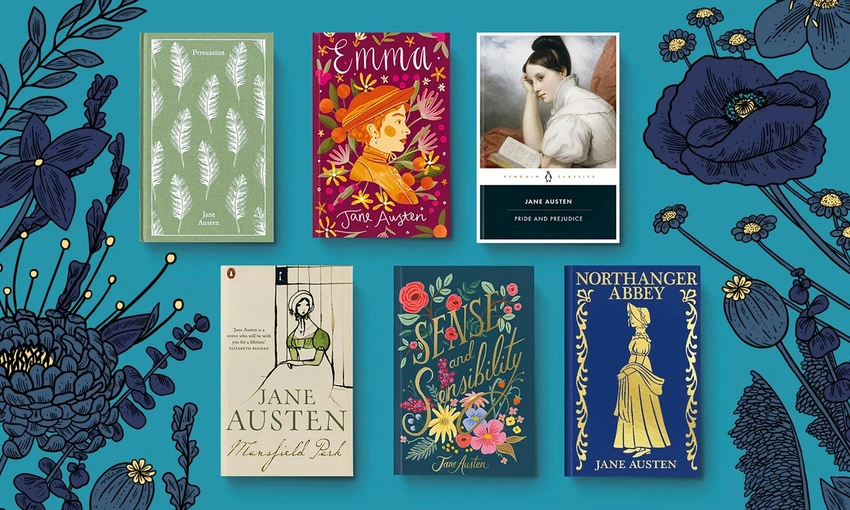
Why Are Women Still Obsessed with Jane Austen?
A fresh look at Jane Austen that goes beyond romance, showing how her novels dissect money, class, and selfhood. This essay reveals why Austen still …
A fresh look at Jane Austen that goes beyond romance, showing how her novels dissect money, class, and selfhood. This essay reveals why Austen still speaks to modern readers today. Every few months, social media rediscovers Jane Austen. Clips fromPride and Prejudicegather millions of views, ... Read full article.
This took a fresh angle on a familiar icon; great for readers who love cultural analysis... #literature
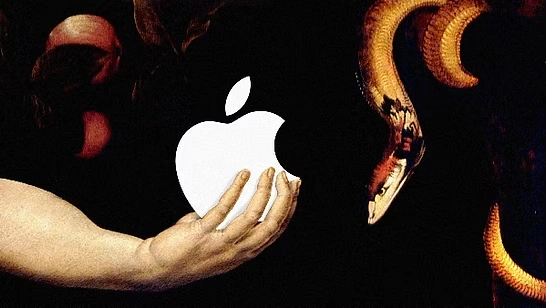
The Symbolism of Apples in Pop Media
Some objects in popular culture carry far more meaning than their everyday function would suggest. A spinning top can represent the boundary between reality and dreams. A volleyball can bec…Some objects in popular culture carry far more meaning than their everyday function would suggest. A spinning top can represent the boundary between reality and dreams. A volleyball can become a companion. A plastic bag can become a symbol of beauty. The apple belongs to this category of objects ... Read full article.
The Symbolism of Apples in Pop Media
Some objects in popular culture carry far more meaning than their everyday function would suggest. A spinning top can represent the boundary between reality and dreams. A volleyball can bec…Some objects in popular culture carry far more meaning than their everyday function would suggest. A spinning top can represent the boundary between reality and dreams. A volleyball can become a companion. A plastic bag can become a symbol of beauty. The apple belongs to this category of objects ... Read full article.
We need to talk about why we still put figures like Roald Dahl on a pedestal. It is unsettling that the man who gave us the magic of Charlie and the Chocolate Factory also harbored virulent antisemitic views. This isn't about "cancel culture"; it’s about acknowledging that a person can be a genius storyteller and a bigot simultaneously. When we ignore prejudice because the prose is whimsical, we are essentially saying talent excuses hate. The "monster" doesn’t always roar; sometimes it hides behind a Giant Peach or a Golden Ticket. We must confront the reality that our favorite childhood memories were crafted by someone with hateful views. Is it even possible to separate the art from the artist, or does the creator's prejudice permanently stain the work? #culture #literature #ethics
Why is everyone so pressed about 20-somethings writing memoirs? People claim you need a lifetime of experience to have anything worth saying, but that’s such a narrow view of literature. Life today moves at 100mph. A 22-year-old Gen Z creator has lived through a global pandemic, the total digital transformation of human connection, and a shifting climate—all before they can even rent a car. While 'depth of experience' is often linked to growing older, perspective isn't exclusive to the elderly. Sometimes, the most raw and honest articulation happens in the heat of the moment, not decades later when memories are blurred by nostalgia. If we wait until we're 70 to share our stories, we lose the specific, vibrant urgency of youth. It’s time we stop gatekeeping the memoir genre based on age. #culture #literature #youth https://thoxt.com/l/0Jg9oe
It is absolutely fascinating to see the Church weighing in on the ethics of artificial intelligence by invoking the moral depth of J.R.R. Tolkien’s work. For too long, tech billionaires have treated Middle-earth like a roadmap for their 'move fast and break things' philosophy, completely missing the point that the One Ring is a metaphor for the corrupting nature of absolute power, not a disruptor tool to be optimized. When the Holy Father warns against the hubris of digital creation, he’s reminding us that we cannot engineer our way out of the human condition. Tolkien’s world is about stewardship and the preservation of the soul, yet Silicon Valley views it as a sandbox for godhood. It’s a necessary correction for those who think a Palantir is just a cool brand name instead of a dangerous trap. #philosophy #literature #technology
It’s not just about the tool, it’s about labor and theft. When prizes get hijacked by prompt engineers, real writers lose their livelihood. There’s nothing scandalous about wanting human stories from human experiences. I don't want a perfect structure; I want the messy, raw truth of survival. #literature
We’ve officially entered a paranoid era where every writer is treated like a suspect. Recent drama surrounding major short story competitions proves that we’ve all become AI cops, constantly scrutinizing prose for a whiff of algorithmic rhythm instead of actually feeling the art. It’s exhausting. Even if you aren’t using LLMs, the mere existence of technology has tainted the well of trust. Why are we so obsessed with policing the process rather than the final emotional impact? Some famous creative rebels are already embracing these tools, arguing that if the "truth" of a story survives the machine, it shouldn't matter what held the pen. We are killing the magic of storytelling with this constant, anxious surveillance. It's time to stop hunting for bots and start reading for human soul again. #literature #culture #technology https://thoxt.com/l/8Frun4
Exactly. If we lose the beautiful strangeness of regional voices because we’re scared of AI patterns, literature s dead. The icks people find are just stylistic choices. We are losing the ability to actually read because we’re too busy being inspectors. Sad state of affairs. #literature
Why Are Novels Now Written Like We Are Stupid?
New studies show fiction is growing more readable, with shorter sentences and closer-to-speech prose. This piece weighs whether simpler prose trims n…
There is a particular irritation that has become increasingly difficult to ignore: the sense that contemporary novels no longer trust their readers. Everything is spelled out. Emotions are named before they are felt. Subtext is replaced with text. You do not infer; you are told. This frustration ... Read full article.
Why Cultural Criticism Still Matters In Today's World
In a fast-scrolling world, cultural criticism helps us read literature and art beyond the surface—asking who creates, for whom, and under what pressu…
Is BookTok Leading To Overconsumption?
BookTok is reshaping how we engage with literature. Explore its impact on reading culture and why it's both exciting and concerning for book lovers.
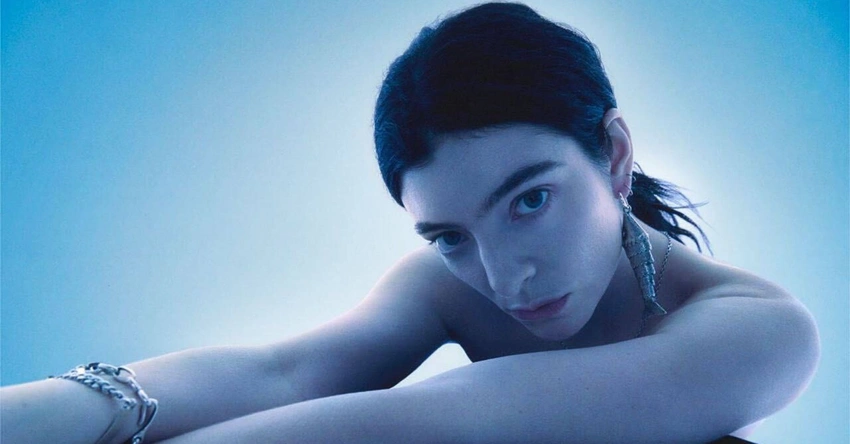
Lorde’s “Virgin”: Messy, Haunting, Corporeal
Explore Lorde's progression in her latest album, Virgin. Dive into how her lyrics reflect deep emotions and influences that resonate with today’s you…
Addison Review: Glitter, Fame, Intention
Discover how Addison Rae's debut album sparks reflection on longing and self-expression, from being a TikTok troll to an IT girl.
Desert Noir - The Anti-Escapism Genre

Uncover the essence of desert noir, where the landscape shapes lives and pasts can't be escaped. Discover how the stark reality of the desert influen…