Why Cultural Criticism Still Matters In Today's World

Why Cultural Criticism Still Matters In Today's World
Why Cultural Criticism Still Matters In Today's World
In a fast-scrolling world, cultural criticism helps us read literature and art beyond the surface—asking who creates, for whom, and under what pressures, and why it still matters.
As a postgraduate literature student, I’ve often found myself reading not only for meaning, but for the ripple that text makes in culture. I’ve come to believe that cultural criticism is not some optional add-on to literary study: it remains essential, perhaps more than ever. In a world where social media favours swift judgements and surface-level engagement, cultural criticism offers a way to slow down, to ask, to see behind the glitzy façade.
What cultural criticism is and why it persists
Cultural criticism involves examining literature, art and other cultural artefacts not just as aesthetic objects, but as interventions in culture: they emerge from social, historical and ideological contexts, and they also shape those contexts as much as they reflect them. The questions it asks are: Who produces this text? To what audience? Under what conditions? What values does it naturalise or resist?
In today’s environment, this kind of questioning still matters because texts do not exist in a vacuum; in fact, they’re embedded in a media-rich, fast-changing, globally interconnected culture. They are read, viewed, shared, remixed and forgotten within seconds in the digital era. Cultural criticism gives us the tools to trace not only what a text says, but what it does, where, when, and with whom.
Why it matters today: three urgent reasons
1. Texts still carry power in a distracted age
When I scroll through a feed or watch a clip that goes viral, I realise the form remains deceptively simple: a short fragment, a meme, a catchy slogan. But that simplicity hides deeper channels of meaning. Cultural criticism helps us excavate those channels. If we ignore that dimension, we risk reading texts (or media fragments) as having no consequence beyond the moment, which is to undermine their power.
2. The rise of anti-intellectualism and surface-level thinking
One of the striking features of our age is the resurgence of anti-intellectualism; a resistance or suspicion of the life of the mind and of those who live it. According to one recent analysis, anti-intellectualism is increasingly visible in social media spaces, where expertise is dismissed, nuanced discussion ridiculed and “it’s not that deep” becomes a frequent motto.
This tendency goes hand in hand with dualist, binary thinking: the quick “this is good / this is bad”, the refusal to entertain complexity, the relegation of argument to snark or spectacle.
Moreover, social media algorithms amplify content that is immediate, sensational and easily consumable. Content that invites reflection, ambiguity, contradiction or sustained argument tends to perform poorly in that economy. One account argues:
“Social media is heavily involved in the circulation of… ideas promoting outright hostility to deeper thinking”
So beyond the literature classroom, cultural criticism matters because it resists the flattening of culture into sound-bites and likes.
3. Because culture is still contested, not passive
Far from being a leisure domain, culture remains a site of struggle over identity, power, representation, and memory. Whether it is phenomena of race, gender, class, or geopolitics, cultural artefacts participate in debates, sometimes explicitly, often implicitly. For instance, the way a text deals with marginalised voices, or the way it becomes viral and shifts meaning in social media, or how it is co-opted by commercial interests: all of this matters.
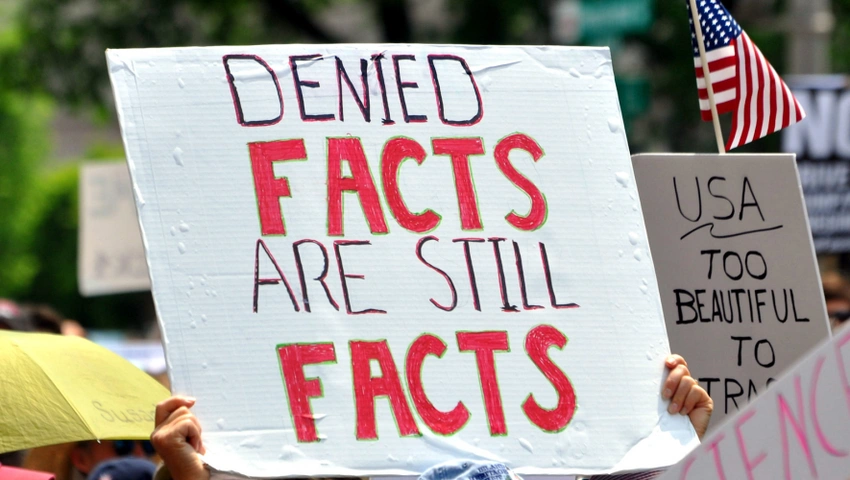
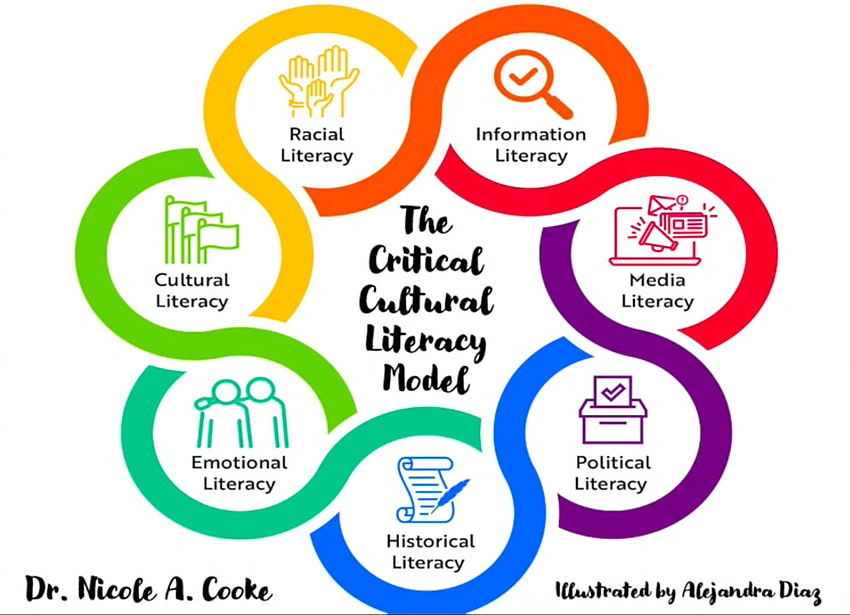
Cultural criticism arms us to recognise these dynamics: to see that a novel is not just a story, but also a node in a network of ideas; that a film is not just entertainment, but also a model for what counts as value and what does not. In today’s world of filter bubbles and echo-chambers, this kind of critical literacy is indispensable.
Some caveats and reflections
That said, I must keep a few honest reflections in mind. Firstly, one might protest that cultural criticism runs the risk of reducing literature to politics or ideology, losing aesthetic pleasure or formal nuance in the process. As a literature student, I strive to maintain the balance: aesthetic appreciation matters, form matters, and the singular voice matters. But so does context, power, and reception.
Secondly, given the diversity of our cultural moment (especially in India, with multilingualism, hybrid genres, global flows and local roots), there is no single “culture” to critique. Instead, there are many overlapping, competing, and sometimes contradictory cultural formations. Cultural criticism must therefore remain open-ended, humble, investigative rather than dogmatic.
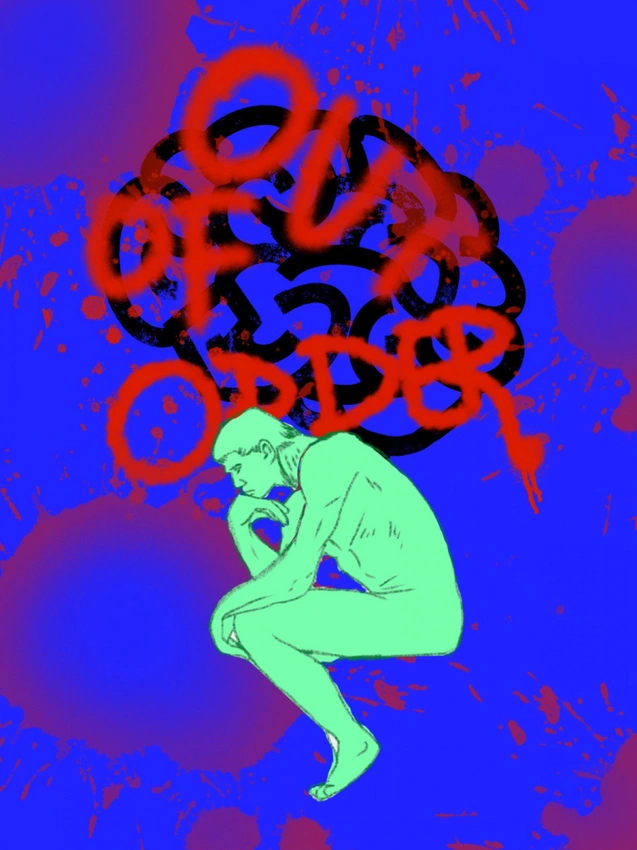
Cultural criticism matters today because it remains one of the few ways we can read against the grain of distraction, consumption, knee-jerk reactions and surface-level thinking. For me, it is not just a method, but an attitude: curious, resistant, reflective. It is about waking up to what culture is doing while we consume it, about asking what we inherit when we watch, read or click.
So next time I open a novel or watch a trending clip on social media, I’ll still ask the same questions I’ve learned: what kind of world does this gesture invite? Whose voices does it amplify or silence? What meanings are swept aside by its popularity? In this era of rapid scrolls and fleeting attention, cultural criticism perhaps matters more than ever.
#CulturalCriticism #Literature #SlowReading #CultureMatters #TextAndContext
