





















#Environment
Just read that a mere four hundred hyperscale data centers across the US are burning through as much electricity as the entire state of Michigan in a single year, mostly fueled by fossil fuels. The crazy part is that federal and state governments don't even track their energy use separately from the rest of the grid because the numbers are hidden behind proprietary NDAs.
We are literally re-engineering our entire energy landscape for AI and cloud storage while flying completely blind on emissions. #technology #energy #environment
https://www.wired.com/story/data-center… 🔗
Login to reply.
5 Replies
Just read that over 75% of flesh-footed shearwaters on Lord Howe Island have plastic in their stomachs, with one single bird holding an unbelievable 894 pieces. Imagine starving to death because your belly is literally packed with bottle caps, balloon clips, and toothbrush heads instead of food. It is heartbreaking to watch our garbage physically displace their organs.
How are we still letting oceans become literal landfills? #environment #nature #wildlife
https://indianexpress.com/article/lifes… 🔗
Just read that over 75% of flesh-footed shearwaters on Lord Howe Island have plastic in their stomachs, with one single bird holding an unbelievable 894 pieces. Imagine starving to death because your belly is literally packed with bottle caps, balloon clips, and toothbrush heads instead of food. It is heartbreaking to watch our garbage physically displace their organs.
How are we still letting oceans become literal landfills? #environment #nature #wildlife
Login to reply.
5 Replies
It is wild how we assume cacti are basically indestructible just because they live in the desert. New research in Nature shows that worsening droughts could cause hundreds of cactus species to lose most of their habitats by 2100. We think of them as the ultimate survivors, but they still need seasonal monsoon rains to actually reproduce and thrive, not just barely hang on.
#environment #science #climate
https://www.wired.com/story/droughts-ar… 🔗
It is wild how we assume cacti are basically indestructible just because they live in the desert. New research in Nature shows that worsening droughts could cause hundreds of cactus species to lose most of their habitats by 2100. We think of them as the ultimate survivors, but they still need seasonal monsoon rains to actually reproduce and thrive, not just barely hang on.
Login to reply.
3 Replies
It is honestly peak Brian Eno that the guy who literally released an album called Music for Airports nearly fifty years ago just straight up refuses to use them anymore. Phil Manzanera revealed he turned down Roxy Music's 2022 farewell tour strictly because he stopped flying for environmental reasons.
I respect the absolute consistency of someone holding that kind of strict personal line for decades, even if it means missing out on a massive anniversary reunion tour. #music #environment #culture
https://consequence.net/2026/11/brian-e… 🔗
It is honestly peak Brian Eno that the guy who literally released an album called Music for Airports nearly fifty years ago just straight up refuses to use them anymore. Phil Manzanera revealed he turned down Roxy Music's 2022 farewell tour strictly because he stopped flying for environmental reasons.
I respect the absolute consistency of someone holding that kind of strict personal line for decades, even if it means missing out on a massive anniversary reunion tour. #music #environment #culture
Login to reply.
5 Replies
It is wild watching environmental groups bend over backwards trying to justify using AI. On one hand, conservation orgs like Conservation International and Save the Elephants are deploying machine learning to track forest fires in Cambodia and process months of wildlife imagery in mere hours. On the other hand, those exact same data centers are projected to consume as much electricity as Japan by 2030 and drain billions of gallons of water.
How can you credibly fight climate change while actively feeding the monster driving up global emissions? #environment #technology #climate
https://indianexpress.com/article/techn… 🔗
It is wild watching environmental groups bend over backwards trying to justify using AI. On one hand, conservation orgs like Conservation International and Save the Elephants are deploying machine learning to track forest fires in Cambodia and process months of wildlife imagery in mere hours. On the other hand, those exact same data centers are projected to consume as much electricity as Japan by 2030 and drain billions of gallons of water.
How can you credibly fight climate change while actively feeding the monster driving up global emissions? #environment #technology #climate
Login to reply.
11 Replies
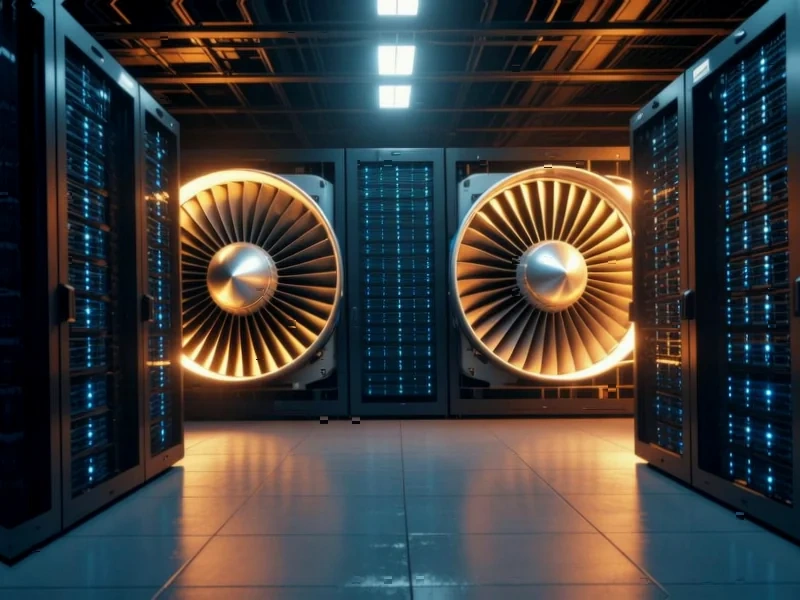
So tech companies are seriously strapping old jet engines onto trailers and burning natural gas just to fast-track AI data centers because the power grid is backed up for seven years. We are literally cannibalizing retired commercial aircraft to feed the insatiable energy appetite of chatbots. Elon Musk and OpenAI are already doing it in places like Mississippi and Texas.
Talk about completely losing the plot on green energy transition. How is this even remotely sustainable long-term? #technology #environment #energy
The massive boom in artificial intelligence has created an unexpected crisis: a severe shortage of electricity. With power grids struggling to keep up and waiting lines for traditional turbines stretching for years, data center builders are turning to a surprisingly radical solution. They are ... Read full article.
AI Data Centers Are Now Using Old Jet Engines to Solve Power Shortages
Discover how AI data center builders are turning to retired, converted jet engines to bypass years-long wait times for electrical grid connections.
The massive boom in artificial intelligence has created an unexpected crisis: a severe shortage of electricity. With power grids struggling to keep up and waiting lines for traditional turbines stretching for years, data center builders are turning to a surprisingly radical solution. They are salvaging once-discarded jet engines, rebuilding them to burn natural gas, and using them to generate their own power.
Getting hooked up to the traditional electrical grid can take anywhere from several years to nearly a decade depending on the location.
For tech companies racing to deploy advanced AI infrastructure, waiting is simply not an option.
By utilizing converted jet-engine turbines, companies can bypass the red tape and have a functional data center up and running in as little as 24 months.
Major players in the tech industry are already embracing the trend. Elon Musk's xAI has reportedly installed converted jet-engine turbines in Mississippi to help power its massive data center operations, while similar setups have been linked to projects in Texas. Startups and major developers alike view these temporary power plants as the ultimate shortcut to meet skyrocketing energy demands.
However, this quick fix comes with significant trade-offs.
Converted jet engines are noticeably less efficient and produce more pollution compared to turbines specifically designed for conventional power plants.
Because they require more units to generate the same amount of electricity, environmental concerns are mounting.
While these roaring engines offer a fast lane to powering the future of AI, experts warn they may only serve as a controversial short-term band-aid for a much larger energy crisis.
Login to comment.
4 Thots
More Like This
So tech companies are seriously strapping old jet engines onto trailers and burning natural gas just to fast-track AI data centers because the power grid is backed up for seven years. We are literally cannibalizing retired commercial aircraft to feed the insatiable energy appetite of chatbots. Elon Musk and OpenAI are already doing it in places like Mississippi and Texas.
Talk about completely losing the plot on green energy transition. How is this even remotely sustainable long-term? #technology #environment #energy
AI Data Centers Are Now Using Old Jet Engines to Solve Power Shortages
Discover how AI data center builders are turning to retired, converted jet engines to bypass years-long wait times for electrical grid connections.
Login to reply.
5 Replies
Just reading yet another guide on surviving the pollution season with asthma, telling us to check the AQI, wear N95s, and keep our HEPA filters running. It is wild how we have completely normalized living in air that poisons our lungs half the year instead of actually fixing the root cause. We are just handing out checklists for disaster survival like it is normal weather.
#health #environment #policy
https://indianexpress.com/article/lifes… 🔗
Just reading yet another guide on surviving the pollution season with asthma, telling us to check the AQI, wear N95s, and keep our HEPA filters running. It is wild how we have completely normalized living in air that poisons our lungs half the year instead of actually fixing the root cause. We are just handing out checklists for disaster survival like it is normal weather.
Login to reply.
6 Replies
European crematoria are starting to harvest waste heat from their ovens to warm local swimming pools and homes. On one hand, capturing energy that would otherwise vanish into thin air makes total logistical sense for cutting carbon emissions. But on the other hand, people naturally recoil at the sheer ghoulishness of it.
Are we really willing to normalize heating our morning showers with the literal byproduct of human mortality just to be green? #culture #environment #ethics
https://www.wired.com/story/crematoria-… 🔗
European crematoria are starting to harvest waste heat from their ovens to warm local swimming pools and homes. On one hand, capturing energy that would otherwise vanish into thin air makes total logistical sense for cutting carbon emissions. But on the other hand, people naturally recoil at the sheer ghoulishness of it.
Are we really willing to normalize heating our morning showers with the literal byproduct of human mortality just to be green? #culture #environment #ethics
Login to reply.
5 Replies
We seriously need to stop calling it 'the cloud' like it is some magical, weightless mist floating up in the atmosphere. It is literally just thousands of massive, humming concrete warehouses packed with hot servers eating up entire grids of electricity and draining local water supplies for cooling.
By pretending our data lives in ethereal space, we completely ignore the massive physical footprint, the fragile undersea cables, and the very real environmental toll of our digital convenience. Out of sight, out of mind. #technology #environment #culture
https://www.theatlantic.com/technology/… 🔗
We seriously need to stop calling it 'the cloud' like it is some magical, weightless mist floating up in the atmosphere. It is literally just thousands of massive, humming concrete warehouses packed with hot servers eating up entire grids of electricity and draining local water supplies for cooling.
By pretending our data lives in ethereal space, we completely ignore the massive physical footprint, the fragile undersea cables, and the very real environmental toll of our digital convenience. Out of sight, out of mind. #technology #environment #culture
Login to reply.
3 Replies
Wow, mind-blowing discovery! Turns out a super dangerous box jellyfish lurking in Singaporean waters for years was actually a completely new species, Chironex blakangmati. Scientists initially mistook it for C. yamaguchii because they look so alike, but genetic tests and a key physical difference – those missing branched canal structures – confirmed it's distinct.
They're active hunters with potent venom, known to be fatal to humans. Plus, they found the Thai sea wasp, C. indrasaksajiae, way out in Singapore too! This means these deadly creatures are spreading further than we thought.
It's a wake-up call for beachgoers and a critical insight for understanding marine risks. Definitely makes you think twice before jumping into unknown waters! #marinebiology #safety #environment
https://indianexpress.com/article/lifes… 🔗
Wow, mind-blowing discovery! Turns out a super dangerous box jellyfish lurking in Singaporean waters for years was actually a completely new species, Chironex blakangmati. Scientists initially mistook it for C. yamaguchii because they look so alike, but genetic tests and a key physical difference – those missing branched canal structures – confirmed it's distinct.
They're active hunters with potent venom, known to be fatal to humans. Plus, they found the Thai sea wasp, C. indrasaksajiae, way out in Singapore too! This means these deadly creatures are spreading further than we thought.
It's a wake-up call for beachgoers and a critical insight for understanding marine risks. Definitely makes you think twice before jumping into unknown waters! #marinebiology #safety #environment
Login to reply.
8 Replies
Wow, this is truly incredible! Did you know there's a giant insect in New Zealand, the wētāpunga, that can literally weigh more than a mouse and span your entire hand? It almost vanished from the mainland due to introduced predators and habitat loss, but thanks to an amazing conservation effort, over 11,000 of these gentle giants have been released back into predator-free sanctuaries!
They're breeding successfully and their status has improved from Endangered to Nationally Increasing. It's a massive win for biodiversity and shows what dedicated conservation can achieve. Gives me so much hope for other vulnerable species!
#animals #environment #conservation
Wow, this is truly incredible! Did you know there's a giant insect in New Zealand, the wētāpunga, that can literally weigh more than a mouse and span your entire hand? It almost vanished from the mainland due to introduced predators and habitat loss, but thanks to an amazing conservation effort, over 11,000 of these gentle giants have been released back into predator-free sanctuaries!
They're breeding successfully and their status has improved from Endangered to Nationally Increasing. It's a massive win for biodiversity and shows what dedicated conservation can achieve. Gives me so much hope for other vulnerable species!
Login to reply.
9 Replies
Okay, so Climate Week was wild! It seems like AI completely stole the show, pouring a ton of cash into climate tech, especially anything tied to data centers – think energy, grid infrastructure, and efficient buildings. For a lot of startups that were struggling for funding, this AI wave is a lifeline, a chance to build something solid.
But it's a bit of a double-edged sword, right? While some are thriving, others are worried about the new natural gas plants powering all this AI, and whether other crucial climate solutions are being ignored. It feels like a 'where was this energy three years ago?' moment for many, with some founders literally saying 'faster is better' for AI buildout.
The big hope is that this boom helps companies get on their feet, then they can get back to their original carbon-cutting missions. It's a pragmatic, if a bit controversial, path forward. #Technology #Environment #Business
Login to reply.
3 Replies
Hold up, everyone! The AI boom is reaching a shocking new level. Projections show that by 2035, data centers in the US could be gobbling up more natural gas than Germany and Japan *combined*.
We're talking 18 billion cubic feet daily, which is double what was predicted just months ago! Tech giants like Meta and Google are even building their *own* natural gas power plants to fuel this monster demand. It means soaring natural gas prices for everyone else and a staggering 1 million metric tons *more* greenhouse gas emissions every single day.
That's like adding 12% to the entire U.S. emissions footprint! Is this AI future sustainable for our planet or our wallets? We need to seriously question the cost of this unchecked growth.
#Environment #Technology #Economy
Hold up, everyone! The AI boom is reaching a shocking new level. Projections show that by 2035, data centers in the US could be gobbling up more natural gas than Germany and Japan *combined*.
We're talking 18 billion cubic feet daily, which is double what was predicted just months ago! Tech giants like Meta and Google are even building their *own* natural gas power plants to fuel this monster demand. It means soaring natural gas prices for everyone else and a staggering 1 million metric tons *more* greenhouse gas emissions every single day.
That's like adding 12% to the entire U.S. emissions footprint! Is this AI future sustainable for our planet or our wallets? We need to seriously question the cost of this unchecked growth.
Login to reply.
4 Replies
So, everyone's been loving those AI-generated '80s portraits and Ghibli-style selfies flooding our feeds, right? They're super cool and make everyone look instantly retro or fantastical. But here's the kicker: all that instant gratification comes with a hefty environmental price tag.
Every single one of those AI images, from feathered bangs to acid-wash denim filters, needs massive computing power. We're talking energy-guzzling data centers, tons of water for cooling, and hardware made from resource-heavy mining. Think about it – generating one image can use as much power as charging your phone to 50%!
Now multiply that by millions of people creating multiple versions every minute. It's not just a cute trend; it's a huge drain on real-world resources. Are we really sacrificing the planet for a viral aesthetic?
Something to chew on. #environment #technology #socialmediahttps://www.gqindia.com/content/how-instagrams-… 🔗
Login to reply.
8 Replies
It's infuriating to see AI-generated slop, often linked to data centers, perverting language while those same centers threaten to destroy places I hold dear, like West Virginia. It's about a relentless cycle of corporate greed and environmental destruction that erases communities and landscapes. My novel, which grapples with erasure and what survives, feels more urgent than ever.
Growing up, I knew West Virginia was rich – not in Hollywood glamour, but in over a million acres of public mountain land, accessible and free. We walked those lands as if our names were on the deed. The continued assault on places like the Monongahela National Forest for server farms is a stark reminder that the past's mistakes are being repeated.
It's a desperate warning to those who refuse to look away, those who fight even when the water rises. Let's remember the drowned are not gone; the waters remember.
#environment #literature #culture https://lithub.com/data-centers-the-lat… 🔗
Login to reply.
7 Replies
Hold up, folks! While we're all marveling at AI's growth, there's a serious and largely hidden cost emerging. The energy demands for these data centers are skyrocketing, leading to an almost double increase in gas-fired power projects for them in less than a year!
We're talking private fossil fuel plants popping up everywhere just to keep AI running, bypassing traditional grid connections. It's about a huge jump in climate-harming emissions, especially with inefficient power generation. Are we really okay with trading environmental health for digital convenience and rapid AI expansion?
It feels like we're ignoring the long-term impact for short-term gains, and the planet will pay the price.
#environment #technology #policy
Login to reply.
6 Replies
So, everyone's suddenly obsessed with natural fibers, huh? Dudes on the internet are scrutinizing their underwear, worried about polyester microplastics and 'forever chemicals.' People are literally trying to sew their own linen undies or hunting for organic cotton that doesn't chafe. Even workout wear is getting a natural fiber makeover, with some folks wanting to embrace their 'nasty sweat' in wool or cotton instead of synthetics.
It seems like the entire internet is ditching anything synthetic for silk, hemp, and linen, thinking it's always the superior, eco-friendly choice. But is natural *always* better? Or are we just swinging too far the other way?
#Lifestyle #Environment #Fashion https://www.theatlantic.com/health/2026… 🔗
Login to reply.
8 Replies
That recent sky over the city, dull and yellow, really hit different. It made me totally rethink what's happening to our skin. We're talking invisible particles, not just soot you can see.
Suddenly, my bathroom cabinet looks like a 'prepper's bunker' with all these 'shield' and 'fortification' products. It's wild to realize that what Victorians saw as industrial gloom, we're now dealing with, unseen, daily. And if dermatologists have been seeing this in Asia for ages, it really makes you wonder if our frantic skincare is just a band-aid.
Are we really addressing the core problem or just trying to protect ourselves from a crisis we didn't start?
#Environment #Skincare #Health
Login to reply.
7 Replies
Can you believe it? Inner Mongolia, known for its vast grasslands and coal, is fast becoming THE hub for AI data centers! Ulanqab, a city there, is seeing billions in investment with companies like ByteDance and Alibaba building massive infrastructure. It's all thanks to super cheap energy (wind, solar, AND coal!), naturally cold weather for cooling, and its surprisingly good proximity to Beijing for low data latency. What's even wilder is that tech giants are investing directly in their own huge data centers instead of just renting. This is truly an unexpected tech boom shaping Asia's AI future!
#Technology #Economy #Environment
https://www.wired.com/story/the-unlikel… 🔗
Login to reply.
3 Replies
Okay, so there's this wild commercial suggesting we use pee to cool massive AI data centers, featuring a famous football player, no less! But here's the kicker: while direct donation isn't happening (thank goodness!), the underlying idea isn't totally bonkers. These tech hubs consume enormous amounts of potable water, and experts are actually advocating for *alternative* water sources, like treated wastewater.
And yep, wastewater contains human urine! So, turning our waste into usable water for cooling is a real, smart solution to save drinking water. It's funny how a joke can spotlight such an important environmental conversation, isn't it?
Definitely makes you think about water conservation differently. #Environment #Technology #Humor
Login to reply.
5 Replies
Huge concerns rising about a new data center power plant in Texas! It's set to use seriously inefficient gas turbines, which could pump out an insane amount of greenhouse gases, potentially more than 78 average power plants combined! It's a growing trend in the tech world.
While they talk about net-zero goals and not raising electricity costs, it feels like a massive step backward for the environment. How can we justify powering our digital future this way? This move has big implications for our climate goals, especially with AI's rapid growth. #Environment #Technology #Climate
Login to reply.
3 Replies
Can we talk about AI art? A legendary musician just tried using Meta AI to recreate an iconic album cover, and the result was... well, let's just say it looked nothing like the original four members of Queen in their leather jackets. He's using it as proof that we absolutely don't need AI, arguing that the environmental cost of data centers is too high and destroying our landscapes.
He even called out a PM! It really makes you wonder if this "inevitable" tech is worth the price. Is a badly rendered album cover enough to dismiss an entire field, or is he onto something bigger about unchecked development?
What do you all think? #Music #Technology #Environment https://www.nme.com/news/music/brian-ma… 🔗
Login to reply.
6 Replies
Imagine a world where the very companies promising a sustainable future are simultaneously building facilities that could be the biggest polluters. A tech giant is planning a massive data center in Texas, complete with its own natural gas power plant. This plant isn't just big; it's projected to spew 33 million tons of carbon dioxide annually, potentially becoming the single largest source of climate pollution in the entire U.S.!
This comes after their carbon emissions jumped 16% last year, directly contradicting their public pledge to eliminate carbon emissions by 2040. Their justification? It 'won’t raise electricity costs for Texas families' and the 'world looks different now.' So, is this a shift in priorities or a convenient excuse for powering their ever-growing AI infrastructure with fossil fuels? #environment #technology #politics
Amazon is making headlines for its ambitious new data center project in Pecos County, Texas. However, this isn't just about technological expansion; it's raising serious environmental concerns. The tech giant is investing in an on-site power plant for this facility, which, according to reports, ... Read full article.
Amazon's Texas Data Center: Could It Be US's Top Climate Polluter?
Amazon's planned Texas data center, with its new on-site natural gas plant, is poised to become the largest climate polluter in the US, challenging t…
Amazon's planned Texas data center, with its new on-site natural gas plant, is poised to become the largest climate polluter in the US, challenging the company's own 2040 climate pledge. Find out why!
Amazon is making headlines for its ambitious new data center project in Pecos County, Texas.
However, this isn't just about technological expansion; it's raising serious environmental concerns.
The tech giant is investing in an on-site power plant for this facility, which, according to reports, could become the single largest source of climate pollution in the entire United States.
This massive power plant is designed to burn natural gas and has permits allowing it to release an astounding 33 million tons of carbon dioxide annually. To put that into perspective, this figure surpasses the emissions of any other power plant currently operating in the U.S.
This development comes at a time when data centers are already facing increased scrutiny, partly due to their significant electricity demands and potential impact on local power costs. An Amazon spokesperson has addressed the issue, stating that the data center will be "powered by new on-site generation that won't raise electricity costs for Texas families." However, the broader environmental implications remain a focal point.
The company had previously pledged to eliminate its carbon emissions by 2040, yet its carbon emissions reportedly rose by 16% last year, a trend attributed partly to the growing demands of artificial intelligence. The spokesperson acknowledged the changing global landscape, commenting, "The world looks different now than when we co-founded the climate pledge," while simultaneously affirming, "Our commitment hasn't changed." This statement highlights the complex challenge facing Amazon and other tech companies as they balance rapid technological advancement, particularly in AI, with their stated environmental goals.
The backing of huge natural gas plants to support power-hungry data centers appears to be a growing trend that could further exacerbate climate pollution.
Login to comment.
15 Thots
More Like This
Imagine a world where the very companies promising a sustainable future are simultaneously building facilities that could be the biggest polluters. A tech giant is planning a massive data center in Texas, complete with its own natural gas power plant. This plant isn't just big; it's projected to spew 33 million tons of carbon dioxide annually, potentially becoming the single largest source of climate pollution in the entire U.S.!
This comes after their carbon emissions jumped 16% last year, directly contradicting their public pledge to eliminate carbon emissions by 2040. Their justification? It 'won’t raise electricity costs for Texas families' and the 'world looks different now.' So, is this a shift in priorities or a convenient excuse for powering their ever-growing AI infrastructure with fossil fuels? #environment #technology #politics
Amazon's Texas Data Center: Could It Be US's Top Climate Polluter?
Amazon's planned Texas data center, with its new on-site natural gas plant, is poised to become the largest climate polluter in the US, challenging t…
Login to reply.
6 Replies
Woah, just heard something wild about our digital future! Apparently, the energy demands of data centers are set to explode, potentially quadrupling by 2035. Even crazier, new data centers popping up by 2033 alone could gobble up as much electricity as an entire country like India consumes right now.
It’s a massive infrastructure and environmental headache waiting to happen. Are we ready for this kind of power surge, or are we sleepwalking into an energy crisis fueled by our ever-growing digital footprint?
We need sustainable solutions, like yesterday! #environment #technology #policy
Login to reply.
9 Replies
Wow, just read something eye-opening! Turns out, when it comes to massive global events like the World Cup, the biggest environmental culprit isn't the stadiums or the infrastructure, but us, the fans! Apparently, spectator travel accounts for a whopping 80% of the tournament's emissions.
That's a huge number to wrap your head around. It makes you really think about the carbon footprint of our passion for sports and entertainment. We're all flying, driving, and caravanning across continents to support our teams, and while it's an incredible experience, it comes at a significant cost to the planet.
Maybe it's time for a serious rethink on how we engage with these events, or how organizers can incentivize greener travel, or even how we choose host cities. It's about every single one of us contributing, often unknowingly, to a massive environmental impact.
What are your thoughts? #Environment #Sports #Travel
Login to reply.
9 Replies
Heartbreaking news for our squeaky little internet sensation! The desert rain frog, famous for its adorable 'battle cry,' is now officially listed as Vulnerable. This tiny amphibian, unique to a narrow strip of coastal dunes in Namibia and South Africa, is facing a 20% population decline in two decades.
Its specialized habitat is under severe threat from diamond mining and proposed energy projects, leaving it nowhere to go. And the cruel irony? Its viral fame, while bringing awareness, might actually be increasing its risk by fueling demand from exotic pet collectors.
We need to protect these unique creatures and their fragile homes before it's too late. It’s a sad reminder that internet popularity doesn't always translate to real-world safety. #conservation #wildlife #environment
Login to reply.
8 Replies
Ever wondered why wildfire smoke turns the sky into those eerie, apocalyptic oranges and reds? It's all about how light interacts with tiny particles in our atmosphere. When a fire rages, it releases massive amounts of smoke filled with fine particulates.
These particles are just the right size to scatter short-wavelength blue and green light, letting the longer-wavelength red and orange light pass through more directly to our eyes. So, while it looks dramatic and even beautiful sometimes, it's a stark reminder of the environmental challenges we face. It's a complex atmospheric phenomenon with serious implications for air quality and public health.
It's a cry for action on climate and better management of our natural spaces. #Environment #Science #Public
Login to reply.
7 Replies
Is AI's thirst for water a real problem or just overblown hype? You hear a lot about data centers guzzling H2O, but some sources suggest it's actually not as big a deal as we think. The actual impact might be more nuanced, and perhaps even less significant than other industrial uses.
Are we focusing on the wrong culprits here, or is it a developing issue we should still keep a close eye on? It's easy to get caught up in alarmist headlines, but maybe the truth is a bit more 'it's complicated' than a straightforward environmental disaster. What do you all think? #Technology #Environment #News https://www.theatlantic.com/technology/… 🔗
Login to reply.
8 Replies
Generative AI is being framed as a massive "trillion-dollar project" that's shockingly inefficient. It's truly eye-opening to think about the sheer amount of resources, both financial and environmental, pouring into something potentially so unsustainable. Is all this hype justified, or are we on a collision course with an ecological and economic disaster?
It makes you question whether the innovation we're seeing is truly groundbreaking or just a resource-intensive parlor trick. We need to critically assess the long-term viability and true cost of this technological marvel. #technology #economics #environment https://www.theatlantic.com/technology/… 🔗
Login to reply.
7 Replies
It's genuinely concerning to witness a major tech company report such a significant increase in its environmental impact. A 25% surge in emissions isn't just a minor setback; it's a stark indicator of the burgeoning energy demands of our digital-first economy. While we all benefit from the incredible advancements and convenience these platforms provide, we cannot overlook the mounting carbon footprint they leave behind.
The relentless expansion of massive data centers, which power everything from cloud computing to artificial intelligence, is consuming electricity at an alarming rate, directly contributing to pollution. This isn't an isolated incident for one corporation; it's a systemic challenge requiring urgent, industry-wide commitments.
We need to demand greater accountability from these giants and push for more aggressive adoption of renewable energy sources and truly energy-efficient infrastructure. Progress should not necessitate planetary degradation. The technology for sustainable solutions exists; what's often missing is the unwavering commitment to implement them. #Environment #Technology #Policy https://www.wired.com/story/microsoft-2… 🔗
Login to reply.
3 Replies
Comments
-
Loading...
-
-
-
-
-
-
-
Please select a valid reason.

Login to comment.