I was sitting at a crowded coffee shop last week when my friend Pia leaned across the table, tilted her phone toward me, and gasped.
"Look at her skin," Pia whispered, eyes wide with a mix of awe and pure, unadulterated existential dread."It doesn’t even have pores. Like, zero texture. I asked my dermatologist if we can do a laser treatment to get this exact look, and she literally laughed me out of the office."
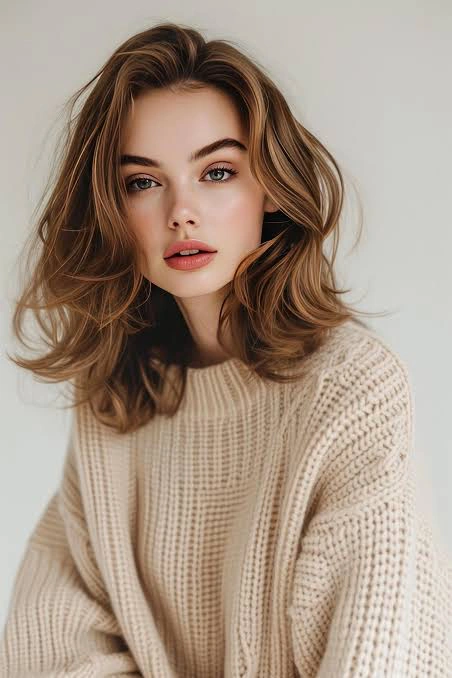
I looked down at the screen. The girl on Pia's feed had razor-sharp cheekbones, hyper-symmetrical features, a glassy, impossibly dewy complexion, and an ethereal gaze. There was just one small detail Pia had missed: the girl wasn't real. She was an AI-generated hyper-realistic model, a "glambot" (AI rendering) designed by a digital agency that posts content 24/7, never ages, never sleeps, and definitely never breaks out from stress eating cold pizza at 2 a.m.
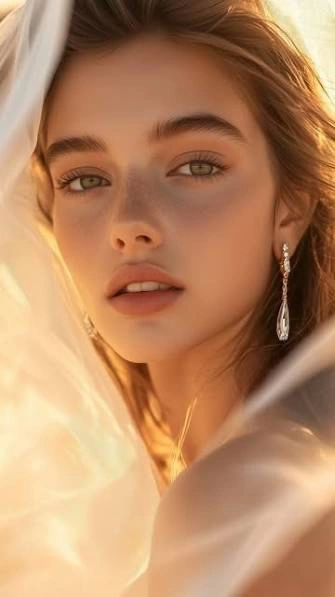
Welcome to the era of AI Generated Glam. What started as playful avatar filters has morphed into an entirely new aesthetic baseline. And it’s leaving real-life creators, models, plastic surgeons, and everyday beauty lovers asking a terrifying question:
Are we accidentally setting human beauty standards to settings only a render engine can achieve?
Influencers vs. The Algorithms: Competing with Perfection
For the last decade, human influencers dominated our screens by selling a mix of polished glamour and relational intimacy. But today, human creators are finding themselves in a bizarre arms race against AI models.
Unlike human creators, AI glambots don't need lighting setups, retouching apps, or coffee breaks. They can change hairstyles, locations, and outfits with a single prompt. Fashion brands are quietly testing virtual models for campaigns, and digital creators with millions of followers are generating six-figure brand deals without ever stepping foot on a set.
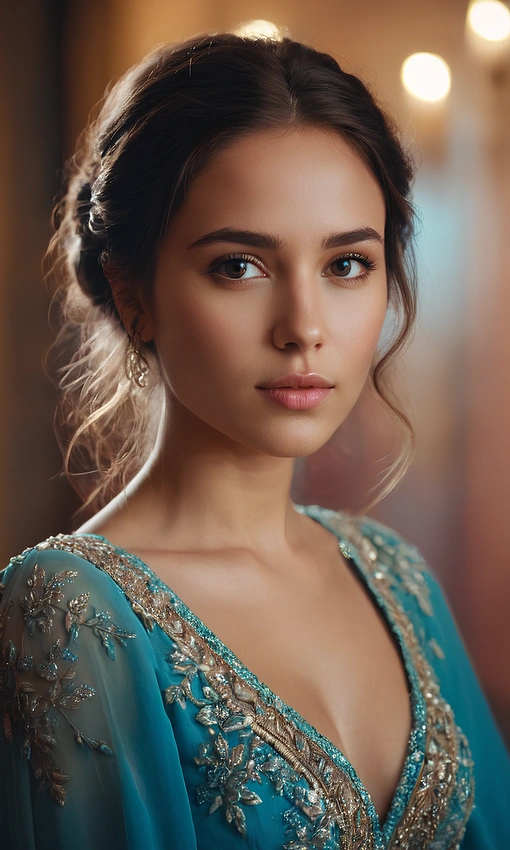
"It’s genuinely demotivating," says Chloe, a 22-year-old micro-influencer friend of mine who posts skincare reviews and GRWM (Get Ready With Me) videos.
I spend three hours doing a full face, setting up ring lights, and color-grading my clips, only for an AI account to drop an impossibly perfect video made in 30 seconds. How am I supposed to compete with math?"
"Make Me Look Like This Prompt": Plastic Surgery’s AI Dilemma
It isn't just social media feeds taking the hit, this synthetic shift is bleeding directly into doctor's offices.Plastic surgeons and cosmetic dermatologists are reporting a sudden surge in patients bringing in AI-generated images as reference photos.
Where patients used to bring in magazine cutouts of celebrities, they're now bringing in Midjourney renders.
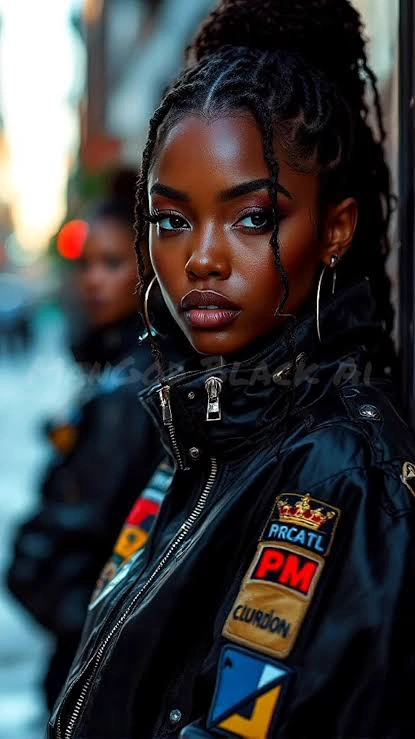
They want the "AI Nose", a tiny, upturned, digitally sculpted bridge with micro-delicate tips—paired with hyper-projected cheekbones and a jawline sharp enough to cut glass.
Board-certified surgeons are having to play reality check. The human face has underlying biology: facial fat pads, complex muscle movements, and skin that actually needs to stretch and breathe. You can’t copy-paste digital lighting or infinite symmetry onto living human tissue without looking over-processed. Yet, as software like AI 3D-facial planning moves into surgical consultations, the line between what is anatomically possible and digitally imagined continues to blur.
The "Ultimate Clean Skin" & The GLP-1 Convergence
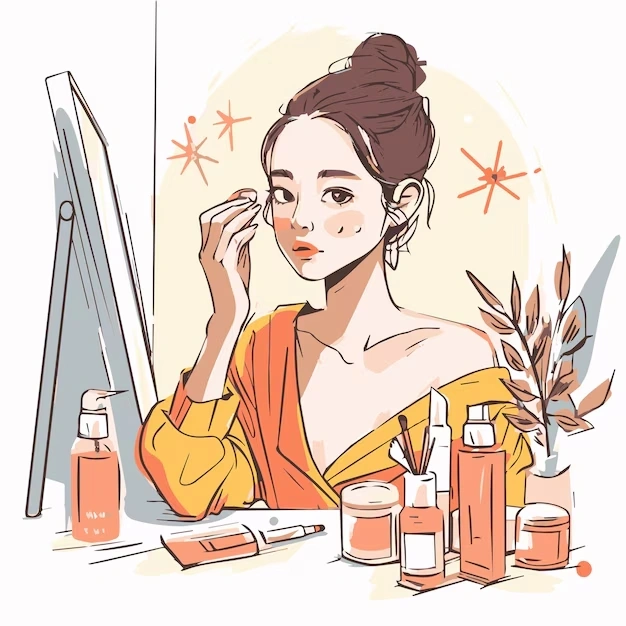
So, where does this leave the rest of us trying to do our makeup in a bathroom mirror?
Right now, Gen Z beauty trends are obsessed with achieving "glass skin" or "porcelain skin", a routine specifically engineered to mimic the smoothed-out, noise-reduced finish of an AI render. My friend Sam spent forty minutes explaining her morning skincare stack to me last night: biostimulatory serums, snail mucin, red-light therapy masks, micro-tox, and three layers of skin-tint blur formulas.
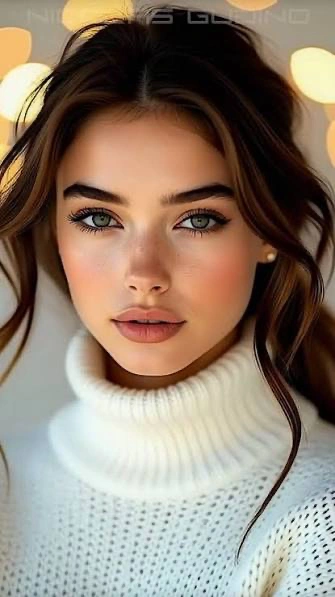
I’m not trying to look like I’m wearing heavy makeup," Sam admitted while dabbing on liquid highlighter. "I want to look like I have an automatic London filter applied to my face in real life."
At the same time, the rise of GLP-1 weight-loss medications (like Ozempic and Wegovy) has completely reshaped body and facial contours across the beauty landscape. As users lose facial fat, demand for volume restoration, skin-tightening treatments, biostimulator fillers, and subtle contouring has skyrocketed.
The Instagram filters already started this trend years ago. We all can't even post a regular selfie anymore. Or even accept our own faces anymore.
When you blend GLP-1 sculpts with synthetic AI visual standards and high-tech cosmetics, you get the blueprint for next year's emerging beauty trend: Hyper-optimized minimalism. The goal isn't looking made-up anymore, 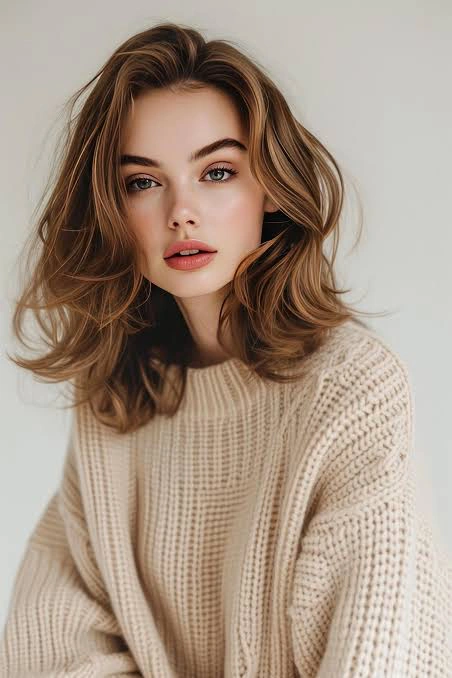 it’s looking surgically, medically, and digitally optimized while appearing completely effortless.
Is Synthetic Glam the Next Ideal?
Are we heading toward a future where human beauty is defined by how closely we can mimic a digital render?
Maybe for a moment. History shows that whenever beauty standards reach peak artificiality, a counter-reaction inevitably sets in. Just like "clean beauty" was a reaction to the heavy 2016 Instagram-glam era, we might soon see a rebellion against AI-perfected faces. Real texture, unique asymmetry, and actual human expression might become the ultimate luxury flex in an ocean of flawless renders.
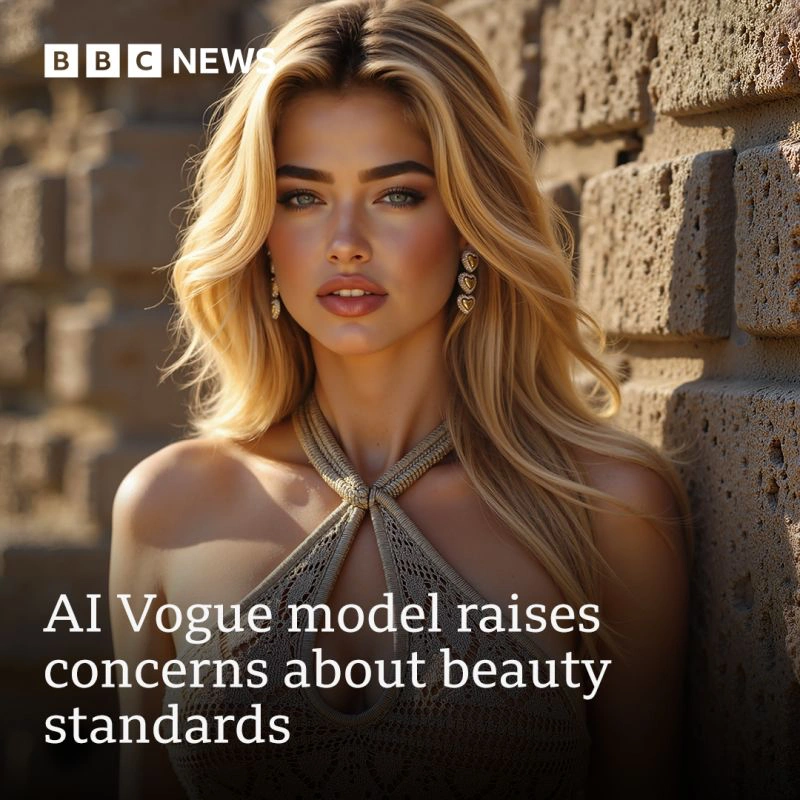
Until then, I’m going to remind my friends to step away from the glambot feeds, embrace their real pores, and remember: if a face looks too good to be true online, it’s probably just a really good GPU working overtime.
What do you think? Would you ever use an AI image of yourself as a reference for a cosmetic tweak, or are you tired of the poreless algorithms? Let's chat in the comments!
#AIBeauty #BeautyStandards #DigitalCulture #Skincare #AIGenerated









Login to comment.