The Symbolism of Apples in Pop Media

The Symbolism of Apples in Pop Media
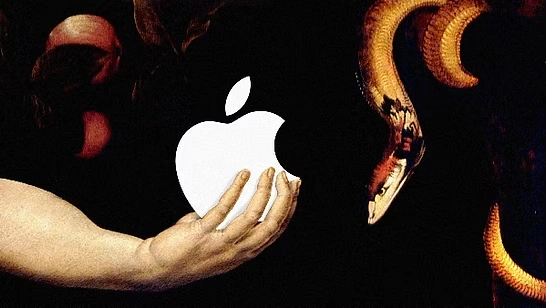
Some objects in popular culture carry far more meaning than their everyday function would suggest. A spinning top can represent the boundary between reality and dreams. A volleyball can become a companion. A plastic bag can become a symbol of beauty. The apple belongs to this category of objects whose significance stretches far beyond its practical use.
At first glance, it is simply a fruit. Yet across film, television, literature, mythology and music, the apple repeatedly appears as a powerful symbolic device. What makes it fascinating is its versatility. Unlike symbols that are tied to a single meaning, the apple constantly changes shape depending on the story being told. It can symbolise knowledge, temptation, friendship, greed, mortality, nature, rebellion and even immaturity.
 The Apple as Knowledge
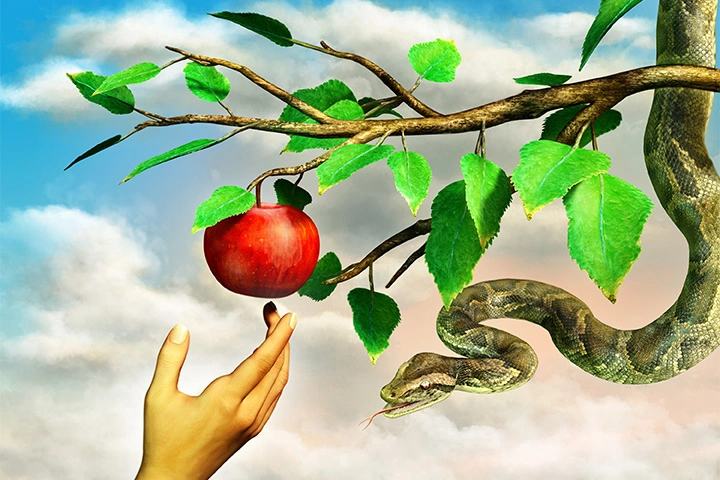
The most recurring interpretation of the apple is knowledge. Throughout the examples discussed in popular media, apples frequently appear when characters encounter information, awareness or understanding that changes their lives.
This symbolism is rooted in the enduring cultural association between apples and the acquisition of knowledge. Characters who interact with apples often find themselves confronting truths, making difficult choices or crossing boundaries that cannot be reversed. Once knowledge has been gained, there is no returning to a previous state of innocence.
The apple therefore becomes a visual representation of transformation. It marks the moment when someone learns something that alters how they understand the world.
Temptation and Forbidden Desire
Closely connected to knowledge is temptation. The apple often appears when characters are confronted with something alluring but dangerous.
The most famous example is the poisoned apple in Snow White. Although beautiful and inviting, it conceals a destructive force beneath its surface. Similar ideas appear repeatedly throughout popular culture. The apple is presented as an object that promises fulfilment while simultaneously carrying consequences.
This dual nature makes it particularly effective as a symbol. It represents the tension between desire and restraint, between curiosity and caution. Characters who reach for the apple are often reaching for something they know they should avoid.
 Why Villains Keep Eating Apples
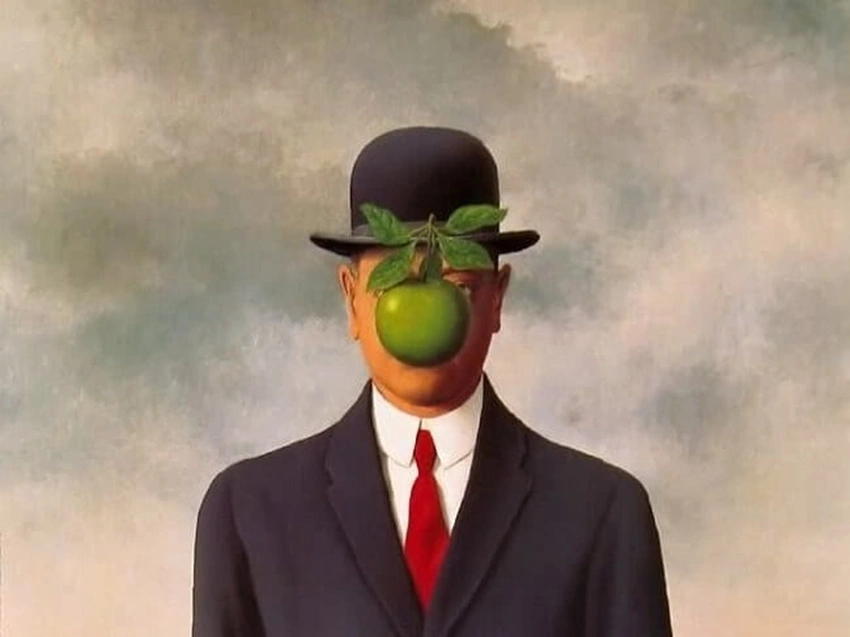
One of the most interesting observations is the recurring image of antagonists eating apples. Characters such as Draco Malfoy, Captain Barbossa and other villains are frequently shown casually biting into apples during moments of tension.
The act communicates more than simple hunger. Apples are hard fruits that require a forceful bite. They are also noisy. The crunch draws attention to itself and interrupts the atmosphere of a scene. When a villain casually eats an apple during an important conversation, it signals confidence and disregard.
The gesture suggests that the character is unconcerned by the situation around them. They appear to possess knowledge others lack or believe they already have the upper hand. The apple becomes a performance of dominance.
Apples as Trust and Connection
Not every apple in popular culture is associated with danger. Many stories use the fruit to symbolise friendship, trust and emotional connection.
A shared apple often functions as a simple gesture of goodwill. Offering an apple to another person creates a sense of intimacy and mutual understanding. In stories where relationships develop over time, apples frequently appear at moments when barriers begin to break down between characters.
The symbolism works because the apple is an everyday object. It is not extravagant or dramatic. Instead, it represents connection through ordinary acts of kindness.
 Greed, Desire and Distraction
Apples also appear as symbols of greed and temptation. Several myths and stories use apples as objects that distract characters from their goals or encourage them to pursue selfish desires.
The fruit often represents something attractive enough to pull a character away from what truly matters. Whether golden apples in mythology or coveted apples in fantasy narratives, the fruit repeatedly becomes an object that reveals human weakness.
What makes these stories compelling is that the apple itself is never evil. Instead, it exposes the desires that already exist within the character.
Rotten Apples and Moral Decay
If a fresh apple symbolises vitality, a rotten apple often symbolises corruption.
Popular culture repeatedly uses rotting apples as metaphors for damaged individuals, toxic relationships or flawed social systems. The image of something healthy deteriorating over time provides an effective way of visualising moral decline.
The phrase "rotten to the core" captures this symbolism perfectly. The decay is not superficial. It extends inward, suggesting a deeper corruption hidden beneath appearances.
The apple remains one of the most enduring symbols in popular media because it is capable of meaning so many different things at once. It can represent knowledge or ignorance, trust or betrayal, growth or decay, temptation or wisdom.
What makes the symbol particularly effective is its familiarity. Apples are ordinary objects found in everyday life. Because audiences immediately recognise them, storytellers can attach layers of meaning without lengthy explanation. For a fruit that spends most of its time in lunchboxes and orchards, it has lived a remarkably rich symbolic life in popular culture.
