Lorde’s “Virgin”: Messy, Haunting, Corporeal

Lorde’s “Virgin”: Messy, Haunting, Corporeal
Lorde’s “Virgin”: Messy, Haunting, Corporeal
Explore Lorde's progression in her latest album, Virgin. Dive into how her lyrics reflect deep emotions and influences that resonate with today’s youth.
As a postgraduate student of literature with an ever-deepening obsession with the poetics of pop, I’ve long been fascinated by Lorde, or Ella Yelich-O’Connor, who burst into cultural consciousness over a decade ago with Pure Heroine at just sixteen. Her music has always felt like annotated adolescence: filled with literary allusions, emotional specificity, and the kind of self-awareness that most pop stars spend a career trying to fake.
With Virgin, Lorde has shifted once again, but this time, not just stylistically. As someone who reads both novels and lyrics like confessionals, Virgin demands analysis. Here it is—an exploration, track by track, of Lorde’s boldest artistic swing yet.
 1. Hammer
The album opens in taut suspense: percussion snaps like tendon, and synths simmer in discomfort. It’s a raw assertion. While lyrics such as “When you are holding a hammer, everything looks like a nail” illuminate self-destructive behaviours, lyrics such as “Some days I’m a woman, some days I’m a man,” on the other hand, explain the reasons for her behaviour, alluding to a gender-dysphoric Ella figuring it out through industrial soundscapes.
 2. What Was That
A reflective electropop pulse, this second track recalls the aftermath of a relationship without nostalgia. Its danceable rhythm conceals introspection: Lorde is both the dancer and the audience, circling a memory in synthetic twelve‑step.
3. Shapeshifter
Arguably my favourite on the album, this song slithers in a liminal space, exploring gender fluidity, identity slipstream, and the instability of self. Its shifting synth lines feel like echoes in a performance art gallery. This is pop as fluid identity portraiture, where form fights with meaning and nothing ever resolves neatly.
4. Man of the Year
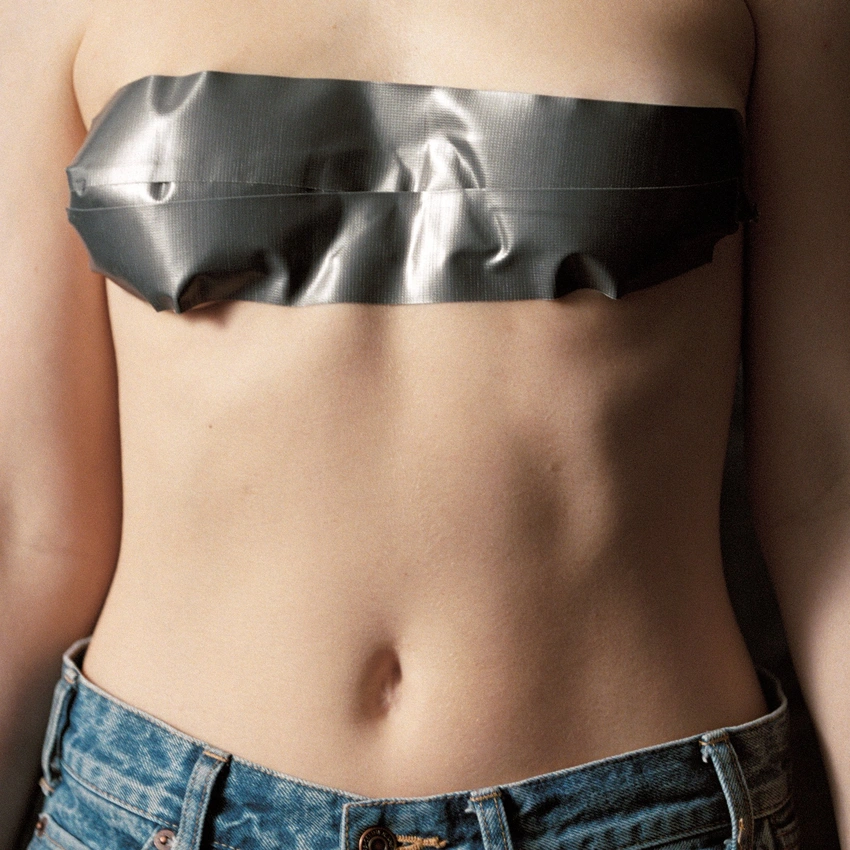
Here, Lorde toys with performative masculinity and the facades of fame. Drawing on her own experiences, like binding her chest with duct tape and wearing jeans, might feel revolutionary to the songwriter, but in reality feels insipid.
 5. Favourite Daughter
Tender and quiet, this track reads like a private confession scribbled in an abandoned journal. Themes of legacy and filial pressure take centre stage, voiced softly as a love letter to her mother, a renowned poet in New Zealand.
6. Current Affairs
This is where the album falters. On a record built around ethical embodiment, this track feels like a conceptual misstep. Invoking Pamela Anderson’s revenge‑porn trauma as a lyrical metaphor doesn’t interrogate voyeurism; rather, it aestheticises it.
Here’s the problem: Anderson’s trauma, decades of humiliation and violation, has already been re-sensationalised by the media countless times. To repurpose it as a conceptual motif in a pop song, divorced from the reality of her suffering, feels exploitative rather than illuminating. There’s a line between artistic license and ethical responsibility, and here Lorde seems to overstep it. It left me wondering: in an album otherwise committed to truth-telling, why invoke someone else’s trauma so carelessly?
 7. Clearblue
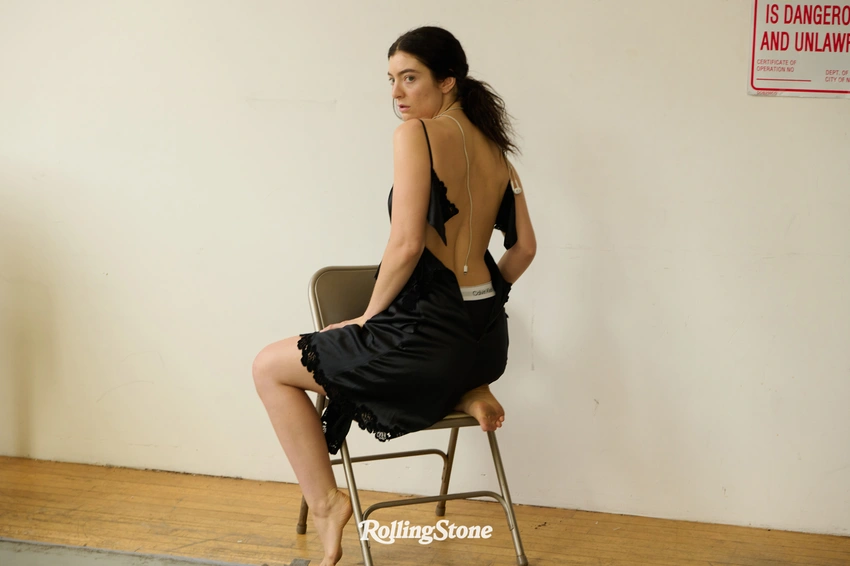
Under two minutes, its raw lyrical candour reads like an audio poem: stark, bodily, unfiltered, talking about having unprotected intercourse. It is a divisive subject, and Lorde is in her right to posit her stance on her personal experiences, without having to think about people’s opinions. While I applaud her for the rawness, a quality that has come to describe the album majorly, it feels immaterial.
8. GRWM
Serving as an acronym for “grown woman”, it translates the banal beauty‑ritual trope into an uneasy ritual of identity construction. The swelling synths and percussion mimic highlighter and hairspray; behind the vanity lies performative anxiety, which feels genuine, but lacks emotional nuance.
 9. Broken Glass
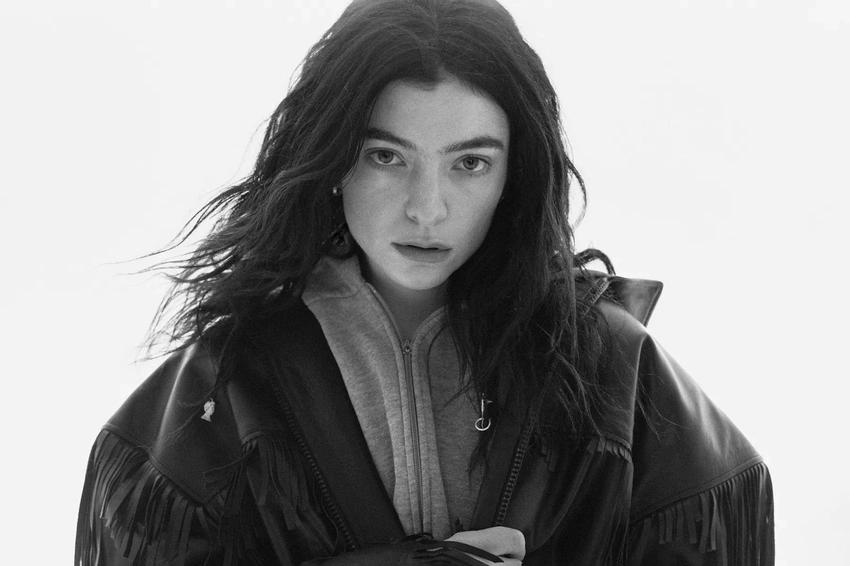
A career highlight and a profound meditation on her struggling relationship with her body image and dysphoria. Lyrics such as “It might be months of bad luck, but what if it’s just broken glass” prove the observant, skilled songstress that lies beneath all the mess in the album.
10. If She Could See Me Now
An interpolation of Baby Bash’s smooth hook is dragged through Lorde’s fractured prism here. The track feels like a celebration of her own strength and resilience since her onset of fame at sixteen: a gentle pat to her younger self.
11. David
The closing track is ghostly. Lorde’s vocals drift over sparse synth and distant percussion, giving the impression of a conversation half‑remembered to a toxic past relationship with a power imbalance. No resolution, only distance.
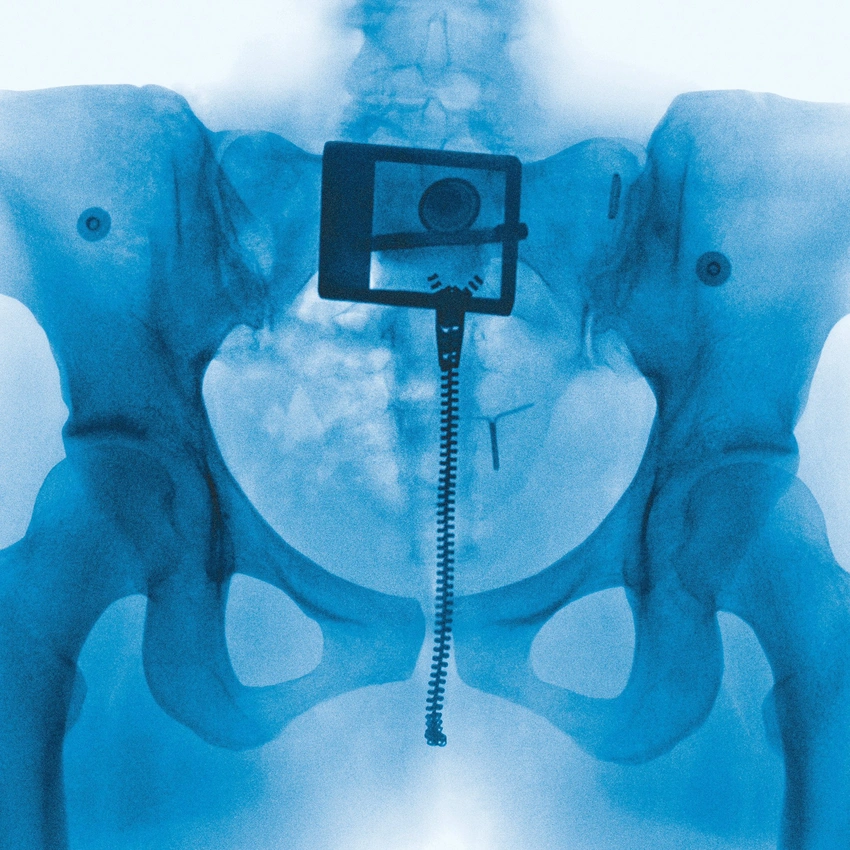 Themes of physicality run through the album like a pulse. Instead of the metaphorical introspection that marked her earlier work, Lorde dives into flesh and blood—pain, pleasure, hormones, and all the unglamorous in-betweens. The album doesn’t ask for permission to be vulnerable; it simply is.
This is not to say that Virgin lacks polish, but its shine is unconventional. The vocals are foregrounded and often isolated, allowing her words to feel even more intimate. Some tracks stand out for their immediacy, while others unfold more slowly. The pacing can feel uneven; there’s a stretch in the middle that seems to sag a bit. This is an album that demands active listening; you can’t skim it in the background. But when it clicks, it hits hard.
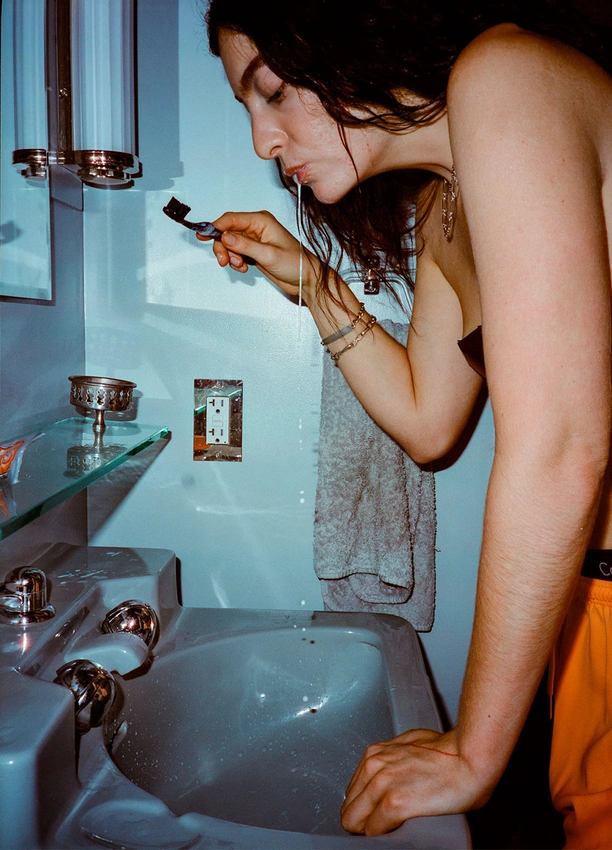 Even the album’s visual aesthetic. Its stark cover image, its absence of glamour, is part of this larger project. It signals a shedding of artifice, a desire to be seen not as a polished product, but as a person in the midst of becoming. For an artist who rose to fame as a teenager and has spent the last decade being dissected by media and fans alike, this feels like both a risk and a declaration.
In the end, Virgin feels like a reclamation. It’s a reminder that transformation is rarely clean, where beauty often emerges from chaos, and your messy, hormonal, complicated body is a site of endless power. This isn’t the album you put on to feel good. It’s the one you put on to feel real.
And maybe that’s exactly what we need right now.
