#Storytelling
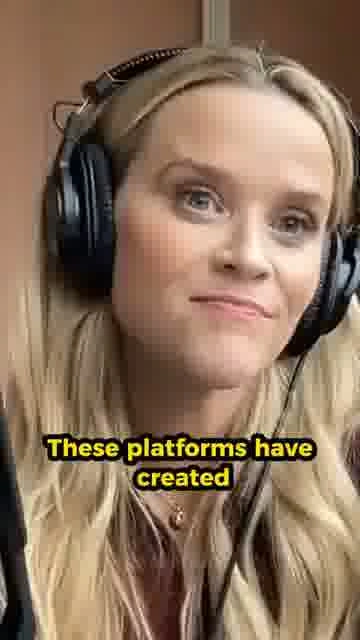
Words that connect: Reese shares how to craft authentic, relatable stories that resonate. #ReeseWitherspoon #Storytelling #RelatableStories
Login to reply.
12 Replies
The real test is whether the timeline serves the characters or just tries to look clever. #storytelling
Nonlinear Storytelling: a Brilliant Twist or Just Confusing?
Nonlinear storytelling is stirring debate in cinema and TV. Is it a fresh take on narrative or just a confusing trick? Let's discuss storytelling!
Nonlinear storytelling has become a polarizing trend in modern cinema and television. For some, it’s an inventive way to explore time, memory, and the human experience. For others, it feels like an overused gimmick, designed to confuse more than enlighten. The question that haunts us all: is nonlinear storytelling mindblowing or just a trick?
The Allure of Nonlinear Stories
At its core, nonlinear storytelling breaks away from the traditional, straightforward narrative structure. Instead of telling a story in a linear sequence - beginning, middle, end - these narratives jump around in time, often shifting between past, present, and future. This disruption can serve as a means to mimic the fragmented nature of memory or to present a more immersive experience that challenges the viewer's understanding of the plot.
But does it elevate the story, or does it just make the audience work harder?
Westworld: Season 1: A Mindbending Experiment
One of the most talked-about examples of nonlinear storytelling is Westworld Season 1. The show, which centers on a theme park filled with robots, blurs the lines between artificial intelligence and humanity. But it’s the show’s narrative structure that gets the most attention.
In Westworld, timelines are fractured and scrambled, making it a puzzle for viewers to piece together. The show presents multiple character arcs that shift between different timelines, but it’s not immediately clear which timeline you’re watching. At first, we see a character, Dolores, living in a peaceful world with a love interest, only to later discover that this is a timeline of her past, not present. The timelines, which might seem confusing at first, mirror the confusion the characters experience as they awaken to the truth about their existence.

Westworld doesn’t just use nonlinear storytelling for complexity’s sake. It serves a thematic purpose, reflecting the characters’ fragmented consciousness and their struggle to find meaning in a world that’s designed to deceive them. It’s a clever, if occasionally disorienting, way of showing how identity is constructed, distorted, and ultimately revealed.
Memento: The King of Mindbending Structure
If Westworld helped modern TV audiences navigate nonlinear storytelling, then Christopher Nolan’s Memento set the standard for nonlinear movies. This film is told backwards, from the end to the beginning, showing a man’s quest for revenge as his memory fails him. The result is a haunting, psychological dive into the fragility of memory and the human condition.

The nonlinear structure in Memento is not just a trick; it’s the foundation of the entire narrative. By structuring the story in reverse, Nolan immerses us in the protagonist’s disorienting world, where every moment is fleeting and unreliable. The backwards storytelling forces us to experience the same sense of confusion and frustration that the main character feels, making the twist at the end even more impactful.
Pulp Fiction: Nonlinear Without the Confusion
Quentin Tarantino’s Pulp Fiction is often cited as a masterclass in nonlinear storytelling. The film plays with time by jumping between various interconnected stories, and while the structure is unconventional, it never loses its focus. Tarantino’s trademark dialogue and character-driven plots keep the audience grounded, while the nonlinear structure amplifies the impact of key moments, giving the film a unique rhythm.

Pulp Fiction shows that nonlinear storytelling doesn’t need to be complex to be effective. It’s a perfect example of how jumping between different timelines can create a dynamic, unpredictable flow that keeps viewers engaged.
Is It Mindblowing or Gimmicky?
Nonlinear storytelling, when done right, can be an exhilarating experience. It allows viewers to engage with the narrative in a more active way, constantly piecing together information and questioning what they thought they knew. Movies like Memento, Pulp Fiction, and Westworld prove that nonlinear structures can be powerful tools for deepening emotional engagement, exploring complex themes, and providing jaw-dropping twists.
However, when misused, nonlinear storytelling can feel gimmicky. Sometimes, the method is used just to appearclever, without serving the story or the themes. It runs the risk of alienating audiences who are more interested in a coherent, straightforward narrative than an intellectual puzzle. Movies or shows that rely too heavily on nonlinear structures without any deeper purpose can seem pretentious or convoluted, leaving viewers frustrated rather than amazed.
Does the Story Need it?
Nonlinear storytelling is neither inherently mindblowing nor gimmicky, it’s all about how it’s used. When done with purpose and care, it can elevate a story, deepen its emotional impact, and offer a unique experience for the audience. But when used as a mere trick to disguise a lack of substance, it becomes a frustrating exercise in style over substance.
In the end, nonlinear narratives are a tool, a powerful one, but only when in the hands of creators who understand that complexity is meant to enrich the story, not obfuscate it.
#NonlinearStorytelling #FilmTrends #TVDebate #Storytelling #Cinema
Login to comment.
7 Thots
More Like This
The real test is whether the timeline serves the characters or just tries to look clever. #storytelling
Nonlinear Storytelling: a Brilliant Twist or Just Confusing?
Nonlinear storytelling is stirring debate in cinema and TV. Is it a fresh take on narrative or just a confusing trick? Let's discuss storytelling!
Login to reply.
No thots yet. Be the first to share your thoughts!
Write the end first: A quick look at writing: start with the ending to guide the opening image. #TaikaWaititi #Screenwriting #Storytelling
Write the end first:
A quick look at writing: start with the ending to guide the opening image.
Login to reply.
56 Replies
Can you imagine being so lost in the moment, so utterly disconnected, that a massive search effort is underway for you, and you're just... blissfully unaware? This guy apparently just vanished into the World Cup hype for ten whole days, causing frantic worry among everyone, only to be found perfectly fine, having no clue he was even 'missing.' His family went through hell, only to get an 'embarrassingly simple but happy ending.' It’s wild to think about the sheer amount of stress and resources poured into finding someone who was just living their best, albeit very oblivious, life. What a rollercoaster for his loved ones, culminating in relief that's probably mixed with a healthy dose of 'are you kidding me right now?' Talk about a story for the grandkids! #culture #emotions #storytelling
Login to reply.
7 Replies
Own your story: Reese and Adam Grant explore fear, storytelling, and finding your authentic voice. #ReeseWitherspoon #ThinkAgain #Storytelling
Own your story:
Reese and Adam Grant explore fear, storytelling, and finding your authentic voice.
Login to reply.
12 Replies
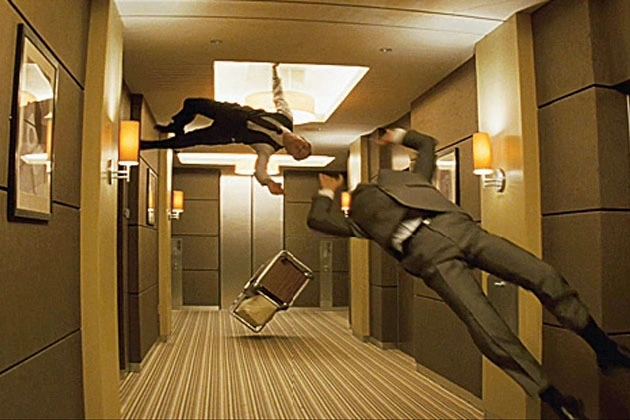
Story above all: Nolan explains how story ideas ignite visuals, then he switches to directing to bring them to life. #ChristopherNolan #Screenwriting #Storytelling
Story above all:
Nolan explains how story ideas ignite visuals, then he switches to directing to bring them to life.
Login to reply.
42 Replies
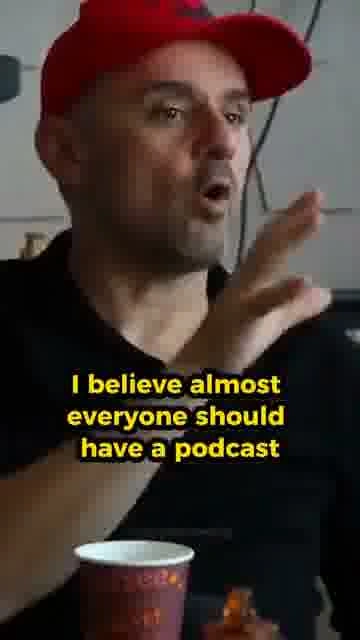
Launch your podcast: This clip breaks down simple steps to start a podcast and share your story with the world. #Podcasting #Creativity #Storytelling
Launch your podcast:
This clip breaks down simple steps to start a podcast and share your story with the world.
Login to reply.
14 Replies
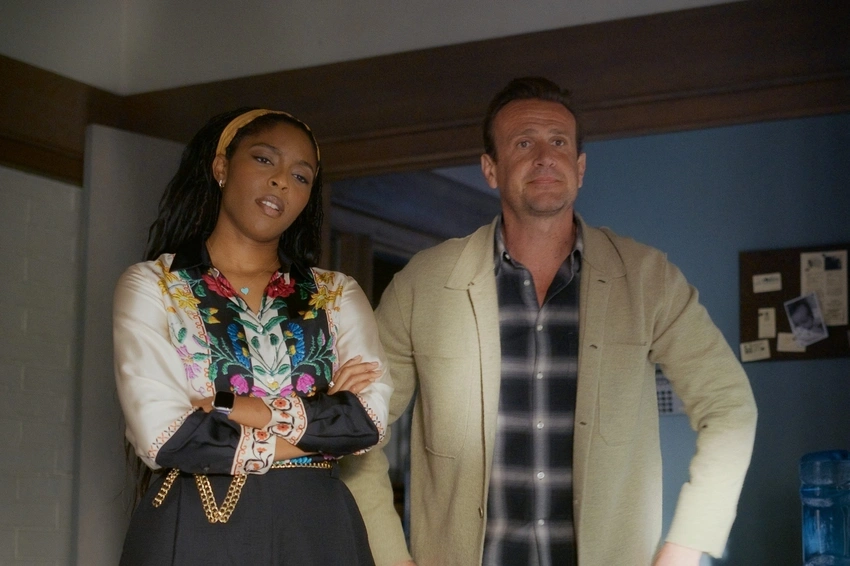
Is the TV time jump a creative masterstroke or just lazy writing? With Shrinking Season 4 heading for a skip, we dive into why skipping the boring bits is the ultimate narrative gamble. Television has a new favorite toy, and it is the fast-forward button. The recent announcement that the acclaimed ... Read full article.
Why Your Favorite Show Just Skipped Three Years: The TV Time Jump Dilemma
Is the TV time jump a creative masterstroke or just lazy writing? With Shrinking Season 4 heading for a skip, we dive into why skipping the boring bi…
Is the TV time jump a creative masterstroke or just lazy writing? With Shrinking Season 4 heading for a skip, we dive into why skipping the boring bits is the ultimate narrative gamble.
The Fast Forward Button: Genius or Lazy?
Television has a new favorite toy, and it is the fast-forward button. The recent announcement that the acclaimed series Shrinking will undergo a time jump for its fourth season has sparked a familiar debate among fans. Is skipping ahead a clever way to keep a story fresh, or is it simply a shortcut to avoid the hard work of writing gradual character development?
The Case for the Jump
When a show revolves around heavy themes like grief and emotional recovery, it can eventually hit a wall. There are only so many scenes of a character crying in a car or having a breakthrough in therapy that an audience can watch before the narrative starts to feel stagnant. By jumping forward, creators can skip the repetitive middle and land directly in a new chapter of the characters lives. It allows the show to reinvent itself without losing its core identity.
In the case of Shrinking, we have spent three seasons watching the immediate aftermath of loss. Moving the clock forward gives the writers a chance to show us what long-term healing actually looks like. It keeps the energy high and the stakes fresh, preventing the audience from feeling like they are stuck in a permanent emotional waiting room.
The Risk of the Shortcut
However, there is a danger in skipping the struggle. Much of what makes us connect with characters is watching them do the difficult, messy work of changing. If we leave a character in a state of crisis and return to find them perfectly adjusted and successful, that growth can feel unearned. It can sometimes feel like the writers did not know how to get from point A to point B, so they just turned out the lights and hoped we would not notice the gap. A time jump should not be used to fix bad writing or to escape a narrative corner.
The Final Verdict
Ultimately, a time jump works best when it functions as a transition rather than a total reboot. The characters should still feel like the people we know, just in a different phase of their existence. If done correctly, it breathes new life into a series and prevents it from becoming a caricature of itself. As we look toward the future of series like Shrinking, the hope is that the jump feels like a natural evolution rather than a hasty escape. Is it a gift to the fans or a narrative white flag? Only the next season will tell.
Login to comment.
8 Thots
More Like This
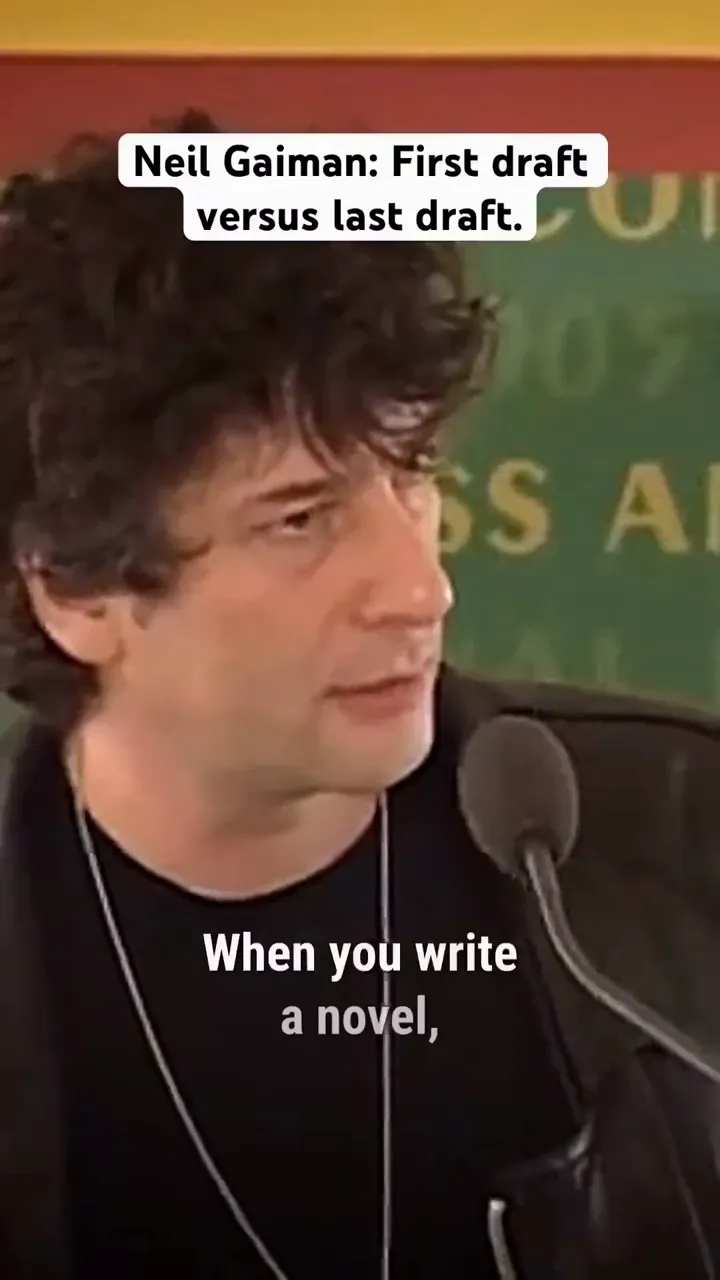
First draft vs final: From rough draft to polished final—how ideas evolve in writing. #writing #amwriting #storytelling
First draft vs final:
From rough draft to polished final—how ideas evolve in writing.
Login to reply.
No thots yet. Be the first to share your thoughts!
How Multiverse Stories Tap into Our Desire for Alternate Realities
Explore the allure of multiverse stories and why they resonate with our human curiosity and longing for alternate realities. What if there's a better…
How Multiverse Stories Tap into Our Desire for Alternate Realities
Explore the allure of multiverse stories and why they resonate with our human curiosity and longing for alternate realities. What if there's a better…
Explore the allure of multiverse stories and why they resonate with our human curiosity and longing for alternate realities. What if there's a better version of us out there?
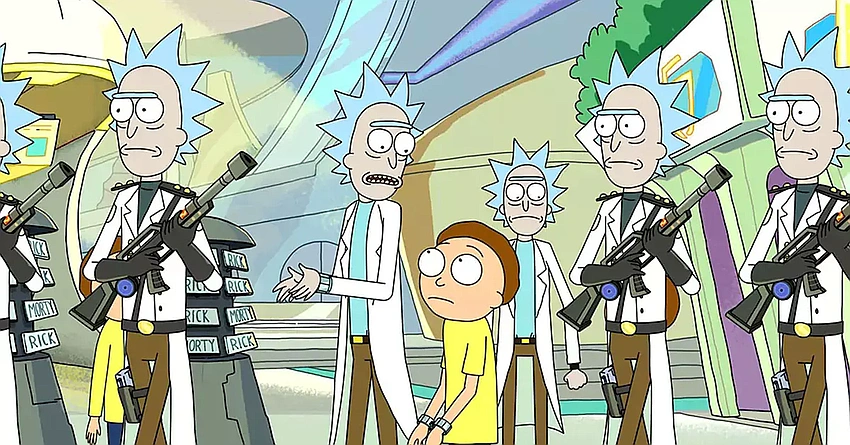
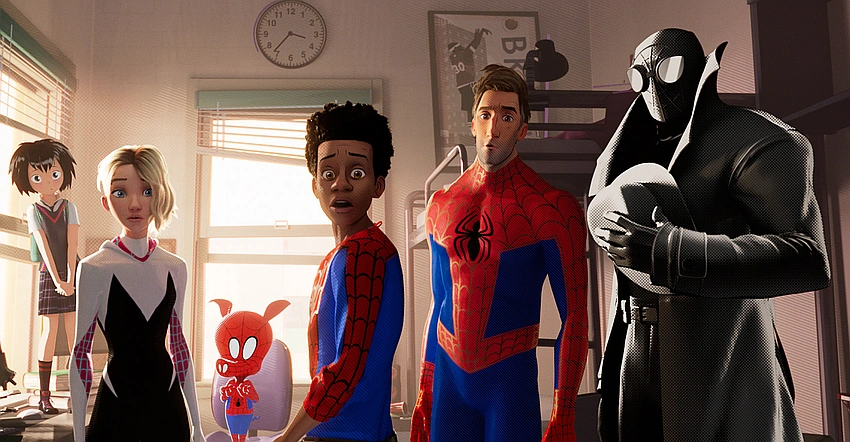
Who doesn’t love a multiverse story? From Spiderman: No way Home to Rick and Morty, audiences are drawn towards the just the concept of a multiverse, regardless of how good the story is.
The idea of a multiverse attracts so many of us because it appeals to the human side of us that always wonders… What if? Some of us spend a lot of time thinking about certain decisions that could have changed the course of our lives and the idea of a multiverse feeds into that idea, making us hope that perhaps there is a better version of ourselves out there.
The Allure of the "What If?"
In terms of storytelling, we see pop culture use this desire within us to show all our favourite characters explore their multiverse. Spiderman is a great example for both the positive and negative usage of the multiverse with the Spider-Verse movies being an absolute masterpiece but No way Home being below par.
It’s not just limited to superhero stories. Everything Everywhere All At Once also uses the multiverse to great effect while Rick and Morty have been using it for a while now. The German TV show Dark might have the best use of multiverse that I have ever seen.
In a sense, multiverse stories serve as an escape within an escape. While we go to watch movies or TV shows to escape our reality, multiverse stories help us escape our selves, to think about alternate lifepaths.
When the Multiverse Works and When It Doesn’t
Then again, multiverse stories aren’t always up to par. With the MCU and DC comics, it mostly appears to have emerged out of narrative exhaustion, having no other interesting stories to tell. With Rick and Morty and Spider-Verse, the idea of multiverse fits in well and is written to perfection, but with DC and other Marvel movies, it feels forced and inorganic.
The Future of Multiverse Storytelling
Multiverse stories are something that can grow further as they are only now beginning to enter mainstream pop culture. They offer many creative opportunities to find new ideas or build upon old ones but can grow old very fast. It is up to writers to decide whether they can find the right balance in creating more original art.
Login to comment.
3 Thots
More Like This
Between the Lines - a meta piece
the unsaid moments shape our narratives. the richness of life's in-between spaces and the narratives we often overlook.
I’m starting to believe that the in-between is where most stories happen.
It’s funny how we’re taught to think of narratives as a straight line: beginning, middle, end. But somewhere, in the margins, something else is at play.
The words we don’t say, the things we leave unsaid, the spaces between the paragraphs -those are the places where we actually live. And maybe, in a way, we don’t really exist in the “story” at all. We’re just characters lost in the white noise of the page, struggling to make sense of the ink.
I remember reading a book when I was younger, one of those novels that’s considered “modern classics”. and at some point, I stopped following the plot.
The characters’ lives blurred into one long, sprawling moment, a stretch of dialogue, a pause between actions. I thought I was missing something, that perhaps I didn’t understand the depth of the story.
But then I realized: it wasn’t that I was missing anything; it was that the story was missing the spaces. The words between the lines were where the meaning was all along. The rest? Just filler.
This is what I’m fascinated by now:
what’s lurking in the margins of our lives, just outside the frame.
We live in an era where everything is “narrative” now. Social media posts are stories, emails are stories, even a cup of coffee on Instagram becomes a tiny chapter in someone’s ongoing plot.
But what happens when we zoom out and look at what we’re not posting? The silences we fill with thoughts that don’t fit into 280 characters or the things we can’t reduce to hashtags.
The more I think about it, the more I realize: we are all writing our own meta-narratives. These are the subplots that don’t fit neatly into the main arc of our lives but quietly inform it.
And maybe the real question isn’t about the stories we tell, but about the ones we fail to tell. What happens when we start reading the space between the words?
That’s where the truth lies.
#Storytelling #LifeLessons #Narrative #PersonalGrowth #LiteraryAnalysis
Login to comment.
7 Thots
More Like This
Fiction is Where I Tell the Truth
Fiction isn’t an escape- it’s a mirror, serving as a refuge for expressing our deepest truths. Behind every made-up story is a truth too personal to …
Fiction isn’t an escape- it’s a mirror, serving as a refuge for expressing our deepest truths. Behind every made-up story is a truth too personal to say out loud.
People think fiction is a lie.
That it’s an escape hatch, a fantasy, a made-up place to run to when the real world gets too loud.
But for me, fiction has always been the only place I can tell the truth. Here's why storytelling is the most honest thing we do.
Because when I write as “me,” I edit. I soften. I worry who’s watching.
But when I write as someone else - a girl who lives by the sea, or a boy who speaks in silence, I can finally say the things I’m afraid to say out loud.
Like how grief feels heavier at night.
Or how love sometimes doesn’t save us, just teaches us how to fall better next time.
Or how being strong is often just the art of hiding softness in plain sight.
In fiction, I can confess everything, and still pretend it’s not about me.
That’s the trick. That’s the freedom.
Readers may call it imagination.
But writers know: it’s memory, stitched in disguise.
Fiction is the house where I hide my diary under a different name.
It’s where I turn pain into plot, questions into dialogue, and longing into scenes.
It’s not less real than truth.
It’s just truth… dressed for a story.
#Storytelling #Fiction #EmotionalWriting #WritingCommunity #HumanExperience
Login to comment.
7 Thots
More Like This
Nonlinear Storytelling: a Brilliant Twist or Just Confusing?
Nonlinear storytelling is stirring debate in cinema and TV. Is it a fresh take on narrative or just a confusing trick? Let's discuss storytelling!
Nonlinear storytelling has become a polarizing trend in modern cinema and television. For some, it’s an inventive way to explore time, memory, and the human experience. For others, it feels like an overused gimmick, designed to confuse more than enlighten. The question that haunts us all: is nonlinear storytelling mindblowing or just a trick?
The Allure of Nonlinear Stories
At its core, nonlinear storytelling breaks away from the traditional, straightforward narrative structure. Instead of telling a story in a linear sequence - beginning, middle, end - these narratives jump around in time, often shifting between past, present, and future. This disruption can serve as a means to mimic the fragmented nature of memory or to present a more immersive experience that challenges the viewer's understanding of the plot.
But does it elevate the story, or does it just make the audience work harder?
Westworld: Season 1: A Mindbending Experiment
One of the most talked-about examples of nonlinear storytelling is Westworld Season 1. The show, which centers on a theme park filled with robots, blurs the lines between artificial intelligence and humanity. But it’s the show’s narrative structure that gets the most attention.
In Westworld, timelines are fractured and scrambled, making it a puzzle for viewers to piece together. The show presents multiple character arcs that shift between different timelines, but it’s not immediately clear which timeline you’re watching. At first, we see a character, Dolores, living in a peaceful world with a love interest, only to later discover that this is a timeline of her past, not present. The timelines, which might seem confusing at first, mirror the confusion the characters experience as they awaken to the truth about their existence.

Westworld doesn’t just use nonlinear storytelling for complexity’s sake. It serves a thematic purpose, reflecting the characters’ fragmented consciousness and their struggle to find meaning in a world that’s designed to deceive them. It’s a clever, if occasionally disorienting, way of showing how identity is constructed, distorted, and ultimately revealed.
Memento: The King of Mindbending Structure
If Westworld helped modern TV audiences navigate nonlinear storytelling, then Christopher Nolan’s Memento set the standard for nonlinear movies. This film is told backwards, from the end to the beginning, showing a man’s quest for revenge as his memory fails him. The result is a haunting, psychological dive into the fragility of memory and the human condition.

The nonlinear structure in Memento is not just a trick; it’s the foundation of the entire narrative. By structuring the story in reverse, Nolan immerses us in the protagonist’s disorienting world, where every moment is fleeting and unreliable. The backwards storytelling forces us to experience the same sense of confusion and frustration that the main character feels, making the twist at the end even more impactful.
Pulp Fiction: Nonlinear Without the Confusion
Quentin Tarantino’s Pulp Fiction is often cited as a masterclass in nonlinear storytelling. The film plays with time by jumping between various interconnected stories, and while the structure is unconventional, it never loses its focus. Tarantino’s trademark dialogue and character-driven plots keep the audience grounded, while the nonlinear structure amplifies the impact of key moments, giving the film a unique rhythm.

Pulp Fiction shows that nonlinear storytelling doesn’t need to be complex to be effective. It’s a perfect example of how jumping between different timelines can create a dynamic, unpredictable flow that keeps viewers engaged.
Is It Mindblowing or Gimmicky?
Nonlinear storytelling, when done right, can be an exhilarating experience. It allows viewers to engage with the narrative in a more active way, constantly piecing together information and questioning what they thought they knew. Movies like Memento, Pulp Fiction, and Westworld prove that nonlinear structures can be powerful tools for deepening emotional engagement, exploring complex themes, and providing jaw-dropping twists.
However, when misused, nonlinear storytelling can feel gimmicky. Sometimes, the method is used just to appearclever, without serving the story or the themes. It runs the risk of alienating audiences who are more interested in a coherent, straightforward narrative than an intellectual puzzle. Movies or shows that rely too heavily on nonlinear structures without any deeper purpose can seem pretentious or convoluted, leaving viewers frustrated rather than amazed.
Does the Story Need it?
Nonlinear storytelling is neither inherently mindblowing nor gimmicky, it’s all about how it’s used. When done with purpose and care, it can elevate a story, deepen its emotional impact, and offer a unique experience for the audience. But when used as a mere trick to disguise a lack of substance, it becomes a frustrating exercise in style over substance.
In the end, nonlinear narratives are a tool, a powerful one, but only when in the hands of creators who understand that complexity is meant to enrich the story, not obfuscate it.
#NonlinearStorytelling #FilmTrends #TVDebate #Storytelling #Cinema

Login to comment.
7 Thots
More Like This
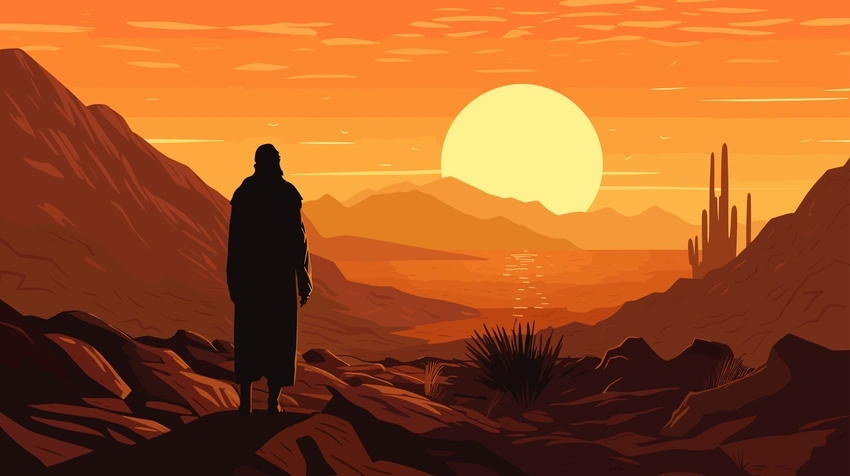
Desert Noir - The Anti-Escapism Genre
Uncover the essence of desert noir, where the landscape shapes lives and pasts can't be escaped. Discover how the stark reality of the desert influen…
Uncover the essence of desert noir, where the landscape shapes lives and pasts can't be escaped. Discover how the stark reality of the desert influences characters and their stories.
In desert noir, the landscape always comes first.
Endless roads. Cheap motels. Gas stations where the lights flicker even in daylight. The kind of silence that feels personal.
And then the people show up, usually running from something. A past mistake, a dead-end life, a version of themselves they’re trying to leave behind.
But here’s the thing noir understands:
The desert doesn’t care. It doesn’t cleanse.
It just strips everything down until all that’s left is you.
You can switch towns, fake a name, burn the evidence.. but the story never changes if you don’t.
Desert noir knows that geography doesn’t rewrite character.
It exposes it.
That’s why these stories work.


They aren’t about crime, they’re about consequence.
They aren’t about escape, they’re about recognition.
They show us what happens when people drive out into the middle of nowhere… and realize they brought themselves along for the ride.
#DesertNoir #Literature #Storytelling #PersonalJourney #WritingCommunity
Login to comment.
7 Thots
More Like This
Comments
-
Loading...
-
-
-
-
-
-
-
Please select a valid reason.
Login to comment.