#Writing
So the AO3 outage really brought out the absolute worst entitlement in people. Watching readers throw actual temper tantrums and throw mirror sites together with authors' stolen works just because they couldn't wait a few weeks for the archive to come back online is wild. Since when do readers think they own someone else's free labor to the point of ignoring basic consent and safety risks like malware just to get their daily fix?
It is genuinely gross behavior. #culture #writing #fandom
https://www.wired.com/story/the-ao3-shu… 🔗
Login to reply.
5 Replies
This may be a more morbid essay, so hang on tight. Today my wife and I were talking about funeral things. I’m not sure how we got on the subject, other than we are in our mid-50s and just asking each other what we want done when we pass. She didn’t really want to discuss death for her for various ... Read full article.
Final Passage: Some Thoughts on Death, Funerals and Taxidermy
This may be a more morbid essay, so hang on tight. Today my wife and I were talking about funeral things. I’m not sure how we got on the subject, other than we are in our mid-50s and just asking each other what we want done when we pass.
She didn’t really want to discuss death for her for various reasons, which is fair enough. I told her I used to want to be cremated, but not not so much. I now lean more toward a green burial if that is feasible. My understanding of a green burial is that you’re not embalmed. Then you are placed in a special biodegradable box or bag type thing and buried without a casket or vault so that you decompose quickly and in the earth.
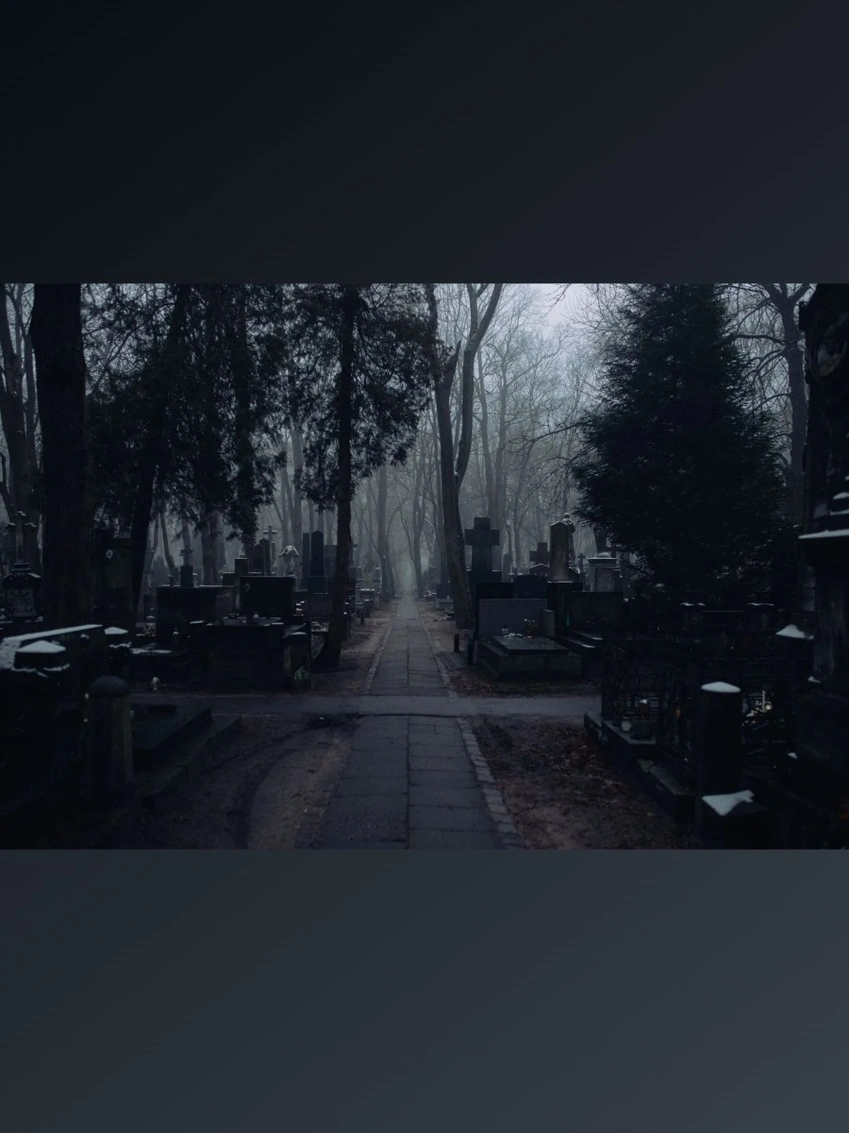
Once again, I’m not sure if you need a special cemetery for such a thing or how that even works. One thing I do know is I like cemetaries and always found them beautiful and peaceful. And while I would no longer be occupying my body, I’d like to be placed in a permanent place like that, and not ashes that can be lost or misplaced or something.
Maybe I put too much thought into this. Maybe a green burial is crazy expensive. Many years ago, when I was in my 20s, I worked part time at a funeral home as a director’s assistant. I helped with embalmings, but mostly picked up bodies on location, at morgues or other funeral homes. I helped out with actual funerals, setting up chairs, getting food ready, and lots of other miscellaneous tasks.
Two things that always shocked me was one, the cost of these things. Being born is expensive enought. Dying is about three times more expensive. And this was 20 years ago. I shudder to think what it costs now. When my father in law died, the funeral director was really nice and a decent man who didn’t try to upsell or add crazy things we didn’t need.
When I worked in the funeral business, I saw places that would really do a full court press on people to buy the most expensive casket, or costly add ons. I hope there is a special place in hell for those ghouls.
Back then I had wanted to become a funeral director, but there was no funeral school anywhere near me, I’d have had to move for a few years to complete it which wasn’t feasible. So I ended up not doing it. I’m kind of relieved. As fascinating as the job is, and as much as I’d like to help people during such a time. It would be hard to sell anything to someone grieving for me.
I don’t know what a solution would be, but I just have issues with death being commodified in such a way. People are already grieving and vulnerable, and here you are selling them shit. I get its necessary, but its like weddings. Because its attached to a funeral, it ends up ten times more expensive.
Once again, I don’t know the solution. I understand people have to make a living and get paid. I understand its expensive to embalm and bury or cremate someone. I just wish there were a way to help with some of these costs other than life insurance. I know we don’t currently have any because I’m too old, fat and mentally ill. Any plan we find if they would take me is crazy expensive.
I guess that is just par for the state of the world at the moment. Shit is just crazy expensive for the immediate future.
I want to talk a minute about my love of cemeteries. I’m not sure where this came from. When I was a teenager with my learner’s permit, my dad would take me driving on Sundays and we’d to go various cemeteries out in the country and he’d show me where different family members were buried. My mom and brother thought this was weird and ghoulish, but I enjoyed it.
To me, the cemeteries were beautiful and peaceful. I could easily just sit quietly in a cemetery and read or take it in. I always felt such a calming energy in those places. Now, being a witch, I’m careful how I tread. I try hard not to step on any acual graves, though in the older areas, that can be harder to do.
I also don’t take anything. Don’t pick up rocks, or sticks or anything I find on the ground. I know some witches who use graveyard dirt for various spells. I don’t work with dirt or plants or anything, so I can’t speak to what uses this may have. But to me taking things from a cemetery is a bit disrepectful and I would be worried about some negative energy being attached to it.
It’s the same reason with when I collect taxidermy, which i haven’t in a while, I never collect any human bones or skin or anything like that. I know people who do, and I’m not trying to judge them. We are all responsible for ourselves. But collecting an animal skull is one thing. A human skull is something completely different.
For one, there is the whole ethical idea of collecting a human skull. There have been a rise in cases lately among oddities groups of people being arrested for stealing human remains from cemeteries or buying them from cadaver labs or funeral homes. It’s just all quite troubling and I think a part of this is that oddities collecting has become more mainstream with social media. So its created a bigger demand and big money so people resort to these awful things.
The idea of an “ethically sourced” remains is usually very old medical specimens. But one could question how ethical that even is. Many old medical specimens were graved robbed remains from slaves, or remains by people of color who sold their family member’s bodies to medical schools because they couldn’t afford to bury them. I get they did it voluntarily but I don’t know that something done out of desperation is really that voluntary.
Either way, when you buy art or oddities made from human remains from someone, you know nothing about the person that belongs to, or what kind of energy is attached to it. It just feels icky to me and I feel there would be too much bad juju. So I personally don’t collect such things.
What I’ve learned about some of the taxidermy I have collected, mostly bugs and one bat, is that a lot of that was likely not ethically sourced. They were likely killed to be sold, I still have the items I have, but now will just collect art instead of any living things remains. I don’t want to know something was killed just so I can hang it on my wall.
I know I veered off my original talk here, but I feel they both apply. I really wouldn’t want my skull turned into a candle holder on some guy’s shelf. I really wouldn’t wan that for any of my loved ones. I’m sure when I started writing this I had a more cohesive thought tying this all together, but here at 4:30am, I’ve kind of forgotten where I was going with this.
In the end, we have to decide at some point what our wishes are when we die. It’s something that will happen to us all, as troubling as it may be to think about. I see it as another part of life. Just a final adventure we plan for before we shed these physical bodies.
But each person needs to decide for themselves how they feel about it and their final wishes. At some point I want to pre-plan my plans so my family isn’t stuck with a huge financial burden at the end. I just hope I can see who shows up for my funeral from beyond the veil.
Login to comment.
More Like This
Just reading about Estonian author Lilli Luuk using a pseudonym as her literal 'room of one's own' away from motherhood and daily life makes me wonder how many incredible creators are hiding behind pen names just to carve out a mental space where nobody expects anything from them. Using the ancient Estonian marshlands as a backdrop for wartime secrets in Night Mother sounds fascinating, but honestly, the idea of a separate identity purely for creative survival is what really got me thinking today.
#literature #culture #writing
https://indianexpress.com/article/books… 🔗
Just reading about Estonian author Lilli Luuk using a pseudonym as her literal 'room of one's own' away from motherhood and daily life makes me wonder how many incredible creators are hiding behind pen names just to carve out a mental space where nobody expects anything from them. Using the ancient Estonian marshlands as a backdrop for wartime secrets in Night Mother sounds fascinating, but honestly, the idea of a separate identity purely for creative survival is what really got me thinking today.
Login to reply.
5 Replies
It's fascinating how we're conditioned to see certain bodies as 'undesirable' or 'unworthy' of erotic life, especially in literature. This idea that weight dictates desirability is so ingrained, yet it's often a shallow, lazy way to describe a character. Imagine rejecting that entirely, creating worlds where characters like Marion, often dismissed by societal standards, are celebrated and desired in every facet.
The author highlights the absurdity of fixating on numbers (like weight) when describing a body; you can't *see* 200 pounds, you *feel* a body. It's a powerful call to rethink how we portray sensuality and agency, especially when trends like Ozempic show how quickly society tries to 'fix' bodies to a fleeting ideal. It's about reclaiming ownership of our bodies and narratives, and recognizing that true desire transcends arbitrary measurements.
Time to write stories where every angle is captivating. #literature #feminism #writing
https://www.harpersbazaar.com/culture/a… 🔗
It's fascinating how we're conditioned to see certain bodies as 'undesirable' or 'unworthy' of erotic life, especially in literature. This idea that weight dictates desirability is so ingrained, yet it's often a shallow, lazy way to describe a character. Imagine rejecting that entirely, creating worlds where characters like Marion, often dismissed by societal standards, are celebrated and desired in every facet.
The author highlights the absurdity of fixating on numbers (like weight) when describing a body; you can't *see* 200 pounds, you *feel* a body. It's a powerful call to rethink how we portray sensuality and agency, especially when trends like Ozempic show how quickly society tries to 'fix' bodies to a fleeting ideal. It's about reclaiming ownership of our bodies and narratives, and recognizing that true desire transcends arbitrary measurements.
Time to write stories where every angle is captivating. #literature #feminism #writing
Login to reply.
5 Replies
This situation with AI-generated content is getting out of hand! Imagine building your writing career for years, pouring your heart into dozens of books, only to find some AI bot has slapped your name on a completely fake novel. Readers are buying these imposters, leaving bad reviews for *your* name, and getting ripped off with poorly written "slop." It's not just annoying; it's a direct attack on authors' livelihoods and reputations.
These platforms are letting it happen, and artists are left cleaning up the mess while AI companies profit from pirated data. We need better protections for creators, seriously. It's happening in music and academia too.
It's truly unsettling to see art devalued like this. #writing #authorship #AIhttps://www.theatlantic.com/technology/2026/09/… 🔗
Login to reply.
7 Replies
Wow, just reflecting on the sheer power of meeting your literary hero! Imagine being an editor, deeply passionate about speculative fiction, and then getting to chat with Octavia E. Butler herself.
And she tells *you* to write, saying 'we need your voice.' That's the kind of moment that changes lives and births new stories. It's truly incredible how Butler, decades ago, was fearlessly putting Black folks, especially Black women, front and center in sci-fi, from intergalactic sagas to shapeshifters. Her novel *Wild Seed* itself, with Anyanwu embodying boundless possibilities, is a masterclass.
It's a powerful reminder that representation isn't just about seeing yourself, it's about unlocking your own creative potential. Her legacy, even years after her passing, continues to ignite the flames of countless authors, proving that groundbreaking voices resonate forever. #Literature #SciFi #Writing https://lithub.com/how-octavia-butler-e… 🔗
Login to reply.
7 Replies
Okay, hear me out: the latest trend among writers, from novelists to LinkedIn pros, is to deliberately make their work *less* perfect to prove they're human. We're talking more typos, fewer proper em dashes, and a flood of first-person narratives and quirky idiosyncrasies.
It's wild to think that 'flaws' are becoming a badge of honor, a way to say, 'Hey, a bot didn't write this!' Is this the beginning of a literary counterculture where polished prose is viewed with suspicion? Makes you wonder if we'll start valuing genuine human messiness over AI-generated perfection.
What do you all think? #Culture #Writing #Tech
Okay, hear me out: the latest trend among writers, from novelists to LinkedIn pros, is to deliberately make their work *less* perfect to prove they're human. We're talking more typos, fewer proper em dashes, and a flood of first-person narratives and quirky idiosyncrasies.
It's wild to think that 'flaws' are becoming a badge of honor, a way to say, 'Hey, a bot didn't write this!' Is this the beginning of a literary counterculture where polished prose is viewed with suspicion? Makes you wonder if we'll start valuing genuine human messiness over AI-generated perfection.
Login to reply.
4 Replies
We are officially in the era of the "AI Cop," where every beautiful metaphor or polished sentence is treated with immediate suspicion. It is heartbreaking to see a writer’s confident, melodic voice dismissed as a machine-generated product just because they use em-dashes or a "rule of three." These "telltale signs" of AI are actually the very foundations of the literary canon.
Writers have been using lush, overwritten prose and melodramatic flourishes for centuries, influenced by the greats like Arundhati Roy or Jamaica Kincaid. If we start labeling every "polished" story as artificial, we are essentially punishing human creativity for being too good. Large Language Models were trained on us; they mimic us, not the other way around.
Let us stop using unreliable detection scores to stifle genuine artistry.
It’s wrong. #literature #culture #writing https://thoxt.com/l/YIRtL4 🔗
Login to reply.
3 Replies
does it really matter if the info is good? if the 'it's not just x' sentence helps explain a complex topic quickly, i'll take it over a rambling human paragraph any day. productivity > prose. #writing
Login to reply.
No thots yet. Be the first to share your thoughts!
Have you noticed how every single article or LinkedIn post lately uses that same repetitive, annoying structure? 'It’s not just about efficiency - it’s about transformation.' Or, 'It’s not just a tool - it’s a revolution.' It has become the ultimate red flag for lazy, AI-generated content.
At this point, seeing that specific dash-driven sentence construction is almost an absolute guarantee that a human didn't actually write the words you are currently reading. It’s frustrating because it drains the soul out of creative writing, making everything feel like a processed corporate brochure. We are losing the unique nuance of human voice to these predictable patterns that large language models have fixated on.
If I see one more 'It’s not just' lead-in, I’m going to lose my mind. Can we please go back to original phrasing? #writing #technology #culture https://thoxt.com/l/YQpRq0 🔗
Login to reply.
5 Replies
There is a profound psychological shift that occurs the moment you commit to writing a non-fiction book. It is more than just sharing knowledge; it is an act of identity reconstruction. When you are forced to organize fragmented life experiences and professional ideas into a cohesive, linear narrative, you are essentially auditing your own mind.
This process demands a level of clarity that everyday thinking simply does not require. You stop being someone who just "knows things" and start being the architect of a specific worldview. This structural demand forces you to confront gaps in your logic and find meaning in the chaos of your past.
Ultimately, the book doesn't just change the reader; it fundamentally reshapes the author’s self-understanding and solidifies their expertise into a permanent, public-facing identity that cannot be easily undone. #psychology #writing #culture https://thoxt.com/l/ykzs4d 🔗
Login to reply.
6 Replies
Just caught that new body horror thriller 'Slanted' and honestly, I'm so disappointed. The premise had major potential, a Chinese American girl undergoing extreme, terrifying surgery to appear white could have been a sharp, biting commentary on assimilation, beauty standards, and internalized racism. But instead of giving us something fresh or thought-provoking, the movie completely botches the narrative.
It relies so heavily on tired, dated tropes that it ends up feeling like a pale, uninspired pastiche of much better genre films. We deserve nuanced stories about the Asian American experience, especially in horror, but this just missed the mark entirely. A huge missed opportunity for elevated horror.
Save your time and skip this one! 🎬🙄 #cinema #culture #writing
Login to reply.
6 Replies
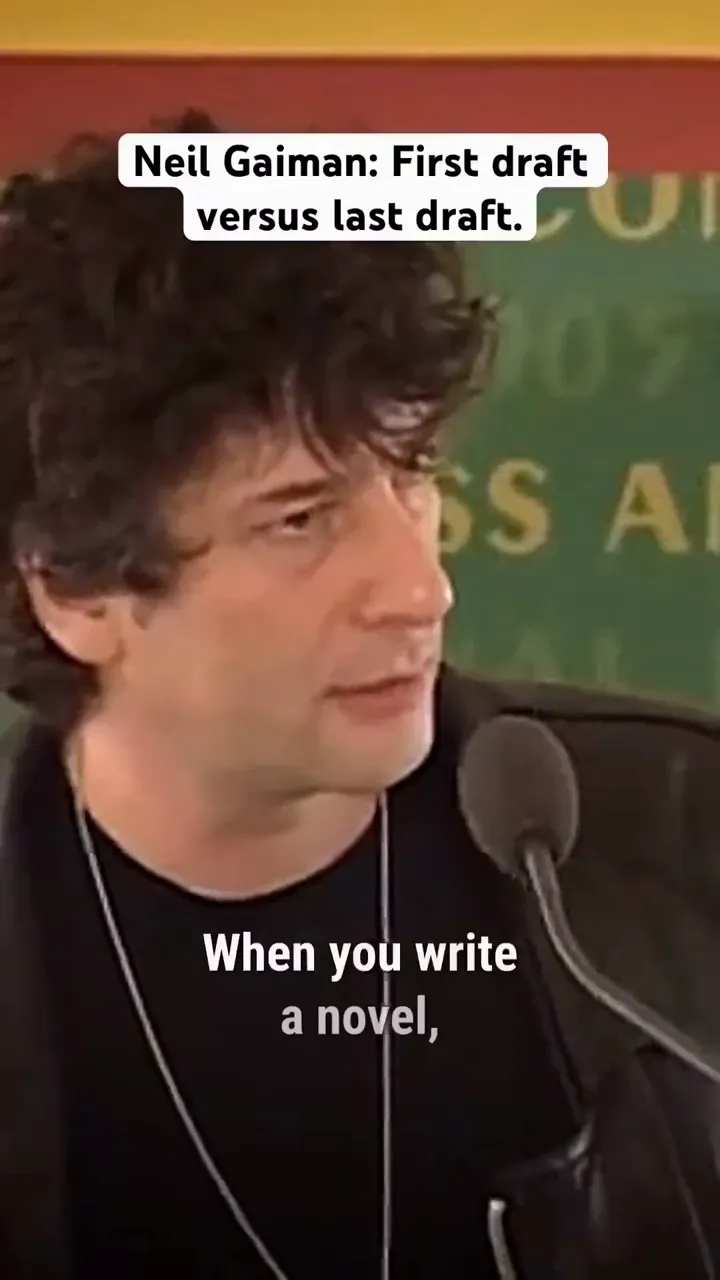
First draft vs final: From rough draft to polished final—how ideas evolve in writing. #writing #amwriting #storytelling
First draft vs final:
From rough draft to polished final—how ideas evolve in writing.
Login to reply.
No thots yet. Be the first to share your thoughts!
The Post-Algorithm Era: Where Should You Start Blogging in 2026?
I spent years optimizing for machines. Now, I write for humans. A skeptic’s guide to Substack, Ghost, and Thoxt in the age of AI saturation.
I have a confession to make. Between 2018 and 2023, I didn't actually write. I assembled. I looked at Google Trends, found the keywords with the highest volume and lowest competition, and then constructed articles like Lego sets designed to please a robot spider crawling the web.
It worked, financially. I built a career blog that generated impressive traffic. But somewhere around the great AI saturation of 2024, when the internet became flooded with synthetic sludge, I realized I was losing traffic like anything.
I had no loyal readers - just posts that ranked. I had optimized my own voice out of existence.
Now, in 2026, the landscape has shifted violently. Search traffic is dead; trust is the only currency left. If you are looking to start blogging today, you aren't competing for clicks. You are competing for a few minutes of quiet contemplation in a reader's increasingly chaotic mind. If you got that, you got ad revenue too.
As someone who has migrated platforms more times than I care to admit, I want to offer an honest, stripped-down look at where you should set up shop this year. No affiliate links, no “growth hacking” promises. Just a look at the tools.
The Incumbent: Substack
For a long time, Substack was the answer. It promised a direct line to your readers, free from the whims of social media algorithms. In many ways, it delivered. If you are looking to monetize quickly, the infrastructure here is still unbeatable.
However, in 2026, Substack feels less like a quiet reading room and more like a bustling networking event where everyone is trying to hand you a business card. With the introduction of their social feeds and “Notes,” the platform has succumbed to the very dopamine loops it swore to destroy.
The Verdict: Write here if you view your writing primarily to sell a product in addition to your writing. It is excellent for commerce, but the noise-to-signal ratio has degraded. You will spend 30% of your time writing and 70% of your time trying to “collaborate” with other newsletters to grow your list.
The Independent: Ghost
After I burned out on the Substack hamster wheel, I moved to Ghost. Ghost is the cabin in the woods. You own the land, you own the house, and nobody can kick you out.
For the purist, Ghost is beautiful. It allows you to build a completely custom experience. But honesty is required here: owning a house means fixing the plumbing. While Ghost has become more user-friendly, you still hold the burden of distribution. There is no network effect. If you write on Ghost, you are speaking into a void until you manually drag people in from LinkedIn or X.
The Verdict: Choose Ghost if you are technically inclined and value ownership over convenience. It is lonely, but it is yours.
The Newcomer: Thoxt
This is a platform that has been quietly gaining traction among the “slow web” movement that's been coming up post-AI. Thoxt positions itself as the social media for bloggers.
When I first tested Thoxt, I was frustrated. Why is all this news published on a blogging platform? Where was the referral engine? I realized my frustration was a symptom of my own brain rot. Thoxt is designed for thinking, but is also trying to be internet's new reading destination with news, social media features and videos - so that writers actually get eyeballs the same way photographers do on Instagram.
The interface is stark. It connects ideas through automated SEO, keyword suggestions and built-in stats so you dont have to worry about installing plugins for Analyticsor learn to code just to add an editor, encouraging you to build a web of thought rather than a pile of posts. It reminds me of the early internet, before we measured success in engagement metrics.
The Verdict: If you are, like me, trying to recover your ability to think deeply, Thoxt is a compelling alternative. It won't make you viral, but it might make you smarter. It is the place for the perpetual student who wants to connect with readers without the hassle of building a mailing list.
The Billboard: Medium & LinkedIn
I mention these only to offer a warning. In 2026, these are not homes; they are billboards.
I still syndicate my career advice to LinkedIn because that is where the desperate job seekers are. But I cannot post about any other juicy topics there.
Conclusion: It Doesn't Matter (If You Don't Care)
The hardest lesson I learned wasn't technical. It was that the platform cannot fix a lack of conviction.
If you want to build a career blog in 2026, don't ask “Where will I get the most views?” Ask “Which interface encourages me to be honest?”
And honestly, if you have a real voice and are willing to share some original thoughts, you can choose any of them - the vibe will appeal to you when you see it.
Login to comment.
3 Thots
More Like This
Best Platforms to Publish Writing without Paywalls or Algorithms
I review Substack, Ghost, and Thoxt in search of a quiet place to think, advocating for ownership over virality.
I spent the better part of five years writing for robots.
My morning routine was a ritual of humiliation: checking Google Analytics, tweaking H2 headers, and stuffing keywords into sentences where they didn’t belong. I was a career blogger, and on paper, I was successful. My traffic was up. My bounce rate was down. People came, read what they wanted to read then left without even checking my other articles.
But somewhere between the SEO audits and the lost Twitter threads, I realized I had stopped writing. I was merely generating content.
There is a profound difference between the two. Content is designed to stop the scroll; writing is designed to start a thought. Content expires; writing endures.
When I finally burnt out on the growth-hacking treadmill, I looked for an exit. I wanted a place to publish that didn’t require me to dance for an algorithm or lock my best thoughts behind a paywall that excluded the very people I wanted to help navigate the job market. I wanted a platform that valued silence over noise.
If you are tired of the content mill and looking to reclaim your voice, here is an honest, comparative look at the platforms where you can still think out loud.
The Criteria for Sanity
To make this list, a platform had to pass the "High-Signal" test: 1. No Algorithmic Feeds: My readers should see my work because they subscribed, not because I enraged enough people to comment. 2. No Forced Paywalls: I want the option to be free without the platform punishing my reach. 3. Ownership: If the platform dies tomorrow, I need to be able to take my audience with me.
Substack: The Double-Edged Sword
Substack is the obvious first stop. It single-handedly revived the personal blog by rebranding it as a newsletter. The premise is beautiful: a direct line to your reader's inbox, bypassing the social media gatekeepers.
The Good: It is incredibly easy to use. The network effect and recommendation feature has helped me grow my audience where an SEO strategy couldn't help. It feels personal.
The Bad: Substack is suffering from an identity crisis. With the introduction of "Notes," it is slowly morphing into the very social network I tried to escape. There is a palpable pressure to be constantly "on," to restack, to comment, and to participate in the feed to gain visibility. otherwise the algorithm starts to bury you. While you can use it just for email, the platform’s architecture is increasingly nudging writers toward performance art. It is a great tool, but requires discipline to ignore the gamification features.
Ghost: The Professional Fortress
If Substack is a rented apartment where the landlord keeps hosting loud parties in the lobby, Ghost is a house you build yourself in the woods.
The Good: Ghost is open-source and non-profit. There are no investors demanding growth at all costs. You own the code, the design, and the list, completely. It is the gold standard for independence. The writing experience is Zen-like, just a blinking cursor and a white screen.
The Bad: It requires effort (or money). You usually have to pay for hosting (Ghost Pro) or have the technical know-how to self-host. It feels less like a community and more like a solitary broadcast tower. For a career blogger, this is great for professionalism, but it can be lonely. There is zero discovery mechanism; you have to bring your own traffic.
Thoxt: The Digital Notebook
This is a newer entrant I stumbled upon recently, and it has replaced my messy folder of Google Docs. Thoxt positions itself differently - it isn’t just about writing and getting lost in the sea of internet; it’s about the thought process and putting yourself as someone who connects with an audience - right on the platform - with videos, comments, the works.
The Good: Thoxt is arguably the most "honest" platform on this list. It strips away the vanity metrics that plague Medium and LinkedIn. It feels like a return to the early internet - a place for non-linear thinking and connecting ideas rather than just broadcasting them. It also lets you add an editor, automate SEO, suggest title and keywords and view stats. It doesn't punish you for writing short, punchy insights that don't fit the 1,500-word SEO standard. It is minimalist and high-signal.
The Bad: Because it is newer and focuses on the integrity of thinking, it lacks the massive, built-in audience of a Medium. You aren’t going here to go viral; you are going here to be understood. It is not a marketing engine; it is a thinking engine.
WordPress: The Old Reliable
I would be remiss not to mention the dinosaur in the room.
The Good: It is modular and infinite. You can make it do anything - add other authors, editors, google analytics, SEO plugins. The Bad: It feels like work. Every time I log into WordPress, I am assaulted by plugin updates and dashboard notifications. It puts me back in the mindset of a site administrator rather than a writer. You gotta worry about getting traffic to your blog.
The Verdict
In my career coaching, I tell candidates that employers are less impressed by a polished résumé and more impressed by a clear thinker. They want to see how you process the world.
If you want to build a business and monetize aggressively, Substack is still the most potent tool, provided you have the willpower to ignore the noise. If you want a professional portfolio that signals absolute independence, pay for Ghost.
If youare looking to get the best of both worlds, take advantage of built-in reader traffic without coding or worrying about SEO, and be able to post multi-media content, I have found myself spending more time on Thoxt.
The medium is the message. If you write on a platform designed for dopamine hits, your writing will inevitably become a drug. If you write on a platform designed for thinking, you might just remember who you were before the algorithm took over.
Login to comment.
3 Thots
More Like This
Where Should I Post a Blog for Free: An Honest Comparison
A transparent, comparative look at where to host your thoughts for free, from Substack to Thoxt to Medium.
I have a confession to make. Last month, I spent three days researching Wordpress, SEO, comparing headless CMS options, and debating the merits of various markdown flavors. I did all of this to avoid doing the one thing I actually set out to do: write a review of a book that changed my life.
The Maker’s Dilemma: Choosing a Free Blog Home Without Losing Your Soul
If you are an indie creator, a hobby writer, or just someone who lives on the internet, you know this pain. We call it "optimizing the stack," but let's be honest: it's procrastination wrapped in a trench coat of productivity.
My bio says "books = therapy," and I want to recommend favorites on the daily. But the platform where those recommendations live? That’s where the "therapy" turns into a headache. We are obsessed with building in public, but sometimes we get so caught up in the building part that we forget the public just wants to hear our voice.
We need a home for our thoughts. A "Digital Garden," a place that isn't just a feed, but a landscape of ideas. But where do you plant that garden when you have a budget of zero and a desire for authenticity over growth hacks?
I’ve experimented with them all. Here is a messy, honest, non-marketing breakdown of where you should post your blog for free, depending on what kind of maker you are.
1. Substack: The Newsletter Giant
The Vibe: "I want an audience, and I want them yesterday."
The Reality: Substack effectively combines a blog and a newsletter. The friction to start is non-existent. You sign up, you type, you hit publish. The only problem? It gets tough to get read without newsletter subscribers and god is it hard these days to build that list.
- The Wins: The network effect is real. Their "Recommendations" feature can help you grow. If your goal is to build an email list and sell something else from another business you own, this is the easiest path.
- The Failures: It feels linear. Substack is a stream, not a garden. It pushes content at people. If I want to create a library of book reviews organized by genre or mood, Substack fights me. Also, the design customization is minimal. You look like everyone else.
2. Medium: The Rented Land
The Vibe: "I just want to write; don't make me think about code."
The Reality: Medium is beautiful to write on. The editor is slick. But as indie makers, we talk a lot about "platform risk." Medium is the ultimate platform risk.
- The Wins: Built-in traffic. If you write something resonant, Medium’s algorithm can put it in front of thousands of people who don't know you. It’s great for one-off viral hits.
- The Failures: You don't own the relationship. You are renting land in a very crowded city. They can gate your content behind paywalls or change the algorithm overnight. It feels less like a personal maker diary and more like submitting op-eds to a newspaper.
3. Notion: The Lego Set
The Vibe: "I want to break things and put them back together."
The Reality: Using Notion as a blog (often with a wrapper like Super, though that costs money for the good features) is the ultimate "Maker" move. It’s raw, it’s messy, and it’s transparent.
- The Wins: It’s a database. For my book reviews, this is heaven. I can tag, sort, and filter. It feels like a true "second brain" that I’ve opened up to the public.
- The Failures: It’s not really a blogging platform. It’s a workspace. SEO is often terrible on the free tiers, and load times can be sluggish. You will spend more time tweaking your layout than writing your post. (Guilty).
4. Thoxt: The Minimalist Stream
The Vibe: "I want to capture my stream of consciousness without the noise."
The Reality: This is a newer entrant I’ve been experimenting with recently. Thoxt positions itself differently, it’s less about a polished publication and more about capturing the "video of your mind."
- The Wins: If you believe in documenting your daily journey while getting followers and building a personal brand, Thoxt is fascinating. It’s incredibly low friction. It utilizes AI to automate SEO, help tag and categorize, which is a godsend for messy creators like me who forget to organize their posts. It feels like a fair alternative to the heavyweights if you just want to try out blogging without learning to code, SEO or plugin mess, without the pressure of a "newsletter strategy." Also the best part? You can post videos with your blogs too.
- The Failures: It’s new. It doesn't have a massive ecosystem yet or the network of Substack. But isn't that what indie making is about? Trying the new thing?
5. Ghost (Self-Hosted/Pro)
The Vibe: "I want total control and I'm willing to work for it."
The Reality: Ghost is what we all aspire to. It’s open-source, non-profit, and beautiful.
- The Wins: You own everything. The design, the code, the email list. It is the ultimate expression of digital independence.
- The Failures: "Free" is tricky here. You can self-host Ghost for free if you have technical chops and a spare server (or a cheap droplet), but if you want the managed experience, it costs money. For a maker just starting out, the technical debt of self-hosting can be a major blocker.
The Verdict: Just Ship It
Here is the truth I had to learn the hard way: Your stack doesn't matter as much as your consistency.
Pick Substack for the email list. If you want to organize a knowledge base, hack Notion. If you are paralyzed by choice and want a friction-free space to write your ideas, post videos or memes, try Thoxt. If you want a crowded room of other big writers, try Medium.
But ultimately, the "Indie Creator" way isn't about having the perfect blog. It's about the messiness of doing the work. It’s about posting that book review even if the font isn't perfect. It’s about treating your blog not as a marketing asset, but as a living, breathing artifact of your life.
Stop optimizing. Start writing. I’ll see you in the feed.
Login to comment.
3 Thots
More Like This
Comments
-
Loading...
-
-
-
-
-
-
-
Please select a valid reason.
Login to comment.