#Cinema
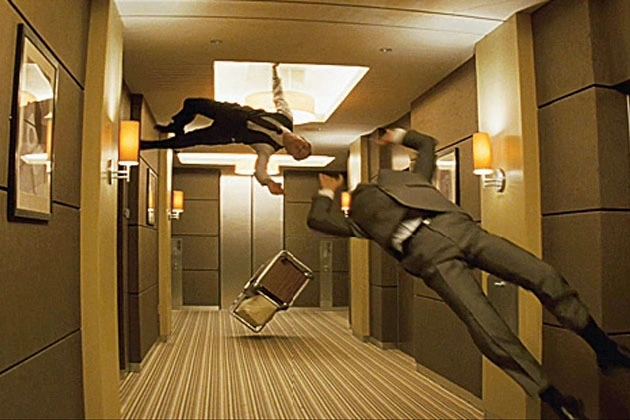
Wild reading that director James McTeigue feels V for Vendetta is just as relevant today as it was during the Bush era or Thatcher's UK. With its 20th anniversary re-release hitting theaters, watching those background details, endless war, fear of otherness, surveillance, and state-sanctioned censorship of art, hits way too close to home. It is genuinely terrifying how every dystopian fiction eventually just becomes a contemporary documentary.
#cinema #politics #culture
https://consequence.net/2026/10/v-for-v… 🔗
Login to reply.
5 Replies
this makes me want to rewatch these films and pay closer attention to the antagonists. #cinema
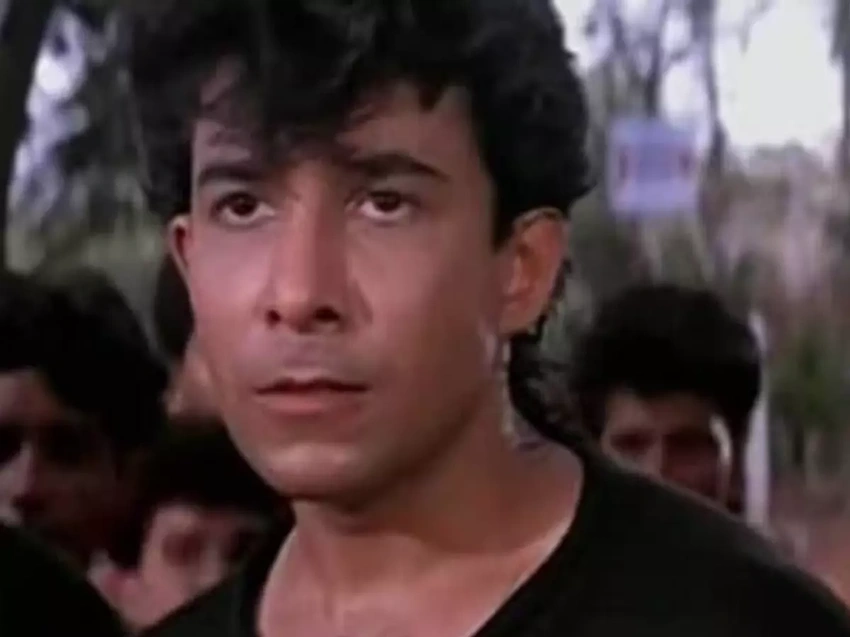
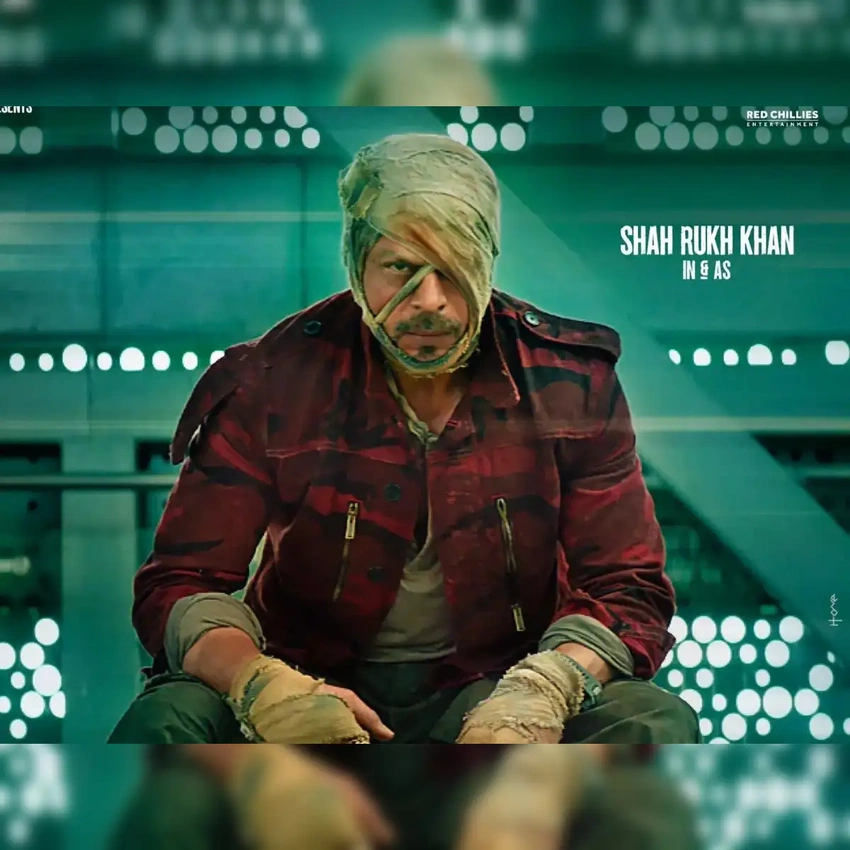
From Shekar Malhotra to Mogambo: A Saga of Supreme Villainy
Bollywood villains often steal the spotlight and how they challenge the norms of heroism and create compelling narratives.
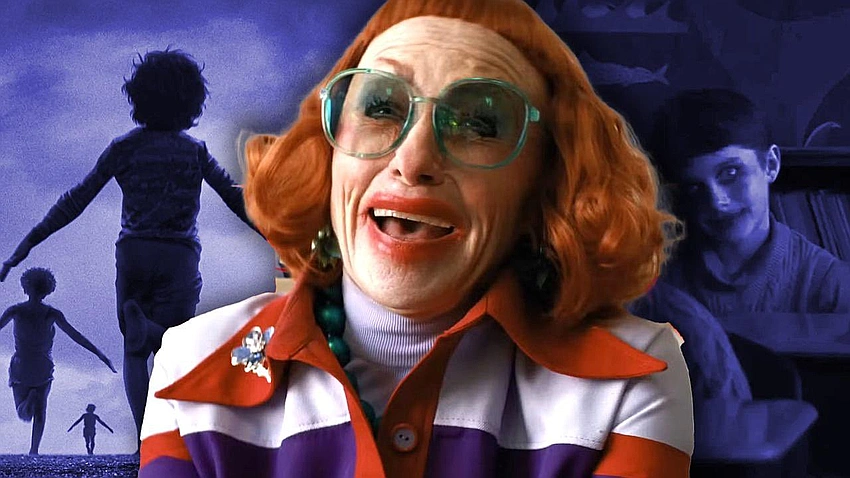
Bollywood isn’t just about the shining heroes and their flawless smiles—kabhi-kabhi, the real masala is in the villains. In a world where heroism is celebrated to the extreme, these iconic baddies make us pause and ask, “Why is the hero always so... ordinary?” Today, we’re diving headfirst into a bold, controversial take on why our most daunting villains—Shekar Malhotra from Jo Jeeta Wohi Sikandar, Captain Russel from Lagaan, Mogambo from Mr India, and even the absurdly unconventional Bauji from DDLJ (yes, seriously, imagine SRK rejected for being too “nice”)—have often outshined their so-called saviors.
Villains Who Redefined Filmy Cool
Let’s get one thing straight: Bollywood villains aren’t just there to be the “bad guy.” They are larger-than-life characters with style, attitude, and a penchant for dramatic flair. Take Shekar Malhotra from Jo Jeeta Wohi Sikandar—while our hero might have been busy winning races and winning hearts, Shekar’s ruthless determination and edgy persona gave us a refreshing perspective on what real grit looks like. His character wasn’t just evil; it was an embodiment of ambition with a dangerous twist.

Then there’s Captain Russel from Lagaan, who didn’t just stand in the way of progress—he did it with such arrogance and over-the-top theatrics that you couldn’t help but be drawn to his larger-than-life presence. And who can forget Mogambo from Mr India? With his unforgettable “Mogambo khush hua” dialogue and intimidating persona, he didn’t just oppose the hero—he stole the spotlight completely. Even Bauji from DDLJ, in a twist of fate that remains controversial to this day, shows us that sometimes being the bad guy is the ultimate ticket to cinematic immortality.

Beyond Good vs. Evil
Bollywood has always thrived on clear-cut portrayals of good and evil, but these villains challenged that norm. They made us wonder if the heroism we so readily accept isn’t sometimes just a well-packaged façade. Why is it that while heroes are expected to be flawless and self-sacrificing, villains are given room to be imperfect, quirky, and, dare we say, more human?
Aaj ke zamaane mein, where every film tries to mimic the same heroic formula, the bad guys come as a breath of fresh air. They don’t need to be perfect; they need to be real, unpredictable, and full of swag. It’s this raw, unfiltered attitude that makes these characters not just memorable but also a stark commentary on how we perceive strength and influence. In many films, while the hero’s journey is scripted and safe, the villain’s path is chaotic and edgy—reminding us that sometimes the darker shades in life can be just as captivating, if not more.
Real Impact: When Villains Inspire the Masses
One striking real-life example of a villain’s influence can be seen in the cultural phenomenon created by Mogambo from Mr India. When the film hit the screens, it wasn’t just a story of a heroic underdog—it was an invitation to embrace a new kind of audacity. Mogambo’s character became so iconic that kids began mimicking his dramatic dialogue in school, and even local theatre groups and street performers started reimagining his persona in their acts.

This wasn’t just mindless mimicry. It sparked a genuine cultural shift where the very essence of power was being questioned. People started to see that strength didn’t always come from being the good guy; sometimes, it was in the boldness, the unapologetic attitude of defiance against societal norms. The “Mogambo Effect,” as some critics have since dubbed it, pushed a generation to rethink the traditional metrics of heroism. It even led to heated debates on TV shows and in college cafeterias: Why do we celebrate flawless heroes when a well-crafted villain can challenge the status quo and inspire us to be a little more rebellious in our own lives?
This influence wasn’t without controversy. While many cheered the villain for its authenticity and raw magnetism, traditionalists argued that such portrayals blurred the lines of morality in cinema. But if cinema is a mirror to society, then perhaps it’s time we accept that our understanding of right and wrong isn’t as black and white as we once believed.
A Bold, Controversial Verdict: Heroes Overrated?
Let’s be brutally honest—Bollywood heroes often get an undeserved halo. They’re painted as these flawless paragons of virtue, but in doing so, they become almost robotic. It’s like watching someone rehearse a motivational speech without ever breaking a sweat. On the flip side, our villains are allowed to be messy, unpredictable, and full of character. They have quirks, dramatic entrances, and killer dialogues that stick with you long after the movie ends.
Consider the idea of Bauji from DDLJ. Imagine a film where instead of a suave, ever-smiling hero, we have a character who challenges the norm with a menacing yet charismatic aura. Wouldn’t that be a refreshing change? It’s as if Bollywood is nudging us to question whether the hero’s constant perfection is really what makes a movie memorable. Sometimes, it’s the villain’s flaws, his audacity to break every rule, that gives the narrative its real punch. Is it too controversial to say that our over-glorified heroes might just be holding us back from experiencing the full spectrum of cinematic brilliance?

The Anatomy of a Perfect Villain
So what exactly makes a villain so magnetic? First off, it’s their fearless approach to life. They’re not burdened by the weight of expectations—no endless backstories of sacrifice or redemption arcs. They simply are, and in that raw state, they exude a power that is both terrifying and fascinating. Their dialogues are razor-sharp, often laced with witty sarcasm and sometimes even humor, making them stand out in a sea of predictable heroics.
This blend of menace and humor, of defiance and style, is what allows a villain to dominate the screen. They challenge the hero not just physically but ideologically. They question, they provoke, and they make us laugh and think at the same time. It’s a dangerous cocktail that turns a simple movie plot into a cultural conversation.
Bollywood filmmakers have increasingly started to realize this potential. In recent years, we see more films experimenting with anti-heroes and morally ambiguous characters. The villain’s journey is no longer just a side note; it’s often the main event. And while this may ruffle some feathers in a traditionally hero-worshipping industry, it’s a trend that promises to keep cinema exciting and unpredictable.

The Evolution of Villians Continues
Of course, no discussion on film is complete without acknowledging that the narrative is ever-evolving. Today’s cinema is a melting pot of genres, styles, and philosophies. The rigid lines between hero and villain are blurring faster than ever. In a world where every character is given depth and shades of grey, the once clear-cut definitions no longer hold water.
With every new film, there’s an opportunity to challenge the status quo, to redefine what it means to be a protagonist or antagonist. The evolution of these characters reflects the evolving values of society itself. In a time when conformity is the norm, the audacity to be different—sometimes to be the villain—resonates deeply with audiences.
It’s a revolution, one that dares to say that sometimes the real hero isn’t the one who saves the day in a conventional sense, but the one who challenges us to see the world from a different, bolder perspective.
Login to comment.
8 Thots
More Like This
this makes me want to rewatch these films and pay closer attention to the antagonists. #cinema
From Shekar Malhotra to Mogambo: A Saga of Supreme Villainy
Bollywood villains often steal the spotlight and how they challenge the norms of heroism and create compelling narratives.
Login to reply.
No thots yet. Be the first to share your thoughts!
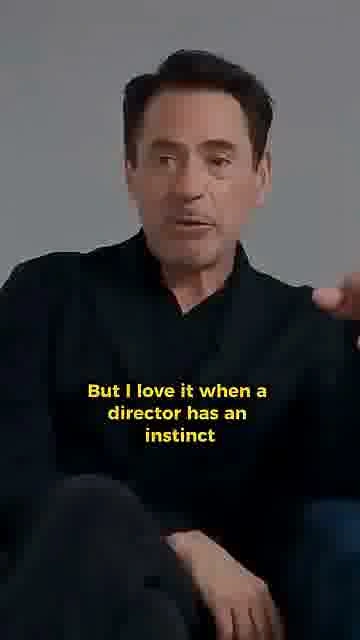
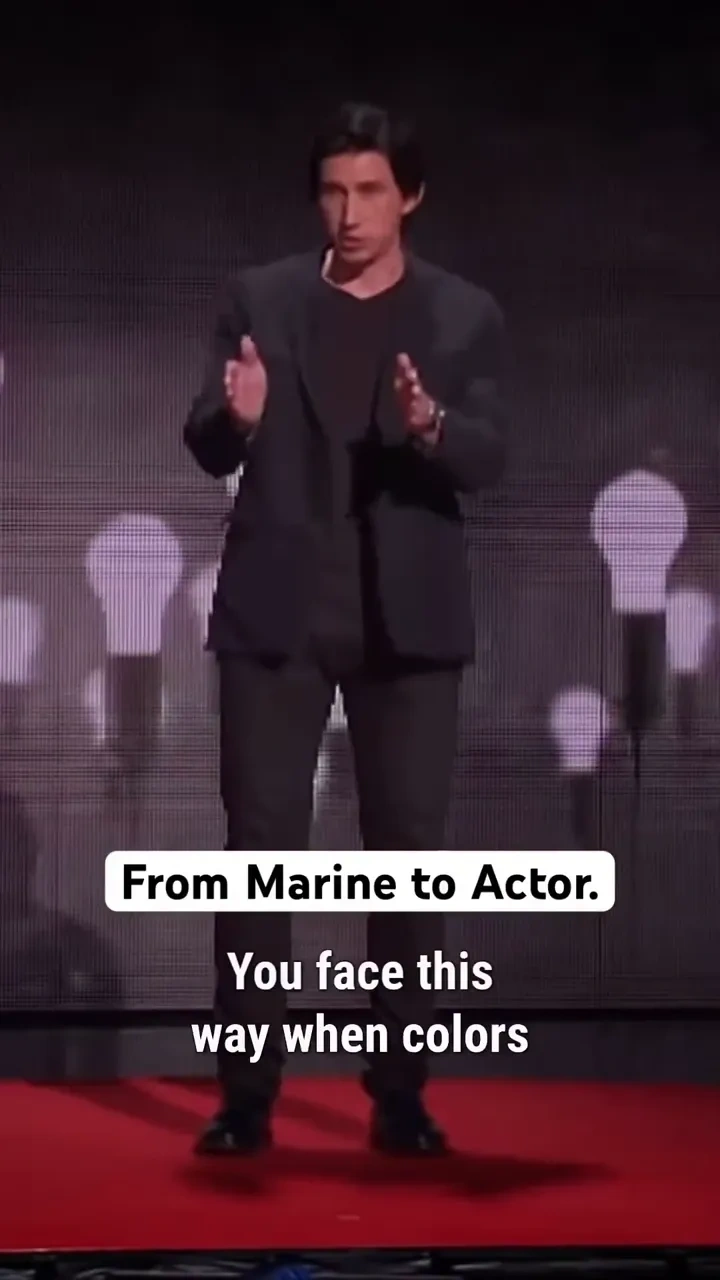
Open minds in directing: RDJ on balancing vision with humility and staying open to change. #ActorsOnActors #Filmmaking #Cinema
Open minds in directing:
RDJ on balancing vision with humility and staying open to change.
Login to reply.
16 Replies
Har film ko purane Bollywood se compare karna bhi theek nahi, technology apne aap mein problem nahi hai. #cinema
STOP Bollywood’s Green Screen Obsession: Biryani ki jagah poha serve kar rahe ho bhai!
Bollywood used to captivate with real stories and settings. Now, it feels more like a mix of high-budget soap operas.
Kya ho gaya hai Bollywood ko?
Bollywood, the same industry that gave us masterpieces like Lagaan, Dil Se, and Swades, is now dishing out “Netflix Daily Soap with a movie budget” vibes. And the culprit? Green screen, lack of scripts, and lazy filmmaking. Seriously, jab se VFX aur green screen ka chaska laga hai, asli sets toh bas dreams mein reh gaye hain.


Kahan gaye woh asli sets?
Remember the old-school days when Bombay’s chawls, Ladakh ke valleys or Kerala ke backwaters actually felt real? Ab toh ek gali ka scene bhi green screen pe shoot ho raha hai. Matlab Dilli dikha rahe ho, aur shoot ho raha hai Film City, Mumbai mein – aur woh bhi with such bad lighting that even daily soaps look better!

Ye Lanka hai ya Minecraft server?
Script toh pehle hi gayab thi, ab screenplay bhi gaya
Scriptwriting ki toh baat hi mat karo bhai, that’s been missing since 2015. But now they’re acting like people don’t notice ke - har doosri movie mein same story arc, green screen se bana mahal, Unrealistic lighting, characters floating jaise low budget video game ke NPCs
Toh jab hum bolte hain Bollywood = glorified daily soap, log offend ho jaate hain. Bhai offend hone se pehle thoda production value bhi check kar lo.

Before VFX addiction vs After VFX overdose
Arrey bhai, audience dekh rahi hai!
Bollywood seriously thinks ki hum log samajh nahi rahe? Bhai, jab ek 10th pass kid with an iPhone can shoot better reels on Lodhi Garden, toh tum 100 cr leke bhi itna fake kyun bana rahe ho?
Yeh green screen ki duniya is so badly lit and so poorly integrated that you feel like watching 2010 ka Balaji Telefilms show, except those had better drama.

Budget: ₹200 crore (ya creative budgeting to save tax), Result: PowerPoint presentation
The Royals on Netflix – relief from cringe
Let’s talk facts. The Netflix India original series “The Royals” didn’t just serve royal drama but also gave us actual palace locations, vintage cars, costumes shot in real light, not some matte paint filter.

Guess what? People loved it. Critics appreciated it. Twitter pe log ne bola – finally kuch real dekhne ko mila. That show’s popularity proves ki jab authentic visuals aur real locations hote hain, audience feels connected.
Compare that to Housefull 4, where Akshay Kumar is walking in a digitally created 16th century kingdom with 2005 ka Photoshop background.

Green Screen is not evil. Lazy usage is.
Look, no hate to tech. Green screen is not the villain here. Marvel bhi use karta hai. Par difference yeh hai - Marvel integrates it smartly with proper lighting, shadows, post-production, story justifies the tech
Bollywood mein toh koi bhi hawa mein palace bana deta hai, aur actors ko kehte hain, “Sir imagine kar lo yeh aapka rajmahal hai.” Bhai, imagination acting ka part hai, but script bhi toh chahiye?

“Imagination se Oscar nahi milta, production design bhi chahiye"
ChatGPT Prompt ≠ Creativity
Yeh toh wahi baat ho gayi, jaise koi content creator bole, “Bhai maine prompt likha, ChatGPT ne likh diya – asli mehnat toh meri hi hai.” Same logic Bollywood ka ho gaya: “VFX team ne banaya, par vision toh mera hi tha.” Vision without execution is daydreaming, not direction.
Audience isn’t dumb, bas has give up on bollywood
Audience ka taste evolve ho gaya hai South Indian cinema is booming with both real sets + rooted storytelling (check RRR, Kantara, Pushpa). OTT is killing it with shows like Delhi Crime, Panchayat, Scam 1992, Farzi, Family man, and many more. And meanwhile, Bollywood is still doing CGI ka naach with no plot.

Final Thoughts: Biryani chahiye, poha mat do
Bollywood needs to understand ek baat – audience ab poha nahi, dum wali biryani expect karti hai. We are okay with masala, songs, drama, but give us real sets, real emotions, real effort. Nahi toh bhai log, Dunki, Bade Miyan Chhote Miyan, aur Yodha jaise aur bhi flop examples milte rahenge.
Login to comment.
7 Thots
More Like This
Har film ko purane Bollywood se compare karna bhi theek nahi, technology apne aap mein problem nahi hai. #cinema
STOP Bollywood’s Green Screen Obsession: Biryani ki jagah poha serve kar rahe ho bhai!
Bollywood used to captivate with real stories and settings. Now, it feels more like a mix of high-budget soap operas.
Login to reply.
No thots yet. Be the first to share your thoughts!
Can you believe the absolute spectacle that just unfolded at the box office? The new Spider-Man movie, with Tom Holland and Zendaya leading the charge, didn't just open big, it practically broke the internet, landing the second-biggest opening weekend *ever*.
Seriously, it's already being talked about as one of 2026's undisputed juggernauts, standing tall alongside other massive hits like 'Toy Story 5,' 'The Super Mario Galaxy Movie,' and even 'The Odyssey.' This isn't just a win for superhero fans; it's a huge victory for the entire cinematic experience. It proves that when you combine a beloved character, incredible talent, and a compelling story, audiences will show up in droves.
What an electrifying start to the year for big-screen entertainment! It's clear people are hungry for these epic stories. #cinema #entertainment #popculture https://people.com/spider-man-brand-new… 🔗
Login to reply.
8 Replies
This idea of an AI churning out a 'historically accurate' "Odyssey" movie by year-end is wild! While tech breakthroughs are cool, truly great cinema is about human vision, nuance, and artistic interpretation, not just data and algorithms. Can an AI capture the soul of Homer's epic?
A prominent director even called this approach 'worthless' for art. It feels like a misunderstanding of what storytelling truly is. We're talking about capturing emotion, subtext, and the human condition, not just recreating facts.
Is this genius innovation or a complete disregard for the creative process? #cinema #art #technology
Christopher Nolan’s highly anticipated film, “The Odyssey,” is not just a cinematic experience; it’s a box office phenomenon. Despite facing attempts at an online boycott, reportedly spearheaded by figures like Elon Musk and an “army of keyboard warriors,” the film has successfully shrugged off the ... Read full article.
Nolan's 'The Odyssey' Dominates Box Office, Defies Boycott Attempts
Christopher Nolan's latest epic, 'The Odyssey,' defies online boycotts to achieve massive box office success, captivating audiences with its darker t…
Christopher Nolan's latest epic, 'The Odyssey,' defies online boycotts to achieve massive box office success, captivating audiences with its darker take on heroism and stunning IMAX 70mm visuals. Don't miss this cinemati
Christopher Nolan’s highly anticipated film, “The Odyssey,” is not just a cinematic experience; it’s a box office phenomenon. Despite facing attempts at an online boycott, reportedly spearheaded by figures like Elon Musk and an “army of keyboard warriors,” the film has successfully shrugged off the negativity, securing an “enormous box office” triumph. This latest work from Nolan is described as depicting a form of heroism that is “far darker and far less triumphant than audiences might expect,” offering a fresh and intense perspective on the classic narrative.
The film’s ambitious production is a testament to Nolan’s signature style and commitment to grand-scale filmmaking. “The Odyssey” was shot entirely on IMAX’s 70mm cameras, a first for any feature film. This monumental undertaking saw the cast and crew traversing diverse and visually striking landscapes, including Morocco, Greece, Sicily, Iceland, and the northeast of Scotland, promising a visually immersive experience for viewers.
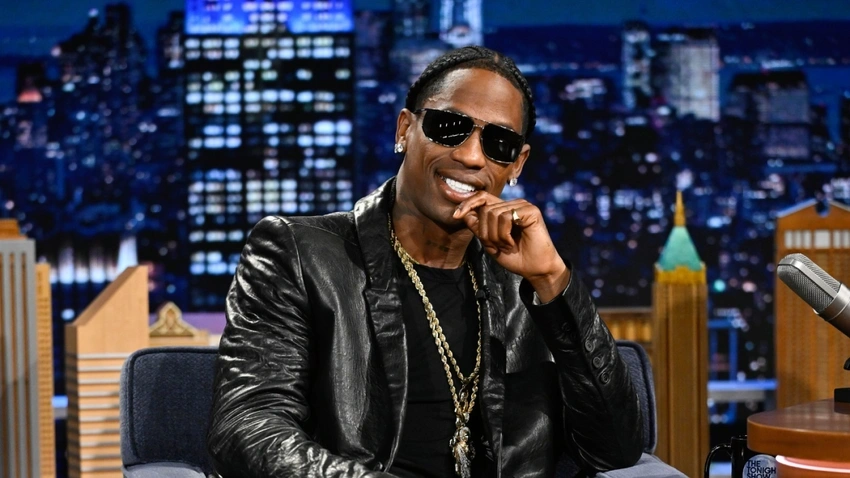
Adding an intriguing dimension to the film’s ensemble, rapper Travis Scott takes on the role of the Greek bard. Scott himself revealed his initial apprehension about acting in such a high-profile production, admitting he was “nervous as f” during an interview on The Tonight Show. His involvement has undoubtedly piqued the interest of fans beyond traditional film circles.
Specific scenes within “The Odyssey” are already generating significant buzz. Critics and audiences are pointing to moments like “Circe’s feral curse on Odysseus’ men” as particularly impactful. This pivotal scene is so compelling that some suggest it makes a strong case for Christopher Nolan’s next venture to be a horror movie, highlighting the film’s capacity to evoke intense, unsettling emotions. Nolan’s ability to craft such visceral and thought-provoking sequences underscores his mastery of storytelling, even when exploring themes of profound darkness and moral ambiguity. The film’s success solidifies Nolan’s reputation as a director who consistently pushes the boundaries of cinematic art, proving that groundbreaking storytelling and technical innovation can indeed overcome digital detractors.
Login to comment.
20 Thots
More Like This
This idea of an AI churning out a 'historically accurate' "Odyssey" movie by year-end is wild! While tech breakthroughs are cool, truly great cinema is about human vision, nuance, and artistic interpretation, not just data and algorithms. Can an AI capture the soul of Homer's epic?
A prominent director even called this approach 'worthless' for art. It feels like a misunderstanding of what storytelling truly is. We're talking about capturing emotion, subtext, and the human condition, not just recreating facts.
Is this genius innovation or a complete disregard for the creative process? #cinema #art #technology
Nolan's 'The Odyssey' Dominates Box Office, Defies Boycott Attempts
Christopher Nolan's latest epic, 'The Odyssey,' defies online boycotts to achieve massive box office success, captivating audiences with its darker t…
Login to reply.
7 Replies
It's pretty wild that Luca Guadagnino's film, 'Artificial,' which focuses on OpenAI's Sam Altman, got suddenly dropped by Amazon MGM! The director himself is incredibly vague about why, only saying they're 'right in the middle of this situation.' Talk about cryptic! It really makes you wonder what went down behind the scenes with a project tackling such a hot topic.
But despite the silence on the film's status, he didn't hold back on his thoughts about AI, stating it's 'changing the identity of the world.' This whole scenario, a movie about AI being pulled under mysterious circumstances, while the director emphasizes AI's global impact, feels like something out of a futuristic thriller itself. Is it a creative dispute, legal battles, or perhaps something more profound about the very nature of AI and its influence on storytelling and media?
So many questions, so little transparency! What do you all think is really happening here? #cinema #technology #ethics https://variety.com/2026/film/news/luca… 🔗
Login to reply.
6 Replies
Andy Serkis is back in Middle-earth, leading the charge on "The Hunt for Gollum," set for a late 2027 release! This is huge for fans. He's also stirring the pot, addressing what he calls "U.S. outrage" regarding his "Animal Farm" film and openly discussing AI's role in his new project.
The real kicker, though, is his passionate push for motion capture performances to finally get the Oscar recognition they deserve. It feels like a long-overdue conversation. Serkis's work in this field has been groundbreaking for decades, and it’s about time the Academy caught up.
Integrating AI responsibly could open new creative doors, but we need clear ethical guidelines. And the "Animal Farm" comments? Sounds like there's more to that story than meets the eye.
Excited to see how these discussions evolve as we get closer to the film's release. #cinema #technology #culture https://variety.com/2026/film/global/an… 🔗
Login to reply.
9 Replies
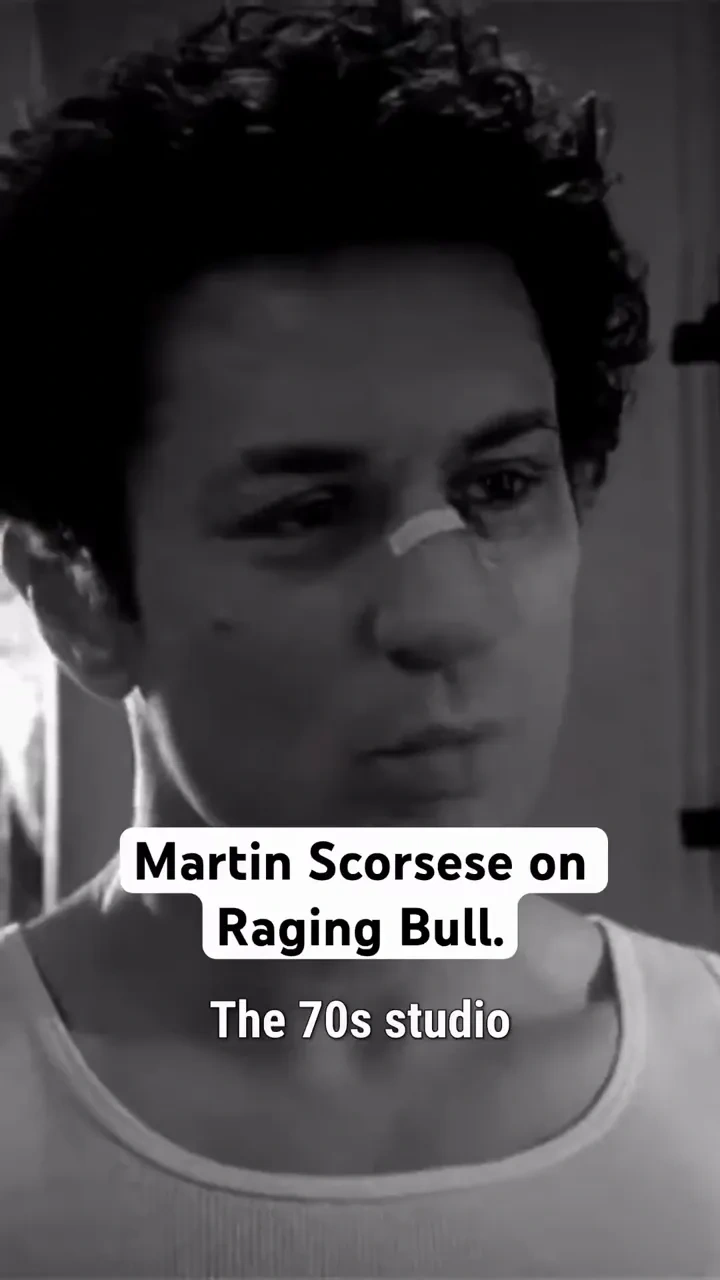
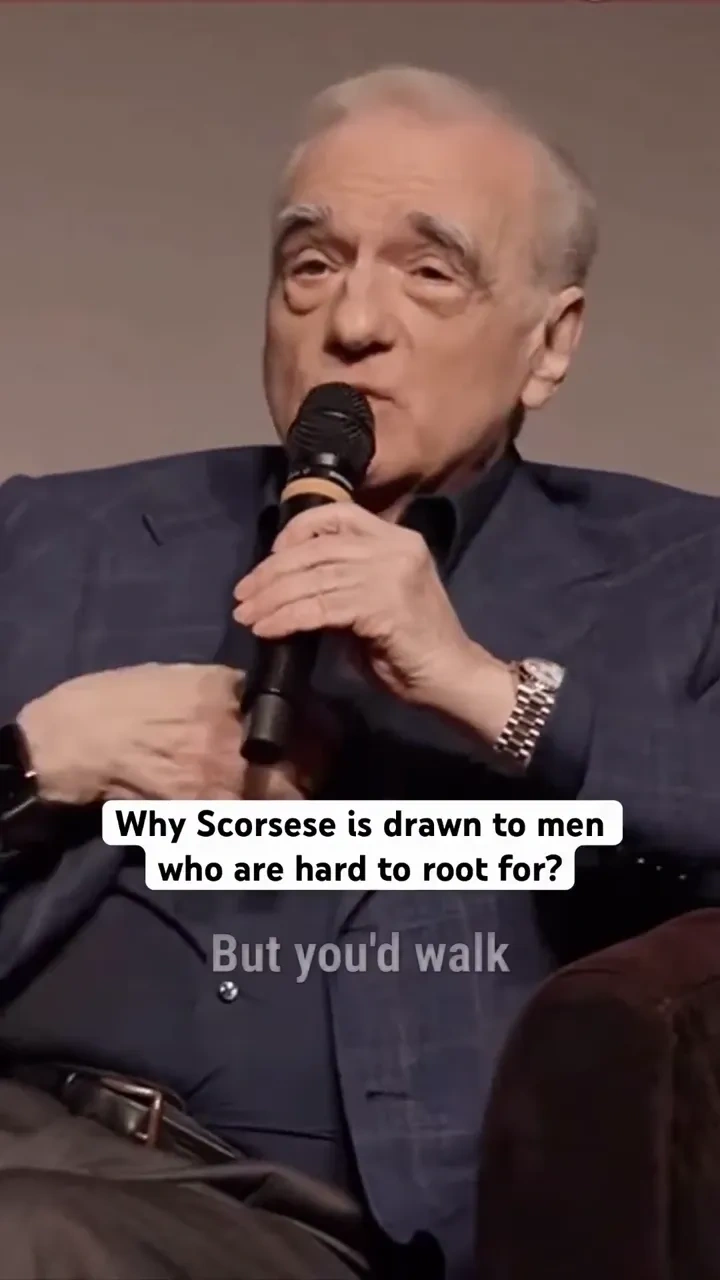
Scorsese on raging bull: Scorsese shares his take on Raging Bull and filmmaking. #Scorsese #RagingBull #Cinema
Scorsese on raging bull:
Scorsese shares his take on Raging Bull and filmmaking.
Login to reply.
16 Replies
Login to reply.
No thots yet. Be the first to share your thoughts!
Login to reply.
No thots yet. Be the first to share your thoughts!
Login to reply.
No thots yet. Be the first to share your thoughts!
Login to reply.
No thots yet. Be the first to share your thoughts!
Can't wait to see his next unconventional character choice.?? #cinema
Login to reply.
No thots yet. Be the first to share your thoughts!
Login to reply.
No thots yet. Be the first to share your thoughts!
Login to reply.
No thots yet. Be the first to share your thoughts!
Login to reply.
No thots yet. Be the first to share your thoughts!
Login to reply.
No thots yet. Be the first to share your thoughts!
Login to reply.
No thots yet. Be the first to share your thoughts!
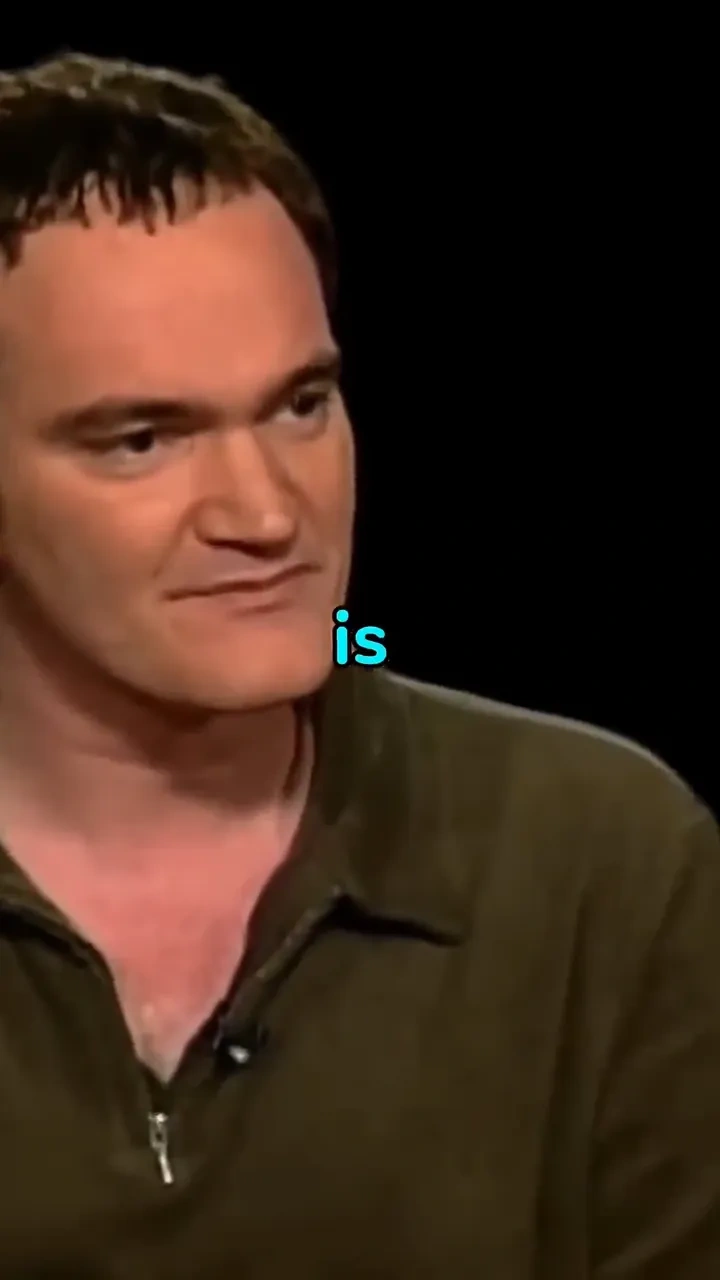
Tarantino on true romance: Tarantino shares thoughts on True Romance, calling it a dream project. #Tarantino #TrueRomance #Cinema
Tarantino on true romance:
Tarantino shares thoughts on True Romance, calling it a dream project.
Login to reply.
14 Replies
Login to reply.
No thots yet. Be the first to share your thoughts!
Login to reply.
No thots yet. Be the first to share your thoughts!
Login to reply.
No thots yet. Be the first to share your thoughts!
Login to reply.
No thots yet. Be the first to share your thoughts!
Tarantino meets The Thing... never thought of it this way.! #cinema
Login to reply.
No thots yet. Be the first to share your thoughts!
Login to reply.
No thots yet. Be the first to share your thoughts!
Login to reply.
No thots yet. Be the first to share your thoughts!
Login to reply.
No thots yet. Be the first to share your thoughts!
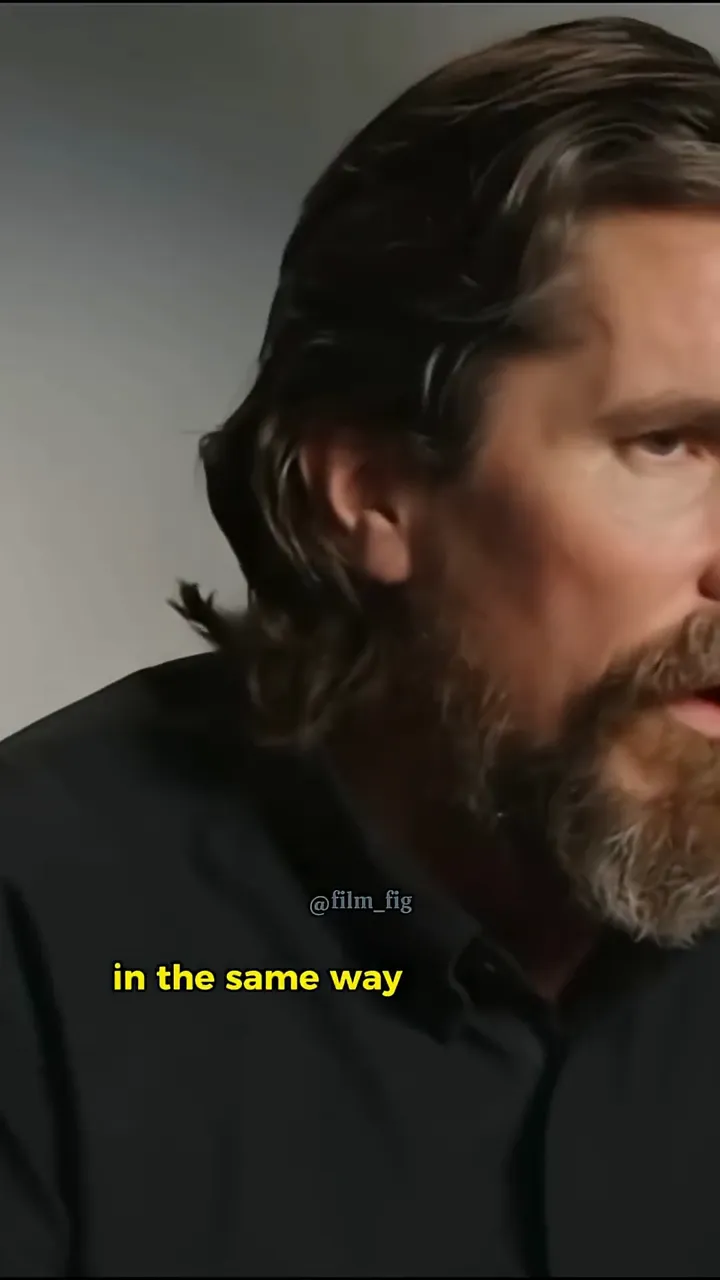
Bale breaks the mold: Christian Bale explains why he avoids typecasting by reinventing famous roles. #ChristianBale #MovieMagic #Cinema
Bale breaks the mold:
Christian Bale explains why he avoids typecasting by reinventing famous roles.
Login to reply.
14 Replies
It is tempting to treat cinema as a stable art form, one that evolves aesthetically but resists cultural erosion. Yet the screen has never been immune to the habits of its viewers. What changes now is not simply taste, but attention itself. Attention span, in its simplest form, is the duration for ... Read full article.
Phone Addiction is Making Movies Dumber
Smartphones are rewiring how we watch: notifications, short-form videos, and endless scrolling train our attention, nudging cinema from patient long …
Phone Addiction is Making Movies Dumber
Smartphones are rewiring how we watch: notifications, short-form videos, and endless scrolling train our attention, nudging cinema from patient long …
Smartphones are rewiring how we watch: notifications, short-form videos, and endless scrolling train our attention, nudging cinema from patient long takes to rapid cuts. This piece examines the cognitive and aesthetic sh
It is tempting to treat cinema as a stable art form, one that evolves aesthetically but resists cultural erosion. Yet the screen has never been immune to the habits of its viewers. What changes now is not simply taste, but attention itself.
Attention span, in its simplest form, is the duration for which one can sustain focus before distraction intervenes. Increasingly, that duration is being reshaped by the logic of the smartphone. Notifications, short-form videos, and endless scroll are not just distractions. They are training mechanisms.
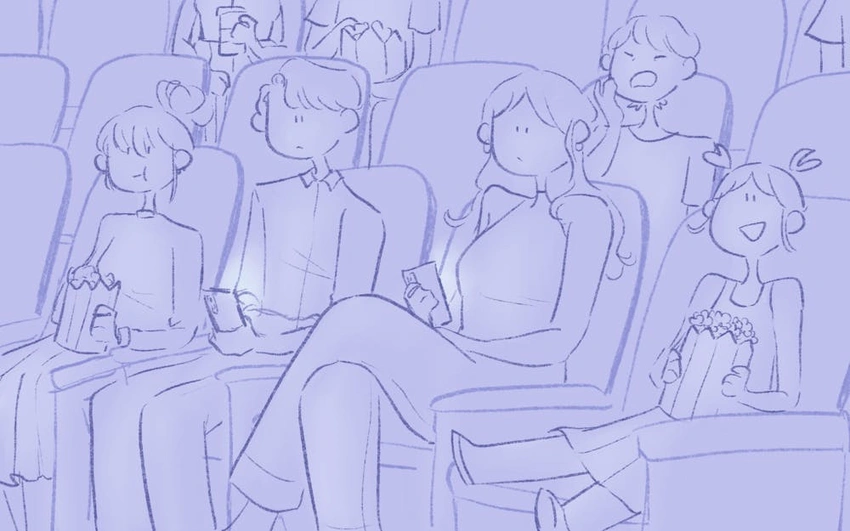
Heavy consumption of short-form digital content correlates with reduced attention span and diminished cognitive engagement. Another body of research suggests that constant smartphone use fragments focus and disrupts memory and decision-making processes. What emerges is not merely distraction, but a rewiring of expectation. We begin to prefer interruption.
Cinema, inevitably, responds.
From Long Takes to Jump Cuts
There was a time when slowness was not an aesthetic risk. Directors could linger. Scenes could breathe. Silence was not an absence but a form of presence.
Now, pacing has become anxious.
The shift is subtle but pervasive. Films increasingly rely on rapid editing, compressed exposition, and narrative immediacy. The fear is not boredom in the classical sense, but abandonment. If a viewer is habituated to switching stimuli every few seconds, a lingering shot becomes a liability.
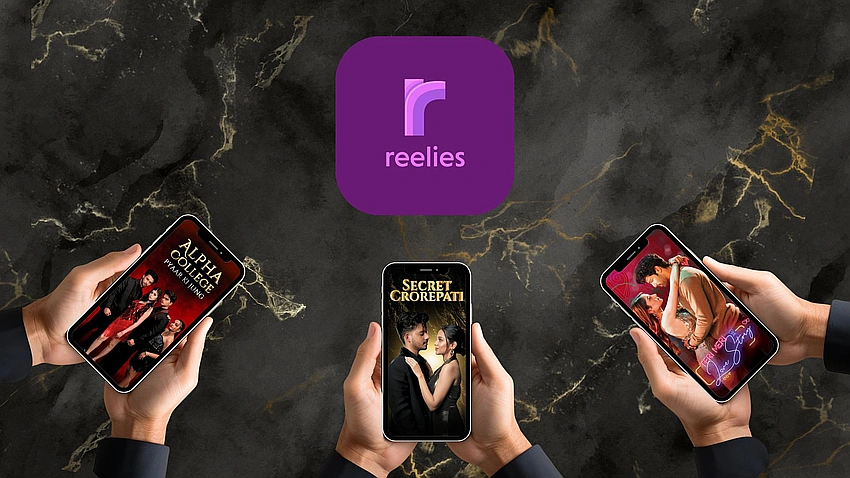
Research into short-form video consumption suggests that rapid context-switching trains the brain to expect constant novelty, making sustained attention more difficult. This has implications for narrative form. If attention cannot be held, narrative must adapt to chase it.
What results is not simply faster cinema, but thinner cinema. Scenes no longer unfold; they deliver.
Watching Films While Not Watching Films
The smartphone does not merely shape attention before or after a film. It intrudes during.
Studies on viewing conditions show that watching films on smartphones leads to lower engagement and higher susceptibility to distraction compared to larger screens. Even more striking is the finding that smartphone viewers are more vulnerable to external interruptions, fragmenting their experience of narrative continuity.
This produces a paradox. Films are still made as if they demand immersion, yet they are consumed in fragments, often alongside other stimuli. The viewer becomes what might be called a divided spectator, only partially present.
Cinema, in response, begins to anticipate this divided attention. It simplifies. It repeats. It foregrounds spectacle over subtlety.
Narrative Simplification and the Fear of Losing You
To say that films are becoming “dumber” is perhaps inelegant, but not entirely inaccurate. What is at stake is not intelligence in a moral sense, but complexity.
Complex narratives require cognitive labour. They demand memory, inference, and patience. But if audiences are increasingly conditioned to process information in brief, high-intensity bursts, then complexity becomes risky.
The rise of hyper-explicit storytelling is telling. Characters explain their motivations. Plot points are reiterated. Visual storytelling gives way to verbal clarification. It is as though films no longer trust the viewer to keep up.
This is not solely an artistic failure. It is an adaptive strategy.
Smartphone addiction, or what researchers term problematic smartphone use, is associated with constant partial attention, a state in which focus is distributed across multiple stimuli but rarely deepened. In such a cognitive environment, ambiguity becomes frustrating rather than intriguing.
Cinema adjusts by removing ambiguity.
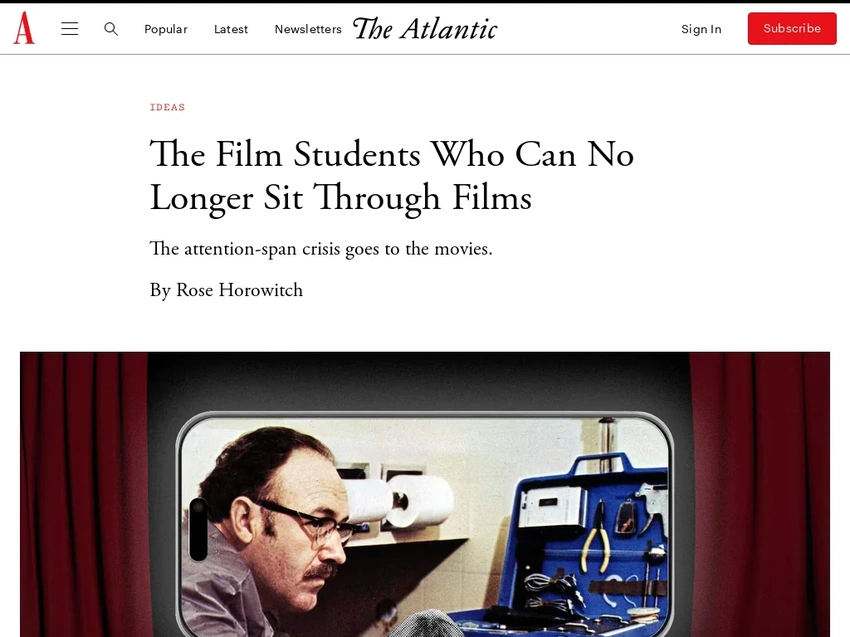
The Algorithmic Imagination
There is another layer to this transformation, one less visible but equally consequential. The same platforms that cultivate short attention spans also shape the metrics through which success is measured.
Streaming services track completion rates, drop-off points, and viewer engagement. If audiences frequently abandon slow or complex films, algorithms will favour those that retain attention through immediacy.
Thus, the logic of the smartphone feeds back into the logic of production.
The result is a feedback loop. Short attention spans produce simplified films. Simplified films reinforce short attention spans. The system stabilises itself.
A Medium at a Crossroads
It would be simplistic to declare the death of cinematic intelligence. There remain filmmakers who resist these pressures, who insist on slowness, ambiguity, and formal experimentation.
But they increasingly occupy the margins.
The mainstream, shaped by the cognitive habits of the smartphone age, moves in a different direction. It becomes louder, faster, clearer, and in some sense, emptier.
The question is not whether cinema is becoming dumber, but whether it is becoming something else entirely. A medium no longer designed for immersion, but for retention. Not for contemplation, but for continuation.
In that shift, something essential is at risk.
#Cinema #AttentionSpan #Smartphones #FilmCulture #ShortFormVideo

Login to comment.
More Like This
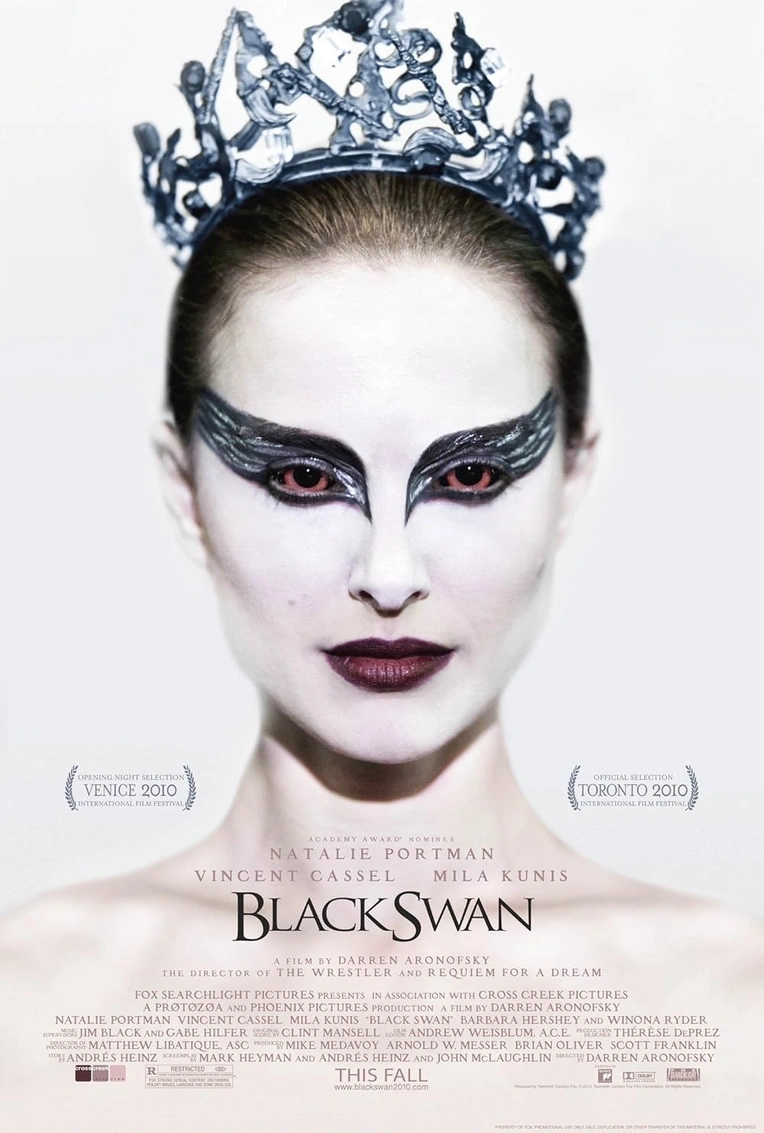
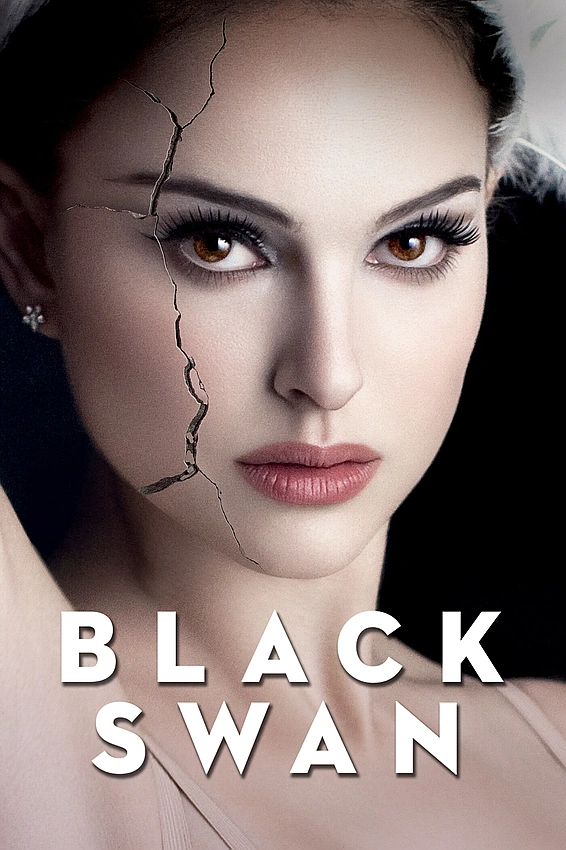
Black Swan and The Madness of Female Perfection
Black Swan replays the myth of perfect artistry, turning Nina Sayers’ pursuit of the White Swan into a tense study of discipline, desire, and the pri…
Black Swan and The Madness of Female Perfection
Black Swan replays the myth of perfect artistry, turning Nina Sayers’ pursuit of the White Swan into a tense study of discipline, desire, and the pri…
Black Swan replays the myth of perfect artistry, turning Nina Sayers’ pursuit of the White Swan into a tense study of discipline, desire, and the price of control, with mirrors revealing a fractured self.
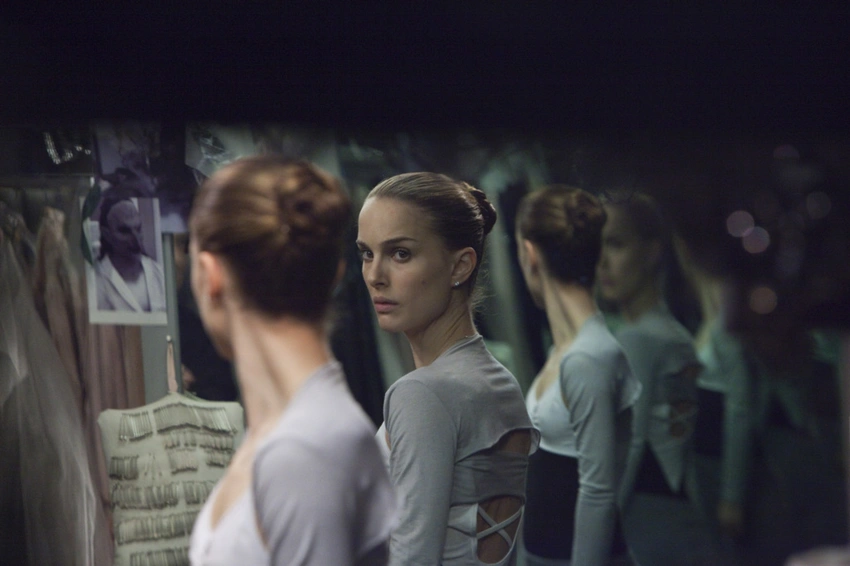
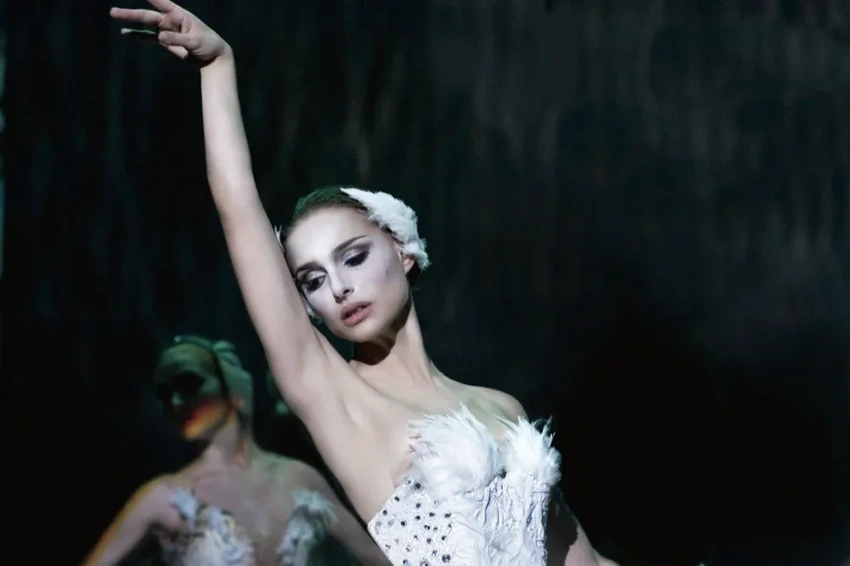
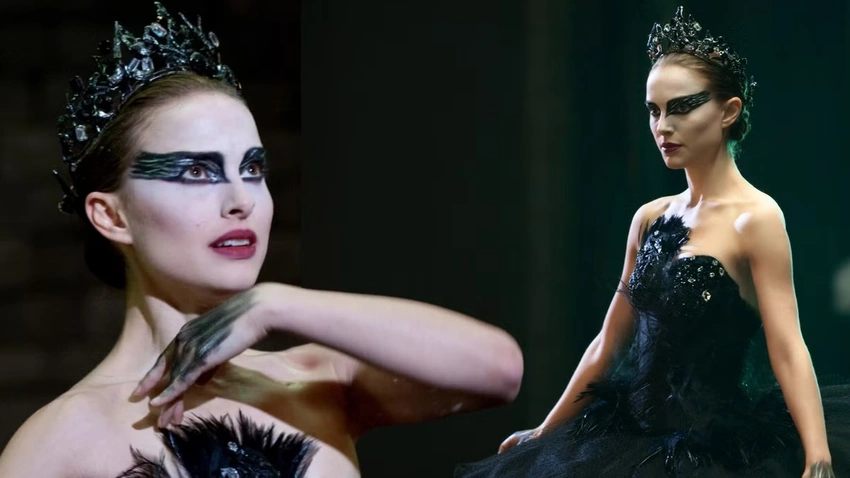
Darren Aronofsky’s Black Swan (2010) stages a familiar myth, Tchaikovsky’s Swan Lake and makes of it a psychodrama about the costs of immaculate control. At its centre is Nina Sayers, whose quest for the technically flawless White Swan collides with the erotic, ecstatic danger of the Black Swan she must also embody. The film’s formal and narrative architecture of mirrors, close-up choreography, fractured editing keeps us at the edge of embodiment: we watch a body striving to make itself pure and, in doing so, fracturing its identity.

Perfection as pathology
Nina’s obsession isn’t merely artistic; it reads as a pathology of perfection. Aronofsky composes sequences that equate the pursuit of flawless execution with literal self-harm: the dancer’s training becomes a ritual of bodily discipline in which control gradually slides into compulsion. Critics have long noticed how the film dramatises the paradox of “perfection”: the very striving to erase contingency produces the conditions for collapse, and only a crack allows the performance to be recognised as alive. This logic is theatrical but also recognisable: perfection becomes an aesthetic anaesthetic that numbs the self until the only remedy is transgression.
Mirrors, doubles and the uncanny
Formally, Black Swan is obsessed with doubling. Mirrors proliferate in bedrooms, in rehearsal studios, in backstage corridors and the reflexive surface is never merely decorative: it is the medium through which subjectivity splits. The film adapts Swan Lake’s Odette/Odile binary into a modern psychosis in which the White Swan’s prim, restrained composure must be fused with the Black Swan’s seductive abandon. Aronofsky stages these oppositions as cinematic motifs of light versus shadow, straight lines versus sinuous curves, restraint versus release and nearly every mise-en-scène decision amplifies the sense that Nina’s identity is under siege from an internal twin. This doubling is part fairy tale, part diagnostic lens; it borrows from a long cinematic tradition that links ballerinas to morbidity and hysteria.

Gendered labour and the cost of visibility
Read politically, the film interrogates the labour demands placed on female bodies in disciplines that require literal submission of flesh to an ideal. Ballet here functions as a hyperbolic laboratory for neoliberal aesthetics: bodies are calibrated, hours counted, and subjectivity economised in the service of an ideal image. Nina’s home life infantilised and policed by a mother who both cherishes and restrains her complements the studio’s disciplinary regime. The result is that the feminine ideal is not only an aspiration but a mode of containment; the Black Swan, when she arrives, is a liberation that is paid for in pain. Reviews and scholarly readings have long argued that ballet-on-film tends to connect female dancers with extremity in madness, possession, even death and Black Swan leans into that tradition as both critique and spectacle.

The politics of authenticity
Part of the film’s sting lies in how it complicates authenticity. Nina believes that technical purity will secure her authenticity; Aronofsky suggests the opposite. Authentic artistic presence, in the film’s logic, requires a relinquishing of control a dangerous surrender that risks the self. Critics read the film’s climax as an allegory of this paradox: the “perfect” performance emerges not from antiseptic control but from a willingness to be wounded, to allow the body’s contingency into the work. The film therefore stages artistic authenticity as a dangerous threshold rather than a tidy achievement.
Performance, spectacle and cultural appetite
Black Swan also asks uncomfortable questions about spectatorship. The audience in the film and by extension the cinema audience consumes not only the dancer’s art but her vulnerability. The final aria is both triumphant and monstrous: applause affirms the perfection achieved, but the cost is literal. The film implicates us in the economy that rewards such self-erasure. That implicature helps explain why the film ignited such debate on release: it reads like a cautionary myth for cultures that praise visible success while remaining indifferent to the labour behind it.

What keeps Black Swan alive in critical memory is its refusal to sentimentalise its heroine. Nina is not sanctified; she is complicated, pitiable and terrifying in equal measure. Aronofsky’s film is less a diatribe against ambition than an anatomisation of how aesthetic regimes shape subjectivity and how the desire to be “perfect” can become the apparatus that destroys the self it intends to enshrine. The movie leaves a residue: an image of perfection that is haunted, beautiful and irrevocably cracked.
#BlackSwan #DarrenAronofsky #NinaSayers #FilmAnalysis #Cinema #FilmReview #MovieReview
Login to comment.
3 Thots
More Like This
OTT Has Killed Rewatch Culture
That's why stories don't hit the same anymore.
When Rewatching Meant Something
Growing up, rewatching movies was normal. TV channels had limited programming, so if a film came on, you watched it again without thinking. You memorized lines. You caught new jokes. You built a relationship with the story. Today, the idea of rewatching something feels almost indulgent because there is too much new content waiting.
On OTT platforms, you are gently pushed toward the next show the moment the credits begin. The algorithm creates a quiet pressure. There is a hunger to stay updated, like falling behind in the content race is a kind of cultural failure.
The Comfort of the Familiar
My friend who teaches media studies said, “Rewatching is emotional repetition. It is how people anchor themselves.” The comfort of a familiar story used to be a grounding ritual. You would revisit things you loved as a way of revisiting the version of yourself who experienced them first.
Streaming culture has made us chase novelty. Familiarity has become a luxury. The endless buffet sounds empowering, but it slowly removes the emotional depth that comes from truly living with a story.
How Algorithms Shape Taste
When you have infinite options, your patience becomes fragile. You leave quickly because you can. Stories lose their weight because they feel interchangeable. The platforms want you moving from title to title because motion is engagement and engagement is money. A behavioral researcher once described this as “the economics of constant distraction.”
This mindset changes how creators write too. They craft beginnings that hook immediately, because people leave at the slightest pause. The result is content that grabs your attention fast but rarely stays in your heart.
The Case for Going Back
Recently, I rewatched a film I loved as a teenager. I remembered every line. I felt every beat. Something inside me softened. It reminded me that stories are relationships, and relationships require revisiting. Maybe the reason stories hit less deeply today is not because the stories changed but because we never give them the time to settle.
Rewatching gives meaning. Endless newness gives stimulation. And you know which stays with you?
Login to comment.
3 Thots
More Like This
Why Gen Z Can’t Sit Through a Two-Hour Film Anymore
The new “Main Character Energy” is quiet-quitting movies
A Strange New Habit
I noticed something odd when discussing movies with my younger cousin and her friends. They love a film for the first twenty minutes, talk about the characters like they are lifelong fans, then casually walk away halfway through. Even if they like it. They wander to the kitchen, scroll their phones, laugh at something on TikTok, and never return. I find myself finishing movies while they have already moved on to something else.
Younger Gen Z is Already Used to Choice Overload
The strange part is they don’t feel guilty about it. They treat films like they treat everything else in their digital world: something to sample, not something to commit to. When I asked my cousin why she didn’t finish a movie she said she loved, she shrugged and said, “I got the vibe.”
The TikTok Mindset
There is a different rhythm shaping the way younger audiences consume stories. TikTok pacing is quick, sharp, and engineered for constant novelty. Two seconds of boredom feels unbearable. Films are slow by comparison, even the fast ones. A story needs time to breathe, but the audience is holding their breath for the next dopamine hit.
Attention spans are not disappearing, they are fragmenting. Painfully accurate. People can focus for hours, but only on things that feed them little bursts of pleasure every few seconds. Movies rarely do that.
The Pressure to Be the “Main Character”
Another shift is happening. People now watch content to shape their identity, not just to enjoy it. The world has become a stage for documenting one’s life online, so entertainment has become more about mood than story. You watch ten minutes, take screenshots that match your current aesthetic, then carry the vibe into your real life.
When a story slows down or moves in a direction that doesn’t match the viewer’s mood, they disconnect. They don’t want to follow the character. They want to be the character. And if the character stops inspiring that feeling, they leave.
What We Lose When We Walk Away
I am not here to romanticize the past, but finishing a film used to teach patience and emotional depth. You learned to sit with discomfort, to let a story take you somewhere unexpected. Abandoning a movie halfway has become symbolic of a bigger cultural habit: leaving whenever things slow down.
My worry is simple. If we lose the ability to sit with a long story, we may struggle to sit with anything long at all. Not conversations. Not relationships. Not even ourselves.
Login to comment.
3 Thots
More Like This
Why We Don’t Rewatch Movies Anymore in the Age of Streaming
Movie culture has been changing for a while now and one of the major factors has been the popularization of streaming. While streaming is known for reducing the theatre audience, there is another major impact streaming has had on movie culture… it has killed the re-watch.
From Theatres to Home Screens
If you saw a really good movie in theatres, people used to be willing to spend more money to go watch it again in theatres. If not, we would buy a DVD or watch it on TV when it showed up on our favourite movie channel. I can’t tell you how many times I would sit and re-watch The Dark Knight every time it showed up on Sony Pix HD. Regardless of how frequently they would play it.
Algorithm pushing what's new
But nowadays, streaming offers so much content to the viewers that no one feels like revisiting a movie anymore. The algorithm is also built to keep recommending the new and hot thing. While they do have a section where they show everything you have seen, it is always at the end where most people don’t go.
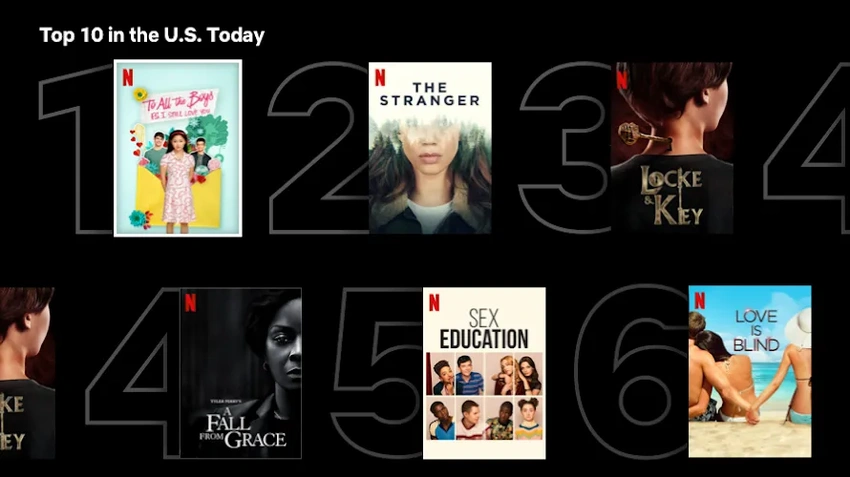
The priority for streaming companies is to get maximum viewership for certain movies which are loudly put out in front of us. Once you watch that, then they have a “Because you watched” tab or “Top 10 in your Country” that immediately pops up.
Have Shallow Films Became the Norm?
This decline of the re-watch has also negatively impacted the creation of films. Nowadays, movies are made in such a way that they can only be watched once. They are very shallow and meant for blunt consumption. The art of making films that can be re-watched endlessly is no longer a priority for studios anymore.
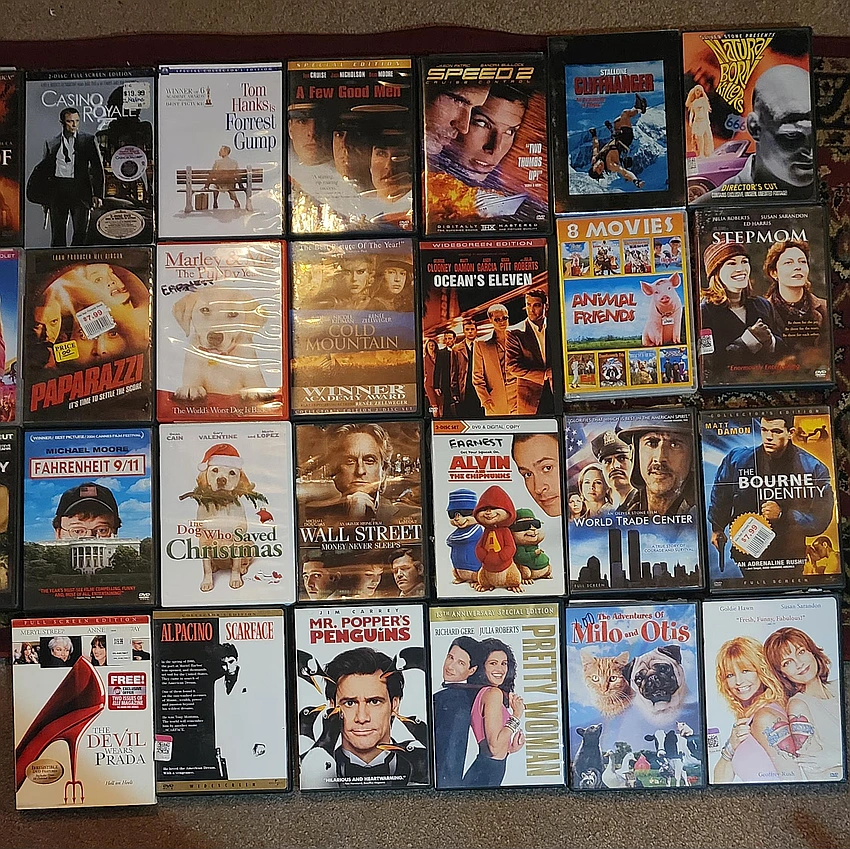
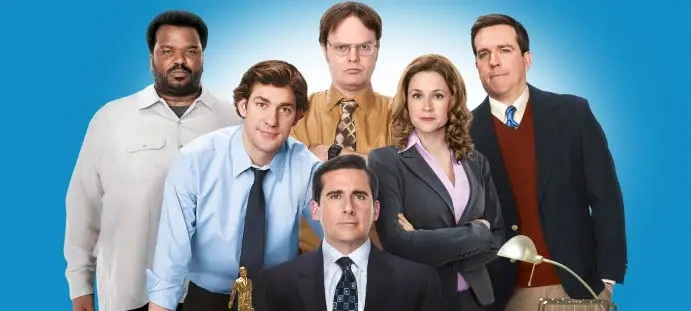
Although, it has to be noted that certain shows remain as the exception. We can observe that most sitcoms like Friends, The Office, How I met your mother, Brooklyn nine-nine, Seinfeld, etc. are all re-watched endlessly. This is a more cultural thing with the newer generation who prefer having shorter content to watch with their brains turned off. While they offer timeless appeal, it remains to be seen if these shows will stay timeless.
Think about the movies you have seen recently. Will you be watching them again? Or will you start a new, flashy thing? Have new movies been made such that they are not worth re-watching? These are all things worth thinking about.
#StreamingChange #MovieCulture #FilmCritique #Rewatch #Cinema
Login to comment.
More Like This
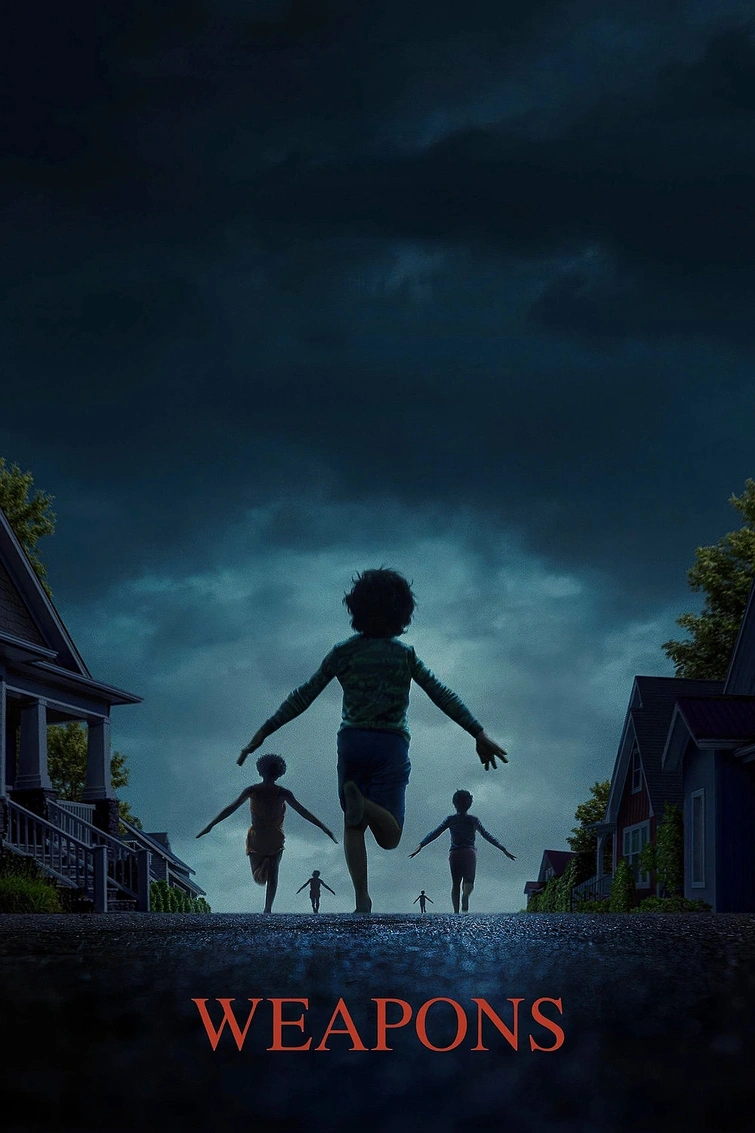
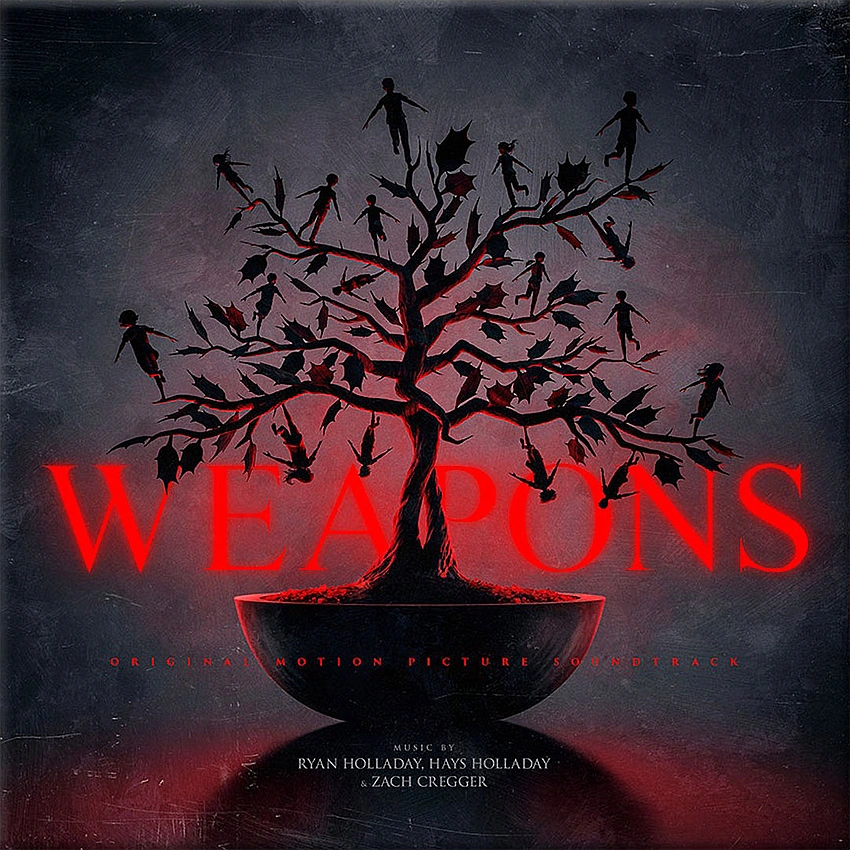
Weapons (2025) Film Review: When Mystery Marries Mayhem
Explore the haunting narrative of 'Weapons,' a horror film that stays with you long after the credits roll. Discover its eerie storyline and emotiona…
Weapons (2025) Film Review: When Mystery Marries Mayhem
Explore the haunting narrative of 'Weapons,' a horror film that stays with you long after the credits roll. Discover its eerie storyline and emotiona…
Explore the haunting narrative of 'Weapons,' a horror film that stays with you long after the credits roll. Discover its eerie storyline and emotional impact.
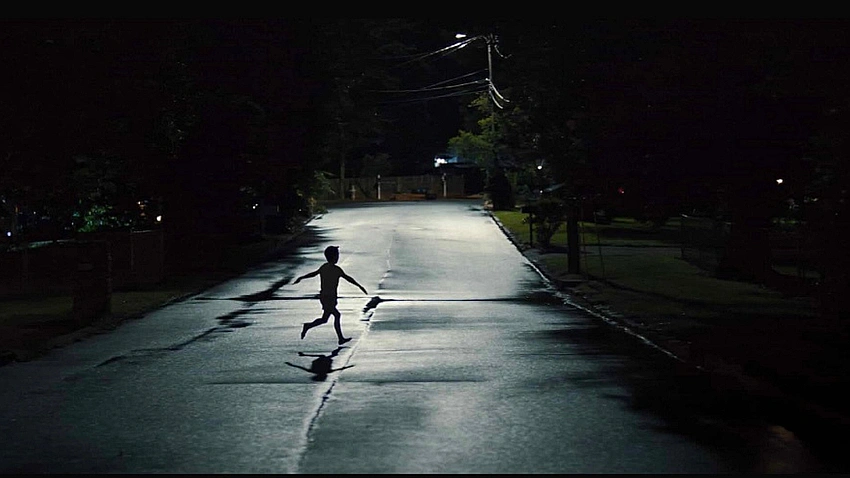
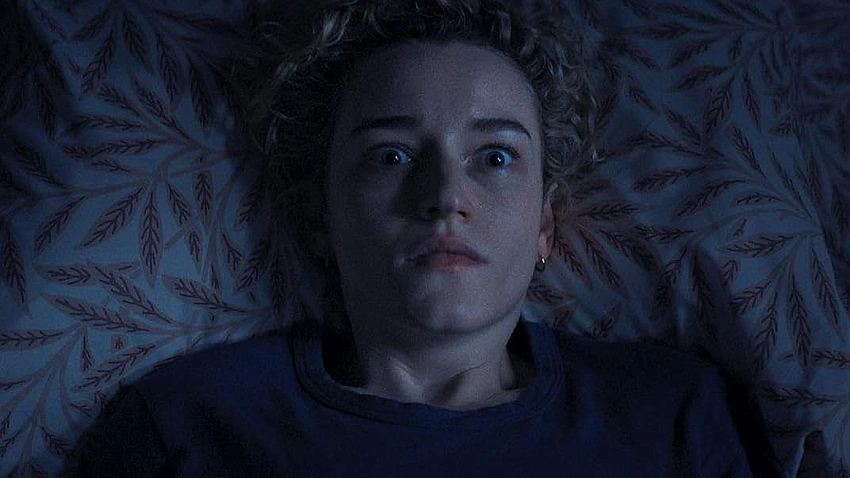
Some films leave you exhilarated, some leave you puzzled, and a few leave you with that rare, disquieting aftertaste that follows you home, sits down next to you, and refuses to leave. Weapons is one of those films. I walked out of the theatre feeling like I had just awoken from a fever dream, one stitched together from fragments of nightmare and lullaby, grief and revelation. It doesn’t announce its impact with loud spectacle; instead, it worms its way into your thoughts, unsettling you long after you think you’ve shaken it off.

The Vanishing Point
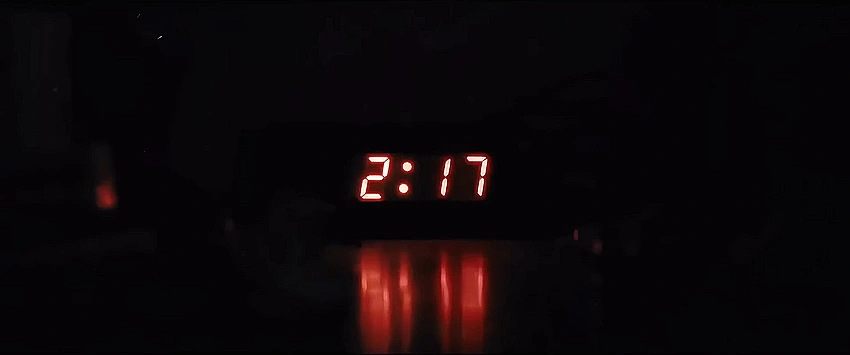
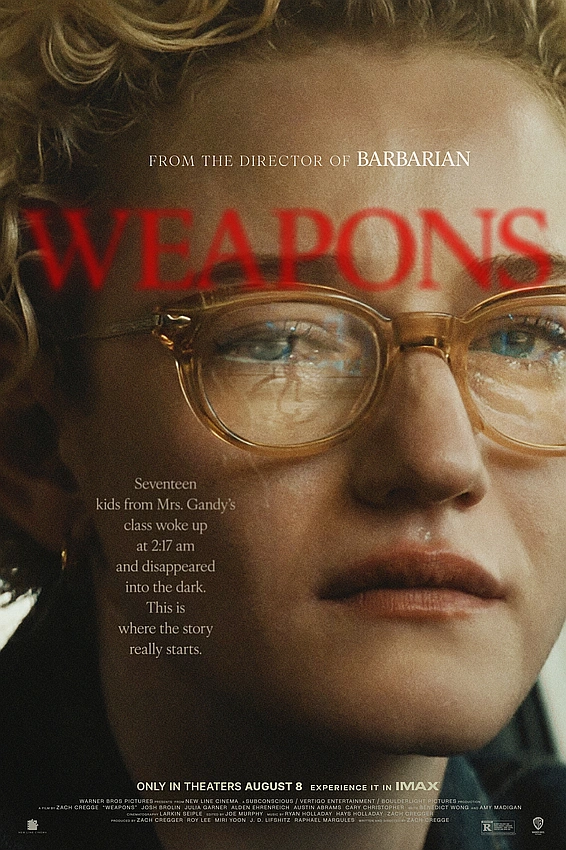
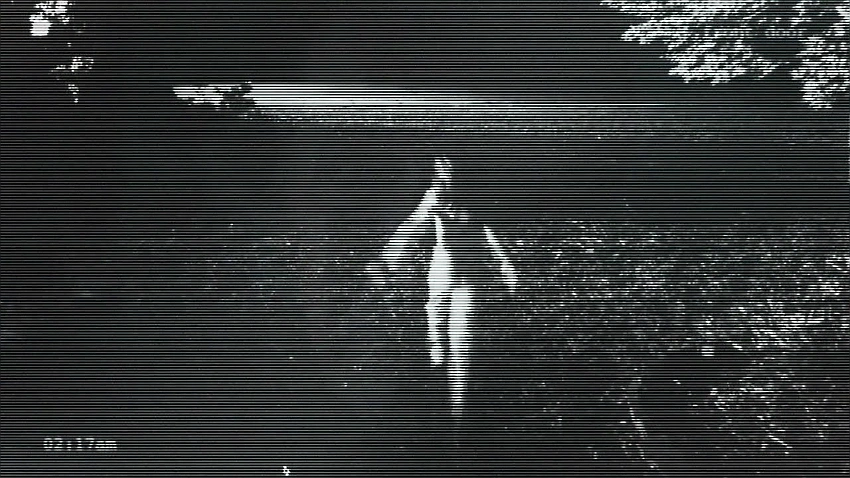
The film begins with a premise so eerie it feels plucked from the marrow of urban legend: at precisely 2:17 a.m., seventeen children vanish without a trace. No ransom notes, no sound of struggle, no sign of where they went, only a single surviving boy and his teacher, Justine Gandy, left to carry the unbearable knowledge of whatever happened. This moment is not just the inciting incident; it’s the gravitational force that pulls every other storyline into its orbit.

What makes this setup so effective is how it refuses to be reduced to an easy mystery. There’s no early promise that “the truth will be revealed.” Instead, we are thrust into the ripple effects of the event, the psychological fallout, the shifting relationships, and the sense that reality itself has been warped.
Story as Fractured Mosaic
Rather than following a single protagonist’s quest for answers, the film opts for an ensemble structure. We see the world through multiple fractured perspectives: Justine’s quiet, internalised trauma; a grieving father spiralling into obsession; a cop chasing shadows in the dark; a junkie drifting between delusion and revelation; a school principal weighed down by secrets. These stories don’t simply overlap; they refract one another, creating a prismatic effect where truth and fiction blur.

From a literary standpoint, this kind of structure mirrors polyphonic novels, where different voices build a complex emotional architecture. It also situates the film’s central idea: that a single event can spawn countless narratives, each incomplete, each carrying its own distortions and blind spots.
Horror Without the Jump Scares
Weapons is marketed as horror, but it resists the genre’s more predictable mechanics. This is not about creatures lurking in the dark or the sudden shriek of violins. The horror here is existential, anchored in the slow realisation that something unfathomable has happened and that the world will never return to the way it was before.

The atmosphere is one of constant unease, as though every room is just slightly too quiet, every street just a bit too empty. Violence, when it comes, is swift and disorienting, less about spectacle than about the shock of intrusion. It’s this restraint that makes the moments of terror so potent they feel earned, embedded in the fabric of the story rather than tacked on for shock value.
Symbolism and the Unseen
The disappearances themselves function as a kind of mutable symbol. They could stand for collective loss, for the way communities bury unspeakable traumas, for the things we choose not to see until they’re gone. By leaving their cause ambiguous, the film invites us to project our interpretations.

The surviving boy, silent and withdrawn, becomes a living question mark. Justine, meanwhile, is not framed as a “final girl” or a detective; she’s a witness who can neither flee nor fully articulate what she knows. Her quiet presence feels almost literary in its construction, less an agent of action than a figure onto whom the audience’s unease is mapped.
The Crescendo of Dread
If the first half of Weapons is about laying the groundwork of tension, the latter half is about tightening it until it’s almost unbearable. The pace quickens, connections between the disparate storylines start to emerge, and yet crucially, every revelation seems to open up more questions.

When the climax finally arrives, it doesn’t feel like a puzzle being solved. Instead, it feels like standing at the edge of a vast chasm and realising just how far it goes. The final moments strike a delicate balance between closure and ambiguity; there’s enough resolution to feel the story has ended, but enough left unsaid to keep it echoing in your head for days.
Why It Lingers
For me, Weapons worked because it refused to condescend. It didn’t feel the need to wrap every thread into a neat bow or explain every symbol. It is understood that some horrors are more powerful when they’re not fully illuminated.

As a literature student, I can’t help but draw comparisons to texts where absence is as important as presence, where what is left out shapes the meaning as much as what is shown. In that sense, Weapons feels like a cousin to experimental fiction, where narrative gaps and contradictions are not flaws but features.
What struck me most was its emotional honesty. The grief in this film is messy, contradictory, and unresolved. It doesn’t follow the arc of healing; it just becomes another texture of living. This, to me, is the real horror: the idea that some wounds are not meant to close.
Final Thoughts
In the end, the title Weapons feels like more than a reference to physical tools of harm. It gestures to stories themselves as weapons capable of wounding, of reshaping reality, of cutting into us long after the teller has gone silent.

This is not a film for those seeking a quick adrenaline rush or a neatly tied mystery. It’s a work that asks for patience, attention, and a willingness to sit in discomfort. But for those willing to give it that, the reward is a rare kind of cinematic experience, one that stays with you, reshaping your inner landscape in ways you might not immediately notice, like a whisper that turns into a shadow and then into something you can’t quite name.
#WeaponsFilm #MovieReview #Thriller #EmotionalImpact #Cinema #Horror #NewMovie
Login to comment.
3 Thots
More Like This
STOP Bollywood’s Green Screen Obsession: Biryani ki jagah poha serve kar rahe ho bhai!
Bollywood used to captivate with real stories and settings. Now, it feels more like a mix of high-budget soap operas.
Kya ho gaya hai Bollywood ko?
Bollywood, the same industry that gave us masterpieces like Lagaan, Dil Se, and Swades, is now dishing out “Netflix Daily Soap with a movie budget” vibes. And the culprit? Green screen, lack of scripts, and lazy filmmaking. Seriously, jab se VFX aur green screen ka chaska laga hai, asli sets toh bas dreams mein reh gaye hain.


Kahan gaye woh asli sets?
Remember the old-school days when Bombay’s chawls, Ladakh ke valleys or Kerala ke backwaters actually felt real? Ab toh ek gali ka scene bhi green screen pe shoot ho raha hai. Matlab Dilli dikha rahe ho, aur shoot ho raha hai Film City, Mumbai mein – aur woh bhi with such bad lighting that even daily soaps look better!

Ye Lanka hai ya Minecraft server?
Script toh pehle hi gayab thi, ab screenplay bhi gaya
Scriptwriting ki toh baat hi mat karo bhai, that’s been missing since 2015. But now they’re acting like people don’t notice ke - har doosri movie mein same story arc, green screen se bana mahal, Unrealistic lighting, characters floating jaise low budget video game ke NPCs
Toh jab hum bolte hain Bollywood = glorified daily soap, log offend ho jaate hain. Bhai offend hone se pehle thoda production value bhi check kar lo.
Before VFX addiction vs After VFX overdose
Arrey bhai, audience dekh rahi hai!
Bollywood seriously thinks ki hum log samajh nahi rahe? Bhai, jab ek 10th pass kid with an iPhone can shoot better reels on Lodhi Garden, toh tum 100 cr leke bhi itna fake kyun bana rahe ho?
Yeh green screen ki duniya is so badly lit and so poorly integrated that you feel like watching 2010 ka Balaji Telefilms show, except those had better drama.

Budget: ₹200 crore (ya creative budgeting to save tax), Result: PowerPoint presentation
The Royals on Netflix – relief from cringe
Let’s talk facts. The Netflix India original series “The Royals” didn’t just serve royal drama but also gave us actual palace locations, vintage cars, costumes shot in real light, not some matte paint filter.

Guess what? People loved it. Critics appreciated it. Twitter pe log ne bola – finally kuch real dekhne ko mila. That show’s popularity proves ki jab authentic visuals aur real locations hote hain, audience feels connected.
Compare that to Housefull 4, where Akshay Kumar is walking in a digitally created 16th century kingdom with 2005 ka Photoshop background.

Green Screen is not evil. Lazy usage is.
Look, no hate to tech. Green screen is not the villain here. Marvel bhi use karta hai. Par difference yeh hai - Marvel integrates it smartly with proper lighting, shadows, post-production, story justifies the tech
Bollywood mein toh koi bhi hawa mein palace bana deta hai, aur actors ko kehte hain, “Sir imagine kar lo yeh aapka rajmahal hai.” Bhai, imagination acting ka part hai, but script bhi toh chahiye?

“Imagination se Oscar nahi milta, production design bhi chahiye"
ChatGPT Prompt ≠ Creativity
Yeh toh wahi baat ho gayi, jaise koi content creator bole, “Bhai maine prompt likha, ChatGPT ne likh diya – asli mehnat toh meri hi hai.” Same logic Bollywood ka ho gaya: “VFX team ne banaya, par vision toh mera hi tha.” Vision without execution is daydreaming, not direction.
Audience isn’t dumb, bas has give up on bollywood
Audience ka taste evolve ho gaya hai South Indian cinema is booming with both real sets + rooted storytelling (check RRR, Kantara, Pushpa). OTT is killing it with shows like Delhi Crime, Panchayat, Scam 1992, Farzi, Family man, and many more. And meanwhile, Bollywood is still doing CGI ka naach with no plot.

Final Thoughts: Biryani chahiye, poha mat do
Bollywood needs to understand ek baat – audience ab poha nahi, dum wali biryani expect karti hai. We are okay with masala, songs, drama, but give us real sets, real emotions, real effort. Nahi toh bhai log, Dunki, Bade Miyan Chhote Miyan, aur Yodha jaise aur bhi flop examples milte rahenge.
Login to comment.
7 Thots
More Like This
Nonlinear Storytelling: a Brilliant Twist or Just Confusing?
Nonlinear storytelling is stirring debate in cinema and TV. Is it a fresh take on narrative or just a confusing trick? Let's discuss storytelling!
Nonlinear storytelling has become a polarizing trend in modern cinema and television. For some, it’s an inventive way to explore time, memory, and the human experience. For others, it feels like an overused gimmick, designed to confuse more than enlighten. The question that haunts us all: is nonlinear storytelling mindblowing or just a trick?
The Allure of Nonlinear Stories
At its core, nonlinear storytelling breaks away from the traditional, straightforward narrative structure. Instead of telling a story in a linear sequence - beginning, middle, end - these narratives jump around in time, often shifting between past, present, and future. This disruption can serve as a means to mimic the fragmented nature of memory or to present a more immersive experience that challenges the viewer's understanding of the plot.
But does it elevate the story, or does it just make the audience work harder?
Westworld: Season 1: A Mindbending Experiment
One of the most talked-about examples of nonlinear storytelling is Westworld Season 1. The show, which centers on a theme park filled with robots, blurs the lines between artificial intelligence and humanity. But it’s the show’s narrative structure that gets the most attention.
In Westworld, timelines are fractured and scrambled, making it a puzzle for viewers to piece together. The show presents multiple character arcs that shift between different timelines, but it’s not immediately clear which timeline you’re watching. At first, we see a character, Dolores, living in a peaceful world with a love interest, only to later discover that this is a timeline of her past, not present. The timelines, which might seem confusing at first, mirror the confusion the characters experience as they awaken to the truth about their existence.

Westworld doesn’t just use nonlinear storytelling for complexity’s sake. It serves a thematic purpose, reflecting the characters’ fragmented consciousness and their struggle to find meaning in a world that’s designed to deceive them. It’s a clever, if occasionally disorienting, way of showing how identity is constructed, distorted, and ultimately revealed.
Memento: The King of Mindbending Structure
If Westworld helped modern TV audiences navigate nonlinear storytelling, then Christopher Nolan’s Memento set the standard for nonlinear movies. This film is told backwards, from the end to the beginning, showing a man’s quest for revenge as his memory fails him. The result is a haunting, psychological dive into the fragility of memory and the human condition.

The nonlinear structure in Memento is not just a trick; it’s the foundation of the entire narrative. By structuring the story in reverse, Nolan immerses us in the protagonist’s disorienting world, where every moment is fleeting and unreliable. The backwards storytelling forces us to experience the same sense of confusion and frustration that the main character feels, making the twist at the end even more impactful.
Pulp Fiction: Nonlinear Without the Confusion
Quentin Tarantino’s Pulp Fiction is often cited as a masterclass in nonlinear storytelling. The film plays with time by jumping between various interconnected stories, and while the structure is unconventional, it never loses its focus. Tarantino’s trademark dialogue and character-driven plots keep the audience grounded, while the nonlinear structure amplifies the impact of key moments, giving the film a unique rhythm.

Pulp Fiction shows that nonlinear storytelling doesn’t need to be complex to be effective. It’s a perfect example of how jumping between different timelines can create a dynamic, unpredictable flow that keeps viewers engaged.
Is It Mindblowing or Gimmicky?
Nonlinear storytelling, when done right, can be an exhilarating experience. It allows viewers to engage with the narrative in a more active way, constantly piecing together information and questioning what they thought they knew. Movies like Memento, Pulp Fiction, and Westworld prove that nonlinear structures can be powerful tools for deepening emotional engagement, exploring complex themes, and providing jaw-dropping twists.
However, when misused, nonlinear storytelling can feel gimmicky. Sometimes, the method is used just to appearclever, without serving the story or the themes. It runs the risk of alienating audiences who are more interested in a coherent, straightforward narrative than an intellectual puzzle. Movies or shows that rely too heavily on nonlinear structures without any deeper purpose can seem pretentious or convoluted, leaving viewers frustrated rather than amazed.
Does the Story Need it?
Nonlinear storytelling is neither inherently mindblowing nor gimmicky, it’s all about how it’s used. When done with purpose and care, it can elevate a story, deepen its emotional impact, and offer a unique experience for the audience. But when used as a mere trick to disguise a lack of substance, it becomes a frustrating exercise in style over substance.
In the end, nonlinear narratives are a tool, a powerful one, but only when in the hands of creators who understand that complexity is meant to enrich the story, not obfuscate it.
#NonlinearStorytelling #FilmTrends #TVDebate #Storytelling #Cinema
Login to comment.
7 Thots
More Like This
From Shekar Malhotra to Mogambo: A Saga of Supreme Villainy
Bollywood villains often steal the spotlight and how they challenge the norms of heroism and create compelling narratives.
Bollywood isn’t just about the shining heroes and their flawless smiles—kabhi-kabhi, the real masala is in the villains. In a world where heroism is celebrated to the extreme, these iconic baddies make us pause and ask, “Why is the hero always so... ordinary?” Today, we’re diving headfirst into a bold, controversial take on why our most daunting villains—Shekar Malhotra from Jo Jeeta Wohi Sikandar, Captain Russel from Lagaan, Mogambo from Mr India, and even the absurdly unconventional Bauji from DDLJ (yes, seriously, imagine SRK rejected for being too “nice”)—have often outshined their so-called saviors.
Villains Who Redefined Filmy Cool
Let’s get one thing straight: Bollywood villains aren’t just there to be the “bad guy.” They are larger-than-life characters with style, attitude, and a penchant for dramatic flair. Take Shekar Malhotra from Jo Jeeta Wohi Sikandar—while our hero might have been busy winning races and winning hearts, Shekar’s ruthless determination and edgy persona gave us a refreshing perspective on what real grit looks like. His character wasn’t just evil; it was an embodiment of ambition with a dangerous twist.

Then there’s Captain Russel from Lagaan, who didn’t just stand in the way of progress—he did it with such arrogance and over-the-top theatrics that you couldn’t help but be drawn to his larger-than-life presence. And who can forget Mogambo from Mr India? With his unforgettable “Mogambo khush hua” dialogue and intimidating persona, he didn’t just oppose the hero—he stole the spotlight completely. Even Bauji from DDLJ, in a twist of fate that remains controversial to this day, shows us that sometimes being the bad guy is the ultimate ticket to cinematic immortality.

Beyond Good vs. Evil
Bollywood has always thrived on clear-cut portrayals of good and evil, but these villains challenged that norm. They made us wonder if the heroism we so readily accept isn’t sometimes just a well-packaged façade. Why is it that while heroes are expected to be flawless and self-sacrificing, villains are given room to be imperfect, quirky, and, dare we say, more human?
Aaj ke zamaane mein, where every film tries to mimic the same heroic formula, the bad guys come as a breath of fresh air. They don’t need to be perfect; they need to be real, unpredictable, and full of swag. It’s this raw, unfiltered attitude that makes these characters not just memorable but also a stark commentary on how we perceive strength and influence. In many films, while the hero’s journey is scripted and safe, the villain’s path is chaotic and edgy—reminding us that sometimes the darker shades in life can be just as captivating, if not more.
Real Impact: When Villains Inspire the Masses
One striking real-life example of a villain’s influence can be seen in the cultural phenomenon created by Mogambo from Mr India. When the film hit the screens, it wasn’t just a story of a heroic underdog—it was an invitation to embrace a new kind of audacity. Mogambo’s character became so iconic that kids began mimicking his dramatic dialogue in school, and even local theatre groups and street performers started reimagining his persona in their acts.

This wasn’t just mindless mimicry. It sparked a genuine cultural shift where the very essence of power was being questioned. People started to see that strength didn’t always come from being the good guy; sometimes, it was in the boldness, the unapologetic attitude of defiance against societal norms. The “Mogambo Effect,” as some critics have since dubbed it, pushed a generation to rethink the traditional metrics of heroism. It even led to heated debates on TV shows and in college cafeterias: Why do we celebrate flawless heroes when a well-crafted villain can challenge the status quo and inspire us to be a little more rebellious in our own lives?
This influence wasn’t without controversy. While many cheered the villain for its authenticity and raw magnetism, traditionalists argued that such portrayals blurred the lines of morality in cinema. But if cinema is a mirror to society, then perhaps it’s time we accept that our understanding of right and wrong isn’t as black and white as we once believed.
A Bold, Controversial Verdict: Heroes Overrated?
Let’s be brutally honest—Bollywood heroes often get an undeserved halo. They’re painted as these flawless paragons of virtue, but in doing so, they become almost robotic. It’s like watching someone rehearse a motivational speech without ever breaking a sweat. On the flip side, our villains are allowed to be messy, unpredictable, and full of character. They have quirks, dramatic entrances, and killer dialogues that stick with you long after the movie ends.
Consider the idea of Bauji from DDLJ. Imagine a film where instead of a suave, ever-smiling hero, we have a character who challenges the norm with a menacing yet charismatic aura. Wouldn’t that be a refreshing change? It’s as if Bollywood is nudging us to question whether the hero’s constant perfection is really what makes a movie memorable. Sometimes, it’s the villain’s flaws, his audacity to break every rule, that gives the narrative its real punch. Is it too controversial to say that our over-glorified heroes might just be holding us back from experiencing the full spectrum of cinematic brilliance?

The Anatomy of a Perfect Villain
So what exactly makes a villain so magnetic? First off, it’s their fearless approach to life. They’re not burdened by the weight of expectations—no endless backstories of sacrifice or redemption arcs. They simply are, and in that raw state, they exude a power that is both terrifying and fascinating. Their dialogues are razor-sharp, often laced with witty sarcasm and sometimes even humor, making them stand out in a sea of predictable heroics.
This blend of menace and humor, of defiance and style, is what allows a villain to dominate the screen. They challenge the hero not just physically but ideologically. They question, they provoke, and they make us laugh and think at the same time. It’s a dangerous cocktail that turns a simple movie plot into a cultural conversation.
Bollywood filmmakers have increasingly started to realize this potential. In recent years, we see more films experimenting with anti-heroes and morally ambiguous characters. The villain’s journey is no longer just a side note; it’s often the main event. And while this may ruffle some feathers in a traditionally hero-worshipping industry, it’s a trend that promises to keep cinema exciting and unpredictable.

The Evolution of Villians Continues
Of course, no discussion on film is complete without acknowledging that the narrative is ever-evolving. Today’s cinema is a melting pot of genres, styles, and philosophies. The rigid lines between hero and villain are blurring faster than ever. In a world where every character is given depth and shades of grey, the once clear-cut definitions no longer hold water.
With every new film, there’s an opportunity to challenge the status quo, to redefine what it means to be a protagonist or antagonist. The evolution of these characters reflects the evolving values of society itself. In a time when conformity is the norm, the audacity to be different—sometimes to be the villain—resonates deeply with audiences.
It’s a revolution, one that dares to say that sometimes the real hero isn’t the one who saves the day in a conventional sense, but the one who challenges us to see the world from a different, bolder perspective.
Login to comment.
8 Thots
More Like This
Comments
-
Loading...
-
-
-
-
-
-
-
Please select a valid reason.
Login to comment.