#Horror
Login to reply.
No thots yet. Be the first to share your thoughts!
Login to reply.
No thots yet. Be the first to share your thoughts!
Login to reply.
No thots yet. Be the first to share your thoughts!
Login to reply.
No thots yet. Be the first to share your thoughts!
It’s absolutely wild to think that a 16-year-old managed to take a niche 4chan creepypasta and turn it into one of the most terrifying viral sensations on YouTube. Now, Kane Parsons is officially headed to the big screen to direct a feature film with a major studio. This isn’t just another horror movie; it’s a massive win for internet-native storytelling.
For years, Hollywood has tried to adapt memes and failed miserably, but having the original creator at the helm changes everything. The 'liminal space' aesthetic of the yellow-walled, fluorescent-humming Backrooms taps into a very specific kind of modern dread that traditional jump-scare horror just can't touch.
Whether you're a long-time fan of the lore or just curious about how YouTube talent translates to a blockbuster budget, this is going to be a milestone for digital culture. The internet's most uncanny myth is about to get a whole lot bigger, and honestly, I'm here for it. #culture #media #horror
Login to reply.
8 Replies
Vampire night clip 👿: A quick peek at a shadowy vampire moment. #vampire #shorts #horror
Login to reply.
14 Replies
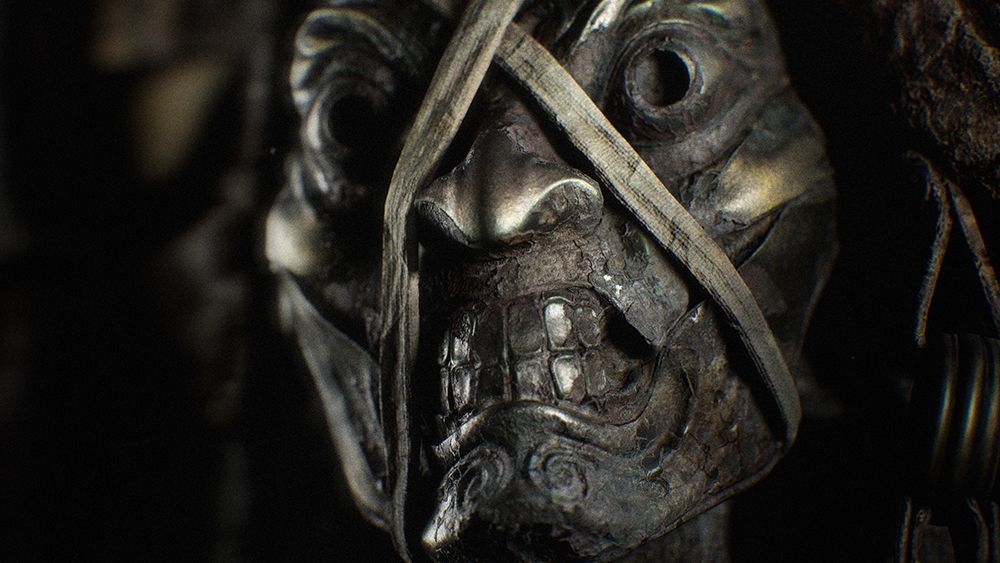
I just stumbled upon the concept art for Ritual Tides and honestly, my jaw is on the floor. It’s an indie horror game, but looking at these visuals, you’d swear it had a massive AAA budget behind it. We’re finally seeing what Unreal Engine 5 can do for smaller studios, and it’s terrifyingly beautiful.
The atmosphere is thick, the textures look incredibly realistic, and the lighting is just... wow. I’ve always been a fan of indie horror because they take risks with the story, but usually, we have to settle for retro or low-poly graphics. Seeing a small team push for this level of fidelity is a game-changer.
It makes me wonder if the era of budget-looking indies is ending. If this plays as good as it looks, we are in for a serious treat. It's giving me major vibes of a big studio production but with a much darker, more ritualistic twist.
Is anyone else ready to be absolutely terrified in 4K, or is the photorealism just going to make the jumpscares too much to handle? #Gaming #Technology #Horror https://thoxt.com/l/zUgmPE 🔗
Login to reply.
6 Replies
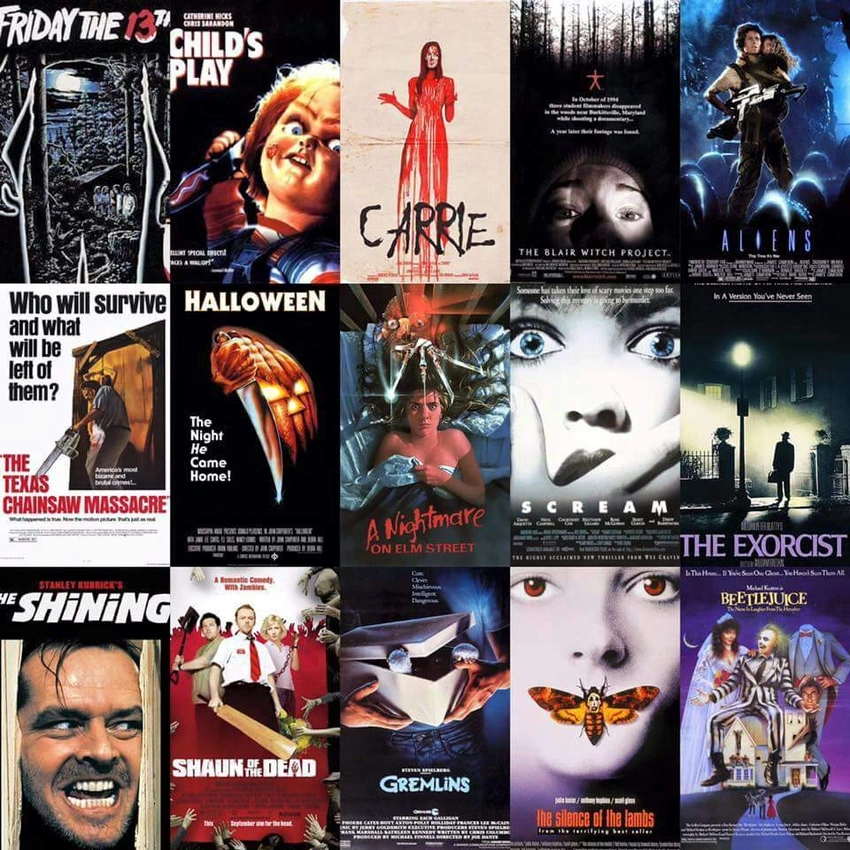
Ten Horror Films of the 21st Century Destined for Classic Status
Explore the future classics of horror cinema that reflect our deepest fears and cultural anxieties. Are these films already part of our collective me…
Ten Horror Films of the 21st Century Destined for Classic Status
Explore the future classics of horror cinema that reflect our deepest fears and cultural anxieties. Are these films already part of our collective me…
Explore the future classics of horror cinema that reflect our deepest fears and cultural anxieties. Are these films already part of our collective memory?
Horror has predominantly been the most haunted of genres (bad pun intended), in its subject matter but also its cultural legacy. From Psycho to The Shining, the canon of classics is shaped by the anxieties of their times, only revealed as such decades later.
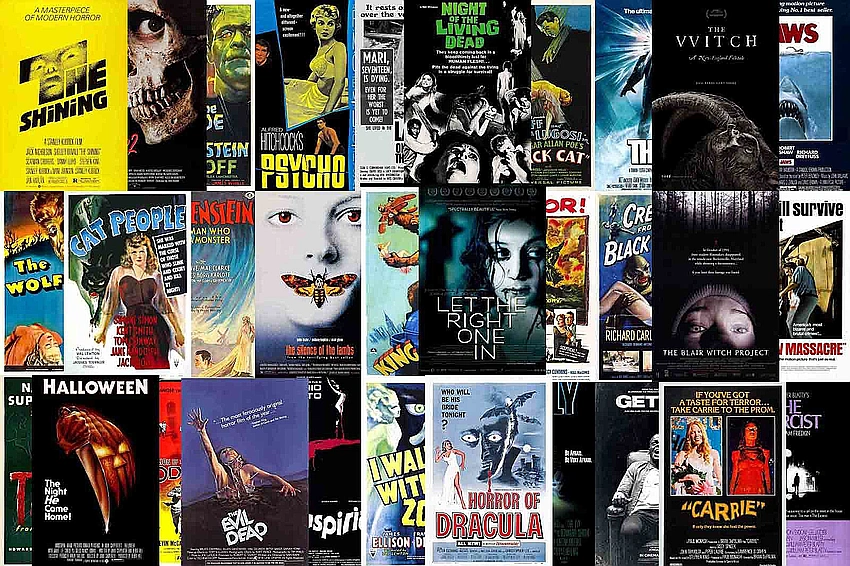
What makes a horror film a “classic” is its ability to enter cultural memory, to resonate with literary traditions, and to evoke theoretical debates about the body, identity, and the abject, rather than merely relying on its shock value or box office success. Looking at the past twenty years of cinema (2005-2025), ten horror films stand out as future classics to me, already inscribed in the Gothic imagination of our century.
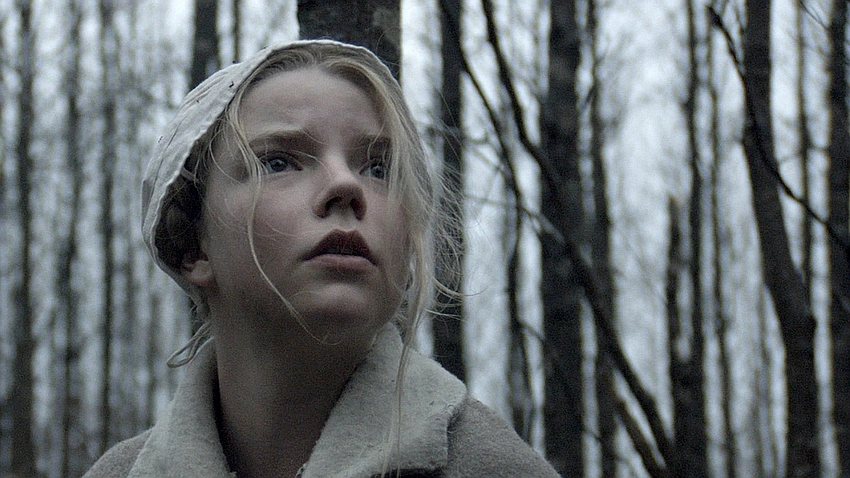
1. The Witch (2015, Robert Eggers)
Set in 1630s New England, The Witch resurrects the Puritanical anxieties at the heart of American Gothic. Eggers painstakingly reconstructs dialect, costume, and folklore, giving the film the feel of a seventeenth-century sermon turned nightmare. Like Hawthorne’s Young Goodman Brown, it stages the disintegration of faith under the pressure of repression and projection.
From a theoretical lens, Julia Kristeva’s concept of abjection is key. The figure of Thomasin, the daughter accused of witchcraft, embodies how the patriarchal family rejects what it cannot control: female sexuality, disobedience, and desire. The goat Black Phillip functions as the Lacanian Real, the eruption of the forbidden that dismantles Puritan order. In this sense, The Witch does not merely depict horror; it performs the very process by which social anxieties manufacture the monstrous.
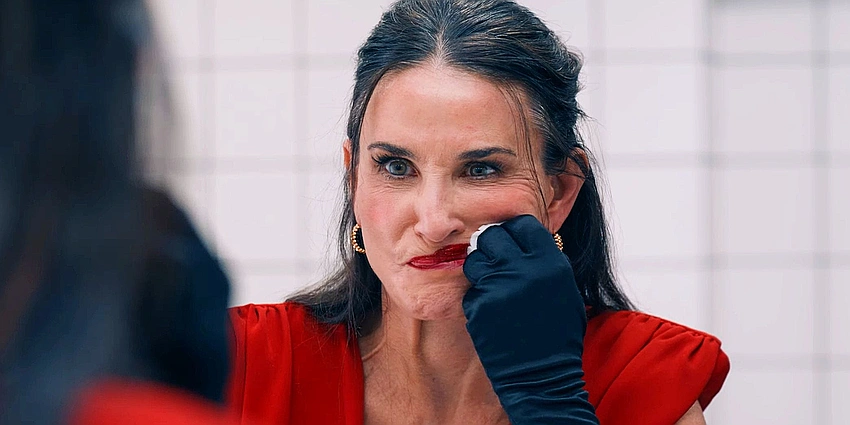
2. The Substance (2024, Coralie Fargeat)
Already hailed as a polarising feminist body-horror landmark, The Substance depicts a dystopian mechanism where women can consume a black-market drug to generate younger, idealised versions of themselves. It is grotesque, flamboyant, and deeply political.
Here, the Gothic merges with feminist theory. Judith Butler’s reflections on performativity echo in the split identities of Demi Moore and Margaret Qualley, two bodies torn between age and idealisation. The horror stems not from the monstrous Other but from the enforced norm: the demand for eternal youth. Kristeva’s abjection reappears in the abject flesh: the leaking, dismembered, multiplying female body. This is horror as critique: it stages the violence of a culture that simultaneously commodifies and rejects the female body. Much like Mary Shelley’s Frankenstein, The Substance reimagines creation as grotesque, violent, and uncontainable.
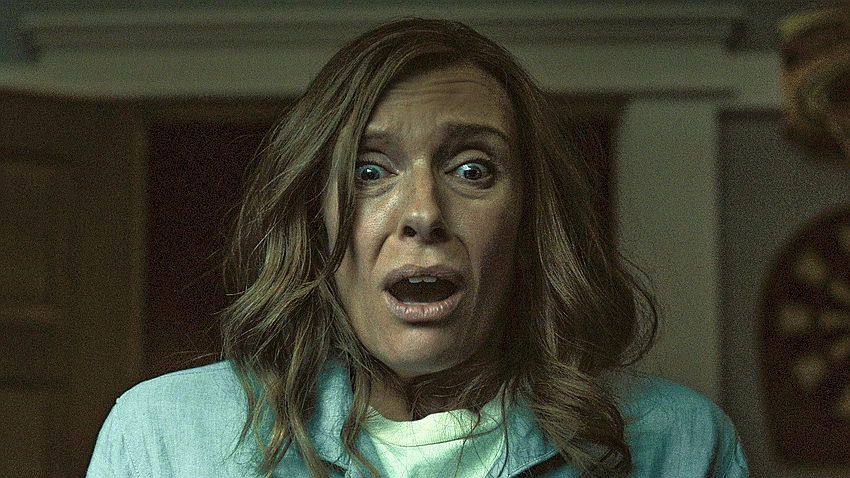
3. Hereditary (2018, Ari Aster)
Aster’s debut is arguably the most canonical horror of our century so far. Beginning as a family drama and ending in an operatic Satanic ritual, Hereditary fuses psychological realism with cosmic terror. Like Greek tragedy, it depicts the inevitability of fate; like Gothic novels, it binds family inheritance with curses and demons.
Kristeva’s abjection again plays a role; the mutilated body of Charlie, the possessed child, lingers as an image of the horror within domesticity. But more than that, the film echoes Butler’s ideas of kinship. Hereditary exposes how family structures, supposedly safe havens, can reproduce violence across generations. Its classic status will endure because it transforms domestic grief into myth, echoing Aeschylus as much as Shirley Jackson.
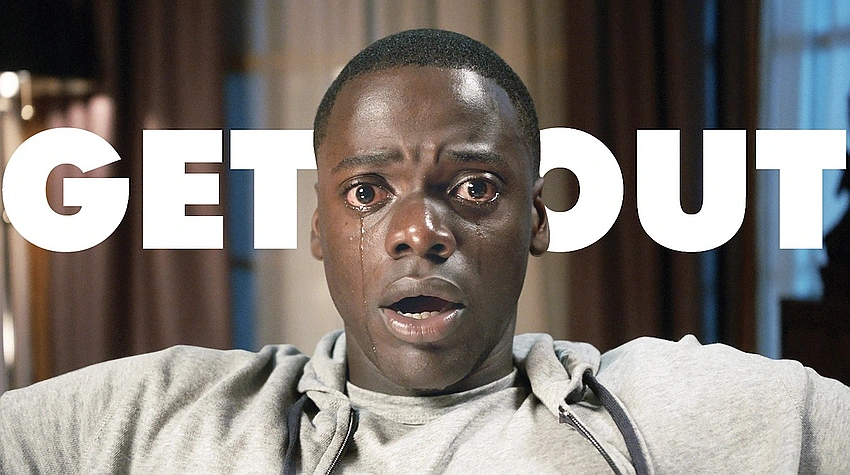
4. Get Out (2017, Jordan Peele)
Where Hereditary dwells in the metaphysical, Get Out roots horror firmly in the politics of race. Peele’s satire on liberal racism uses the conventions of Gothic captivity and possession: the “sunken place” echoes both Gothic dungeons and postcolonial theories of subjugation.
Frantz Fanon’s Black Skin, White Masks reverberates here; the appropriation of Black bodies by white desire literalises the violence of assimilation. The Gothic mode has frequently interrogated anxieties about the Other, and Peele reclaims this tradition, making the Black body itself the site of horror and resistance. Like Dracula, Get Out will endure because it entwines political critique with cultural myth-making.
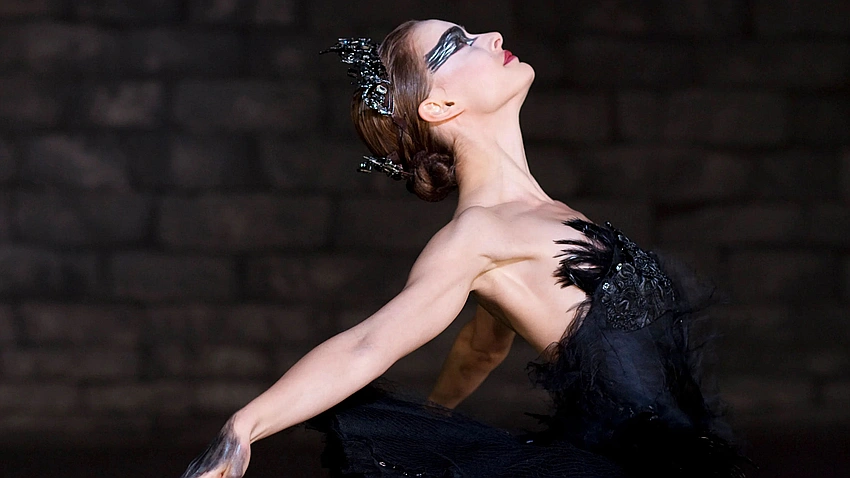
5. Black Swan (2010, Darren Aronofsky)
Though often debated as a psychological thriller rather than “horror”, Black Swan exemplifies the Gothic obsession with doubles, mirrors, and bodily disintegration. Nina’s descent into madness echoes both the Gothic heroine trapped by patriarchal discipline and the Romantic notion of the artist consumed by perfection.
Butler’s performativity offers a way in: Nina’s transformation into the “black swan” is the violent manifestation of the demand to embody femininity as performance. The film’s body horror elements, such as the breaking toes and sprouting feathers, reflect Kristeva’s abject body, a site where the border between human and animal collapses. In literary terms, it inherits from Poe and Hoffmann, tales where art and madness are indistinguishable. Its endurance lies in this interweaving of aesthetic and bodily terror.
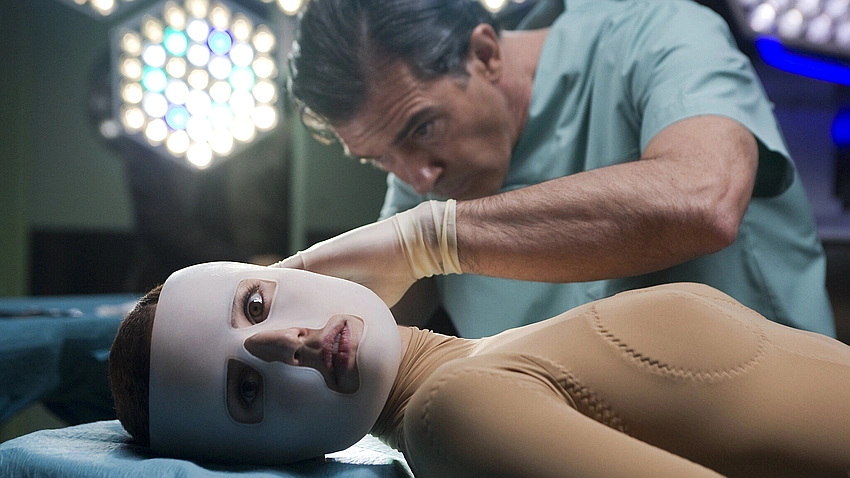
6. The Skin I Live In (2011, Pedro Almodóvar)
Almodóvar’s Gothic melodrama fuses science fiction with revenge tragedy. A surgeon (Antonio Banderas) holds captive a woman in an experiment of skin transplantation, only to reveal that she is his prisoner-turned-victim of enforced gender transformation.
The film is reminiscent of Frankenstein, but also the Gothic captivity narrative. Here, gender itself is the site of horror: Butler’s notion of gender as a regulatory regime becomes literalised through surgical violence. The abject body, stitched, violated, reconstituted, echoes Kristeva’s vision of horror as the breakdown of boundaries. It is both startling and elegiac, destined for classic status because it stages the Gothic not in medieval castles but in sterile laboratories.
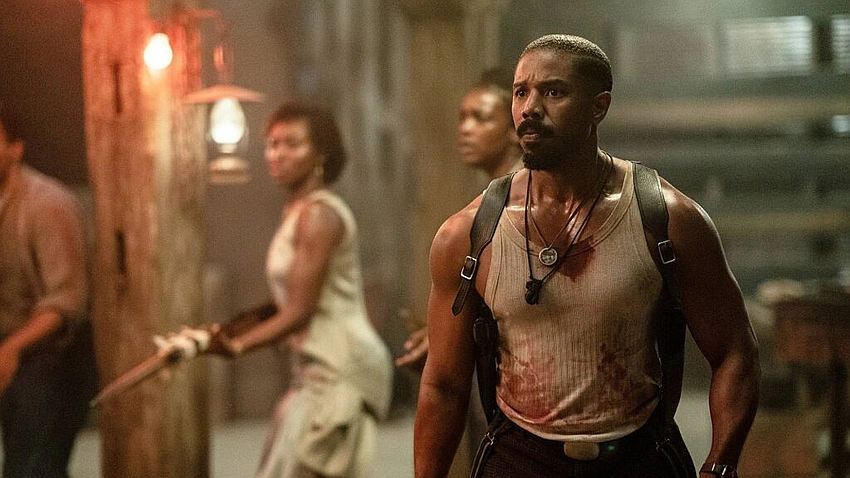
7. Sinners (2025, Eddie Alcazar)
Though very recent, Sinners signals itself as a cult object already. Combining surrealist aesthetics with grotesque prosthetics, Alcazar’s film imagines a dystopia where sin is both visible and punishable through bodily mutation.
This reflects the moral apologues of medieval morality plays, updated through body horror. The Gothic tradition has consistently linked sin with physical monstrosity, from Milton’s Paradise Lost to Stevenson’s Jekyll and Hyde. Here, the body becomes a moral text, leaking and deforming under the weight of judgment. Kristeva’s abjection is again central: horror is the visibility of what society wants to disavow.
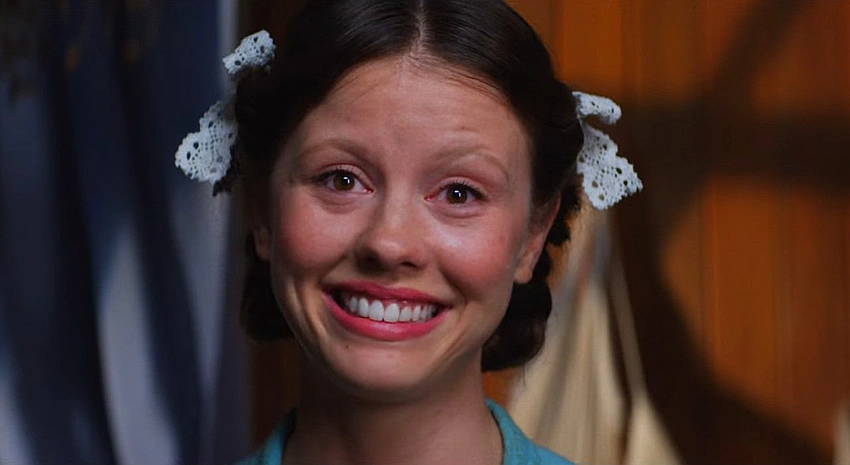
8. Pearl (2022, Ti West)
A prequel to X, Pearl transforms slasher tropes into Technicolour melodrama. Mia Goth’s Pearl is both grotesque and tragic, a heroine who wants stardom but becomes an assassin instead.
Here, the Gothic merges with American melodrama: like Gothic heroines of the nineteenth century, Pearl is trapped by patriarchal structures, denied escape, and forced into monstrosity. Butler’s reflections on the violence of norms are echoed in her suffocation under domestic duty. Pearl’s breakdown portrays the Gothic’s obsession with the “madwoman”, from Bertha Mason to Charlotte Perkins Gilman’s narrator in The Yellow Wallpaper.
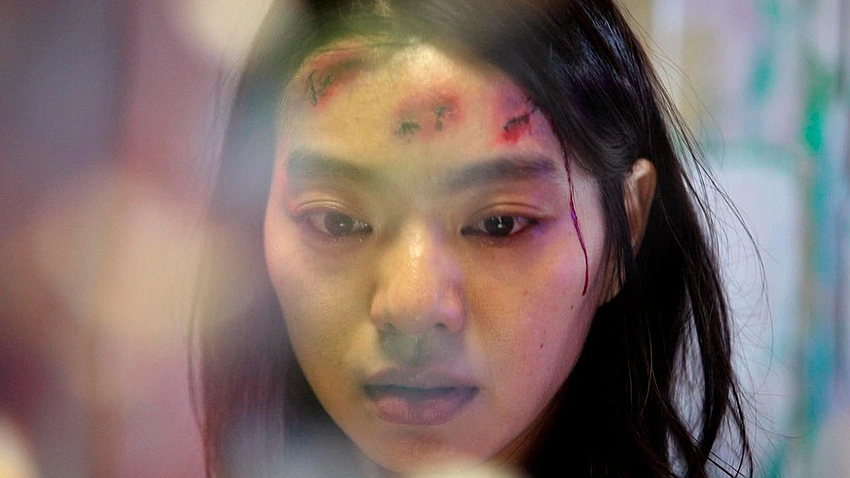
9. Kotoko (2011, Shinya Tsukamoto)
This Japanese film is perhaps the most underappreciated on the list, but it exemplifies the Gothic interior turned outward. It follows a mother suffering from delusions and self-harm, terrified of losing her child. Tsukamoto’s handheld camerawork creates a fractured subjectivity that mirrors Kristeva’s psychoanalytic explorations of depression and maternal horror.
In literary traditions, Kotoko represents the maternal Gothic from Radcliffe’s persecuted heroines to Toni Morrison’s Beloved. The body here is not a spectacle but a wound, the mother torn between nurture and destruction. That claustrophobic interiority, rendered in raw intensity, will grant Kotoko a place in the long Gothic lineage.
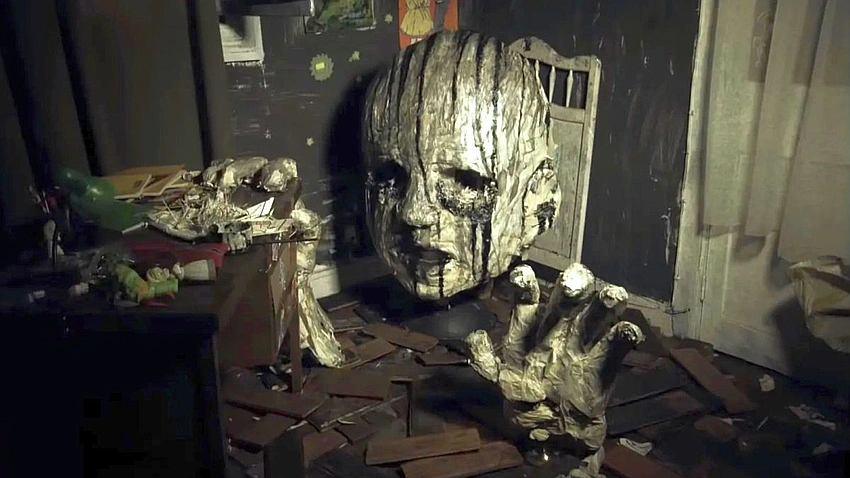
10. The Wolf House (2018, Cristóbal León & Joaquín Cociña)
This Chilean stop-motion horror is perhaps the most overtly metaphorical. Framed as a Nazi propaganda fairy tale, it tells of a young woman trapped in a house where materials morph and bodies dissolve. The grotesque animation recalls early surrealist cinema but also fairy-tale Gothic traditions.
In theoretical terms, the house is the abject body writ large: boundaries collapse, and flesh becomes architecture. It reverberates with Kristeva’s idea that horror is the precarity of borders. Politically, it allegorises dictatorship and cult indoctrination, making it not just Gothic but historical horror. Like Kafka or Bruno Schulz in literature, The Wolf House offers a nightmare parable that ensures its longevity.
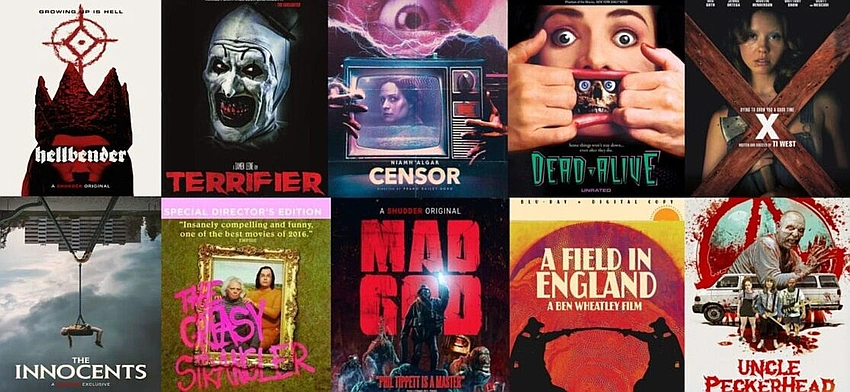
Closing Thoughts
What unites these ten films spanning American indie, European arthouse, Japanese experimentalism, and Latin American apologue is their ability to stitch horror into older traditions: the Gothic novel, the abject body, and feminist and postcolonial critique. They are not “just” horror films; they are cultural texts where anxieties of gender, race, family, and politics are staged through the monstrous and the uncanny.
As a literature student, I see them not as isolated cinematic shocks but as contributions to the Gothic canon. Just as Frankenstein or Dracula outlived their initial notoriety, these works will haunt future decades not only in streaming queues but also in classrooms, critical essays, and the shared language of horror itself.
Let me know in the comments which films you think will be the next horror classics.
#HorrorMovies #FutureClassics #CulturalLegacy #GothicCinema #FilmAnalysis #Culture #MovieReview #Horror
Login to comment.
3 Thots
More Like This
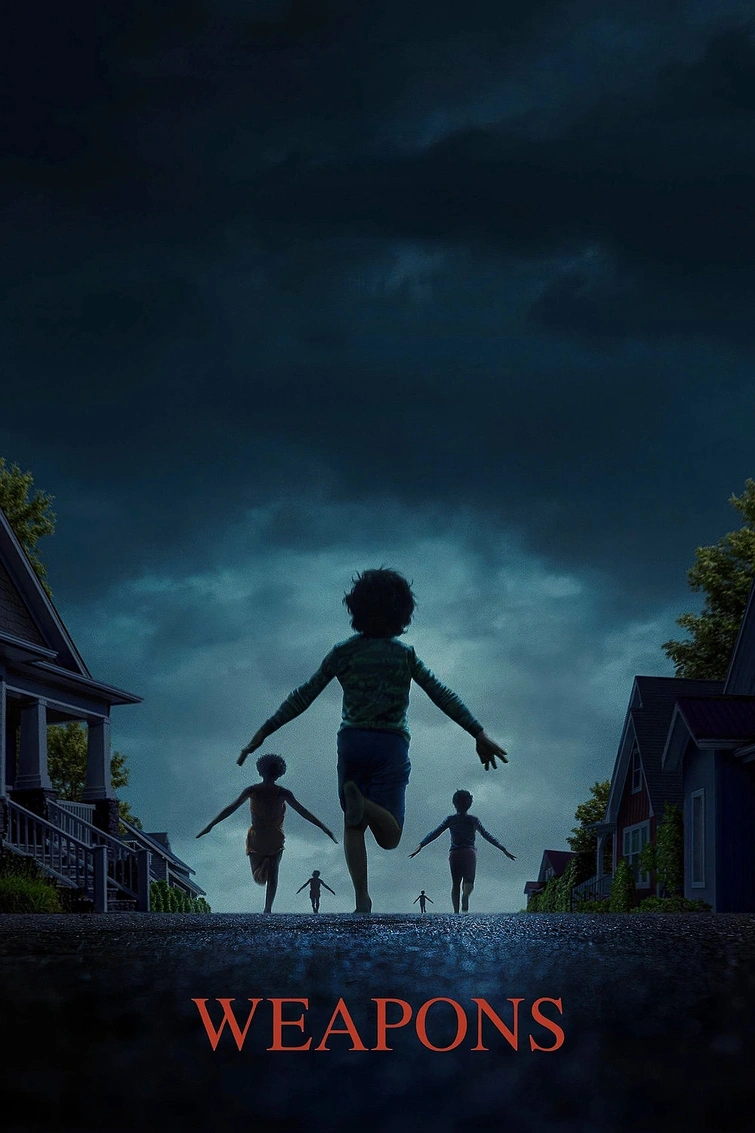
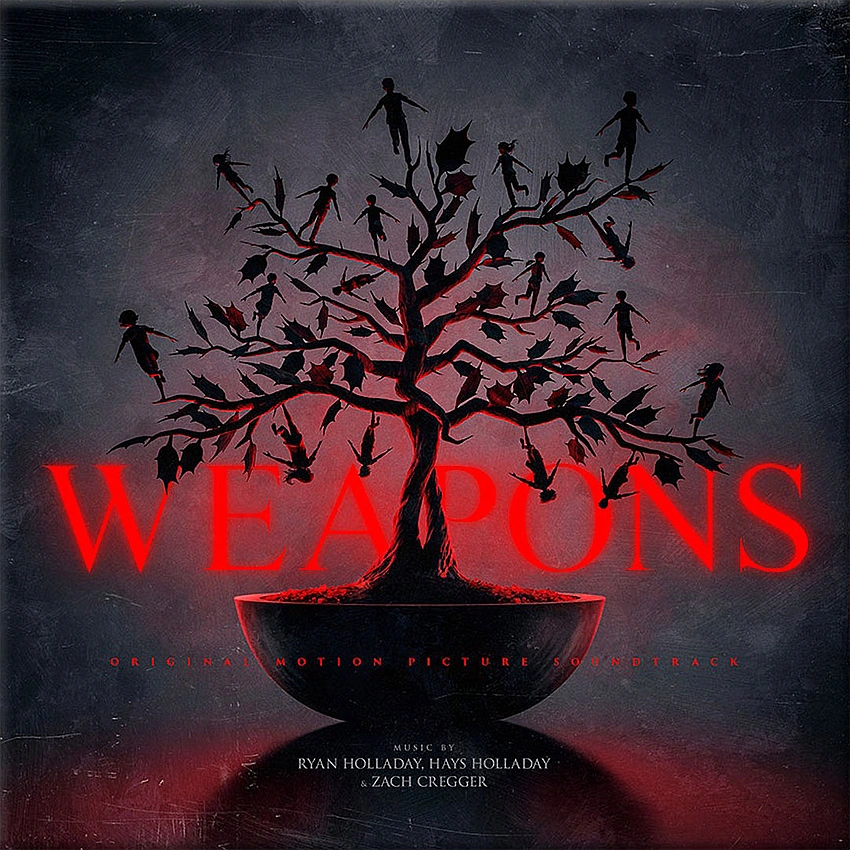
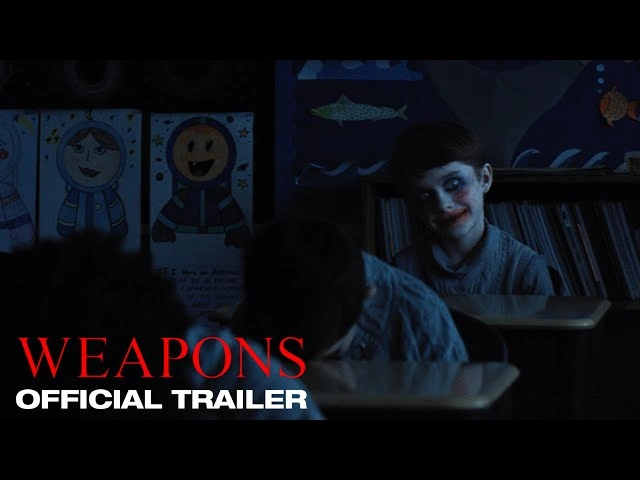
Weapons (2025) Film Review: When Mystery Marries Mayhem
Explore the haunting narrative of 'Weapons,' a horror film that stays with you long after the credits roll. Discover its eerie storyline and emotiona…
Weapons (2025) Film Review: When Mystery Marries Mayhem
Explore the haunting narrative of 'Weapons,' a horror film that stays with you long after the credits roll. Discover its eerie storyline and emotiona…
Explore the haunting narrative of 'Weapons,' a horror film that stays with you long after the credits roll. Discover its eerie storyline and emotional impact.
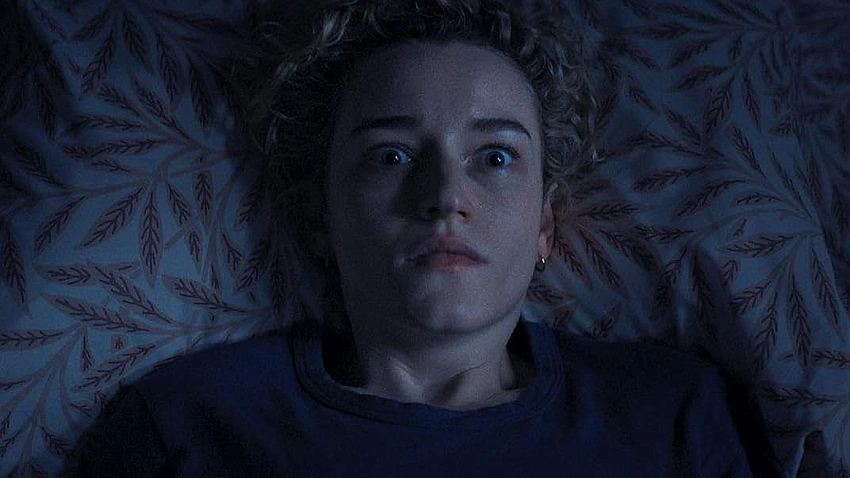
Some films leave you exhilarated, some leave you puzzled, and a few leave you with that rare, disquieting aftertaste that follows you home, sits down next to you, and refuses to leave. Weapons is one of those films. I walked out of the theatre feeling like I had just awoken from a fever dream, one stitched together from fragments of nightmare and lullaby, grief and revelation. It doesn’t announce its impact with loud spectacle; instead, it worms its way into your thoughts, unsettling you long after you think you’ve shaken it off.

The Vanishing Point
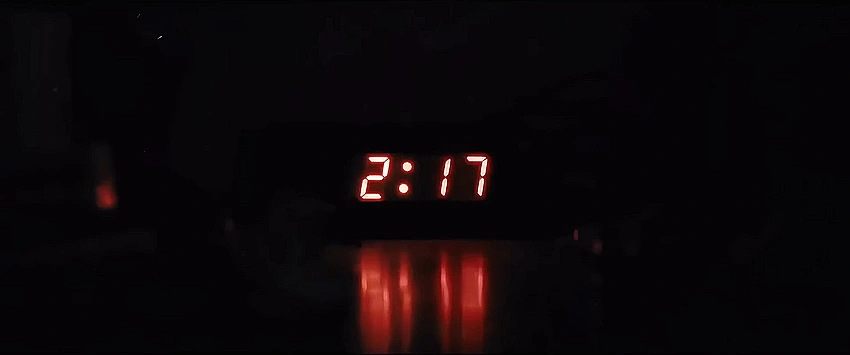
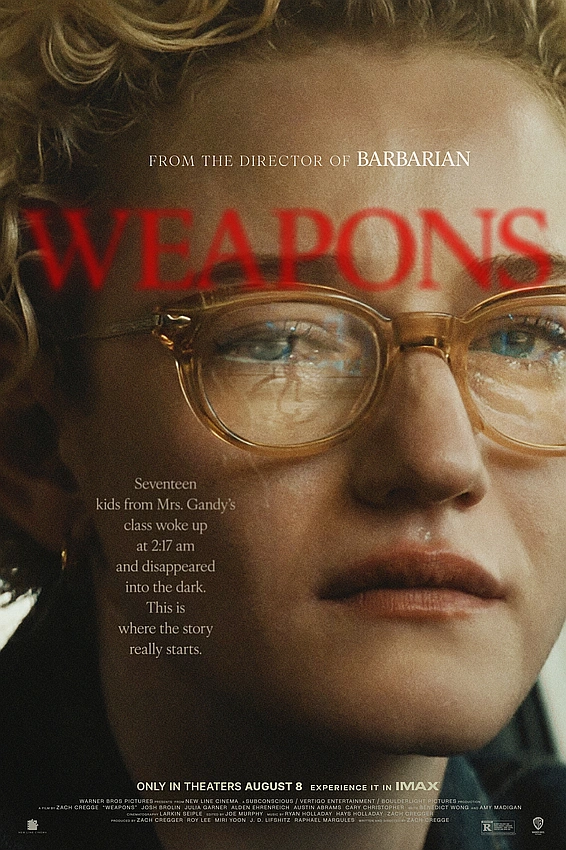
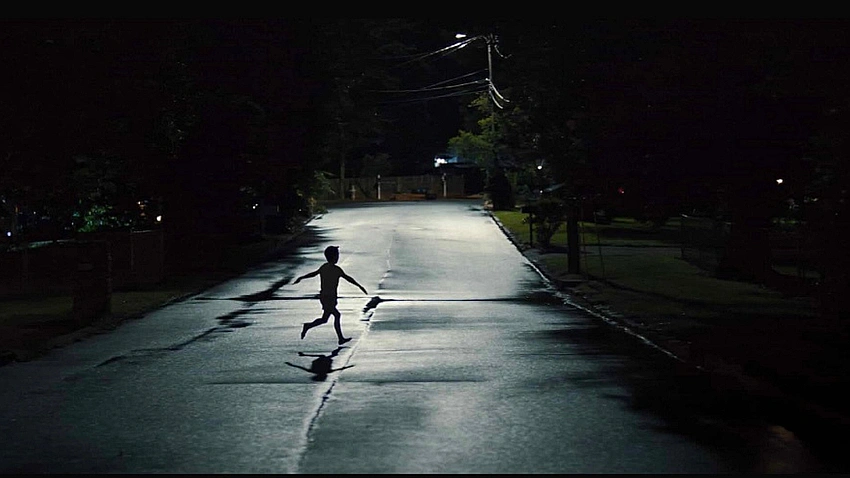
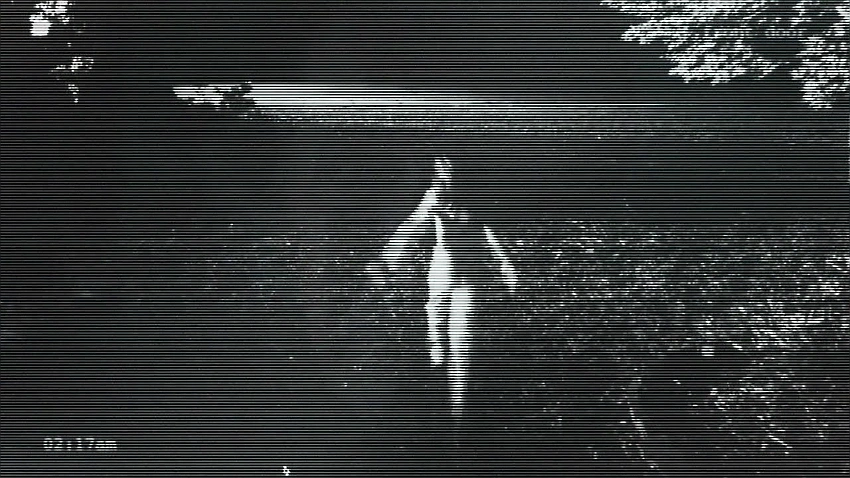
The film begins with a premise so eerie it feels plucked from the marrow of urban legend: at precisely 2:17 a.m., seventeen children vanish without a trace. No ransom notes, no sound of struggle, no sign of where they went, only a single surviving boy and his teacher, Justine Gandy, left to carry the unbearable knowledge of whatever happened. This moment is not just the inciting incident; it’s the gravitational force that pulls every other storyline into its orbit.

What makes this setup so effective is how it refuses to be reduced to an easy mystery. There’s no early promise that “the truth will be revealed.” Instead, we are thrust into the ripple effects of the event, the psychological fallout, the shifting relationships, and the sense that reality itself has been warped.
Story as Fractured Mosaic
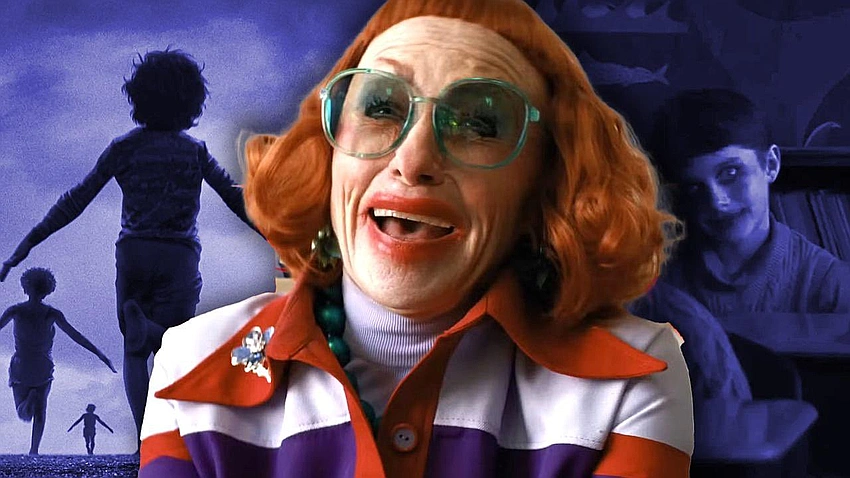
Rather than following a single protagonist’s quest for answers, the film opts for an ensemble structure. We see the world through multiple fractured perspectives: Justine’s quiet, internalised trauma; a grieving father spiralling into obsession; a cop chasing shadows in the dark; a junkie drifting between delusion and revelation; a school principal weighed down by secrets. These stories don’t simply overlap; they refract one another, creating a prismatic effect where truth and fiction blur.

From a literary standpoint, this kind of structure mirrors polyphonic novels, where different voices build a complex emotional architecture. It also situates the film’s central idea: that a single event can spawn countless narratives, each incomplete, each carrying its own distortions and blind spots.
Horror Without the Jump Scares
Weapons is marketed as horror, but it resists the genre’s more predictable mechanics. This is not about creatures lurking in the dark or the sudden shriek of violins. The horror here is existential, anchored in the slow realisation that something unfathomable has happened and that the world will never return to the way it was before.

The atmosphere is one of constant unease, as though every room is just slightly too quiet, every street just a bit too empty. Violence, when it comes, is swift and disorienting, less about spectacle than about the shock of intrusion. It’s this restraint that makes the moments of terror so potent they feel earned, embedded in the fabric of the story rather than tacked on for shock value.
Symbolism and the Unseen
The disappearances themselves function as a kind of mutable symbol. They could stand for collective loss, for the way communities bury unspeakable traumas, for the things we choose not to see until they’re gone. By leaving their cause ambiguous, the film invites us to project our interpretations.

The surviving boy, silent and withdrawn, becomes a living question mark. Justine, meanwhile, is not framed as a “final girl” or a detective; she’s a witness who can neither flee nor fully articulate what she knows. Her quiet presence feels almost literary in its construction, less an agent of action than a figure onto whom the audience’s unease is mapped.
The Crescendo of Dread
If the first half of Weapons is about laying the groundwork of tension, the latter half is about tightening it until it’s almost unbearable. The pace quickens, connections between the disparate storylines start to emerge, and yet crucially, every revelation seems to open up more questions.

When the climax finally arrives, it doesn’t feel like a puzzle being solved. Instead, it feels like standing at the edge of a vast chasm and realising just how far it goes. The final moments strike a delicate balance between closure and ambiguity; there’s enough resolution to feel the story has ended, but enough left unsaid to keep it echoing in your head for days.
Why It Lingers
For me, Weapons worked because it refused to condescend. It didn’t feel the need to wrap every thread into a neat bow or explain every symbol. It is understood that some horrors are more powerful when they’re not fully illuminated.

As a literature student, I can’t help but draw comparisons to texts where absence is as important as presence, where what is left out shapes the meaning as much as what is shown. In that sense, Weapons feels like a cousin to experimental fiction, where narrative gaps and contradictions are not flaws but features.
What struck me most was its emotional honesty. The grief in this film is messy, contradictory, and unresolved. It doesn’t follow the arc of healing; it just becomes another texture of living. This, to me, is the real horror: the idea that some wounds are not meant to close.
Final Thoughts
In the end, the title Weapons feels like more than a reference to physical tools of harm. It gestures to stories themselves as weapons capable of wounding, of reshaping reality, of cutting into us long after the teller has gone silent.

This is not a film for those seeking a quick adrenaline rush or a neatly tied mystery. It’s a work that asks for patience, attention, and a willingness to sit in discomfort. But for those willing to give it that, the reward is a rare kind of cinematic experience, one that stays with you, reshaping your inner landscape in ways you might not immediately notice, like a whisper that turns into a shadow and then into something you can’t quite name.
#WeaponsFilm #MovieReview #Thriller #EmotionalImpact #Cinema #Horror #NewMovie
Login to comment.
3 Thots
More Like This
Comments
-
Loading...
-
-
-
-
-
-
-
Please select a valid reason.
Login to comment.