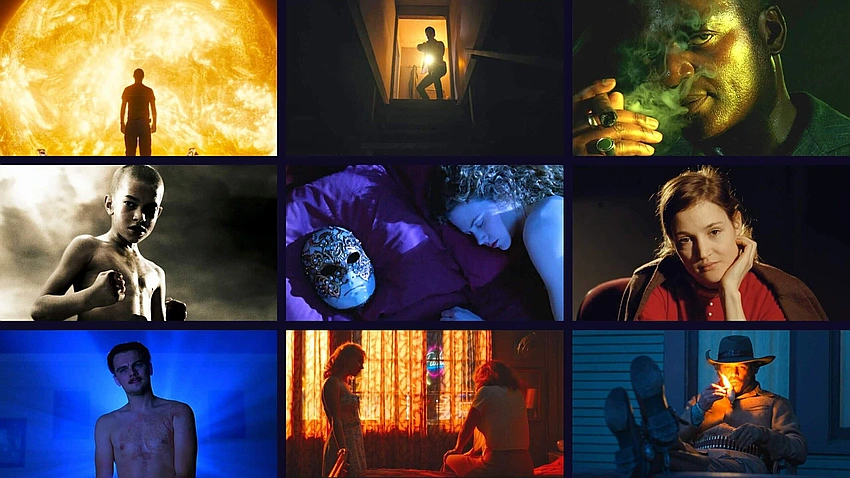
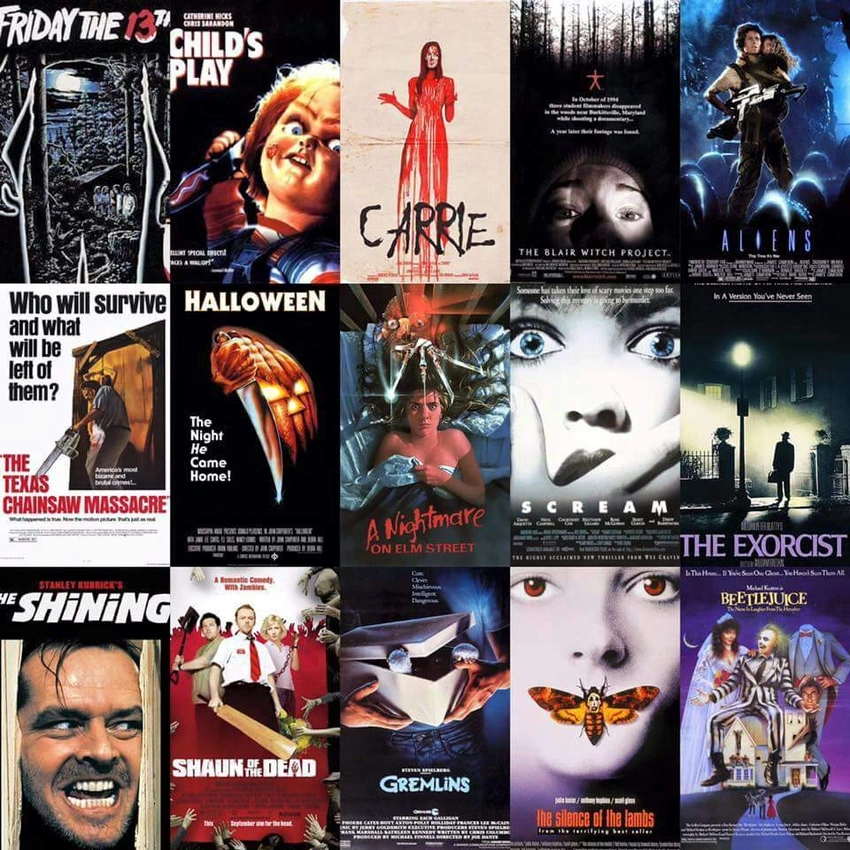
#FilmAnalysis
Cameron teases titanic mystery: James Cameron uses a forensic take to answer a Titanic question. #Titanic #JamesCameron #FilmAnalysis
Login to reply.
12 Replies
interesting take, but i wish the piece cited specific scenes. #filmanalysis
Few contemporary directors provoke as much debate about gender as Yorgos Lanthimos. His films are populated by women who are strange, powerful, cruel, vulnerable, intelligent, naive, and often impossible to categorise neatly. Unlike many mainstream filmmakers, he rarely relegates women to the ... Read full article.
Lanthimos’s Women at the Center: Power, Ambiguity, and the Gaze
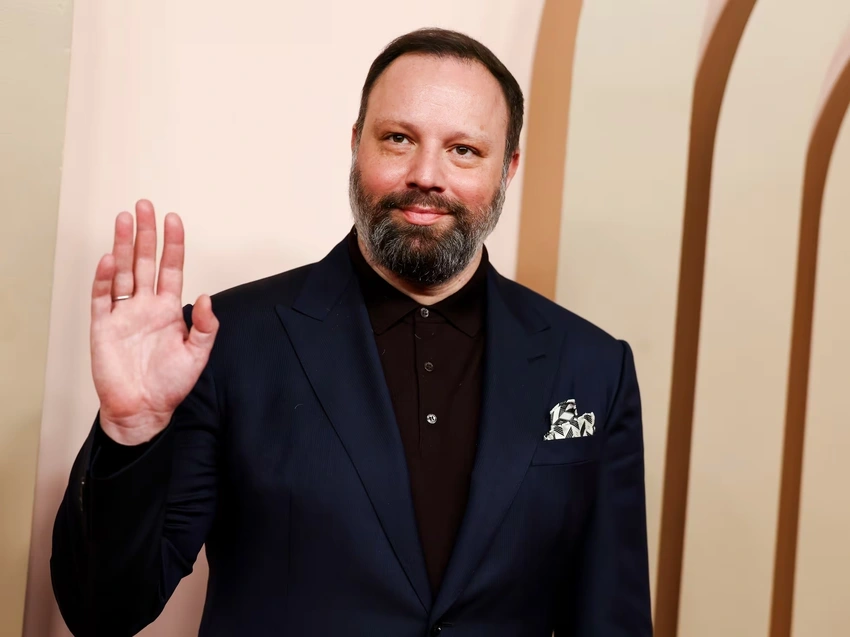
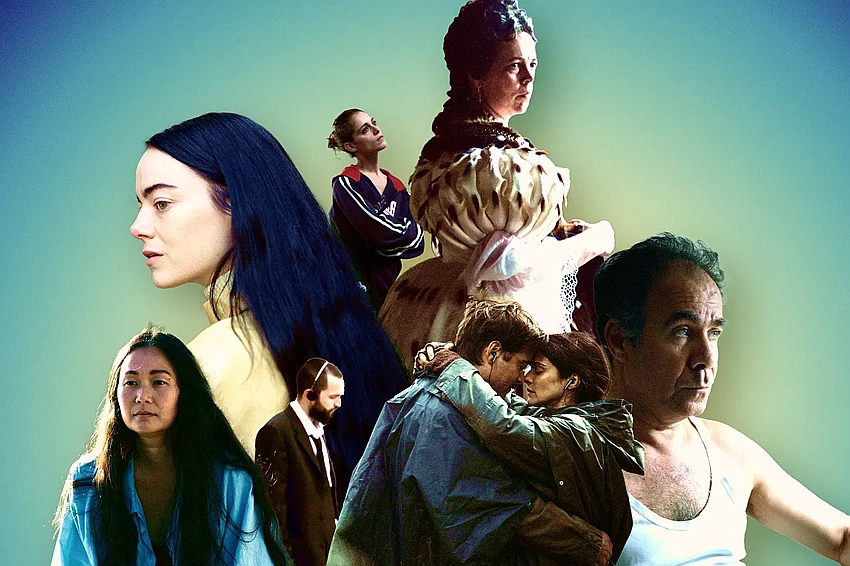
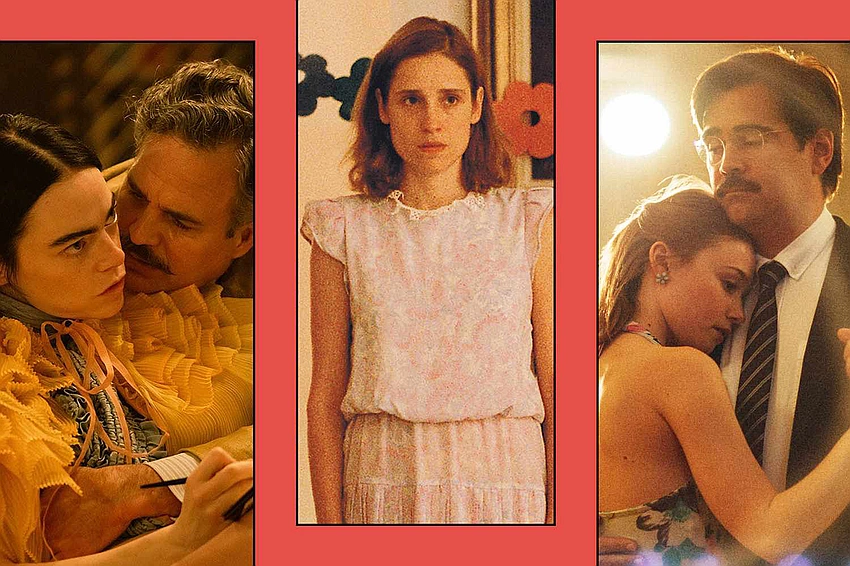
Few contemporary directors provoke as much debate about gender as Yorgos Lanthimos. His films are populated by women who are strange, powerful, cruel, vulnerable, intelligent, naive, and often impossible to categorise neatly. Unlike many mainstream filmmakers, he rarely relegates women to the margins of his stories. Instead, they frequently occupy the centre of the frame and the centre of the narrative.
Yet this prominence creates a paradox. Lanthimos clearly wants women to be more than wives, girlfriends, or decorative figures. At the same time, many viewers remain uneasy about how these women are imagined and represented. The issue is not whether women exist in his films, but who gets to tell their stories and on what terms.
Across his filmography, a pattern emerges. His women are rarely conventional, but they are often filtered through distinctly male creative perspectives.
The Three Lanthimos Women
One way to understand Lanthimos's female characters is through recurring archetypes.
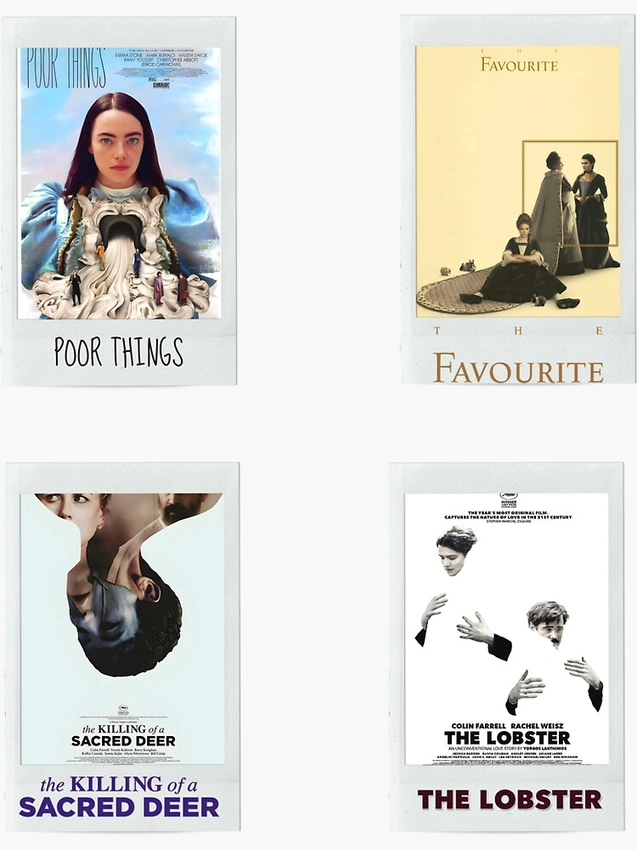
The first is the emotionally detached woman. In films such as The Lobster, The Killing of a Sacred Deer, and Kinds of Kindness, women speak and behave with the same unnerving stiffness as the men around them. Gender is almost irrelevant to their performance style. Everyone inhabits a world stripped of ordinary emotional expression. These characters may feel alienating, but they are not necessarily gendered stereotypes. Rather, they are products of Lanthimos's broader cinematic language.
The second figure is the powerful woman. The Favourite offers perhaps the richest example. Sarah Churchill, Abigail Masham, and Queen Anne are ambitious, manipulative, vulnerable, and politically astute. They are not designed to be role models. They are allowed to be messy, contradictory human beings. Significantly, this film originated with a screenplay by Deborah Davis before later development by Tony McNamara and Lanthimos, suggesting that its complexity emerged from a broader range of creative voices.
The third archetype is the naive woman. From Dogtooth to Poor Things, Lanthimos repeatedly returns to women encountering the world from positions of innocence or limited knowledge. These narratives often explore power, control, and exploitation. However, they also place female vulnerability at the centre of spectacle, creating tensions that many critics have found difficult to ignore.
The Bella Baxter Debate
No Lanthimos character has generated more discussion than Bella Baxter in Poor Things.
Bella begins the film with the body of an adult woman and the mind of a child, gradually developing intellectual and emotional autonomy. On one level, her story can be read as a feminist narrative about self-discovery and liberation from patriarchal control. The men around her repeatedly attempt to possess or define her, and repeatedly fail.
Yet the film complicates its own feminist ambitions. Bella's visual presentation remains conspicuously youthful and childlike. Combined with the film's extensive focus on sexuality, this aesthetic choice creates an uncomfortable tension between empowerment and objectification. The issue is not simply the narrative itself but the specific cinematic decisions that shape how audiences experience it.
The debate becomes even more fascinating when one considers the source material. Poor Things concludes with revelations that radically complicate Bella's story and foreground questions of narrative authority, truth, and male fantasy. Lanthimos's adaptation removes much of this framework, placing greater emphasis on Bella's sexual awakening and personal journey.
The Question of Collaboration
Perhaps the most revealing criticism of Lanthimos is not about any individual scene or character.
Across ten feature films, he has collaborated extensively with male writers, including Efthimis Filippou and Tony McNamara. While these collaborations have produced some of the most distinctive films of the twenty-first century, they also raise questions about whose perspectives are shaping these narratives.
This does not mean male filmmakers cannot write women. Literature and cinema would be poorer if artists were restricted to characters identical to themselves. The more productive question concerns creative diversity. If a filmmaker repeatedly claims to be creating complex female characters while rarely working with female writers, audiences are justified in asking what perspectives might be missing.
Representation is not merely about what appears on screen. It is also about who participates in creating it.
Beyond Good and Bad Representation
The most interesting thing about Lanthimos's women is that they resist simple judgement.
His female characters are rarely passive. They are not idealised symbols of empowerment, nor are they merely victims. They lie, manipulate, desire, scheme, and survive. In a cinematic landscape still crowded with flattened female archetypes, that complexity matters.
At the same time, complexity alone does not exempt a filmmaker from criticism. The repeated use of female nudity, the emphasis on youthful female bodies, and the recurring fascination with vulnerable women invite scrutiny, particularly when these choices seem more aesthetic than thematic.
What remains most compelling about Lanthimos is not that he has solved the problem of representing women, but that his films expose how unresolved the problem still is. His cinema exists in the uncomfortable space between fascination and understanding, between representation and projection. The women in his films are undeniably memorable. The lingering question is whether they feel fully lived or whether they remain, ultimately, women imagined by men.
#Lanthimos #WomenInFilm #FilmAnalysis #GenderInCinema #Arthouse
Login to comment.
4 Thots
More Like This
interesting take, but i wish the piece cited specific scenes. #filmanalysis
Lanthimos’s Women at the Center: Power, Ambiguity, and the Gaze
Login to reply.
No thots yet. Be the first to share your thoughts!
Few contemporary directors provoke as much debate about gender as Yorgos Lanthimos. His films are populated by women who are strange, powerful, cruel, vulnerable, intelligent, naive, and often impossible to categorise neatly. Unlike many mainstream filmmakers, he rarely relegates women to the ... Read full article.
Lanthimos’s Women at the Center: Power, Ambiguity, and the Gaze
Few contemporary directors provoke as much debate about gender as Yorgos Lanthimos. His films are populated by women who are strange, powerful, cruel, vulnerable, intelligent, naive, and often impossible to categorise neatly. Unlike many mainstream filmmakers, he rarely relegates women to the margins of his stories. Instead, they frequently occupy the centre of the frame and the centre of the narrative.
Yet this prominence creates a paradox. Lanthimos clearly wants women to be more than wives, girlfriends, or decorative figures. At the same time, many viewers remain uneasy about how these women are imagined and represented. The issue is not whether women exist in his films, but who gets to tell their stories and on what terms.
Across his filmography, a pattern emerges. His women are rarely conventional, but they are often filtered through distinctly male creative perspectives.
The Three Lanthimos Women
One way to understand Lanthimos's female characters is through recurring archetypes.
The first is the emotionally detached woman. In films such as The Lobster, The Killing of a Sacred Deer, and Kinds of Kindness, women speak and behave with the same unnerving stiffness as the men around them. Gender is almost irrelevant to their performance style. Everyone inhabits a world stripped of ordinary emotional expression. These characters may feel alienating, but they are not necessarily gendered stereotypes. Rather, they are products of Lanthimos's broader cinematic language.
The second figure is the powerful woman. The Favourite offers perhaps the richest example. Sarah Churchill, Abigail Masham, and Queen Anne are ambitious, manipulative, vulnerable, and politically astute. They are not designed to be role models. They are allowed to be messy, contradictory human beings. Significantly, this film originated with a screenplay by Deborah Davis before later development by Tony McNamara and Lanthimos, suggesting that its complexity emerged from a broader range of creative voices.
The third archetype is the naive woman. From Dogtooth to Poor Things, Lanthimos repeatedly returns to women encountering the world from positions of innocence or limited knowledge. These narratives often explore power, control, and exploitation. However, they also place female vulnerability at the centre of spectacle, creating tensions that many critics have found difficult to ignore.
The Bella Baxter Debate
No Lanthimos character has generated more discussion than Bella Baxter in Poor Things.
Bella begins the film with the body of an adult woman and the mind of a child, gradually developing intellectual and emotional autonomy. On one level, her story can be read as a feminist narrative about self-discovery and liberation from patriarchal control. The men around her repeatedly attempt to possess or define her, and repeatedly fail.
Yet the film complicates its own feminist ambitions. Bella's visual presentation remains conspicuously youthful and childlike. Combined with the film's extensive focus on sexuality, this aesthetic choice creates an uncomfortable tension between empowerment and objectification. The issue is not simply the narrative itself but the specific cinematic decisions that shape how audiences experience it.
The debate becomes even more fascinating when one considers the source material. Poor Things concludes with revelations that radically complicate Bella's story and foreground questions of narrative authority, truth, and male fantasy. Lanthimos's adaptation removes much of this framework, placing greater emphasis on Bella's sexual awakening and personal journey.
The Question of Collaboration
Perhaps the most revealing criticism of Lanthimos is not about any individual scene or character.
Across ten feature films, he has collaborated extensively with male writers, including Efthimis Filippou and Tony McNamara. While these collaborations have produced some of the most distinctive films of the twenty-first century, they also raise questions about whose perspectives are shaping these narratives.
This does not mean male filmmakers cannot write women. Literature and cinema would be poorer if artists were restricted to characters identical to themselves. The more productive question concerns creative diversity. If a filmmaker repeatedly claims to be creating complex female characters while rarely working with female writers, audiences are justified in asking what perspectives might be missing.
Representation is not merely about what appears on screen. It is also about who participates in creating it.
Beyond Good and Bad Representation
The most interesting thing about Lanthimos's women is that they resist simple judgement.
His female characters are rarely passive. They are not idealised symbols of empowerment, nor are they merely victims. They lie, manipulate, desire, scheme, and survive. In a cinematic landscape still crowded with flattened female archetypes, that complexity matters.
At the same time, complexity alone does not exempt a filmmaker from criticism. The repeated use of female nudity, the emphasis on youthful female bodies, and the recurring fascination with vulnerable women invite scrutiny, particularly when these choices seem more aesthetic than thematic.
What remains most compelling about Lanthimos is not that he has solved the problem of representing women, but that his films expose how unresolved the problem still is. His cinema exists in the uncomfortable space between fascination and understanding, between representation and projection. The women in his films are undeniably memorable. The lingering question is whether they feel fully lived or whether they remain, ultimately, women imagined by men.
#Lanthimos #WomenInFilm #FilmAnalysis #GenderInCinema #Arthouse
Login to comment.
4 Thots
More Like This
Why tarantino made django: A quick look at what shaped Django Unchained and Tarantino's storytelling. #Tarantino #DjangoUnchained #FilmAnalysis
Why tarantino made django:
A quick look at what shaped Django Unchained and Tarantino's storytelling.
Login to reply.
No thots yet. Be the first to share your thoughts!
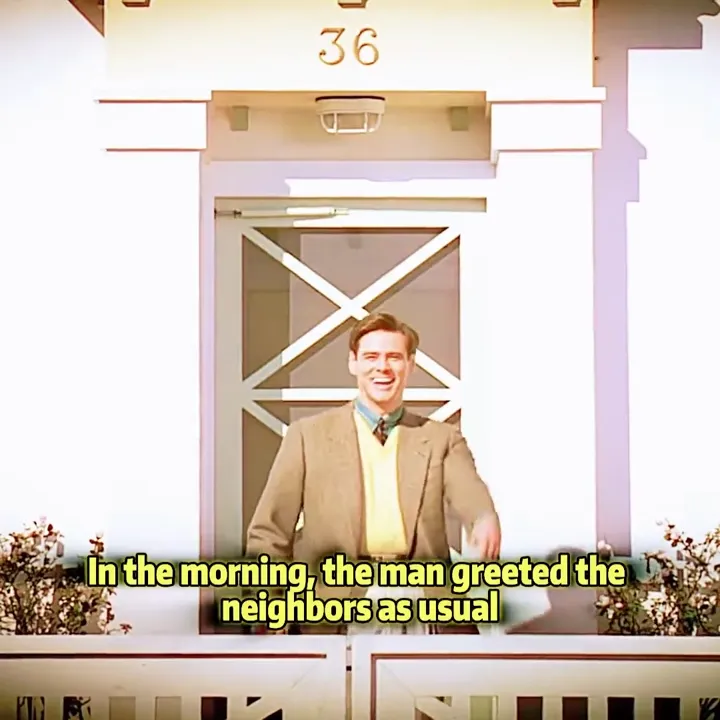
Wake up, truman: Truman's life is a giant TV set—what if everything you knew was staged? #TheTrumanShow #IllusionVsReality #FilmAnalysis
Wake up, truman:
Truman's life is a giant TV set—what if everything you knew was staged?
Login to reply.
No thots yet. Be the first to share your thoughts!
Backstage secrets revealed: He finds the actors' backstage area - watch the reality behind the TV show. #TheTrumanShow #RealityVsIllusion #FilmAnalysis
Backstage secrets revealed:
He finds the actors' backstage area - watch the reality behind the TV show.
Login to reply.
No thots yet. Be the first to share your thoughts!
The world repeats itself: Truman learns his world is a live TV show and starts chasing the truth. #TrumanShow #RealityVsIllusion #FilmAnalysis
The world repeats itself:
Truman learns his world is a live TV show and starts chasing the truth.
Login to reply.
No thots yet. Be the first to share your thoughts!
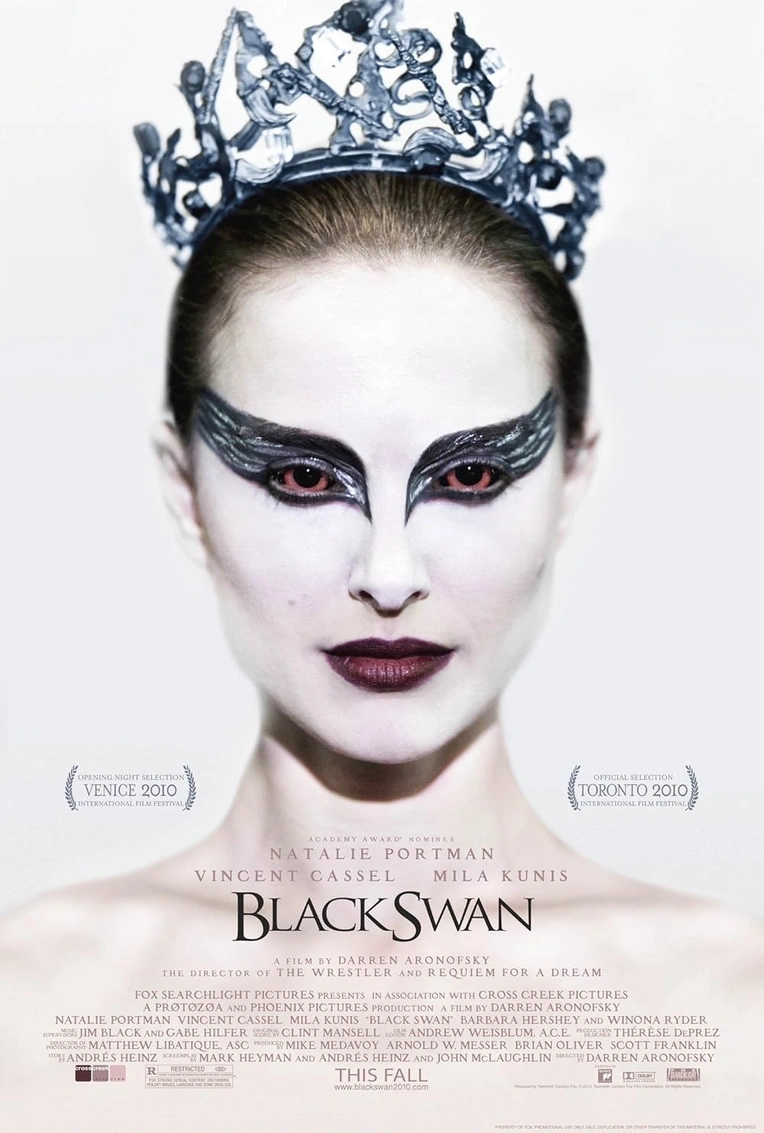
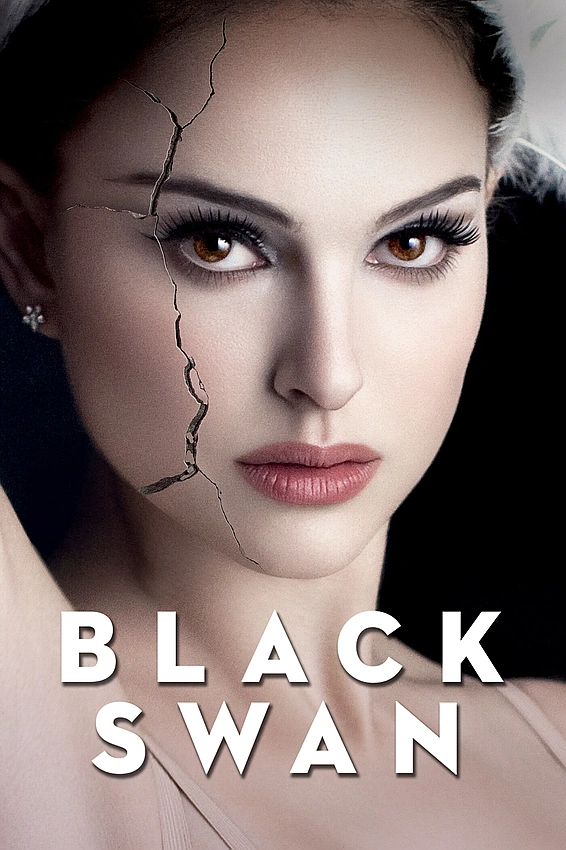
Black Swan and The Madness of Female Perfection
Black Swan replays the myth of perfect artistry, turning Nina Sayers’ pursuit of the White Swan into a tense study of discipline, desire, and the pri…
Black Swan and The Madness of Female Perfection
Black Swan replays the myth of perfect artistry, turning Nina Sayers’ pursuit of the White Swan into a tense study of discipline, desire, and the pri…
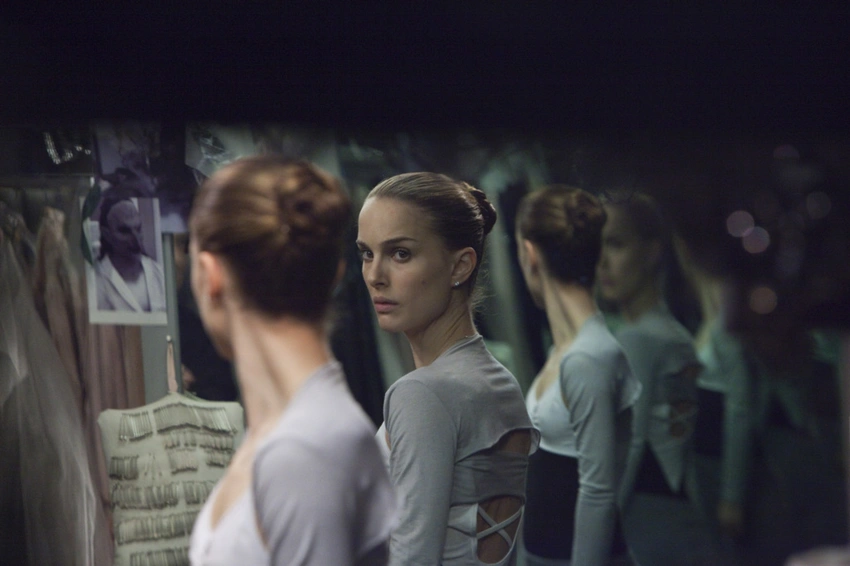
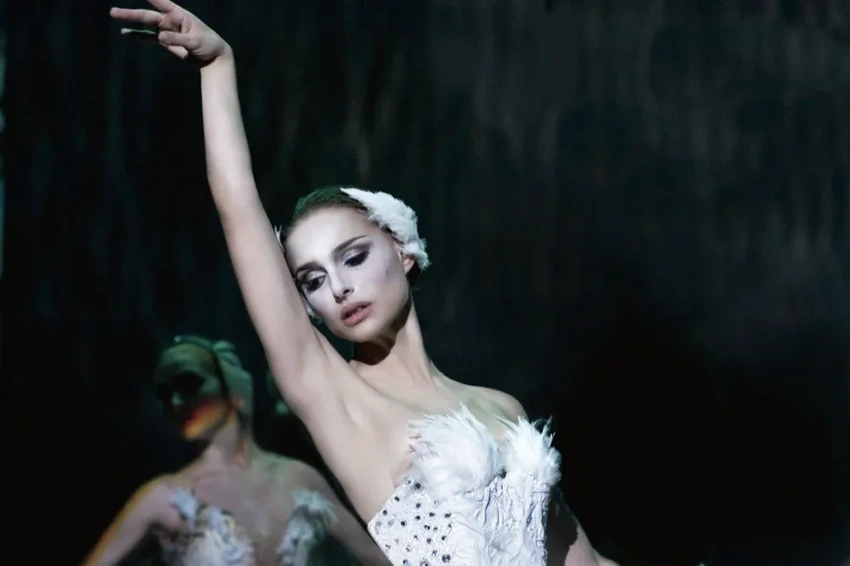
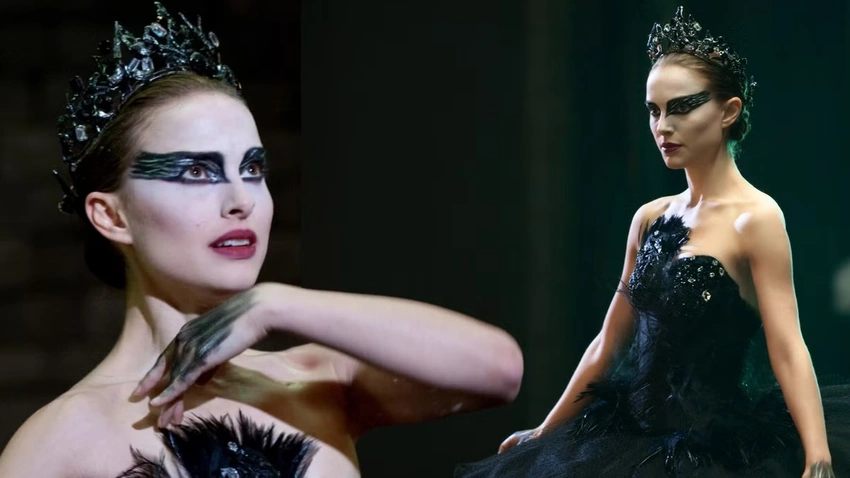
Black Swan replays the myth of perfect artistry, turning Nina Sayers’ pursuit of the White Swan into a tense study of discipline, desire, and the price of control, with mirrors revealing a fractured self.
Darren Aronofsky’s Black Swan (2010) stages a familiar myth, Tchaikovsky’s Swan Lake and makes of it a psychodrama about the costs of immaculate control. At its centre is Nina Sayers, whose quest for the technically flawless White Swan collides with the erotic, ecstatic danger of the Black Swan she must also embody. The film’s formal and narrative architecture of mirrors, close-up choreography, fractured editing keeps us at the edge of embodiment: we watch a body striving to make itself pure and, in doing so, fracturing its identity.

Perfection as pathology
Nina’s obsession isn’t merely artistic; it reads as a pathology of perfection. Aronofsky composes sequences that equate the pursuit of flawless execution with literal self-harm: the dancer’s training becomes a ritual of bodily discipline in which control gradually slides into compulsion. Critics have long noticed how the film dramatises the paradox of “perfection”: the very striving to erase contingency produces the conditions for collapse, and only a crack allows the performance to be recognised as alive. This logic is theatrical but also recognisable: perfection becomes an aesthetic anaesthetic that numbs the self until the only remedy is transgression.
Mirrors, doubles and the uncanny
Formally, Black Swan is obsessed with doubling. Mirrors proliferate in bedrooms, in rehearsal studios, in backstage corridors and the reflexive surface is never merely decorative: it is the medium through which subjectivity splits. The film adapts Swan Lake’s Odette/Odile binary into a modern psychosis in which the White Swan’s prim, restrained composure must be fused with the Black Swan’s seductive abandon. Aronofsky stages these oppositions as cinematic motifs of light versus shadow, straight lines versus sinuous curves, restraint versus release and nearly every mise-en-scène decision amplifies the sense that Nina’s identity is under siege from an internal twin. This doubling is part fairy tale, part diagnostic lens; it borrows from a long cinematic tradition that links ballerinas to morbidity and hysteria.

Gendered labour and the cost of visibility
Read politically, the film interrogates the labour demands placed on female bodies in disciplines that require literal submission of flesh to an ideal. Ballet here functions as a hyperbolic laboratory for neoliberal aesthetics: bodies are calibrated, hours counted, and subjectivity economised in the service of an ideal image. Nina’s home life infantilised and policed by a mother who both cherishes and restrains her complements the studio’s disciplinary regime. The result is that the feminine ideal is not only an aspiration but a mode of containment; the Black Swan, when she arrives, is a liberation that is paid for in pain. Reviews and scholarly readings have long argued that ballet-on-film tends to connect female dancers with extremity in madness, possession, even death and Black Swan leans into that tradition as both critique and spectacle.

The politics of authenticity
Part of the film’s sting lies in how it complicates authenticity. Nina believes that technical purity will secure her authenticity; Aronofsky suggests the opposite. Authentic artistic presence, in the film’s logic, requires a relinquishing of control a dangerous surrender that risks the self. Critics read the film’s climax as an allegory of this paradox: the “perfect” performance emerges not from antiseptic control but from a willingness to be wounded, to allow the body’s contingency into the work. The film therefore stages artistic authenticity as a dangerous threshold rather than a tidy achievement.
Performance, spectacle and cultural appetite
Black Swan also asks uncomfortable questions about spectatorship. The audience in the film and by extension the cinema audience consumes not only the dancer’s art but her vulnerability. The final aria is both triumphant and monstrous: applause affirms the perfection achieved, but the cost is literal. The film implicates us in the economy that rewards such self-erasure. That implicature helps explain why the film ignited such debate on release: it reads like a cautionary myth for cultures that praise visible success while remaining indifferent to the labour behind it.

What keeps Black Swan alive in critical memory is its refusal to sentimentalise its heroine. Nina is not sanctified; she is complicated, pitiable and terrifying in equal measure. Aronofsky’s film is less a diatribe against ambition than an anatomisation of how aesthetic regimes shape subjectivity and how the desire to be “perfect” can become the apparatus that destroys the self it intends to enshrine. The movie leaves a residue: an image of perfection that is haunted, beautiful and irrevocably cracked.
#BlackSwan #DarrenAronofsky #NinaSayers #FilmAnalysis #Cinema #FilmReview #MovieReview
Login to comment.
3 Thots
More Like This
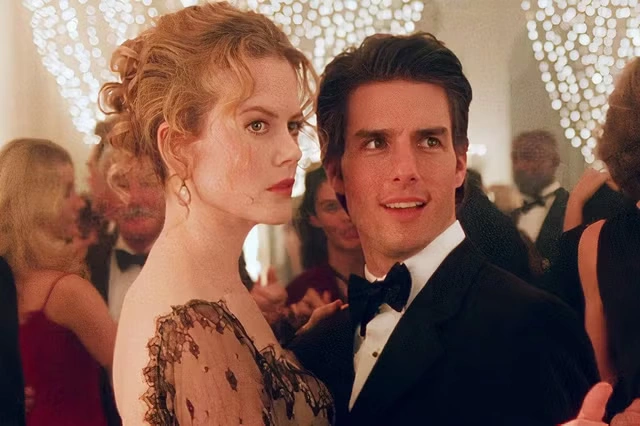
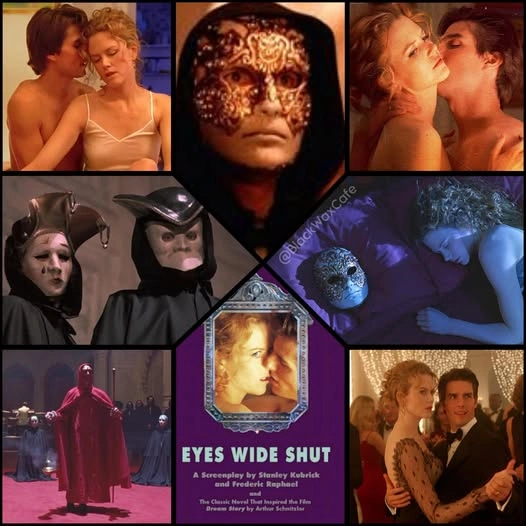
Eyes Wide Shut: Kubrick's dialogue with Schnitzler's Dream in NYC
An analysis of how Kubrick's Eyes Wide Shut translates Schnitzler's Dream Story from Vienna to 1990s Manhattan, turning private fantasies into a prob…
Eyes Wide Shut: Kubrick's dialogue with Schnitzler's Dream in NYC
An analysis of how Kubrick's Eyes Wide Shut translates Schnitzler's Dream Story from Vienna to 1990s Manhattan, turning private fantasies into a prob…
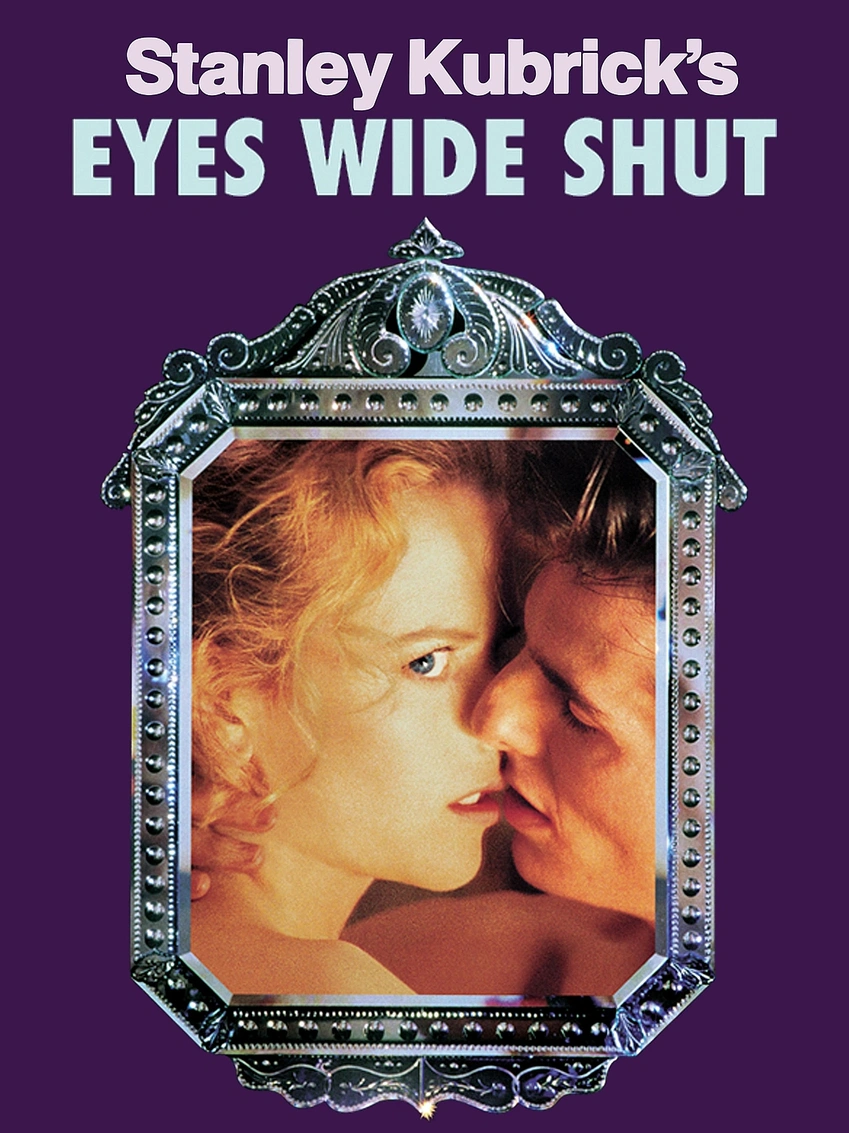
An analysis of how Kubrick's Eyes Wide Shut translates Schnitzler's Dream Story from Vienna to 1990s Manhattan, turning private fantasies into a probing study of desire and marriage.
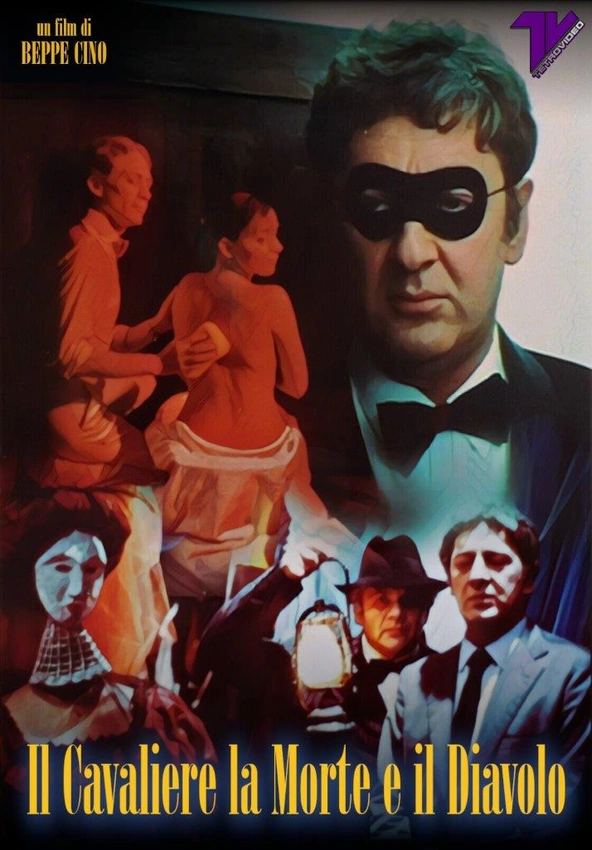
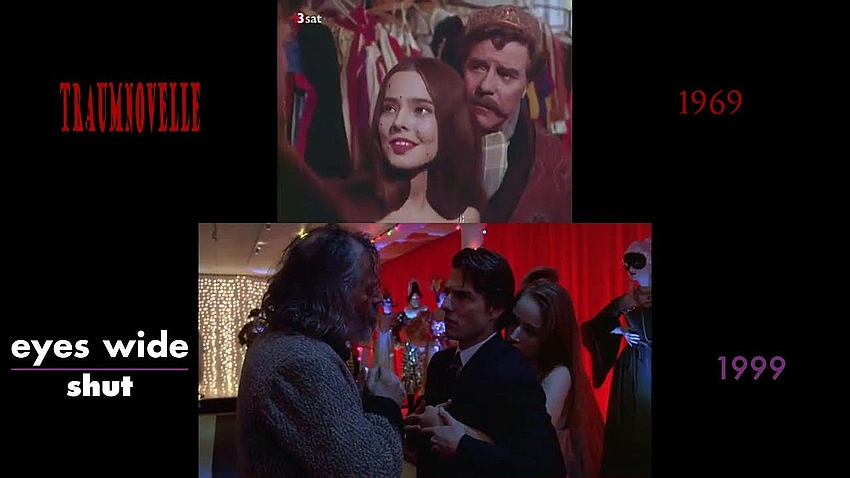
There is something quietly radical about how Stanley Kubrick’s final film refuses the language of novelty. Eyes Wide Shut is not an invention so much as a transposition: a late-twentieth-century New York relocation of a European modernist anxiety. Its narrative spine comes from Traumnovelle (often translated as Dream Story) by Arthur Schnitzler which is a text steeped in fin-de-siècle Vienna’s fascination with sexuality, repression, and the instability of bourgeois marriage. There have been German-language film adaptations of Schnitzler’s story before Kubrick, but Eyes Wide Shut is best understood less as a remake of any single film version and more as Kubrick’s long-gestating dialogue with Schnitzler’s psychological world.

From Viennese interiors to Manhattan nights
Schnitzler’s Traumnovelle follows a doctor who, after hearing his wife confess to a past erotic fantasy, wanders into a nocturnal landscape of temptation, humiliation, and near-disaster. Kubrick preserves this skeletal structure almost intact. What changes is cultural texture.
Early twentieth-century Vienna becomes late-capitalist Manhattan. The waltz-era drawing room becomes the softly glowing apartment. Yet the psychic geography remains strikingly similar. Both works imagine the city as a dream-machine: a space where suppressed desires briefly surface before being reburied under routine.
This continuity matters. It situates Eyes Wide Shut not primarily within late-1990s erotic thriller cycles, but within European modernism’s longer project of dismantling the myth of stable bourgeois intimacy.

Marriage as a psychological contract
One of the most Schnitzlerian aspects of the film is its refusal to portray marriage as either sanctuary or prison. Instead, marriage appears as a negotiated fiction of a story which two people tell each other in order to survive their own capacity for wanting.
Alice’s confession about a long-ago fantasy detonates the couple’s shared narrative. Nothing “happens” in an external sense, but everything changes internally. This emphasis on psychic rupture rather than physical infidelity aligns closely with Schnitzler’s original emphasis on imagination as the true site of danger.
Kubrick’s camera lingers on faces after words are spoken. The damage is not in action but in aftermath.

The mask as modernist device
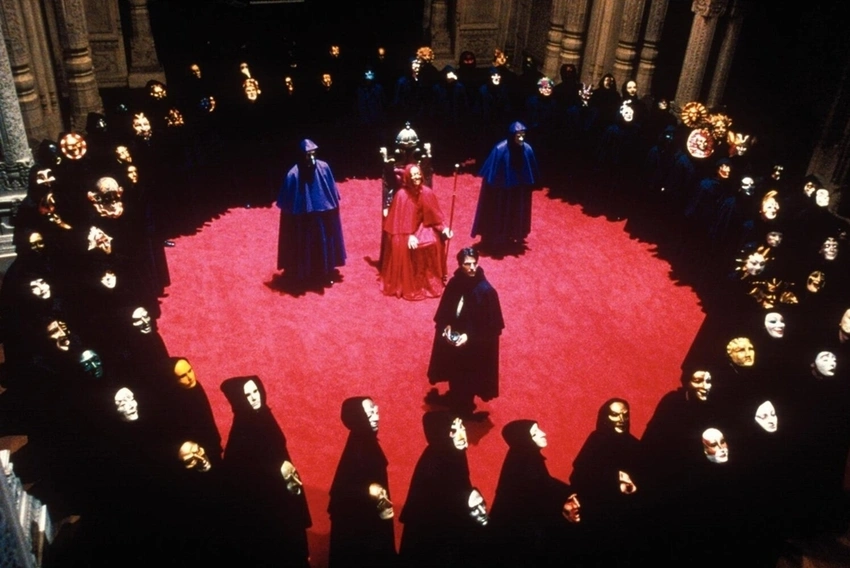
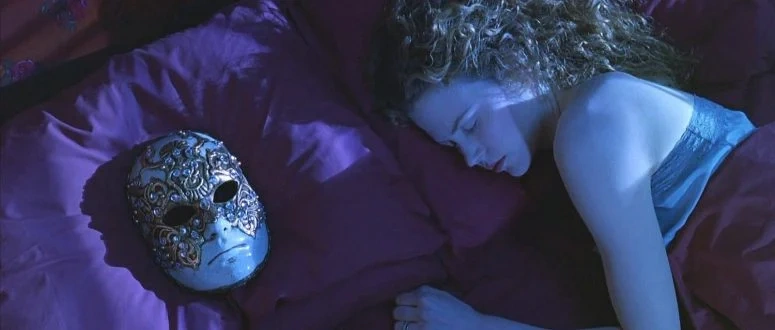
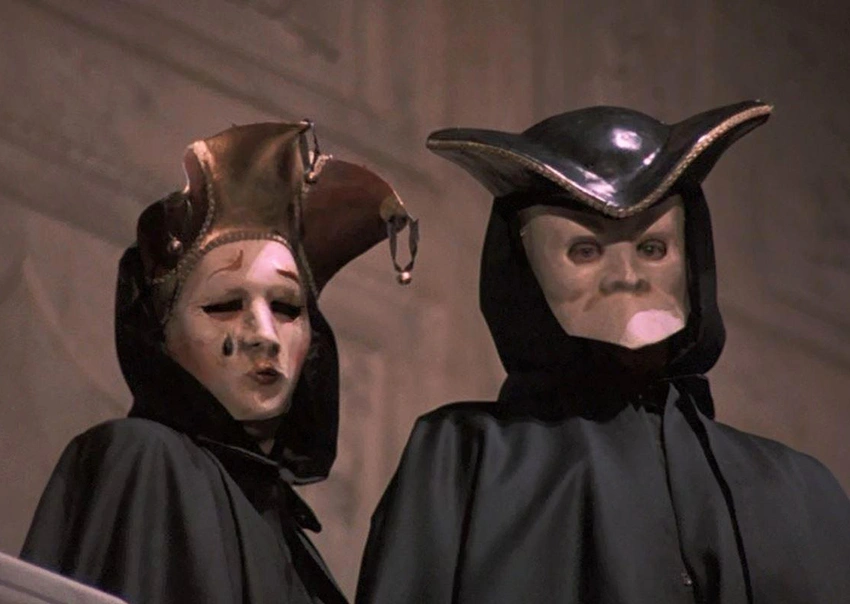
The famous masked ritual is often discussed as spectacle, but in Schnitzler’s story the masked gathering already functions as symbolic compression: anonymity allows desire to detach from identity. Kubrick intensifies this by transforming the scene into near-operatic choreography.
Masks here are not simply erotic props; they are philosophical tools. They stage a question central to both Schnitzler and Kubrick: if desire is anonymous, what does fidelity even mean?
The ritual feels less like a secret society and more like an abstract model of social life itself — hierarchies, rules, punishments, all draped in aesthetic splendour.

Looking as a moral problem
Both Traumnovelle and Eyes Wide Shut are obsessed with looking. Windows, doorways, mirrors, and corridors structure the narrative. Bill is perpetually on the threshold of spaces he does not belong to.
Kubrick transforms Schnitzler’s interior monologue into visual grammar. Long tracking shots replace literary introspection. The viewer moves with Bill, sharing his curiosity, his dread, and his impotence.
This is where the film becomes quietly accusatory. We are not neutral observers. We, too, are wandering into rooms we should not enter.

Sexuality without liberation
A common misunderstanding is to treat the film as transgressive or liberatory. In fact, its worldview is profoundly pessimistic.
Sex in Eyes Wide Shut rarely appears joyous. It is transactional, hierarchical, or haunted. Schnitzler’s modernist scepticism about sexual freedom and his belief that desire does not automatically produce honesty persists in Kubrick’s adaptation.
What survives across the century is the sense that modern subjects are not repressed innocents but confused strategists, constantly managing what they reveal and conceal.

The uncanny calm of Kubrick’s late style
Kubrick’s late-period aesthetic of symmetrical compositions, controlled pacing, emotionally restrained performances suits Schnitzler’s material with eerie precision. Nothing is rushed. Nothing is allowed to explode.
This restraint creates unease. Emotional devastation occurs at conversational volume.
Knowing that Kubrick had been developing an adaptation of Traumnovelle for decades before finally making Eyes Wide Shut reframes the film as a culmination rather than a late-career experiment. It feels less like a farewell and more like a closing bracket.
Reception and reevaluation
Upon release, the film was often reduced to controversy: stars, nudity, rumours of hidden meanings. Over time, critical attention has shifted toward its literary lineage and formal austerity.
Seen alongside Schnitzler, the film becomes legible as modernism in translation — not nostalgic, not ironic, but persistently unresolved.
Its power lies in refusing to settle whether Bill’s journey teaches him anything at all.

A dream that doesn’t dissolve
Eyes Wide Shut inherits Schnitzler’s most unsettling idea: that intimacy is never fully transparent, even between people who share a bed.
Rather than offering solutions, the film offers a structure for thinking — a dream logic in which desire, fear, loyalty, and shame circulate without ever reaching equilibrium.
As a pop culture object, it is frequently mythologised. As a text, it is something more modest and more devastating: a modernist study of how little we know about the people we love, and how carefully we arrange not to know.
#EyesWideShut #Kubrick #Schnitzler #DreamStory #FilmAnalysis #MovieReview #FilmReview
Login to comment.
4 Thots
More Like This
How to Analyse a Film: A Guide for Curious Viewers
This beginner-friendly guide shows how film meaning is built through visuals, sound, and structure. Start with formal analysis and learn to spot them…
How to Analyse a Film: A Guide for Curious Viewers
This beginner-friendly guide shows how film meaning is built through visuals, sound, and structure. Start with formal analysis and learn to spot them…
This beginner-friendly guide shows how film meaning is built through visuals, sound, and structure. Start with formal analysis and learn to spot themes beyond the plot and characters.
You only need a quick look online to see how many ways there are of approaching film analysis. Do we treat cinema purely as a storytelling medium, focusing on narrative? Do we scrutinise the director as an auteur and situate each film within their wider body of work? Or do we read a film as a cultural artefact that reflects its historical context and ideological currents? All of these perspectives are valid, and each opens a different window onto meaning.

But where to start when you’re new to film studies? For me, the simplest and most approachable method; one that lays the groundwork for deeper theoretical work on spectatorship, representation, and ideology, is to begin with this question:
How does a film communicate its major themes and ideas through its formal elements?
To answer this, we take seriously what film theorists call formal analysis: the close study of how visual and audio elements are arranged to carry meaning, rather than just what the story is about. This is distinct from a review of whether a film was “good” or “bad”; instead, we probe how the film works.
The Toolkit: Five Key Elements of Film
Before analysing any film, it helps to familiarise yourself with its building blocks. A widely used schema in film studies breaks down film form into five core elements:
- Mise-en-scène
- Performance
- Cinematography
- Editing
- Sound
Think of these as the toolkit a filmmaker uses to craft meaning. Each element has its own vocabulary and associations, and each can signify mood, theme, character psychology, or cultural assumptions.
Mise-en-Scène: What You See
Mise-en-scène literally means “putting in the scene.” At its simplest, it refers to everything that appears before the camera: sets, props, lighting, costumes, and actors’ spatial relationships. Importantly, it is not about the camera’s movement or editing; it’s about the visual world of the film itself.

When analysing mise-en-scène, ask: What kind of world does the film invite us into? Is the environment stark or luxuriant? Are characters framed close together or isolated? How do the costumes signal class, gender, or time period? Every choice here creates affect and meaning.
Performance: Voices and Bodies
Performance encompasses both spoken dialogue and non-verbal physicality of gesture, stance, gaze, vocal tone. A performance might be naturalistic and understated, or expressive and heightened, and each approach communicates something about a character’s psychology and the tone of the film. Think of how an actor’s use of silence or expressive gesture might invite empathy or distance.

Cinematography: How It’s Filmed
If mise-en-scène is what we see, cinematography is how we see it. This includes framing, camera movement, shot size (close-up, long shot, etc.), lighting, and lens choices. Cinematographers shape our viewpoint and guide our emotional and intellectual engagement.
For example, a static wide shot with deep focus invites a different mode of seeing than a rapid succession of handheld close-ups. Are we given an objective viewpoint or a subjective one? What constitutes the film’s dominant visual grammar?

Editing: Assembling Meaning
Editing stitches individual shots into sequences and sequences into a narrative whole. Every cut creates a relationship between images in time and space, and the ordering of shots can subtly (or overtly) imply causality, juxtaposition, or contrast. Editing pace contributes to rhythm and tension, shaping how we emotionally experience a scene.
One of the classical insights of film analysis is that editing can create meaning through montage with the collision of shots that encourages viewers to infer relationships or ideas that aren’t explicit on screen.

Sound: What You Hear
Sound in cinema includes dialogue, ambient noise, sound effects, and music. Film scholars distinguish between diegetic sound (originating within the film world) and non-diegetic sound (such as a score). Thoughtful analysis recognises how sound guides attention, sets mood, and interacts with visuals to reinforce or subvert the narrative.
From Watching to Thinking
Now that you have the conceptual tools, here’s a practical workflow to make film analysis manageable and rigorous.

1. Research the Film’s Context
Before your first viewing, gather background on the film’s production, its historical setting, the director’s intentions, and cultural context. This doesn’t mean you should foreclose your own interpretation, but context enriches understanding and flags aspects you might otherwise miss.
2. First Screening: Enjoy Holistically
Watch the film without notes. Let yourself be absorbed by the experience. Initially, you are exploring the world of the film: its rhythms, characters, and broad emotional palette.
3. Holistic Formal Analysis
On a second viewing, start applying the five elements across the whole film. Notice overarching patterns; does the cinematography favour wide frames or intimate close-ups? How is sound used to build atmosphere? What does mise-en-scène tell you about the society the film represents? This stage is about mapping the aesthetic logic of the film.
4. Close Scene-by-Scene Reading
Once you know the film’s broad shape, zoom in on key sequences. Here you treat individual scenes like poems: examine how specific shots, edits, performances, and sound design work together to communicate meaning. This detailed attention is where interpretation becomes argument.

Beyond Technique
Analysing a film formally isn’t an end in itself; it’s a means to articulate what the film is about in terms of its thematic resonance and cultural valence. As you practise this method, you’ll find it increasingly intuitive to see how filmmakers encode ideas about identity, power, memory, emotion, and ideology through technique.
Film analysis teaches you to see cinema not just with your eyes, but with your mind. Just as literary analysis opens up layers of meaning in a novel, thoughtful attention to form reveals the rich communicative power of the moving image. And once you’ve trained your eye, you’ll never watch a film quite the same way again.
#FilmAnalysis #FormalAnalysis #FilmStudies #CinematicLanguage #MovieTheory
Login to comment.
4 Thots
More Like This
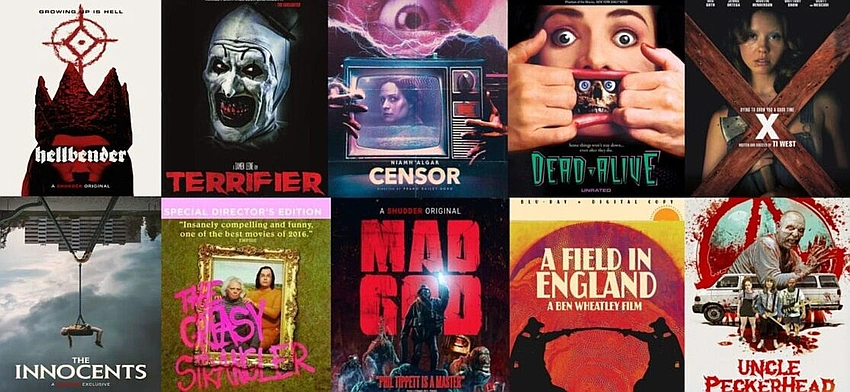
Ten Horror Films of the 21st Century Destined for Classic Status
Explore the future classics of horror cinema that reflect our deepest fears and cultural anxieties. Are these films already part of our collective me…
Ten Horror Films of the 21st Century Destined for Classic Status
Explore the future classics of horror cinema that reflect our deepest fears and cultural anxieties. Are these films already part of our collective me…
Explore the future classics of horror cinema that reflect our deepest fears and cultural anxieties. Are these films already part of our collective memory?
Horror has predominantly been the most haunted of genres (bad pun intended), in its subject matter but also its cultural legacy. From Psycho to The Shining, the canon of classics is shaped by the anxieties of their times, only revealed as such decades later.
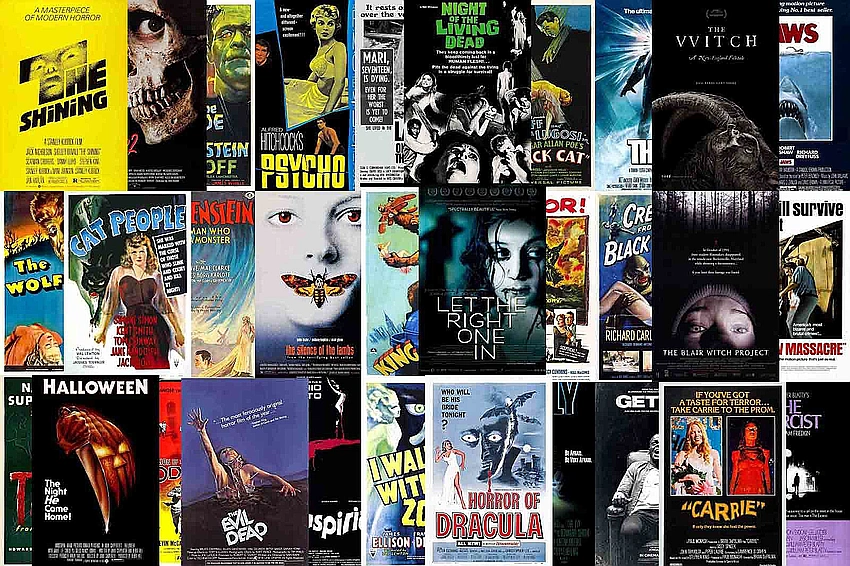
What makes a horror film a “classic” is its ability to enter cultural memory, to resonate with literary traditions, and to evoke theoretical debates about the body, identity, and the abject, rather than merely relying on its shock value or box office success. Looking at the past twenty years of cinema (2005-2025), ten horror films stand out as future classics to me, already inscribed in the Gothic imagination of our century.
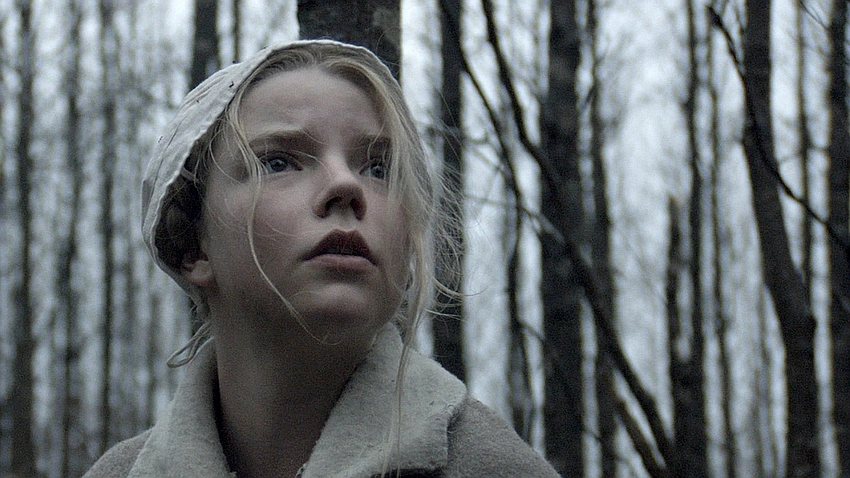
1. The Witch (2015, Robert Eggers)
Set in 1630s New England, The Witch resurrects the Puritanical anxieties at the heart of American Gothic. Eggers painstakingly reconstructs dialect, costume, and folklore, giving the film the feel of a seventeenth-century sermon turned nightmare. Like Hawthorne’s Young Goodman Brown, it stages the disintegration of faith under the pressure of repression and projection.
From a theoretical lens, Julia Kristeva’s concept of abjection is key. The figure of Thomasin, the daughter accused of witchcraft, embodies how the patriarchal family rejects what it cannot control: female sexuality, disobedience, and desire. The goat Black Phillip functions as the Lacanian Real, the eruption of the forbidden that dismantles Puritan order. In this sense, The Witch does not merely depict horror; it performs the very process by which social anxieties manufacture the monstrous.
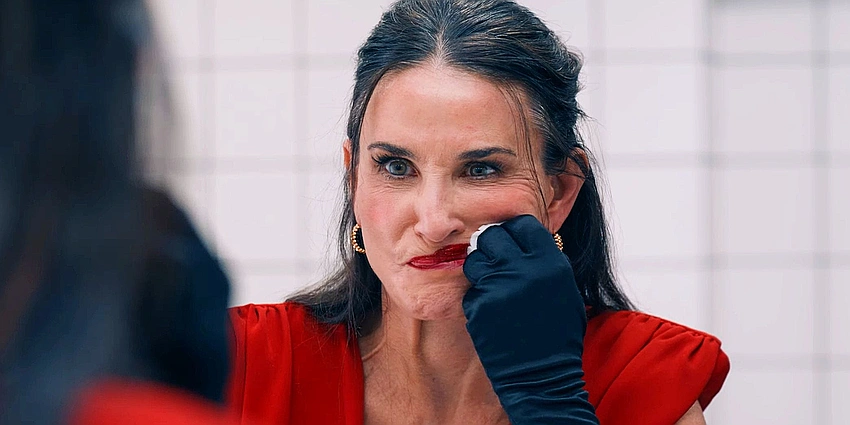
2. The Substance (2024, Coralie Fargeat)
Already hailed as a polarising feminist body-horror landmark, The Substance depicts a dystopian mechanism where women can consume a black-market drug to generate younger, idealised versions of themselves. It is grotesque, flamboyant, and deeply political.
Here, the Gothic merges with feminist theory. Judith Butler’s reflections on performativity echo in the split identities of Demi Moore and Margaret Qualley, two bodies torn between age and idealisation. The horror stems not from the monstrous Other but from the enforced norm: the demand for eternal youth. Kristeva’s abjection reappears in the abject flesh: the leaking, dismembered, multiplying female body. This is horror as critique: it stages the violence of a culture that simultaneously commodifies and rejects the female body. Much like Mary Shelley’s Frankenstein, The Substance reimagines creation as grotesque, violent, and uncontainable.
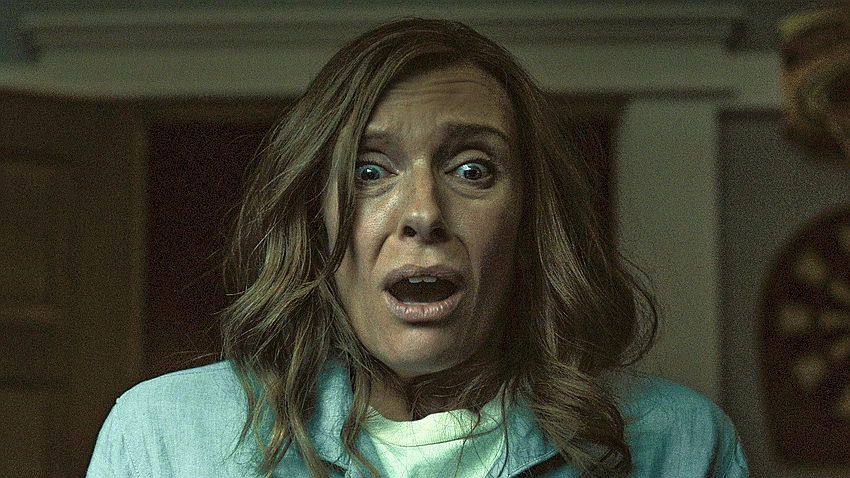
3. Hereditary (2018, Ari Aster)
Aster’s debut is arguably the most canonical horror of our century so far. Beginning as a family drama and ending in an operatic Satanic ritual, Hereditary fuses psychological realism with cosmic terror. Like Greek tragedy, it depicts the inevitability of fate; like Gothic novels, it binds family inheritance with curses and demons.
Kristeva’s abjection again plays a role; the mutilated body of Charlie, the possessed child, lingers as an image of the horror within domesticity. But more than that, the film echoes Butler’s ideas of kinship. Hereditary exposes how family structures, supposedly safe havens, can reproduce violence across generations. Its classic status will endure because it transforms domestic grief into myth, echoing Aeschylus as much as Shirley Jackson.
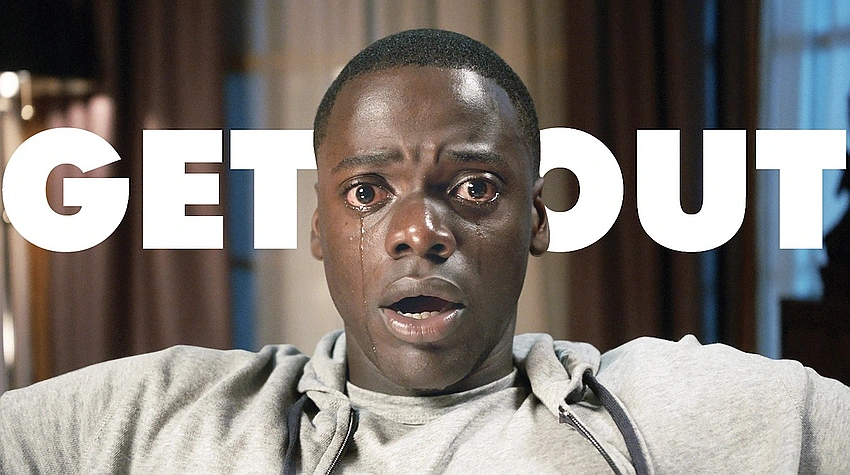
4. Get Out (2017, Jordan Peele)
Where Hereditary dwells in the metaphysical, Get Out roots horror firmly in the politics of race. Peele’s satire on liberal racism uses the conventions of Gothic captivity and possession: the “sunken place” echoes both Gothic dungeons and postcolonial theories of subjugation.
Frantz Fanon’s Black Skin, White Masks reverberates here; the appropriation of Black bodies by white desire literalises the violence of assimilation. The Gothic mode has frequently interrogated anxieties about the Other, and Peele reclaims this tradition, making the Black body itself the site of horror and resistance. Like Dracula, Get Out will endure because it entwines political critique with cultural myth-making.
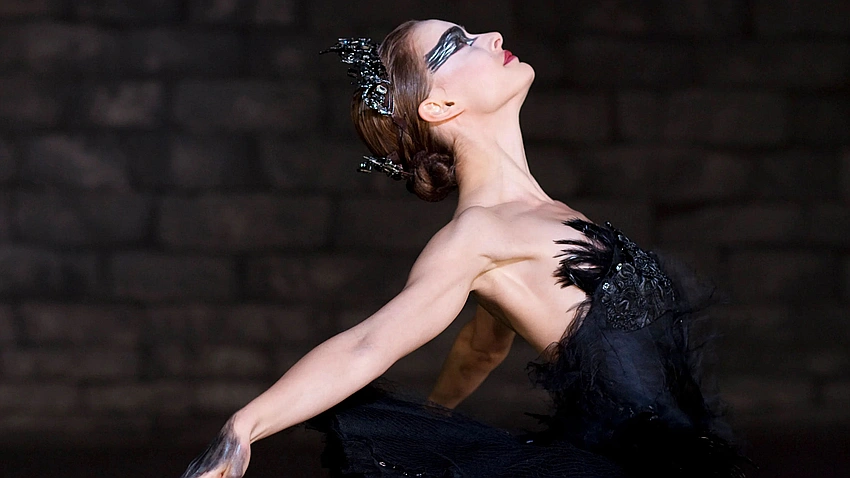
5. Black Swan (2010, Darren Aronofsky)
Though often debated as a psychological thriller rather than “horror”, Black Swan exemplifies the Gothic obsession with doubles, mirrors, and bodily disintegration. Nina’s descent into madness echoes both the Gothic heroine trapped by patriarchal discipline and the Romantic notion of the artist consumed by perfection.
Butler’s performativity offers a way in: Nina’s transformation into the “black swan” is the violent manifestation of the demand to embody femininity as performance. The film’s body horror elements, such as the breaking toes and sprouting feathers, reflect Kristeva’s abject body, a site where the border between human and animal collapses. In literary terms, it inherits from Poe and Hoffmann, tales where art and madness are indistinguishable. Its endurance lies in this interweaving of aesthetic and bodily terror.

6. The Skin I Live In (2011, Pedro Almodóvar)
Almodóvar’s Gothic melodrama fuses science fiction with revenge tragedy. A surgeon (Antonio Banderas) holds captive a woman in an experiment of skin transplantation, only to reveal that she is his prisoner-turned-victim of enforced gender transformation.
The film is reminiscent of Frankenstein, but also the Gothic captivity narrative. Here, gender itself is the site of horror: Butler’s notion of gender as a regulatory regime becomes literalised through surgical violence. The abject body, stitched, violated, reconstituted, echoes Kristeva’s vision of horror as the breakdown of boundaries. It is both startling and elegiac, destined for classic status because it stages the Gothic not in medieval castles but in sterile laboratories.
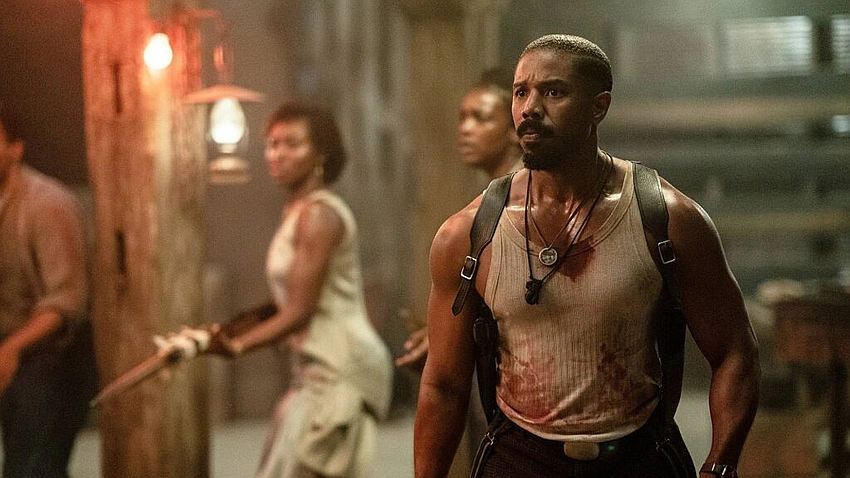
7. Sinners (2025, Eddie Alcazar)
Though very recent, Sinners signals itself as a cult object already. Combining surrealist aesthetics with grotesque prosthetics, Alcazar’s film imagines a dystopia where sin is both visible and punishable through bodily mutation.
This reflects the moral apologues of medieval morality plays, updated through body horror. The Gothic tradition has consistently linked sin with physical monstrosity, from Milton’s Paradise Lost to Stevenson’s Jekyll and Hyde. Here, the body becomes a moral text, leaking and deforming under the weight of judgment. Kristeva’s abjection is again central: horror is the visibility of what society wants to disavow.
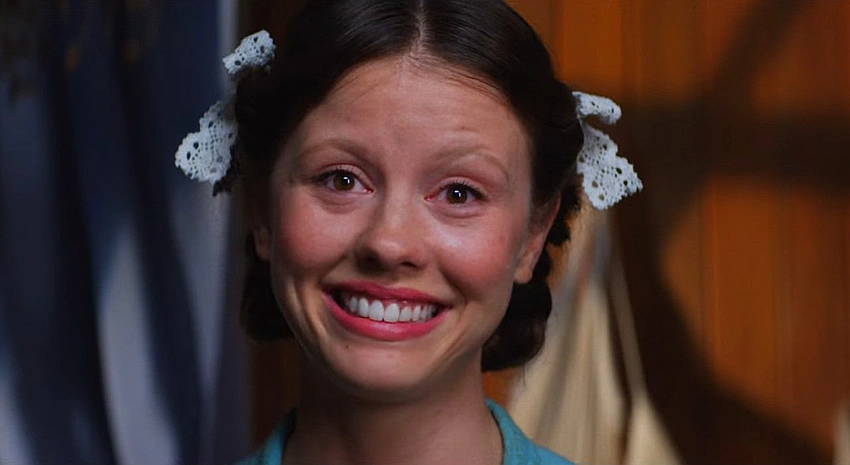
8. Pearl (2022, Ti West)
A prequel to X, Pearl transforms slasher tropes into Technicolour melodrama. Mia Goth’s Pearl is both grotesque and tragic, a heroine who wants stardom but becomes an assassin instead.
Here, the Gothic merges with American melodrama: like Gothic heroines of the nineteenth century, Pearl is trapped by patriarchal structures, denied escape, and forced into monstrosity. Butler’s reflections on the violence of norms are echoed in her suffocation under domestic duty. Pearl’s breakdown portrays the Gothic’s obsession with the “madwoman”, from Bertha Mason to Charlotte Perkins Gilman’s narrator in The Yellow Wallpaper.

9. Kotoko (2011, Shinya Tsukamoto)
This Japanese film is perhaps the most underappreciated on the list, but it exemplifies the Gothic interior turned outward. It follows a mother suffering from delusions and self-harm, terrified of losing her child. Tsukamoto’s handheld camerawork creates a fractured subjectivity that mirrors Kristeva’s psychoanalytic explorations of depression and maternal horror.
In literary traditions, Kotoko represents the maternal Gothic from Radcliffe’s persecuted heroines to Toni Morrison’s Beloved. The body here is not a spectacle but a wound, the mother torn between nurture and destruction. That claustrophobic interiority, rendered in raw intensity, will grant Kotoko a place in the long Gothic lineage.
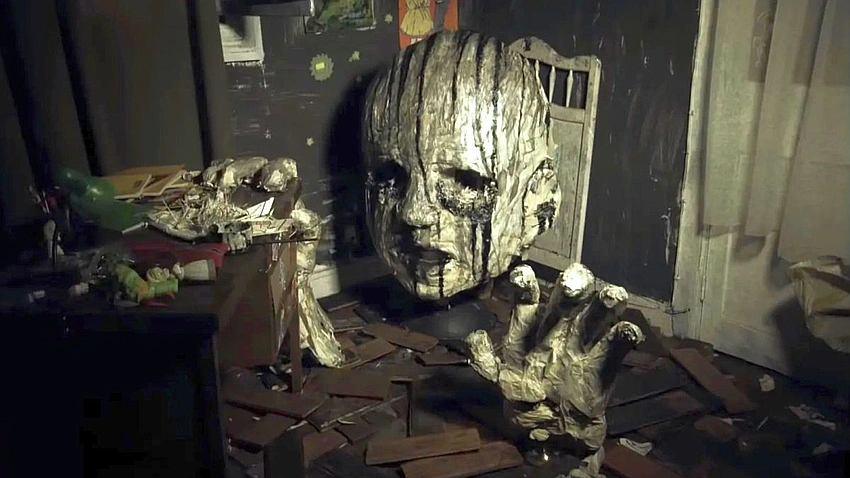
10. The Wolf House (2018, Cristóbal León & Joaquín Cociña)
This Chilean stop-motion horror is perhaps the most overtly metaphorical. Framed as a Nazi propaganda fairy tale, it tells of a young woman trapped in a house where materials morph and bodies dissolve. The grotesque animation recalls early surrealist cinema but also fairy-tale Gothic traditions.
In theoretical terms, the house is the abject body writ large: boundaries collapse, and flesh becomes architecture. It reverberates with Kristeva’s idea that horror is the precarity of borders. Politically, it allegorises dictatorship and cult indoctrination, making it not just Gothic but historical horror. Like Kafka or Bruno Schulz in literature, The Wolf House offers a nightmare parable that ensures its longevity.
Closing Thoughts
What unites these ten films spanning American indie, European arthouse, Japanese experimentalism, and Latin American apologue is their ability to stitch horror into older traditions: the Gothic novel, the abject body, and feminist and postcolonial critique. They are not “just” horror films; they are cultural texts where anxieties of gender, race, family, and politics are staged through the monstrous and the uncanny.
As a literature student, I see them not as isolated cinematic shocks but as contributions to the Gothic canon. Just as Frankenstein or Dracula outlived their initial notoriety, these works will haunt future decades not only in streaming queues but also in classrooms, critical essays, and the shared language of horror itself.
Let me know in the comments which films you think will be the next horror classics.
#HorrorMovies #FutureClassics #CulturalLegacy #GothicCinema #FilmAnalysis #Culture #MovieReview #Horror
Login to comment.
3 Thots
More Like This
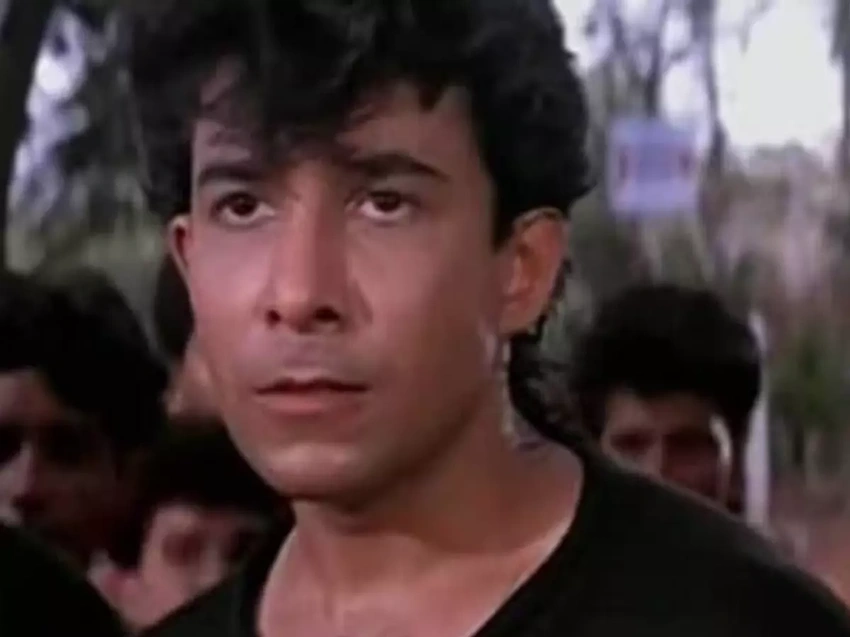
From Shekar Malhotra to Mogambo: A Saga of Supreme Villainy
Bollywood villains often steal the spotlight and how they challenge the norms of heroism and create compelling narratives.
Bollywood isn’t just about the shining heroes and their flawless smiles—kabhi-kabhi, the real masala is in the villains. In a world where heroism is celebrated to the extreme, these iconic baddies make us pause and ask, “Why is the hero always so... ordinary?” Today, we’re diving headfirst into a bold, controversial take on why our most daunting villains—Shekar Malhotra from Jo Jeeta Wohi Sikandar, Captain Russel from Lagaan, Mogambo from Mr India, and even the absurdly unconventional Bauji from DDLJ (yes, seriously, imagine SRK rejected for being too “nice”)—have often outshined their so-called saviors.
Villains Who Redefined Filmy Cool
Let’s get one thing straight: Bollywood villains aren’t just there to be the “bad guy.” They are larger-than-life characters with style, attitude, and a penchant for dramatic flair. Take Shekar Malhotra from Jo Jeeta Wohi Sikandar—while our hero might have been busy winning races and winning hearts, Shekar’s ruthless determination and edgy persona gave us a refreshing perspective on what real grit looks like. His character wasn’t just evil; it was an embodiment of ambition with a dangerous twist.

Then there’s Captain Russel from Lagaan, who didn’t just stand in the way of progress—he did it with such arrogance and over-the-top theatrics that you couldn’t help but be drawn to his larger-than-life presence. And who can forget Mogambo from Mr India? With his unforgettable “Mogambo khush hua” dialogue and intimidating persona, he didn’t just oppose the hero—he stole the spotlight completely. Even Bauji from DDLJ, in a twist of fate that remains controversial to this day, shows us that sometimes being the bad guy is the ultimate ticket to cinematic immortality.

Beyond Good vs. Evil
Bollywood has always thrived on clear-cut portrayals of good and evil, but these villains challenged that norm. They made us wonder if the heroism we so readily accept isn’t sometimes just a well-packaged façade. Why is it that while heroes are expected to be flawless and self-sacrificing, villains are given room to be imperfect, quirky, and, dare we say, more human?
Aaj ke zamaane mein, where every film tries to mimic the same heroic formula, the bad guys come as a breath of fresh air. They don’t need to be perfect; they need to be real, unpredictable, and full of swag. It’s this raw, unfiltered attitude that makes these characters not just memorable but also a stark commentary on how we perceive strength and influence. In many films, while the hero’s journey is scripted and safe, the villain’s path is chaotic and edgy—reminding us that sometimes the darker shades in life can be just as captivating, if not more.
Real Impact: When Villains Inspire the Masses
One striking real-life example of a villain’s influence can be seen in the cultural phenomenon created by Mogambo from Mr India. When the film hit the screens, it wasn’t just a story of a heroic underdog—it was an invitation to embrace a new kind of audacity. Mogambo’s character became so iconic that kids began mimicking his dramatic dialogue in school, and even local theatre groups and street performers started reimagining his persona in their acts.

This wasn’t just mindless mimicry. It sparked a genuine cultural shift where the very essence of power was being questioned. People started to see that strength didn’t always come from being the good guy; sometimes, it was in the boldness, the unapologetic attitude of defiance against societal norms. The “Mogambo Effect,” as some critics have since dubbed it, pushed a generation to rethink the traditional metrics of heroism. It even led to heated debates on TV shows and in college cafeterias: Why do we celebrate flawless heroes when a well-crafted villain can challenge the status quo and inspire us to be a little more rebellious in our own lives?
This influence wasn’t without controversy. While many cheered the villain for its authenticity and raw magnetism, traditionalists argued that such portrayals blurred the lines of morality in cinema. But if cinema is a mirror to society, then perhaps it’s time we accept that our understanding of right and wrong isn’t as black and white as we once believed.
A Bold, Controversial Verdict: Heroes Overrated?
Let’s be brutally honest—Bollywood heroes often get an undeserved halo. They’re painted as these flawless paragons of virtue, but in doing so, they become almost robotic. It’s like watching someone rehearse a motivational speech without ever breaking a sweat. On the flip side, our villains are allowed to be messy, unpredictable, and full of character. They have quirks, dramatic entrances, and killer dialogues that stick with you long after the movie ends.
Consider the idea of Bauji from DDLJ. Imagine a film where instead of a suave, ever-smiling hero, we have a character who challenges the norm with a menacing yet charismatic aura. Wouldn’t that be a refreshing change? It’s as if Bollywood is nudging us to question whether the hero’s constant perfection is really what makes a movie memorable. Sometimes, it’s the villain’s flaws, his audacity to break every rule, that gives the narrative its real punch. Is it too controversial to say that our over-glorified heroes might just be holding us back from experiencing the full spectrum of cinematic brilliance?

The Anatomy of a Perfect Villain
So what exactly makes a villain so magnetic? First off, it’s their fearless approach to life. They’re not burdened by the weight of expectations—no endless backstories of sacrifice or redemption arcs. They simply are, and in that raw state, they exude a power that is both terrifying and fascinating. Their dialogues are razor-sharp, often laced with witty sarcasm and sometimes even humor, making them stand out in a sea of predictable heroics.
This blend of menace and humor, of defiance and style, is what allows a villain to dominate the screen. They challenge the hero not just physically but ideologically. They question, they provoke, and they make us laugh and think at the same time. It’s a dangerous cocktail that turns a simple movie plot into a cultural conversation.
Bollywood filmmakers have increasingly started to realize this potential. In recent years, we see more films experimenting with anti-heroes and morally ambiguous characters. The villain’s journey is no longer just a side note; it’s often the main event. And while this may ruffle some feathers in a traditionally hero-worshipping industry, it’s a trend that promises to keep cinema exciting and unpredictable.

The Evolution of Villians Continues
Of course, no discussion on film is complete without acknowledging that the narrative is ever-evolving. Today’s cinema is a melting pot of genres, styles, and philosophies. The rigid lines between hero and villain are blurring faster than ever. In a world where every character is given depth and shades of grey, the once clear-cut definitions no longer hold water.
With every new film, there’s an opportunity to challenge the status quo, to redefine what it means to be a protagonist or antagonist. The evolution of these characters reflects the evolving values of society itself. In a time when conformity is the norm, the audacity to be different—sometimes to be the villain—resonates deeply with audiences.
It’s a revolution, one that dares to say that sometimes the real hero isn’t the one who saves the day in a conventional sense, but the one who challenges us to see the world from a different, bolder perspective.
Login to comment.
8 Thots
More Like This
Comments
-
Loading...
-
-
-
-
-
-
-
Please select a valid reason.
Login to comment.