#WomenInFilm
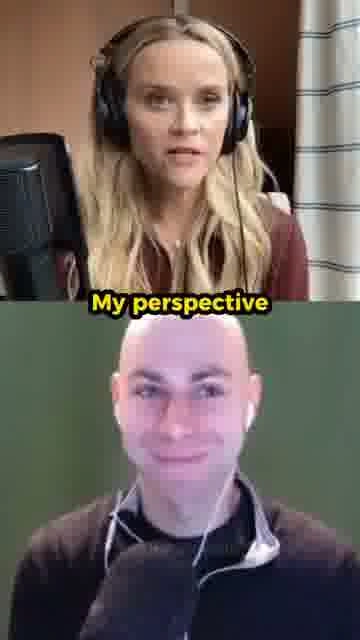
Finding your hollywood voice: Reese reflects on competition, staying true, and lifting women in Hollywood with Drew Barrymore. #HollywoodVoices #WomenInFilm #FindingYourVoice
Login to reply.
14 Replies
Real stories, real women: Reese champions honest women's stories and the authors who write them. #AuthenticStories #WomenInFilm #AuthorsToScreen
Real stories, real women:
Reese champions honest women's stories and the authors who write them.
Login to reply.
12 Replies
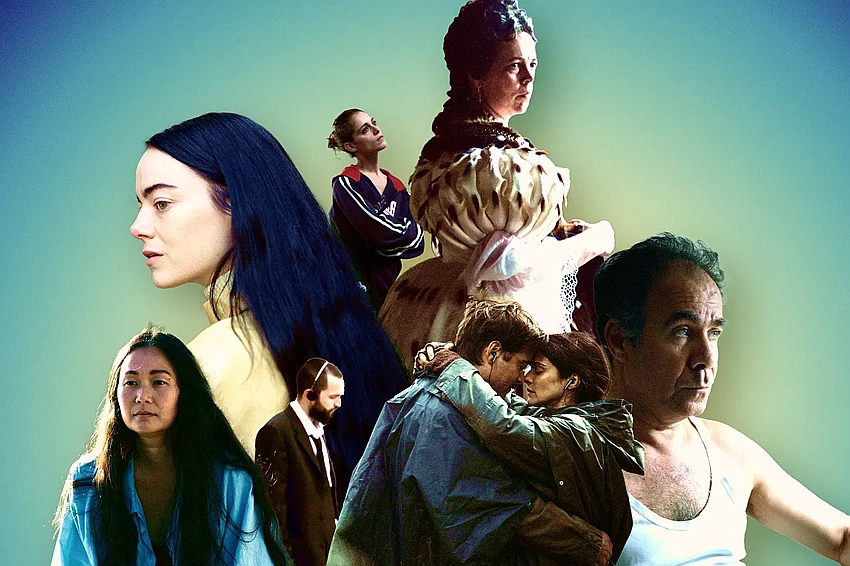
Few contemporary directors provoke as much debate about gender as Yorgos Lanthimos. His films are populated by women who are strange, powerful, cruel, vulnerable, intelligent, naive, and often impossible to categorise neatly. Unlike many mainstream filmmakers, he rarely relegates women to the ... Read full article.
Lanthimos’s Women at the Center: Power, Ambiguity, and the Gaze
Few contemporary directors provoke as much debate about gender as Yorgos Lanthimos. His films are populated by women who are strange, powerful, cruel, vulnerable, intelligent, naive, and often impossible to categorise neatly. Unlike many mainstream filmmakers, he rarely relegates women to the margins of his stories. Instead, they frequently occupy the centre of the frame and the centre of the narrative.
Yet this prominence creates a paradox. Lanthimos clearly wants women to be more than wives, girlfriends, or decorative figures. At the same time, many viewers remain uneasy about how these women are imagined and represented. The issue is not whether women exist in his films, but who gets to tell their stories and on what terms.
Across his filmography, a pattern emerges. His women are rarely conventional, but they are often filtered through distinctly male creative perspectives.
The Three Lanthimos Women
One way to understand Lanthimos's female characters is through recurring archetypes.
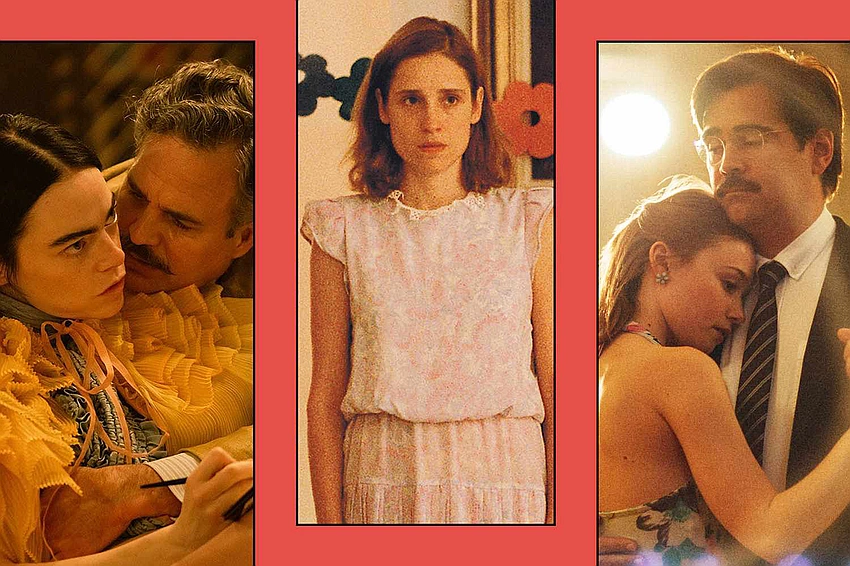
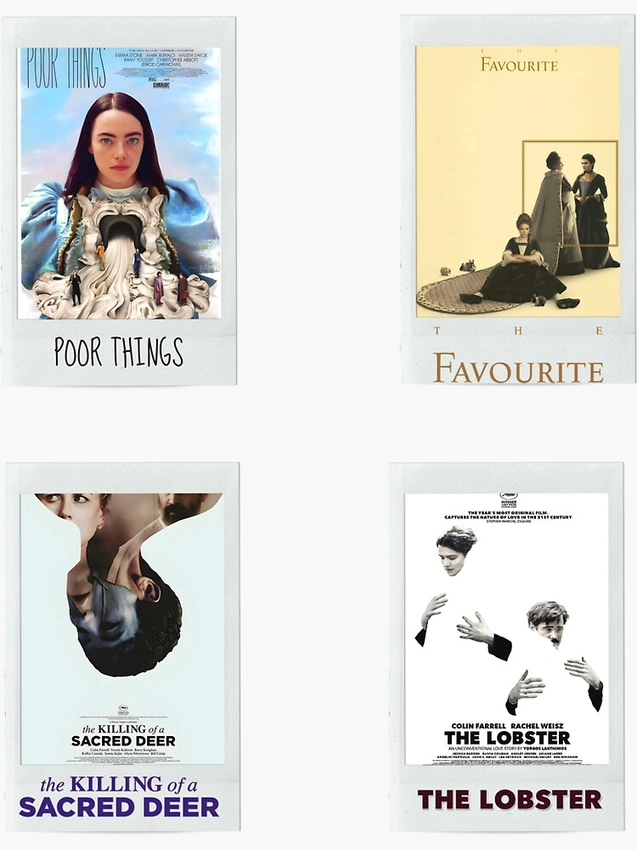
The first is the emotionally detached woman. In films such as The Lobster, The Killing of a Sacred Deer, and Kinds of Kindness, women speak and behave with the same unnerving stiffness as the men around them. Gender is almost irrelevant to their performance style. Everyone inhabits a world stripped of ordinary emotional expression. These characters may feel alienating, but they are not necessarily gendered stereotypes. Rather, they are products of Lanthimos's broader cinematic language.
The second figure is the powerful woman. The Favourite offers perhaps the richest example. Sarah Churchill, Abigail Masham, and Queen Anne are ambitious, manipulative, vulnerable, and politically astute. They are not designed to be role models. They are allowed to be messy, contradictory human beings. Significantly, this film originated with a screenplay by Deborah Davis before later development by Tony McNamara and Lanthimos, suggesting that its complexity emerged from a broader range of creative voices.
The third archetype is the naive woman. From Dogtooth to Poor Things, Lanthimos repeatedly returns to women encountering the world from positions of innocence or limited knowledge. These narratives often explore power, control, and exploitation. However, they also place female vulnerability at the centre of spectacle, creating tensions that many critics have found difficult to ignore.
The Bella Baxter Debate
No Lanthimos character has generated more discussion than Bella Baxter in Poor Things.
Bella begins the film with the body of an adult woman and the mind of a child, gradually developing intellectual and emotional autonomy. On one level, her story can be read as a feminist narrative about self-discovery and liberation from patriarchal control. The men around her repeatedly attempt to possess or define her, and repeatedly fail.
Yet the film complicates its own feminist ambitions. Bella's visual presentation remains conspicuously youthful and childlike. Combined with the film's extensive focus on sexuality, this aesthetic choice creates an uncomfortable tension between empowerment and objectification. The issue is not simply the narrative itself but the specific cinematic decisions that shape how audiences experience it.
The debate becomes even more fascinating when one considers the source material. Poor Things concludes with revelations that radically complicate Bella's story and foreground questions of narrative authority, truth, and male fantasy. Lanthimos's adaptation removes much of this framework, placing greater emphasis on Bella's sexual awakening and personal journey.
The Question of Collaboration
Perhaps the most revealing criticism of Lanthimos is not about any individual scene or character.
Across ten feature films, he has collaborated extensively with male writers, including Efthimis Filippou and Tony McNamara. While these collaborations have produced some of the most distinctive films of the twenty-first century, they also raise questions about whose perspectives are shaping these narratives.
This does not mean male filmmakers cannot write women. Literature and cinema would be poorer if artists were restricted to characters identical to themselves. The more productive question concerns creative diversity. If a filmmaker repeatedly claims to be creating complex female characters while rarely working with female writers, audiences are justified in asking what perspectives might be missing.
Representation is not merely about what appears on screen. It is also about who participates in creating it.
Beyond Good and Bad Representation
The most interesting thing about Lanthimos's women is that they resist simple judgement.
His female characters are rarely passive. They are not idealised symbols of empowerment, nor are they merely victims. They lie, manipulate, desire, scheme, and survive. In a cinematic landscape still crowded with flattened female archetypes, that complexity matters.
At the same time, complexity alone does not exempt a filmmaker from criticism. The repeated use of female nudity, the emphasis on youthful female bodies, and the recurring fascination with vulnerable women invite scrutiny, particularly when these choices seem more aesthetic than thematic.
What remains most compelling about Lanthimos is not that he has solved the problem of representing women, but that his films expose how unresolved the problem still is. His cinema exists in the uncomfortable space between fascination and understanding, between representation and projection. The women in his films are undeniably memorable. The lingering question is whether they feel fully lived or whether they remain, ultimately, women imagined by men.
#Lanthimos #WomenInFilm #FilmAnalysis #GenderInCinema #Arthouse
Login to comment.
4 Thots
More Like This
Finally, the Lens is Shifting: Why This Historic Cinematography Win Changes Everything
A woman finally won the top prize for cinematography. Here is why this glass-ceiling-shattering moment matters for every woman working behind the cam…
A woman finally won the top prize for cinematography. Here is why this glass-ceiling-shattering moment matters for every woman working behind the camera today.
Breaking the Lens: A New Era for Women in Film
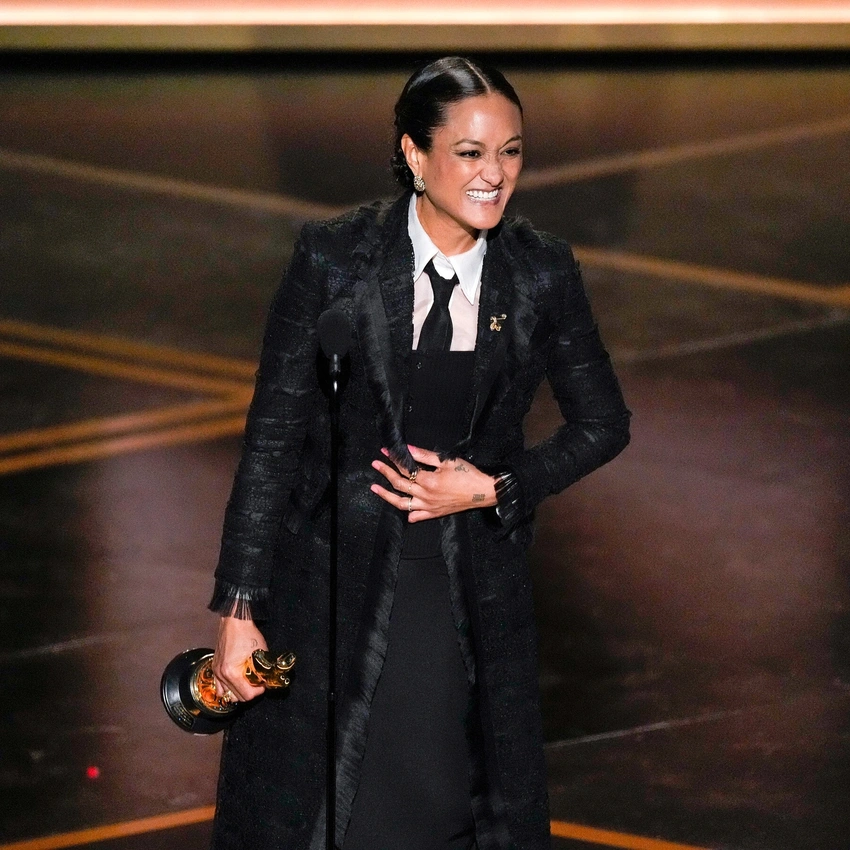
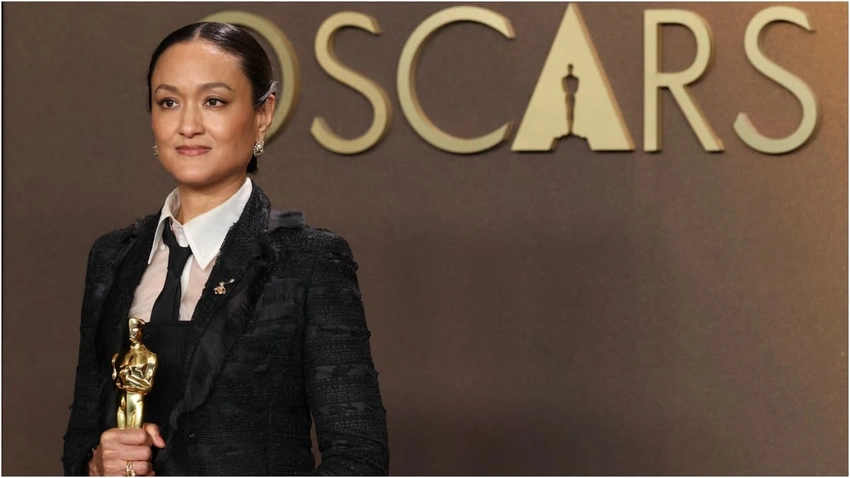
For decades, the view through the cinema lens has been almost exclusively male. When we think of the Director of Photography, the image that usually comes to mind is a man in a vest holding a light meter. But the recent historic win by Autumn Durald Arkapaw for her work on the film Sinners has officially shattered that cliche. As the first woman and the first woman of color to take home the Best Cinematography award, she did more than just win a trophy. She proved that the visual language of film does not belong to just one gender.
Why the Technical Gap Exists
It is no secret that behind the scenes roles, especially technical ones like cinematography, have been a tough nut to crack for women. There is a lingering, outdated bias that suggests men are naturally more suited for the heavy lifting, the complex lighting rigs, and the high-tech gear. This win challenges that narrative head-on.
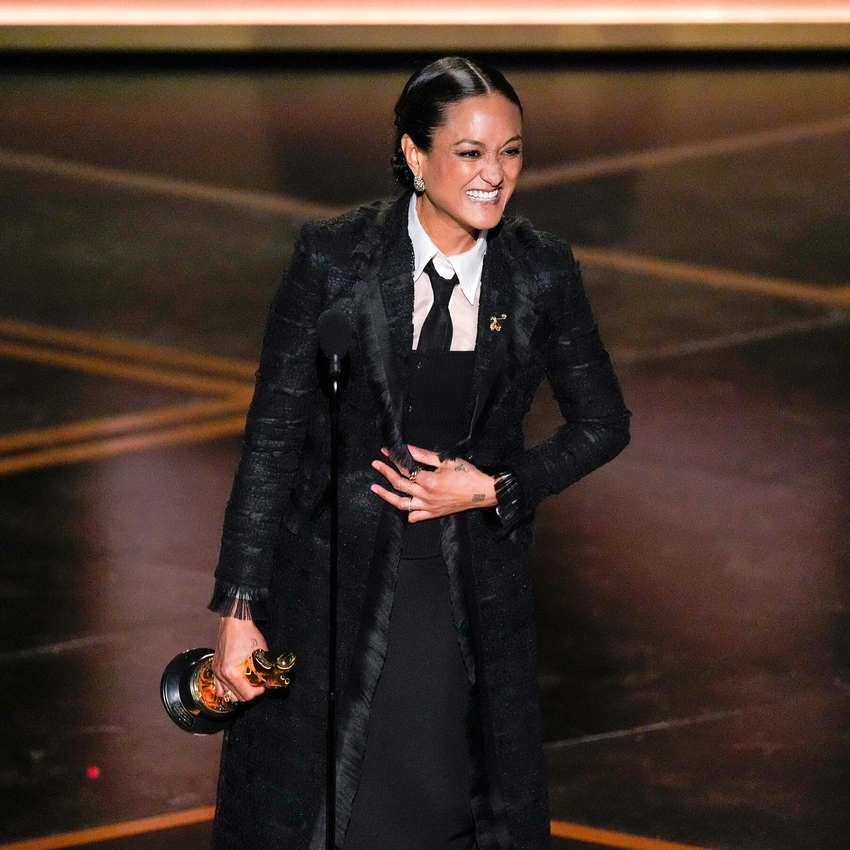
When Autumn Durald Arkapaw stood on that stage and asked all the women in the room to stand up, she was highlighting a vital truth: women are already here, doing the work, and doing it at an elite level. We just need the industry to stop looking past us. The technical expertise required to light a scene or move a camera is not tied to a Y chromosome, yet the statistics have historically suggested otherwise.
The Power of Representation
Why does this specific category matter so much?
- Visibility in the Credits: It encourages young girls to pick up a camera instead of assuming they have to be in front of it.
- Diverse Perspectives: Different life experiences lead to different visual choices. A more diverse pool of cinematographers means movies will start to look more like the actual world we live in.
- Economic Impact: Success at this level leads to bigger budgets and more opportunities for female-led crews.
A Message to the Industry
This is a call to action for every producer and director currently hiring their next crew. Do not just hire who you know. Look at the talent that has been historically sidelined. The technical excellence displayed in Sinners is proof that talent has no gender. We are moving toward a future where a woman winning for cinematography isn't a headline-grabbing anomaly, but a regular occurrence. This win is the spark that will light the way for the next generation of visual storytellers. It is time to let more women frame the story.
#WomenInFilm #Cinematography #RepresentationMatters #SinnersAward
Login to comment.
9 Thots
More Like This
Finally! The Glass Ceiling of Cinematography Just Shattered at the Oscars
Autumn Durald Arkapaw just made history as the first woman to win Best Cinematography. This is a massive revolution for every woman behind the lens.
The Lens is Changing
For nearly a century, the person behind the camera at the highest level of filmmaking was almost always a man. That changed in a major way this week. When Autumn Durald Arkapaw took the stage to accept the Oscar for Best Cinematography for her work on Sinners, she did not just win an award. She broke a barrier that has stood since the inception of the Academy Awards. This moment is a loud, clear signal that the visual language of cinema is finally expanding.
Why This Matters for the Industry
Arkapaw is the first woman and the first woman of color to claim this specific title. For decades, cinematography was viewed as a strictly technical, male-dominated field where women were rarely given the keys to the kingdom. By winning for her stunning, atmospheric work, Arkapaw proved that the eye for light, shadow, and scale has nothing to do with gender. It is about vision, and hers is world-class.
The impact of this moment goes far beyond a single golden statue. This win creates a ripple effect across the industry for several reasons:
- Visibility creates possibility: Aspiring female cinematographers now have a concrete blueprint for success at the highest level.
- Redefining the gaze: Diverse cinematographers bring new perspectives to how stories are lit, framed, and felt by the audience.
- Industry shift: Production studios can no longer rely on the tired excuse that women lack the technical expertise to lead massive, high-budget productions.
A Call to Action
One of the most powerful moments of the night was during the acceptance speech, when Arkapaw asked all the women in the room to stand up. It was a beautiful, visual reminder that while one person held the trophy, there is a whole army of talent ready to take the industry forward. It was a gesture of solidarity that says: I am here, but I am not the only one.
The Future of Film
This win is a signal to every young person with a camera that the world is finally ready to see things through their eyes. We are moving toward an era where the people making our movies actually look like the people watching them. True diversity is not just about who is in front of the camera, but who is calling the shots behind it. It is about time the Academy caught up to the reality of the talent out there.
Login to comment.
8 Thots
More Like This
Finally! The Glass Ceiling of the Camera Department Has Shattered
Autumn Durald Arkapaw just made history as the first woman to win Best Cinematography. Here is why this moment is a game changer for Hollywood and ge…
Autumn Durald Arkapaw just made history as the first woman to win Best Cinematography. Here is why this moment is a game changer for Hollywood and gender equality.
Breaking the Frame: A New Era for Women in Film
For nearly a century, the Academy Awards have celebrated the best in cinema, yet one category remained a stubborn fortress of male dominance. That changed at the 2026 Oscars when Autumn Durald Arkapaw walked onto the stage to accept the trophy for Best Cinematography for her work on the film Sinners. This was not just another award; it was a seismic shift in an industry that has long struggled to see the world through a woman's lens.
Why This Category Matters
Cinematography is the soul of visual storytelling. It is the marriage of technical precision and artistic intuition. For decades, the narrative in Hollywood suggested that the heavy lifting of lighting, lenses, and camera rigs was a man's job. When we look at the history of this category, the lack of female representation is staggering. By winning this award, Arkapaw has effectively dismantled the myth that technical mastery is gendered.
A Milestone in Context
The 2026 ceremony was defined by a spirit of vocal advocacy and calls for change. Amidst the political statements and pins on the red carpet, Arkapaw's win stood out as a tangible victory for systemic progress. It is one thing to talk about equality, but it is another to see a woman recognized as the very best at a craft that serves as the foundation of movie-making.
What this says about Hollywood today:
- Recognition of Skill over Tradition: The industry is slowly moving away from the old boys club mentality.
- Inspiration for the Next Generation: Young girls interested in the technical side of film now have a clear blueprint for success.
- A Shift in Perspective: Diverse cinematographers bring unique visual languages that enrich the cinematic experience for everyone.
The Road Ahead
While we celebrate this massive achievement, we must also ask why it took until 2026 for this barrier to fall. This win should not be a one-off anomaly but rather the start of a new standard. Gender equality in film is not just about who is in front of the camera; it is about who is behind it, making the choices that define how we view the world.
Arkapaw's triumph for Sinners proves that when women are given the keys to the most technical rooms in the house, they don't just succeed. They redefine the art form itself.
Login to comment.
8 Thots
More Like This
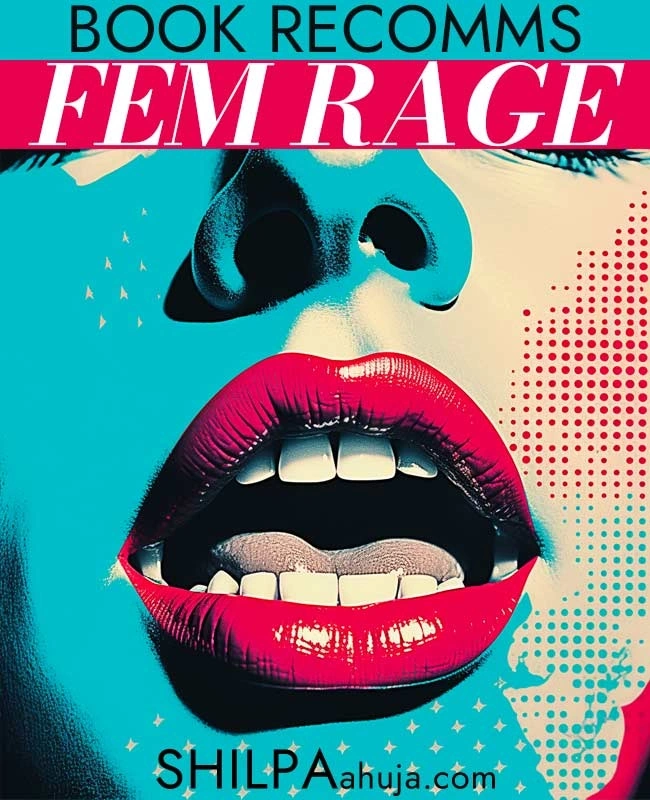
5 Must-Read Female Rage Books: Unleashing the Fury
In the mood for some twisted tales about twisted people? And oh, make them all women! Presenting to you five immersive female rage books.
The feminine rage, these days popular as ‘fem rage’ genre is hardly new. These are books or films that feature themes of older women expressing their anger or frustration. From Kill Bill (2003) to The First Wives Club (1961) and of course Gone Girl, we’ve seen this genre across literature and cinema.
However, in today’s world, as expression is ever-important and accepted, fem rage has become one bestselling category of books we can’t get enough of. Discover empowering and thought-provoking female rage books that redefine strength and resilience. Explore our top recommendations below.
Female Rage Books: The Theme
Born out of the unaddressed rage mutually shared by the female of the species, this genre gives voice to unspoken frustrations developed by the counter-normalization of society’s behaviour towards women as a collective unit. Our picks for female rage books are in and around various genres of fiction of this theme.
Genres have often blended in various subcategories delivering perfect delicacies after delicacies. In delicacies, I also mean complex and contradicting characters which knowingly, unknowingly we all have once swooned for. Then how about characters who, unlike their counterpart, carry their anger like tote bags while having the most bizarre way of execution?
To add to that, an unquenchable thirst for power, authority, freedom, or something we never saw coming. Introducing to you, five morally crimson book recommendations 🔗 on feminine rage/ unhinged protagonists whom we can’t unsee anymore. Ranging from peculiar food palettes to questionable decisions, our characters would never back out when it comes down to dropping jaws and some hysterical laughs on the way.
Our Top Recommendations for Female Rage Books
Nightbitch
By Rachel Yoder
When loneliness and exhaustion from being a full-time mother taking care of her two years old seeps in. An artist navigating the troughs of motherhood hits first into frustration while struggling with her passion. But one night, things alter, canines, new patches of hair, her body alters itself for the better or the worse. New appetites develop themselves into full entities and she ventures out for a hunt.
Ranging from a commentary on structures of power and struggles of a modern woman comes hilarious contemporary fiction. With an impact that kicks in when least expected.
Read this because
The book explores the horrors of motherhood rather than glorifying the role. Motherhood can be scary, uncharted territory at first because each experience is unique.
The book walks a step further to step into the genre of horror and magical realism to confront the idealization and generalization of the idea that every woman wishes to be a mother. Or specifically, that every woman is mentally prepared to. If you wish for your horror cup of tea to have a deep message in the undertones, do consider this book. It is dark, funny, and immensely immersive.
The Poppy War
By R.F. Kuang
Inspired by the Second Sino-Japanese War, comes a historical military fantasy, the first in its trilogy surrounding ambitions, hierarchies, and power. Rin, a peasant girl from the south sets her eyes on attending the most prestigious military academy in Nikan in an attempt to dodge an arranged marriage 🔗. She aims for the Empire-wide examination and aces it clean off the slate.
At Sinegard, Rin develops strong ties with her newfound friends and bitter rivalries, brewing in the background is a third Poppy war while the scars done by the first two have barely been healed. Rin finds herself headfirst into an active battleground, with choices that can go farther apart and a clock that ticks faster than the self-realization of who she is. Will she catch up or will she fall prey to those in power? A gripping adventure within the realm of female rage books.
Read this because
It’s a coming-of-age, grimdark fantasy book that was a debut for author R.F. Kuang; and is set to go down in history as one of the best in the genre of female rage books. Exploring its Asian roots, the book also includes the dynamics of an empire, drugs, gods, and shamanism.
While holding at its core, a fearless, driven protagonist who will do anything to obtain what she deserves. Rin, from the south aces the empire’s most anticipated test, and realizes power in its true substance when obstacles are thrown to hinder her sprint. Forging friendships and rivalries with the ever-developing skill set, Rin’s life takes a hard turn towards the unexpected.
Charting courses through the maps of a compactly built empire and the vivid lives of the inhabitants, the book does to a reader that many with the same plot idea couldn’t master. Definitely contributing to the powerful genre of female rage books that challenge societal norms. Trigger Warnings- rape, self-harm, drug abuse, genital mutilation, and others.
The Woman Destroyed
By Simone de Beauvoir
The Woman Destroyed by Simone de Beauvoir 🔗
Three tales surrounding women and their lives, how their wants and needs are omitted to appear in only the factors of marriage, husbands, children, and absolutely nothing more. Heartbreakingly beautiful accounts on existentialism and what it means to be a woman.
Read this because
Simone De Beauvoir’s writing and way of narrating is no joke. The book itself consists of three stories: The Age of Discretion, The Monologue, and The Woman Destroyed. All of them take a deep dive into an exploration of women’s dependency on falsely depicted structures of life and the inescapable nature of desires.
Extremely personal, moving, and emotional commentary on societal and social pressure inflicted on a woman. Depicting negligence of anger harbored by the woman in the room, this book is more about women in daily lives than forced empowerment tropes. One of the must-read female rage books for people of any genre, a staple for all. Makes one question a bit on everything real and everything philosophical.
The Days of Abandonment
By Elena Ferrante
The Days of Abandonment by Elena Ferrante 🔗
A first-person narrative of a woman abandoned by her husband in the rise of responsibilities. Alongside her two children and her dog, Olga begins losing her sense of self and that of reality. Descending into pure loss of identity with echoes of her thoughts bouncing back and forth the walls of what she calls home.
Read this because
It is tough to sum up how this book encapsulates the claustrophobic essence of a woman’s life. Imagine a homemaker stuck thinking about door knobs and hinges because that happens to be the only world she has been boxed into.
The book discusses the descent of an entity as she swirls down the stairs of her psyche. Ultimately, bending the simplistic narrative at first to a thought-provoking story about the disrupted and messed up lives of mothers who don’t have it all.
Clytemnestra
By Costanza Casati
Clytemnestra by Costanza Casati 🔗
Clytemnestra, a royal born is betrothed to a tyrant after series of personal losses. With the backdrop of wars and sacrifices lined up for the Queen, Clytemnestra plots to gather power that was never offered to her. For she will have what’s hers by force, if necessary.
A tale forgotten and resurfaced, this book is about a queen who knew, for a queen can never take a king’s place. All because she doesn’t have to. A myth retold about an immovable queen who bowed to no one but herself.
Read this because
The book is a mythological retelling of one of the most known women figures in Greek History, Clytemnestra. She was known for her intellect and her active role during times of crisis. And trust me this one becomes personal and heart-wrenching at points.
From those turns, it grows and obtains the plot of the monarch in power and authority. A must for all the fans of Circe by Madeline Miller and all those who have a knack for strong women and tough decisions. This one’s for you.
Honorable Mentions
- If Nightbitch was more your type, might as well give a shot to Earthlings 🔗and Life Ceremony 🔗by Sayaka Murata, All’s Well 🔗by Mona Awad, and Eileen 🔗by Ottessa Moshfegh. The themes revolve around the same insanity as shared in the former and are carried out throughout the book with several trigger warnings for each.
- Want some more of The Poppy War? Explore the whole series. And if you are looking for the same vibe, a different book. I got you, try Babel 🔗by the same author as The Poppy War. It adds a bit of Dark Academia to the plot and is again a masterpiece in every sense. Titles like She Who Became the Sun 🔗by Shelley Parker-Cha, Iron Widow 🔗by Xiran Jay Zhao, The Jasmine Throne 🔗by Tasha Suri, and The Priory of the Orange Tree 🔗 by Samantha Shannon deserve their hype as well.
- My Year of Rest and Relaxationby Ottessa Moshfegh, The Bell Jar 🔗 by Sylvia Plath, Convenience Store Woman 🔗by Sayaka Murata, The Virgin Suicides 🔗by Jeffrey Kent Eugenides, Diary of a Void 🔗by Emi Yagi, and All the Lovers in the Night 🔗by Mieko Kawakami.
- If you liked Clytemnestra and it feels like your genre. Circe 🔗by Madeline Miller, The Witch’s Heart 🔗by Genevieve Gornichec, and The Silence of the Girls 🔗 by Pat Barker might be a good read for a follow-up. All of them are inspired by Greek or Norse Mythology involving a retelling of a female character worth the narration.
Feel free to return to the article to discover various books mentioned in the tiny list above.
Till then, happy reading!
Also, here you ready to take Shilpa’s Fem Rage Expression Style Quiz 🔗?
Female Rage Expression Quiz: Do You Express or Suppress? 🔗
#FeministLiterature #MustReadForWomen #FemaleEmpowerment #RageAgainstTheMachine #WomenInFilm #BookLoversUnite #AngerManagement

Login to comment.
5 Thots
More Like This
Comments
-
Loading...
-
-
-
-
-
-
-
Please select a valid reason.
Login to comment.